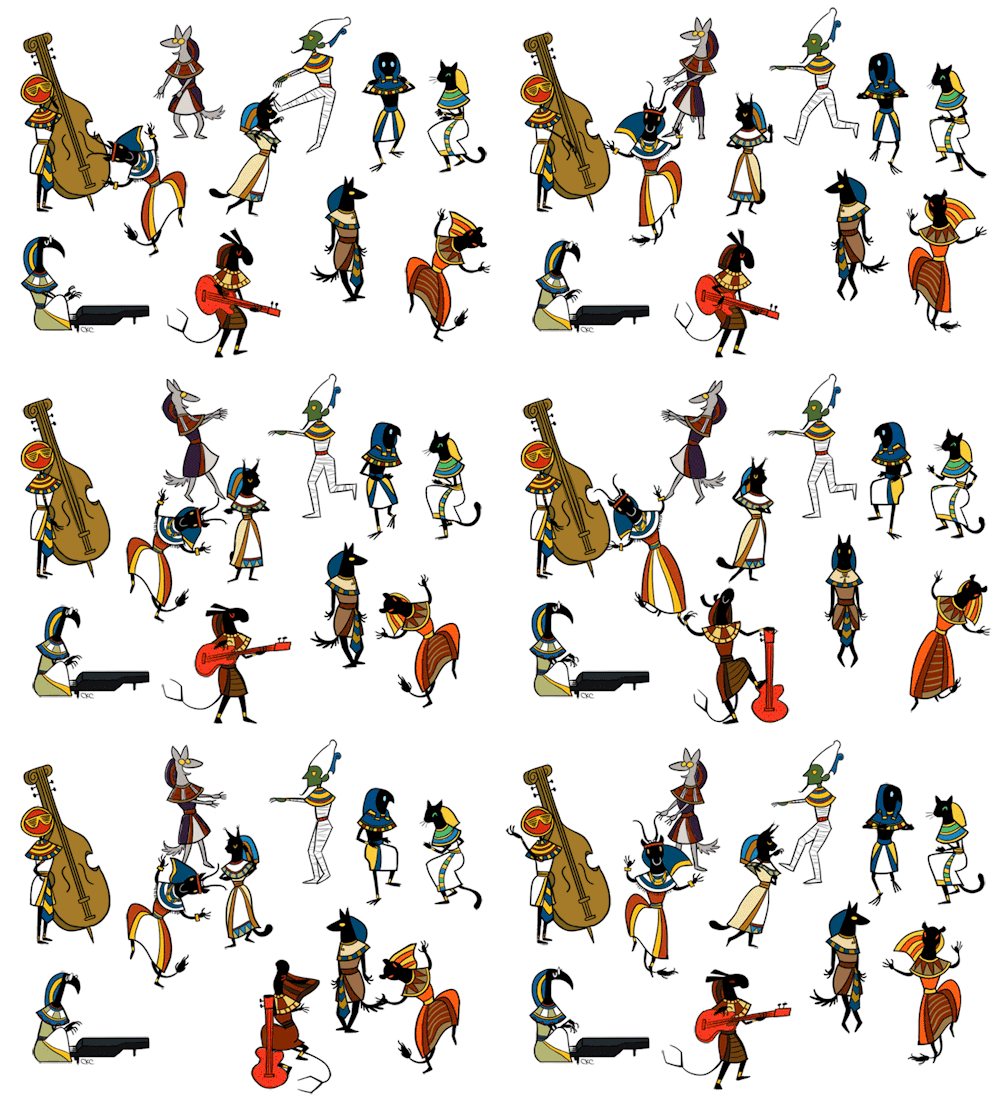
The Lost Cultures tattoo style
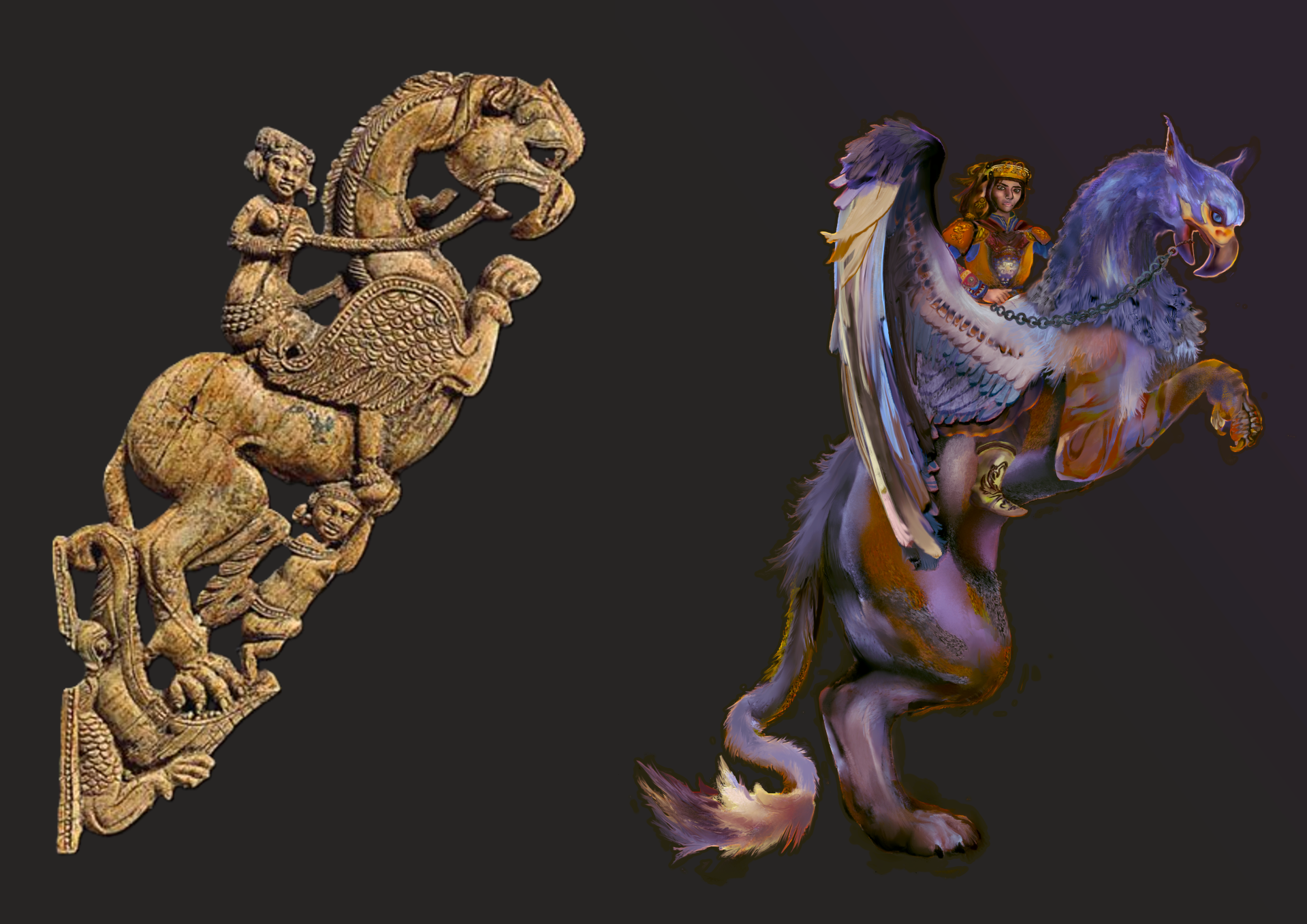
To count all the civilizations and cultures that have lived before us – NO ! It is exciting, but time‑consuming, we will look at the brightest reflections. Those whose heritage and motifs You gladly strike onto your skin. In the section on tattoo history https://www.gametattooart.com/tattoo where we travelled across the whole globe in search of the origins of tattoos, it is told in a multifaceted way about cultures and the meanings of tattoos -> R.e.a.d… Tattoos have always served as significant cultural symbols in various societies, often reflecting tribal affiliation, social status, and protective symbols. They signal an individual’s status, role, or experience in society. They were used both to include and to exclude individuals from certain social categories.
In modern culture, tattoos are increasingly accepted as a form of self‑expression and personal storytelling. They are no longer limited to marginal examples; they have gained widespread recognition and visibility. In the realm of skin art, stories about oneself and society are intricately engraved into eternal symbols and poetic colours, particularly captivating are the stories of ancient cultures tattoos, which reflect the myths and history of long‑gone civilizations. Of course, nowadays many of them have been erased by the shifting sands of time, but an independent artist’s perspective brings their own vision onto Your skin, reflecting the symbols of long‑gone cultures even today.
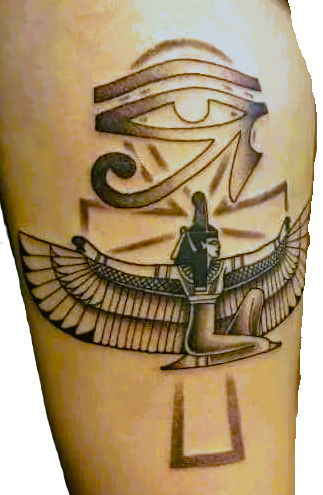
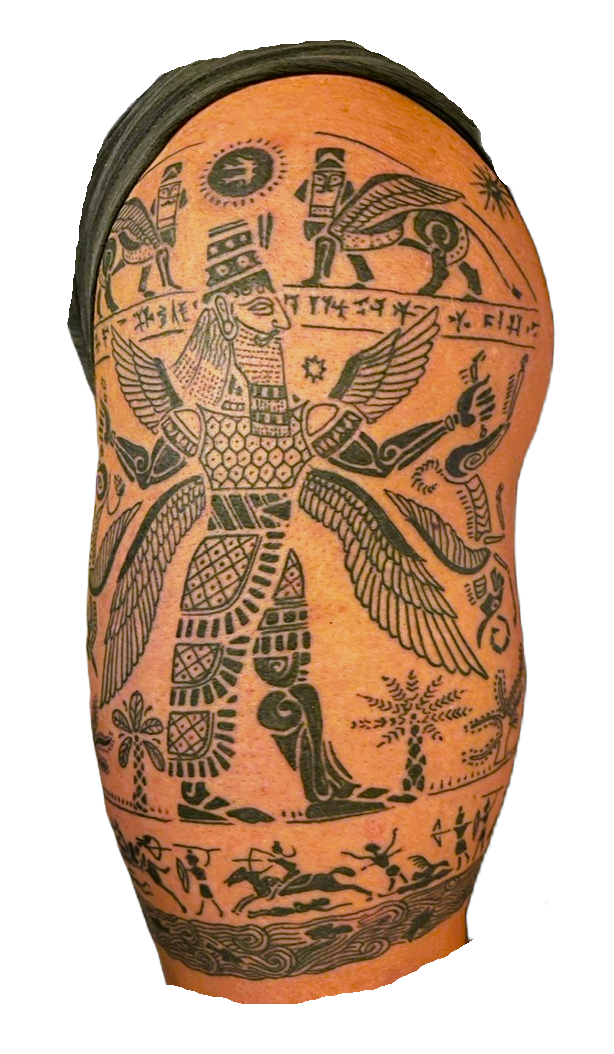
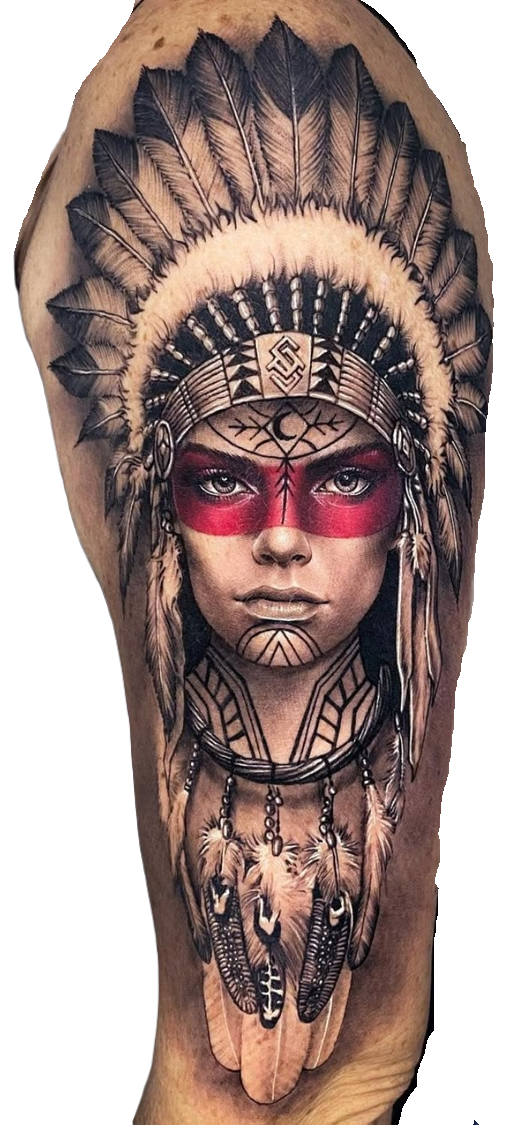
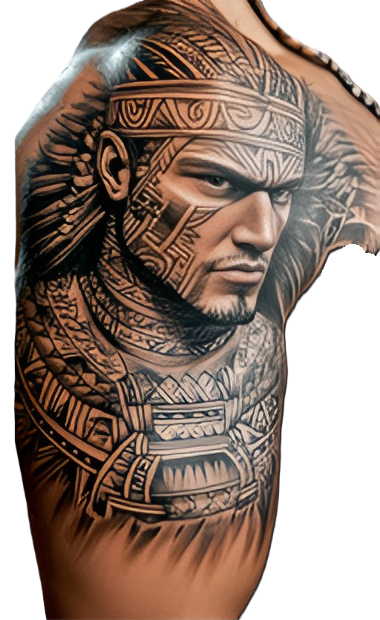
Historical mysteries, saturated with the mystical and the spiritual, have always captivated the human mind, prompting reflection and expanding the boundaries between the mortal and the divine, between history and knowledge, and also between the physical "Self" and the cultural consciousness that once was "Self”. The forgotten cultural tattoos of the ancient world continue to fascinate us, for they reflect the universal human desire to decipher one’s essence not only as an individual but also as part of society — a fragment (a puzzle piece of a unified composition) that has impressed itself upon manuscripts, upon shards of ancient vases, and today serves as a source of inspiration, gathering the artistic traditions and symbolism of these early civilizations. Thus, today we honour the enlightenment, mastery, and cultural heritage of ancient civilizations by incorporating their ancient designs, techniques, and elements into modern cultural tattoos.
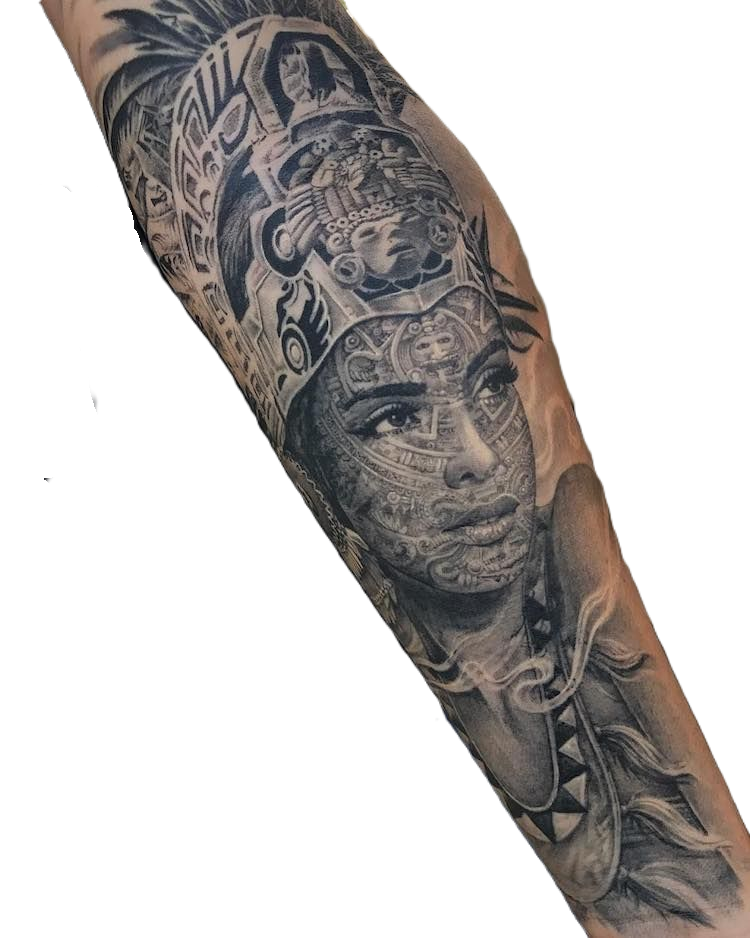
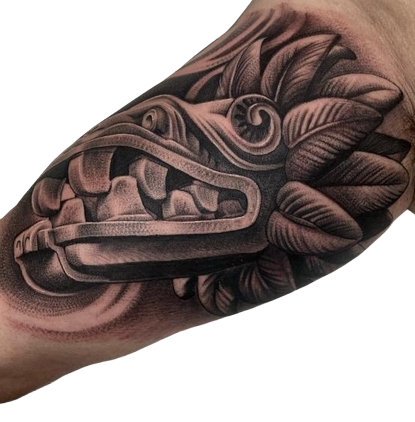
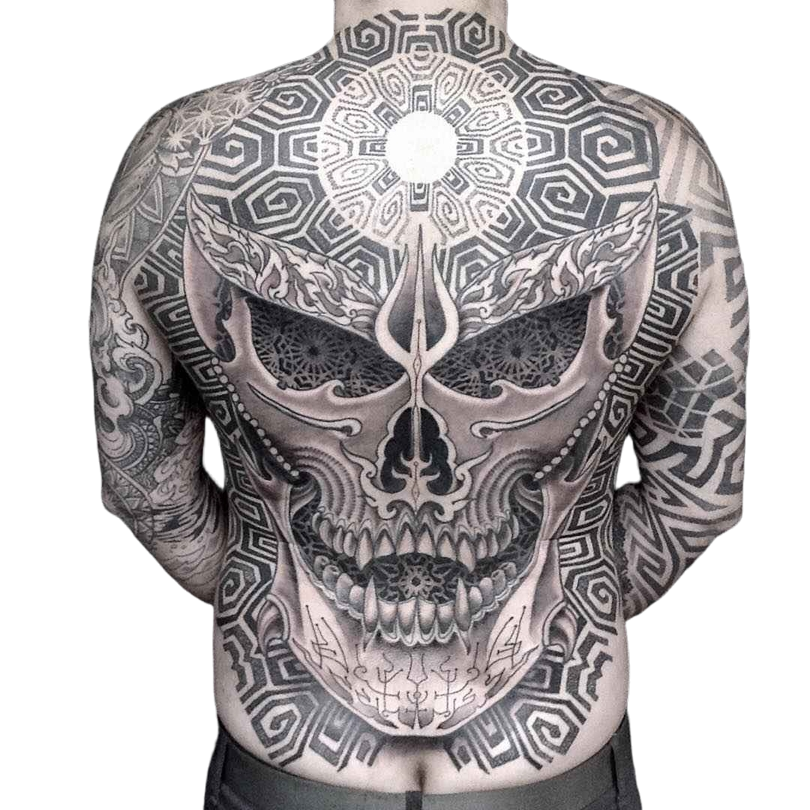
Those of You who choose to reflect the symbolism of lost cultures upon your skin understand that such enduring symbols have always surpassed mere decorative value. Rather, they mark a spiritual journey and bring one closer to communication with the divine (the ancient divine cultures), while also serving as a kind of protective element.
The constant drive to explore and create something new is the eternal engine of tattoo art. It is tattoo artists who have revived the symbolism of ancient cultures upon their skin-canvases. It is interpreted anew, for the true meaning of many ancient tattoos may remain lost in the labyrinths of time; yet the aesthetic and symbolic part of their heritage has endured. They have become symbols of individualism and cultural pride, reinterpreted and transformed into a form suited to the modern era.
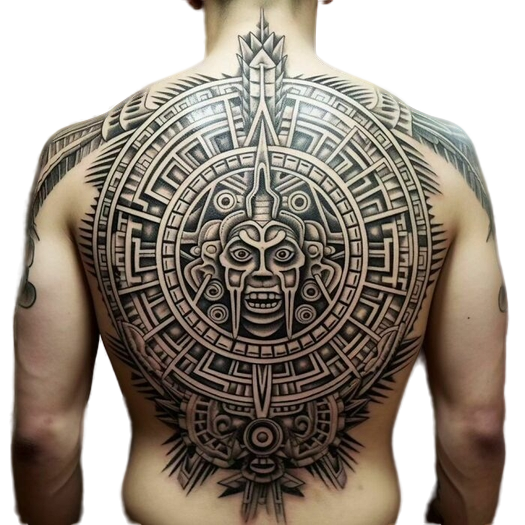
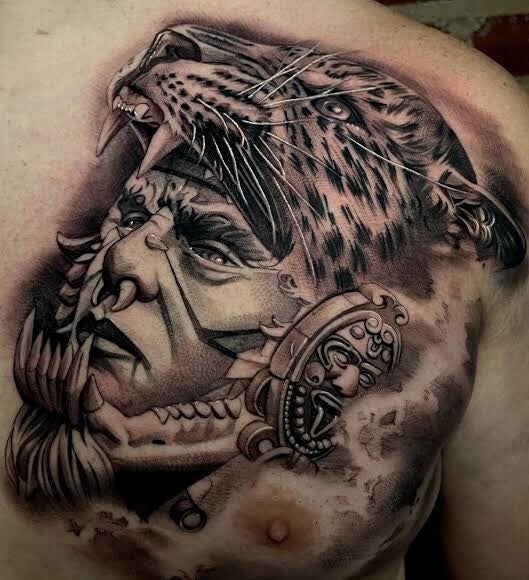
Whether they were Aztecs or Maya, their tattoo designs were unique in that they were highly detailed and complex, often consisting of a wide range of shapes, symbols, and patterns. Let us not forget that, unlike today, tattoos were created using sharp bone or cactus needles and ink made from charcoal.
Of course, only a few fragments of skin from people of ancient cultures have survived to this day, revealing the presence of tattoos, but it does not hinder tattoo artists from continuing to explore and seek, together with You, new ways of reflecting ancient culture.
I.t.e.r.e.s.t.i.n.g., but it is artistic expression that has enhanced not only the diversity of tattoos, but also their depth and personalization, shifting from traditional standardized designs to unique works that reflect individual expression through the perspective of ancient cultures.
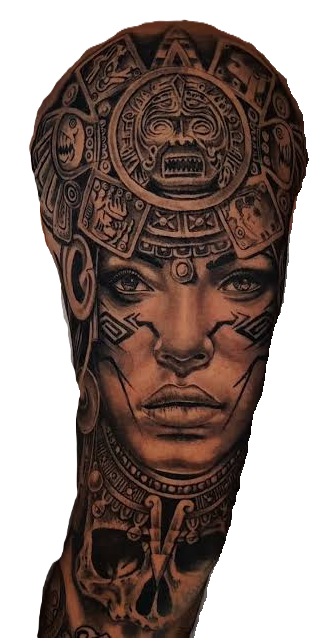
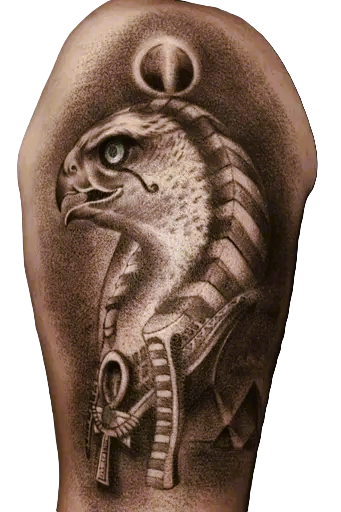
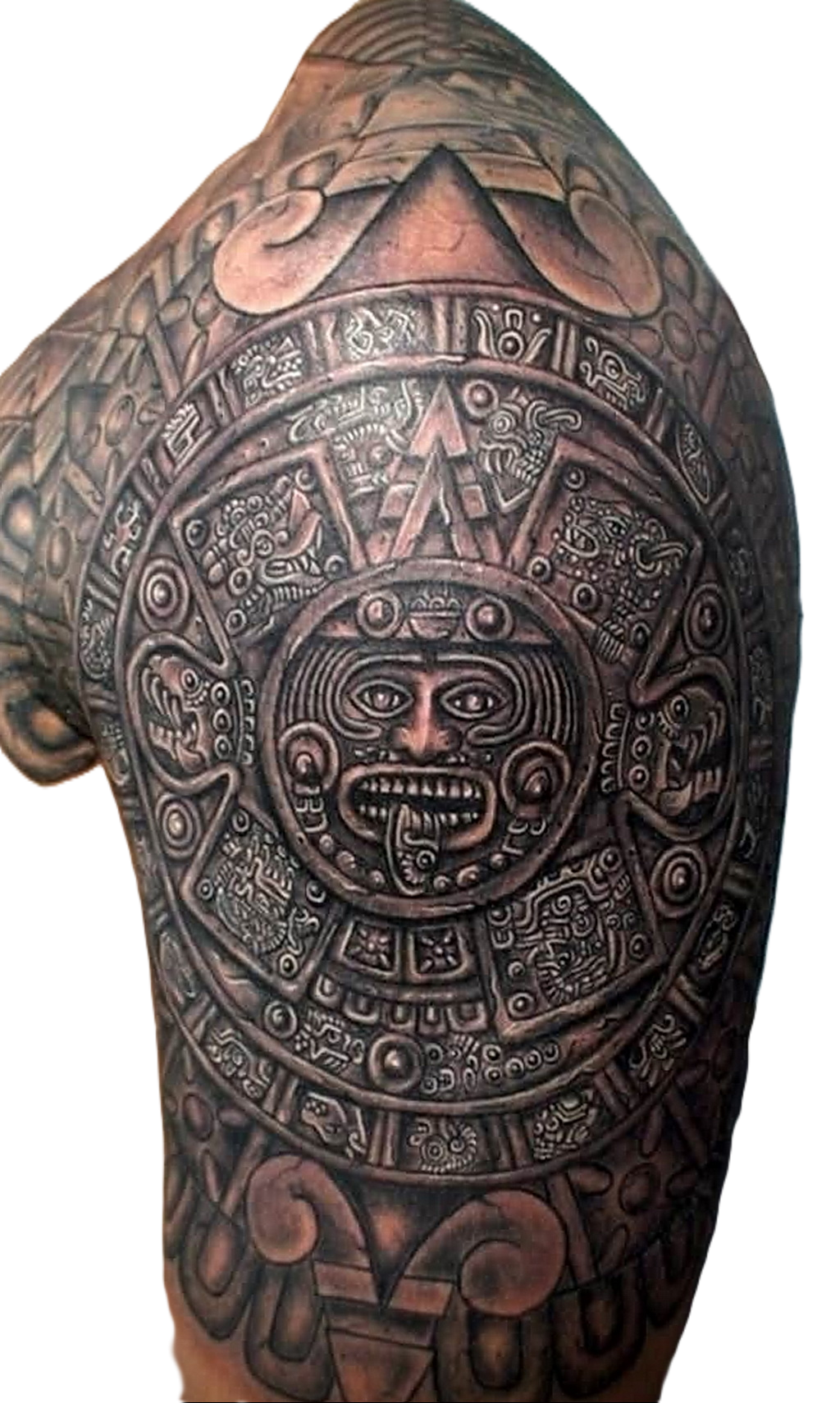
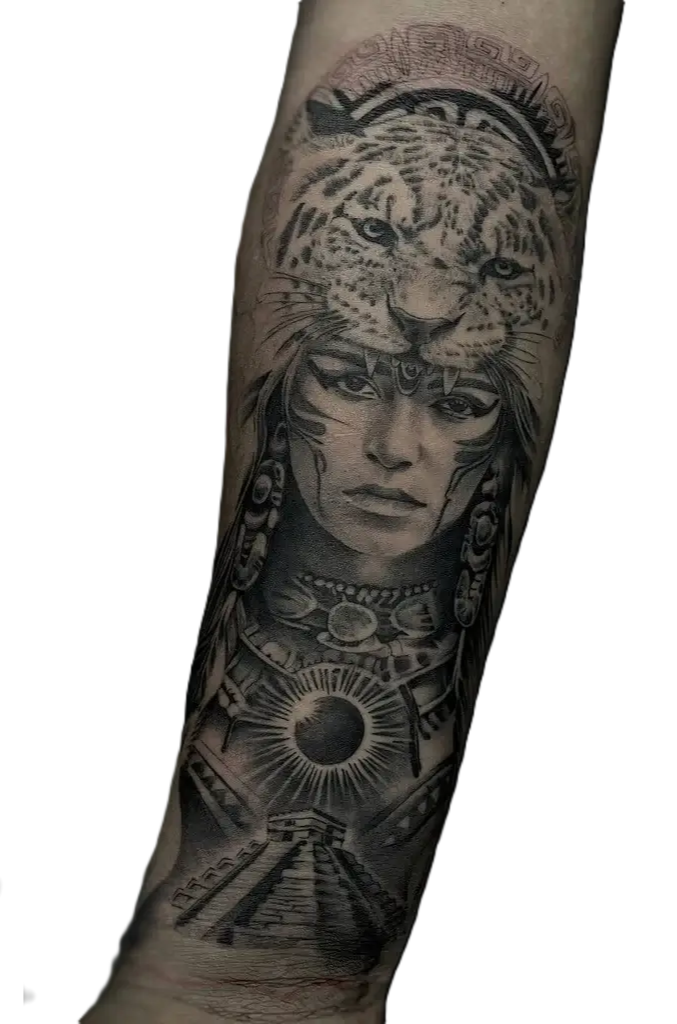

When choosing a tattoo artist for a lost‑culture tattoo, You do not need to look for an archaeology professor or a researcher of ancient symbols. On the contrary You yourself must become the researcher of the subject, and take some interest, and read the appropriate literature you should certainly not rely on the tattoo artist’s knowledge, even if it happens to be their hobby (the history of lost cultures). The point is that a good tattoo artist will help You incorporate the chosen symbol or cult animal into a creative tattoo one you’ll be able to proudly show in public. Only the incorporation itself, because the true essence and connection with the lost culture will be felt only when You personally search for and explore this subject.
Diametrically opposite is the case, when for You, it is simply another tattoo that complements the works you already have and carries no sacred meaning behind it. I simply liked it — saw it on social media — I want one for myself, only instead of a leopard I want a wolf :)

P.S.
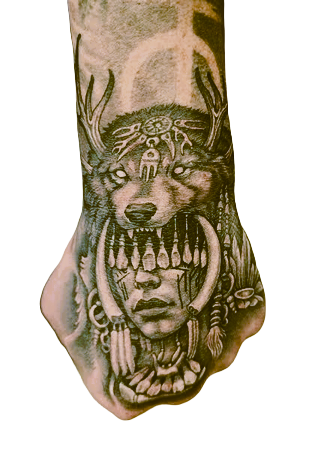
Today many of You view tattoos as a way to reclaim ownership of your body, using the art of tattooing to celebrate your independence of form and underline your narrative beliefs.
Just don't forget! “Every tattoo from an ancient culture carries rich symbolism, connecting its bearer to something more than just a drawing on the skin. This is serious enough, because ancient symbols in many cultures were sacred and worshipped, every word carries power, the same can be said about ink beneath the skin. It is something lasting, and it may radically change your perception of the world tomorrow.
Don't forget! It is precisely the symbolic history of cultural tattoos that stretches across ages and continents :):):)