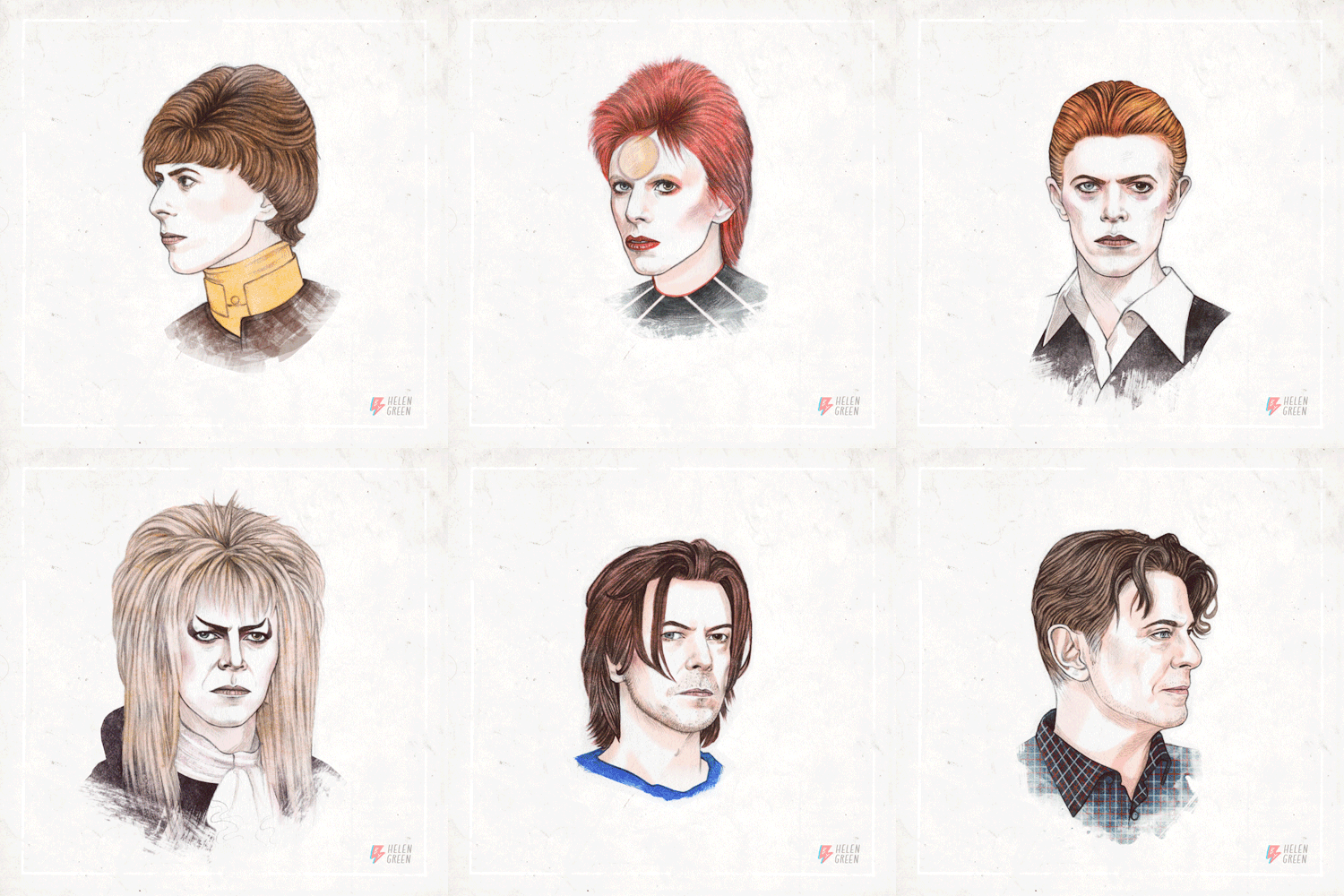
Portraiture individual tattooing style

Portraits are artworks that fix likenesses of people or animals that are alive or have been alive. The word portrait is used to describe this category of art. Its purpose is to preserve the image for the future. This can be done with painting, photography, sculpture, and today also with tattooing. The portrait has changed its forms, but not its essence. It differs slightly today from the earlier understanding, influenced by modern movements (abstractionism, minimalism, digital art).
Regardless of whether it is inspiration, motivation, a reminder, or a memory, portraits are often a chosen tattoo for those who wish to honor someone who is a significant figure in their life. In the 18th and 19th centuries, portrait tattoos became more detailed and realistic thanks to improvements in tattooing equipment and ink pigments. However, only in the 20th century did portrait tattoos truly gain popularity. As tattoo culture grew and new tattooing methods developed, artists were able to create incredibly realistic portraits on their clients’ skin.
In art history, portraits of women often emphasized beauty and modesty. Portraits of men were sometimes used to depict power and status. Today portraits have endless forms, and it is no longer a marker of status but a way to reflect a person’s life.
Portrait tattoos are a reflection of the realism tattoo style. This is one of the most appealing and intriguing styles. We are rather talking about a deeper consideration of all aspects of the object’s lighting so that it appears as lifelike as possible, surpassing a photograph. To achieve this, tattoo artists often spend a respectable amount of time studying their subjects and getting to know their personalities before daring to depict them on the skin.
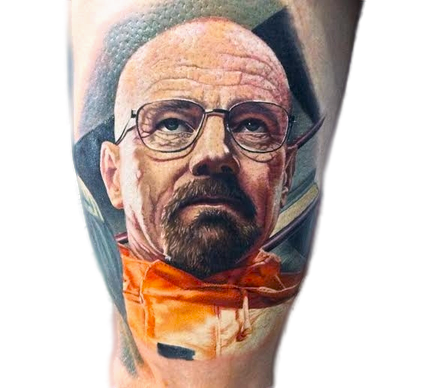
Portrait tattoos are delicate because they require a high level of detail. Therefore, a minimum size requirement must be maintained. Most tattoo artists will not accept a portrait commission smaller than 3 × 3 inches. I.n.t.e.r.e.s.t.i.n.g. – Leonardo da Vinci’s “Mona Lisa” (around 1503) is perhaps the most famous portrait in the world, and it was painted on a poplar panel measuring 2 feet 6 inches by 1 foot 9 inches. Many of You don’t even realize how small this format is until you see it in person.
When ordering a portrait from a tattoo artist, don’t get hung up on the dimensions, a skilled portraitist will be able to transfer the nuances even in a tattoo. Real-life portrait tattooing is not simple. In fact, it is the most complex type of tattoo. Besides the need for accurate lines, the image also contains many details. A tattoo artist who can create beautiful old-school tattoos does not necessarily have to be an expert in portraits. A portrait is an individual art school in itself and a talent for drawing a realistic portrait.

The portrait tattoo style is a highly specialized field that requires great skill, artistry, and attention to detail. It involves capturing the subject’s unique features, expressions, and personality. Whether the subject is a beloved family member, a cultural icon, or a cherished pet, a well‑executed portrait tattoo can capture their essence, it must not only look “real,” but also resemble the original.
Our team has been joined by a new and talented portrait artist, "Yūgen". At our request, he outlined the types of artistic portrait styles —->
——> There are ten types of portraits: traditional portraits; candid portraits; lifestyle portraits; glamour portraits; conceptual portraits; self-portraits; close-up portraits; group portraits; environmental portraits; pet portraits.
To the question. Which portrait types are the most widespread and best suited for tattoos? Yūgen "A portrait is a painting, photograph, sculpture, or another artistic representation of a person in which the face always dominates. In art, a portrait can depict a half body and even a full body. If a full‑body figure reflects the personality and mood more effectively, this type of presentation can be chosen."
Realistic portrait tattoos are designed to reproduce the subject's appearance as accurately as possible, with incredible detail and precision. This style is especially popular for portraits of family members, celebrities, and historical figures, as it allows the subject to be portrayed truthfully and accurately.

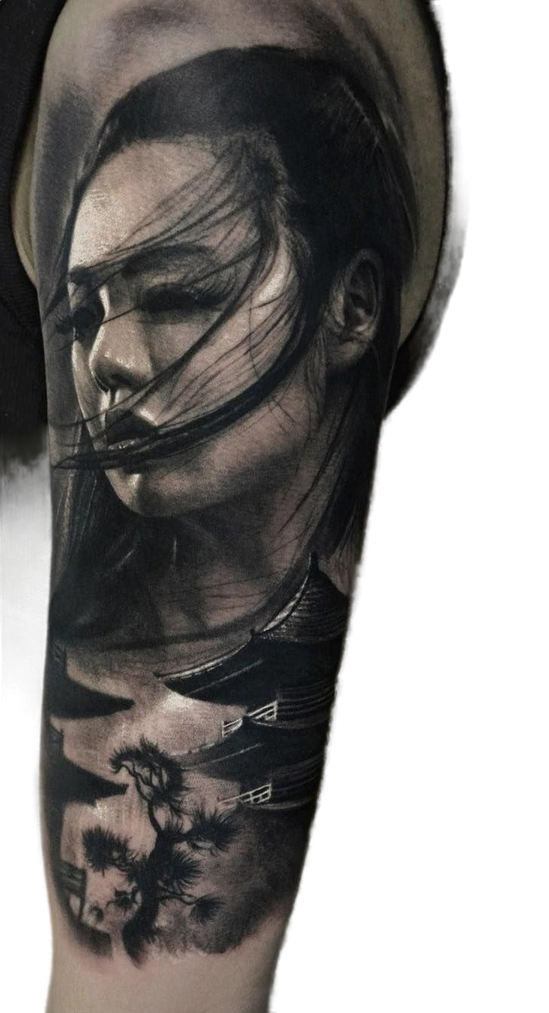
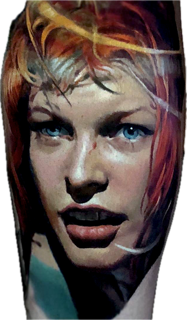
Black and grey portrait tattoos are created using only black and grey ink tones, which can produce a softer, moodier, or more dramatic effect. This style is often chosen by classic tattoo enthusiasts who feel that color tattoos are excessive. As a result, black‑and‑grey work enhances the creation of more emotional subjects.
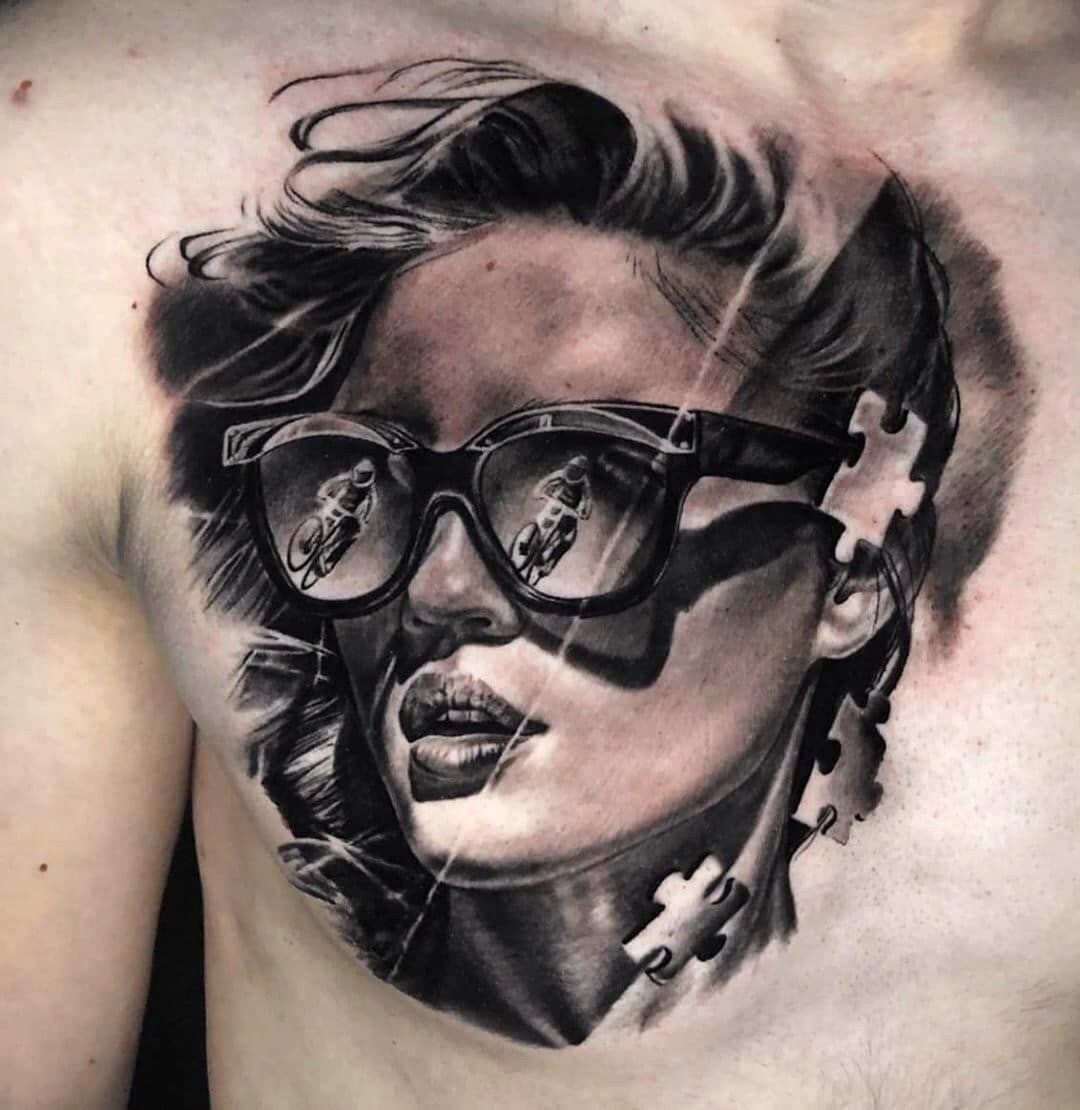

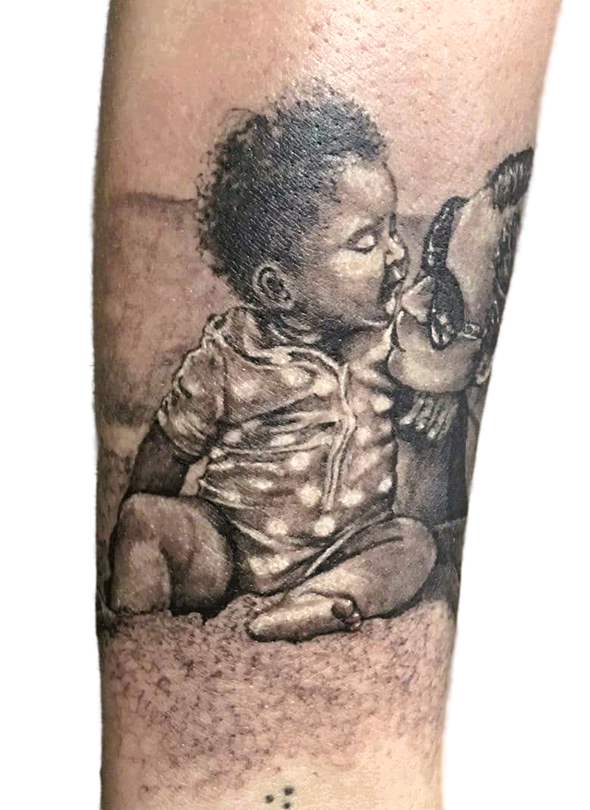
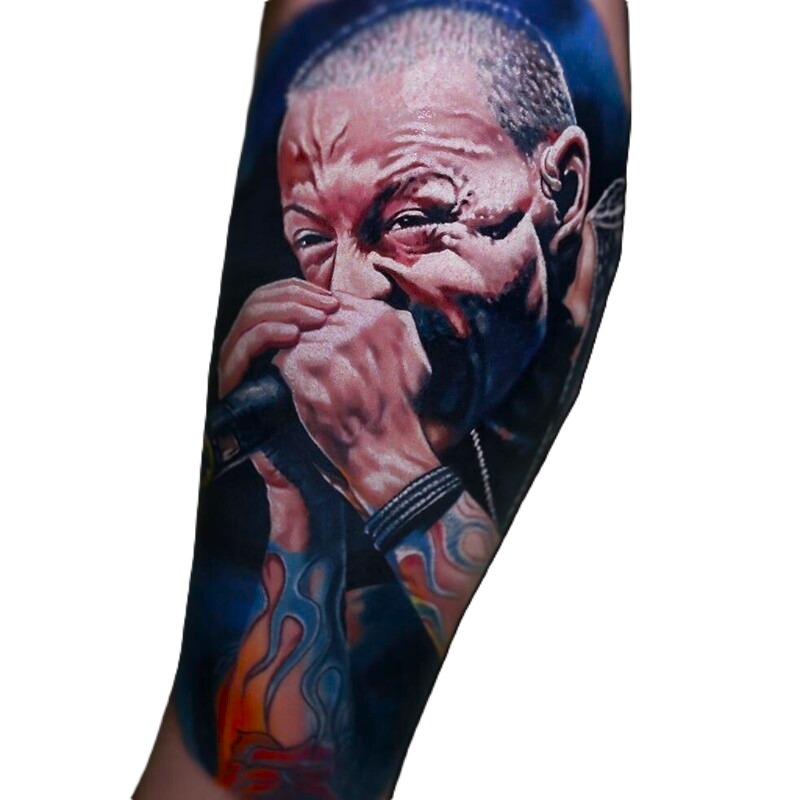
Color portrait tattoos incorporate a wide range of color and shading techniques, creating a maximally vivid representation of the subject. This style is ideally suited for portrait subjects that require a more playful and vibrant approach to highlight the subject’s personality. Color adds vibrancy and depth to the tattoo, allowing the artist to create a more realistic and dynamic piece.

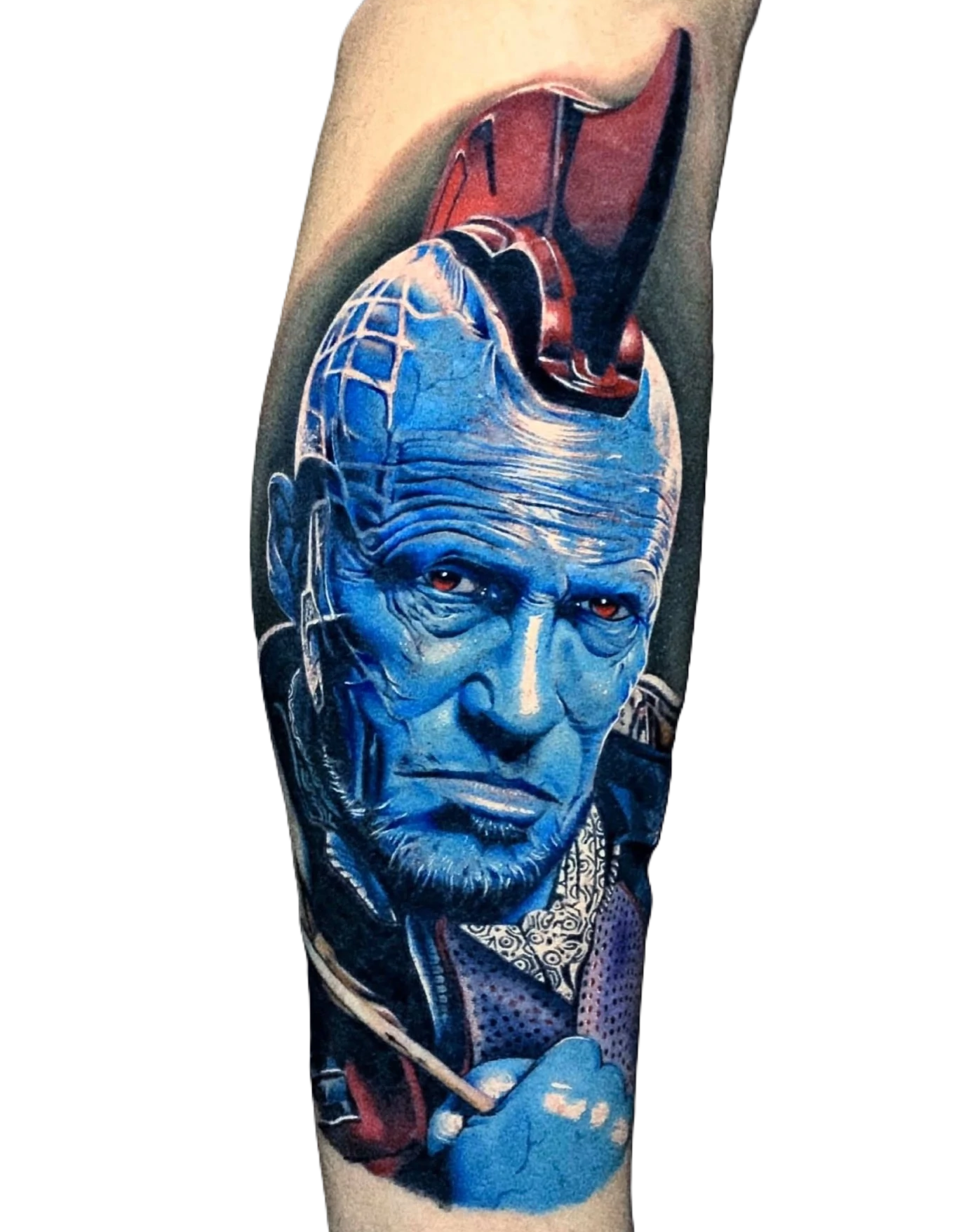

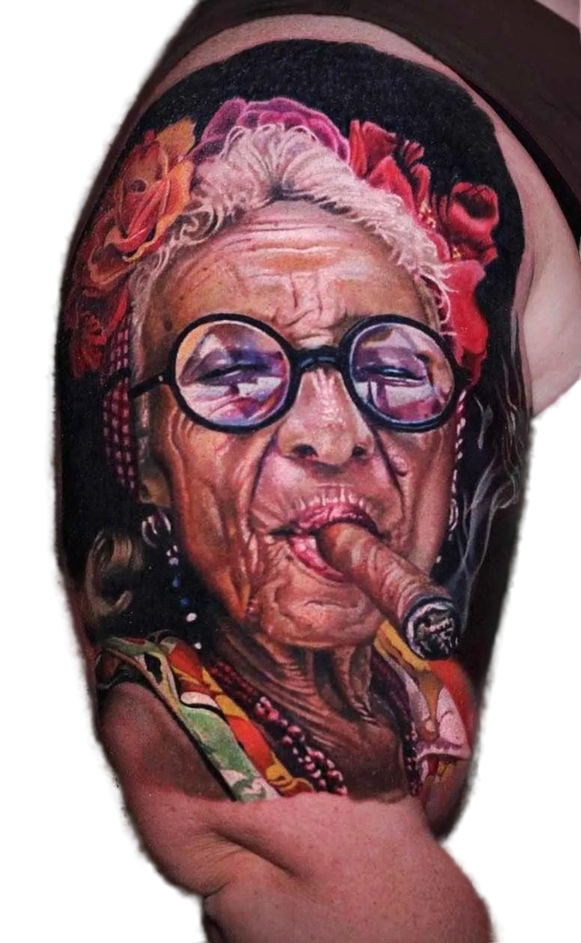
Neo‑traditional portrait tattoos combine traditional tattoo elements with modern design features, creating a unique and striking portrait that merges the classic tattoo style with a contemporary feel. A defining feature of neo‑traditional portraits is the use of stylized elements and symbols to emphasize the personality of the subject.
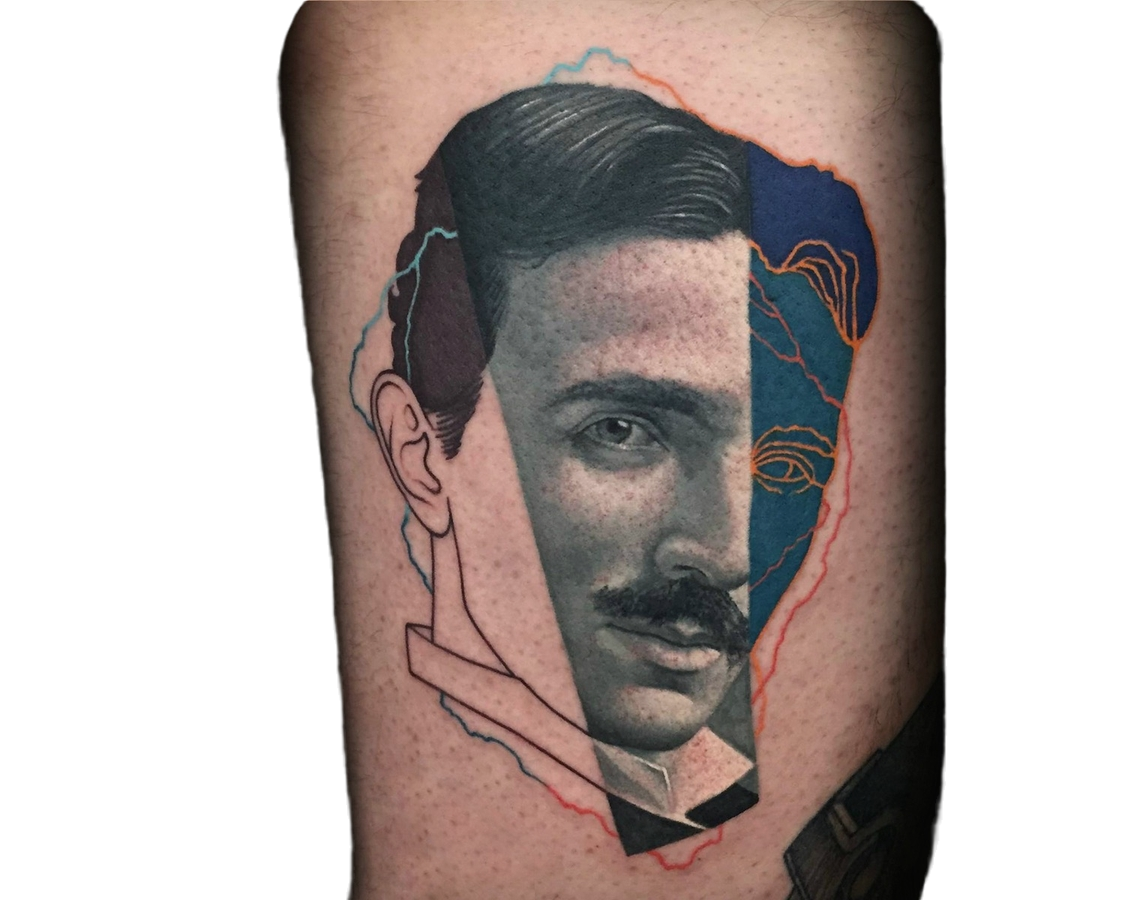
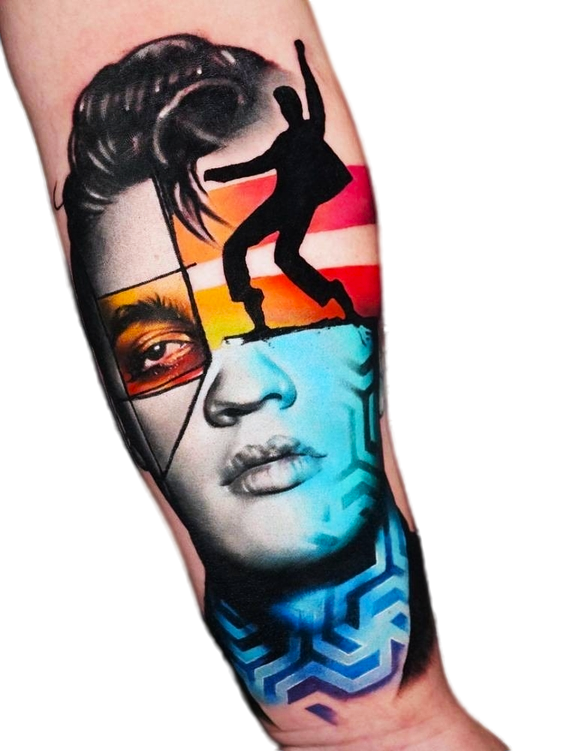
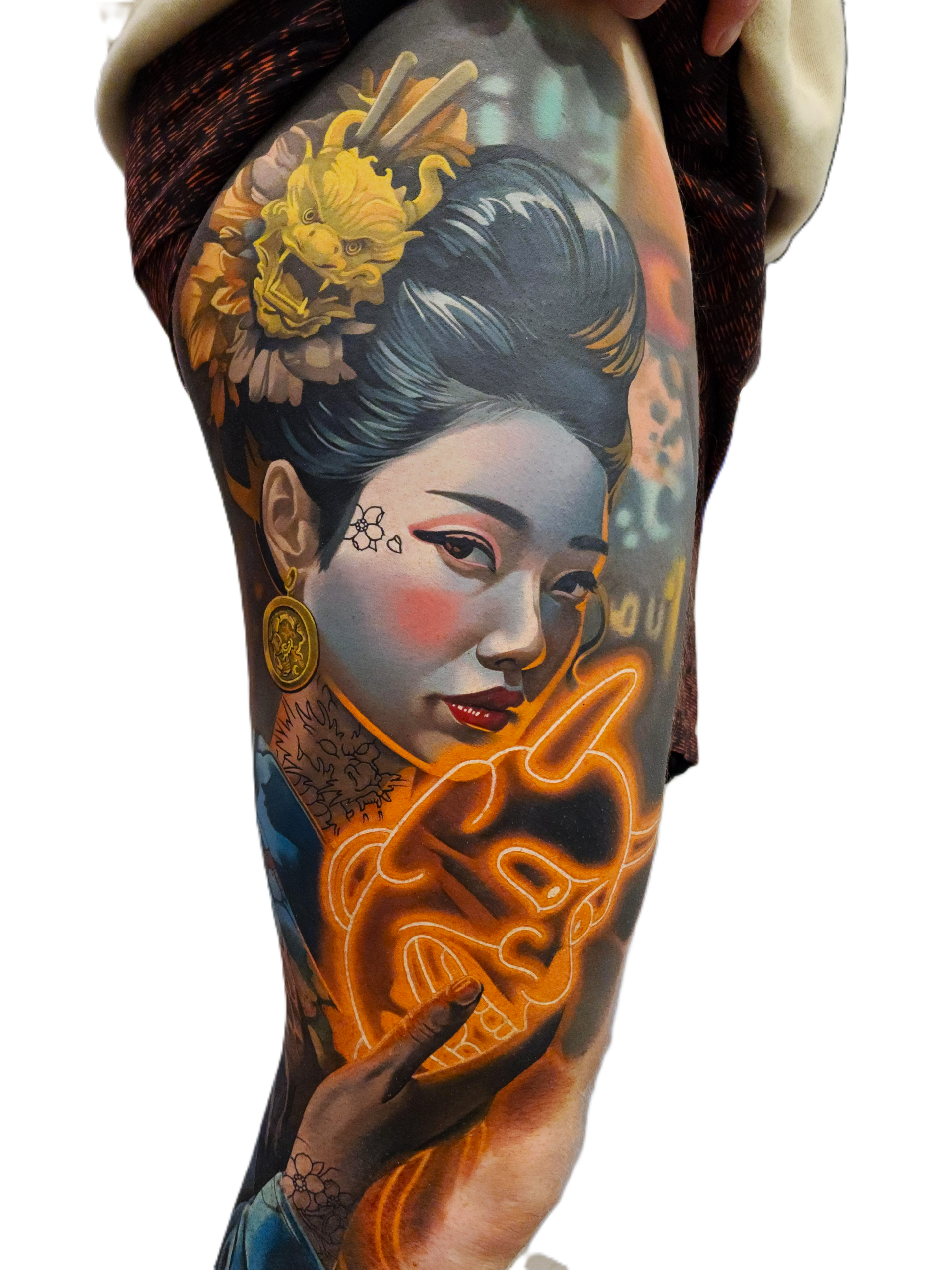
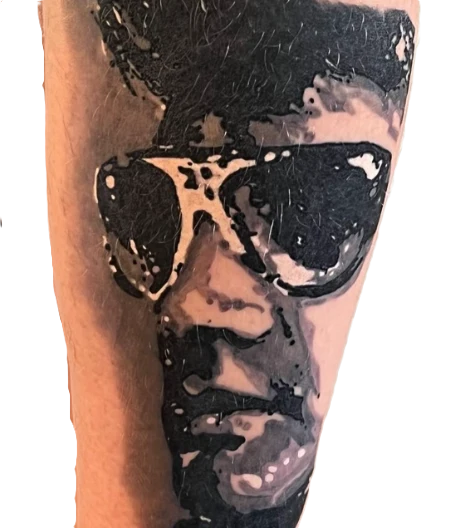
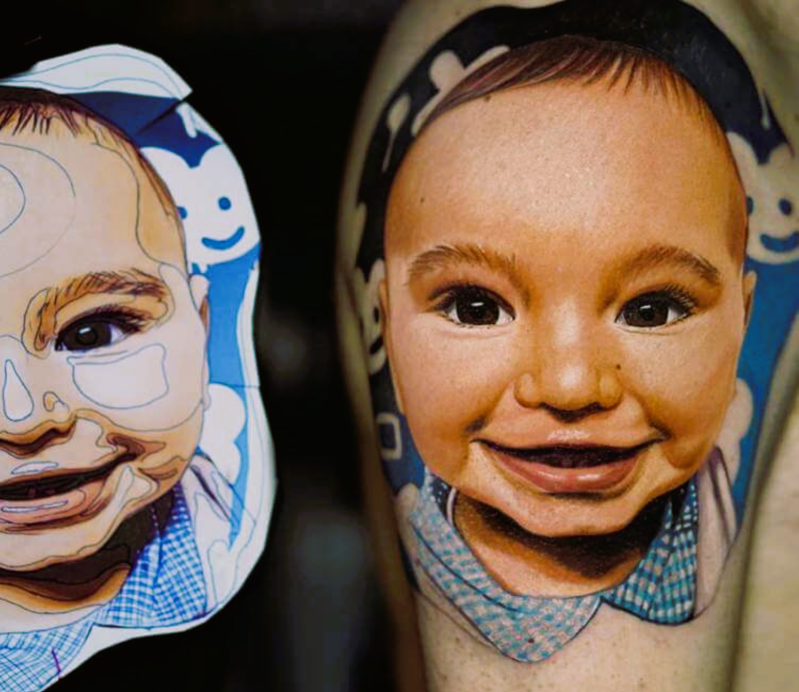
There is a great difference between creating a portrait from a real person and from his photograph; here it is important to choose the right photo, as for today’s artist it is necessary in order to create the portrait. The photograph must reflect the person or animal as You want them to appear. Someone who looks serious in the photo will never turn out properly smiling. A good portrait must not be distinguishable from the original; on the contrary, it must be more alive than the photograph.
Dr. Liza Vokere, herself a famous dermatologist and tattoo enthusiast, notes: “As our skin changes, so does the ink embedded in it. Portrait tattoos evolve rather than fade. They grow, age, and transform just like we do.”
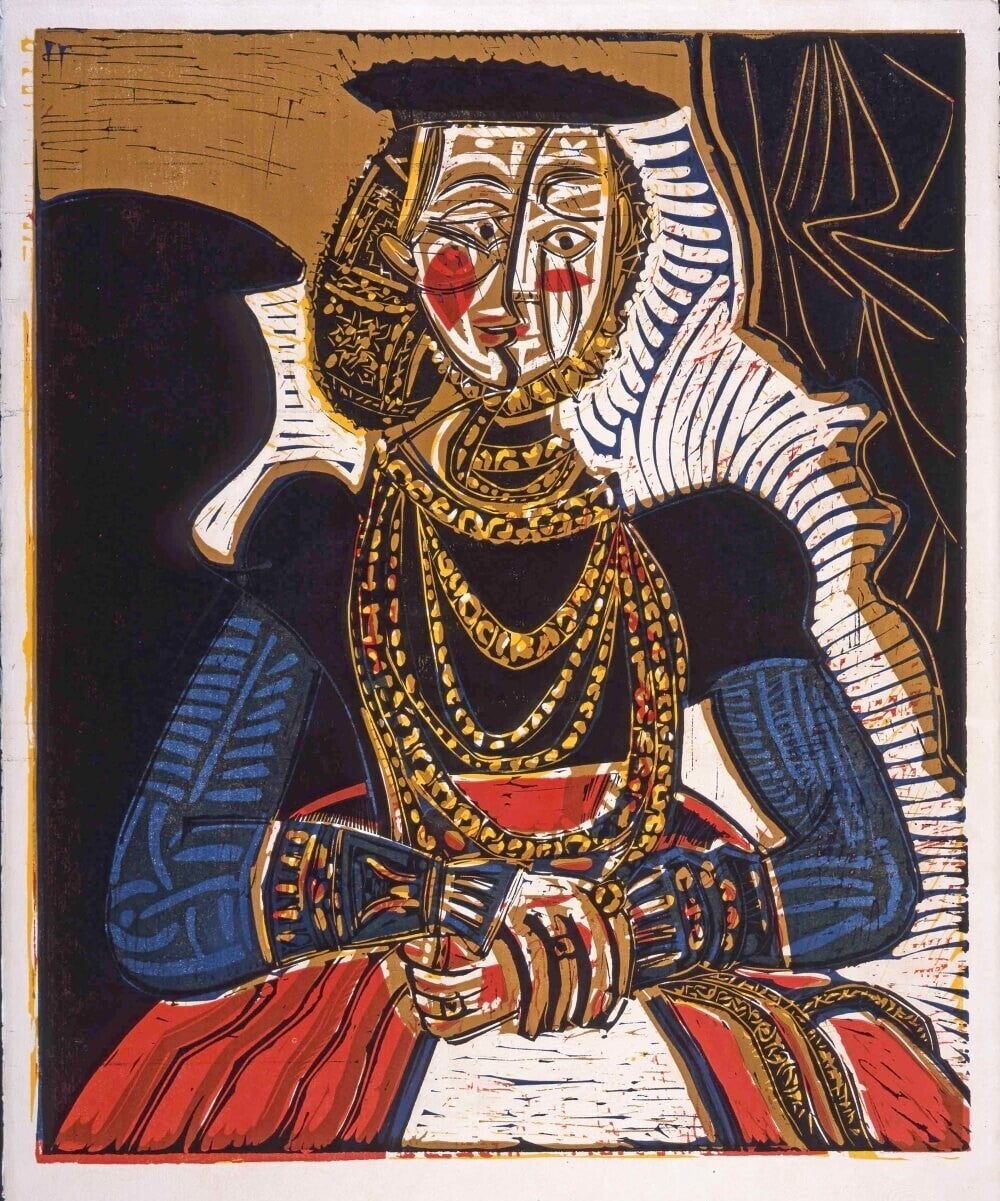
I.n.t.e.r.e.s.t.i.n.g. "You have an interesting face. I would like to create your portrait. I feel that together we will accomplish great things. I am Picasso." In his portraits, he depicted the women with whom he had formed intimate relationships :)
Your chosen artist must perfectly depict and fully master the portrait, transform it into a stencil, and irreversibly embed it into your body. Of course all tattoos require a lot of time and effort, but creating a portrait tattoo is perhaps one of the most intense and most focused states of mind a tattoo artist can enter :) For these reasons, portrait tattoos often involve many hours of work, and they are c o n s i d e r e d o n e o f t h e m o s t c o m p l e x a n d t r u l y rewarding tattoo styles.
Regardless of the style, portrait tattoos require great care and attention to detail. A skilled tattoo artist will spend hours studying the subject’s features, examining reference materials, and carefully developing the tattoo design to ensure that it accurately reflects the subject’s likeness.
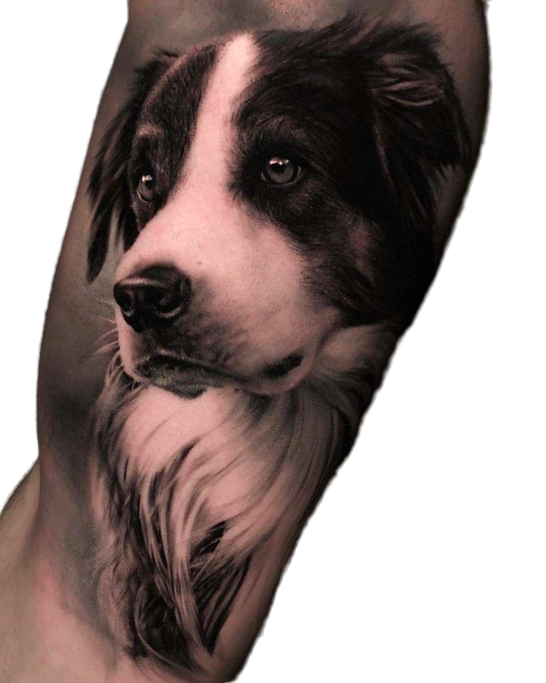
I.m.p.o.r.t.a.n.t…
You must be aware and understand that creating a portrait tattoo working with fine lines, shading, precise proportions, and the addition of depth will require many hours of work and a high level of Your pain tolerance. Portrait tattoos involve several layers of shading and blending, just like an oil painting. Do you know what is worse than the first pass of a tattoo needle on a tender spot? The second pass :) Do you know what is even worse than that? The third pass :) To create a good portrait, there will be many such passes. It will definitely be your most painful tattoo session -:)
P.S.
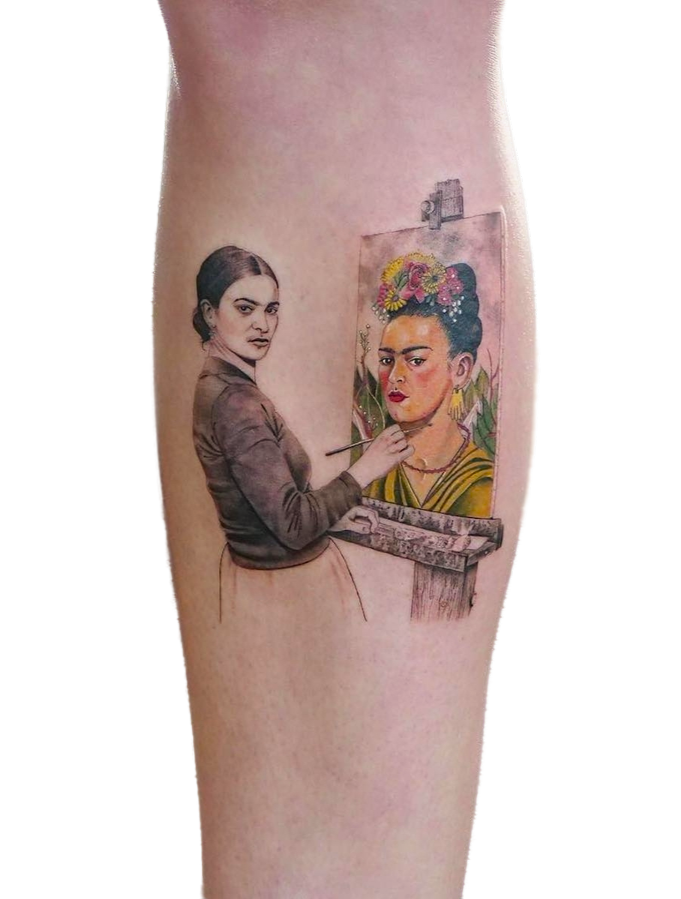
Although capturing likeness is important in portrait tattoos, it is equally important to capture the subject’s spirit and personality. That is the essence of portrait tattoos. It is the personal connection between the artist and the client that makes portrait tattoos so special. It is a collaboration between two people who share a common goal — to create a lasting and truly beautiful tattoo.
In the end, it is more than just a portrait in ink on your skin. It is about the texture of the drawing, the creation of depth, the shading of wrinkles, and the highlighting of a beauty mark. These very details are what transform a tattoo from a simple image into a realistic memory.
We have all heard the everyday questions: “What’s the story behind your tattoo?” or “Why did you choose ink?” And, truth be told, it is never a simple answer, is it? Every drop of ink holds a reservoir of emotion, an ocean of memories. Whether it is the radiant face of a child born against all odds, the loving wrinkles of a grandmother who taught you life’s greatest lessons, or even a self‑portrait marking a turning point or transformation — these tattoos are so much more than skin‑deep.
This is the essence of portrait tattoos. It is more than just portrait ink. It is about restoring texture, giving depth to those dimples, shading those wrinkles, and bringing out the beauty mark exactly as it should be. These details transform a tattoo from a simple image into a realistic memory.