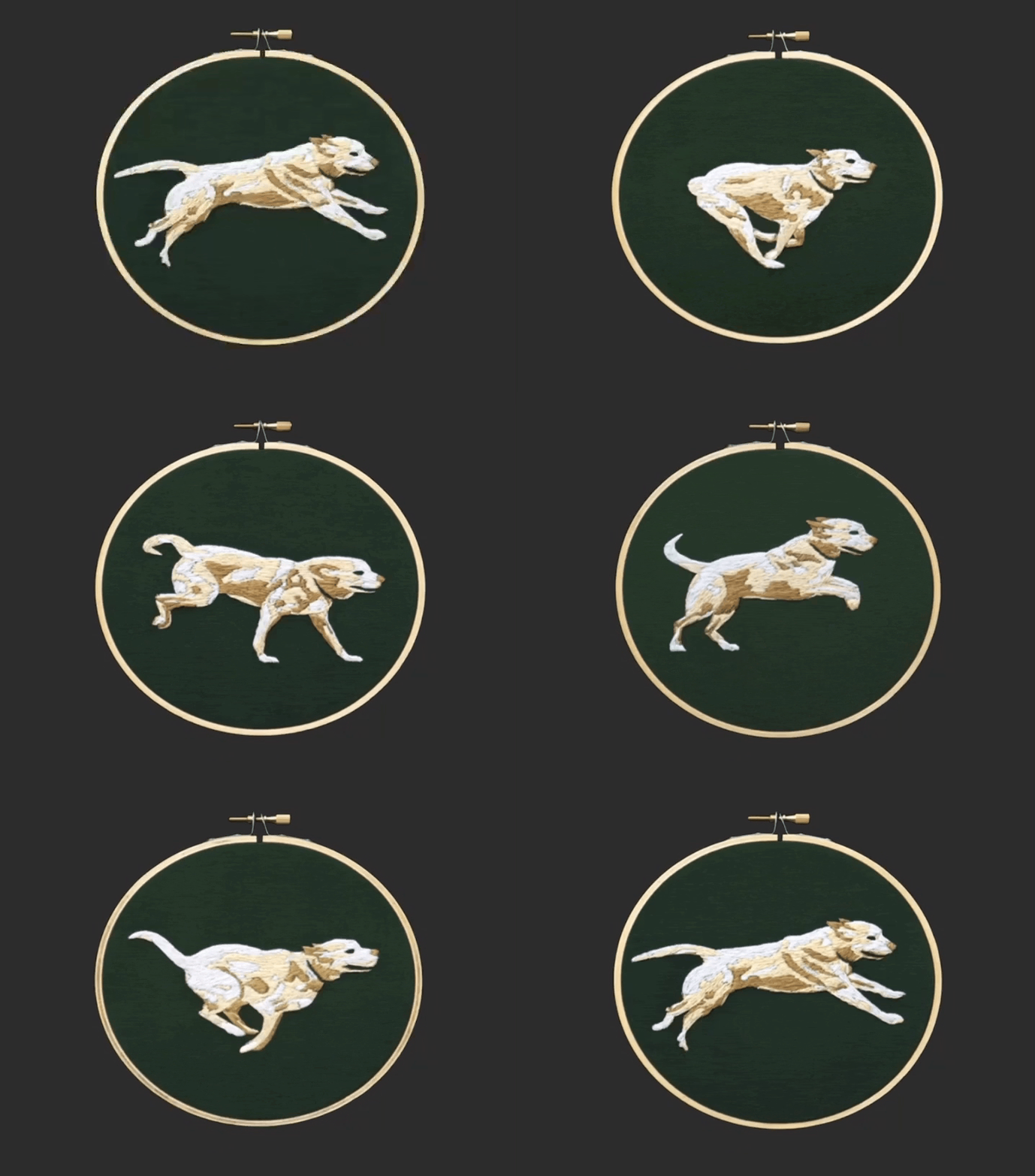
Embroidered or tattooed -
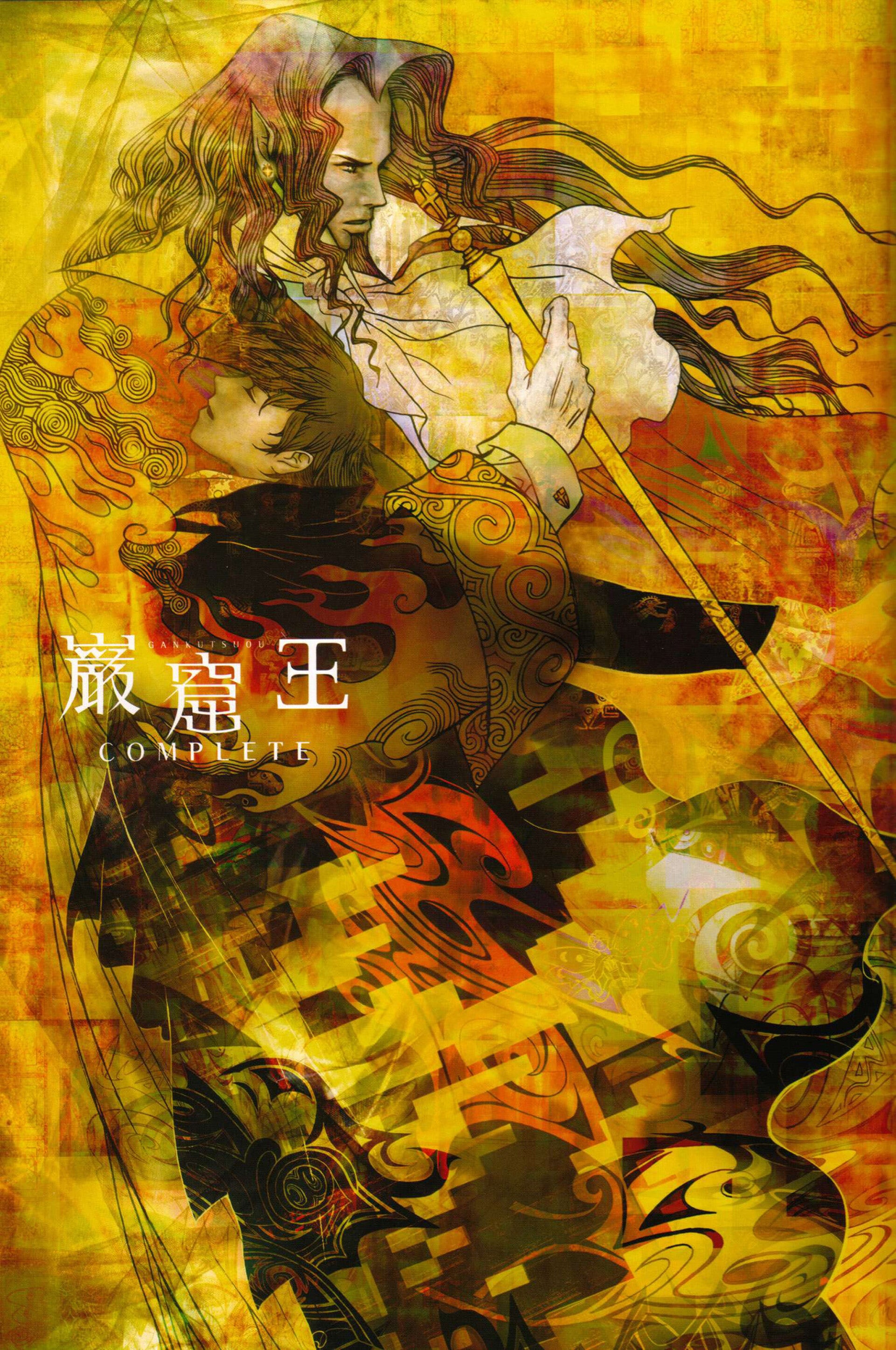
- it's an individual's style
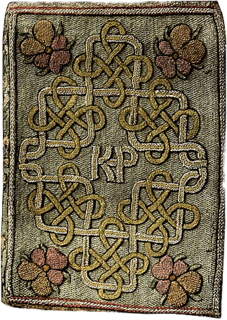
I.n.t.e.r.e.s.t.i.n.g. The Bodleian Library in Oxford housed a copy of the Epistle of St. Paul, the cover of whose cover was possibly embroidered by Queen Elizabeth I.
Although historically it is considered that embroidery is an entertainment's, activity, or hobby intended only for women, embroidered works were often used as a form of biography. Women who could not obtain formal education or sometimes could not use writing instruments, were often taught embroidery and used it as a means to document their lives, telling stories through their needlework.
Inspired by the classic art of embroidery, tattoo artists create designs that look as if they were stitched, only on Your skin, combining ancient art with modern artistic trends.
In the tattoo world, the bar is rising every day, with artists challenging the possibilities of body art and offering increasingly creative and daring designs, like this Embroidered work.
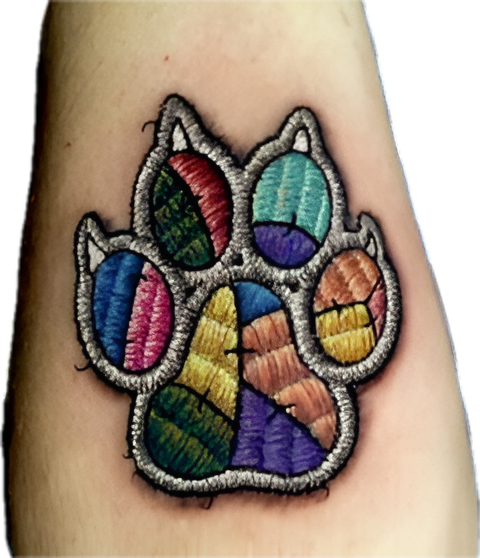
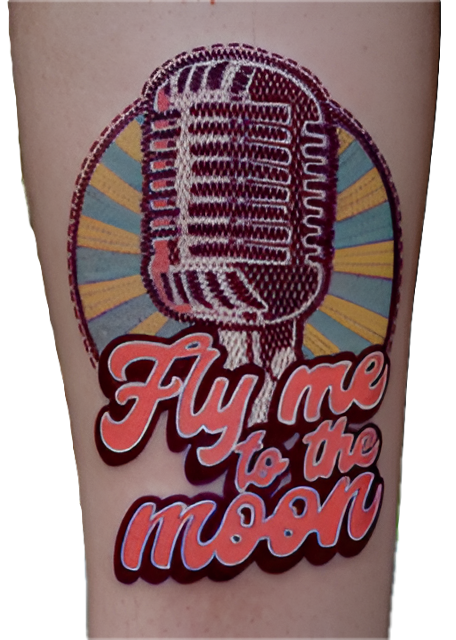
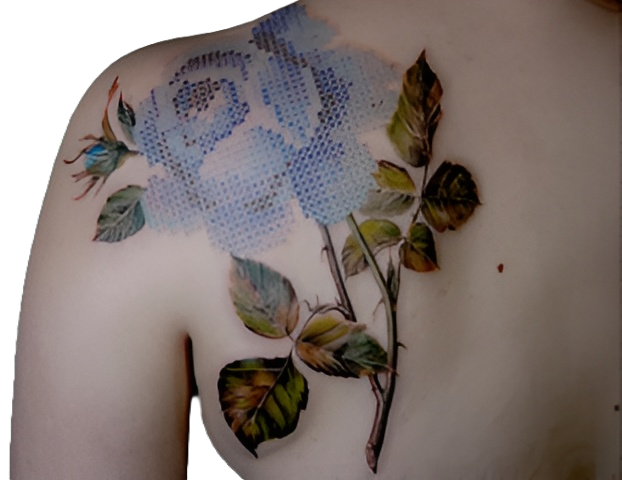
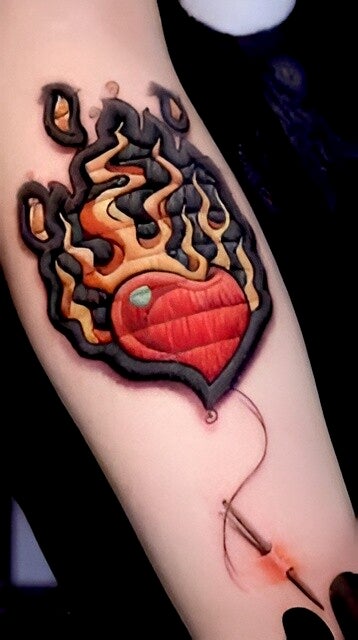
Creating an authentic needle‑and‑thread effect is the most important aspect of embroidered tattoos. Tattoo artists emphasize that executing an e m b r o i d e r e d t a t t o o design can be challenging due to the complex three‑dimensional illusion, which requires a deep understanding o f l i g h t, s h a d o w, and the s k i l l f u l layering of t a t t o o ink in various tones.
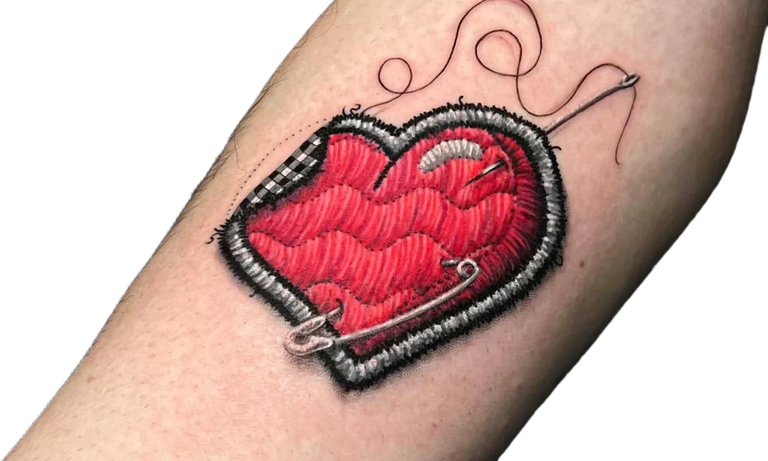
Of course, it is easier for those artists who have also refined their skills in real embroidery, as it helps them understand the relationship between the needle and the Thread :)
The so‑called Embroidered tattoos, also known in english as Patch tattoos. This patch‑style tattoo, characterized by its resemblance to embroidered fabric patches, has carved out a niche in the tattoo world, attracting tattoo enthusiasts with a love for vintage aesthetics.
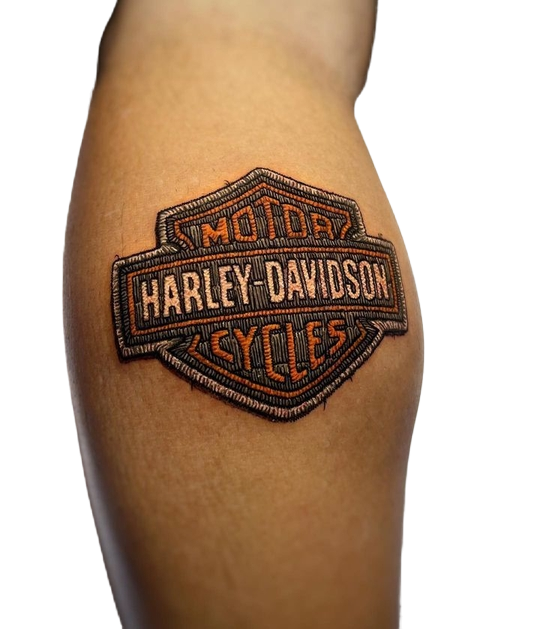
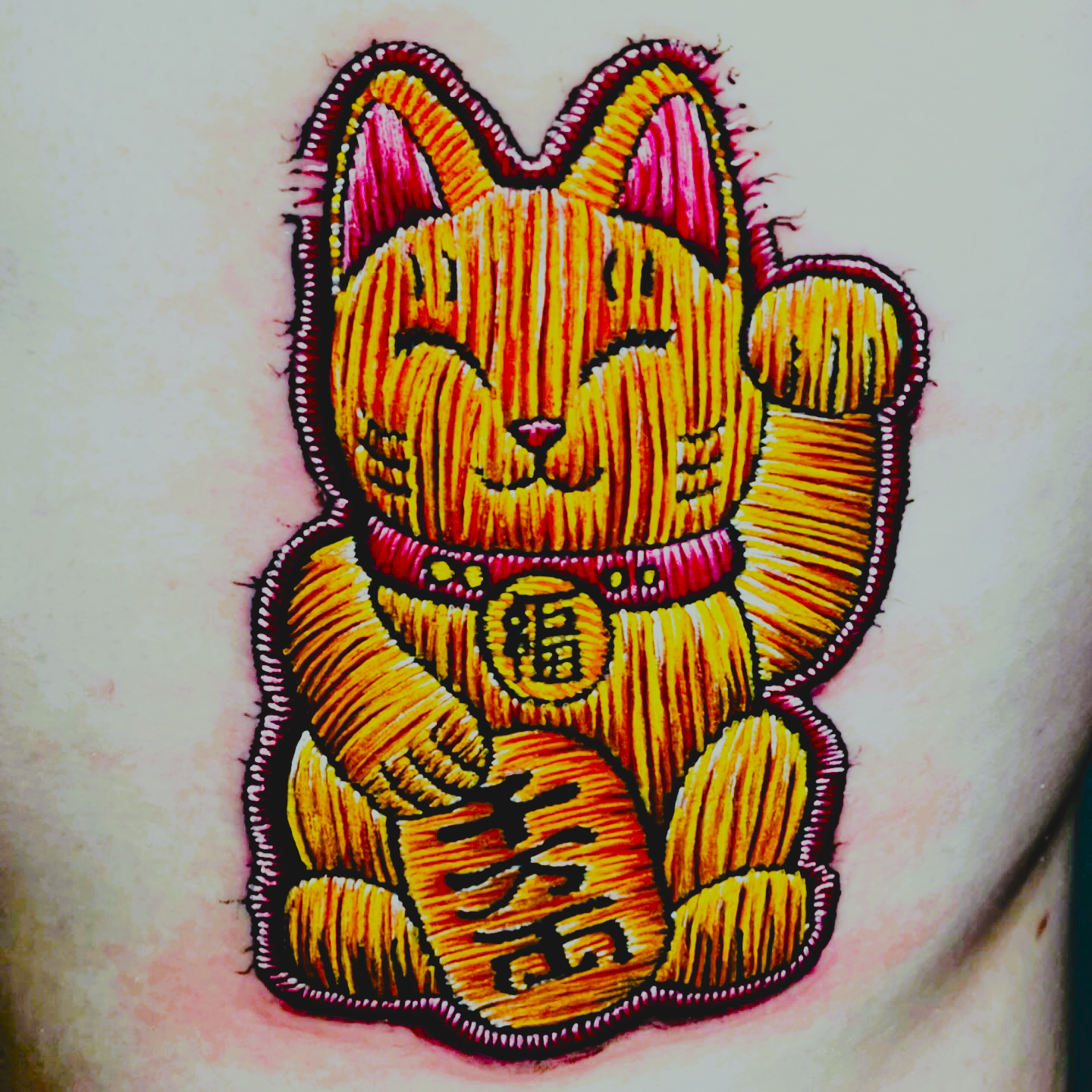
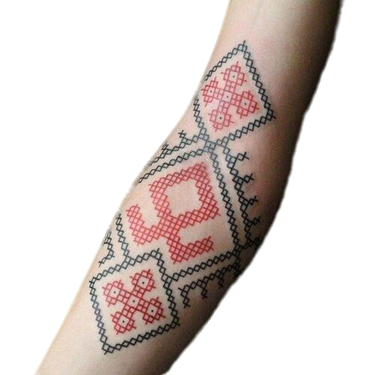
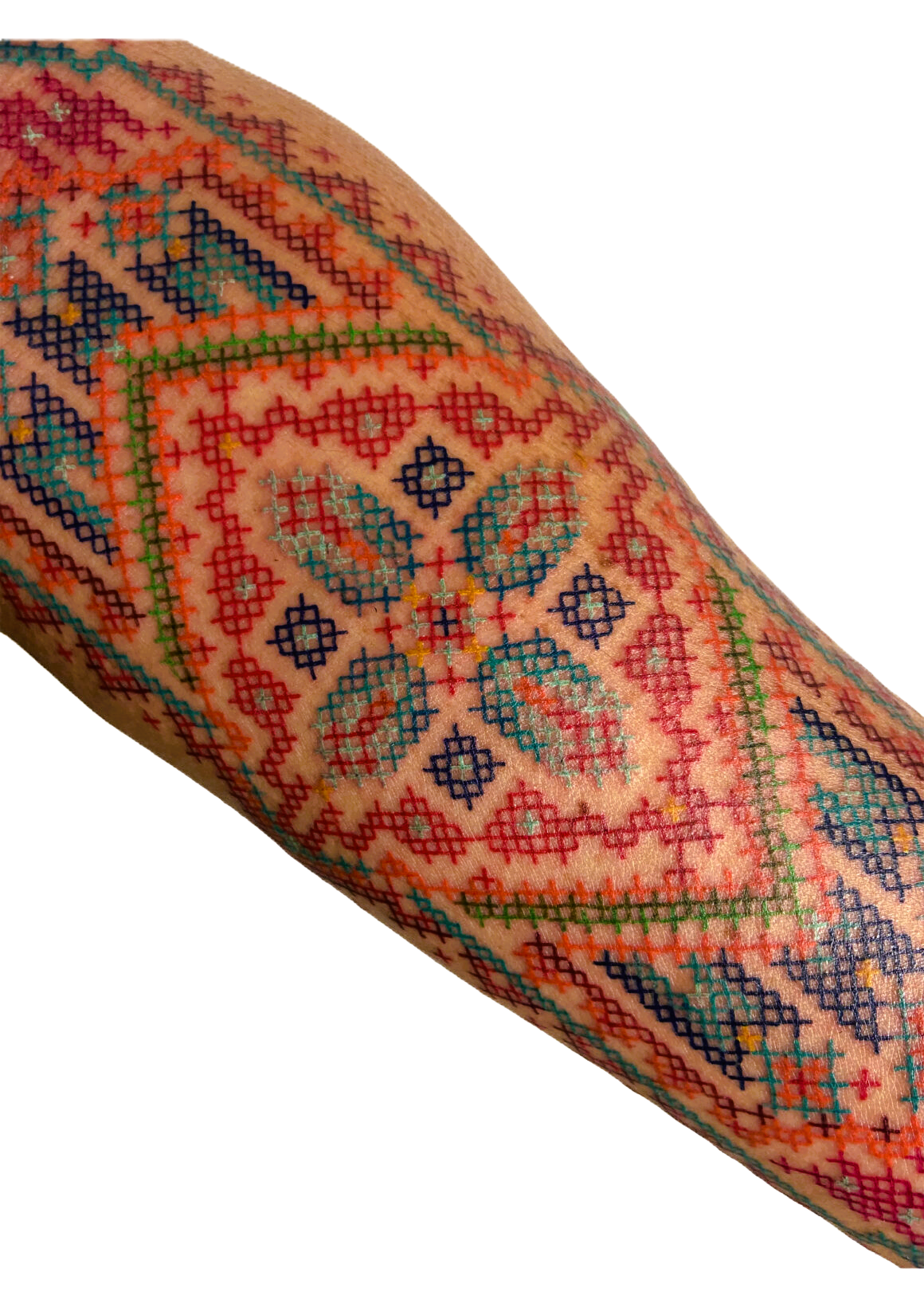
Drawing inspiration from ancient embroidery traditions, tattoo artists skillfully create designs that mimic the appearance of intricately embroidered patterns on the skin. This innovative fusion of ancient art with modern tattooing creates a visually captivating and harmonious blend. The main idea behind this original and visually striking tattoo style is to create a unique pattern on the skin using various symbols, images, designs, and colors.
Realism is the most demanding of all styles, and achieving this effect on the skin is truly very difficult. But when we thought it was only about depicting human or animal features, the Patch Tattoo style broke those boundaries, setting new standards.
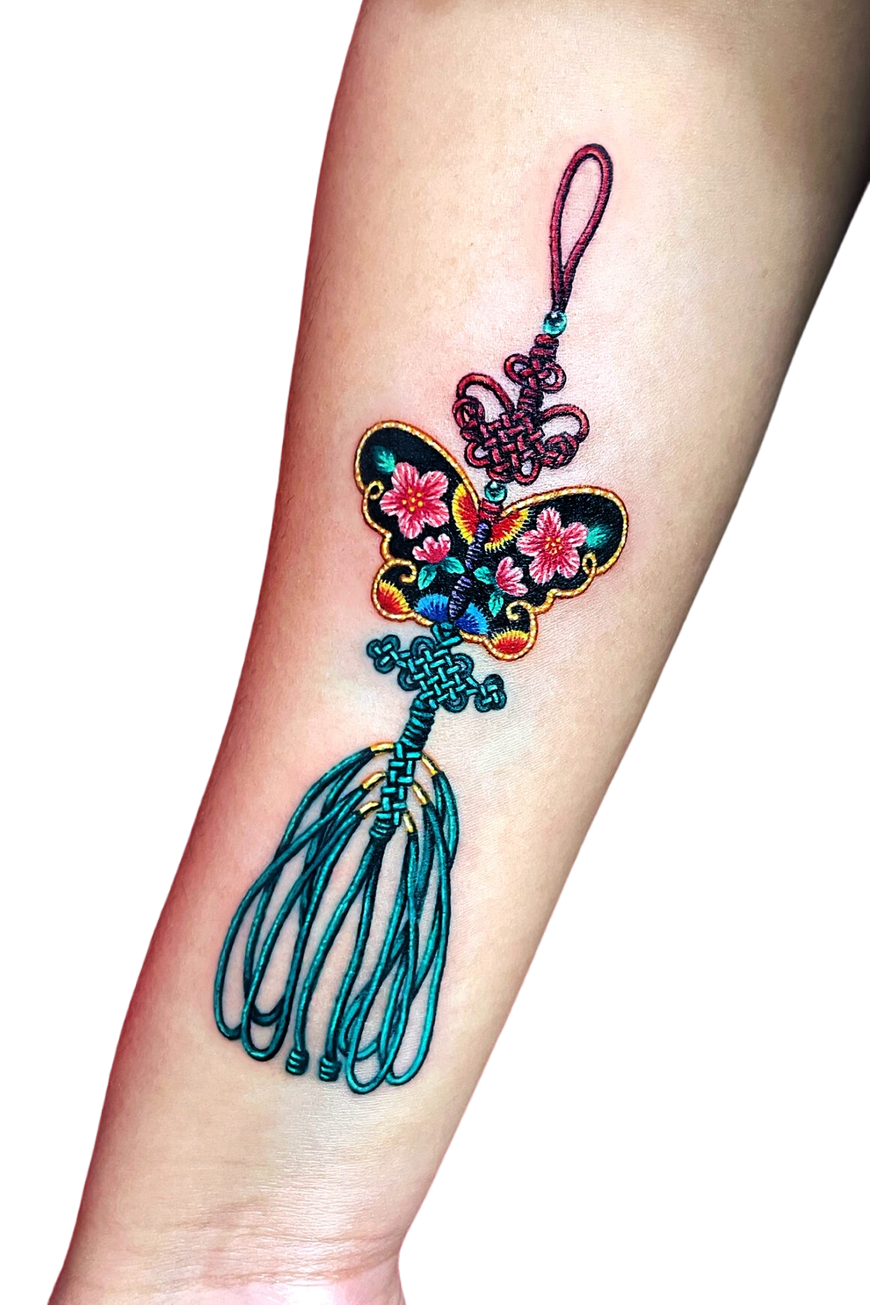
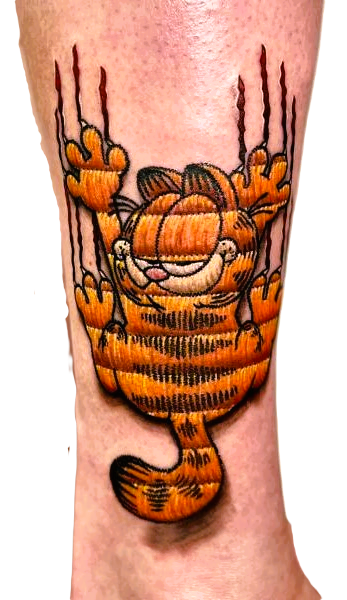
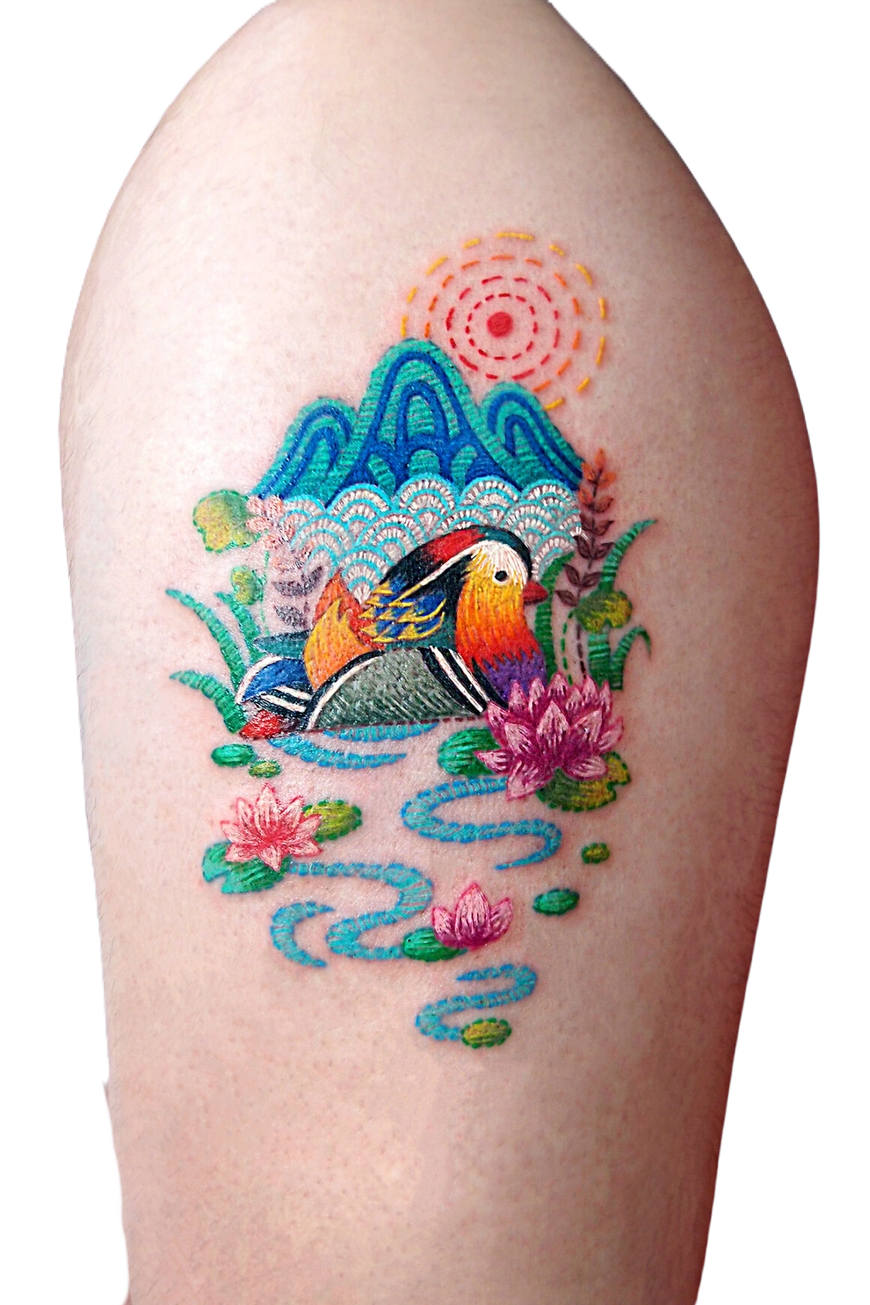
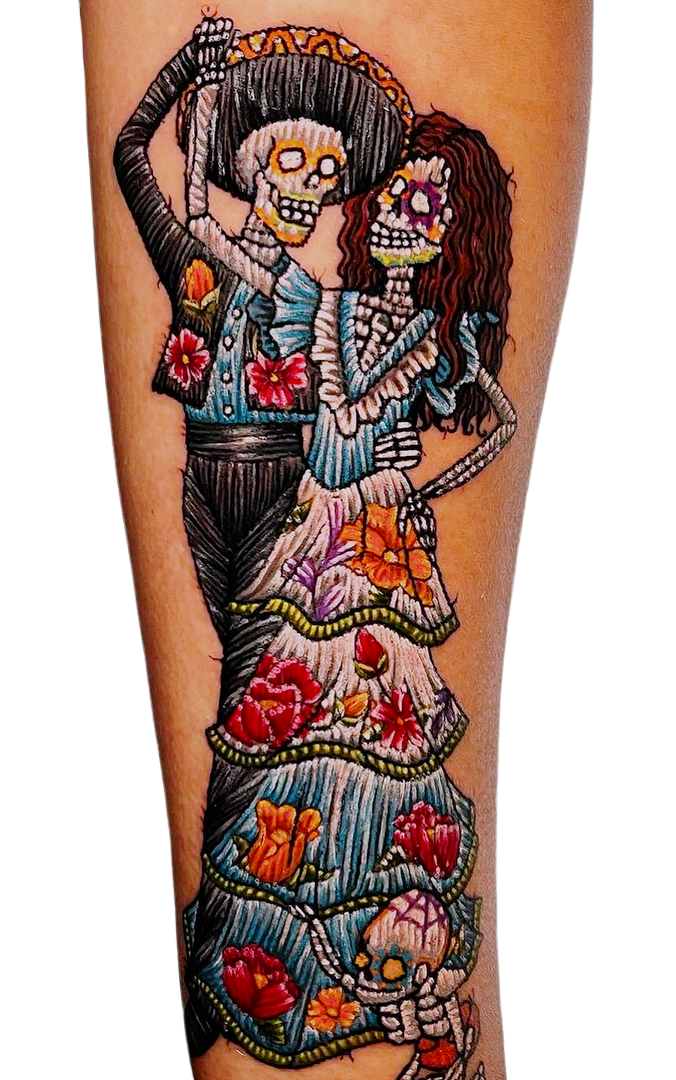
Although relatively new, the patch‑style tattoo draws inspiration from the long‑standing culture of embroidered patches. Perhaps You even had embroidered patches on your backpack as a child. Traditionally, patches were used for practical purposes, such as military insignia or covering worn‑out clothing. However, during the countercultural movements of the 1960s and 1970s, patches took on a new meaning, becoming symbols of rebellion, personal identity, and artistic expression. Biker gangs, punk rockers, and other subcultures used patches to express their beliefs, identity, and personality. Today, the same spirit lives on only now that conviction is expressed on Your skin.
This style emerged from the idea of depicting the most emblematic embroidery techniques on the skin, such as cross‑stitch and threadwork. These are two unique forms of embroidery in which a single pattern is prioritized during the stitching process. Cross‑stitch consists of small cross‑stitches by stitch, combining tones with the design image you want to reproduce as an optical illusion. Thus, when you look closely, you can see the stitches, but from a distance, you have a slightly more general and broader view, and the image appears as a whole. Technically, it slightly resembles today’s pixel games.
In this way, the same logic will be applied in the tattoo, making strokes and passes with the needles, where we will not have a solid‑colored surface but a combination of crosses in different tones.
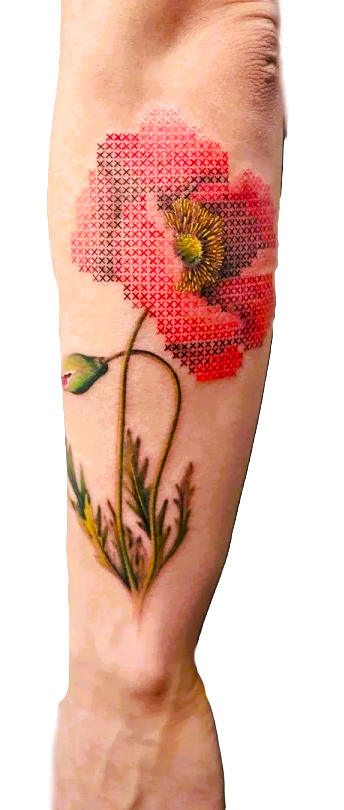
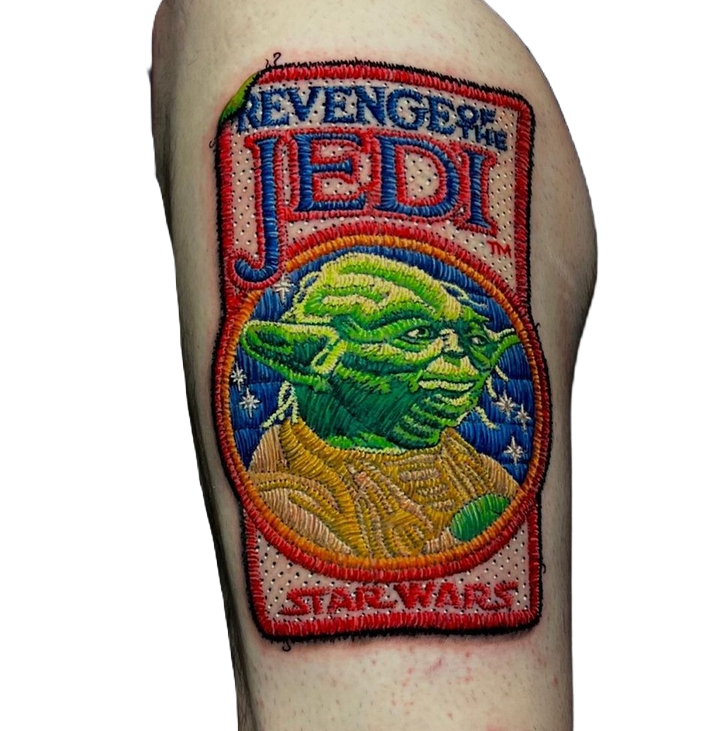
Of course, demand creates supply and here we're talking about the other embroidery technique - punch‑needle embroidery, and it is used to make the famous "patches" that are used quite often on clothes. This English‑origin stitch is made on fabric with a thread called crewel, which is made from thinner wool than the rest and is embroidered with a needle of the same name.
The stitch is made using short, thick linear strokes placed together to achieve the desired effect. Patch tattoos skillfully integrate embroidery ‑ i n s p i r e d d e s i g n s, using black ink to replicate the appearance of thread lines. Some tattoo artists incorporate an additional element by including loose, thread‑like lines, further enhancing the resemblance to embroidered patches and the untrimmed threads on them.
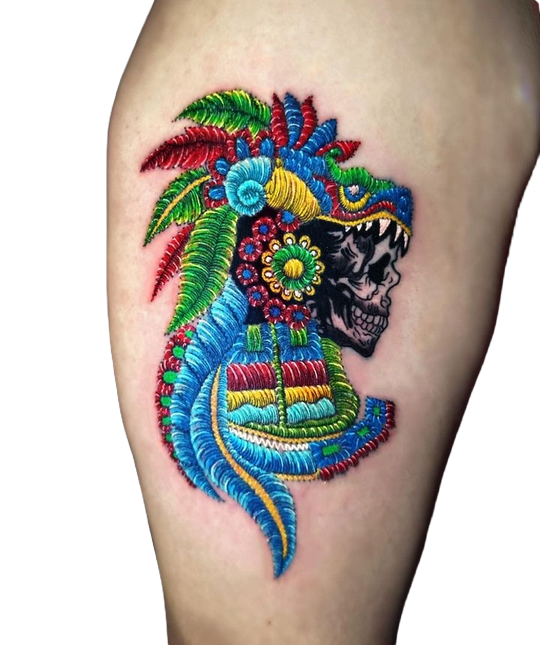
In working with this technique, the vertical lines and the direction in which they will be arranged are important, the short‑stroke technique must always be used, which, after the entire tattoo is arranged, will form several lines on top of one another. It is a labor‑intensive process that requires a special approach, paying special attention to volume, as well as to the lights and shadows that are responsible for creating the three-dimensionality. Unlike other tattoo styles, scribble tattoos do not necessarily require a theme that ties them together; they are self‑contained and look good on their own.
These tattoos are often colorful, and they are characterized by their unique texture, which sets them apart from traditional tattoos.
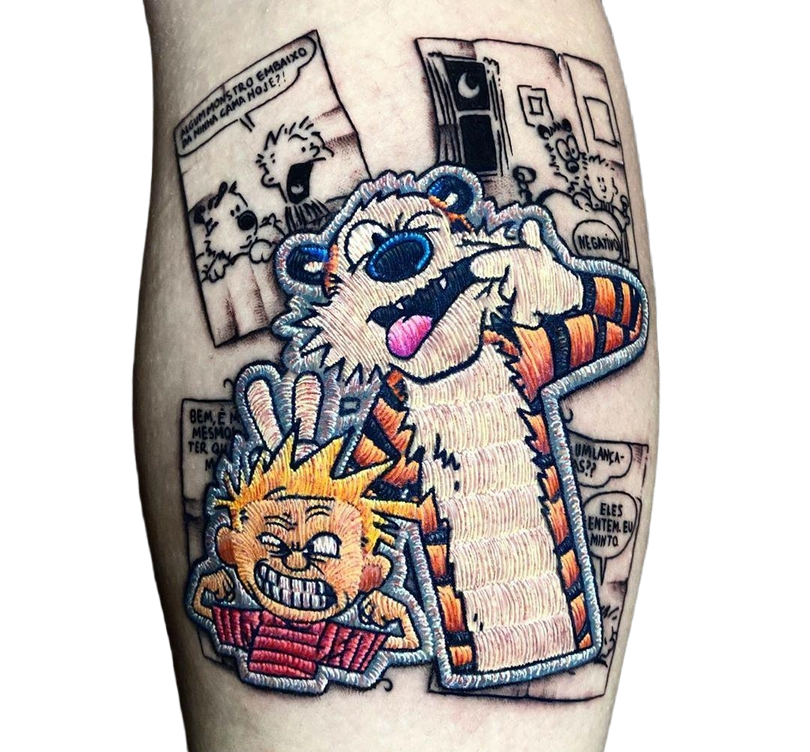
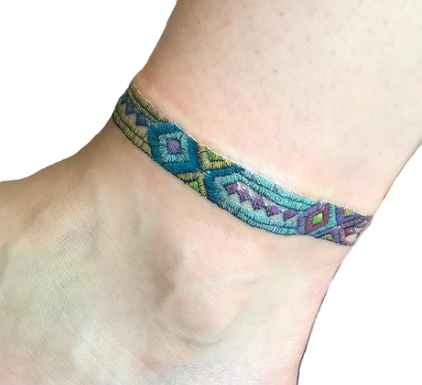
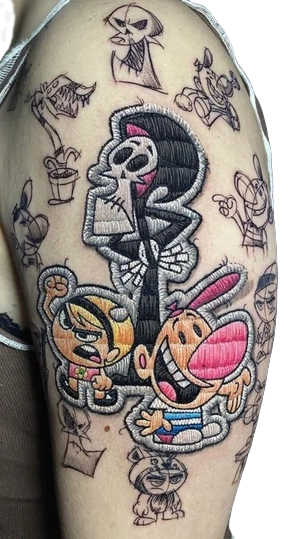
Bright, 3D and especially colorful patch tattoos are intended for those who are bold and want their ink to be noticed. The main difference from the classic 3D tattoo, You will want to feel this with your fingers to believe that this is not just an illusion, that this patch is truly tattooed on Your skin.
P.S.
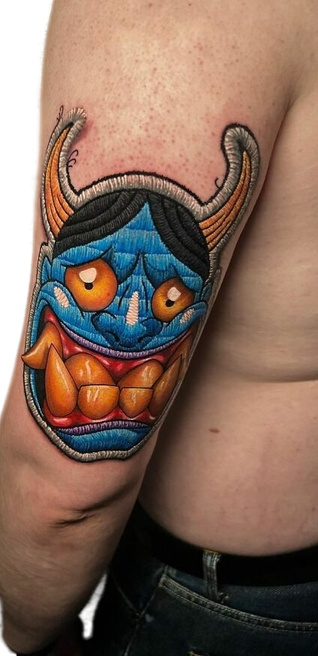
By combining tattooing techniques and styles, the results are astonishing, dynamic body art shows ever new possibilities. Patch tattoos themselves are capable of competing with themselves — changing the understanding of what is possible. These tattoos stand out with their realism and the illusion of texture, making them visually striking and distinct from traditional flat tattoos.
Everything that could hold You back from creating this style of tattoo already tomorrow is an appropriate master. Despite the increasing demand, there are still few tattoo artists who specialize in this style.
We learn to embroider on fabric before we practice on skin —> Your GTArt team :)