

Eternal - Nautical Sea Art Tattoos

Tattoo art has a long and rich history, yet it was sailors who played a special role in its spread and popularization around the world. A distinct and enduring tradition of adorning the body with markings emerged among sailors during the Age of Discovery in the 15th–16th centuries. The symbols and markings of that time were highly primitive and did not convey the artistic message found in today’s tattoos. Rather, we are talking about symbols and the language of the sea, which will be completely foreign to the average person.
I.n.s.i.g.h.t. 1890 New York Times article portrayed, a common sailor would speak like the following: “’Mind yer fuff, you soger,’ sings out th’ old man, an’as he says this one of the jib guys parted and sprung the boom, for ours were swinging booms and had the for’d guy and the after guy fittt in one with a cuckhold’s neck around the boom end. Are yer a following of me, ser? (New York Times)."
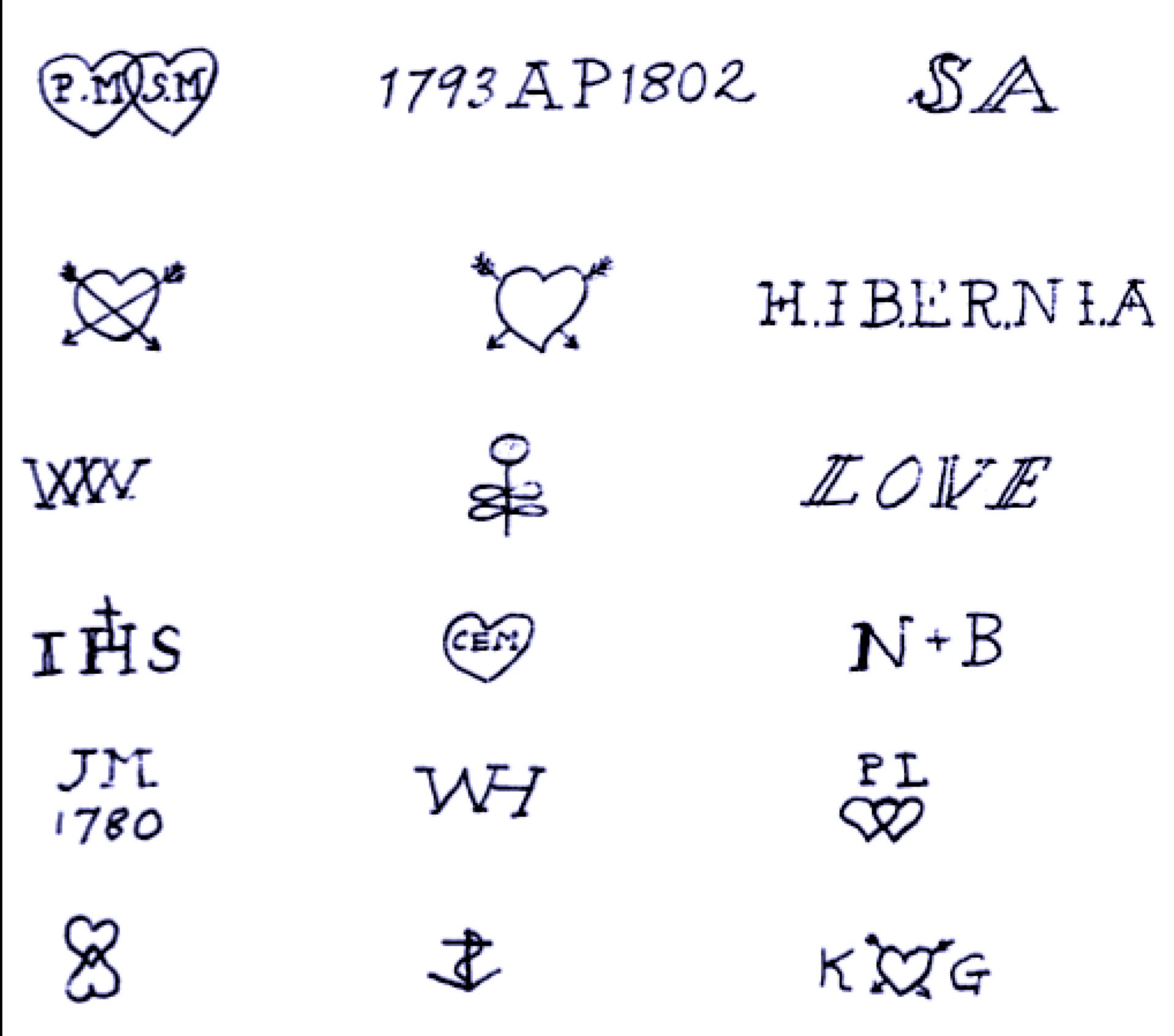

Sailor Jerry a former sea wolf was the next great enthusiast of maritime tattooing, successfully blending the American traditional tattoo style and adapting it to nautical themes. They embody the essence of sailor culture and reinforced the ancient tradition of marking one’s voyages, achievements, and even setbacks with tattoos. For centuries, these designs served not only as decoration — they were badges of honor, stories engraved into the skin, and symbols of camaraderie, shaped by both hardship and triumph.
If the artist lives within you, you can become a professional tattooist even at sea, Amund Dietzel learned the craft of tattooing as a sailor while serving on Norwegian merchant ships around 1905–1906. He opened a tattoo parlor in the United States in 1913 or 1914 and became an influential tattoo artist who worked with many sailors and soldiers. Ben Corday worked on a sailing ship and in the Royal Marines, became a citizen of the United States in 1912, and worked as a tattoo artist and flash designer. England also had notable tattoo artists in the early 20th century, among them George Burchett, Sutherland Macdonald, and Tom Riley, who had served in the Royal Navy and in the forces of the British Army, and who learned this art trade directly at sea.
I.n.t.e.r.e.s.t.i.n.g. One of the greatest sailor‑tattooists of all time was George Burchett‑Davis, who in 1888, at the age of 16, joined the Royal Navy. He sailed on the ships H.M.S. Vincent and H.M.S. Victory, and for the next few years this ship and the world were his home. In his 1958 book "Memoirs of a Tattooist", he recalled many of the Royal Navy’s trials and hardships from the years before the turn of the century :

"Over this scene the sun set in magnificent brilliance. I did not have to wait long to see up close some works of Japanese art. I understood what had inspired the tattoos I had admired. Looking at the islands and their delicate silhouettes, I was, in my boyish way, perhaps for the first time in my life, I was moved by pure beauty, and I also felt a kind of sadness that I didn't understand. Now, I believe it simply meant that I understood that in life there are certain things that will always remain on the other side of the shop window. In my case, I could never attain anything as lovely as the view of Kobe from the ship H.M.S. Victory with my own hand."
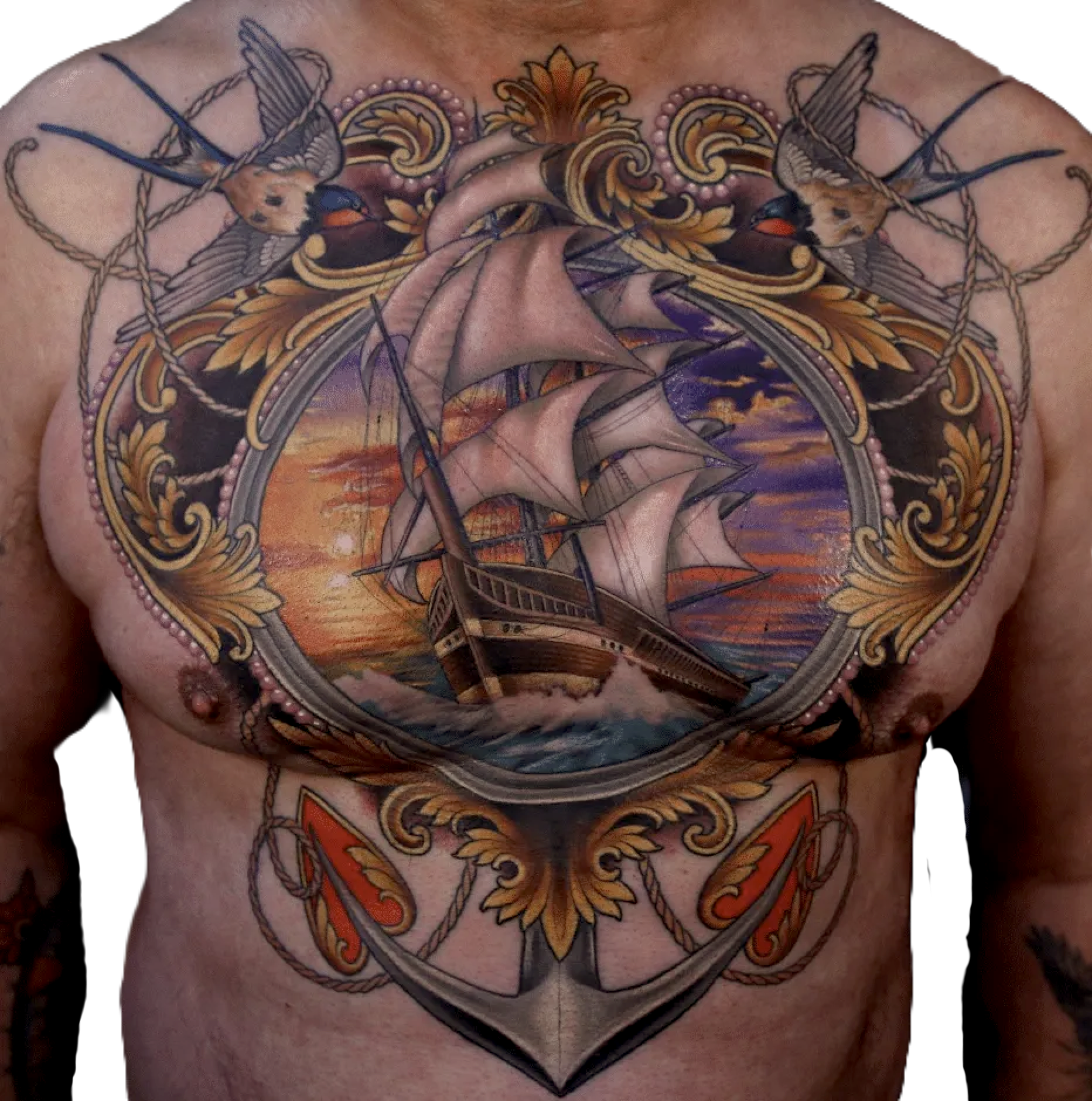

Maritime tattoos and their meanings have been passed down from generation to generation. Modern enthusiasts of sailor tattoos appreciate not only the artistry but also the deep symbolism that lies behind each design. Many modern admirers of nautical‑themed tattoos say that a single sailor’s tattoo can tell an entire lifetime, and add… "A calm sea has never made a skilled sailor."
Tattoo artist Doc Webb said, “sailors traditionally received a swallow or bluebird tattoo for 5,000 nautical miles (9,260 km) and another for 10,000 nautical miles (18,520 km) on both side of the chest.”
Many modern sailor tattoos now combine classic imagery with innovative techniques, further enriching maritime tattoos and their meaning. Contemporary sailor tattoos blend traditional designs with modern artistry, making them an essential part of today’s nautical tattoo culture. Tattoos with this theme are popular not only among men, but also among women. Women often choose more delicate and romantic design, but adhere to nautical ideology.
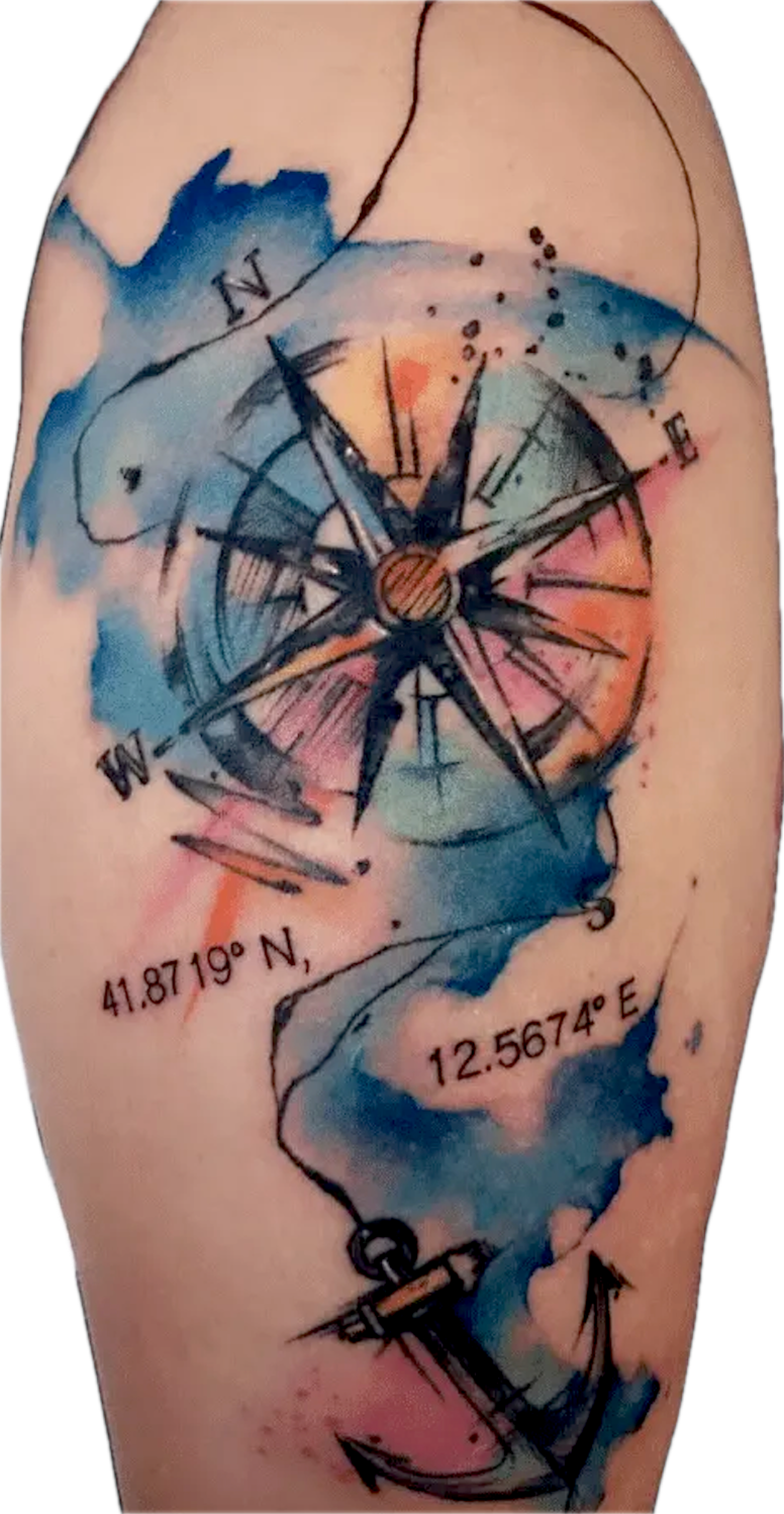
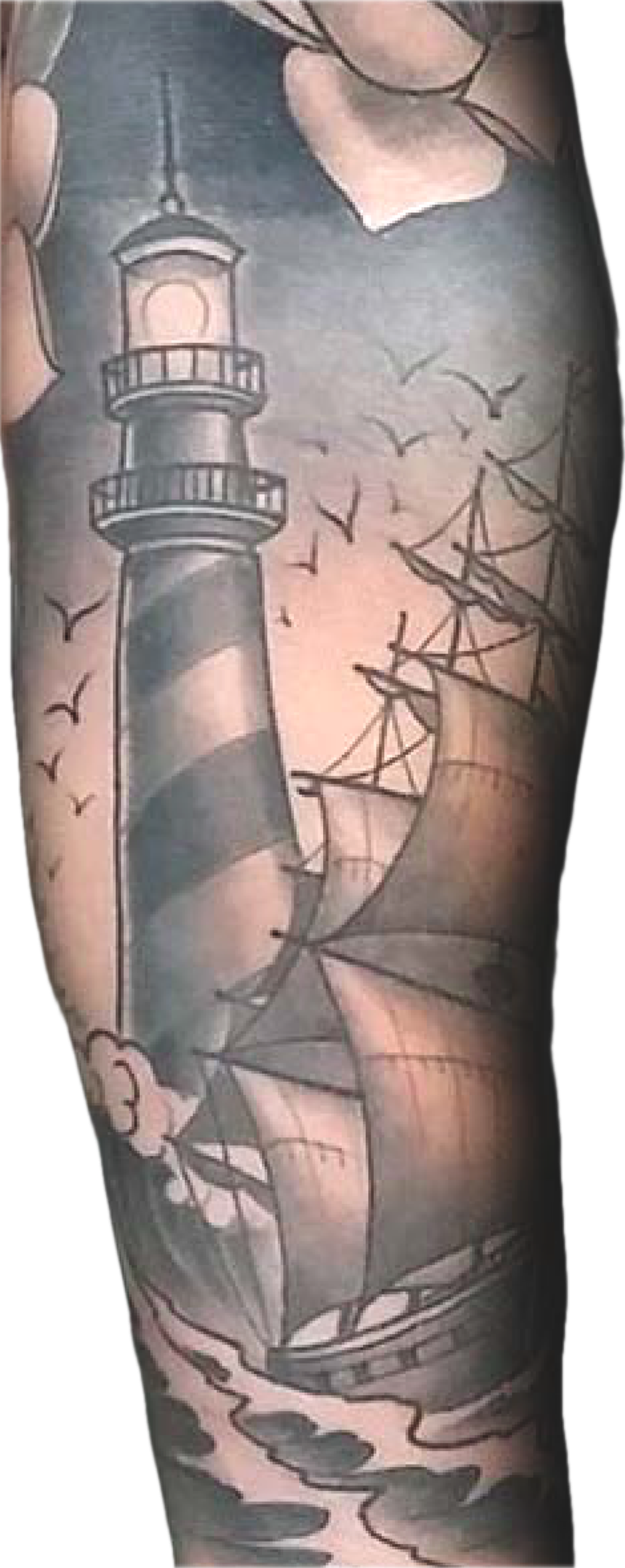
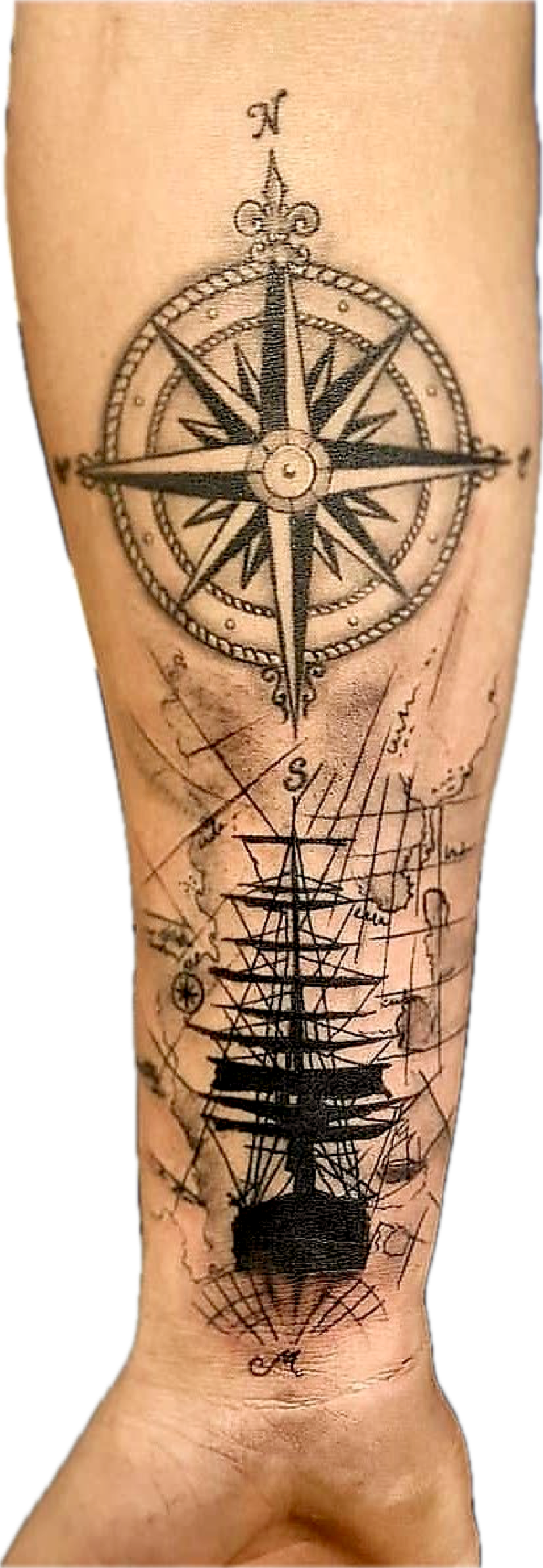
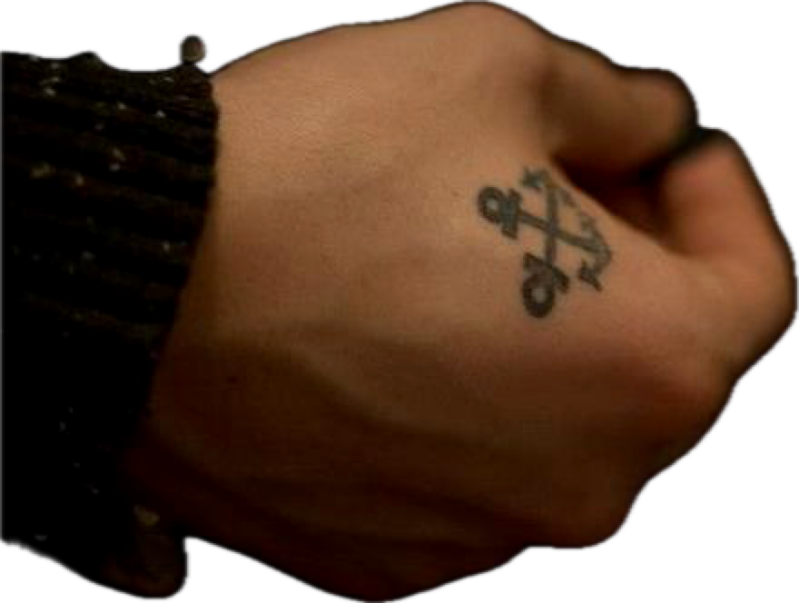
By understanding maritime tattoos and their meanings, you can appreciate how these designs connect You to ancient seafaring traditions. Sailor tattoos have always served as protective talismans in sailors’ superstition.
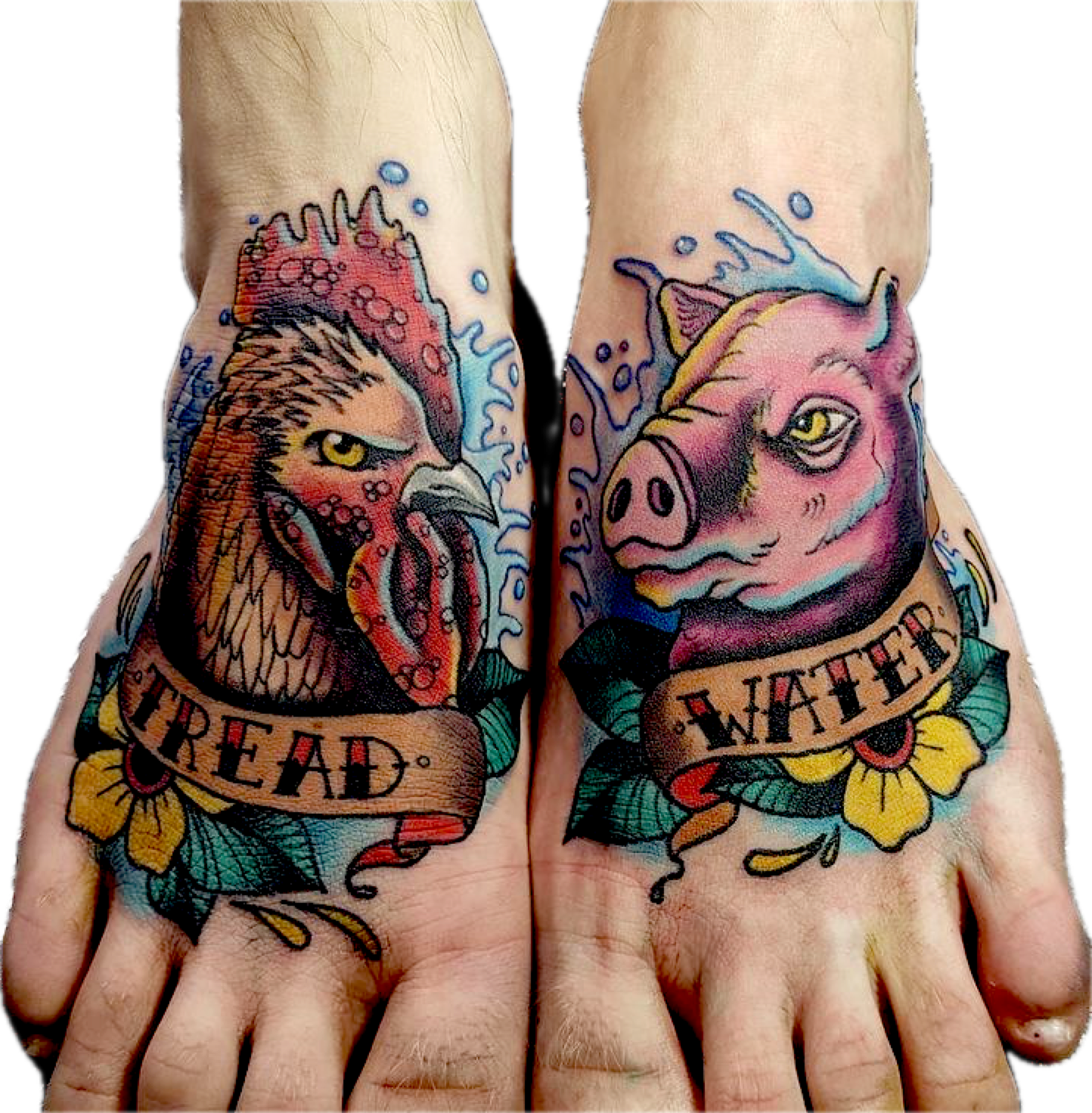
Pig and Rooster tattoos have existed for hundreds of years. Chickens and pigs were placed in ship crates, and in the event of a shipwreck, they often floated with the currents to the shore and survived. Legend also tells that if a pig was placed outside the ship’s bow, it would always swim the shortest distance to the shore. As a result, both the Pig and the Rooster bring good luck and are believed to protect against drowning.
Maritime tattoos speak their own language. If you understand their symbolism and meaning, you can see a great deal of information about a person without a single word being spoken.
“A sailor without a tattoo is like a ship without grog: not a seafarer,” said New York tattooist Samuel O’Reilly, who patented the first electric tattoo machine in 1891.
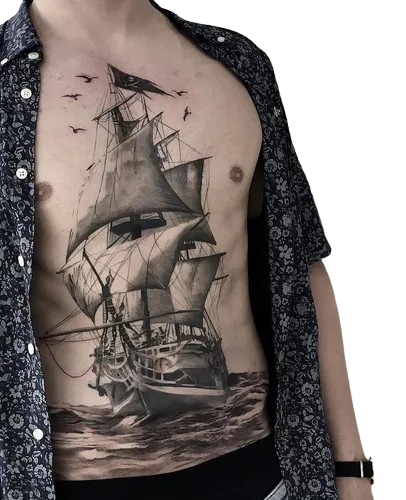
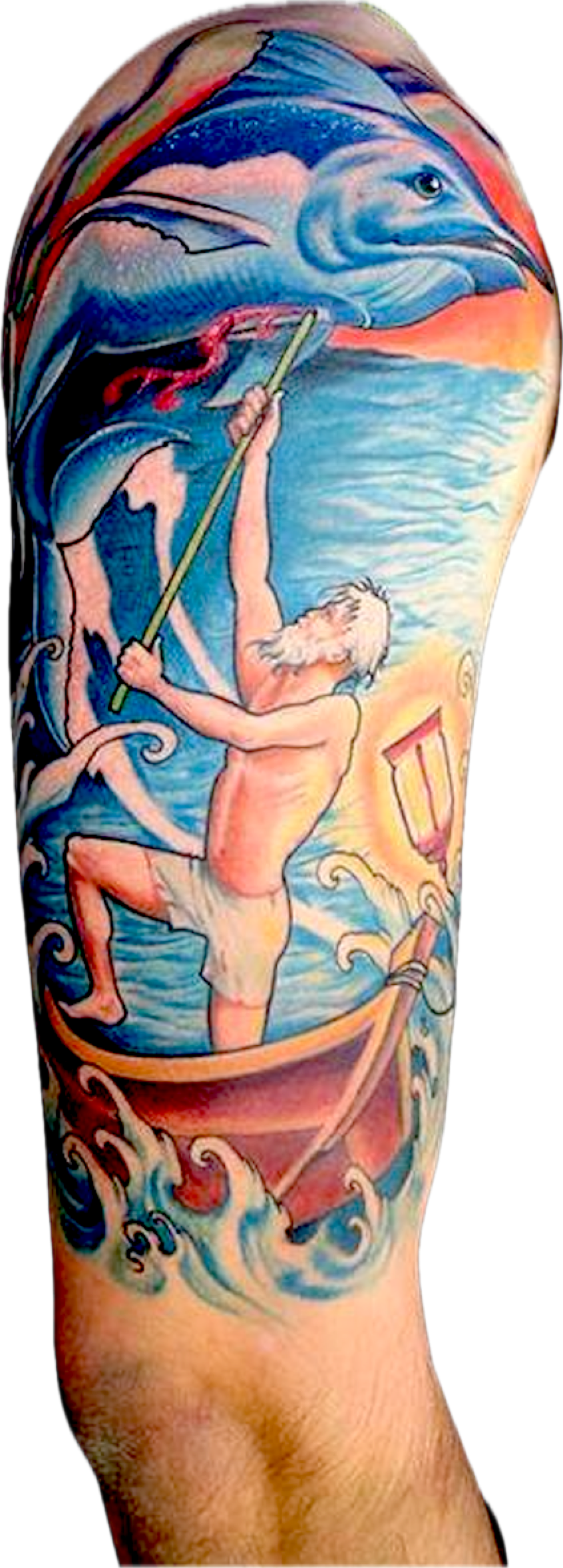
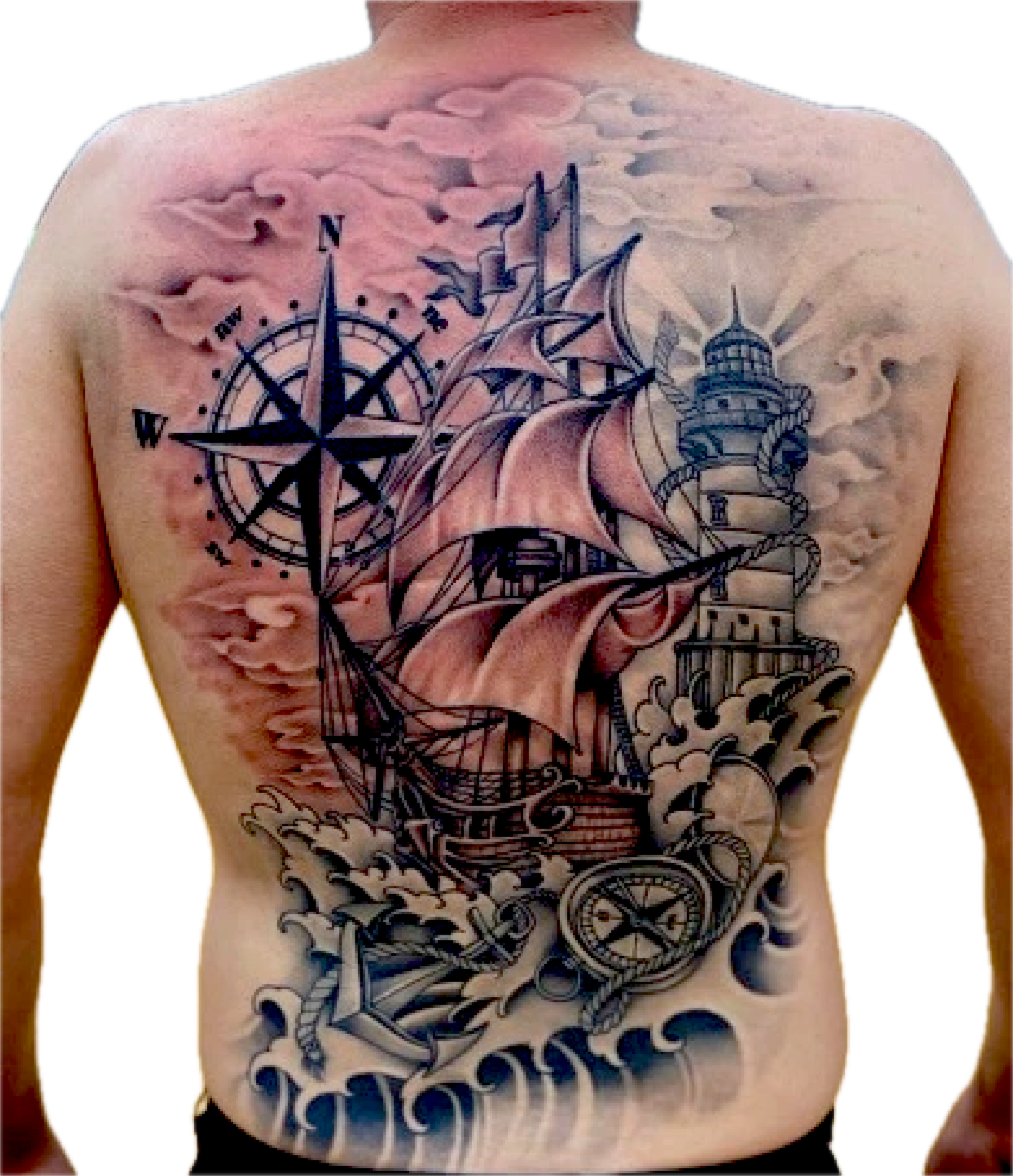
Chris Hold and the Vancouver Maritime Museum “Without sailors, I really don’t think tattooing would be what it is today,” explains Holds. “It is a tradition that will likely never disappear. And we, as tattoo artists, survived thanks to sailors’ fascination with tattoo imagery, and many of these designs were created specifically for them — tailored to particular divisions and specific professions on the ship. It was quite mutually dependent.”
Most sailor tattoos were line drawings made with black or blue ink by sailor tattooists 38% of all reported tattoos on American sailors from 1796 to 1818 depicted initials, names, and dates; 21% depicted nautical items; 9% patriotic symbols; 9% symbols of love; 8% religious symbols; and 4% depicted people and animals.
P.S.
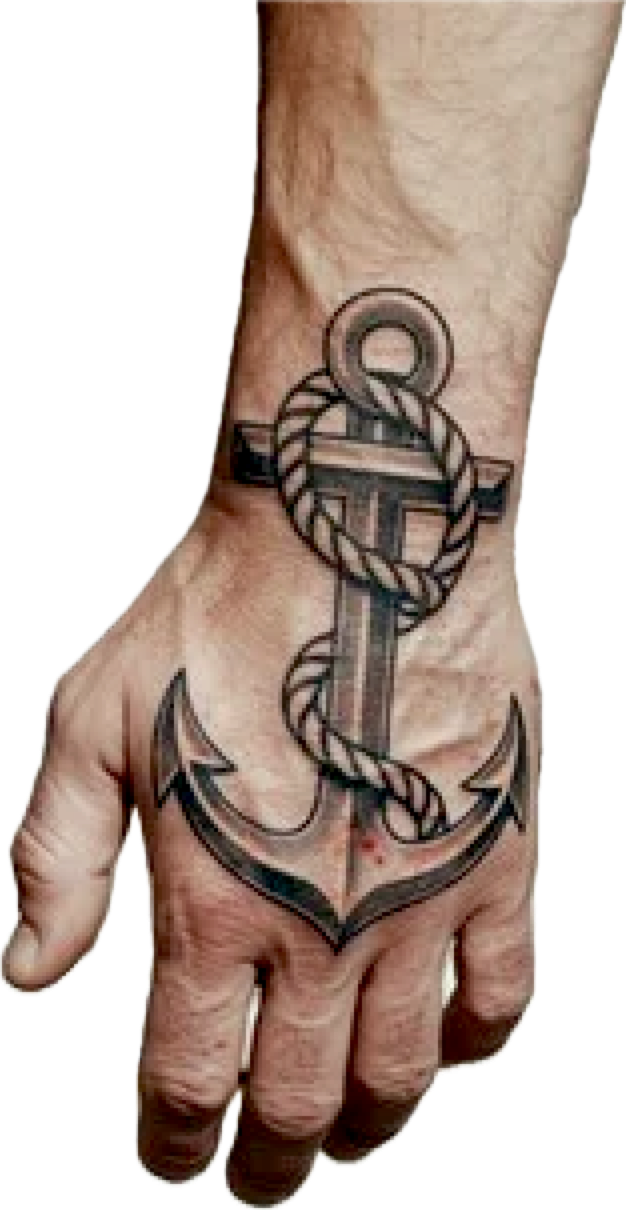
Although most of us are not sailors, we still navigate the stormy seas of life, measuring distances, marking our achievements, and refusing to yield to hardships. So we continue in our own lives — the traditions of seafaring :)
I suppose that this very aspect is what captivates many of You to choose a nautical theme. In this age of information, many things come and go, yet the meanings of maritime tattoos remain as constant as the Sea itself.
However, let's remember! Sailor tattoos have for centuries been an important part of maritime culture, and every mark on a sailor’s skin has its own story. A tattoo for a sailor is more than just an ornament, it reflects the eternal human search - for belonging, identity, and a personal story.
A nautical‑themed tattoo is the lure of the sea itself, to sail to the edge of the world and each time discover new adventures without locking oneself into the restraints of everyday life :)
