Hyperrealism - Tattoo Style
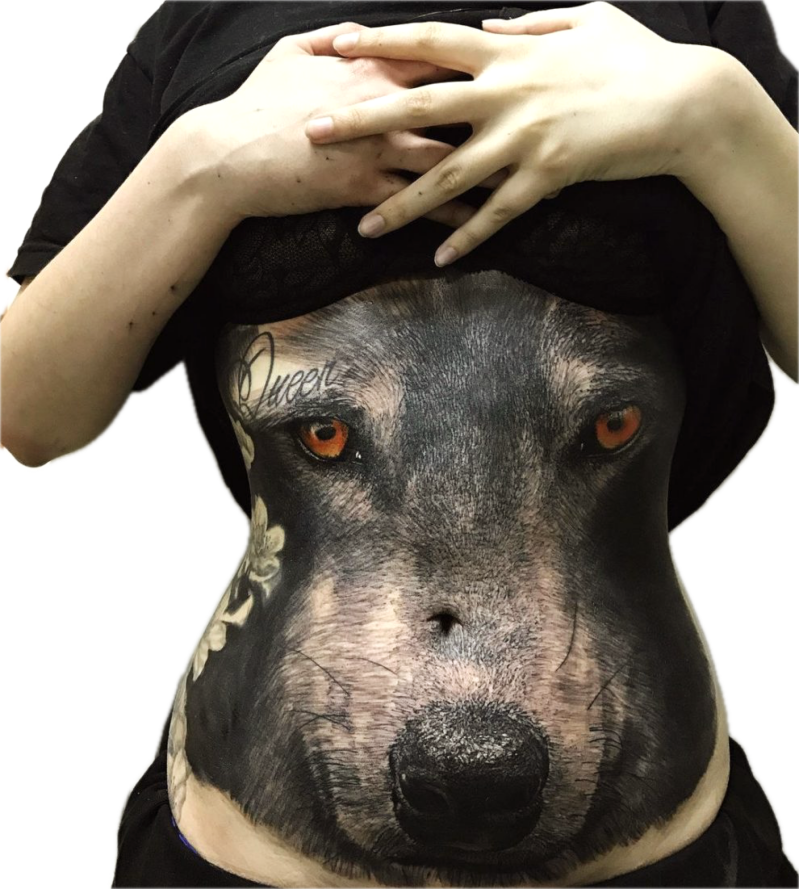
- The classic definition of hyperrealism is as follows - a genre of painting and sculpture that resembles high-resolution photography.
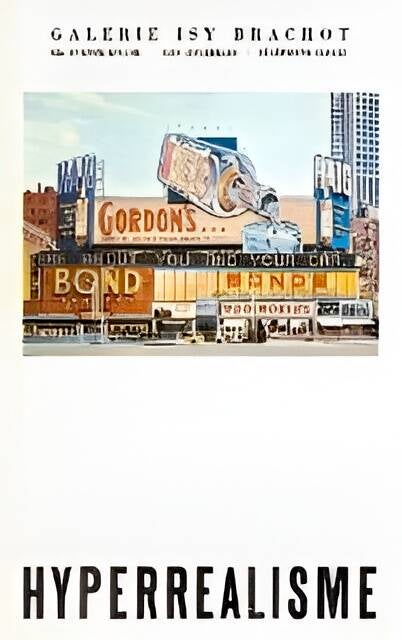
Since the very introduction of the concept and term hyperrealism, 52 years have passed. The essence of the matter is that in 1973 the art dealer Isy Brachot introduced the French word hyperréalisme to the public in his gallery in Brussels, a term that means hyperrealism. He organized an exhibition in his Brussels gallery titled "Hyperrealism", along with a catalogue of the same name. The exhibition showcased works by several American artists associated with photorealism.
Hyperrealism is regarded as an extension of photorealism, considering the methods used to create works in this style. Tattoo artists have also contributed to the development of the style, which has evolved in parallel since the early 1970s.
Hyperrealism is contrasted with the literal approach found in traditional late‑20th‑century photorealism. Tattoo artists experimented by using photographs merely as reference sources, aiming to create more precise and detailed representations that often differed from photorealism. This style is narrative and emotional in its imagery.
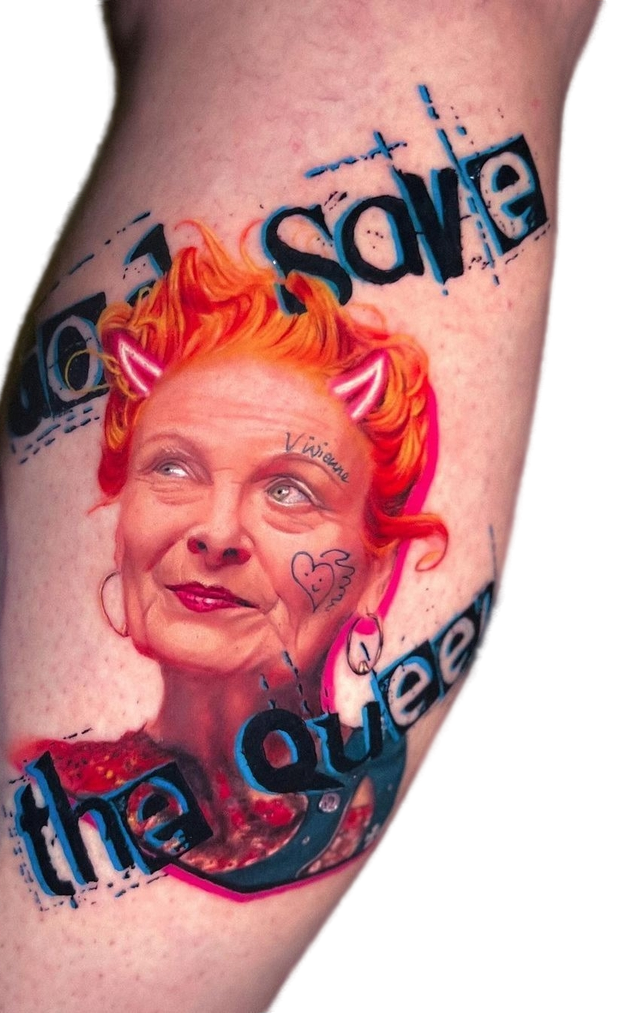
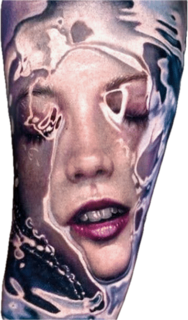

In the hyperrealist style, much greater emphasis is placed on details and objects. Hyper-realistic tattoos do not follow a strict interpretation of photographs, nor do they present a literal illustration of a specific scene or object. Instead, the artist incorporates subtle, painterly elements to create an illusion of reality that either does not exist at all or simply cannot be perceived by the human eye. Additionally, it may incorporate emotional, social, cultural, and political thematic elements as an extension of the painted visual illusion. This does not mean that these works are surreal, because the illusions represent a convincing (simulated) depiction of reality. Textures, surfaces, lighting effects, and shadows appear clearer and more distinct than in the reference photograph or even in the object itself. This style is often confused with three‑dimensional tattoos, but the difference lies in the technique of execution.
To bring a bit of clarity, let us distinguish these styles with examples :)
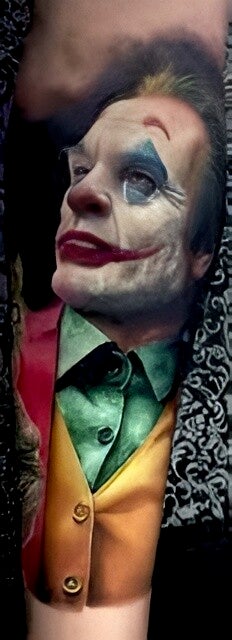
Photorealism (realism)
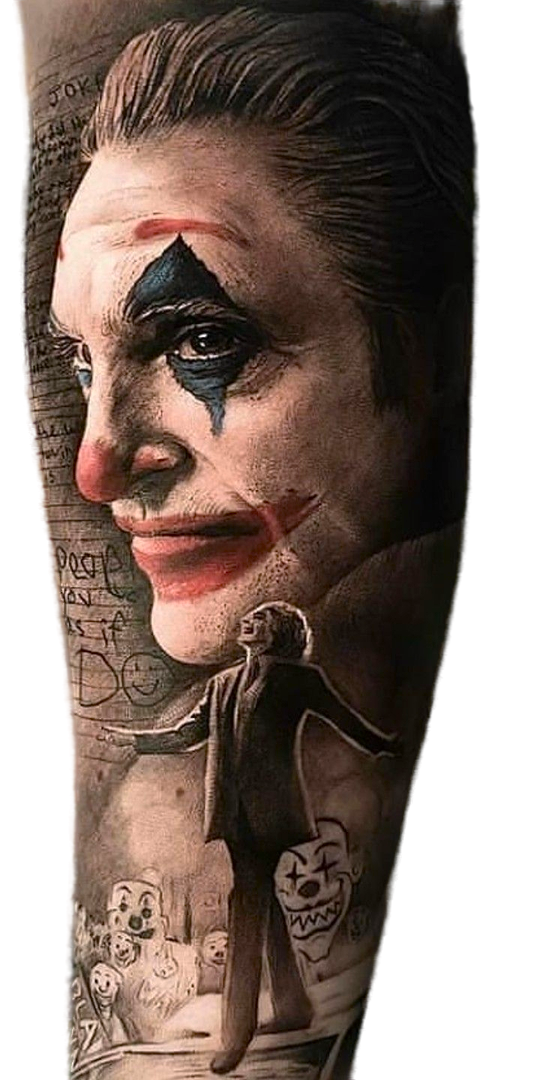
Hyperrealism
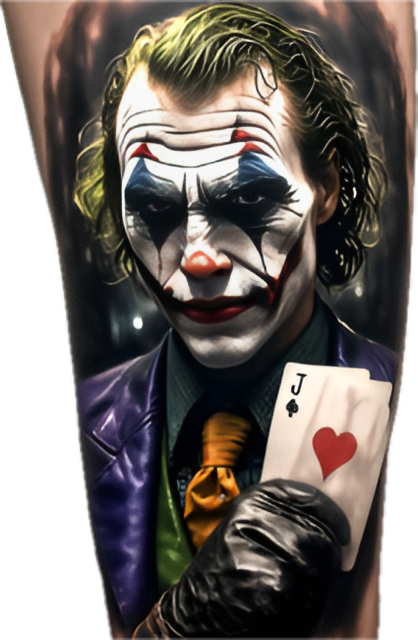
3D realism
I.n.t.e.r.e.s.t.i.n.g. Philosopher Jean Baudrillard on hyperrealism: “It is a kind of simulation that never really existed”. Hyperrealists create a false reality, a convincing illusion, based on on the simulation of reality, which today strongly dominates digital photography. The tattoos You look at will also differ significantly from the real ones due to photo filters and the artistic processing of digital material.
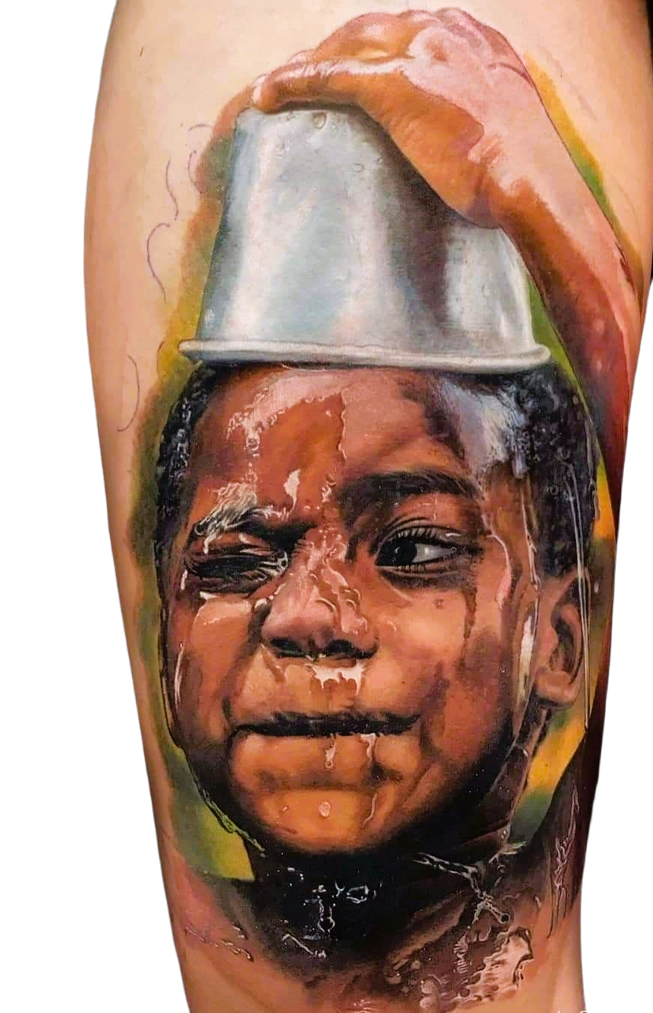
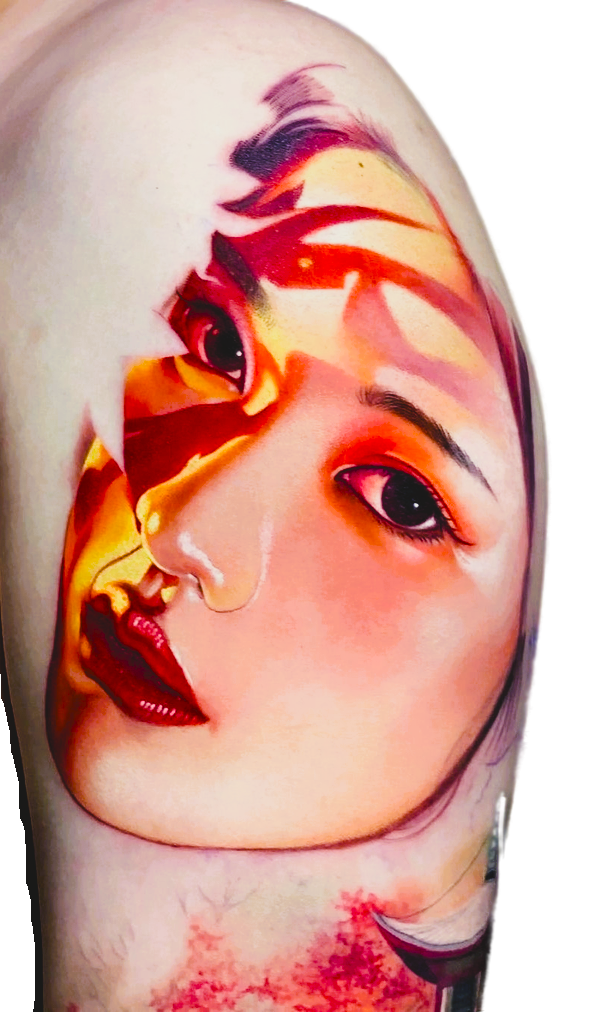


Although hyperrealism is photographic in nature, it often involves a softer and far more complex focus on the depicted subject, presenting it as a living, tangible object. The objects and scenes in hyperrealistic tattoos are meticulously detailed to create an illusion of reality that is not visible in the original photograph.
Key aspects of hyperrealism :)
1. Textures and reflections - Hyper-realistic tattoos often include v a r i o u s s k i n t e x t u r e s and r e f l e c t i o n s, such as the glossy surface of water or the rough texture of tree bark. Achieving these effects requires precision and skill in shading and blending.
2. High contrast - Hyperrealistic tattoos often feature strong contrasts between light and dark areas to enhance realism. This technique helps create depth and brings the tattoo closer to a three-dimensional feel.
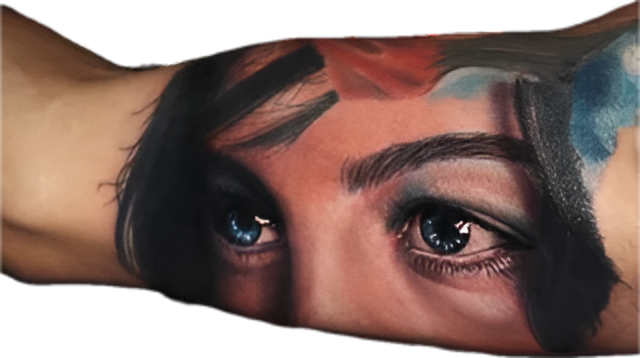
I.n.t.e.r.e.s.t.i.n.g. You know the meaning of the term trompe l’oeil. So here it is — the term trompe l'oeil comes from a French phrase meaning “to deceive the eye.” It refers to artistic techniques aimed at creating a three‑dimensional illusion. An illusion, not a three‑dimensional image !
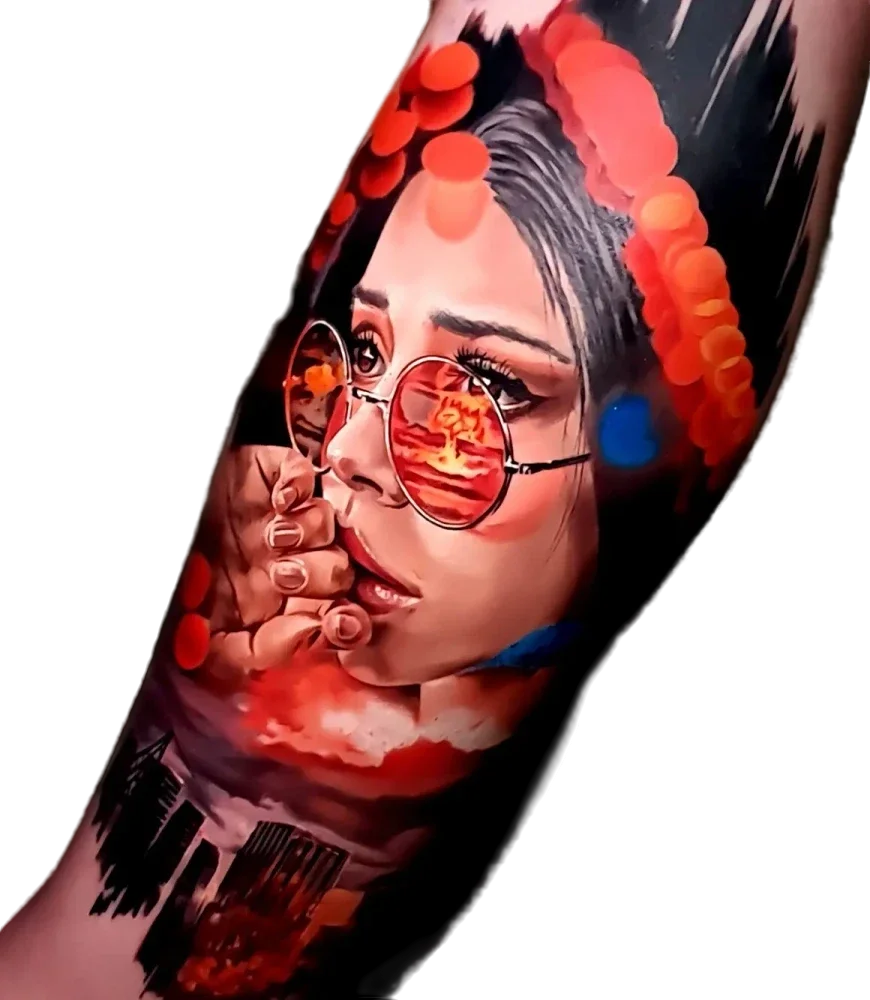
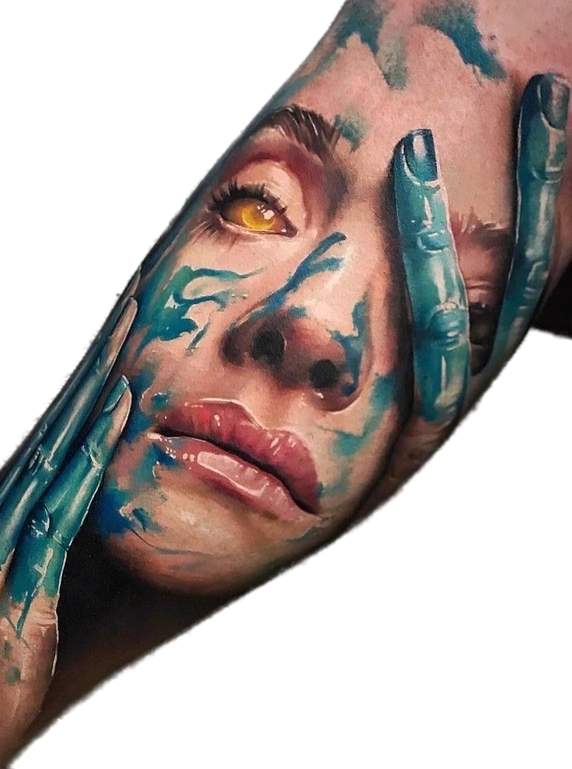
It is this aspect that distinguishes hyperrealism from a three-dimensional image. Critics and artists, in order to designate the photorealism-influenced hyperrealism movement, sometimes enrich it with narrative or symbolic aspects as distinctive elements of the work.
Hyperrealistic tattoos introduced a kind of special‑effects approach and the addition of extra elements to an already realistic photographic depiction. Rather, hyperrealism is a symbiosis between the photorealistic painting style, which is strict, precise, and sharply mechanical in its focus on everyday imagery, and the bold, provocative playfulness of pop art combined with photography.
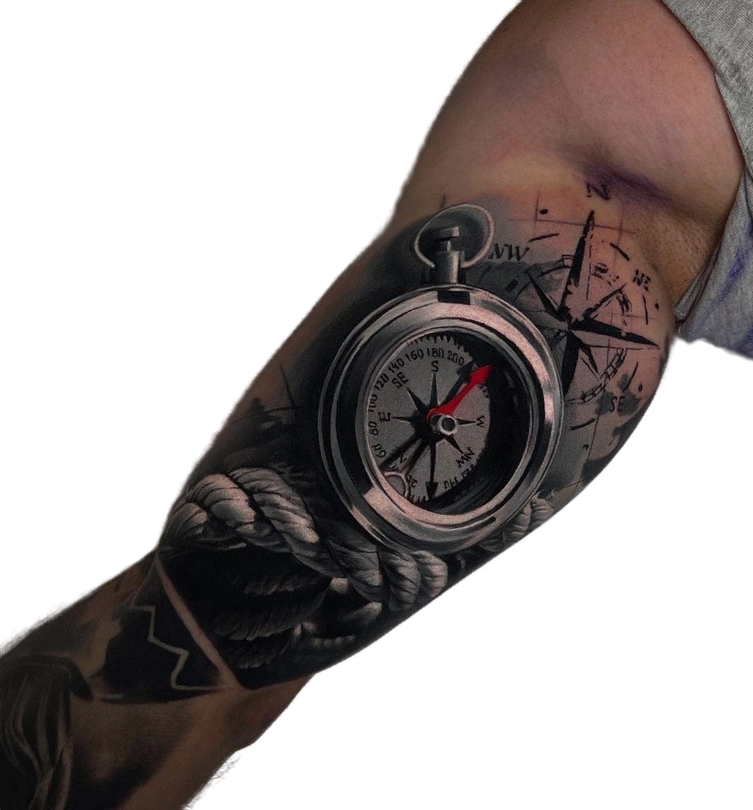
Hyperrealistic tattoos are like the extremely high-resolution images that are created today by digital
cameras and whose images are enhanced by computer programs. If photorealism imitated analogue photography, then hyperrealism uses digital images and expands them to create a new sense of the illusion of reality.
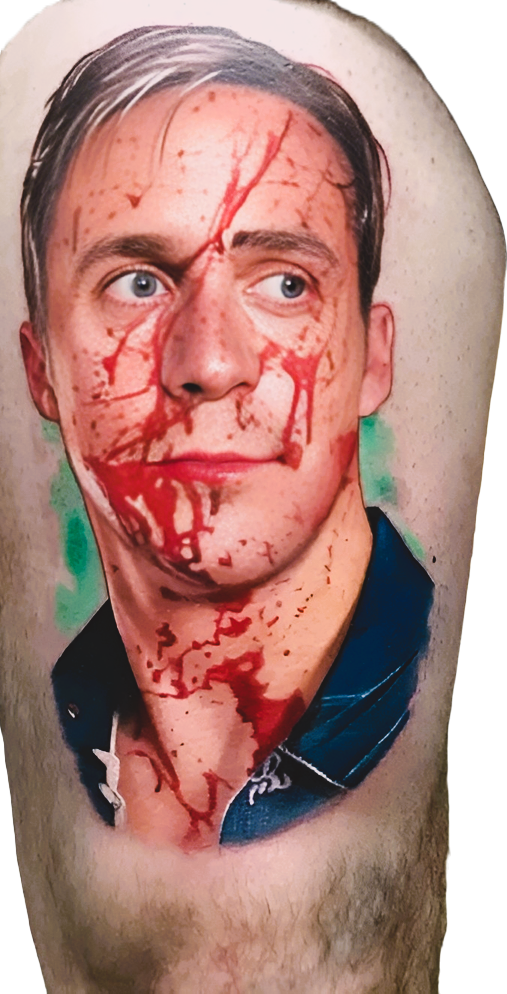
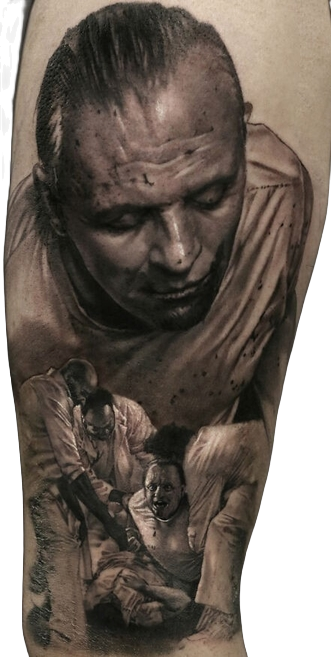
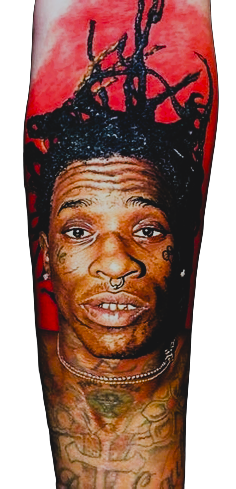

From the initial concept to the canvas of your skin, the creation of a hyperrealistic tattoo is a meticulous process in which artistic vision merges with technical precision + Denying the presence of AI today is foolish. Therefore :) From rotary tattoo machines, which offer control and efficiency, to coil machines known for their versatility, hyperrealism artists choose the tools that best suit their style and the demands of the artwork, never forgetting the importance of colors. It is precisely the hyperrealism style that allows the use of bright colour contrasts as a counterbalance to black. The point is that black pigment is more long‑lasting, and by using more vivid colours in this style, an overall colour‑fading effect is achieved. This means that the entire tattoo will fade gradually, without leaving contrasting lines. The problem that many artists see with this style is that it is too realistic. Excessive addition of details usually leads to longer tattoo sessions. Our bodies can only tolerate a certain amount of skin trauma before fatigue sets in; we begin to sweat more, bleed more, and as a result push more ink out of the skin. These symptoms typically appear once a client passes the 6–8 hour mark.
When an artist working on a hyperrealistic portrait starts adding tiny details to already‑traumatised skin that is rejecting ink, it is very likely that these fine details will disappear during the healing process. In essence, the client ends up paying for hours of tattooing and micro‑details that cannot be preserved in the long term. This is an important aspect to keep in mind when choosing a tattoo in this style: it requires a dedicated tattooing approach, carried out over multiple sessions, which is gentler on Your skin and allows all the necessary trompe‑l’oeil details to be properly embedded.

P.S.

It is hyperrealistic tattoos in particular that have managed to bridge the gap between art and reality, inviting us to pause and admire the beauty and complexity of the human form. Hyperrealism creates the sensation of something alive, yet it does not have to be identical. A tattoo artist can simply capture the very essence of the subject by adjusting small details without losing the presence of realism.
Hyperrealistic tattoos intricately capture the subject with striking precision, blending the boundaries between ink and reality. Today, tattoos have already become a natural way of reflecting contemporary culture. You choose these designs, and they are adapted to modern art movements and Your personal aesthetics, allowing you to follow the popular trends within tattoo culture.