


Traveler’s Diary: From parchment, Ink to Living 3D Worlds - Dedicated to those who won' t play these games
Looking at the horizon brings admiration—every sunset and sunrise is unique, unrepeatable. Even the greatest artists in the world could never match the brushstrokes of clouds or the shifting palette of the sky, from pink to blue, red to yellow. Nature remains the unreachable master of the canvas, offering a beauty no human hand can truly equal.
What makes a story great is the way it carries our minds to imagine as if we stand at the precipice—a once-in-a-lifetime feeling, the beginning of a new adventure. A story becomes immersive through the narrator’s choice of words, the genre itself, or simply the enjoyment of enduring inevitable obstacles, embracing our failures, and overcoming them together, often through companionship. I enjoy facing challenges in games, as long as they don’t lead to dead ends that leave the player feeling dull or stuck.
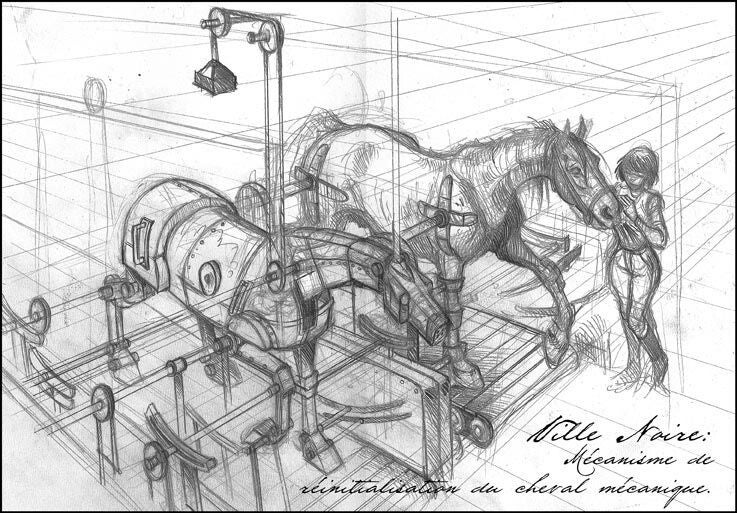
One of the most familiar stumbling blocks of point‑and‑click quests is pixel‑hunting—forcing players to feel foolish as they spend hours running in circles for a single clue needed to progress. Frustration builds, and even when relief comes after finding the answer, it quickly fades once the same obstacle appears again only minutes later.
While searching for material for this post, I found myself wondering: did Sokal’s games ever truly have meaning in reaching a final goal? By the basic skeleton of story construction, there is a beginning, a goal, and what happens in between. But is the goal truly necessary to reach—or is it the middle, the journey itself, that carries the purpose in the end?
Here comes the realization: perhaps the meaning was never in reaching the destination at all. The truth lies in leaving our safe zone—stepping beyond the familiar and entering the unknown beauty of the world around us.
In older quests, this design was necessary, since players often had to buy separate guidebooks alongside the game disc to find answers when they were stuck. Later, with the growth of the internet and local web access becoming part of everyday life, the need for printed manuals faded. Yet pixel‑hunting remained. Over time, it became the genre’s calling card—and perhaps one of the reasons why classic quest games eventually declined in popularity.
Throughout a text will be additions of Sokals words. Probably best way to understand is by knowing author even from interview
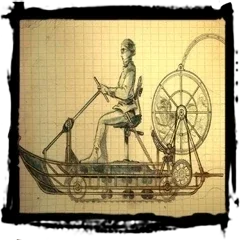
We all are both Dr. Jekyll and Mr. Hyde. When I started writing comics, I was very young. I still had an adolescent way of looking at things, I saw no future, and I had no future. Everything was darker back then. So, it’s only natural that I would start with detective stories. They were dark, including murders, crimes and lots of blood. But they were also parodies. That’s because I was young as I said and I had no personal experiences to share or personal stories to tell. When you’re twenty years old, you’ve experienced nothing yet -unless you’ve lived through the horrors of war of course. But even if you do have experienced certain aspects of life before you reach that age, you still need some time to absorb and process those experiences before being able to share them with others.
La'Amerzone

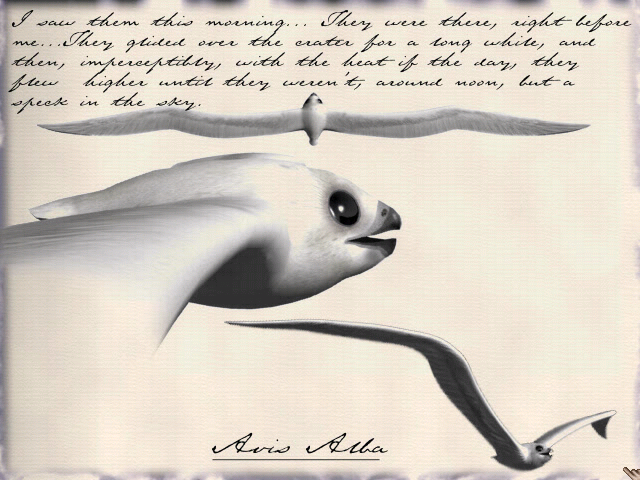
It has been a long time since I last thought of Amerzone, and a while since I saw the white birds hatch from their egg. That marvelous sight still lingers in my memory, for it was worth all the trials this adventure held.
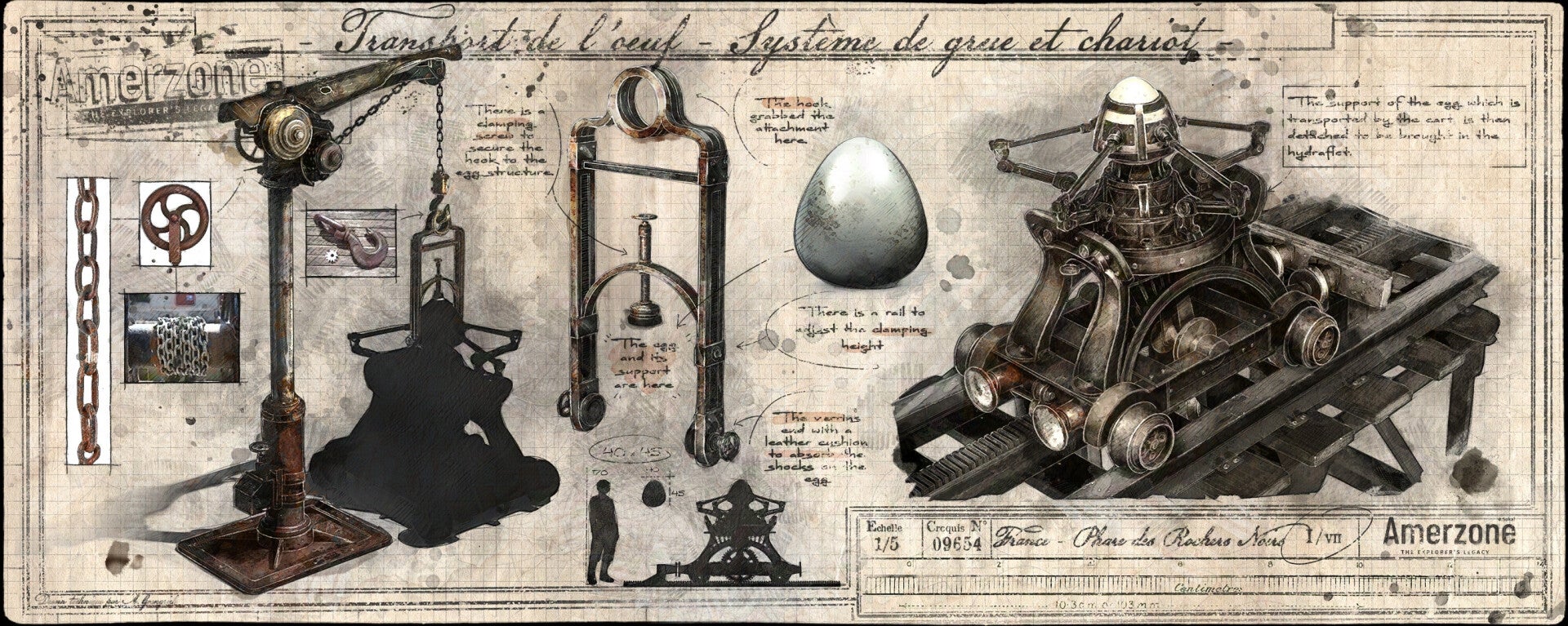
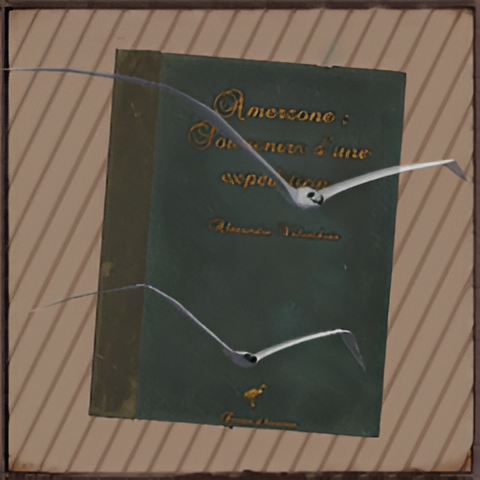
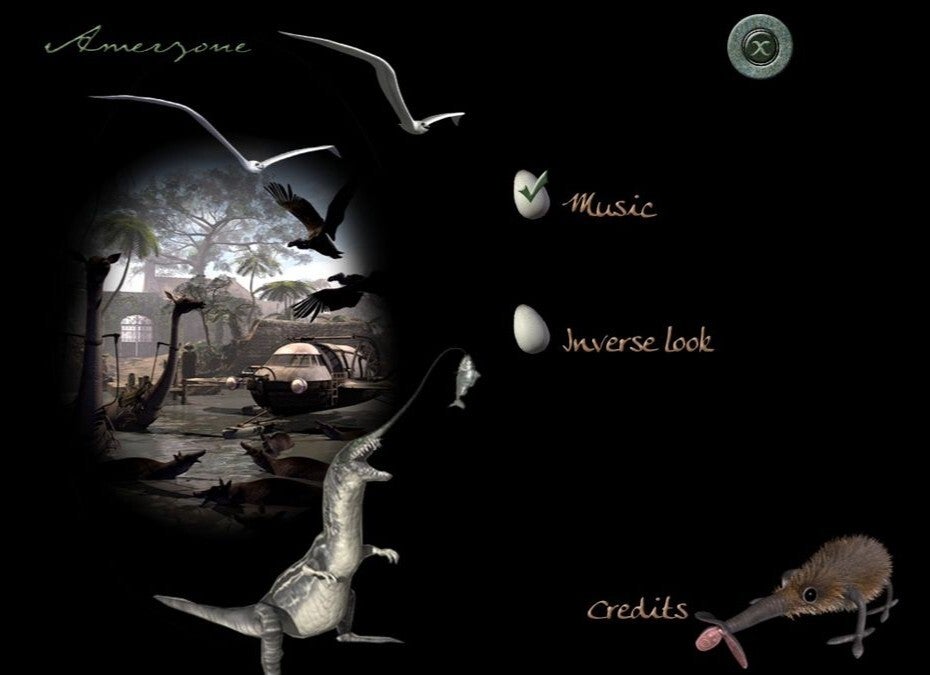
The unique flora and fauna I encountered upon reaching the Amerzone jungle, the innovative air‑water ship I flew, and the Amerzone geese guiding the way—all remain vivid. Yet no adventure comes without struggle: emergency landings, armed men blocking the path, and dangers that test resolve.
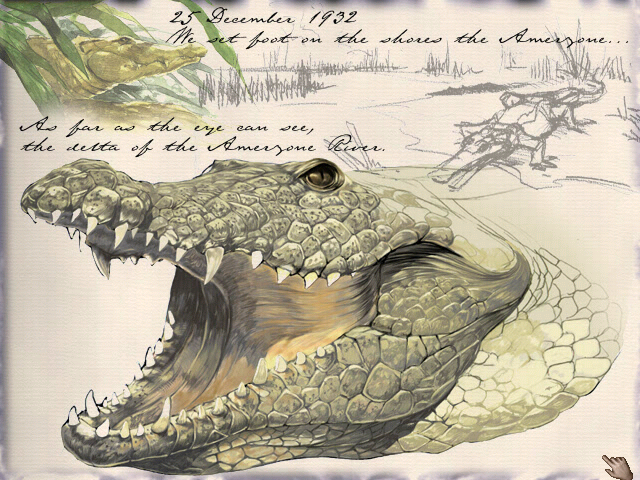
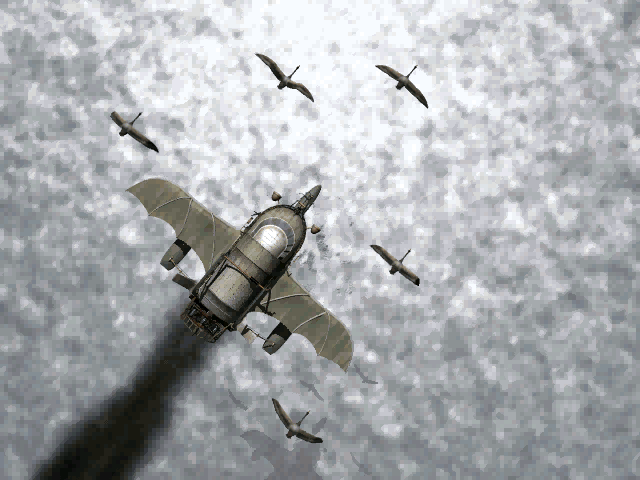
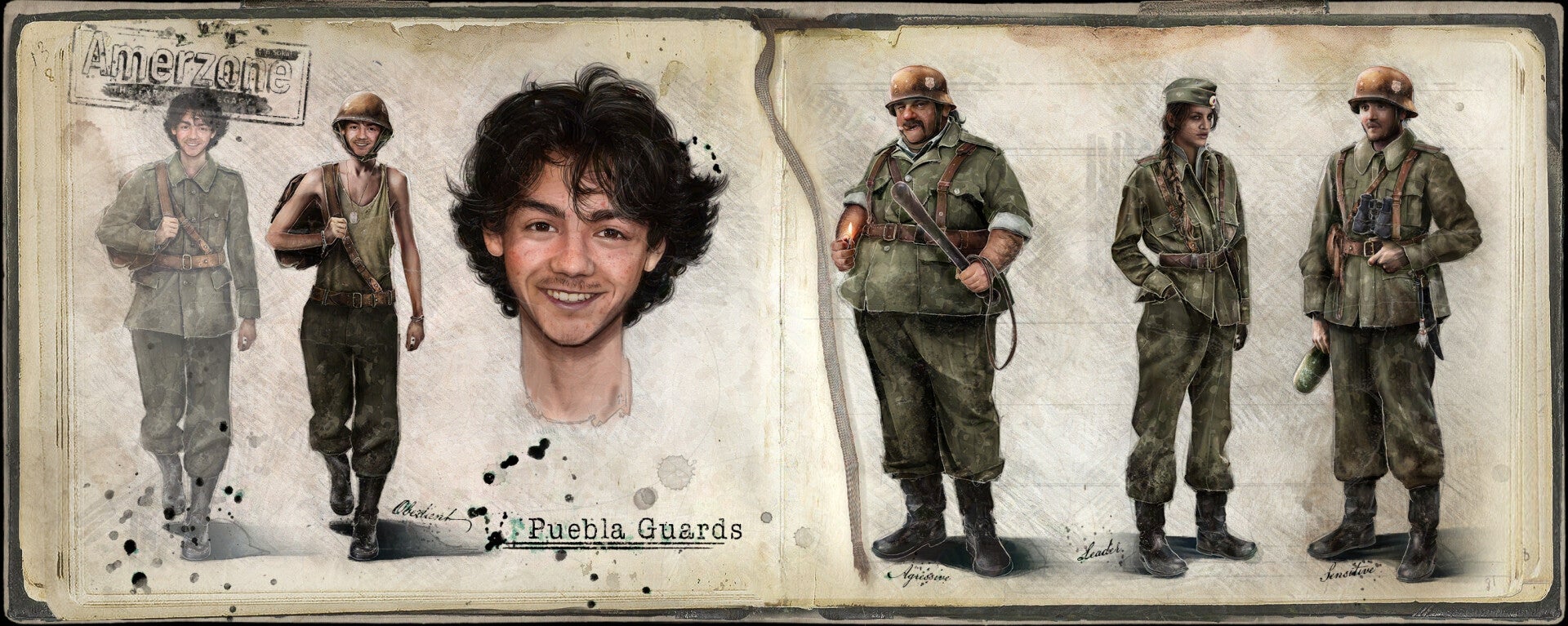
Beyond the jungle’s fauna, the flora too never stands still. Predators guard their territory, animals live their lives, and humans are but a nuisance in their eyes.
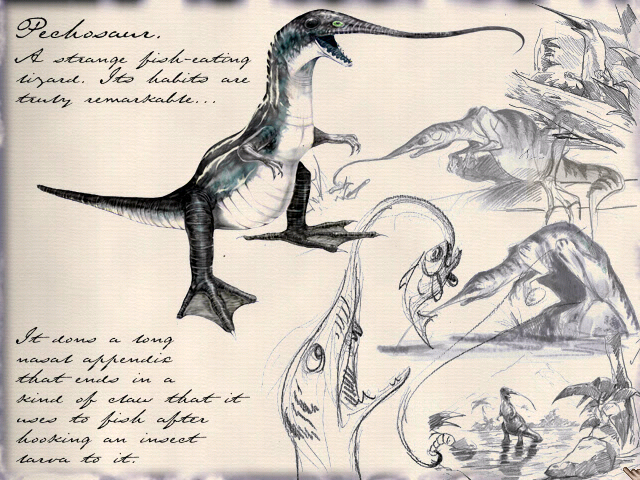
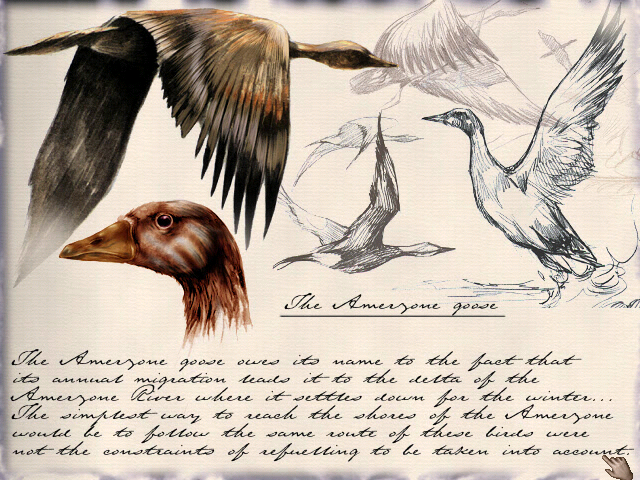
Whether or not I could have stayed there is hard to say. But having had the chance to visit—even once—is something I carry in my heart. It is a romantic sight, isn’t it, to dream of a far land. Yet when we visit such places, we are inevitably brought back into everyday problems.
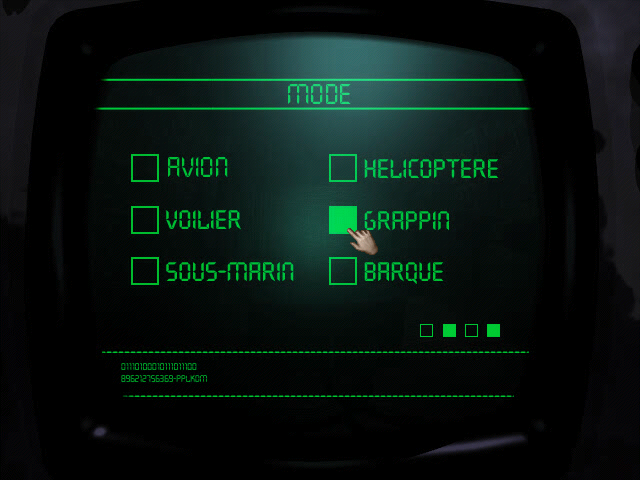
No matter how far we venture—whether into the civilized world or distant lands unseen by many—we remind ourselves not only to follow a path we know or reach the goal at its end, but to enjoy walking along the path itself.
Each sight is a marvel to behold, even with struggles along the way and the headaches of finding solutions. Without those challenges, the story would not be interesting, and quests would lose their charming nature.
But this is an old tale, an old solitude that has lingered since the beginning. If the story could be retold as a poem, it might sound like this. After completing the original Amerzone (1999), I realized that some parts felt clear while others remained elusive. In trying to recall or retell it, the memory naturally took the shape of a poem.
To experience Amerzone, you need to listen to it ➤
Amerzone Player
A far myth of a distant land, untouched by outsiders—La’Amerzon,
where nature rises from fauna and flora never seen beyond its jungles.
All for the return of the legendary bird’s egg,
its beauty revealed only once in a lifetime,
to those who dared to witness.
But many years ago, an expedition of three friends found the egg,
and their friendship crumbled into dust.
One, unable to forget the past, sought to correct his greatest mistake,
to return what was taken.
Another turned to faith, hoping to atone for sins
he could not bear to carry.
The third, driven by ambition, chose to rule with an iron fist,
forcing the locals to live under his tyranny.
And the question remains: who are we in this story?
Certainly not one of the expedition’s members, but a journalist
Why did we get involved in the first place?
An old man’s stories—truth or myth—brought us to visit Amerzon.
And who says that innovative machines
cannot be started by a simple‑minded person?
In quests, such boundaries do not hold.
Anything is possible—even if it becomes a mind‑boggling experience.

Since the game was adapted from the comic book, I will try to present the whole picture by using material from " Inspector Canardo Investigation: The Amerzone " (1986) and explain it through the game’s perspective. And if you dislike the graphics of the 1999 release, you should know that the game received a remaster last year" Amerzone: The Explorer’s Legacy " (2025), directed by Hugo Sokal, Benoît Sokal’s son. So, if you want to replay or experience the game for yourself, the remaster is available to try.
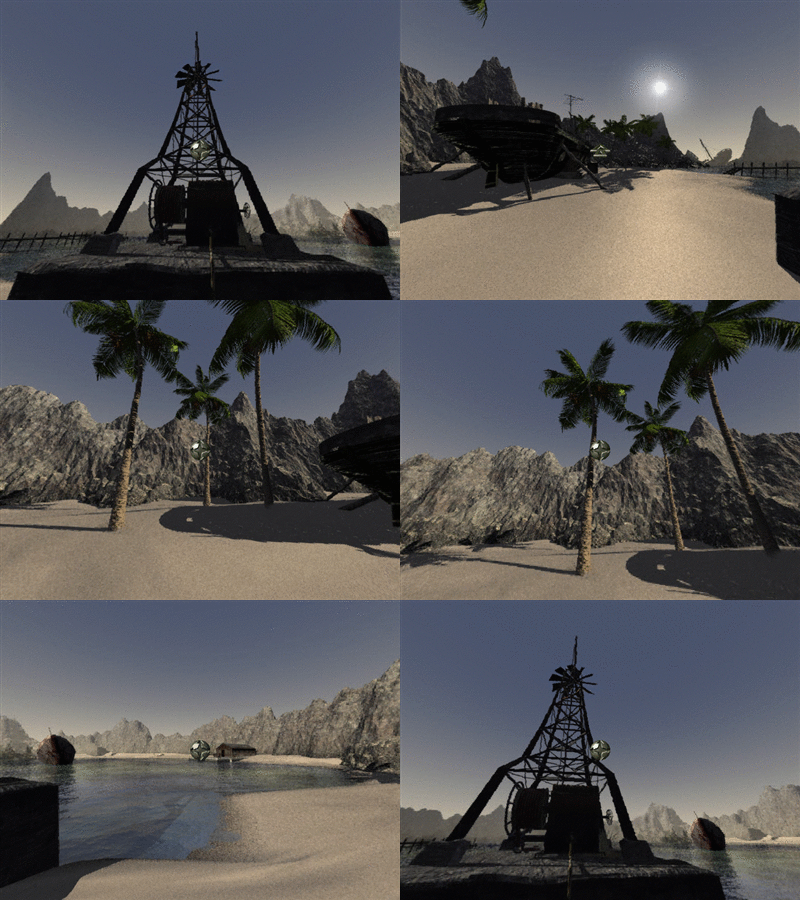
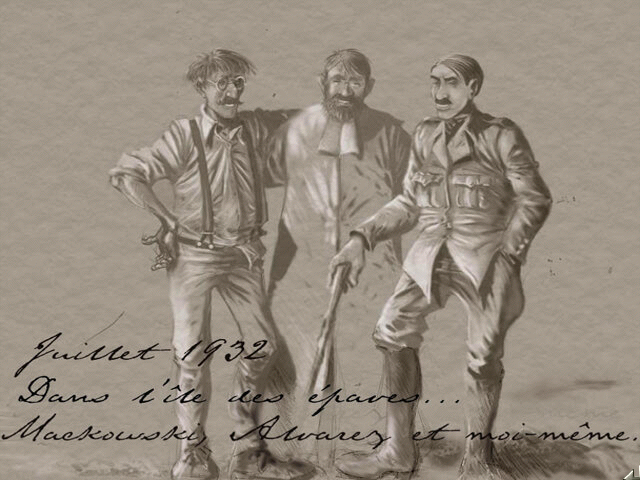
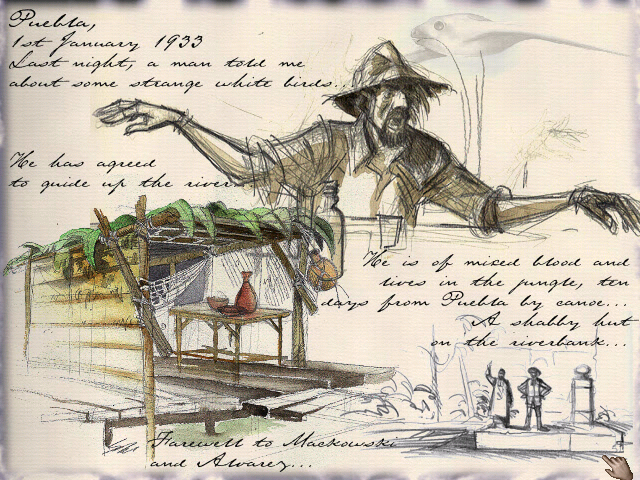
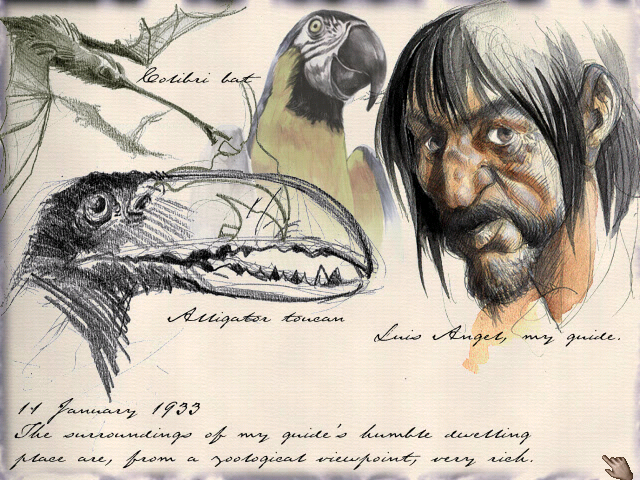
Together with two friends -Fernand and Alvarez, they set out to this remote jungle region, said to be home to a legendary species of giant white birds.
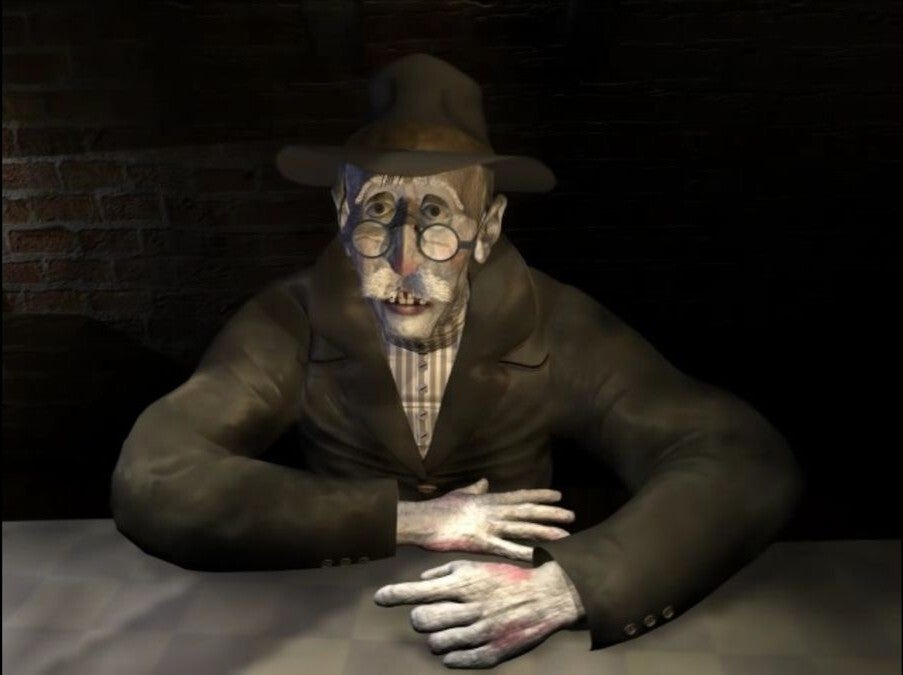
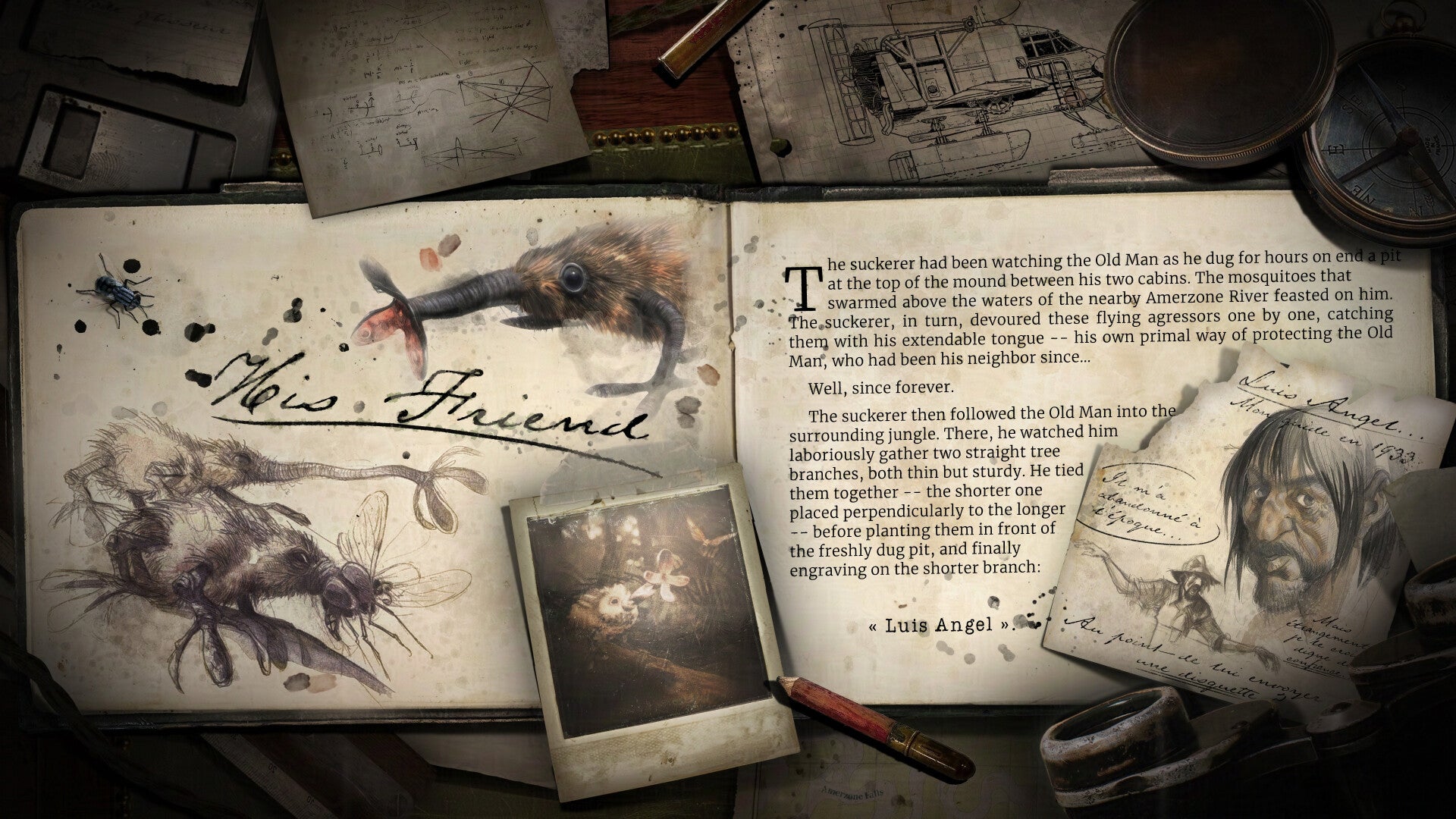
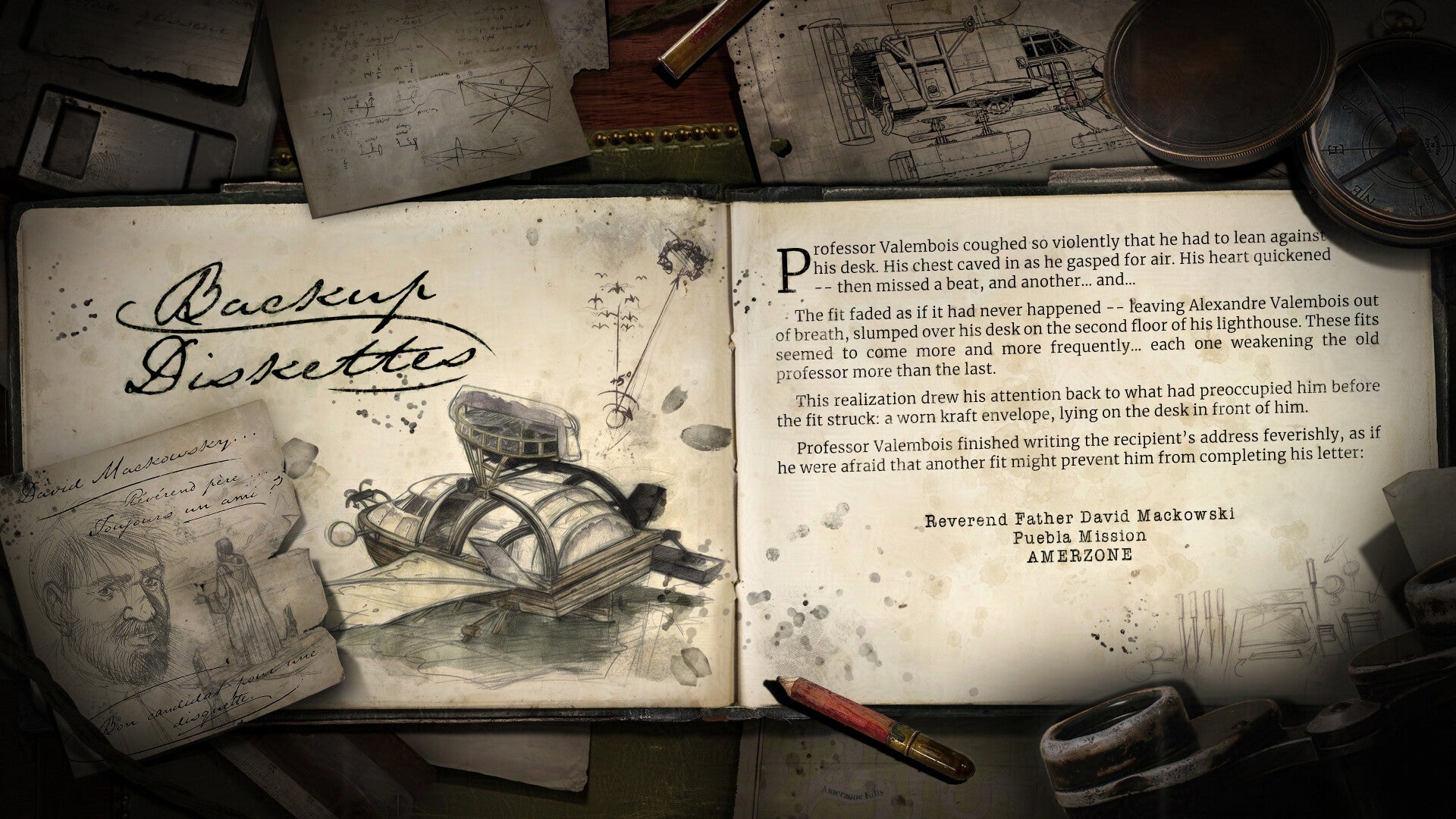
The story begins with the confession of Alexandre Valembois, an old explorer who once journeyed to the mythical land of Amerzone.
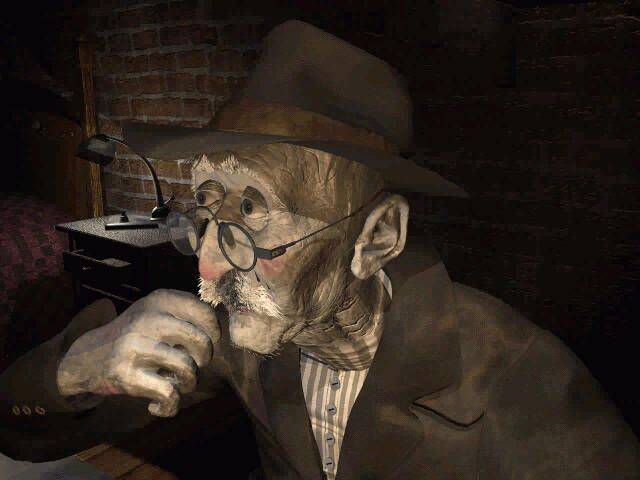
Their goal was to find and bring back one of the birds’ eggs, believing it would bring them fame and recognition.
In the end, their ideals diverged. Valembois wanted to study and preserve the birds, but his obsession led him to steal an egg
Fernand became consumed by guilt and turned to religion, trying to erase the sin of their theft
Alvarez sought power, establishing himself as a tyrant among the locals, ruling with violence and ambition
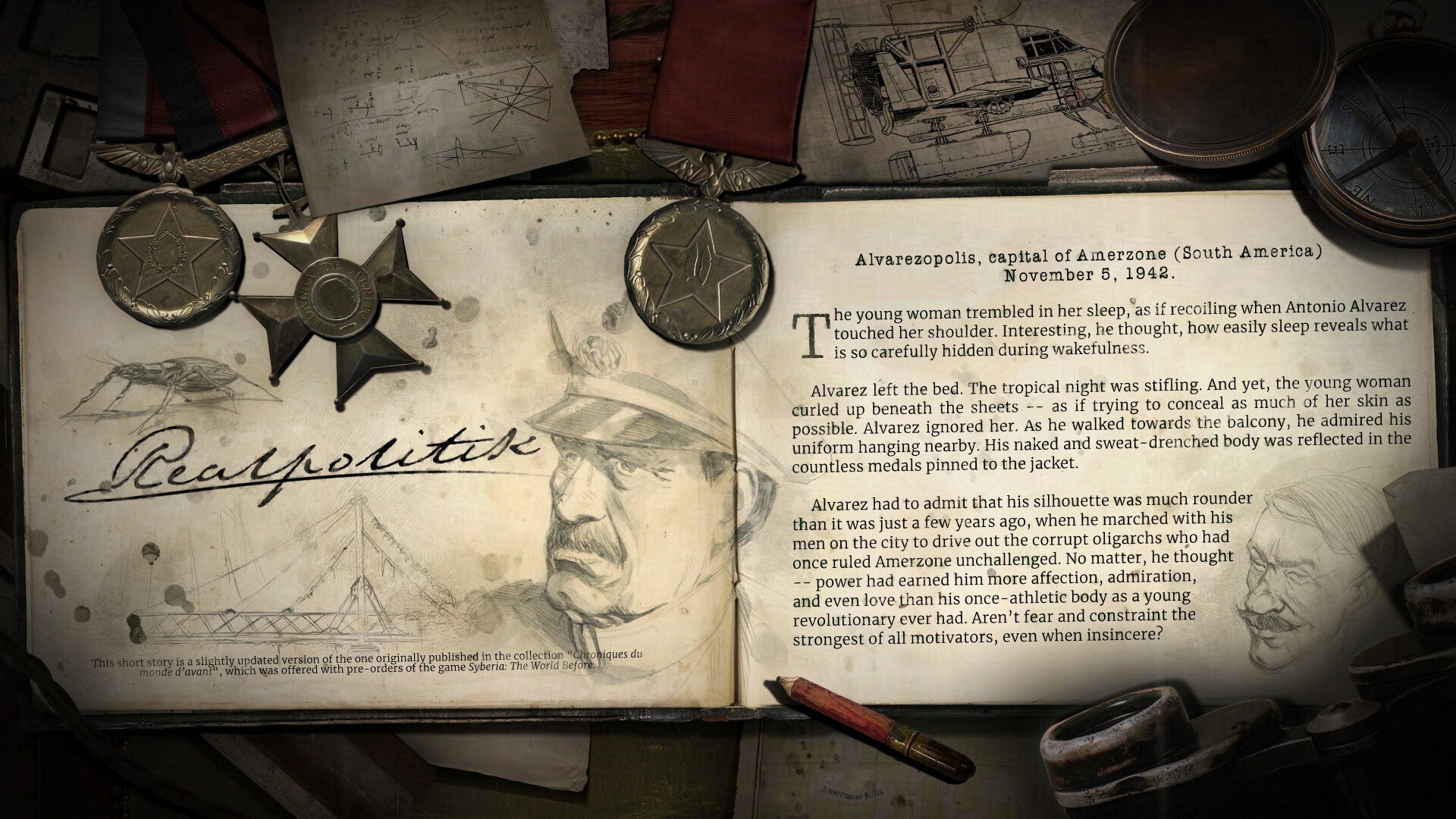
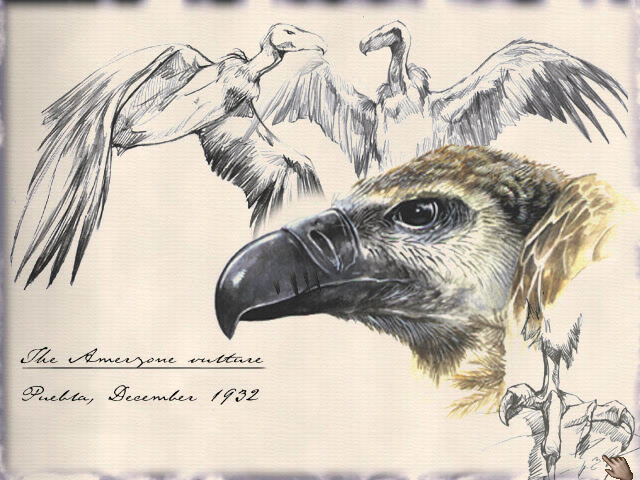
Now, in old age, Valembois confesses his regrets—in the comic to Inspector Canardo, and in the game to us as players—recounting how his youthful expedition went terribly wrong. The theft of the egg was a mistake. In the comic, he entrusts Canardo with the mission of returning the egg to Amerzone, so the cycle of life can be restored.
"The tale ends the same way in both versions: the egg is eventually returned, the white birds hatch once more, and they rise into the sky. Comic's closes with the conclusion that myths endure, but human ambition often corrupts them"
From a narrative perspective, the comic includes more open dialogues between the characters and narration that conveys feelings and surroundings. Literature explains the story more directly than the game adaptation.
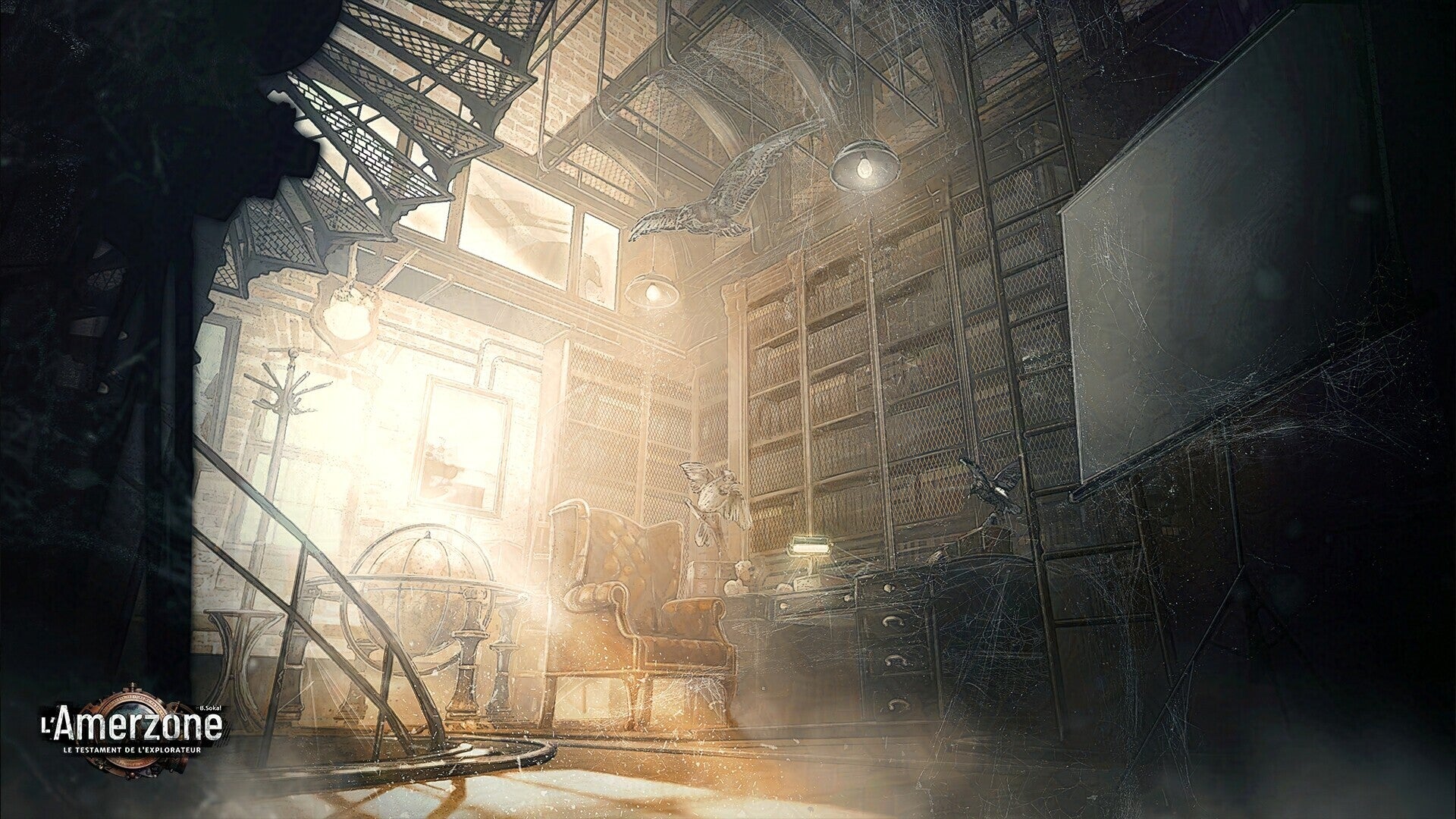
The game, however, gives us the chance to uncover fragments of the story—to understand where the suspense begins, where it should endure, and why it eventually collapses under its own weight. It sets before us a clear goal: to return the egg to its home. To seek answers, you must act; if you sit aside, they will not simply fall into your lap.

If the story and characters did not change significantly from comic to game, then what the comic lacked were the innovative constructions and unbelievable details of mechanisms that appeared only in Sokal’s games.
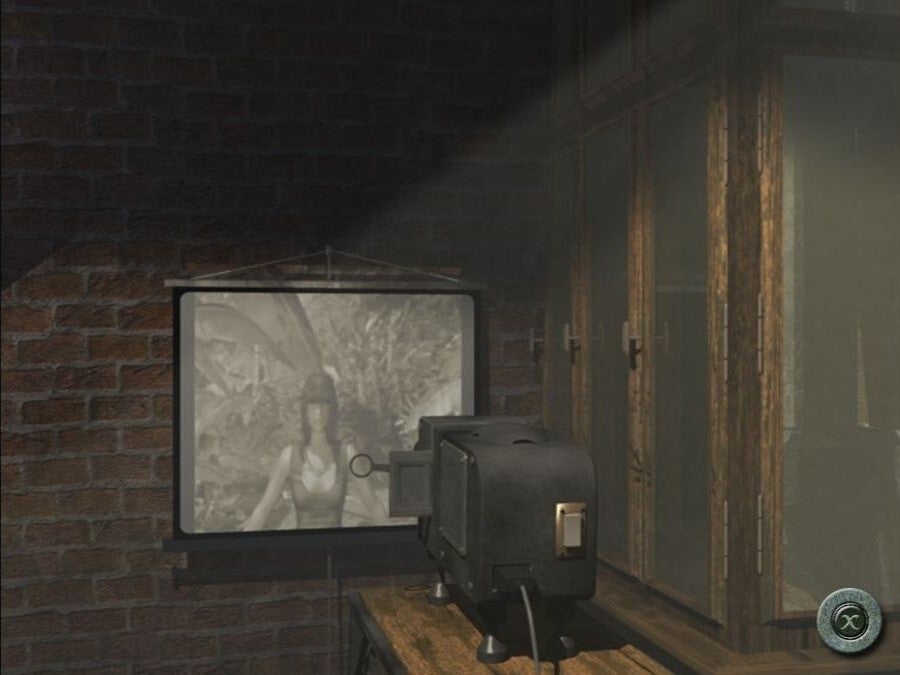
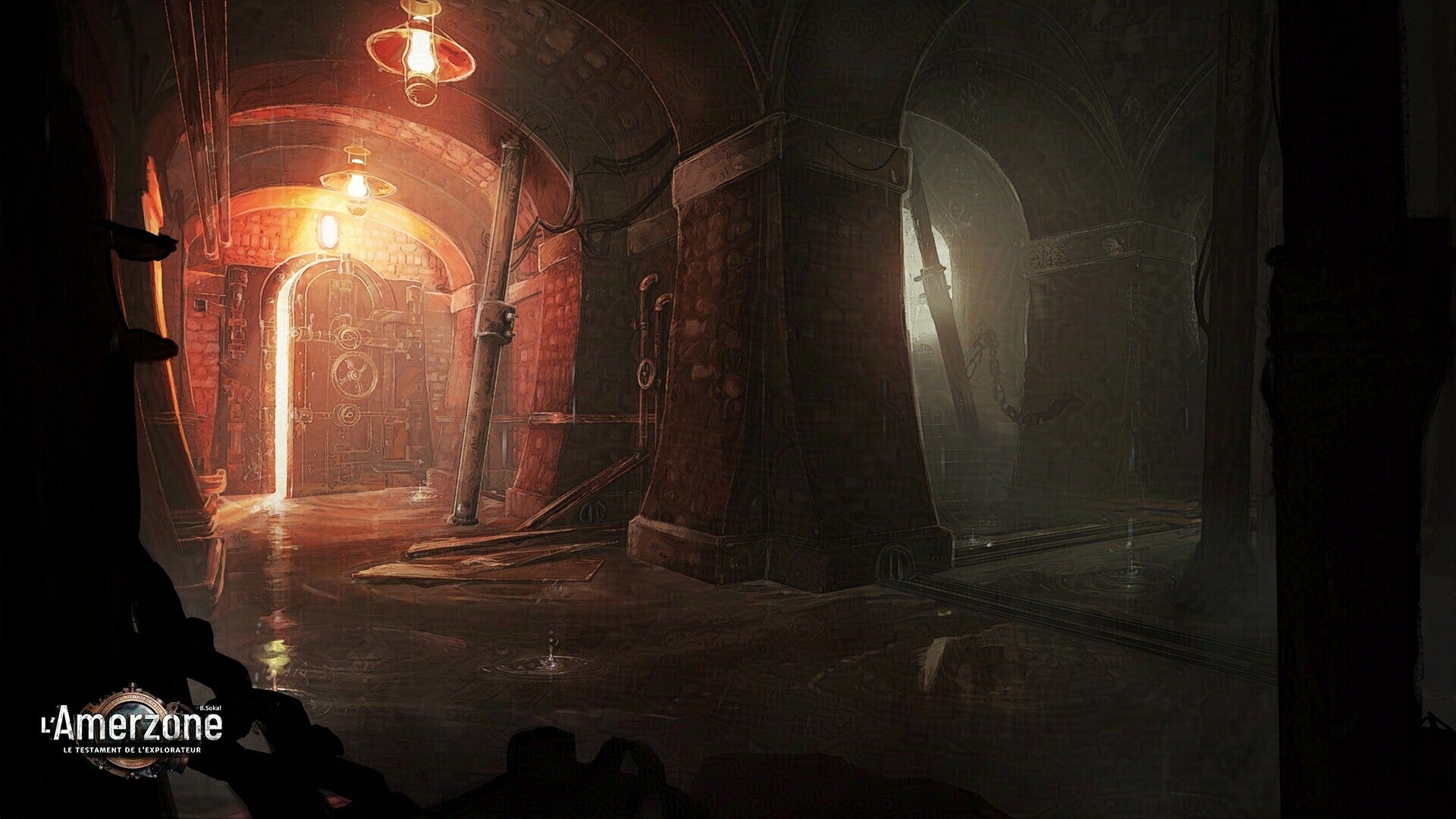
No—you are an explorer of story, unfolding its secrets. Either dive into the water, or remain on the shore, only guessing what inhabits its depth. In either case, let us turn to the point of what makes the game remain in memory.

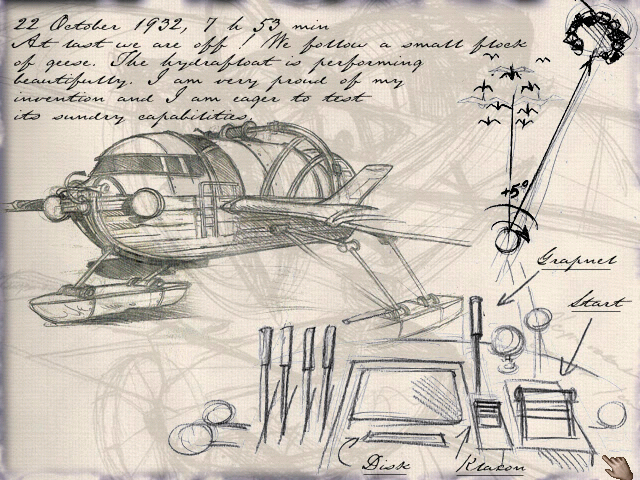
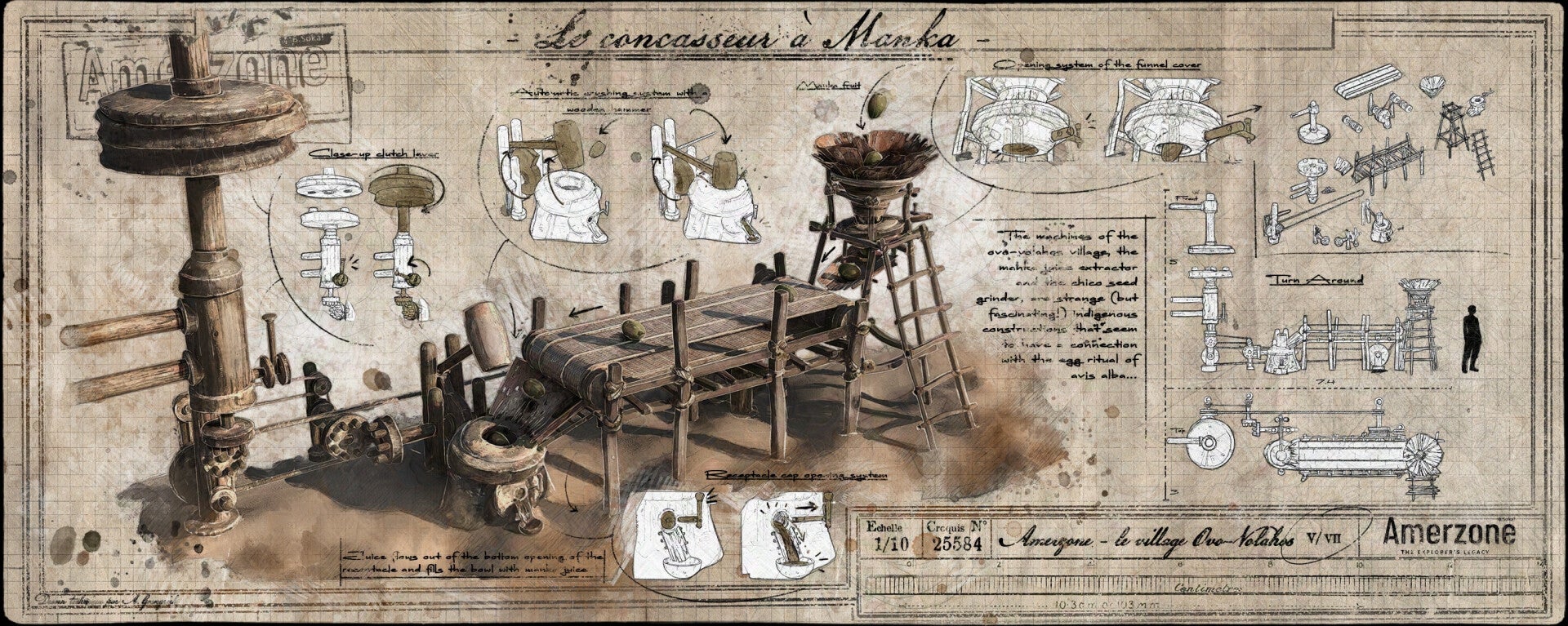
It all began with the ingenious machinery of Amerzone, which would became his signature. I had never seen or heard of transport systems that could move without fuel, powered instead by spring mechanisms, for example. This made me draw parallels with Jules Verne. In his scientific works, he described airships and submarines—at the time, people considered him a storyteller and dreamer. Yet, as history later showed, his imaginative fantasies were not as unrealizable as his readers believed.
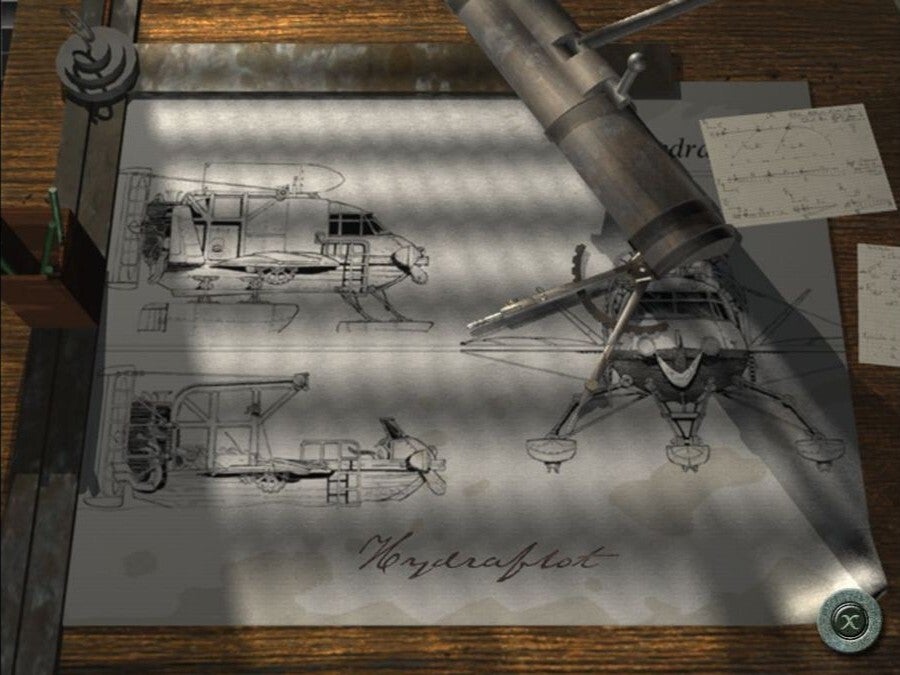
In Sokal’s games, we find diaries filled with drawings of flora and fauna, but also plans of constructions and sketches of experimental transports. What I wish to say is that innovation springs from the author’s mind—whether expressed in literature or through visual design. If Jules Verne’s imagined vehicles became innovations in literature that were later realized in reality, perhaps in time we may also see Benoît Sokal’s constructions find a significant place in our lives.
In short
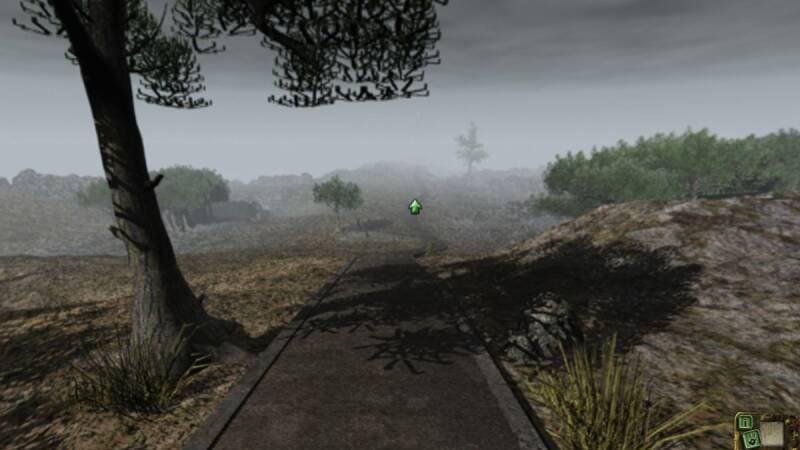

Our quest begins with completing Alexandre Valembois’s atonement back in France, at his lighthouse. His ingenious hybrid craft, the Hydraflot, could function as a plane, a boat, and even a submarine. Powered by fuel and guided by coordinates, its retractable wings and floats allowed it to adapt to different environments.

Yet, as with any innovation, it was imperfect—without it we would never have reached Amerzone, but it brought plenty of mishaps that had to be fixed along the way. Still, it carried us farther than Valembois’s expedition had managed, pushing us deeper into the Amerzone river and into the jungle. Eventually, we met both of them and witnessed their deaths. In a small village church lived Fernand, who had become a priest, hoping for forgiveness from God. Broken by guilt over stealing the egg, he helped us as best he could, but he died in the church, asking for forgiveness.
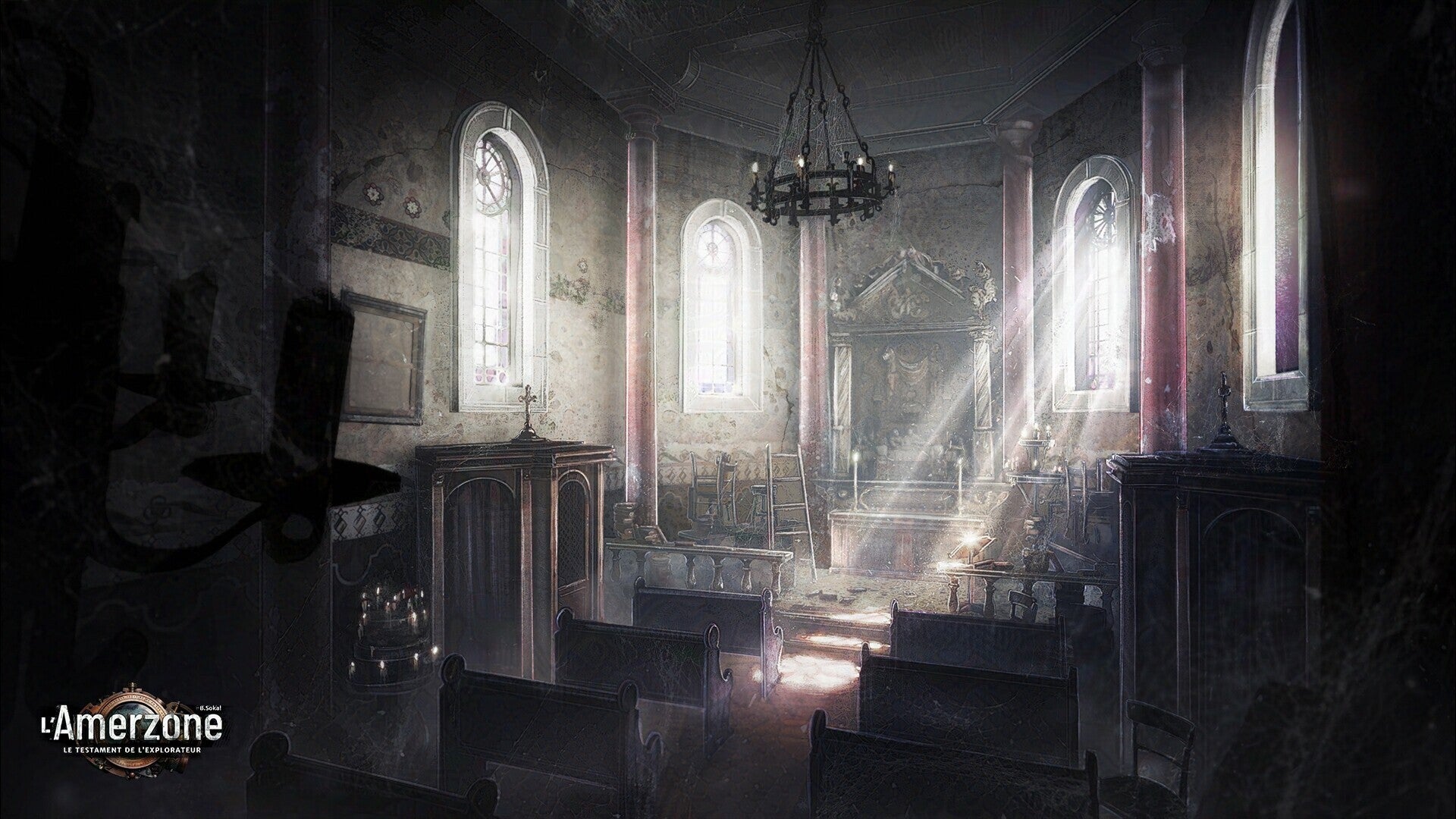
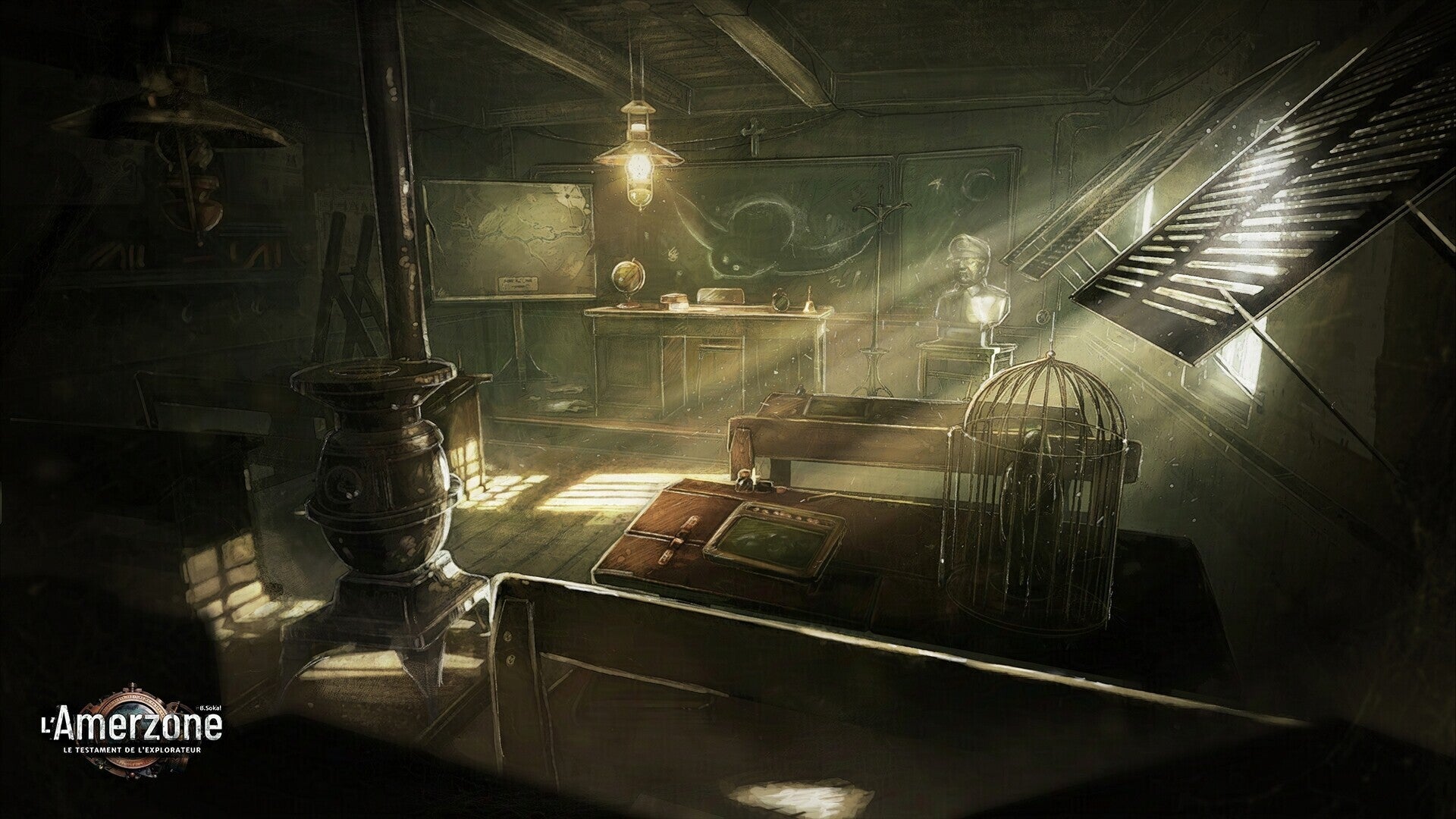
Crossing into Alvarez’s territory did not go unnoticed. His men captured us, and we woke to find Alvarez pointing a pistol at us, explaining that he had expected someone else. His ambitions were greater than the others—he had made himself ruler of Amerzone, a true tyrant who treated the locals harshly. But the story could not end with our death. Instead, Alvarez had his fortress filled with mechanical traps, one of them turned against him.
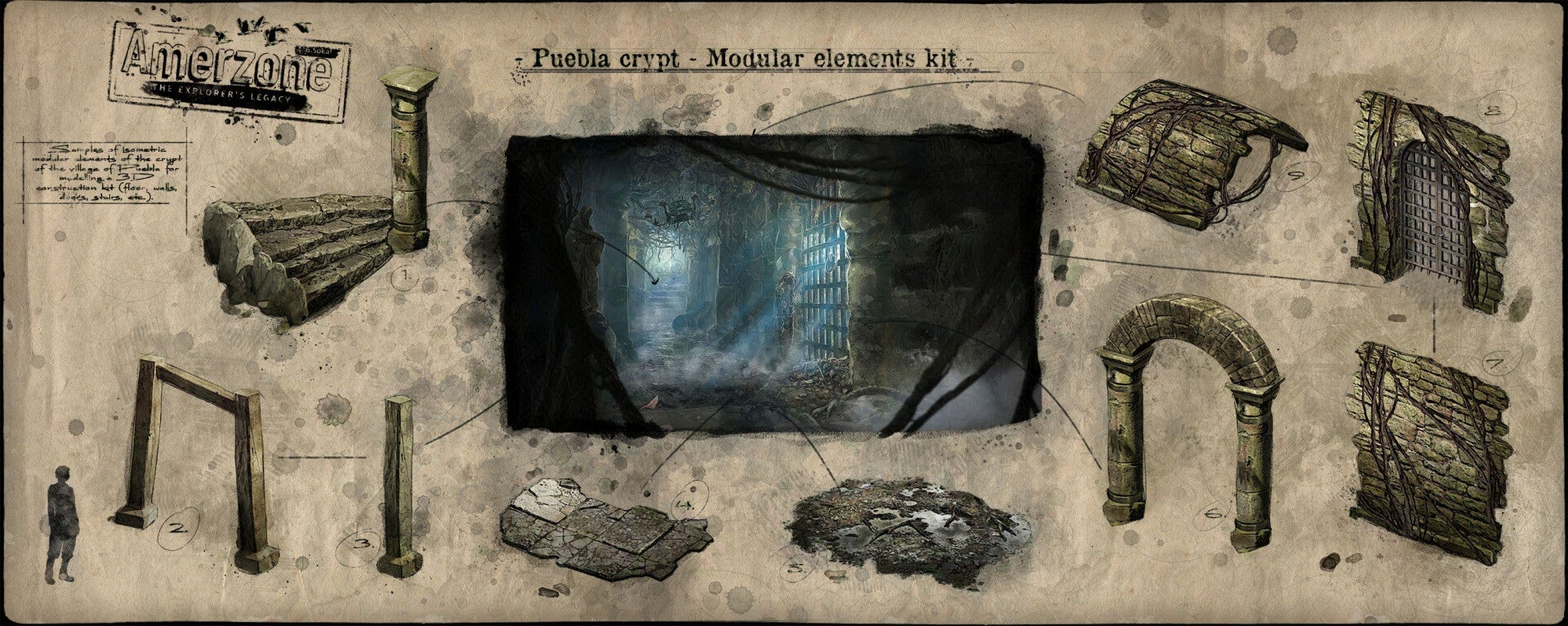
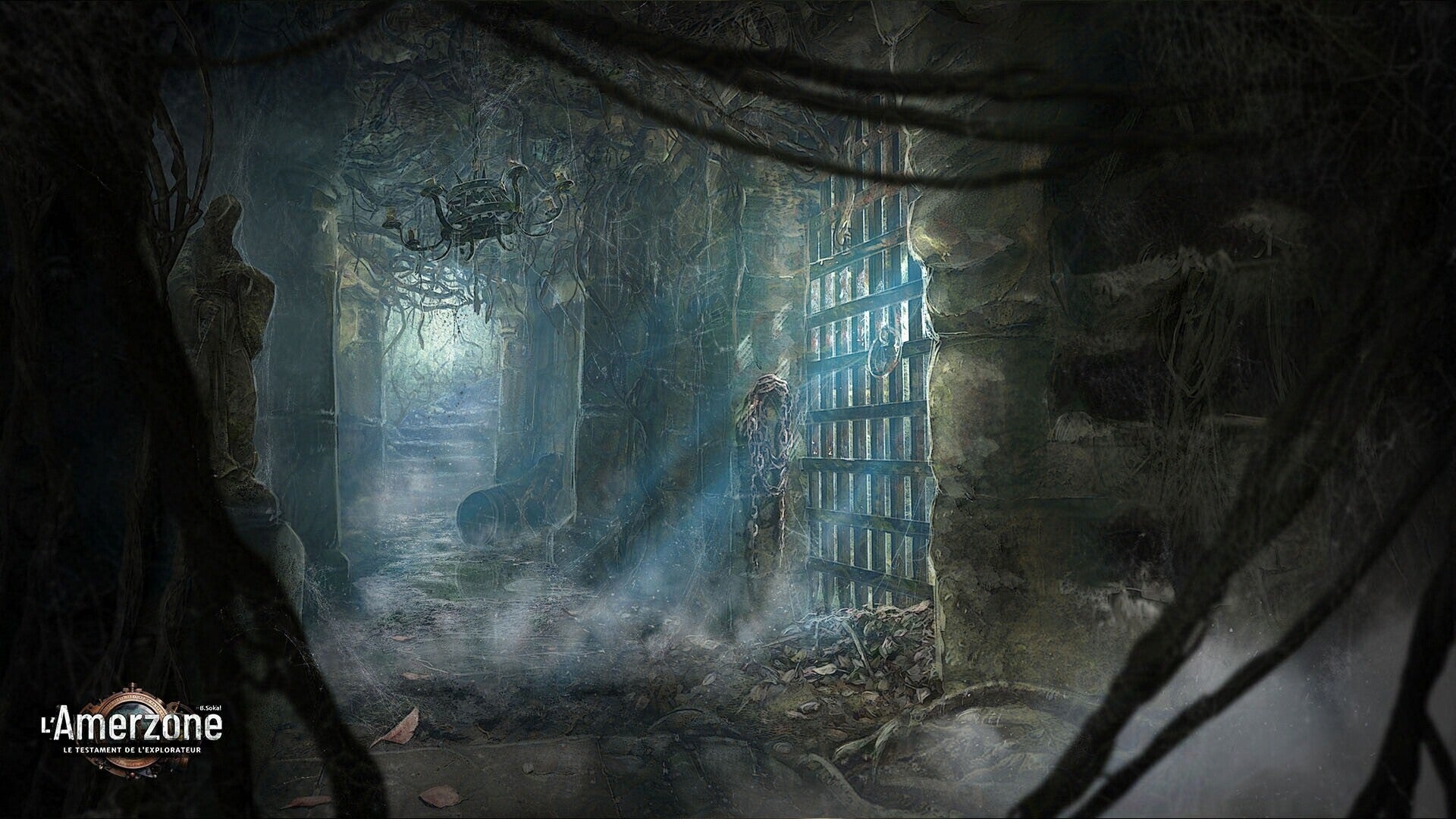
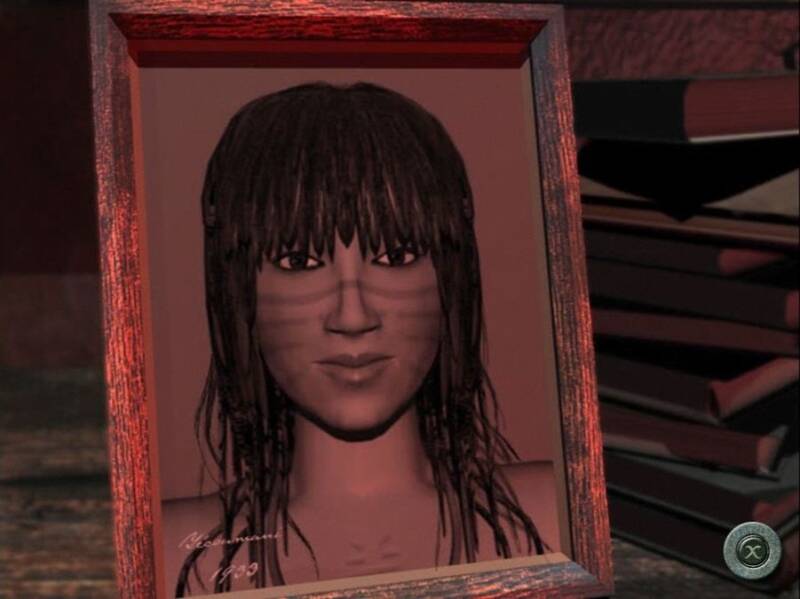
Unlike Fernand and Alvarez, she did not wish to harm us or stop our progress. Instead, she helped prepare the egg for hatching, a kind and helpful presence after the trials we had already endured.
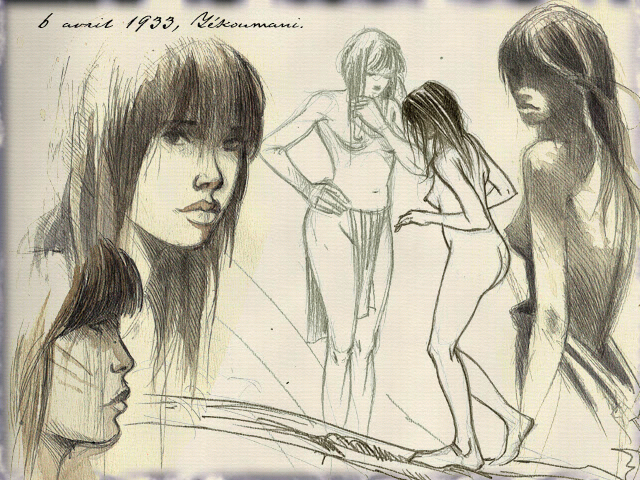
Deeper into the jungle, we met a familiar face—or more likely the face from the photograph of a tribeswoman, Valembois’s youthful love, whose picture he had kept in his lighthouse.
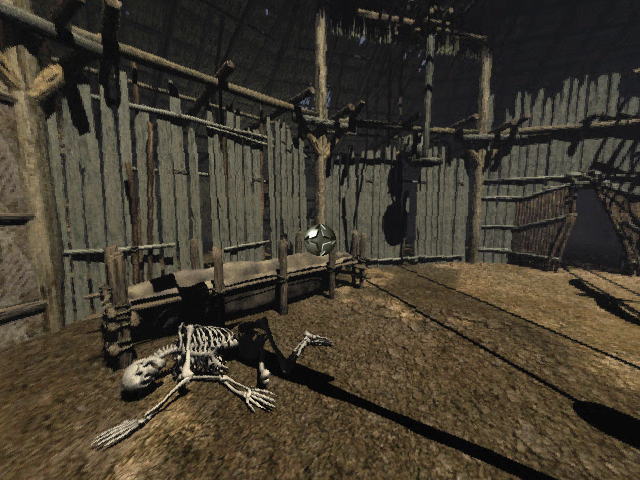
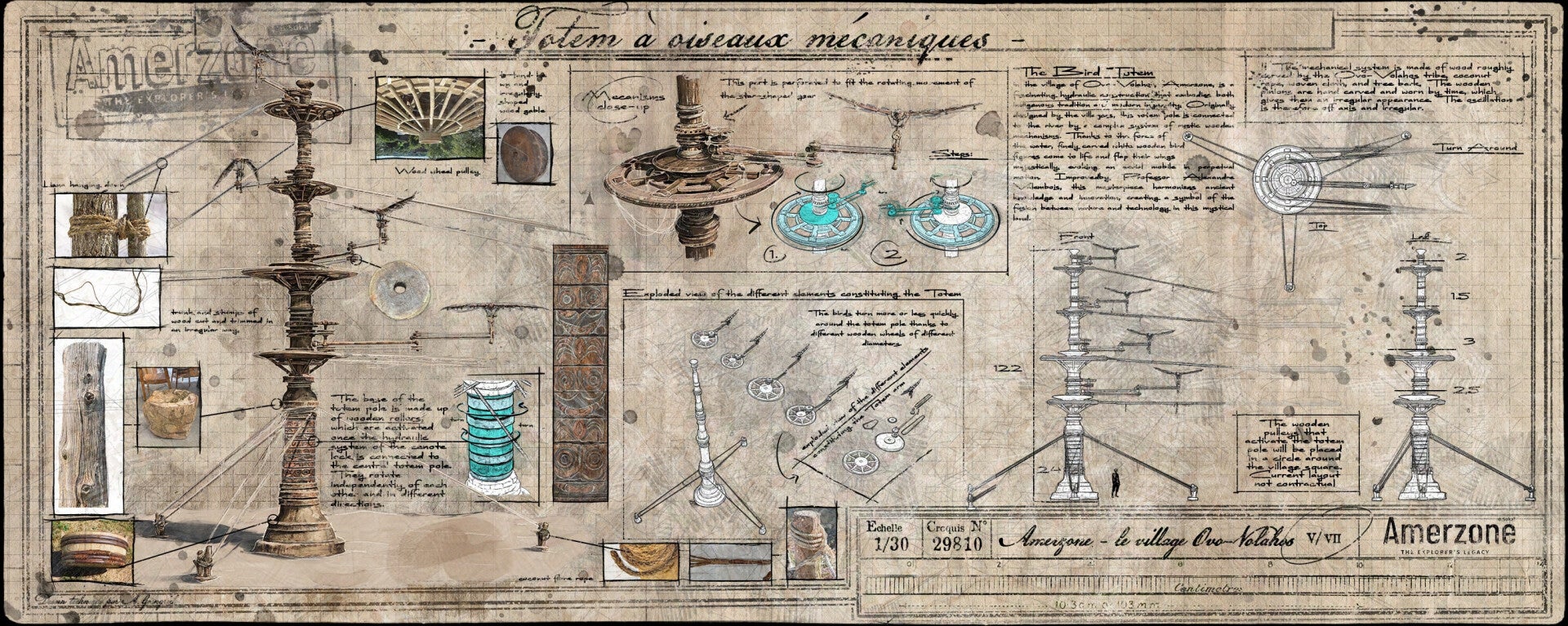
Stepping closer to the destined hatching place, we needed to cross the swamp.
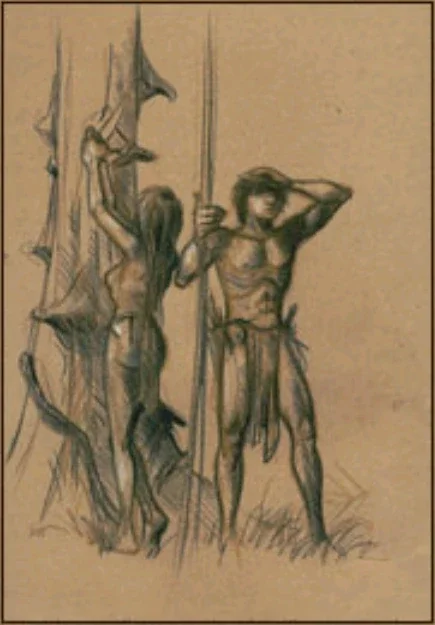
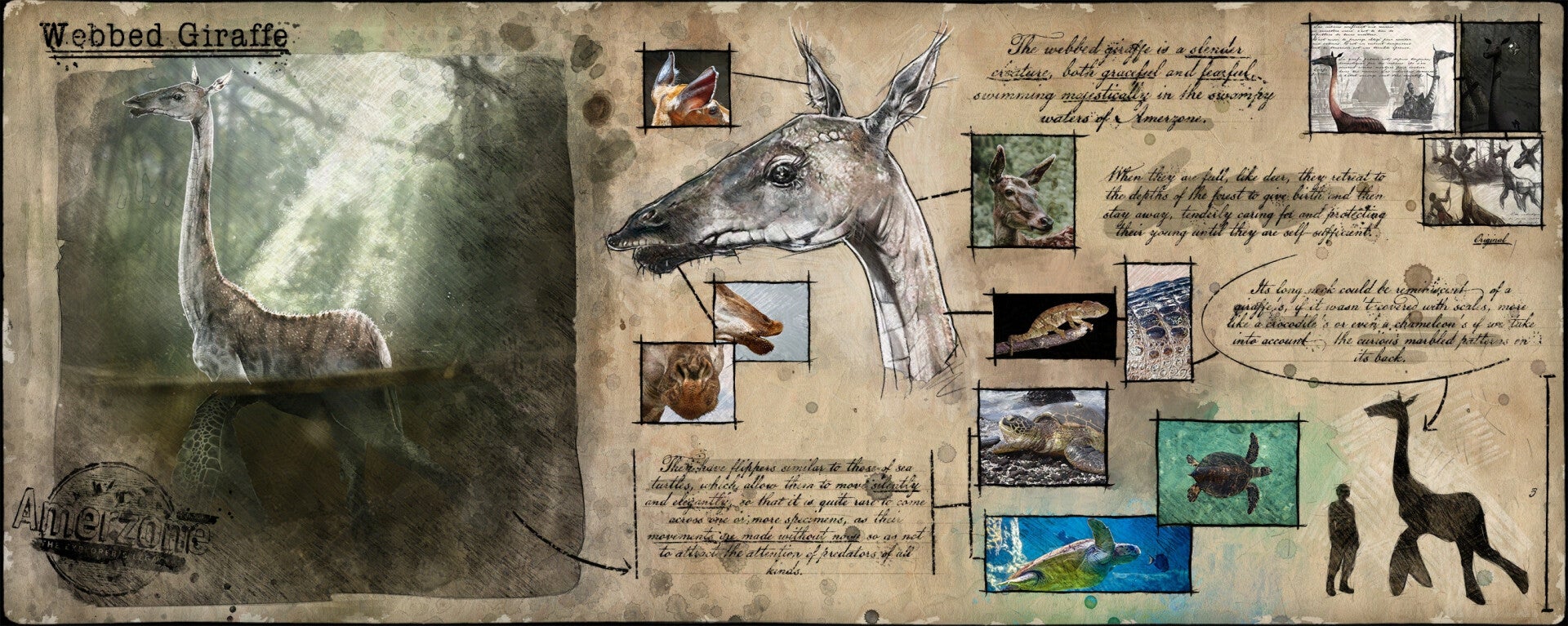
The local tribe relied on Wobbed giraffe, long‑necked creatures used almost like living bridges. The tribes had built platforms high in the trees, connected like stairways, to cross the swamp safely. It was an impressive cooperation—far better than risking drowning in the mire.
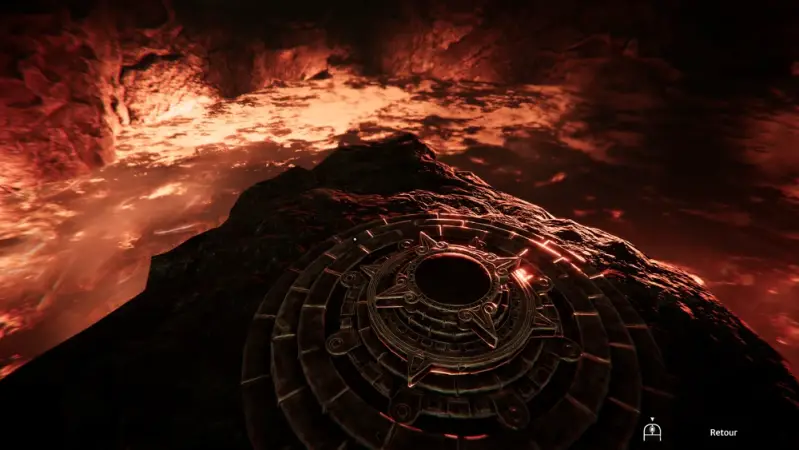
Finally, we reached the heart of the volcano. And no, we were not there to throw the egg into lava. Inside the volcano was a mechanical device, a puzzle built by the tribes to assist in the hatching of the white birds’ egg. This was the last puzzle: by solving it, the mechanism triggered the egg to hatch, and the legendary white birds flew into the sky once more.
To be honest, each time I remember that final scene—Each time I see those white birds rise into the sky, my heart warms, as if I were finding again an old and familiar emotion.....
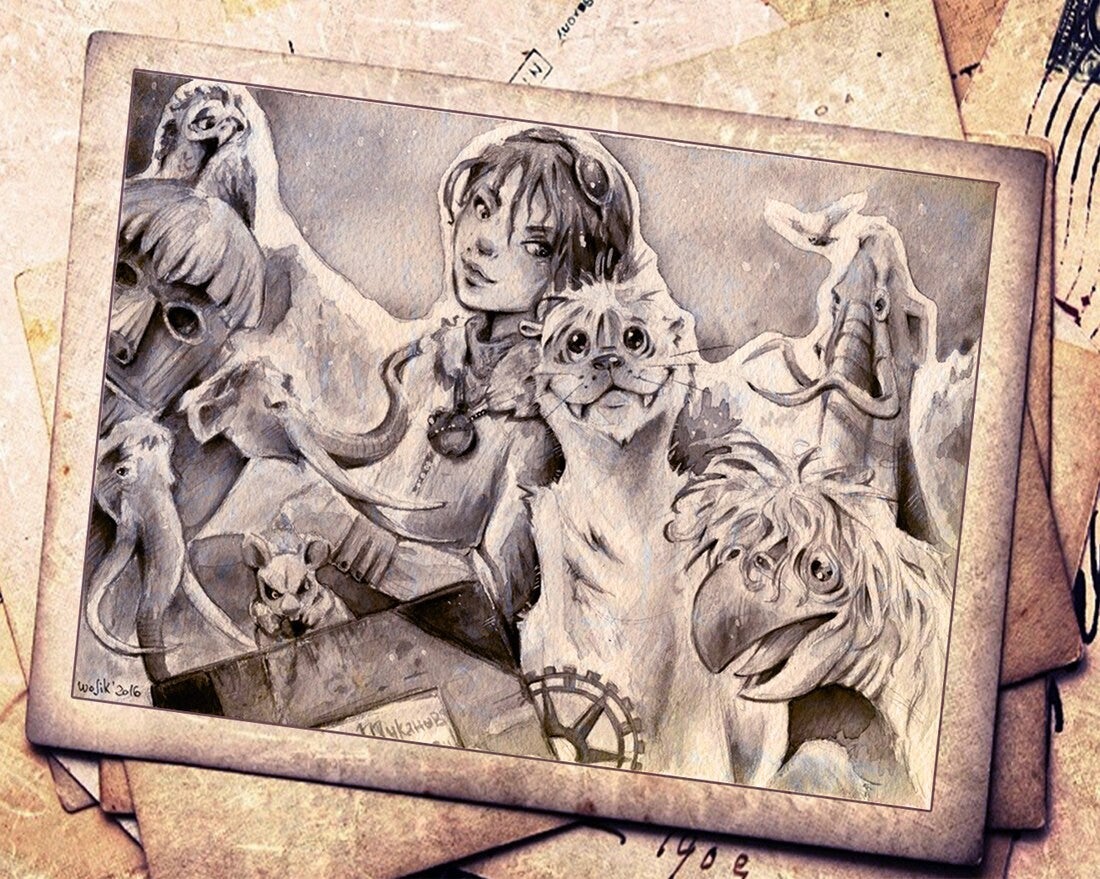
When you start telling a story, your main character needs to be... blank. As the protagonist of the story, they will meet a great deal of people. If they had a strong personality themselves, there would be problems in the narrative, and you can't allow that. So, they need to be blank. That's why many protagonists are usually reporters or detectives. The same goes for the case of Syberia. At first, the main character is very simple because I need to add things to her little by little and gradually evolve her into a complex character.
I need to think what’s going to happen next, what will make her laugh, how doubts will start growing in her, what are her changing hopes and fears. You need to remember that this character is the result of all her previous stories and her past experiences, from even before we first met her. That makes her more complete, more complicated and believable. I also try to present her as a gender fluid person. It’s much more interesting, creatively speaking, as there are so much more things to say. But I’m not sure how people would perceive it, so this is a very light aspect and it’s only lightly shown in the story.
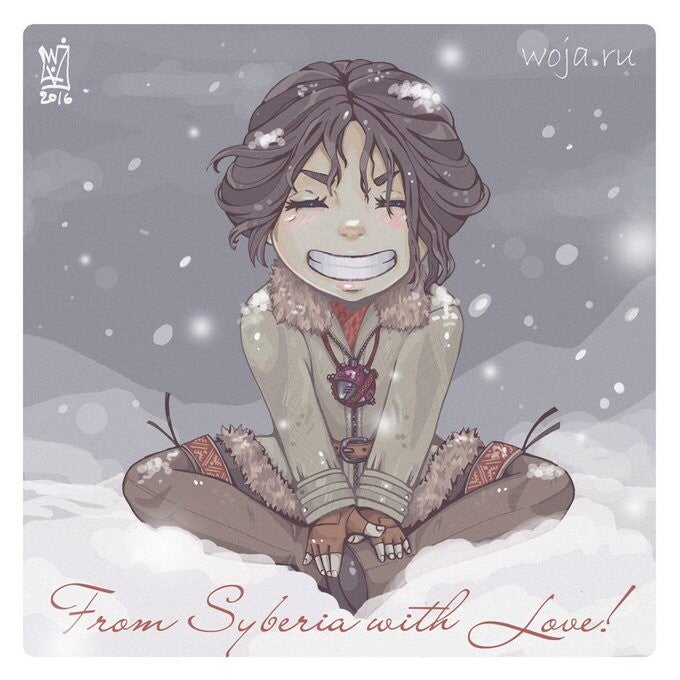
Syberia I & Syberia II

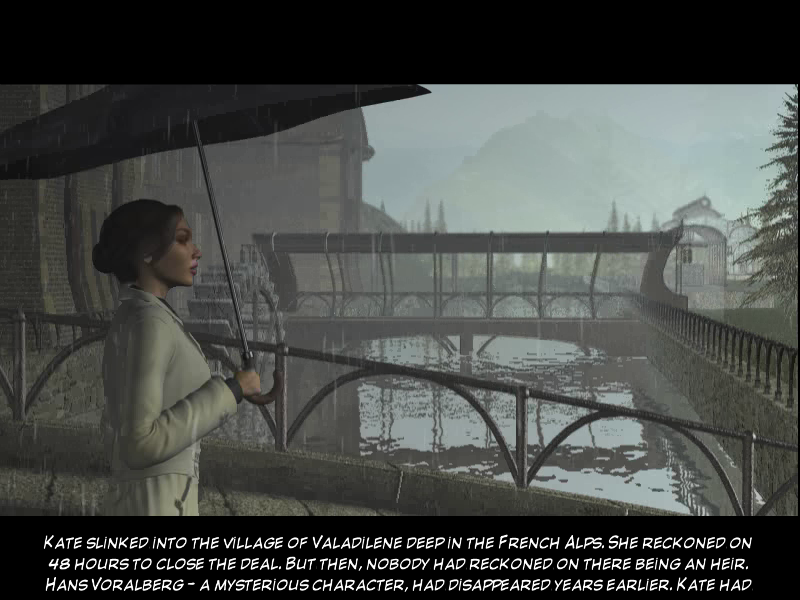
When our work takes us to the other side of the world, we do not hesitate. No matter the time, exhaustion, or effort required, we strive to succeed in completing it. But what happens when, after finishing the task, just before returning home, we find ourselves caught in a brief freedom? Homesickness fades, and we venture forth. In turn, we chase—what exactly? I would say Kate had to find this answer for herself.
Yet, to play devil’s advocate, I’ll set things like this: we are often asked why we choose to do something, or why we venture forth at all. It is the same dilemma as choosing between duty and personal life—or perhaps enjoying both while we can. The truth is, there is often no single answer. And when we are pressed to give one, we escape the question, because desire shifts and resurfaces from time to time, shaping what we want in that moment.
In Kate Walker’s case, there was no ultimate goal. It was the journey itself that drove her. When Hans asked what Kate wished for, she had no answer—she simply made a choice, caught the departing train, being certain of one thing: she did not wish to return home.
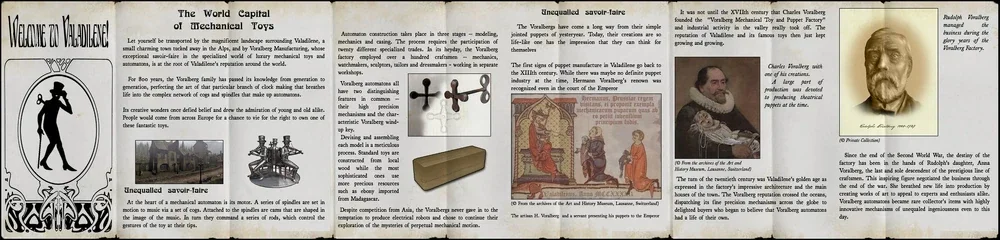
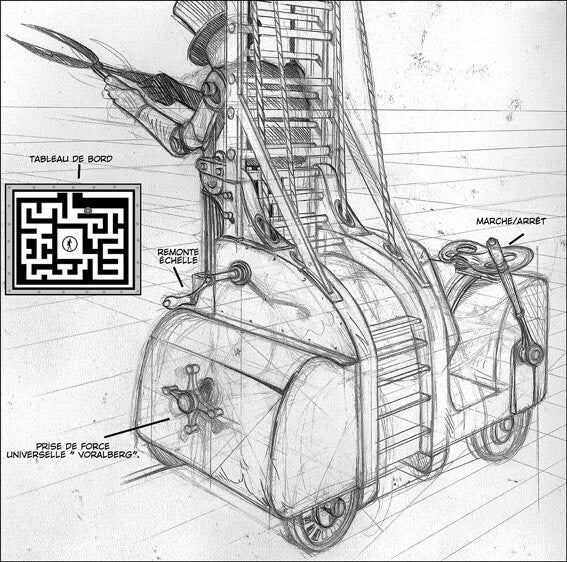
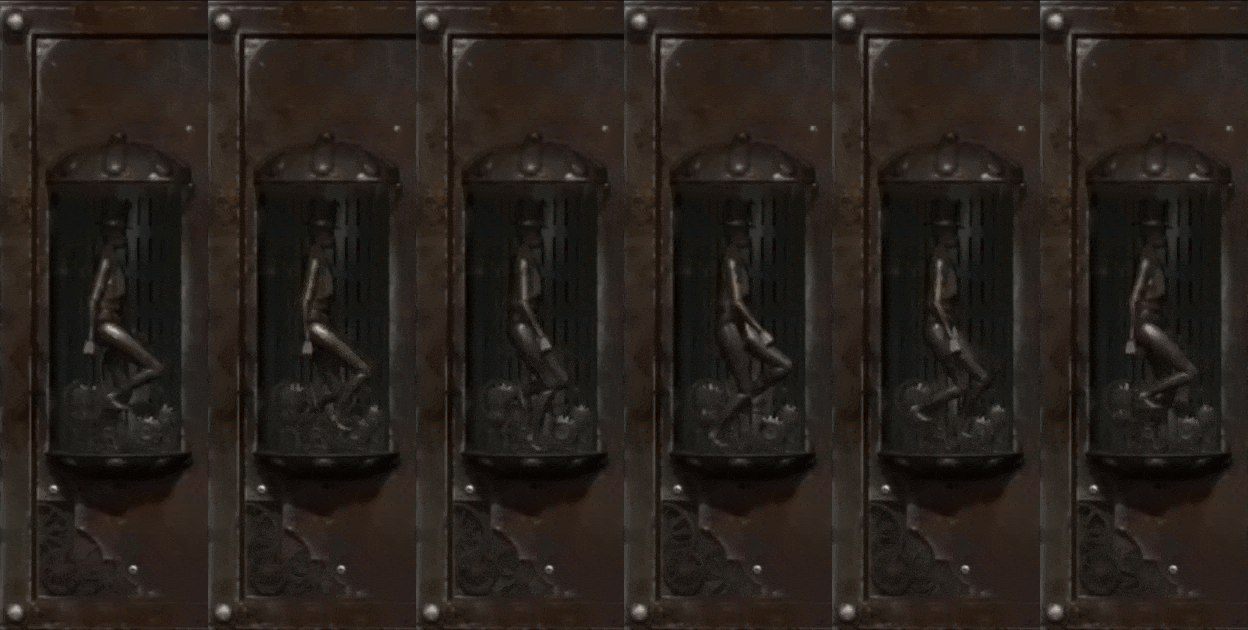
To be honest, for me Syberia begins with the Voralberg automatons. A spring key fits into their lock, and suddenly they come alive. These creations were designed both as practical tools and interactive marvels. They ranged from entertainment devices to everyday mechanisms: automatons that opened doors, operated clocks and bell towers, played music, managed transport systems, and more.
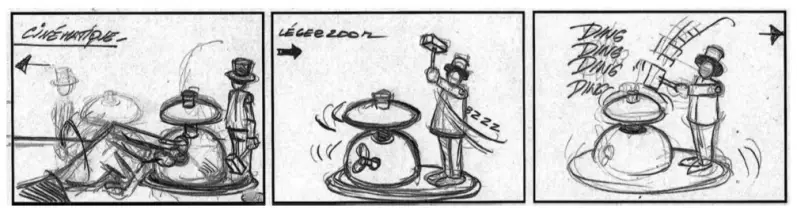
I envy that we don’t have towns filled with such constructions. Yet we will always have the game: all it takes is a ticket to ride the spring-driven train, following the railways through places once visited by Hans. Each station he created held a fragment of knowledge he needed to draw closer to Syberia — like the university where the train makes its stop.
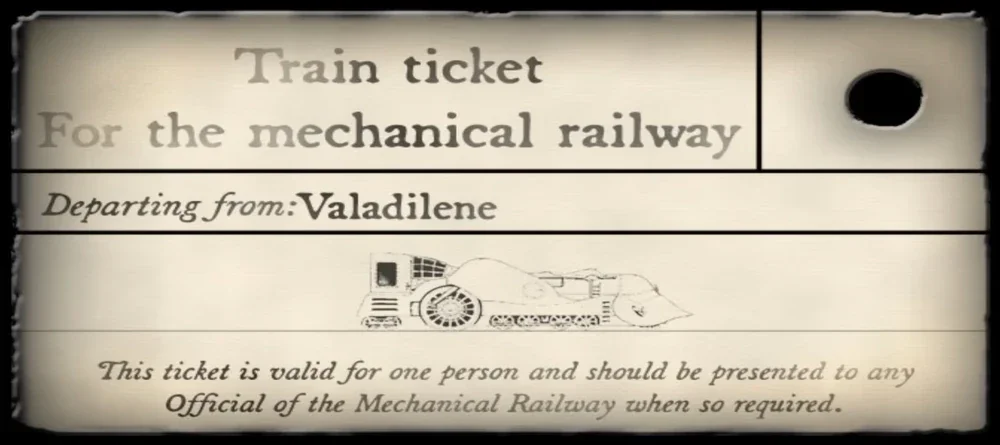
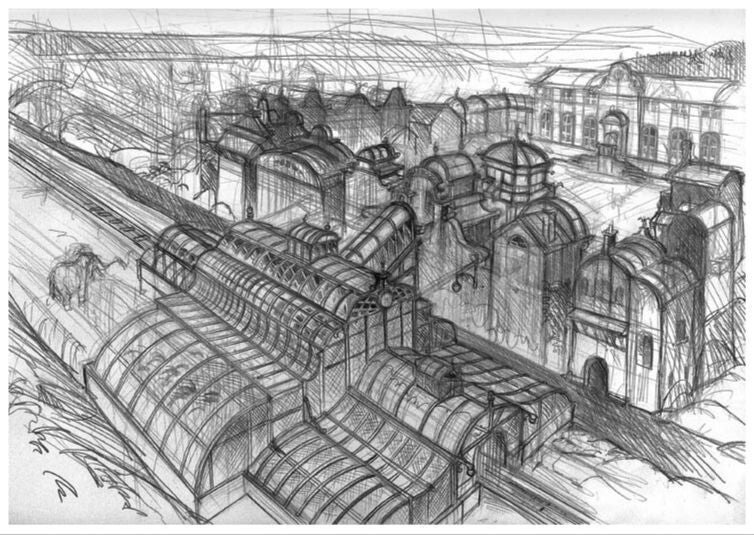
In Hans’s youth, the places where he stopped were alive, filled with visitors and activity. To make them even more benevolent, he left behind wonders of automatons, each bearing the Voralberg signature and activated by the spring key. By the time Kate embarked on train ride to find Hans, she traveled through landscapes scarred by war, industry, and political control, where rusted and abandoned automatons lay in decay. This contrast made her voyage feel both melancholic and wondrous.

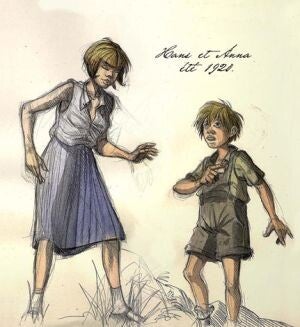
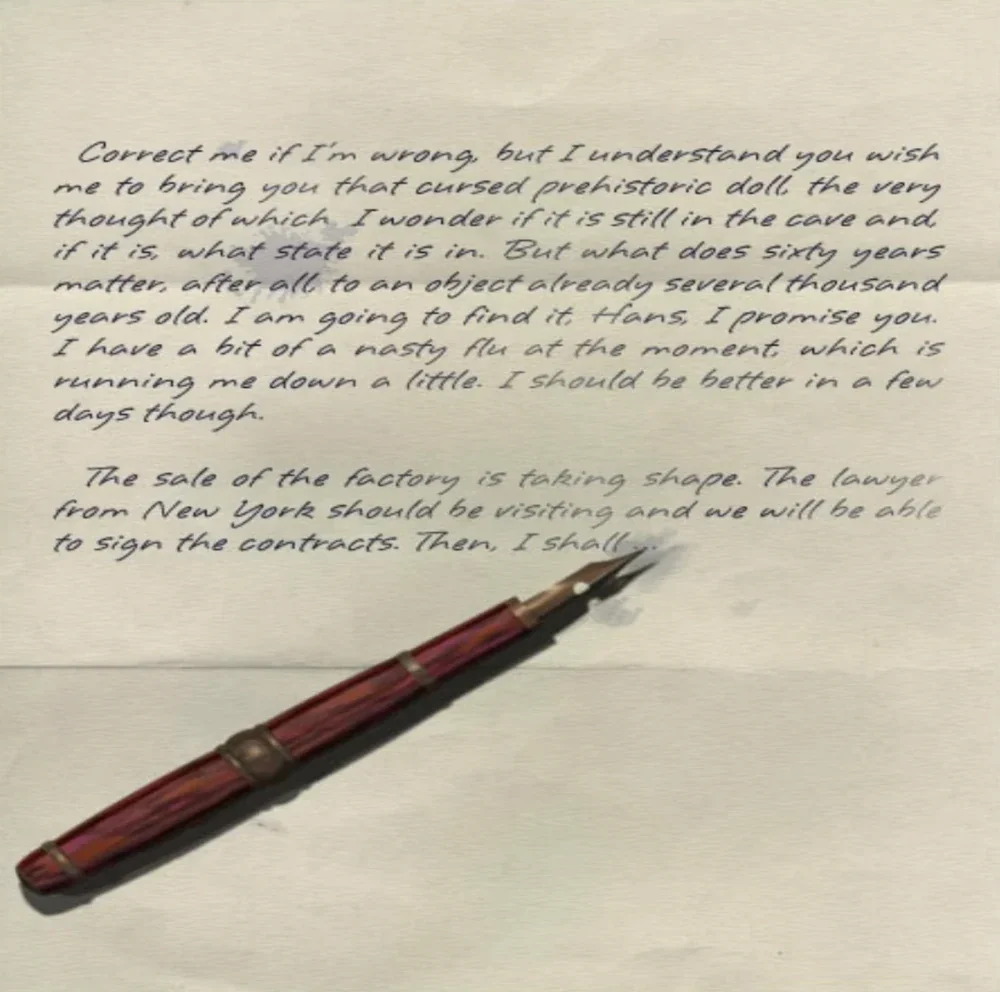
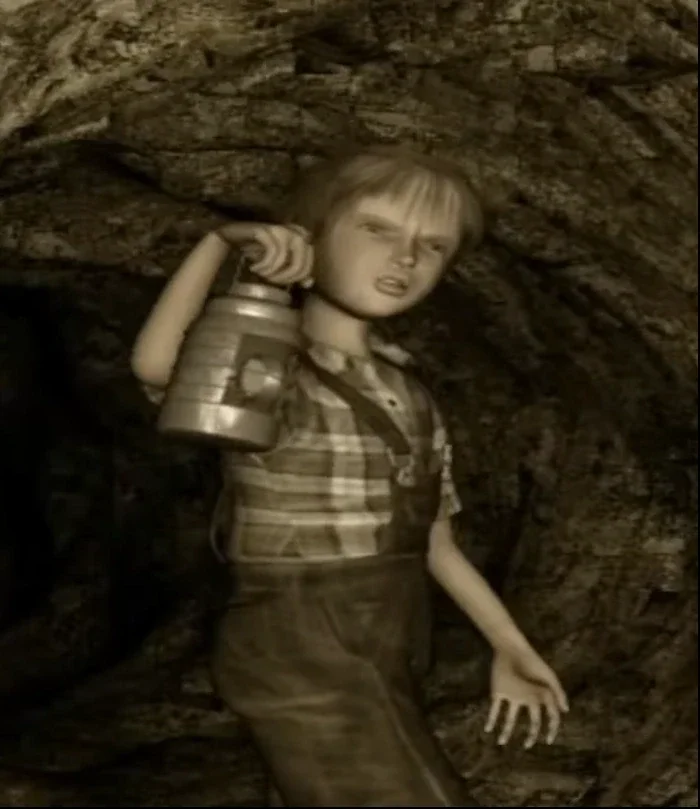
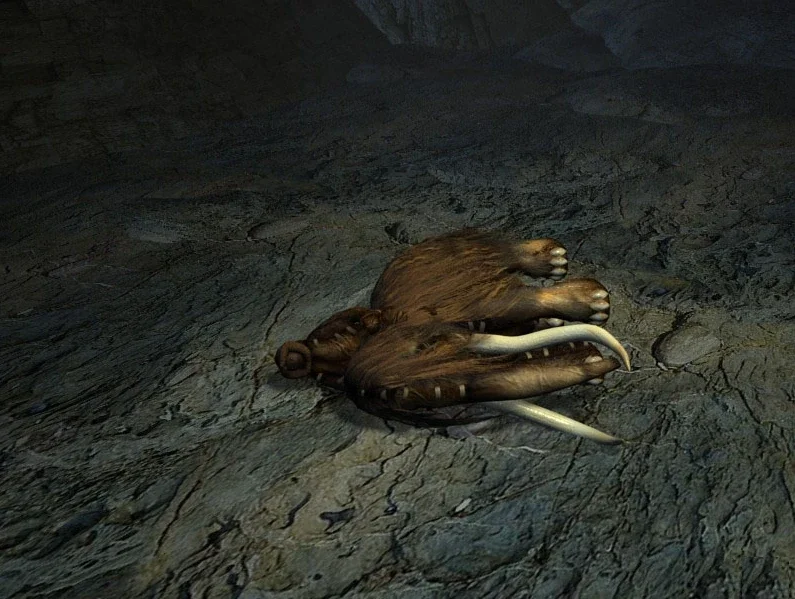
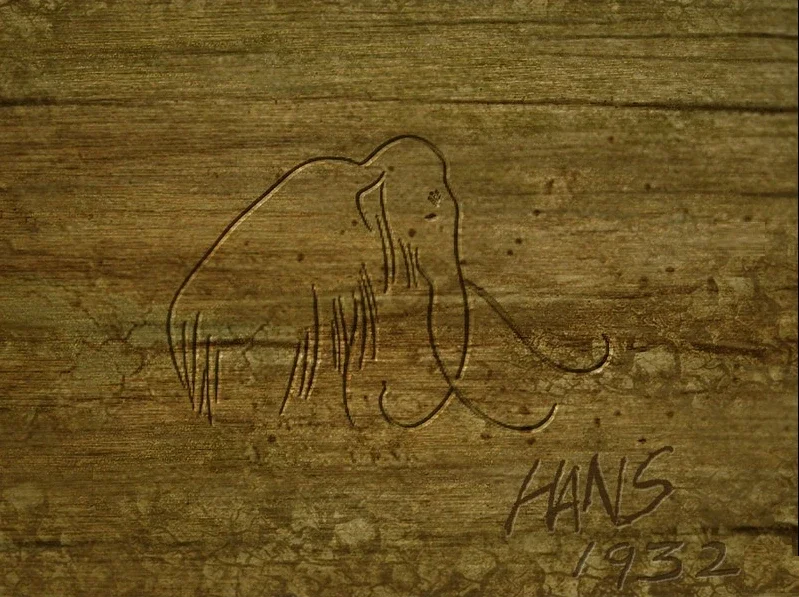
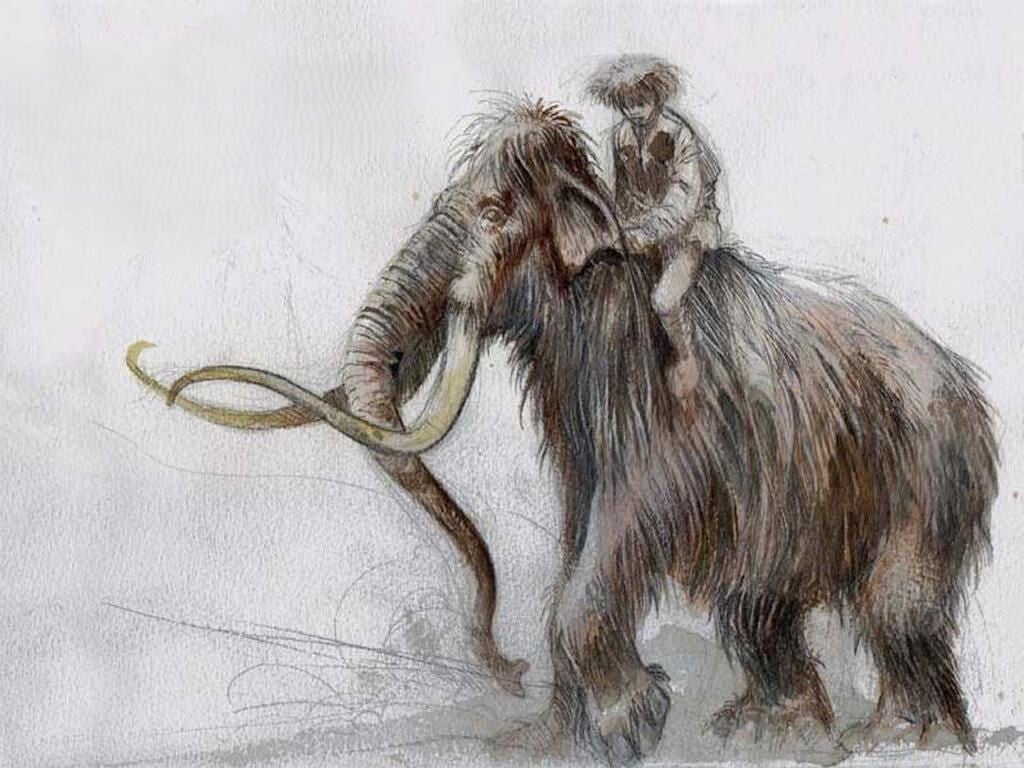
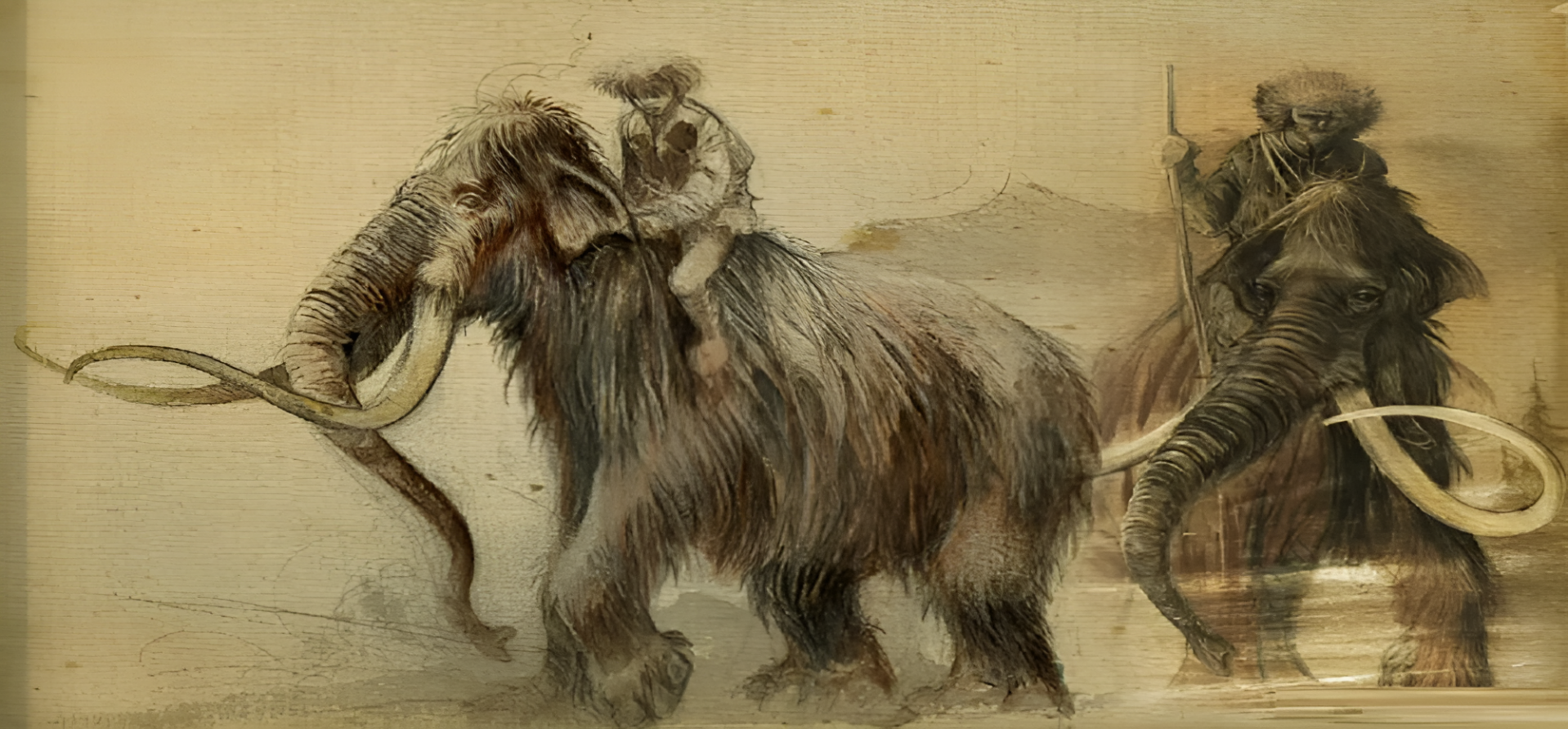
As with any dream, it has roots from which it rises or grows, most often in childhood — or in this case, from an incident. It all began with the exploration of a cave. Hans, together with his sister Anna, ventured inside. He noticed a small doll of a mammoth figurine placed high on a rock. Despite his sister’s warnings not to climb, fearing he might fall, Hans attempted to reach it. He fell, struck his head, and slipped into a coma-like sleep. When he awoke, he was no longer the same. From that moment, his fascination with automatons deepened, and alongside it grew an obsession with the dream of finding living mammoths.

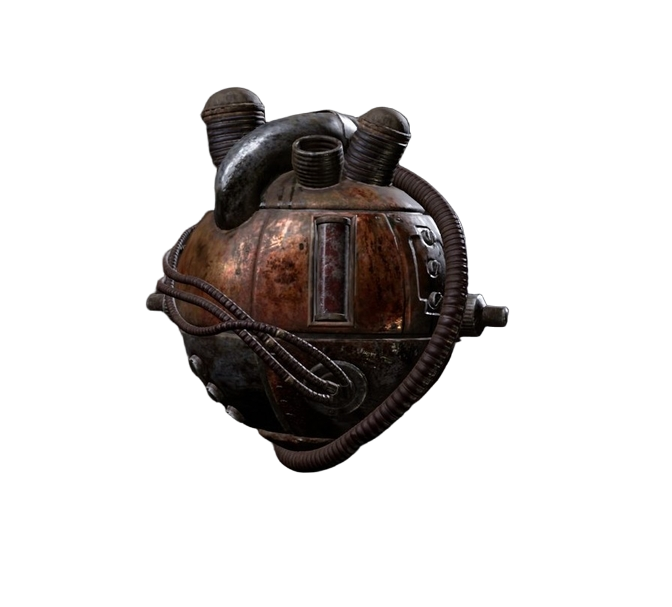
Hans Voralberg most likely planned every detail of his life’s journey, and for the train he specifically created its operator: Automaton Model XZ2000. While such models were produced in numbers, only Oscar was designed to stand apart. How could an automaton outshine others? Hans gave him a mechanical heart, allowing Oscar to develop preferences, seriousness, and even emotional responses.
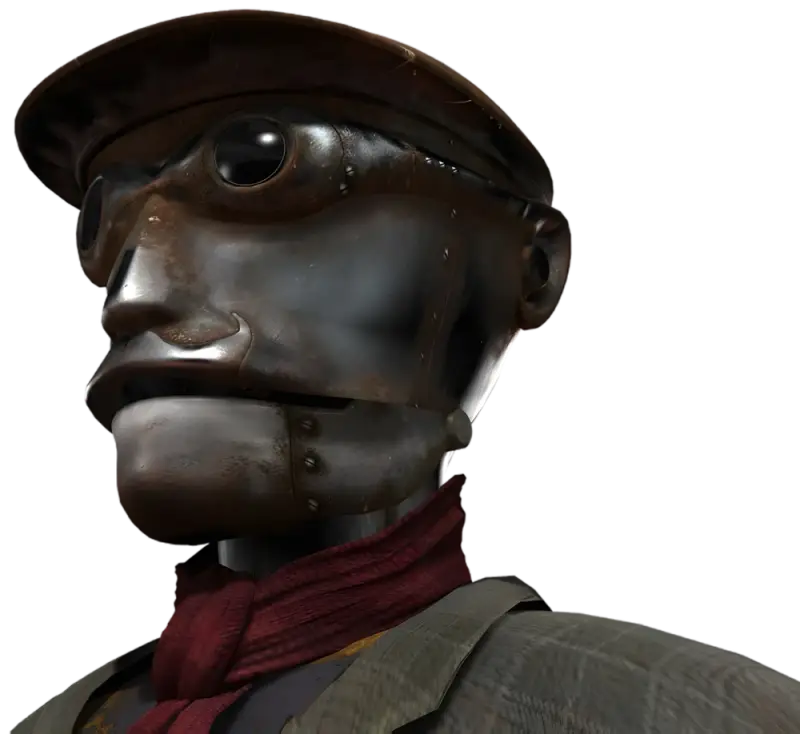
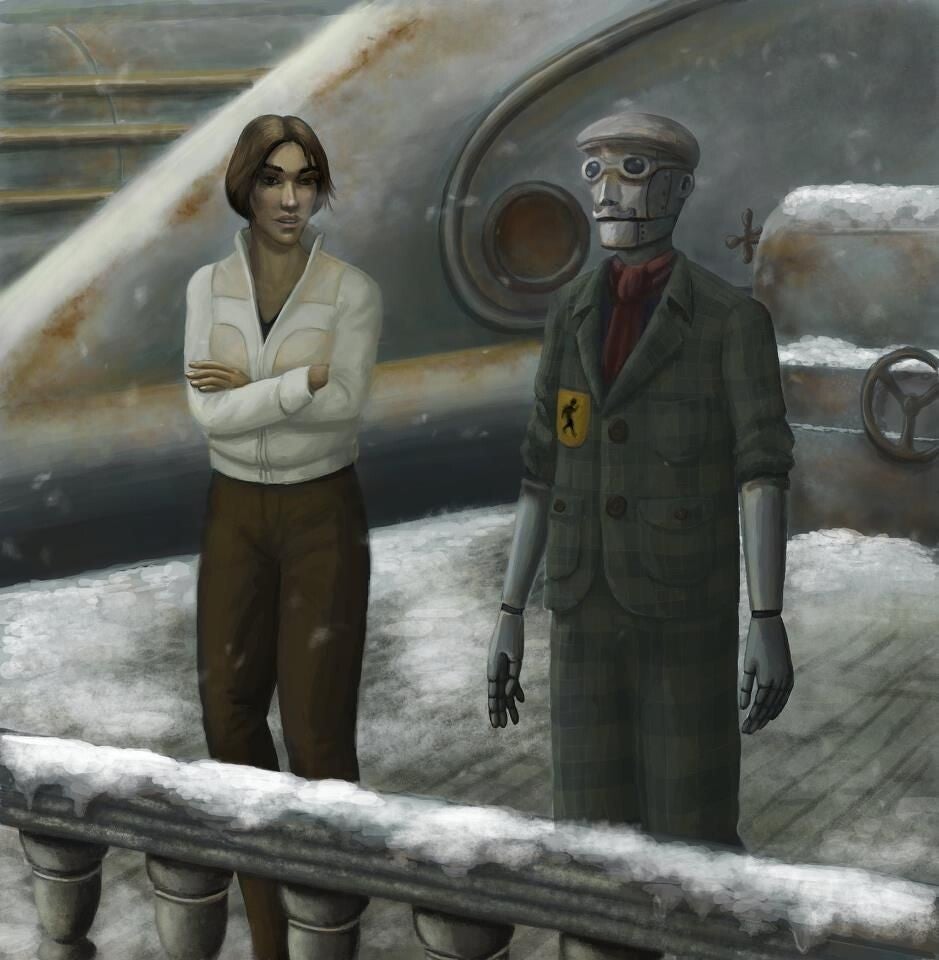
Though built to operate the mechanical train, Oscar assumed the roles of conductor, ticket inspector, and train steward. Ensuring proper train functions and procedures was his basic duty, yet he wouldn't abandon the train — at least not in the first game — compelling Kate Walker to solve the situations that prevented it from continuing. His formality was constant, always addressing her as “Miss Walker.” At first, Kate had to assist with the train’s technical puzzles, guided by Oscar’s explanations on how to spring it.
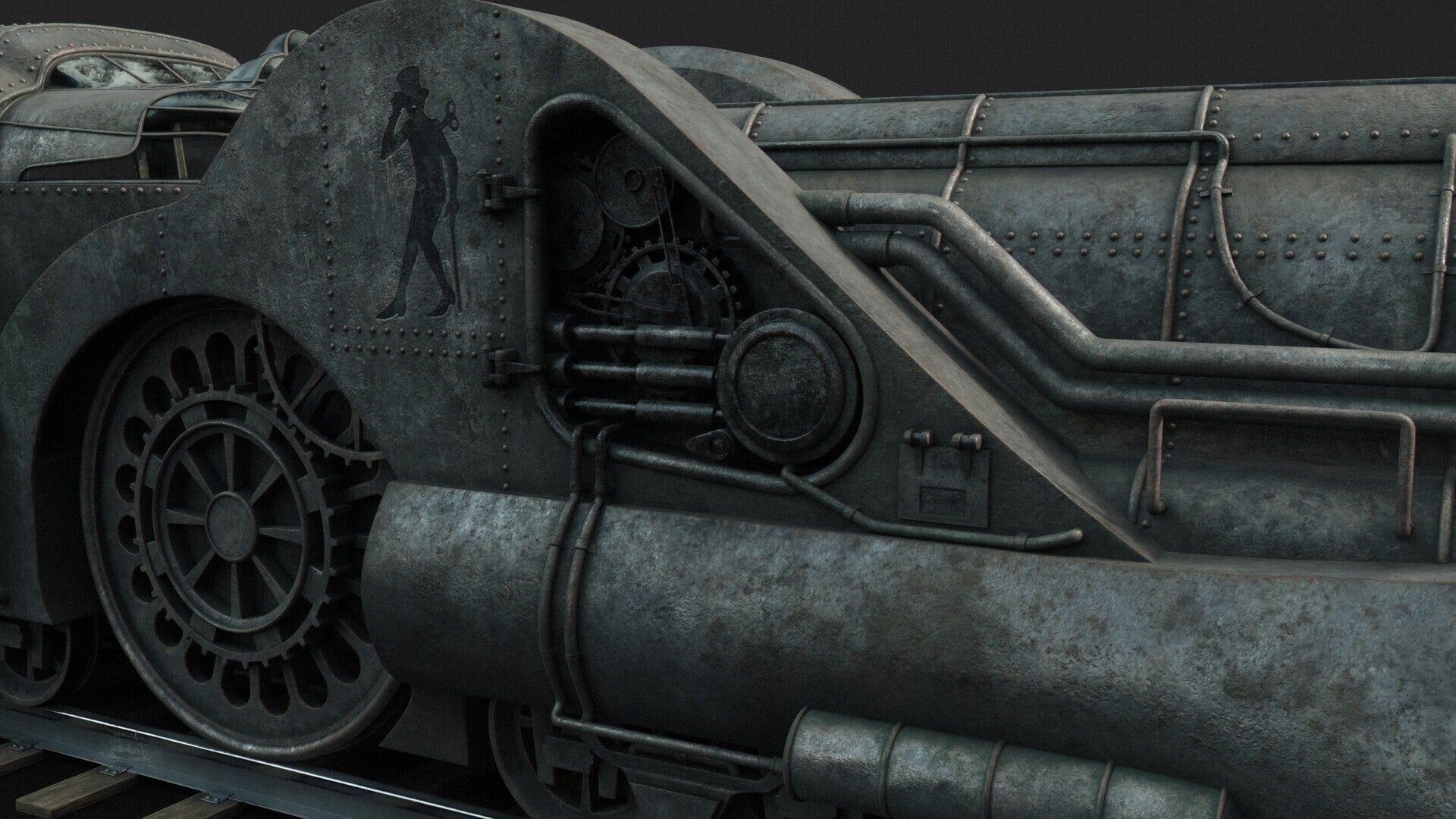
As the story progressed into Syberia II, Oscar became more than a conductor. He grew into Kate’s moral anchor, her closest companion who never judged her, eventually he would follow wherever she choses to venture. His mechanical heart gave him humanity, and as long as it functioned, Oscar remained himself, no matter the body he inhabited.
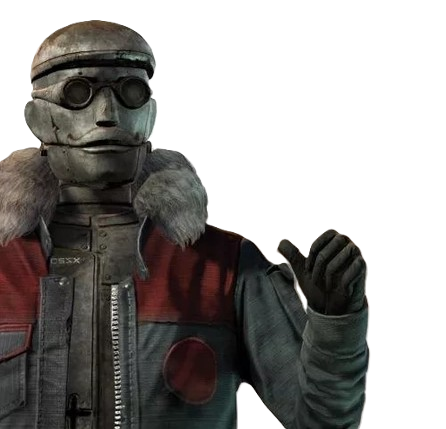
Oscar reminds us that even constructs can carry humanity’s best qualities — responsibility, loyalty, and the power to help another move forward. Without his presence, the story would not be the same, and Kate might never have engaged with Voralberg’s machinery or continued her journey. In the end, fate is always changing. It can make us realize things we never thought possible — whether human or mechanism, it doesn’t matter, as long as we preserve the best of what humanity can be. Humanity itself is full of imperfections, both in our society and in everyday life. If we lose our humaneness, our morality and judgment lose meaning, leaving us hollow. Some of us keep this knowledge deep in our hearts.
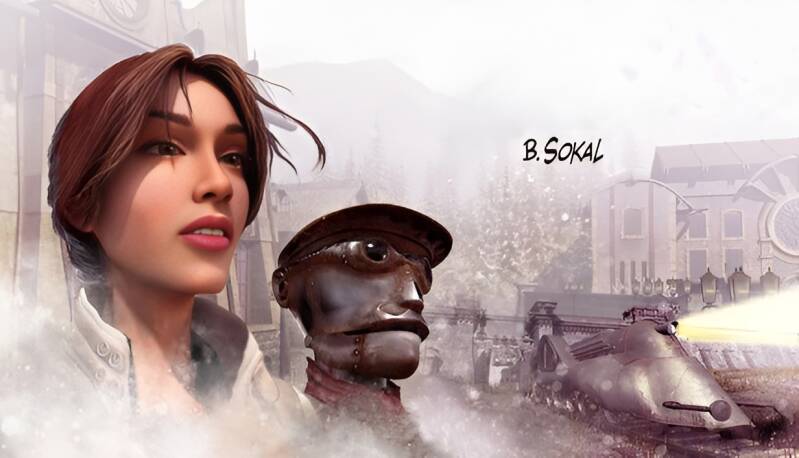
For me, Oscar had more human morality than some of the people Kate would encounter in the future. This duet embodied the essence of what makes life worth living: to enjoy each moment, knowing we will never have the same one twice, never feel the same feelings in exactly the same way again. Tomorrow will always be seen with different eyes — the eyes of a person who has looked beyond the surface and discovered something deeper.
To warm a heart with memory ➤
Syberia Intro
Path to

I will tell you a story of my life. My name’s Kate Walker. I was an attorney from New York, sent to Europe on behalf of the Marson & Lormont firm to finalize a deal: acquire the Voralberg factory so its automaton designs could be used in America.
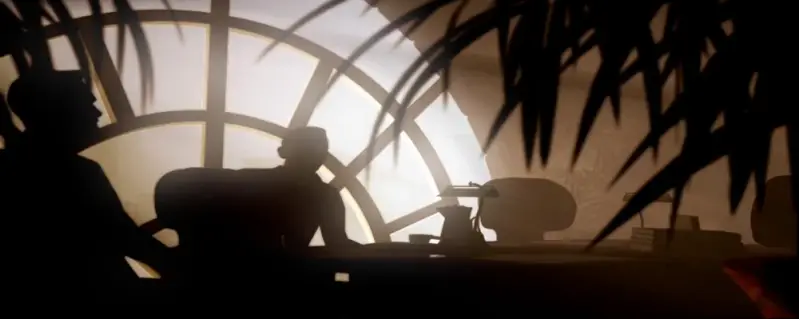
It was supposed to be a simple routine — a signature, a handshake, and I’d be back home, talking about Europe with my best friend Olivia, visiting my mother, and planning tomorrow with my fiancé, Dan.
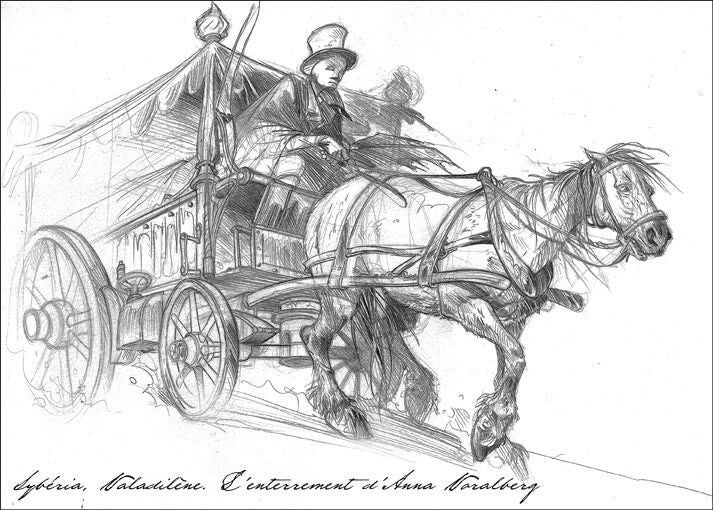

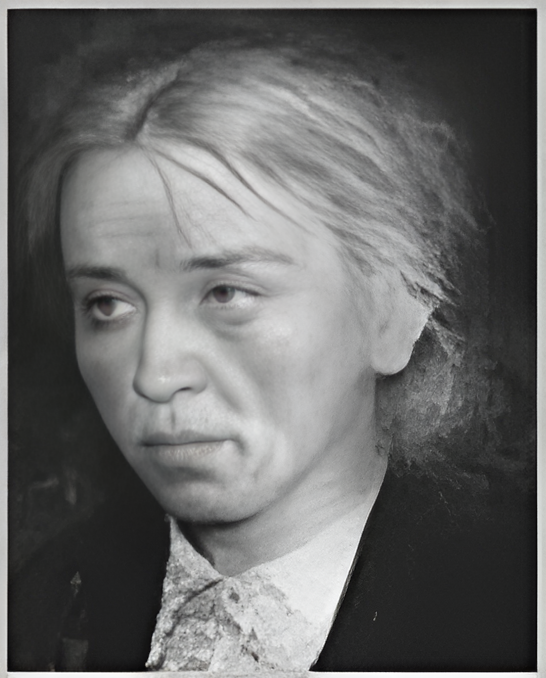
Instead, I arrived in Valadilène on the day of Anna Voralberg’s funeral. The only heir, or so I thought, was gone. The town was draped in gloom, its streets quiet, its people cautious.
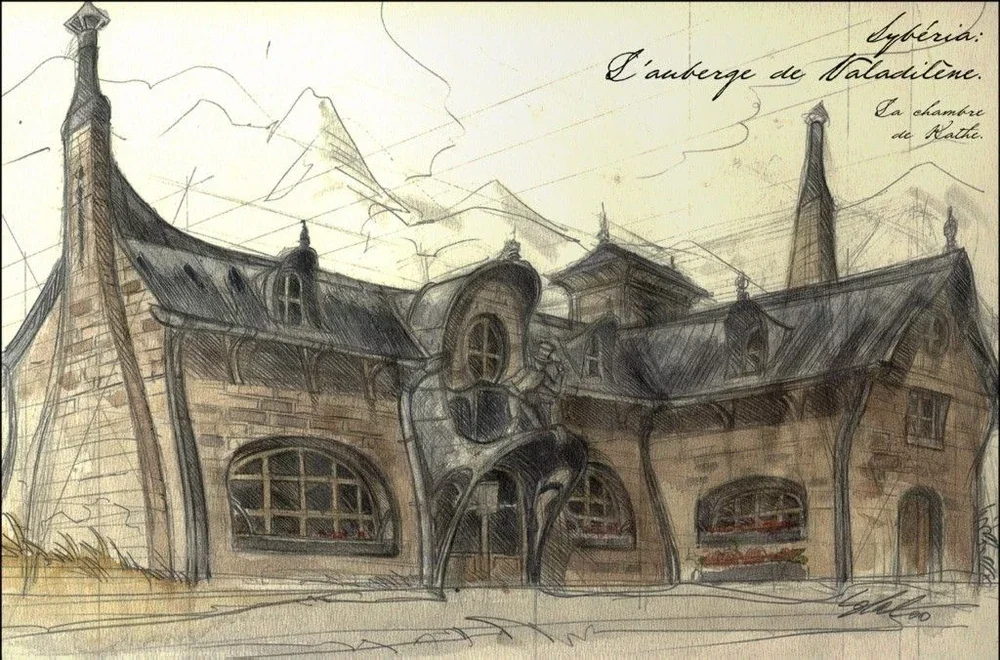
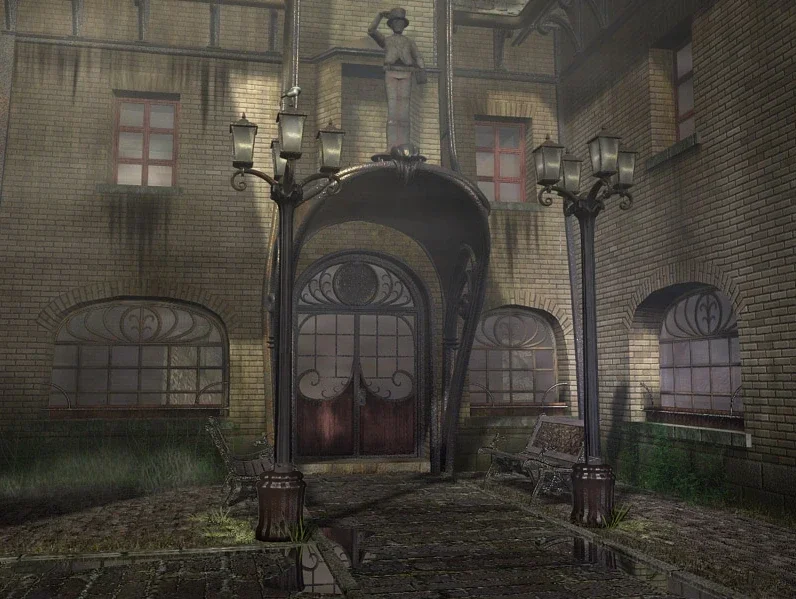
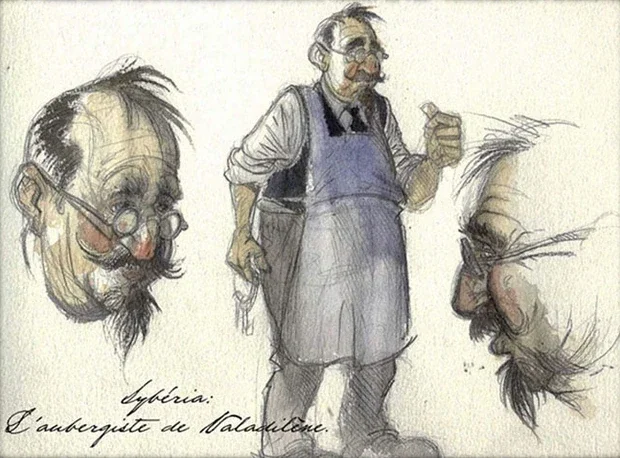
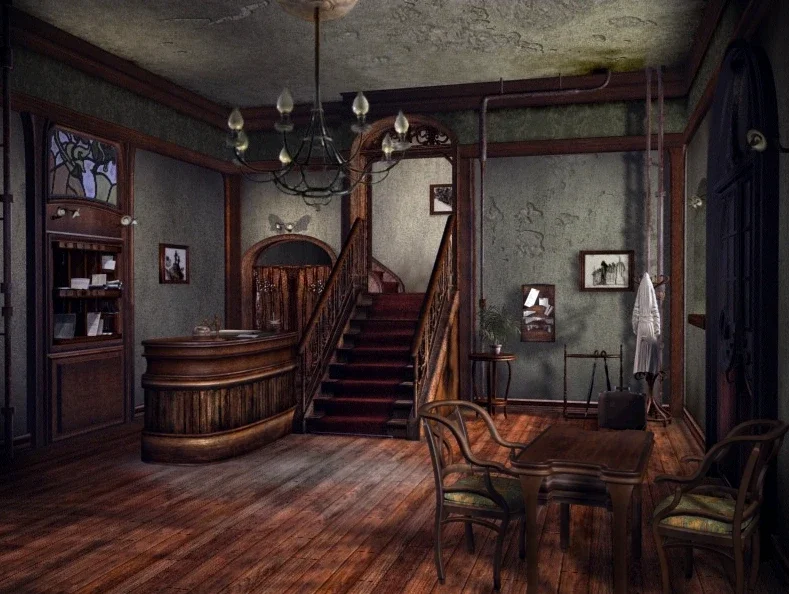
I checked into the hotel, where the owner confirmed the burial and spoke of the sadness that hung over the place. I told myself I’d rest, then get to work. Responsibilities don’t wait.
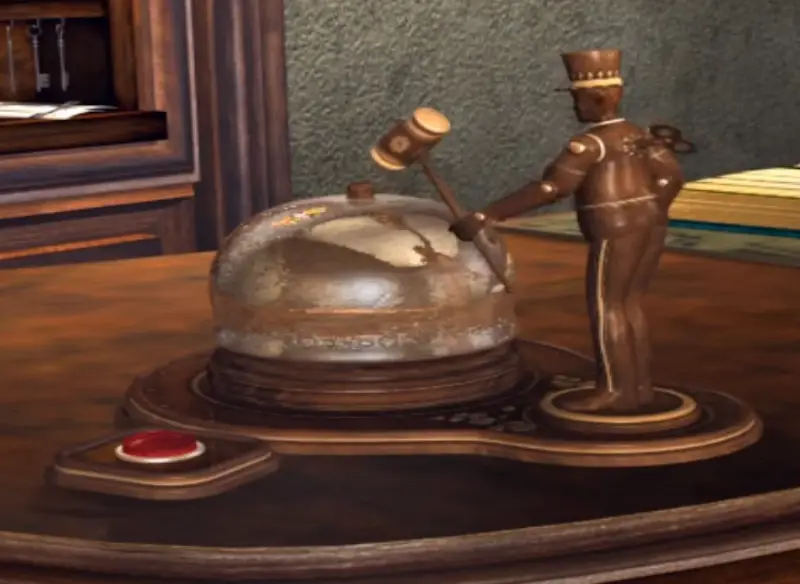
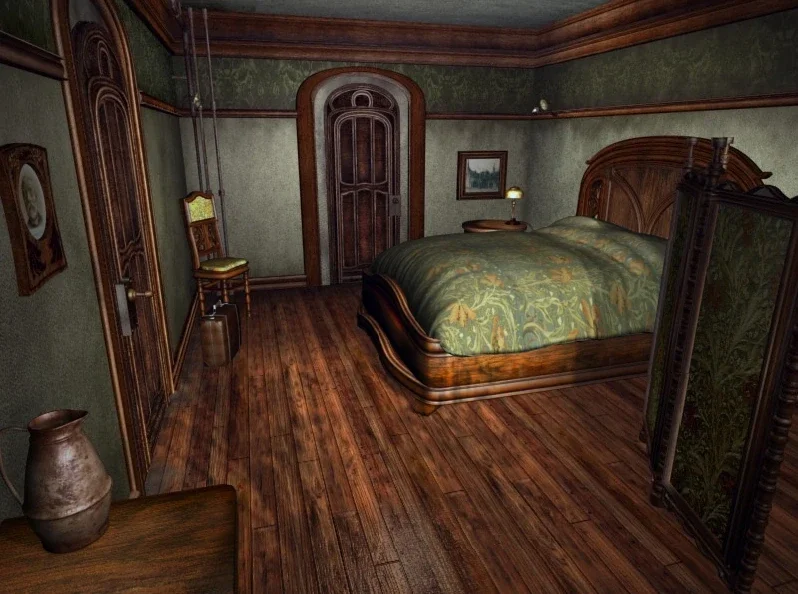
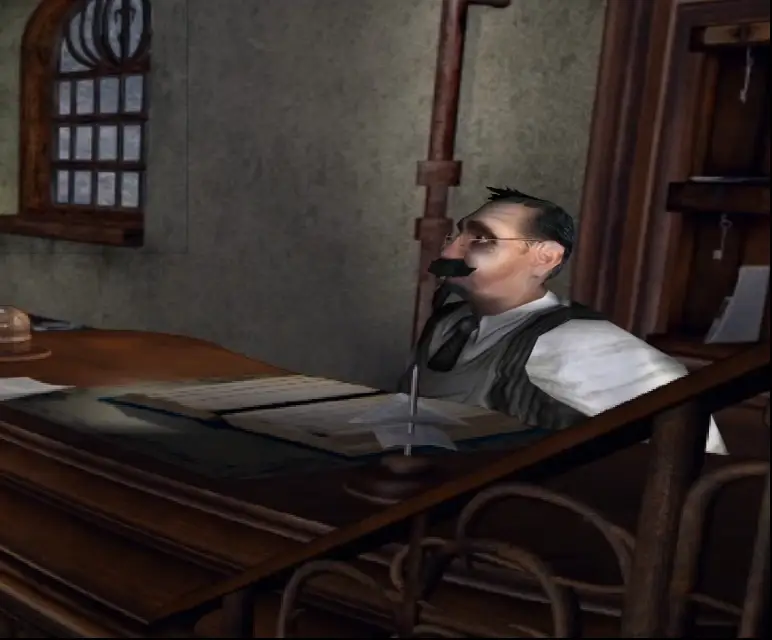
The next morning, I visited the notary, Maître Alfolter to discuss the Voralberg family. He revealed something unexpected: Anna wasn’t the only heir.
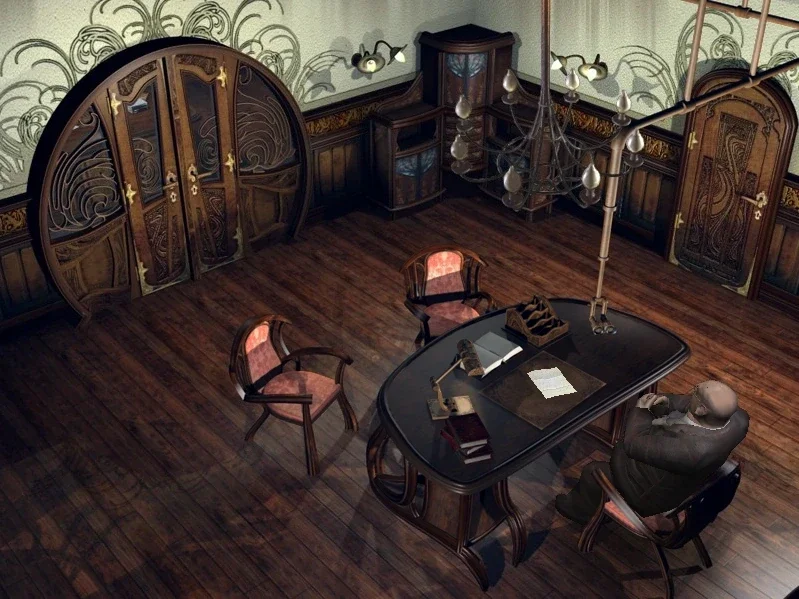
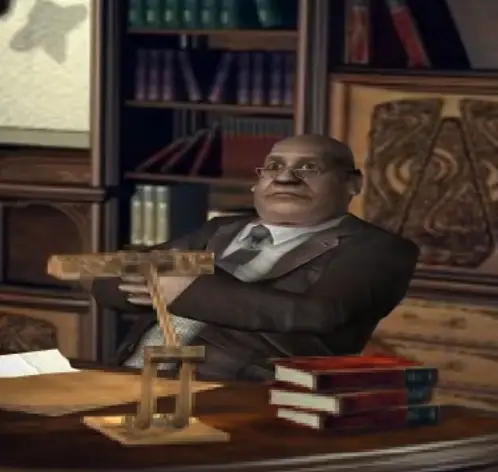
She had a brother, Hans Voralberg, long absent, rumored to be somewhere far away. Anna’s will had named Hans as the rightful successor to the factory. The contract couldn’t be signed without him. My simple assignment had just become a chase — not for a signature, but for a man who seemed more like a ghost than a person.
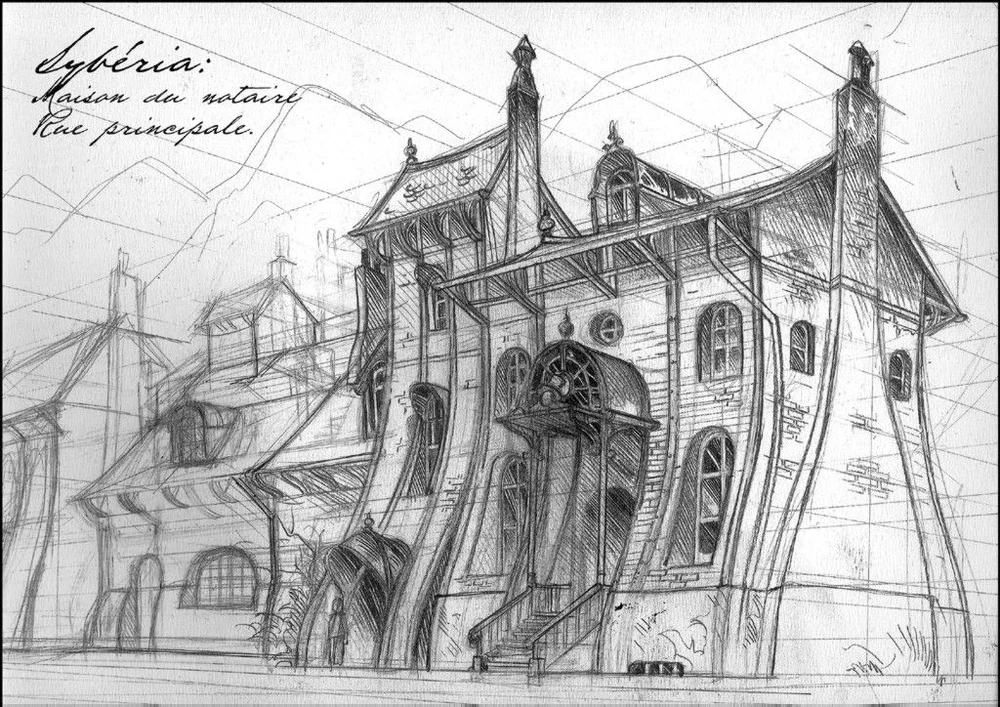
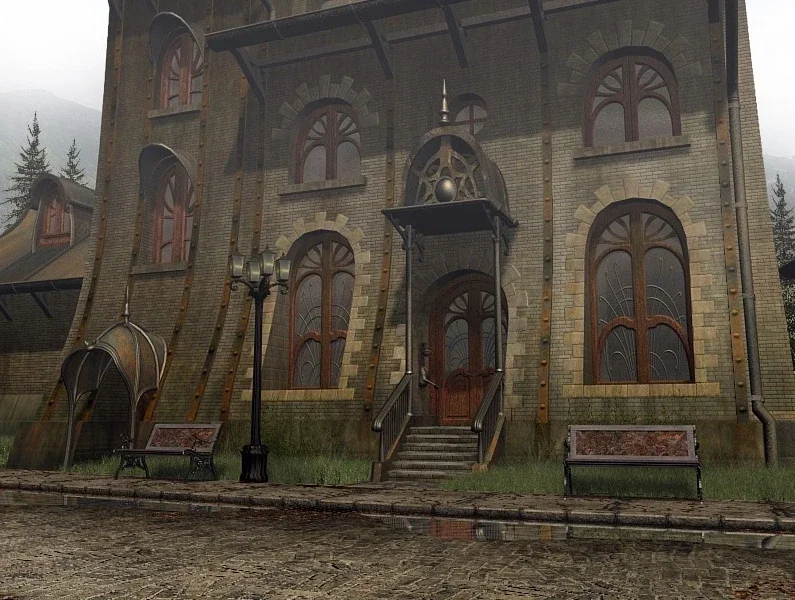

Dan called me, worried about when I would get back home, impatient, urging me to wrap this up quickly. But I couldn’t abandon it. The law doesn’t bend to convenience, and neither does truth.
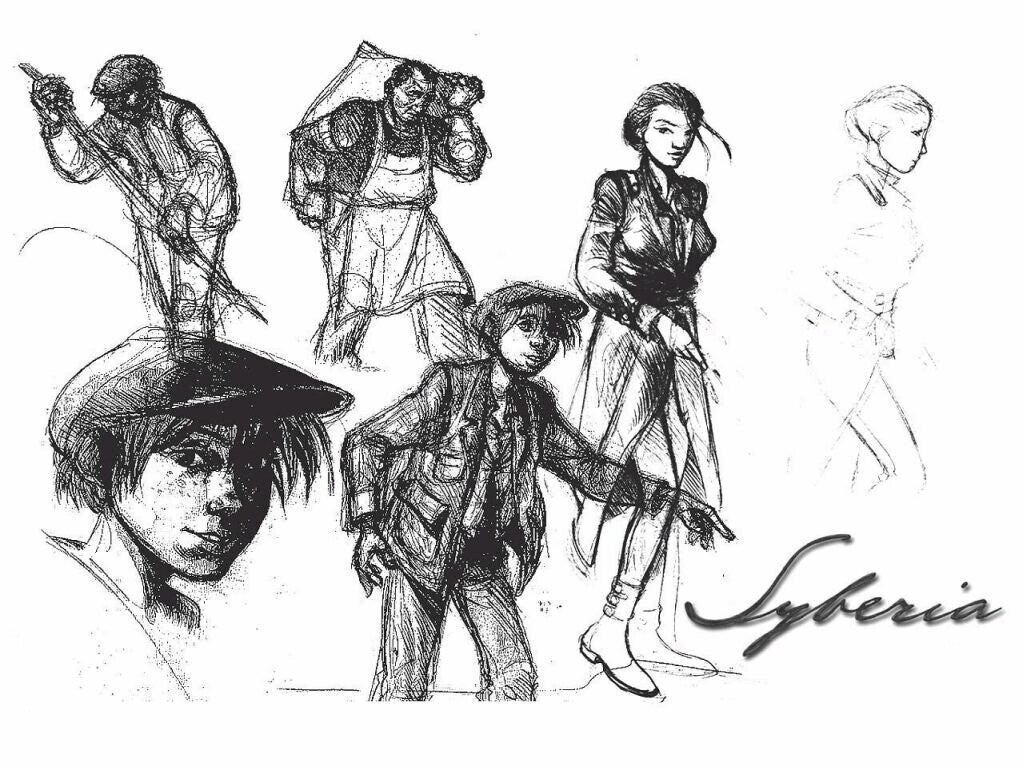
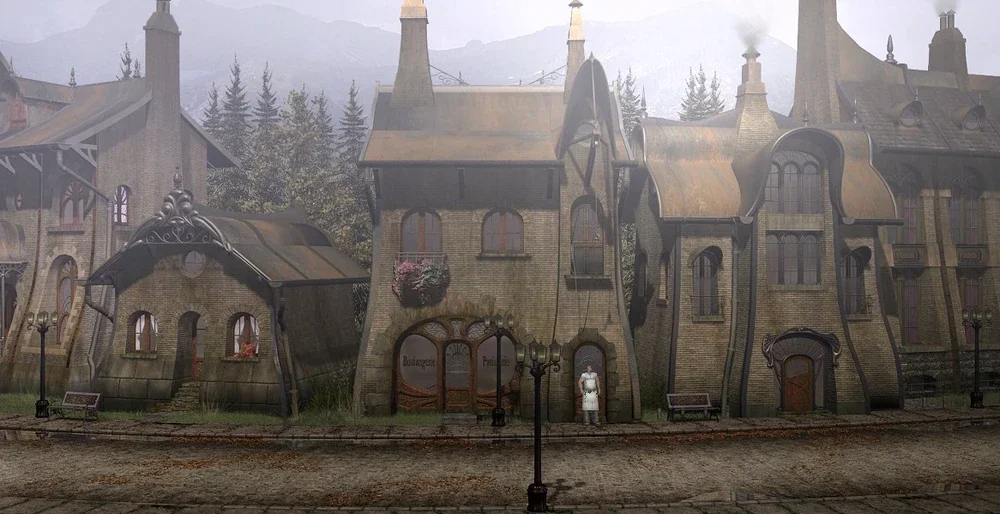
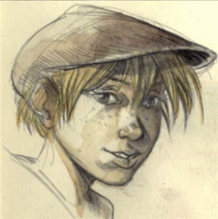
Among the locals, I found the most helpful a boy named Momo. By his words, Anna was the only one who had ever cared for him. Her brother, Hans, was strange — or so I would discover in time. Momo looked like Han's to Anna, so no winder she was fond of boy. At least Momo seemed to know more about the family than others let on. They warned me he was odd, his words confusing, but I decided his help was better than nothing.
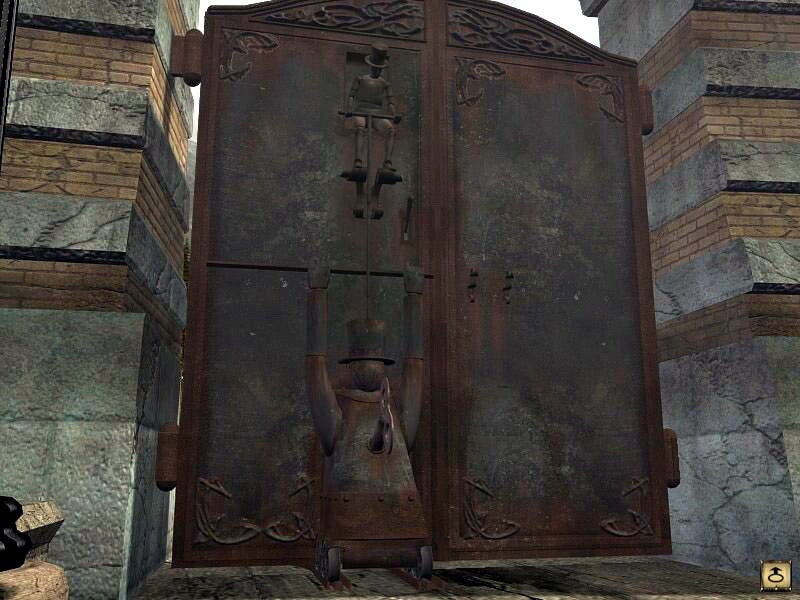
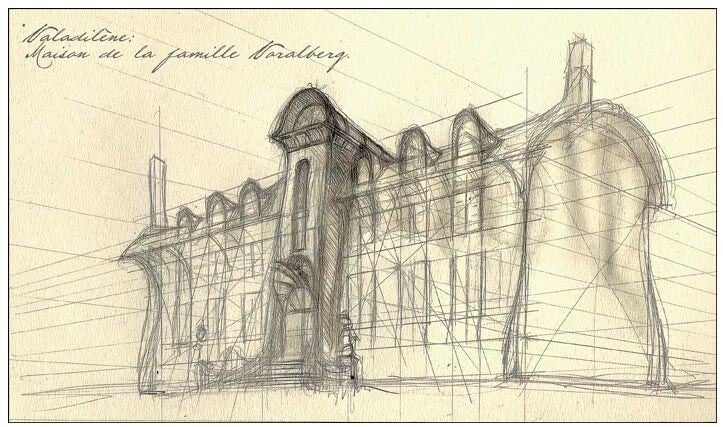
The next place worth visiting was the Voralberg mansion. The gates were closed, and no matter how I tried, I couldn’t open them. For a moment I thought I might need to ask around town for a way in. But the gates had missed a key detail, looking around, I found it, placed in, pulled and the heavy gates were open. With a grinding, metallic sound, they gave way, and I stepped inside.
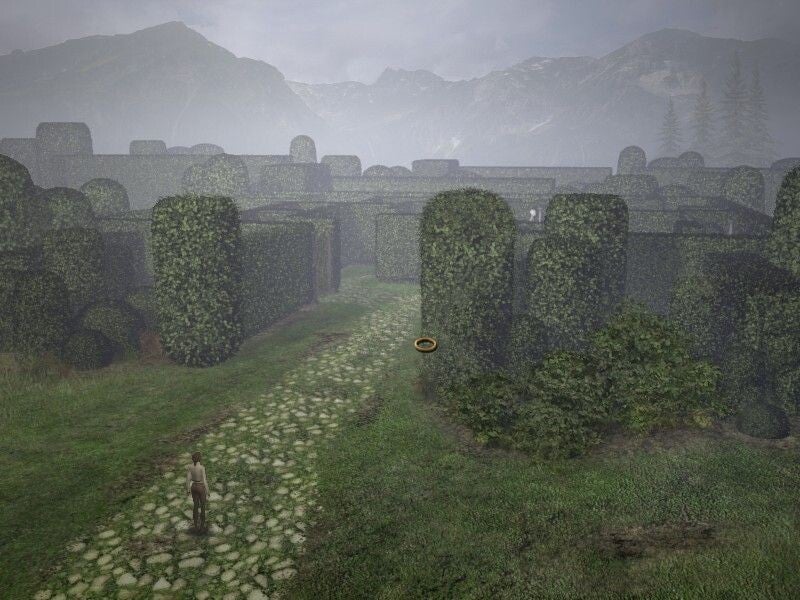
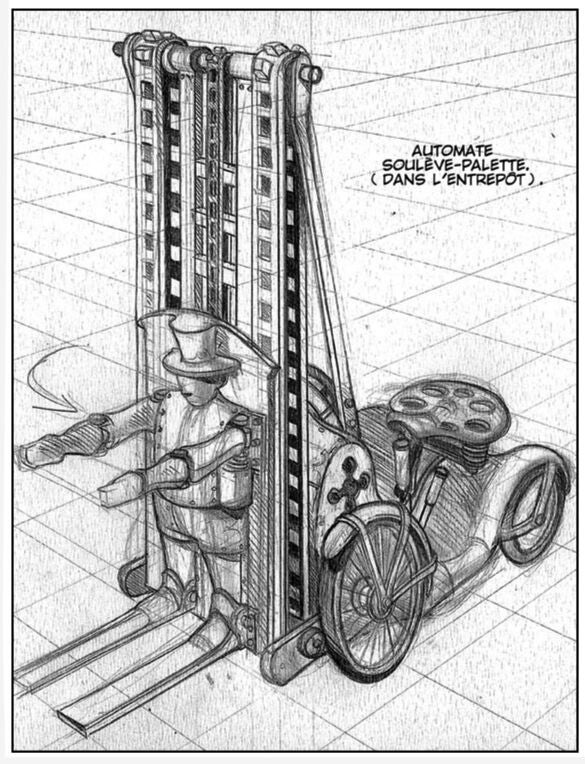
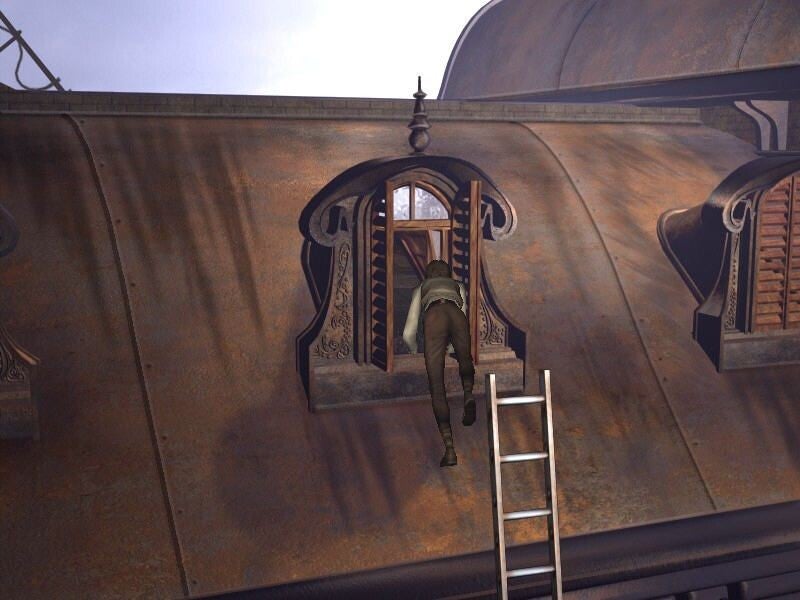
The mansion felt abandoned, not as if its owner had passed away only a few days ago. Garden with a maze, wandering through it, I found a person who worked here and automaton ladder, only open window and way into house was through the attic. Dust lay over the furniture, and the silence was broken only by the faint sounds of birds. I wandered through the room.
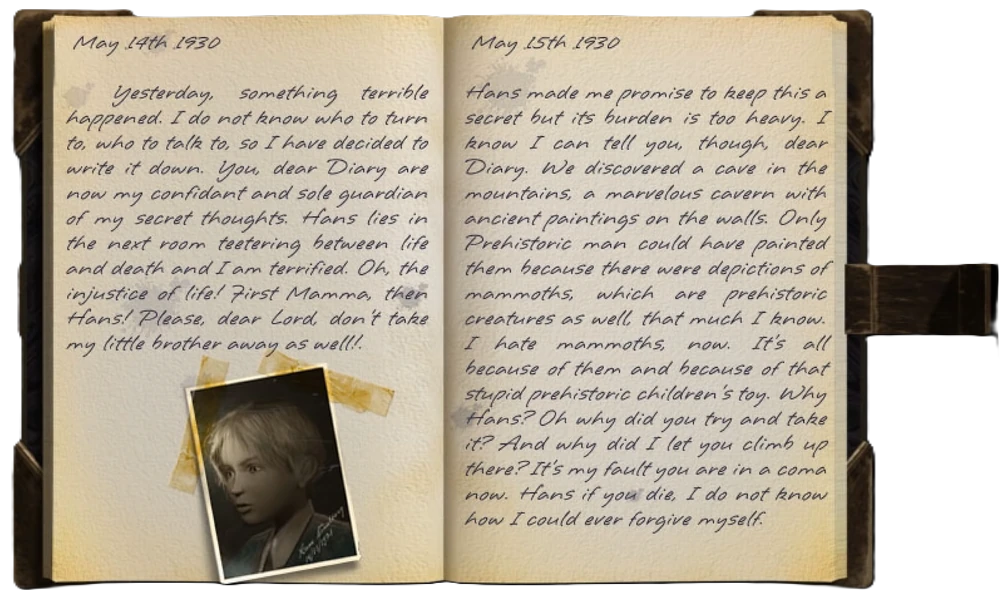
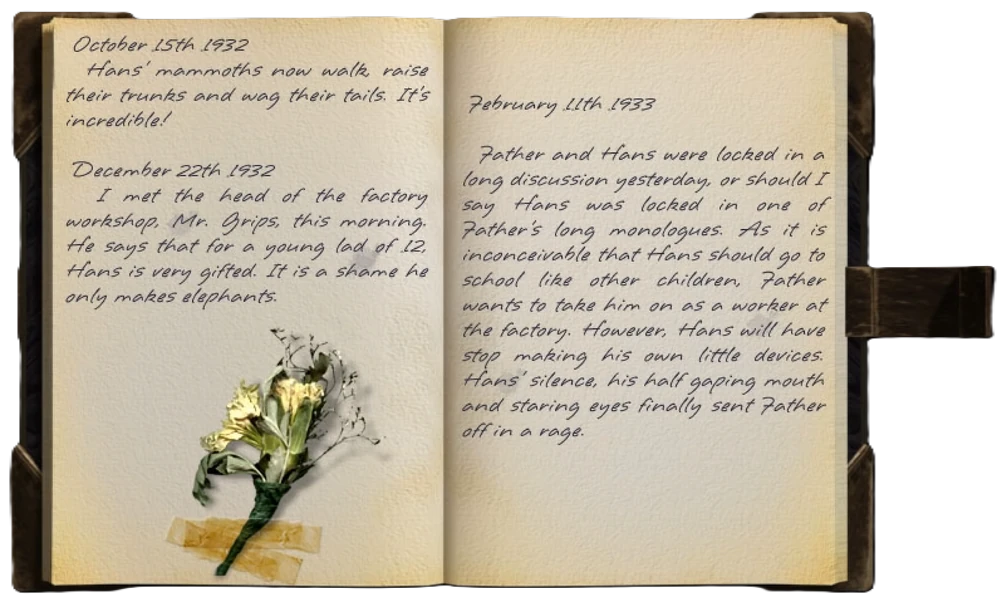
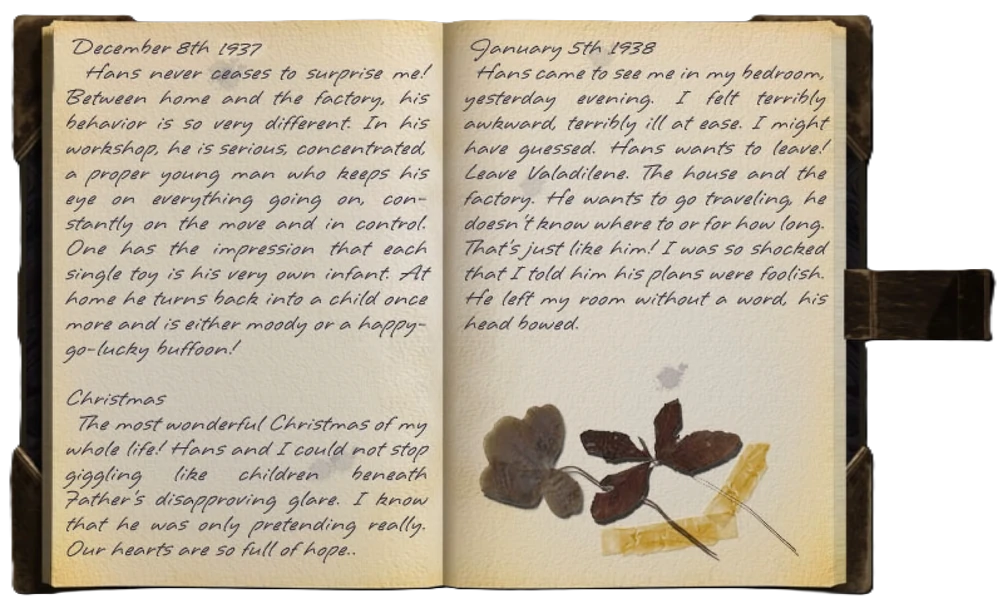
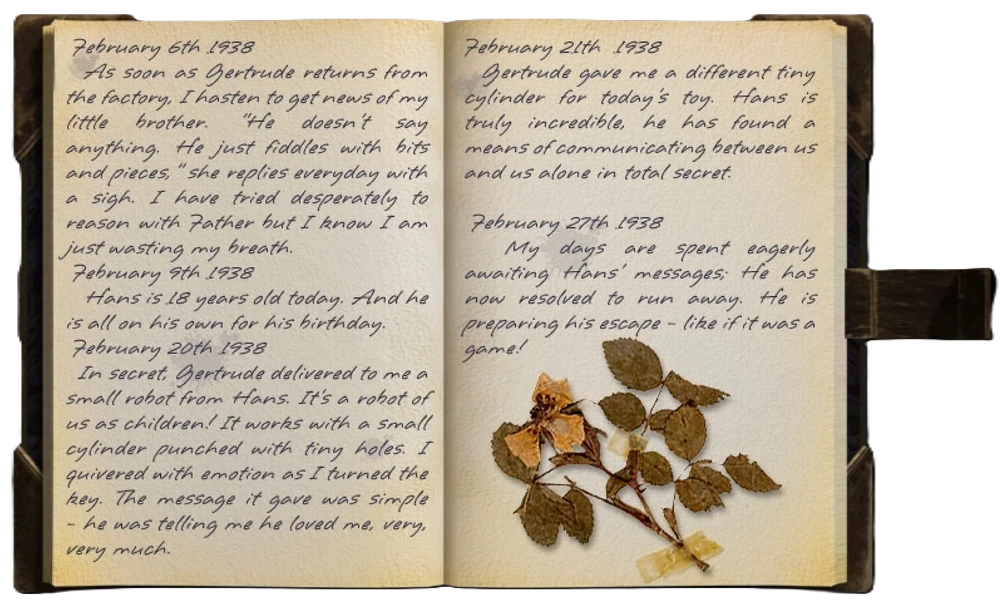
I found Anna’s diary, where she had written about Hans’s accident and the family’s struggle to accept him. Her words revealed both sorrow and devotion — she seemed to be the only one who tried to protect her brother from the misunderstanding and rejection he faced.
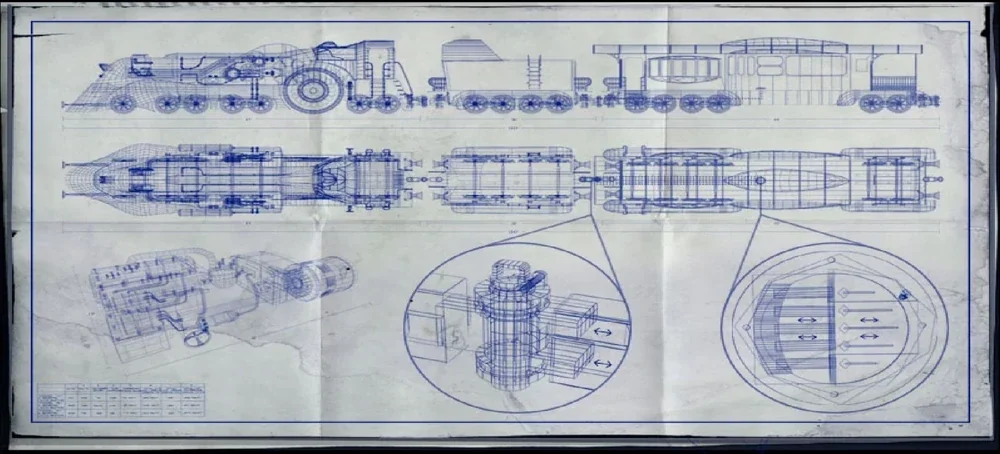
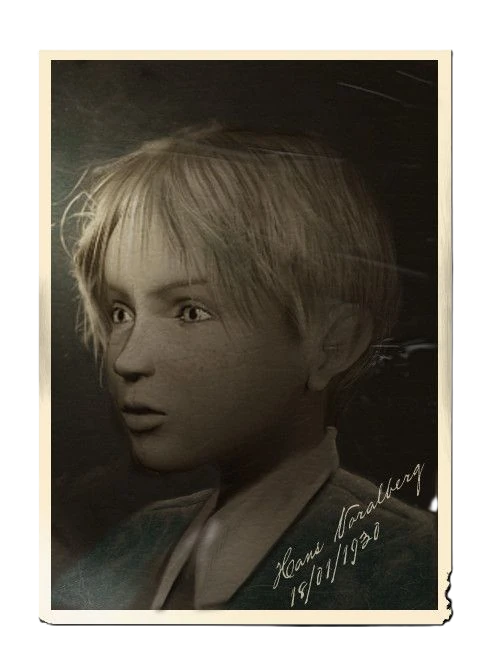
It took some time to uncover Hans’s sketches and plans for automatons, scattered all along the town among documents, letters, half‑finished designs. Sad as it was, Hans father often locked his son in the attic, there I found a carved out line drawing on one of tables, old trick of pencil and paper, and we have a picture on paper. It was simple, almost childlike. Momo suddenly appeared while I was looking in other direction, he was looking at drawing, grew excited — as if the drawing unlocked something in him, and he insisted on showing me more. Without a word, he climbed trough the window, urging me to follow.


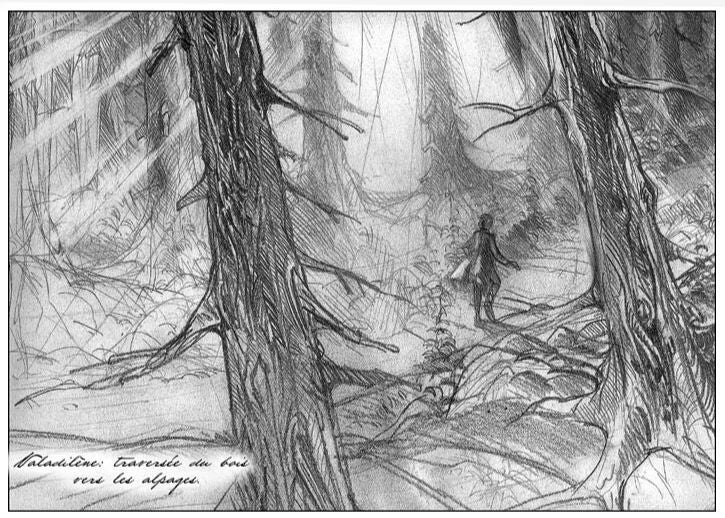
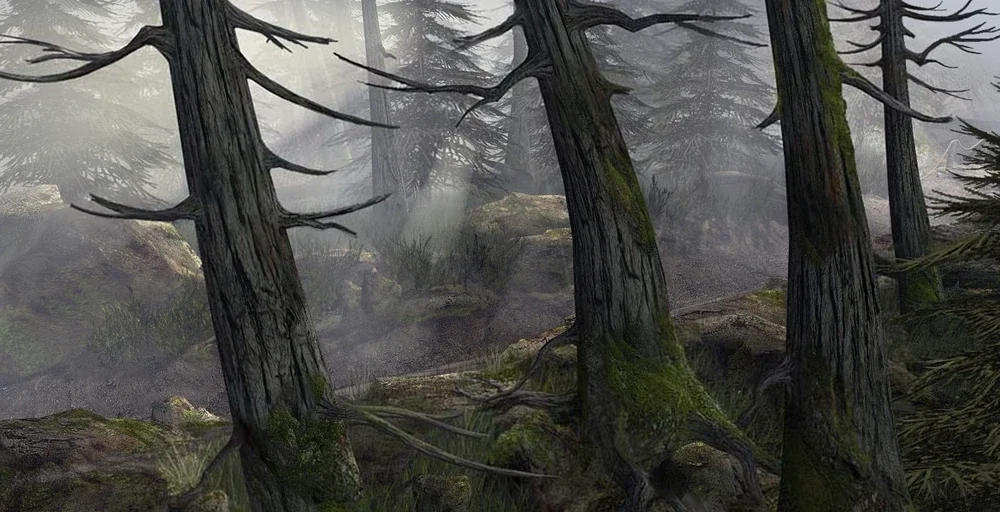
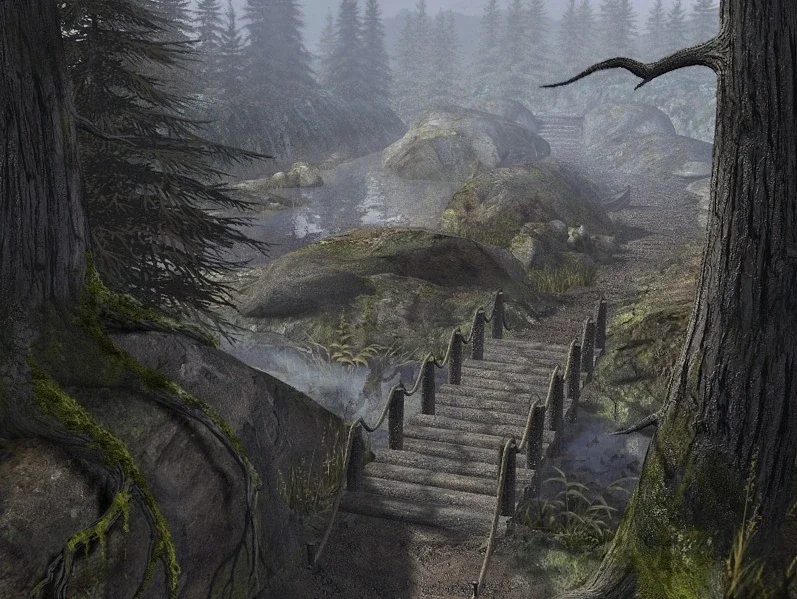
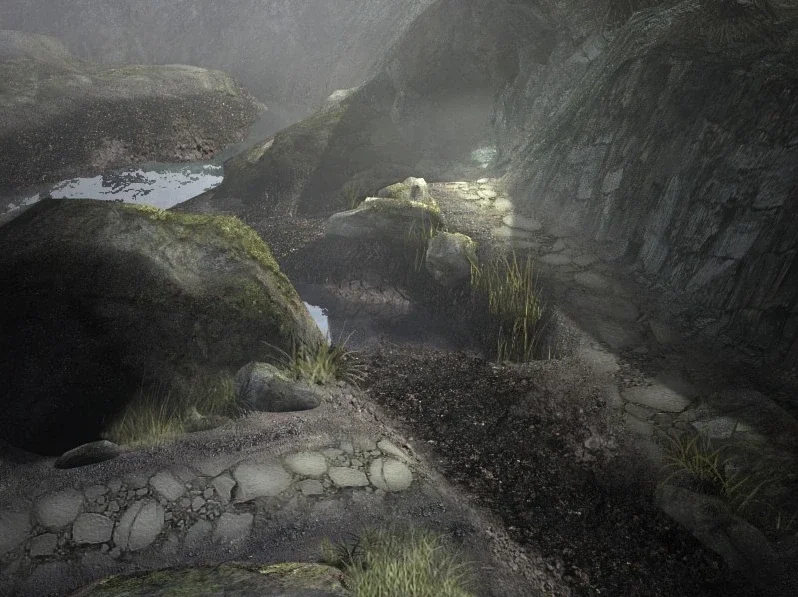
Momo ran out of town and into the woods. The path led us to a stream, beyond which I could see the entrance to a cave. The water was too wide to step over, and too deep to cross safely. I needed a safer way across.
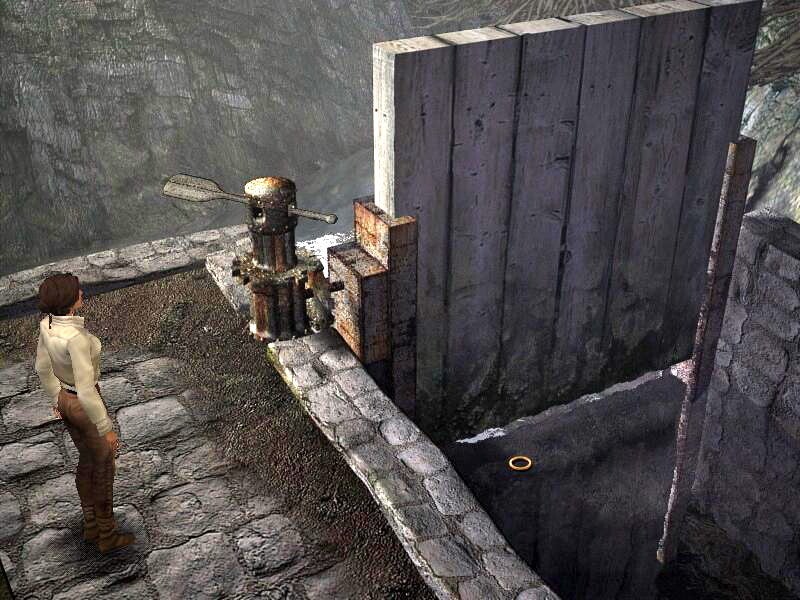
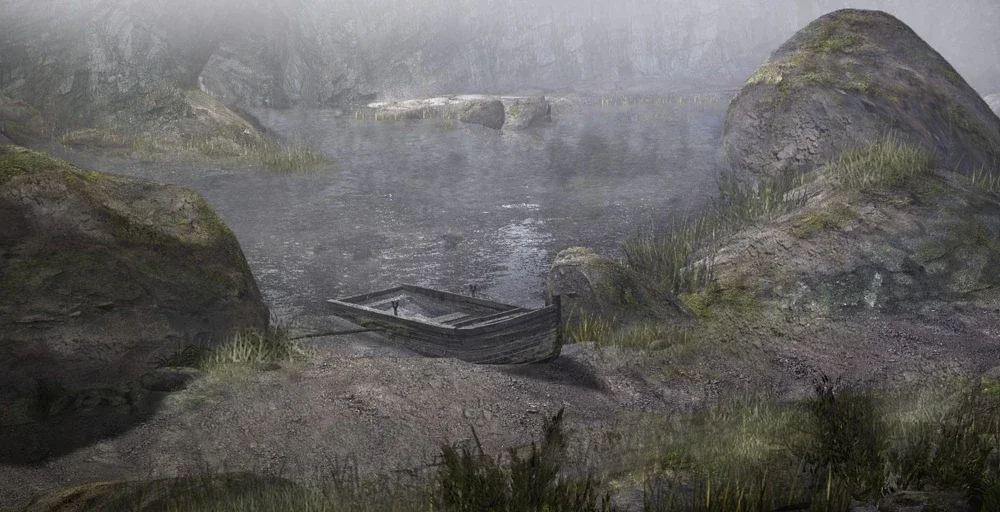
There was a dam, but it was too heavy for me to pull it. I asked Momo for help, without hesitation he followed, I showed him where, he pushed but wood was too old, probably damp wasn't opened in years, he broke it. I would need to find a replacement. An oar could do, but it was dirty and wet, once again asked Momo, this time to carry it. Showed him way back to dam. Momo pushed oar through the dam holes, pulling out broken part's in the process, finally we opened the dam. Now I crossed the dry stream. With careful steps, I was on the other side.
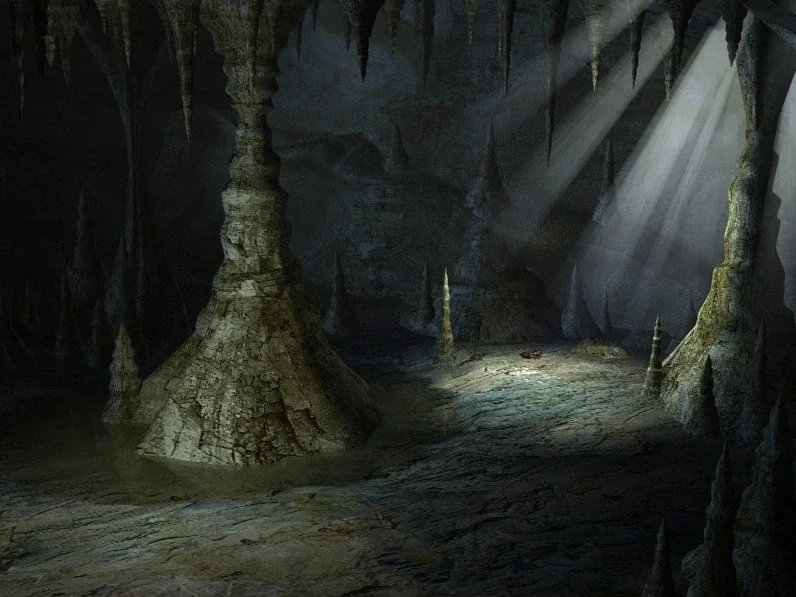
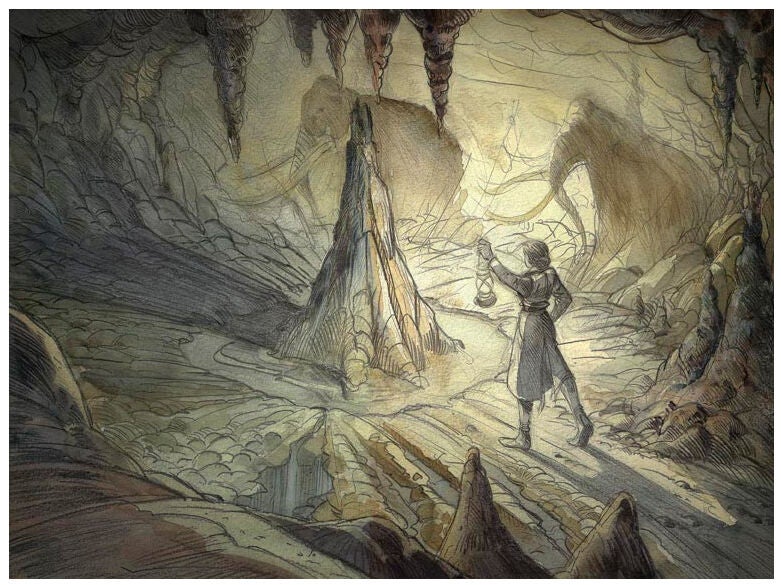
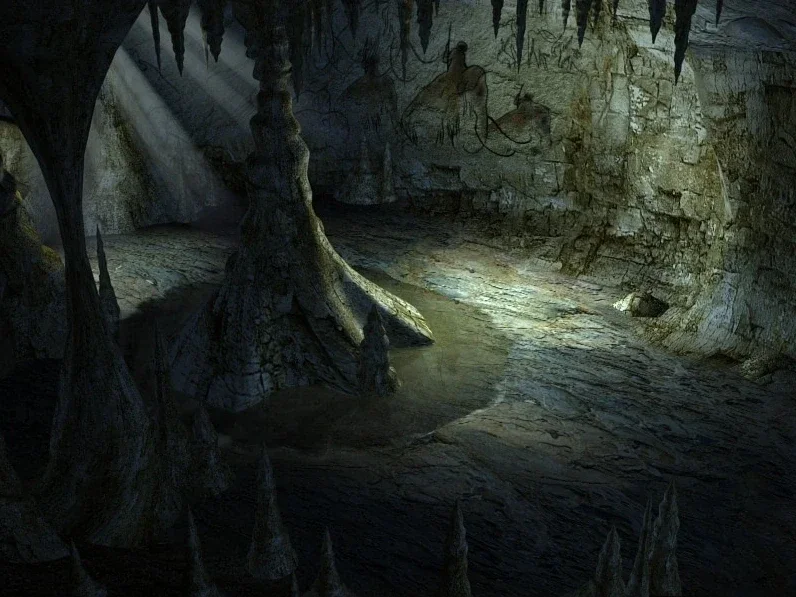
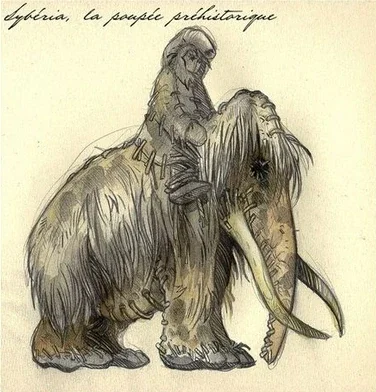
Momo pointed toward the cave. The cave was dim but not completely dark, and I could see the wall drawings clearly enough once inside. The walls were covered with drawings of mammoths, some with figures of people riding them. Among the stones lay a toy — a small mammoth doll similar to Hans’s sketches. It looked old, as if someone had left it here long ago.
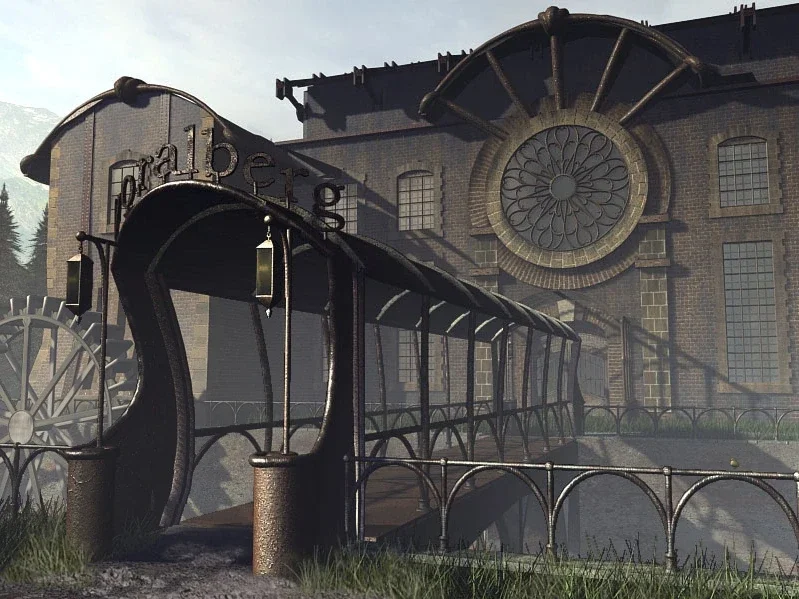
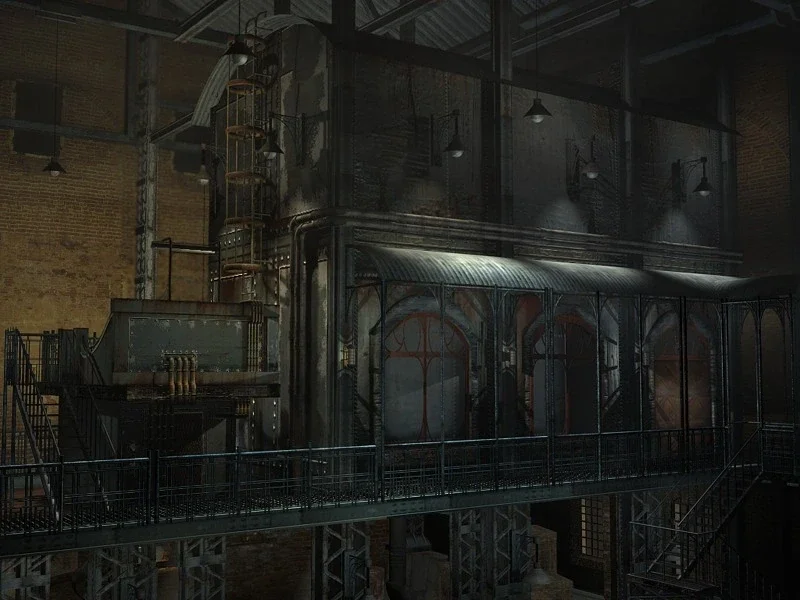
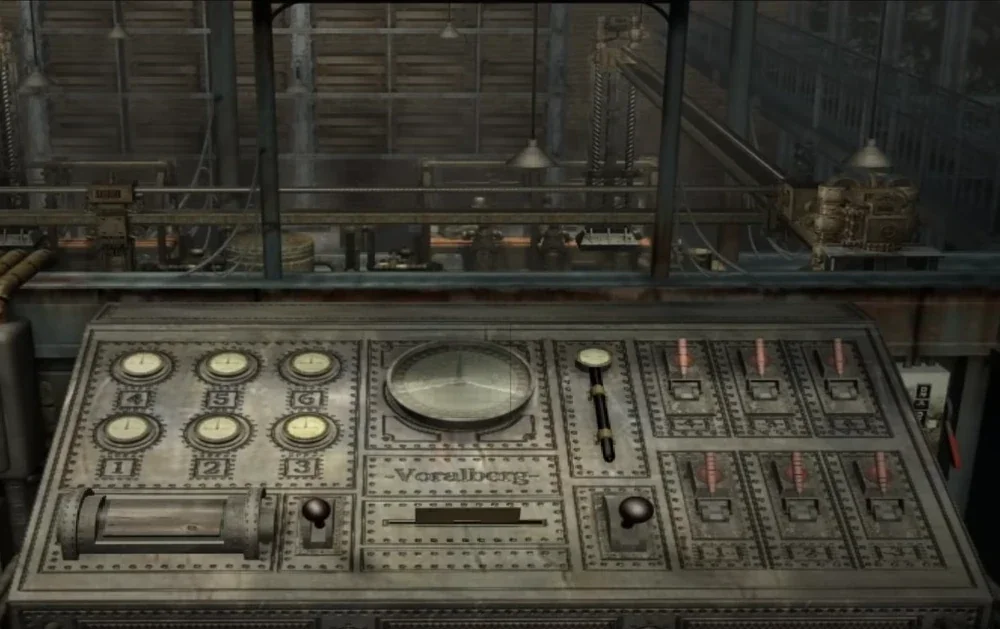
I returned to Valadilène. The only place I had not yet visited was the Voralberg factory, so I made my way there. The factory was silent, no workers at their posts, but its immense mechanical systems still stood ready. The sheer scale and functionality of its automatons was impressive to say the least.
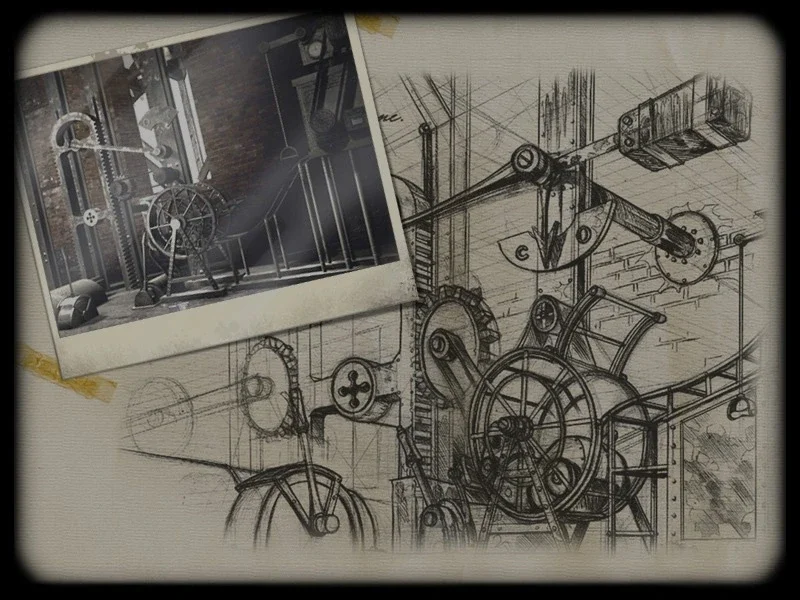
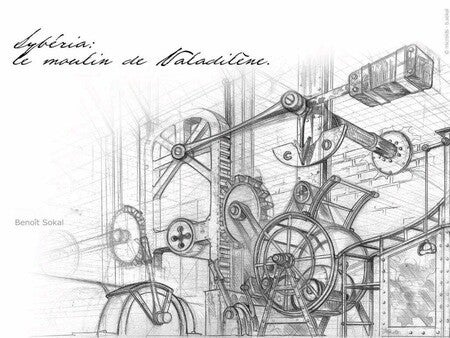
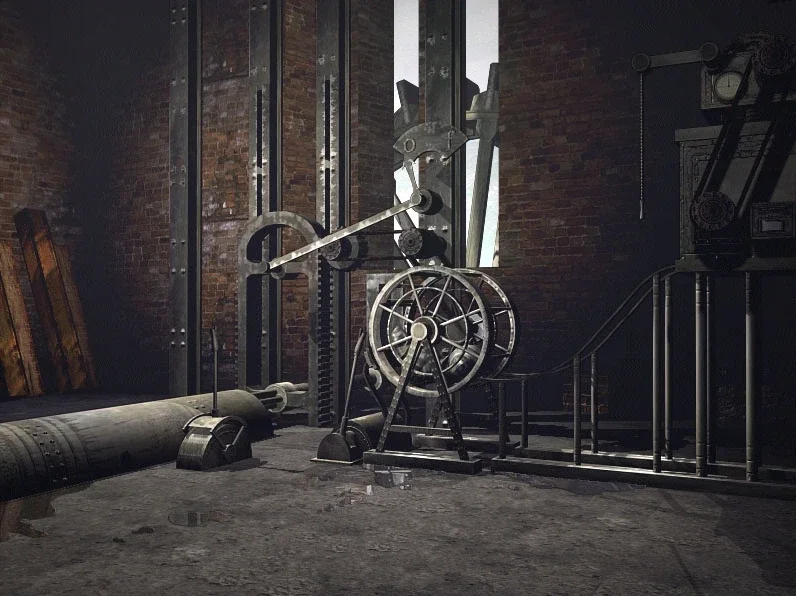
On the lower level, I found an incomplete automaton suspended from the assembly line. Its upper body was in place, but the lower part was missing. I realized I would need to operate the factory’s mechanisms to finish its construction.
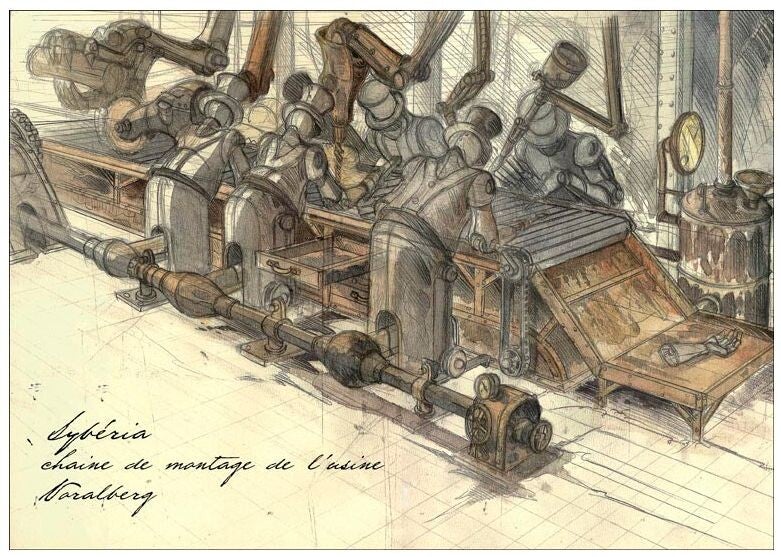
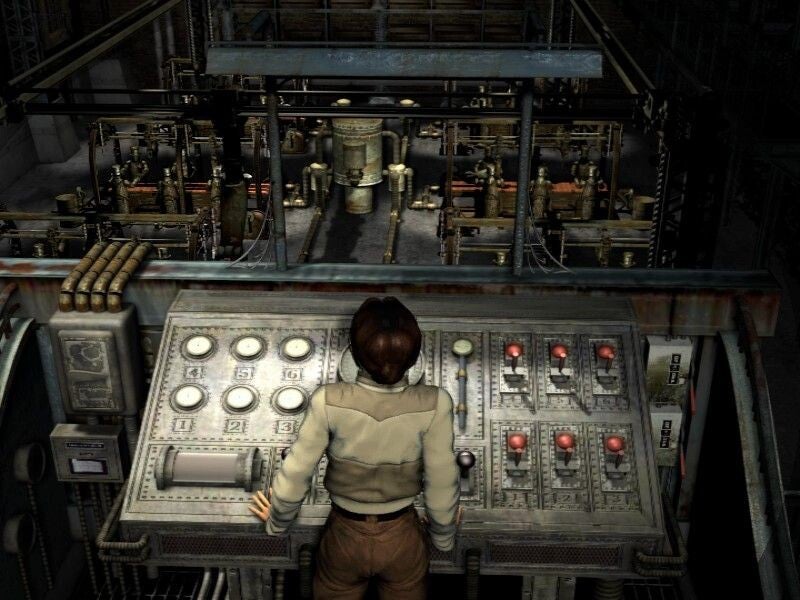
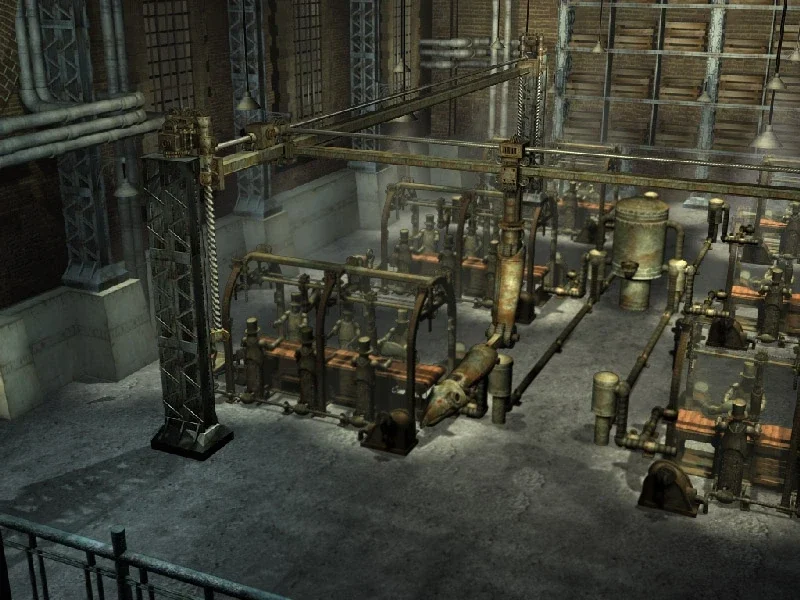
It was not easy — the controls were complex, and it took time to understand functionalities behind each lever and button. In the end, I managed to activate the system. Wooden blocks were carried along the conveyor slides, shaped into legs, and fitted to the automaton. Piece by piece, the factory completed the rest of its body.
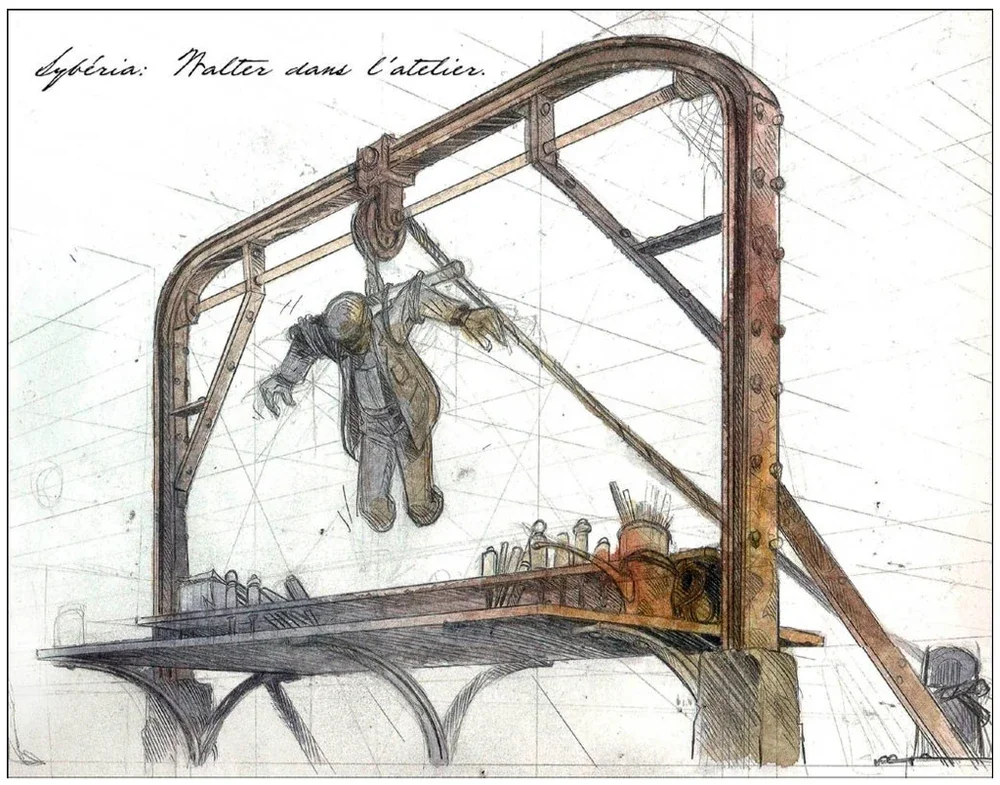
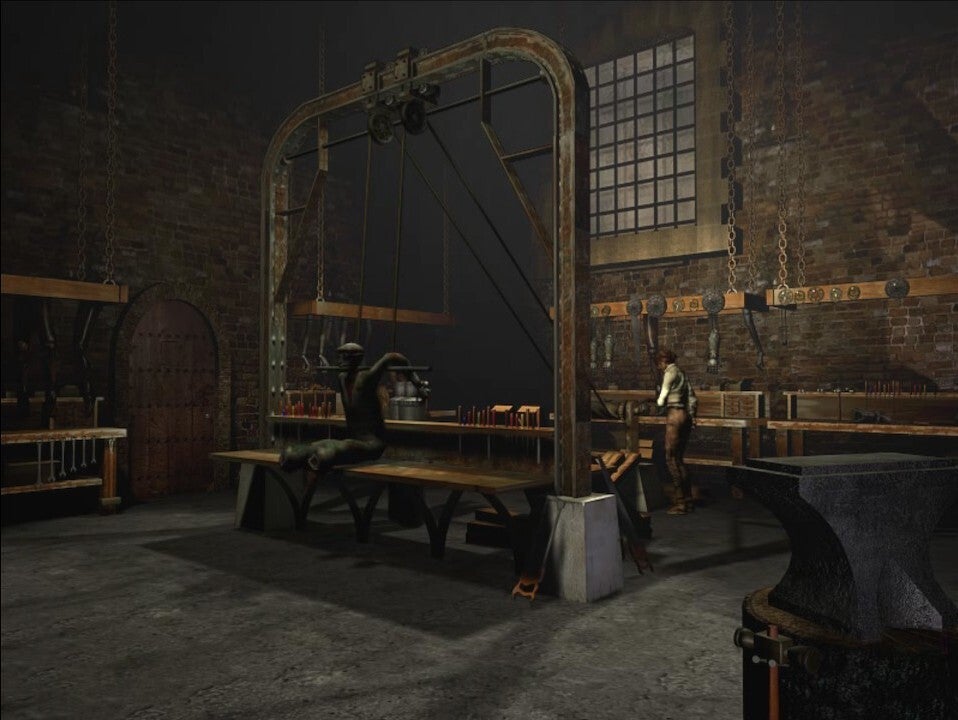
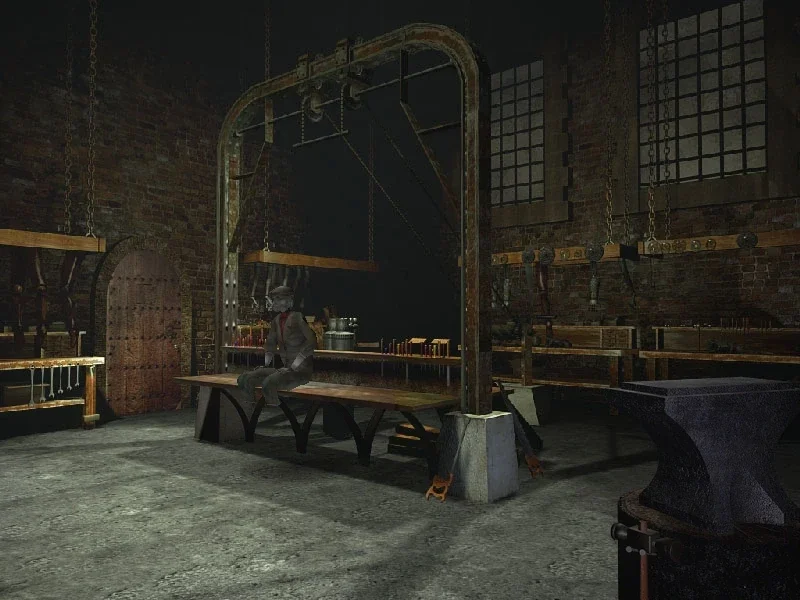
As the factory process finished and the automaton was lowered from the assembly line, it powered on. His eyes lit up and he straightened his posture before immediately questioning me in his formal, polite, rule‑bound manner.
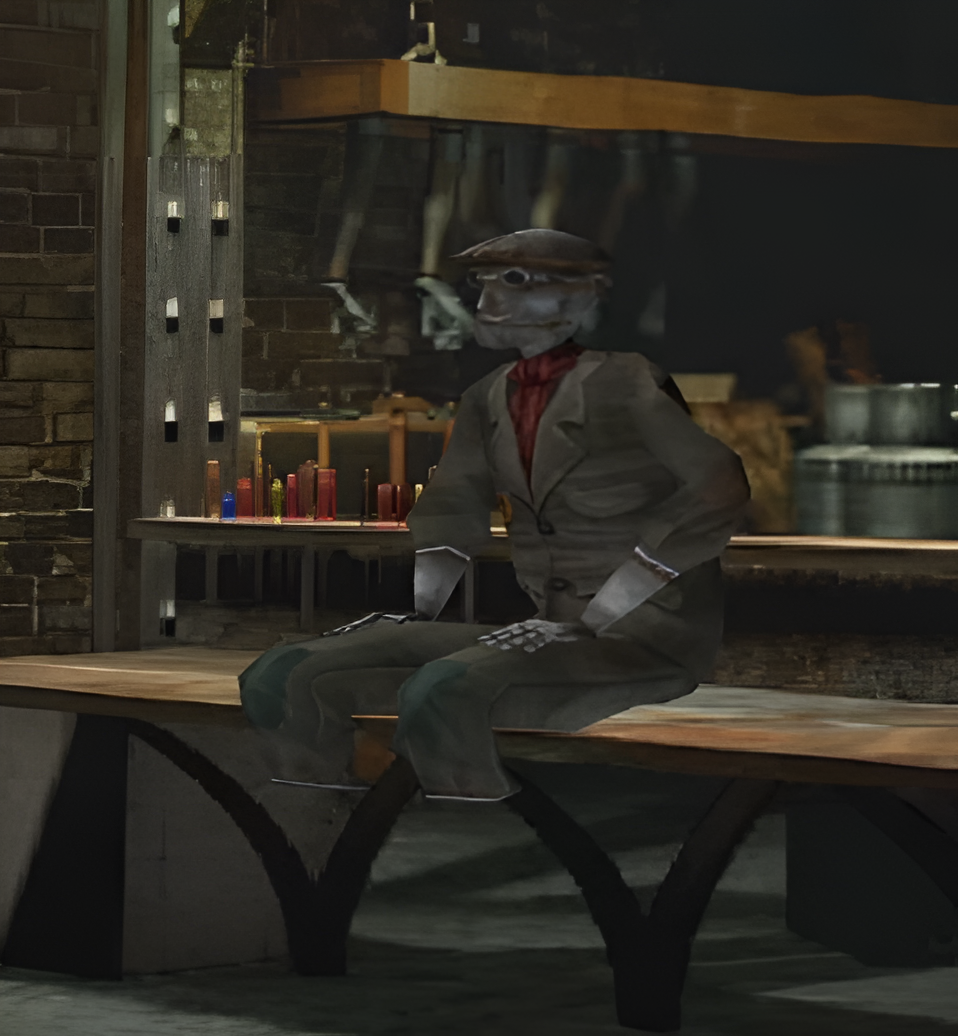
My name, my business here — a proper introduction seemed necessary before the demands he would make afterward. He introduced himself as Oscar, the train conductor automaton. He was built to operate the Voralberg mechanical train and ensure that all departures follow proper administrative procedure.
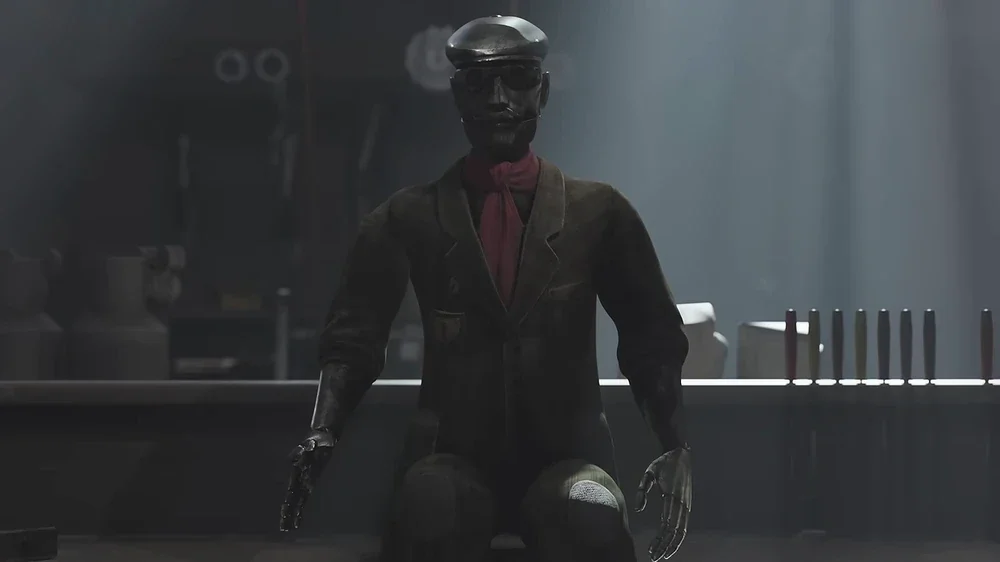

The train, he explained, was located just outside the factory in the adjoining train yard.
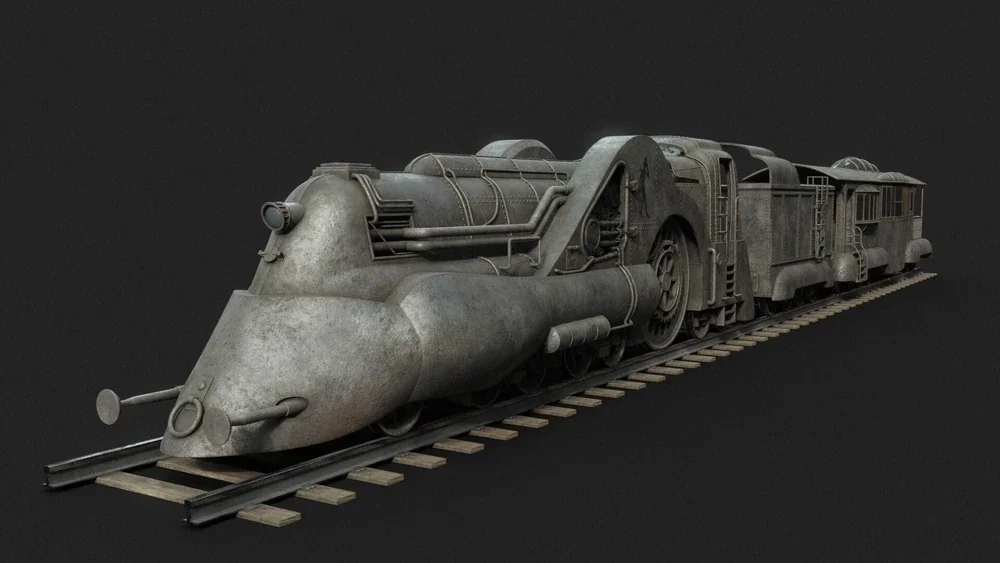
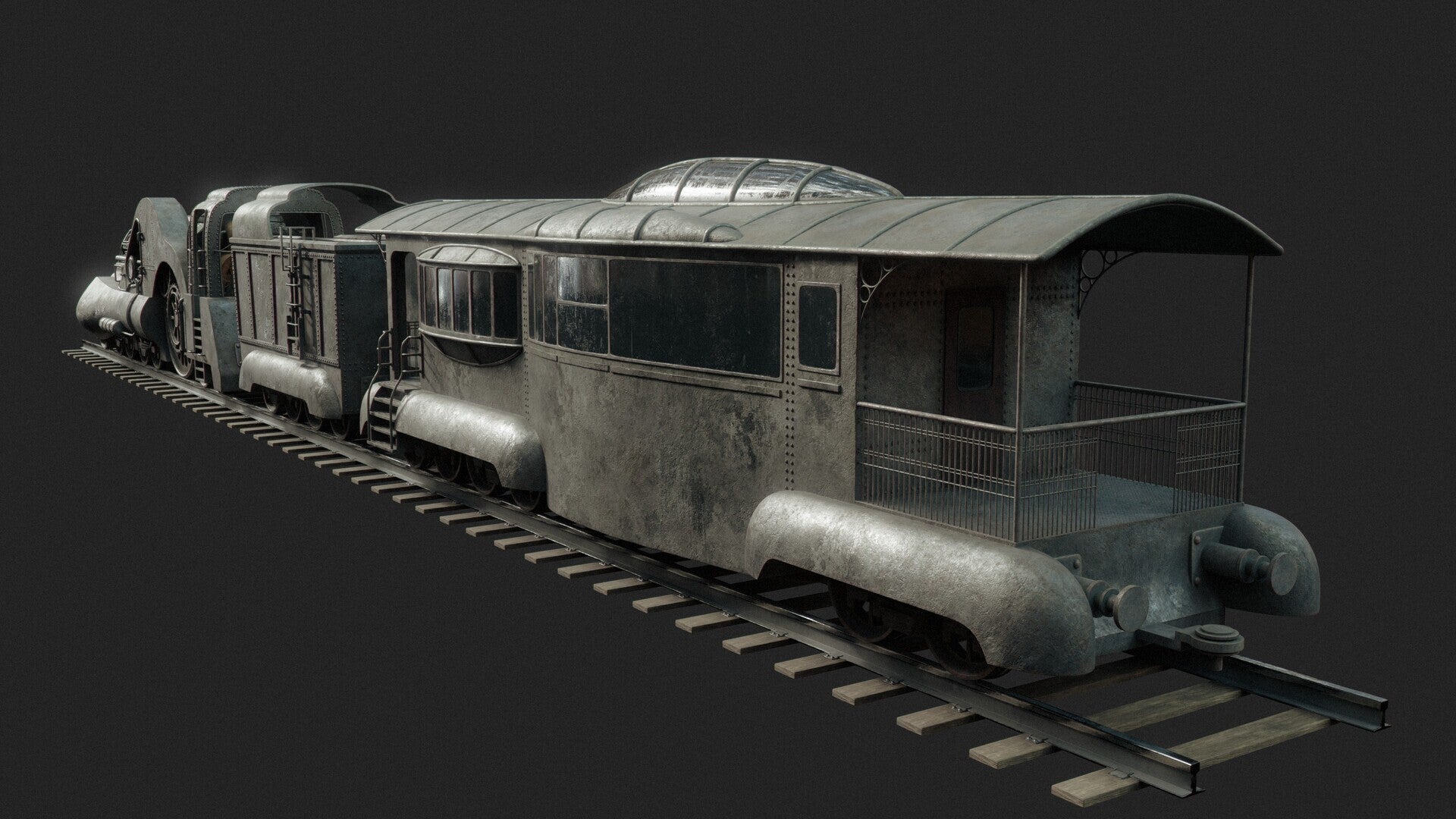
Oscar went straight to the train, and I followed him to the platform. The mechanical train was waiting there on the tracks, unlike anything I had ever seen — a strange brass‑and‑steel locomotive with its passenger car attached.

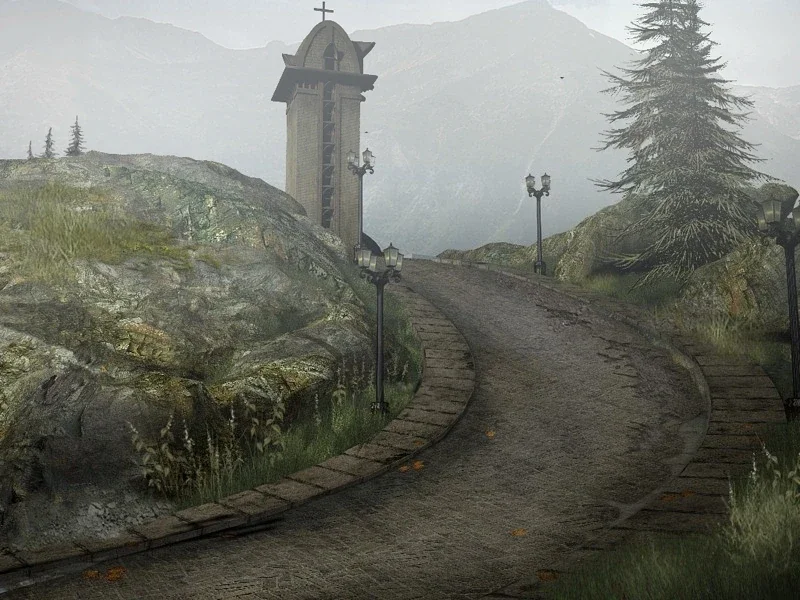
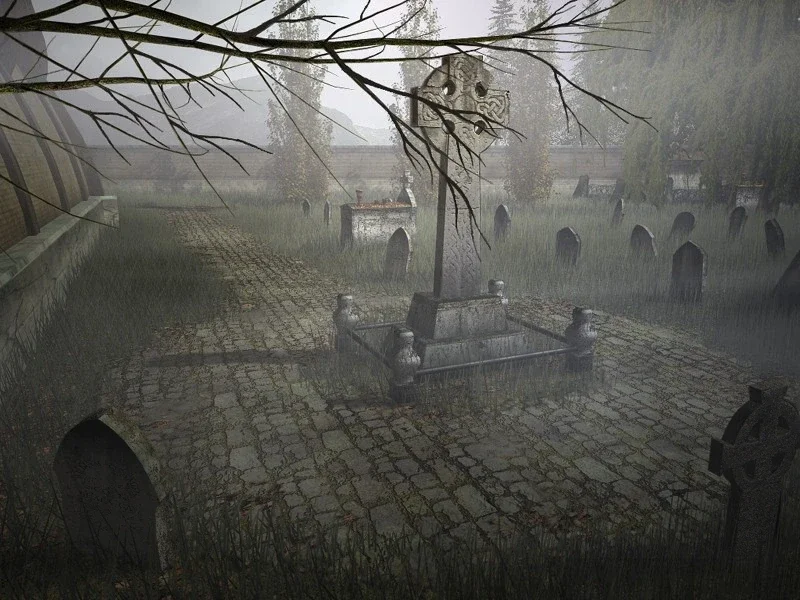
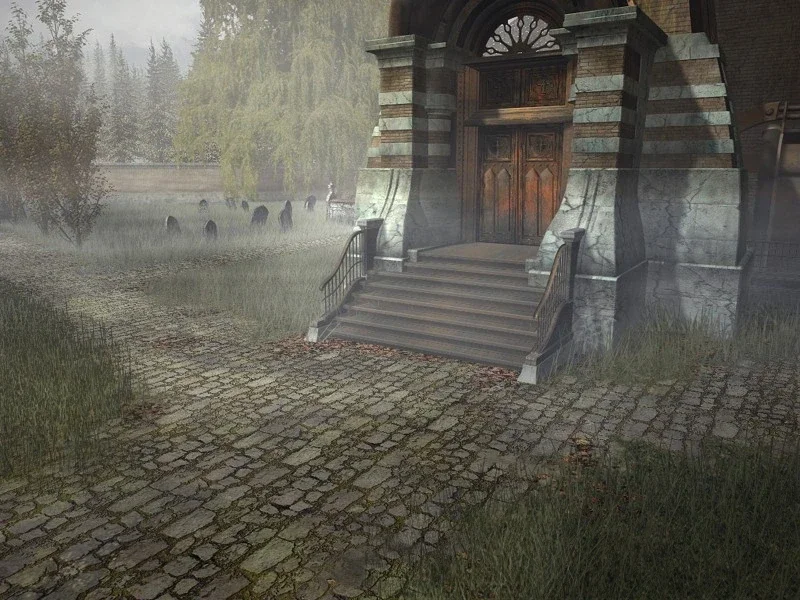
I still had a cemetery visit. The Voralberg mausoleum was sealed with an automaton puzzle. All the Voralbergs were buried here — or should have been. To find more clues about the family, I needed to open it. If Hans was the true heir and not dead, the graveyard might reveal it. Hidden secrets, locked away for years, who knew why they had been secured in the first place?
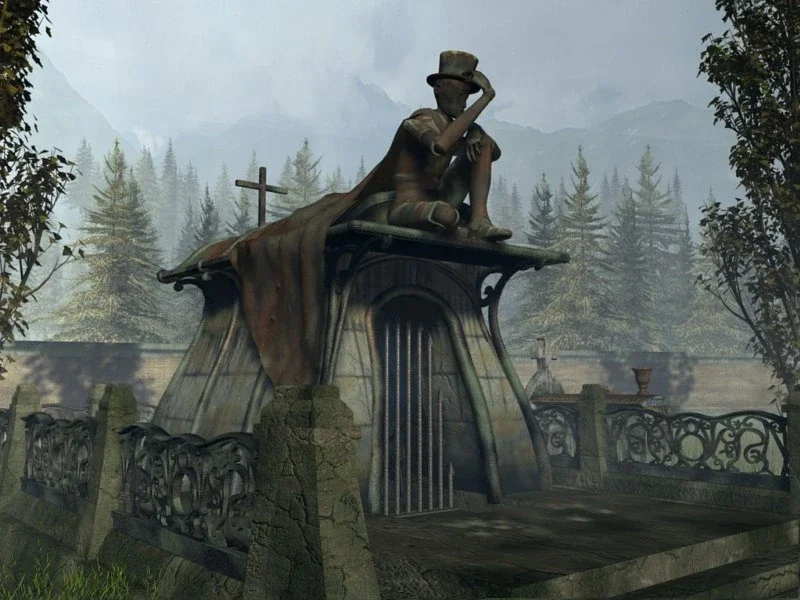
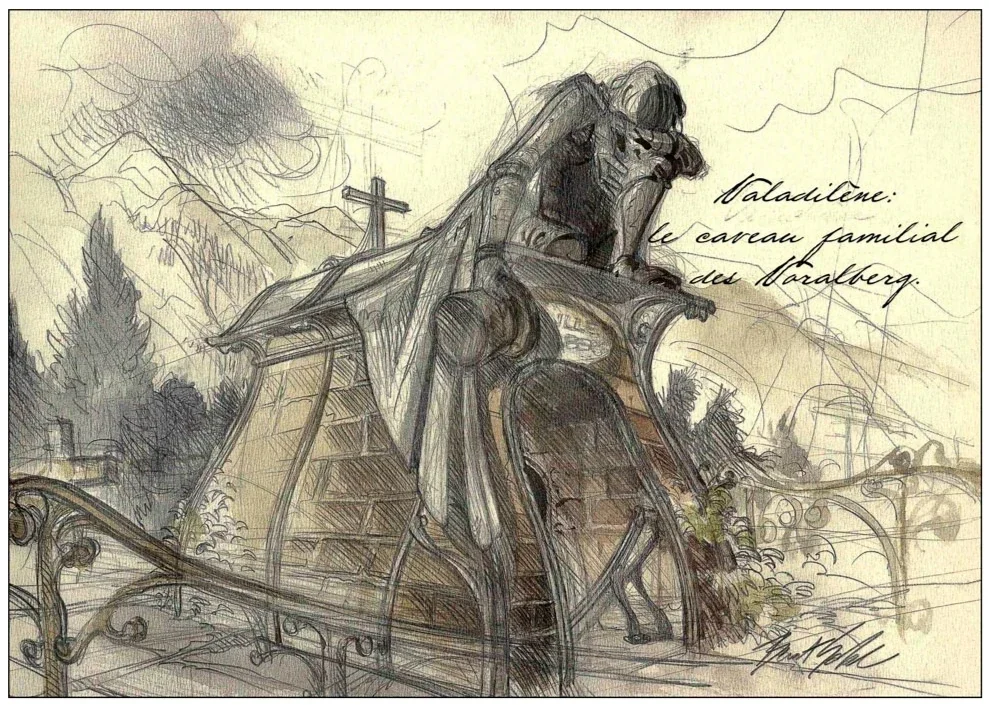
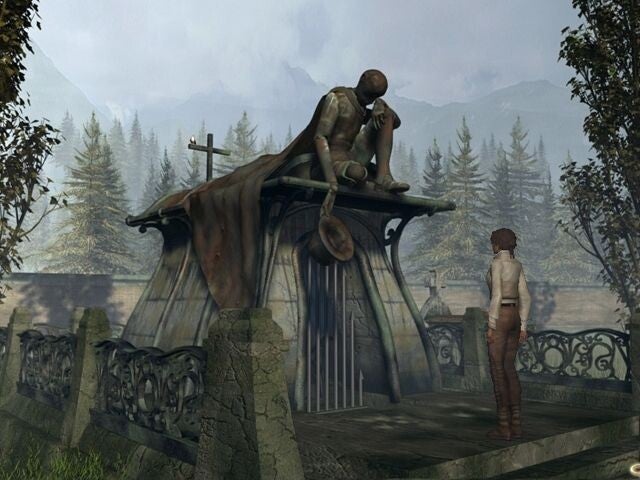
Inside the chapel I found letters from priest, clues left to guess is Hans truly a ghost after all ? In mausoleum I looked into Hans coffin, empty with only a newspaper clipping and voice cylinder. Have they been left here by Anna, possibly intended for Hans in case he ever returned. But I retrieved them myself. Inside the chapel I found letters from priest, clues left to guess is Hans truly a ghost after all ? In mausoleum I looked into Hans coffin, empty with only a newspaper clipping and voice cylinder. Have they been left here by Anna, possibly intended for Hans in case he ever returned. But I retrieved them myself. They looked like a planned instructions to hide truth but why — for now it was a proper proof that Hans might still be alive, or at least that he truly existed. Now I was sure finding Hans would be my priority, he should be alive, I was determined to find it out.
I came to the train station. But Oscar refused to let the train depart. He insisted that all proper paperwork had to be completed first:
The train ticket. To be the only passenger on a private mechanical locomotive and still be asked for a ticket — it was absurd, but arguing with Oscar was pointless.
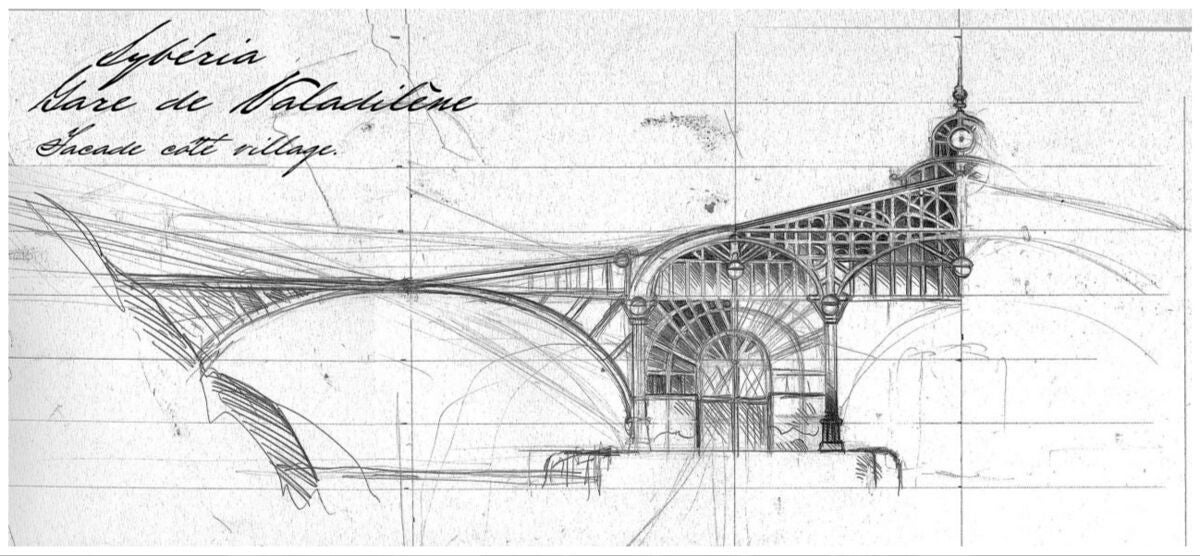
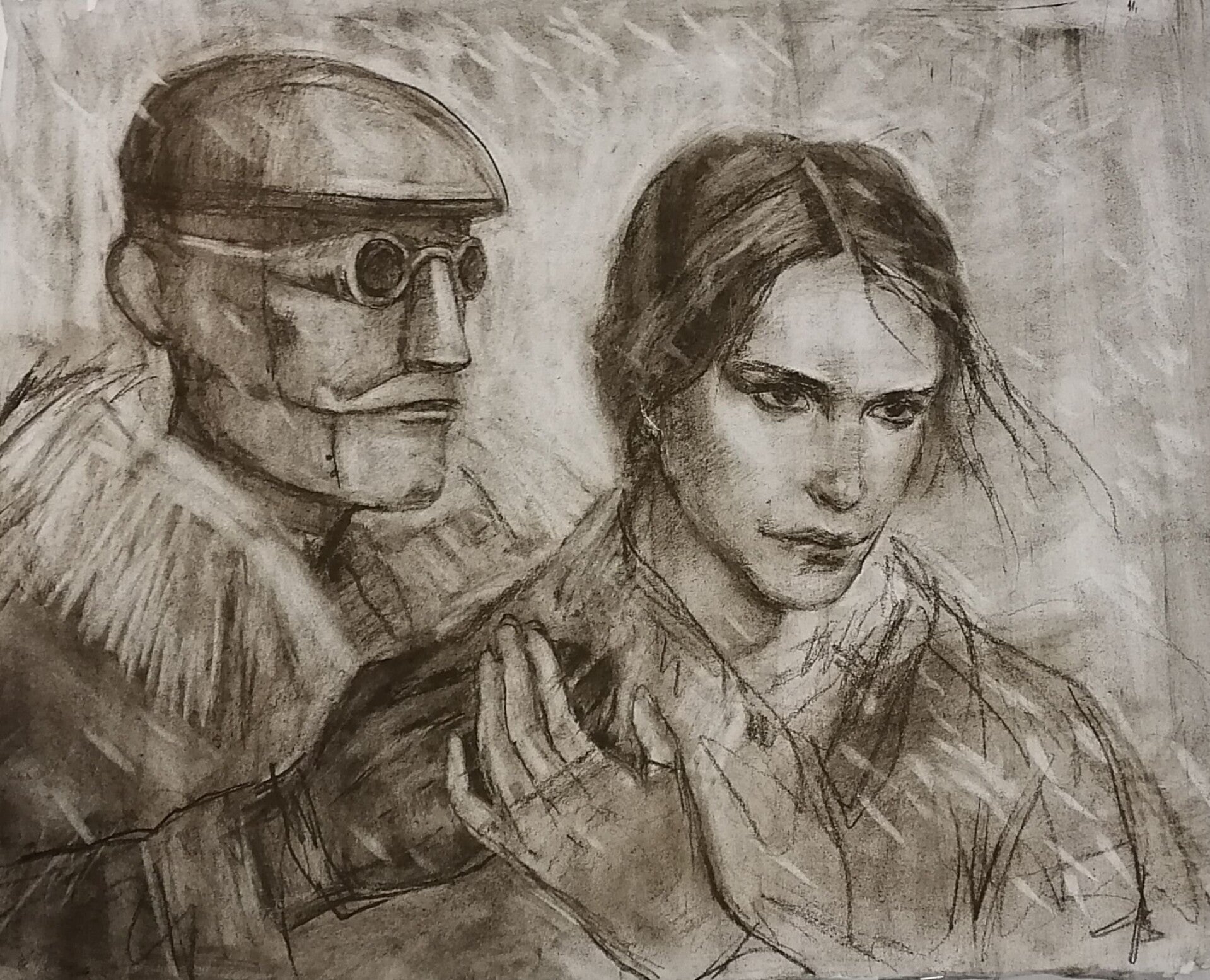
Oscar pointed me toward the ticket booth — at least it was still part of the train platform. He was waiting there, pretending not to know me and “doing his work” as the station clerk. He give me a train ticket yet; handed me the departure form. Without the signature and official stamped document confirming the transfer of the Voralberg train he wouldn’t issue anything. Until I won't complete the remaining tasks, he wouldn't begin the journey.
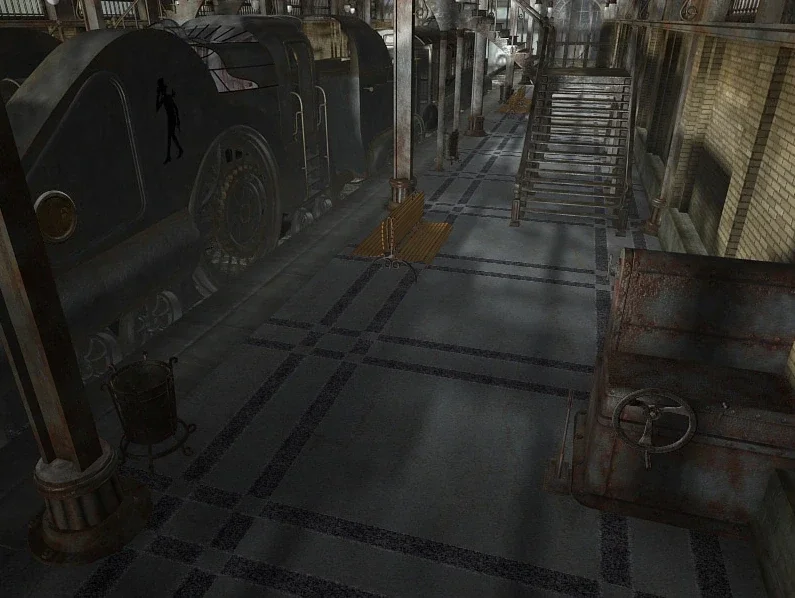
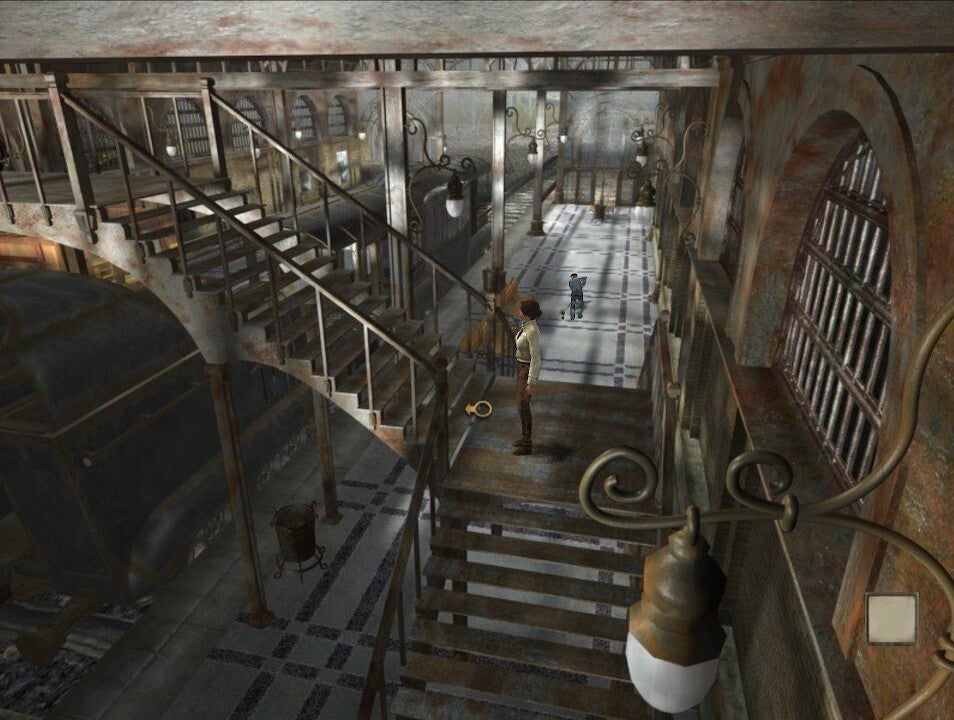
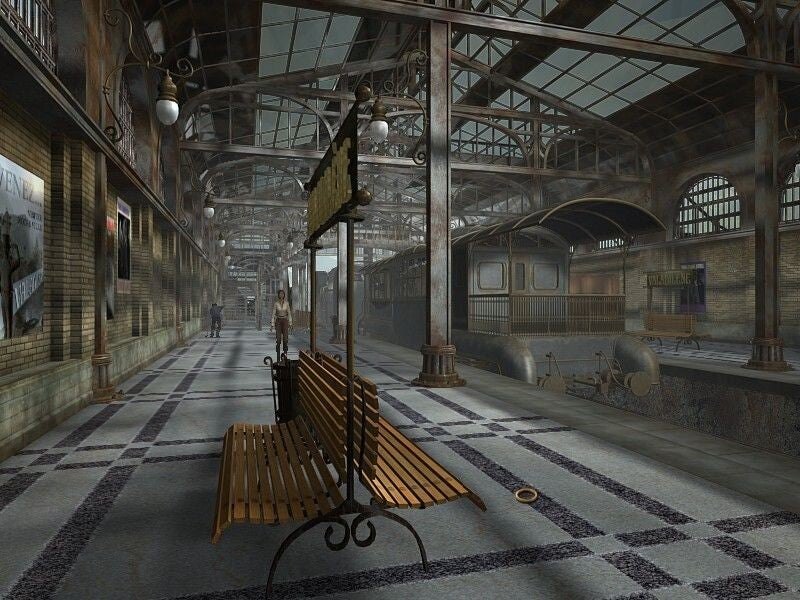
Well then — I would have to gather the papers and secure my place on the train.

I made my way back to the notary. He had mentioned that the inheritance papers were incomplete, and that Anna had likely left the remaining documents in her office room. So I returned there to retrieve them. Back in factory where was her office, I gathered the documents she had left in her drawers and on her desk.
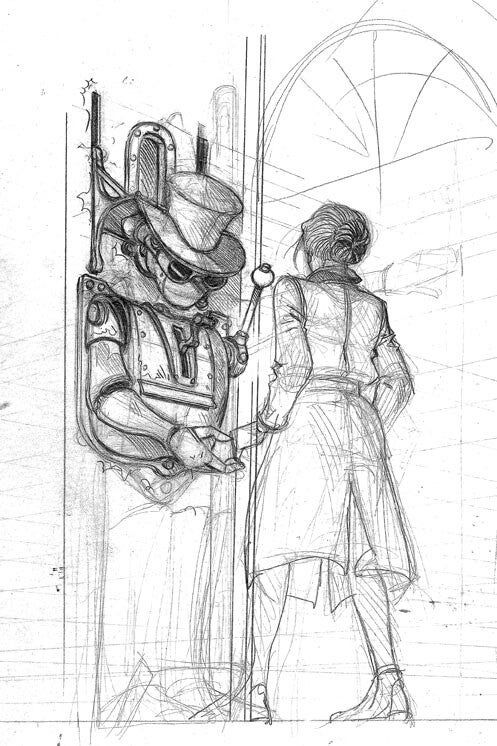
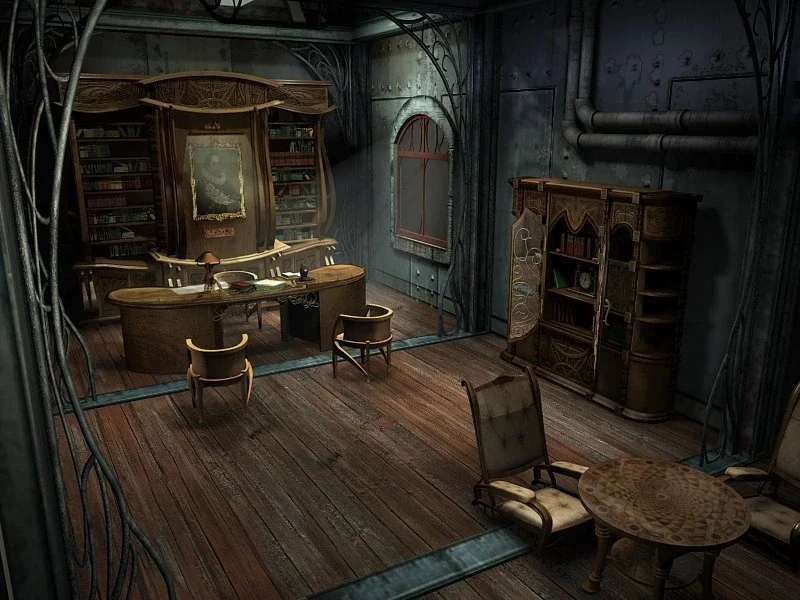
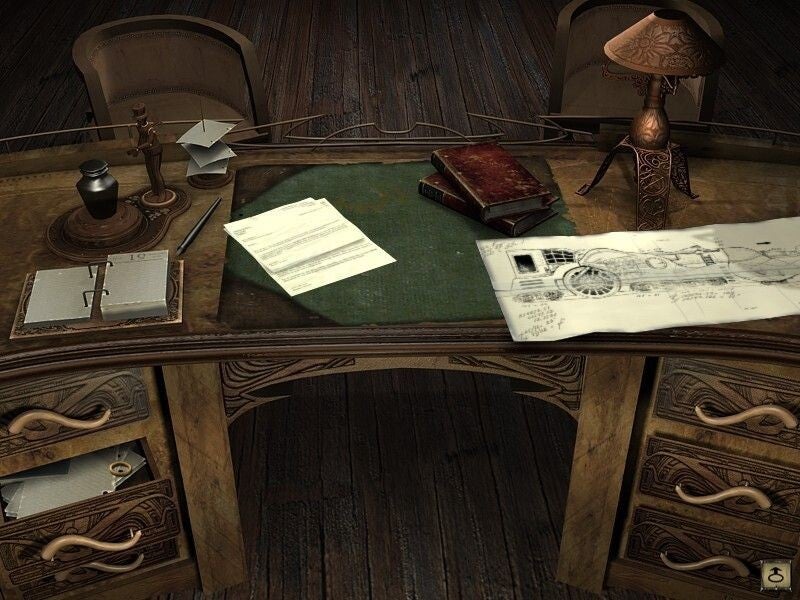
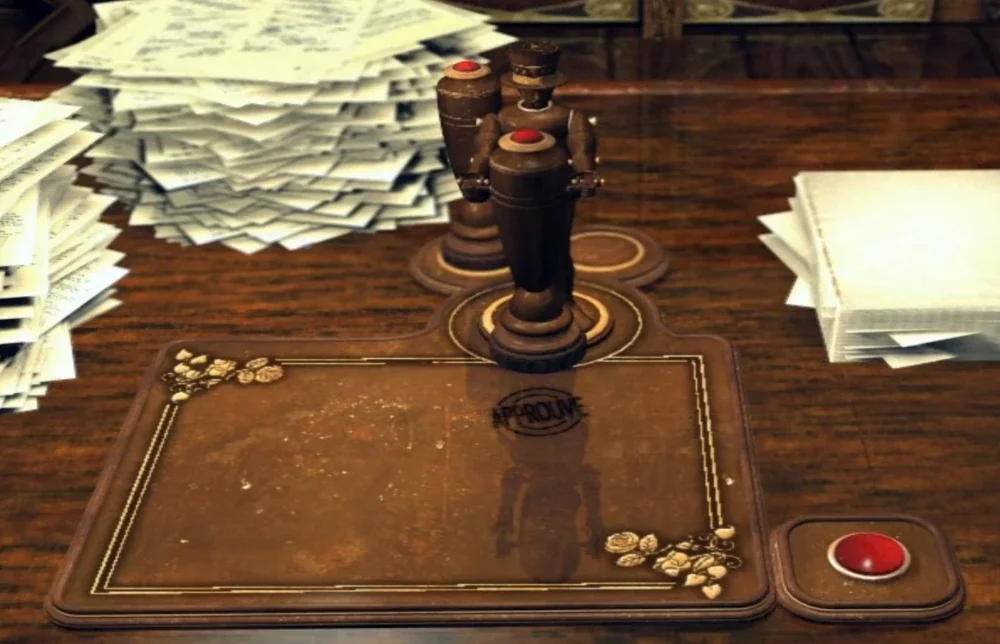
Among the papers I also found something more personal — a letter from Anna, and hidden behind a book puzzle, in the closet was what looked like a music box. The notary signed the papers, completing the legal part of the inheritance. Only the mechanical stamp remained. I activated the stamping automaton and received the official seal. Once I returned from all the additional running around, I gave him a form, additionally as the conductor now, he punched ticket, and at last I was allowed into the locomotive.

Upon departing train did I realize I had forgotten about my luggage entirely. My suitcase was still at the hotel. I had assumed I would find Hans, sign the papers, and return for it — or maybe the company would send someone to retrieve it before I went back to New York. But at that moment, everything was uncertain. All I could do was follow where this railway led.
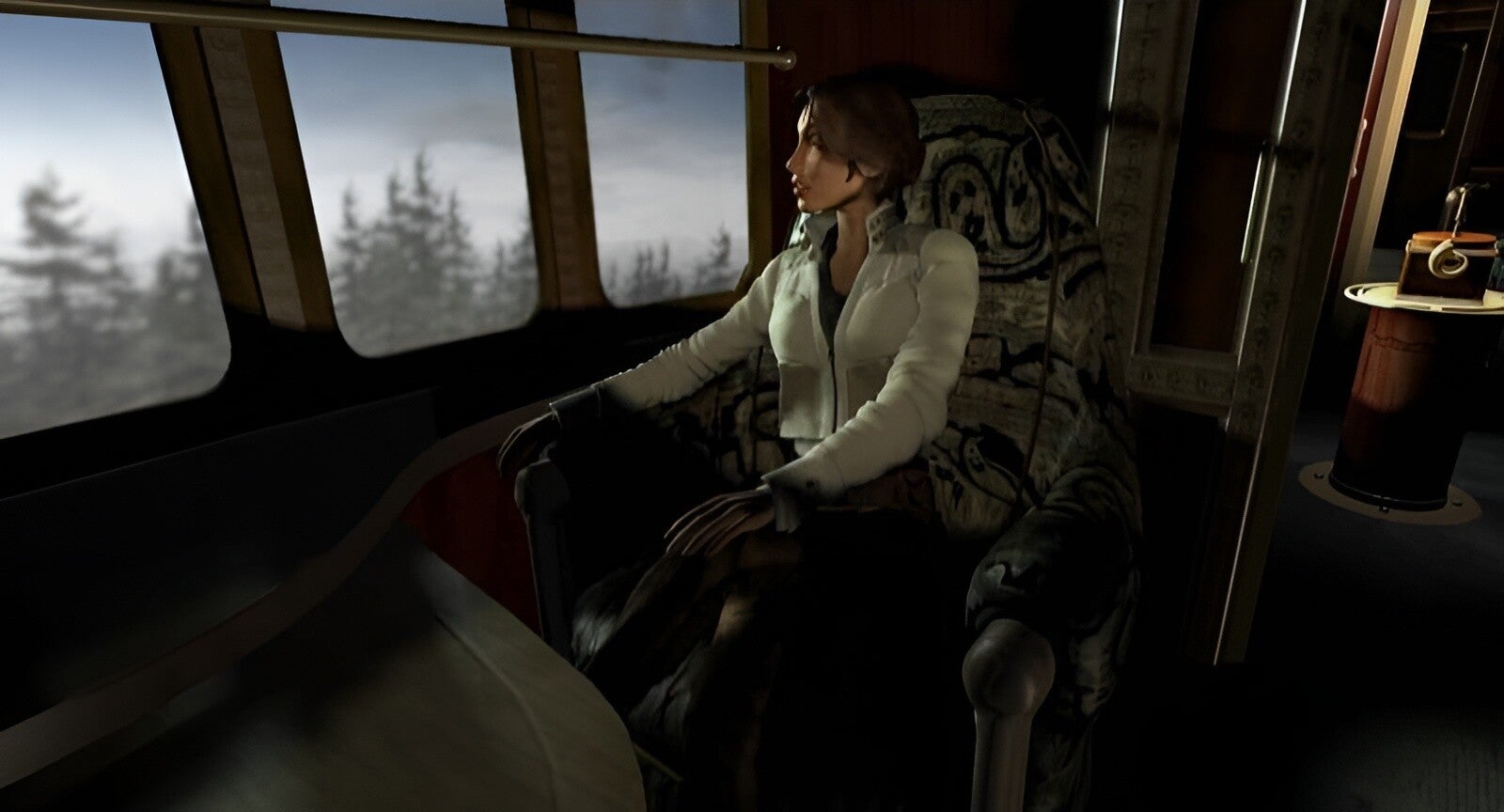
Train slowly but finally began to move, I stepped across the passenger car to separated room. It was quiet, except for the steady rhythm of the automaton engine. It looked like a trophy room or collection room. At the center was a pedestal, on top of it a place for music box, at it's middle of the column a place for voice cylinder's to play. In Valadilene, I had found few Voralberg voice cylinders — personal recordings left behind by Anna, at least first could be.

As I listened to each cylinder, a clearer picture began to form. Anna spoke about her childhood with Hans, their relationship, and the events that shaped their lives. Every new cylinder added another piece to the story. One of the last cylinders couldn’t be activated without the melody from a music box. When a melody begun to play, the automaton figures revealed a detailed reconstruction of the accident in the cave — an extraordinary piece of craftsmanship, both precise and unsettling.
Sometimes I wondered whether I was losing my mind, following an old man’s dream across Europe and Russia. Or maybe I was simply exhausted by the constant phone calls urging me to return home, finish the job, and move on. But perhaps the real question was one I had never asked myself: what did I want?
Maybe Hans felt the same way once — that a dream others dismissed as childish might hold a deeper meaning. And maybe that was why I kept going.
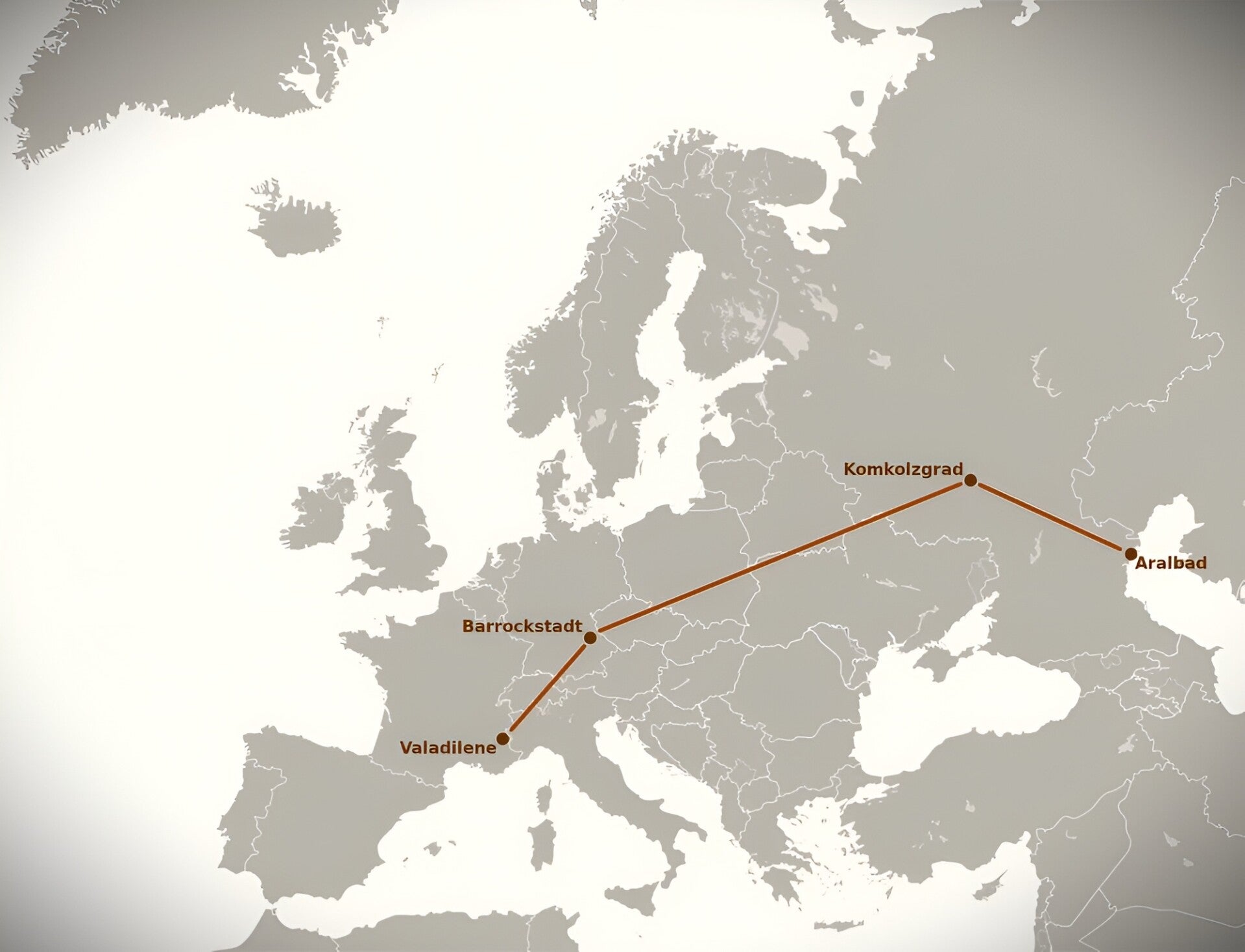
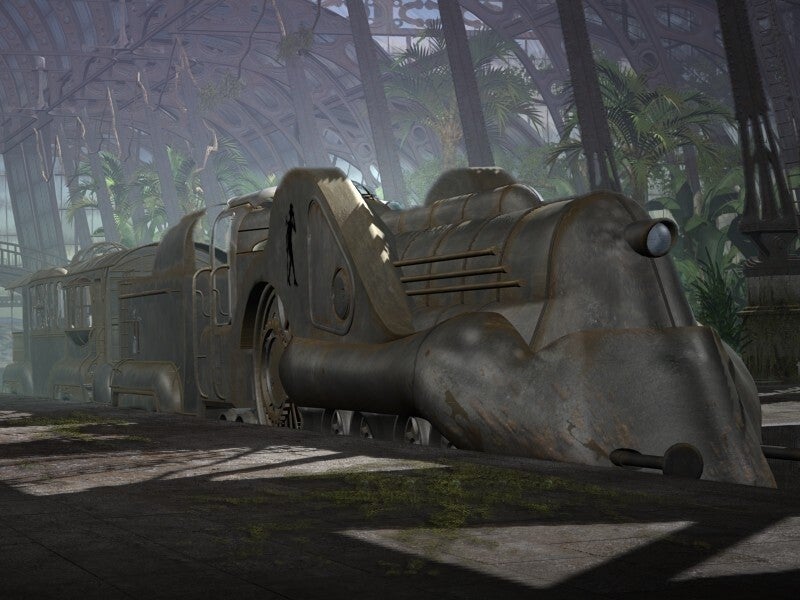
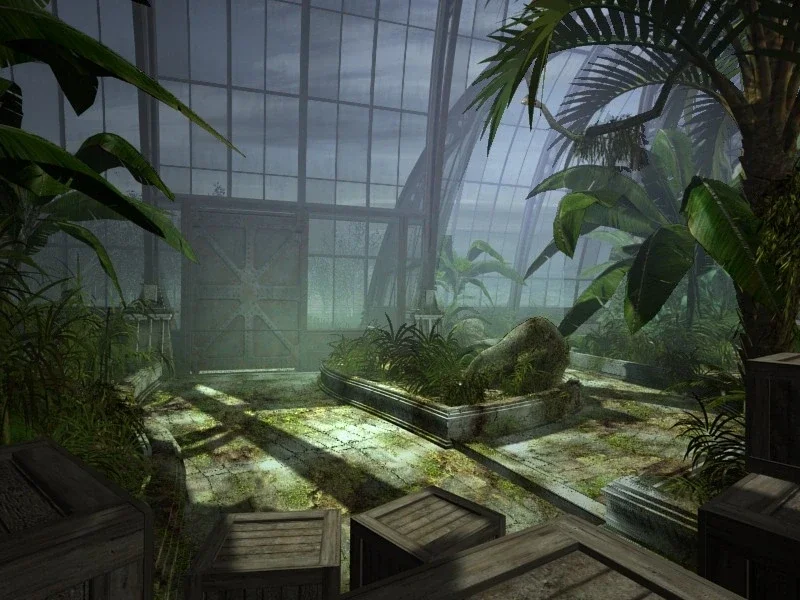
The train arrived in Barrockstadt, which turned out to be a university town. We rolled directly into what looked like a botanical garden — a humid, overgrown greenhouse filled with tropical plants. It was stunningly beautiful, an oasis beneath a large glass dome, warm and bright compared to the cold weather outside. When I asked Oscar why we had stopped, he explained that the train’s spring was completely unwound. To continue the journey, I needed to gain access to the station’s winding mechanism and find a way to reactivate it.
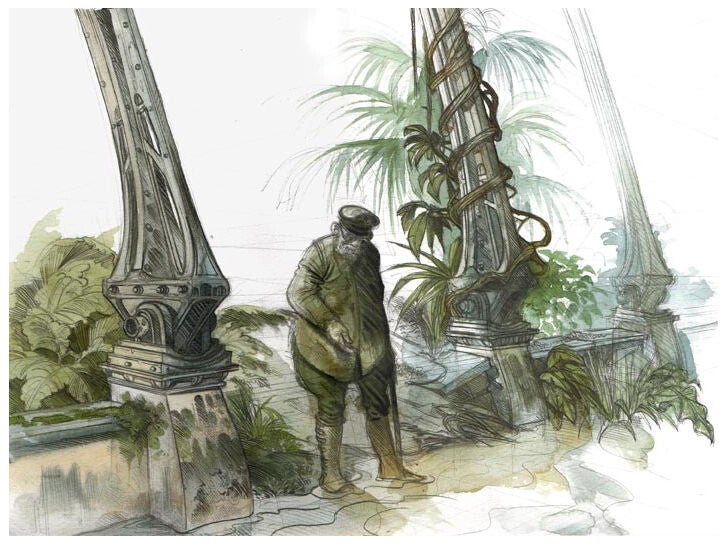
While exploring the garden, I encountered a strange, nervous man — the stationmaster — who at least confirmed where we were and that the university grounds lay further ahead. He also pointed me toward the general area where the station’s winding mechanism could be found, though he made no much effort to assist with the train himself.
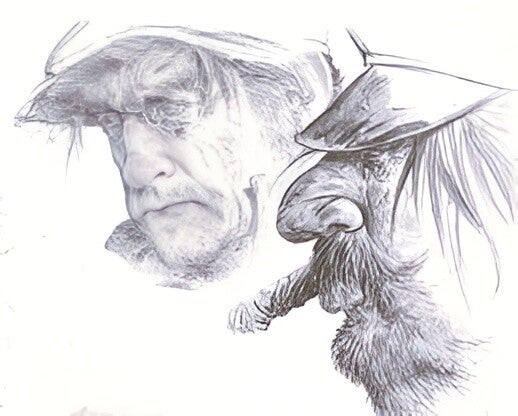
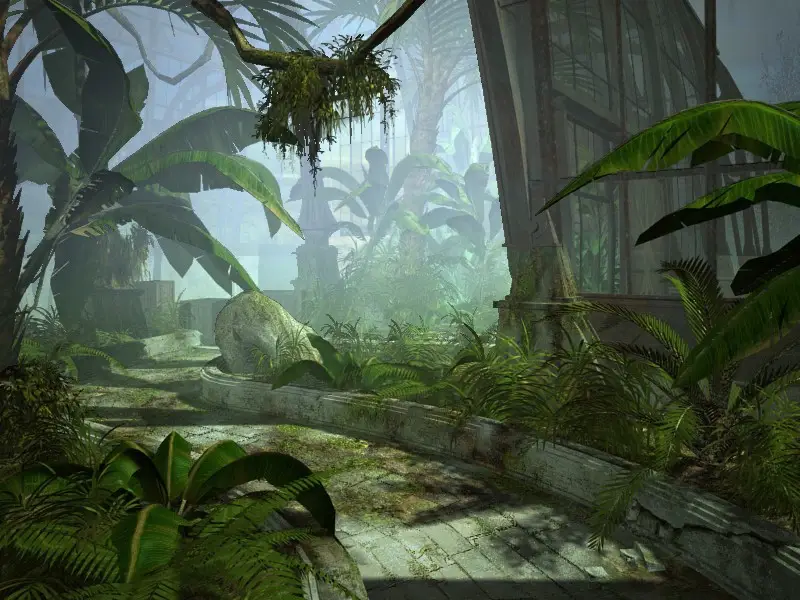
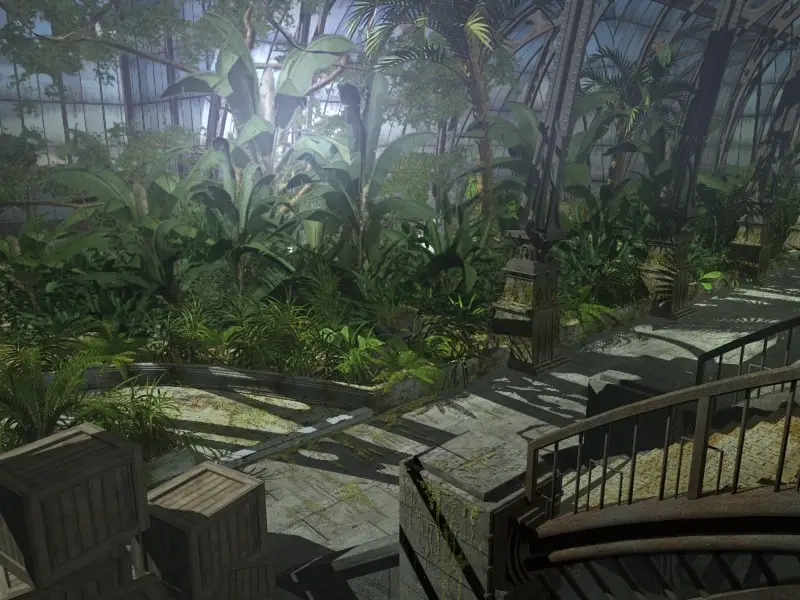
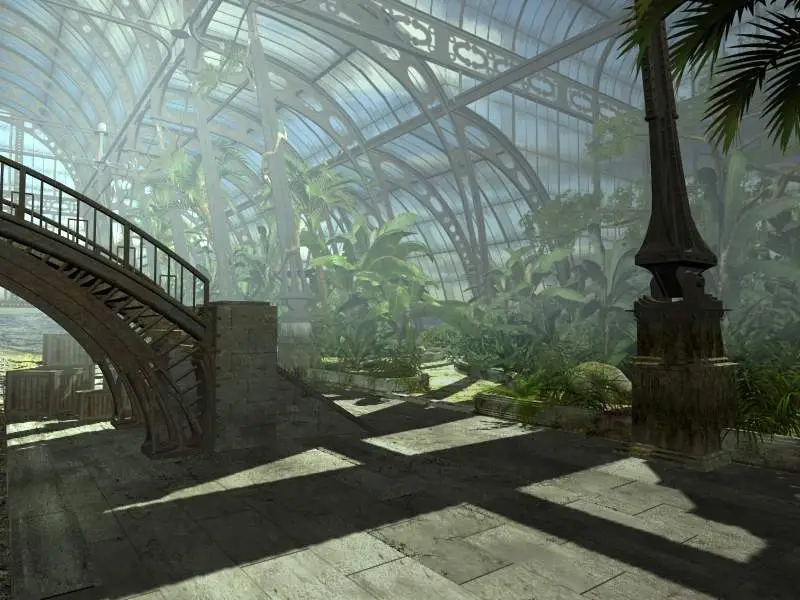
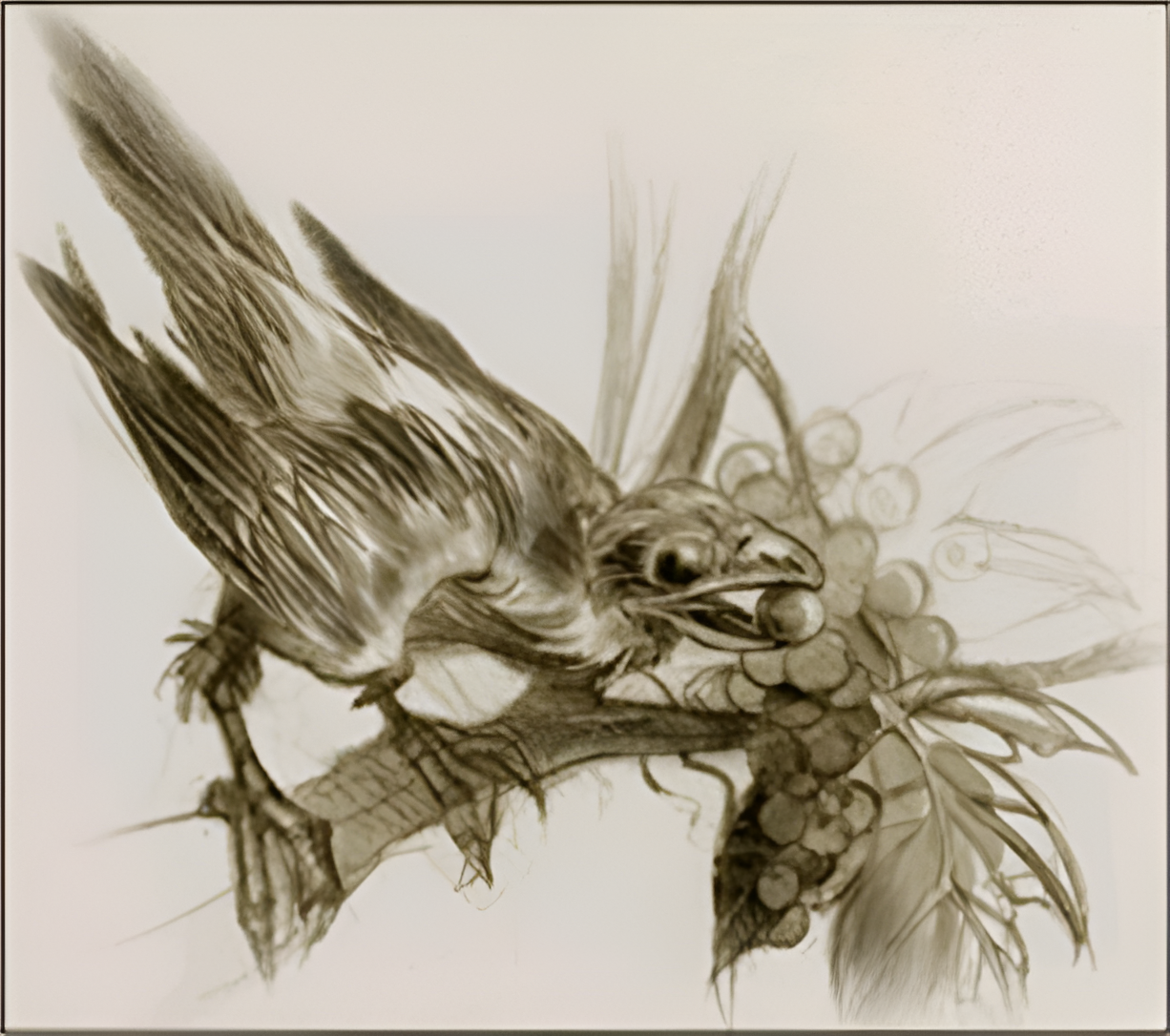
It wouldn’t be a tropical garden without fauna, and sure enough, birds had made this place their home. A cluster of bright red birds perched along the stone archway, their cries echoing through the greenhouse. Something inside their nest caught a faint metallic glimmer in the light.
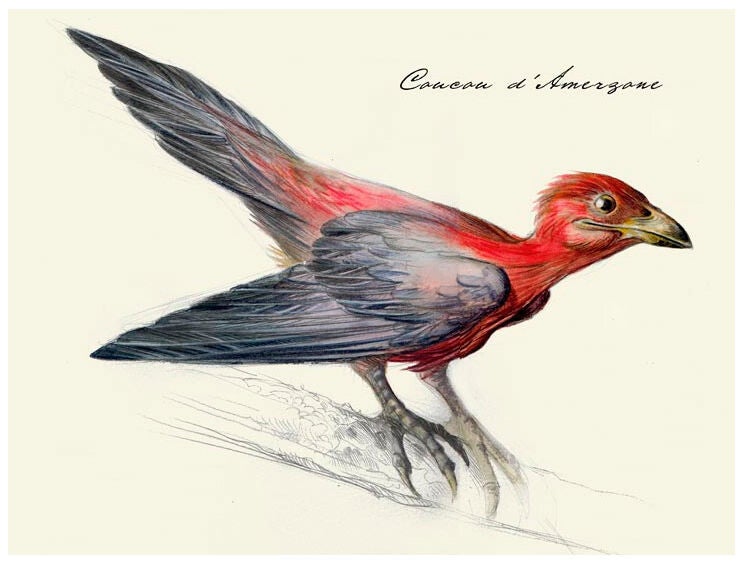
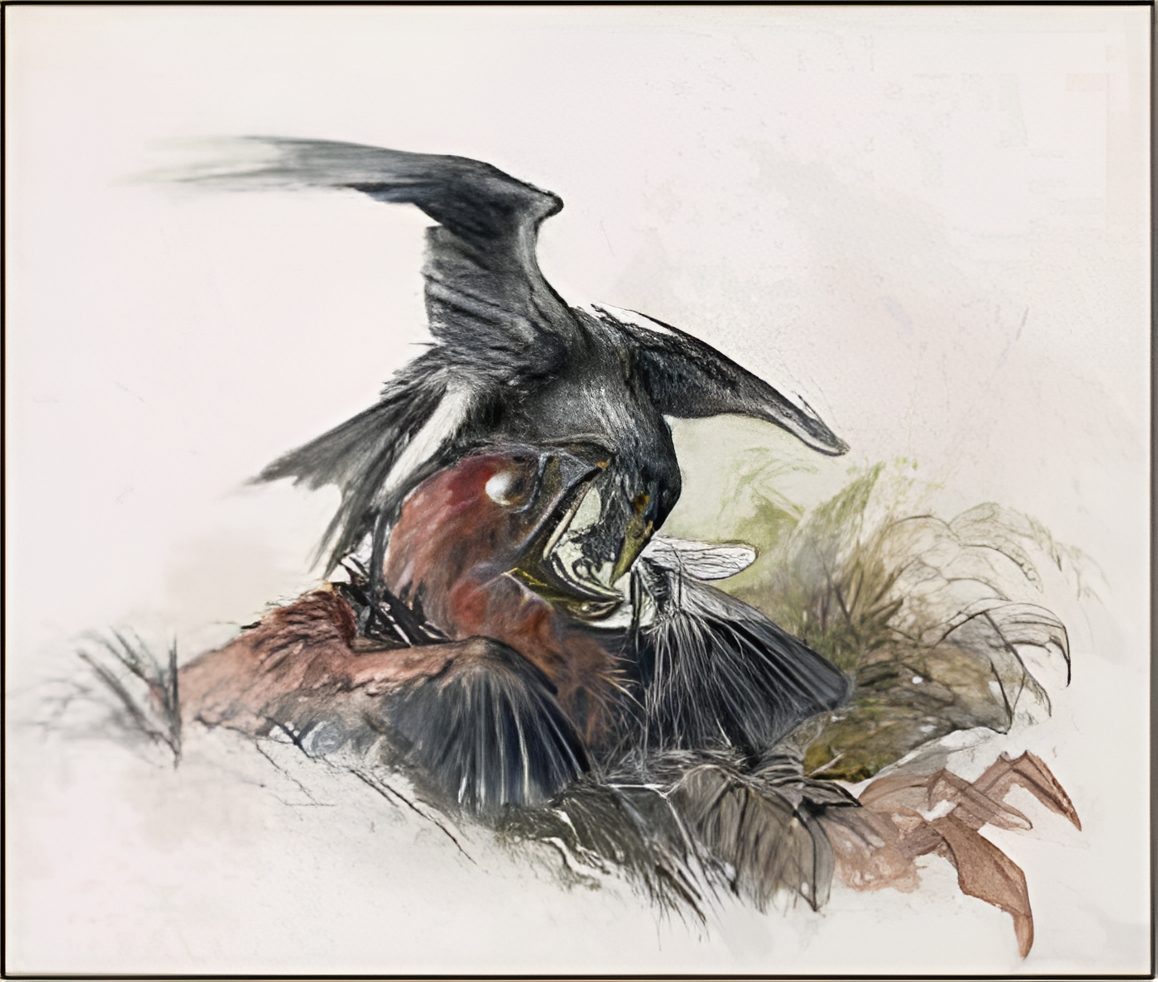
When I tried to approach, the birds reacted aggressively. I would have to gather information about them, certainly the answer would be in library, which would be in university. To skip ahead, those birds are named Amerzone cuckoos — territorial, easily provoked, and frightened only by the call of a mechanical predator. Whatever they were guarding in that nest, I would need it later.
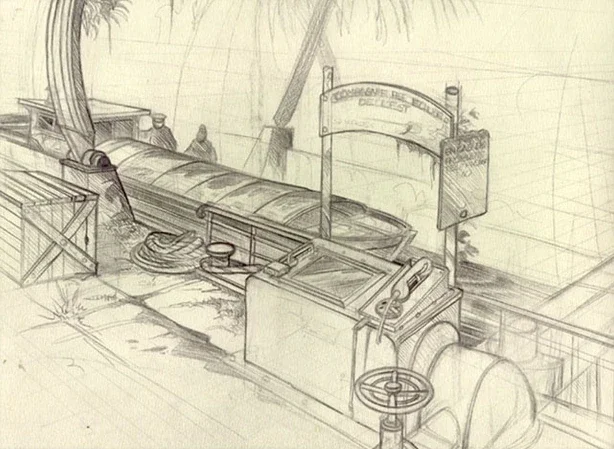
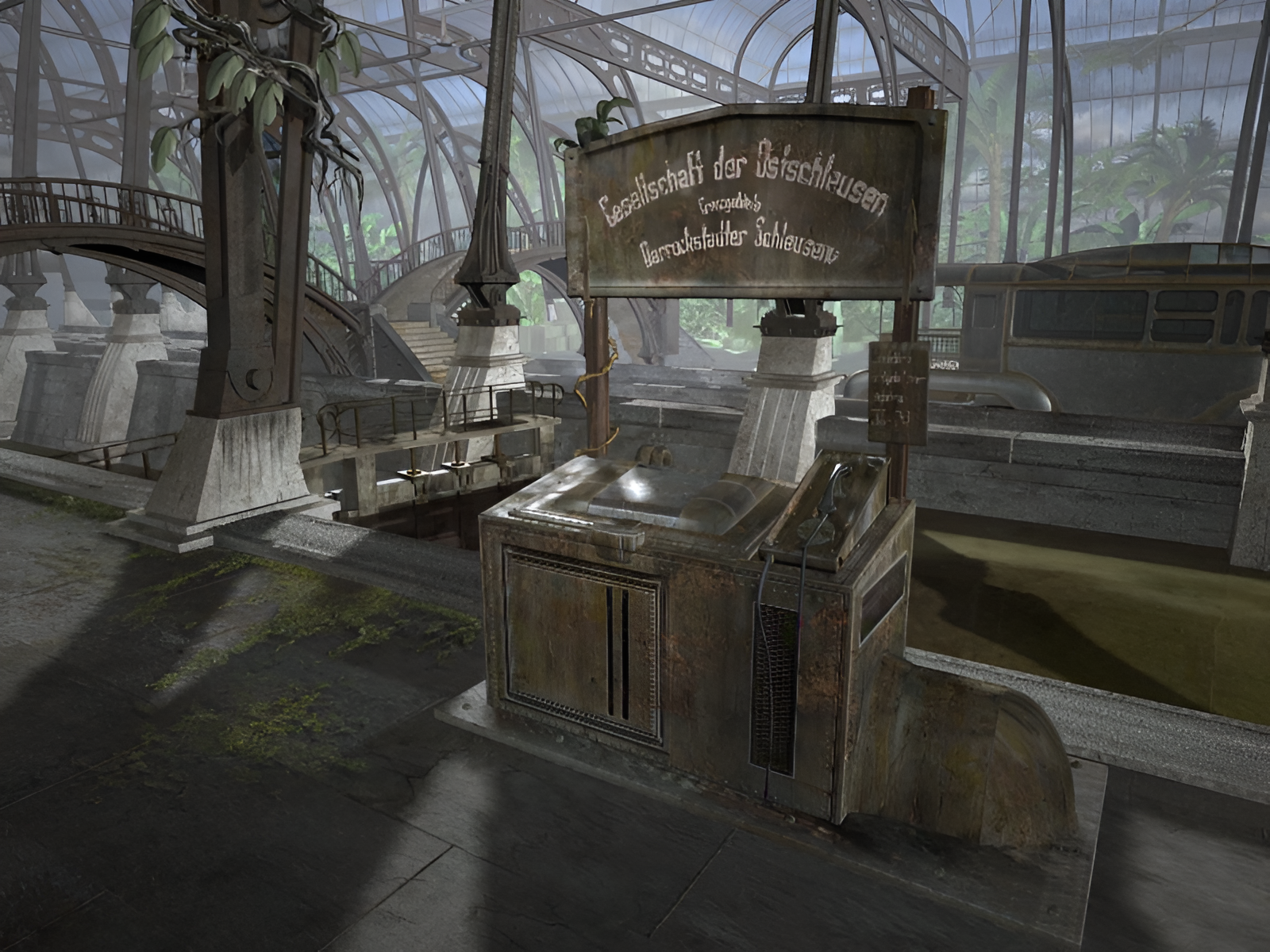
Near the center of the botanical garden, I found a pond surrounded by pipes, valves, and an old control panel. It was obvious that the system was meant to supply water both to the garden and to the university grounds beyond. But the water level was low, the pipes were dry, and the machinery connected to them was completely silent. Whatever powered the university’s winding mechanism clearly depended on this network, yet the solution wasn’t here. I examined the controls, but without understanding how the larger machinery functioned, any attempt to manipulate the valves would have been pointless. If I wanted to re‑spring the train, I needed to see how the water from this pond fed into the campus systems and what exactly was required to bring everything back into operation.
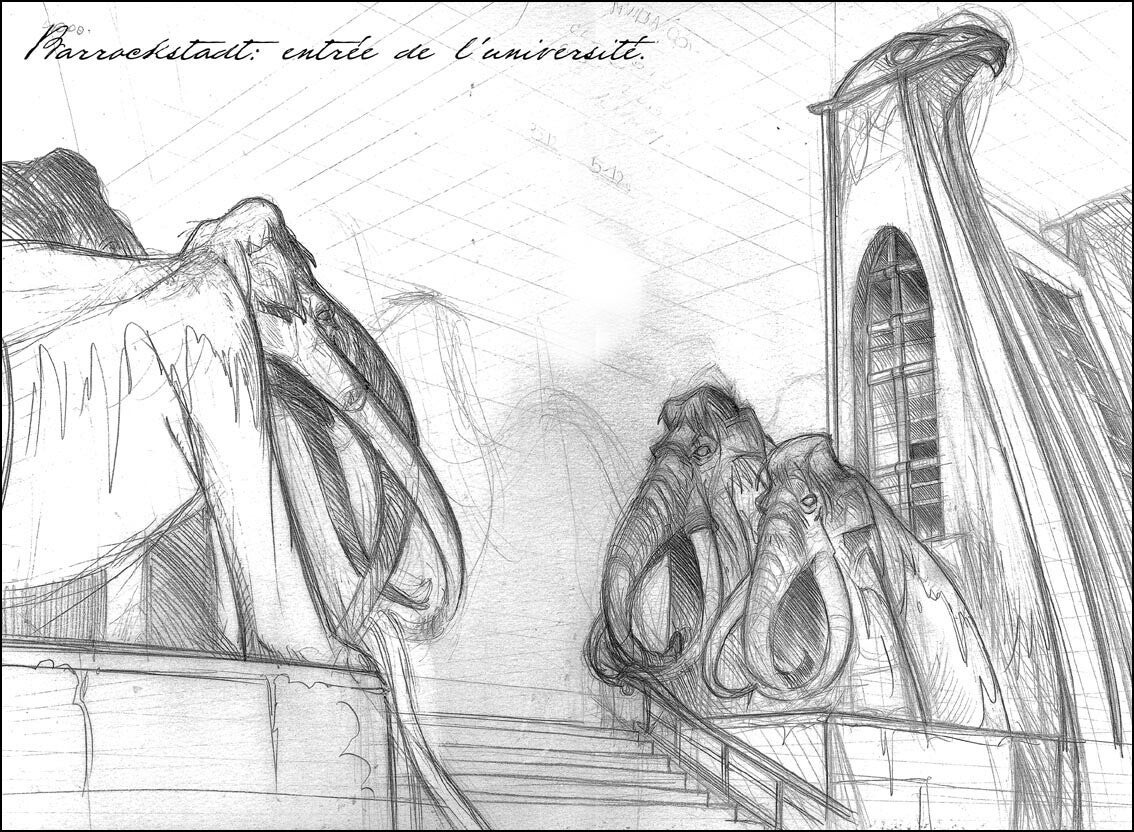
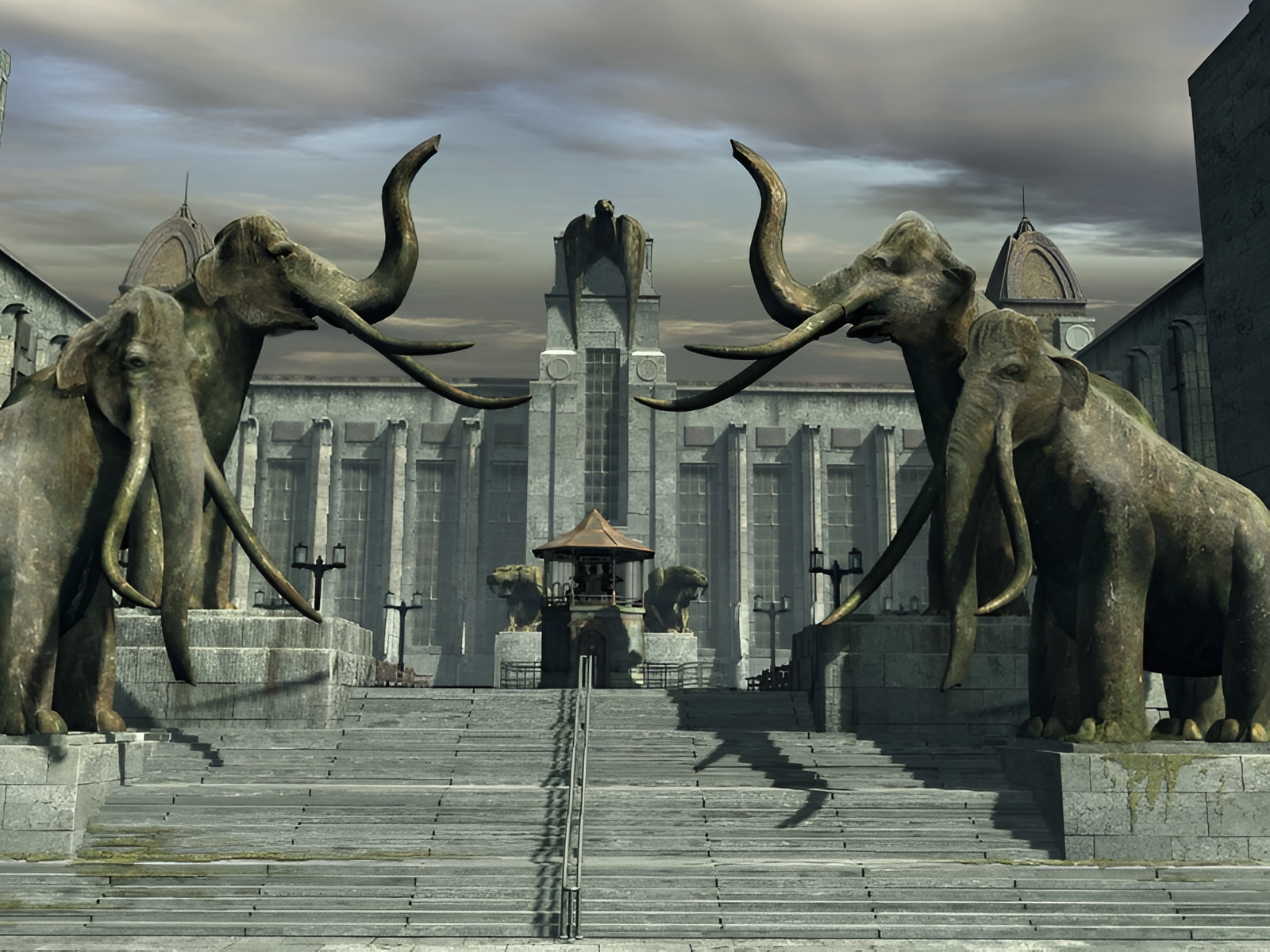
Passing through the garden doors, I crossed into the university courtyard. At first I thought I’d stepped into a prehistoric museum, or maybe an Ice Age paleontology association. On the lower grounds I was greeted by massive statues of mammoths, the metal darkened with age yet still making an impressive statement across the square.
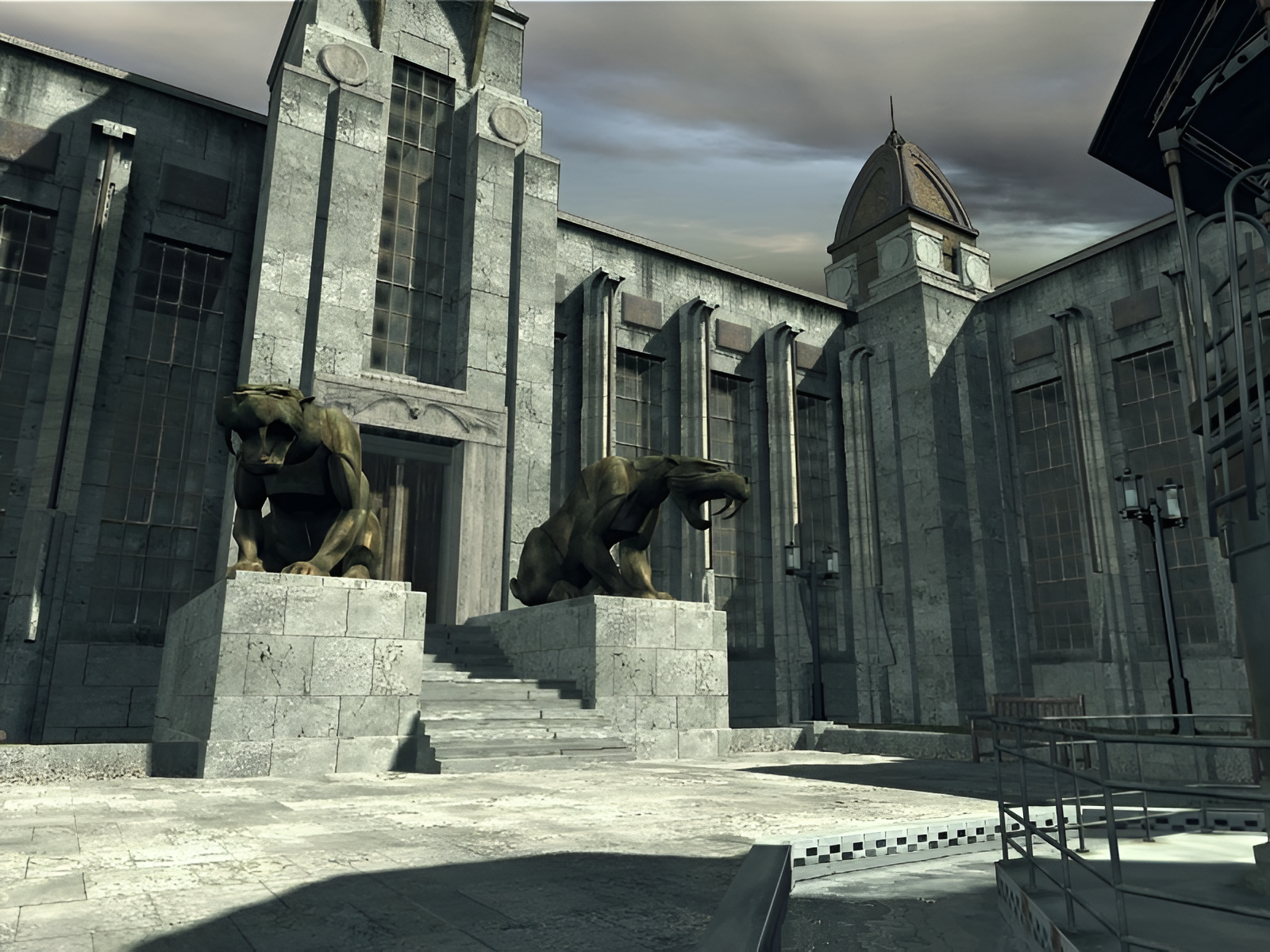
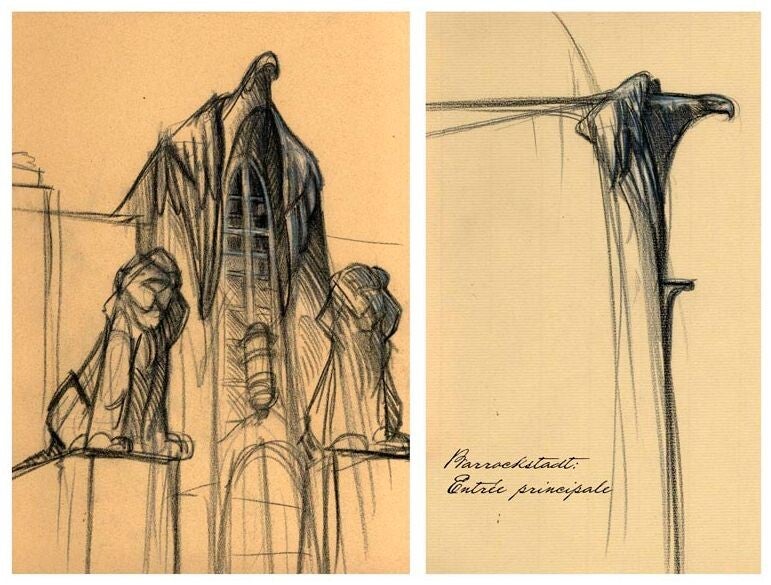
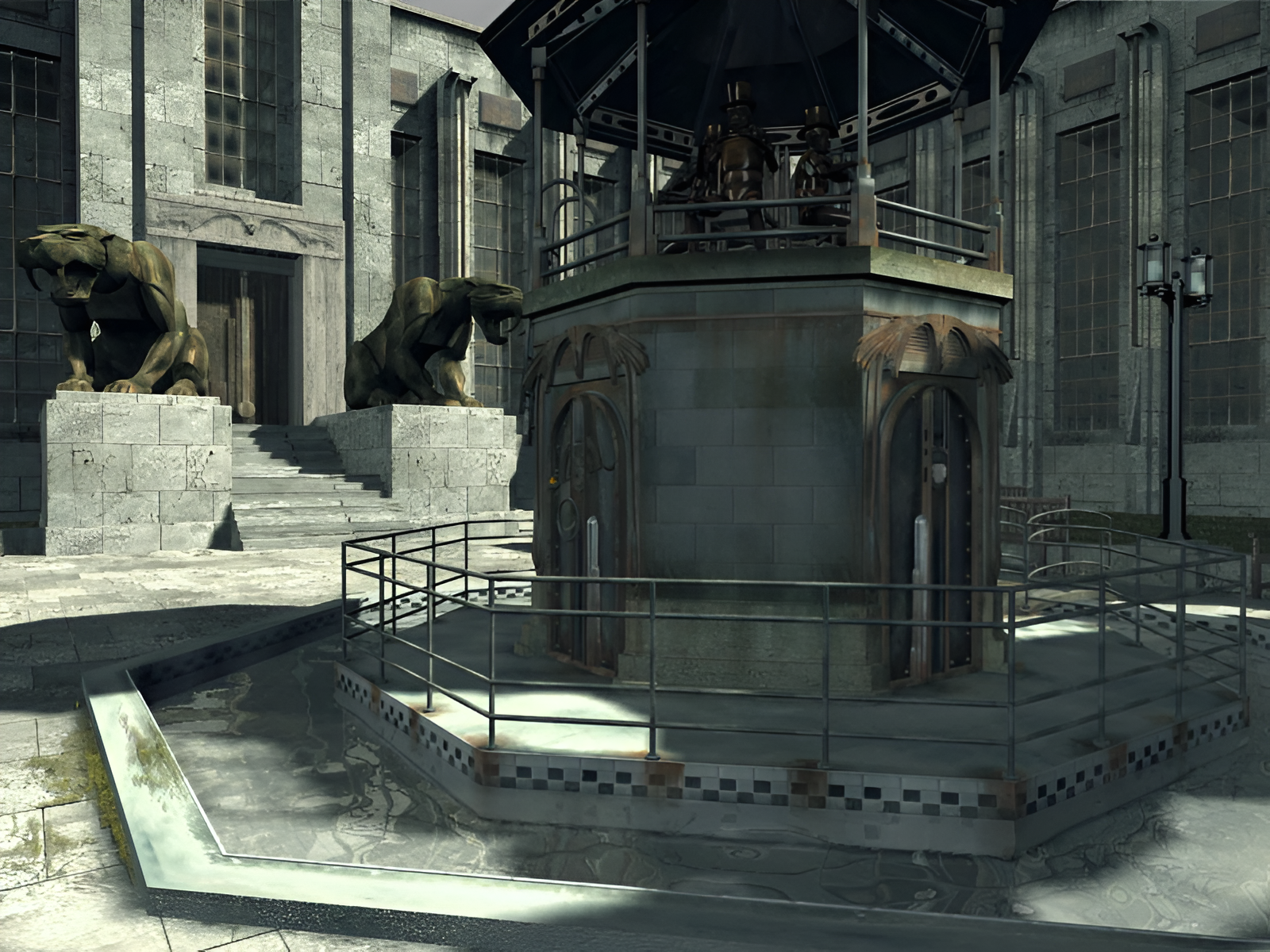
Only when I climbed the stone steps toward the university building did I notice the pair of saber‑toothed tigers positioned above, watching over the entrance. If they hadn’t been bronze, I might’ve believed they were alive. Even so, their presence didn’t quite overshadow the gazebo in the center of the courtyard, with mechanical musicians — an elaborate automaton installation now silent, its control mechanism hidden beneath the platform, as I’d later discovered.

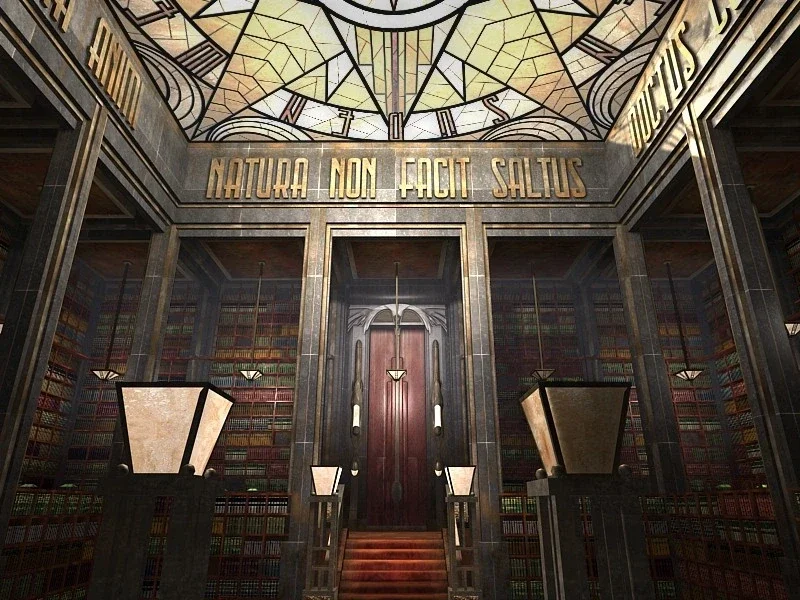
Long corridors lined with wide halls, accompanied with echoing footstep, the high ceilings made it hard to tell where I had already been. The only real way to keep track was by the displays along the walls — reconstructed skeletons, fossil fragments, mostly Ice Age specimens.
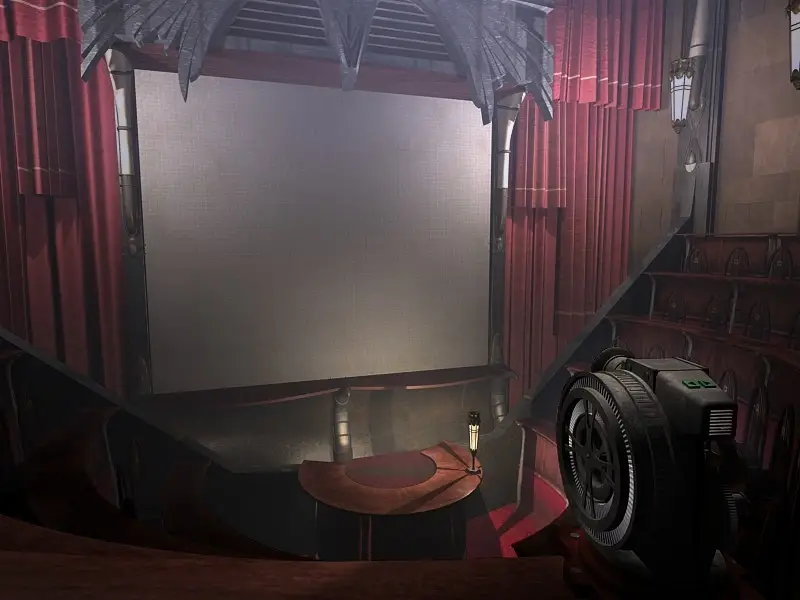
I left the lecture hall and followed the next corridor, hoping to find an administrative wing or at least an office where someone could help me with the water‑flow problem.
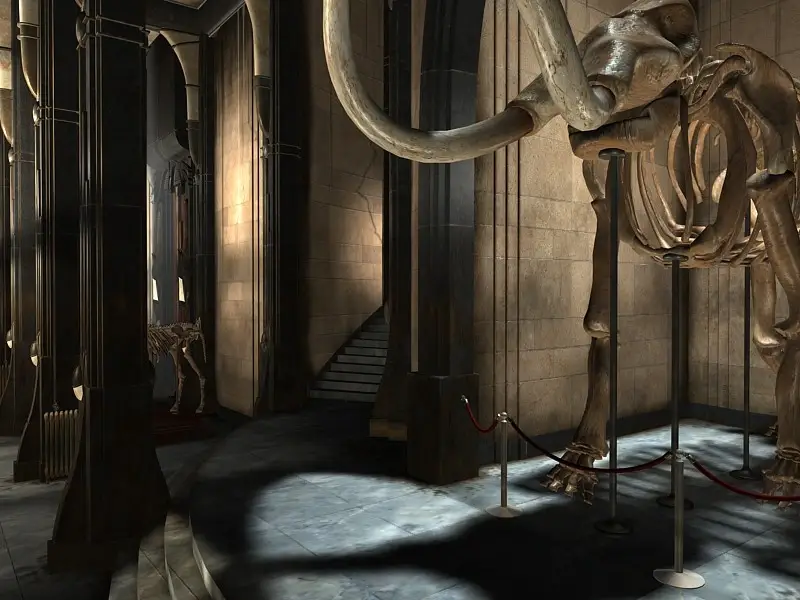
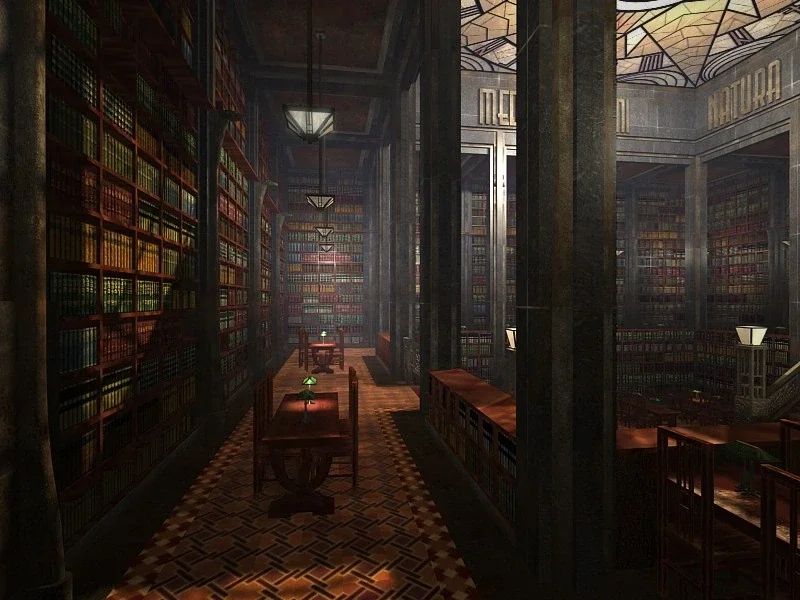
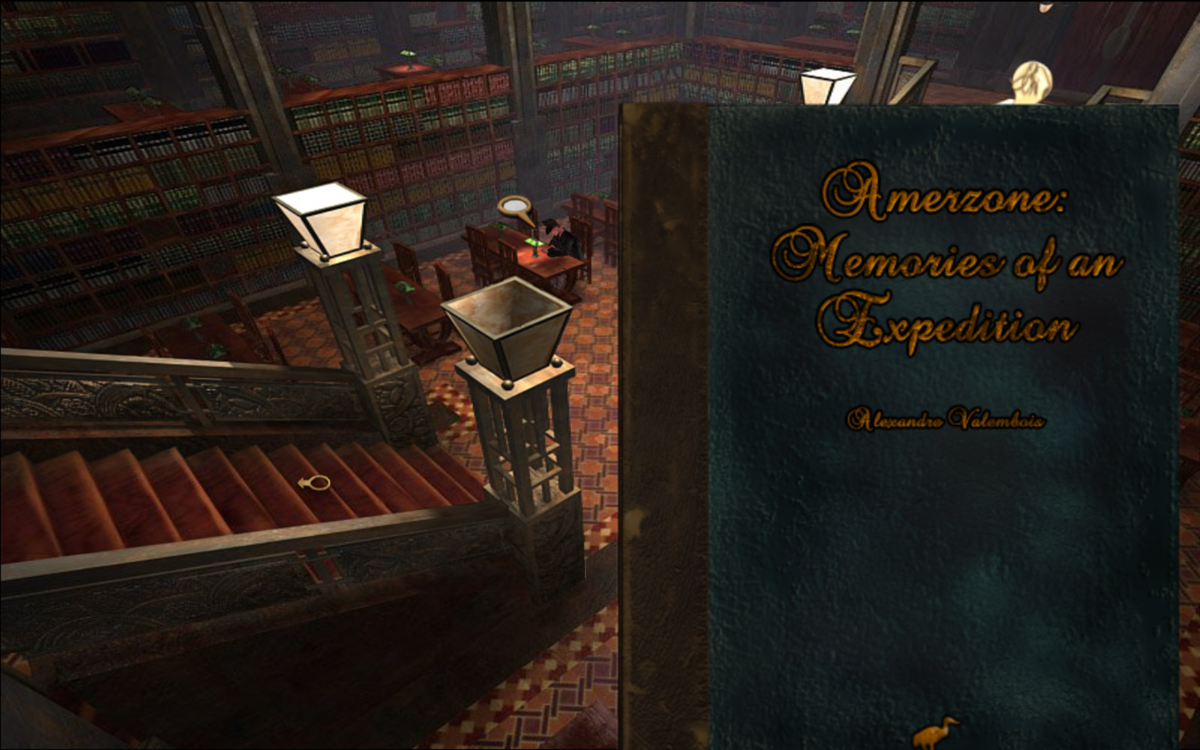
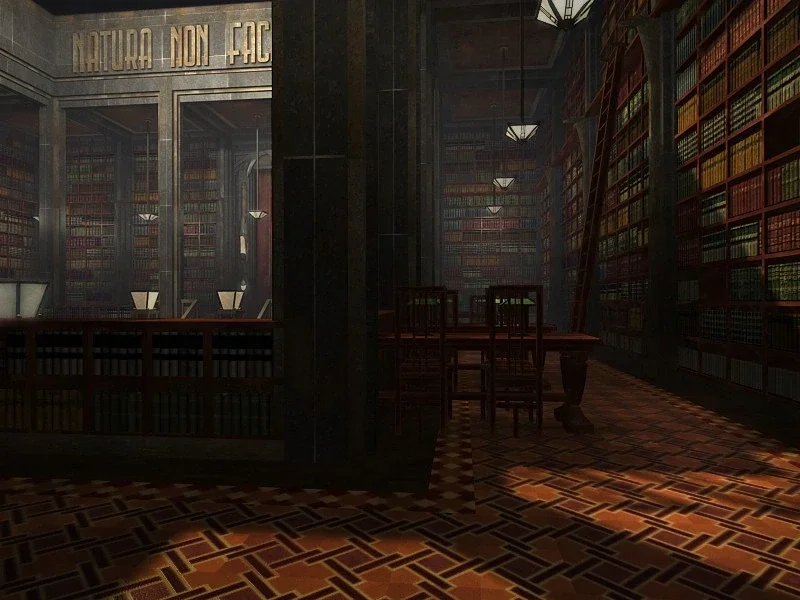
Eventually I found myself in the library were I found book about birds, it will come in handy back at botanical garden.
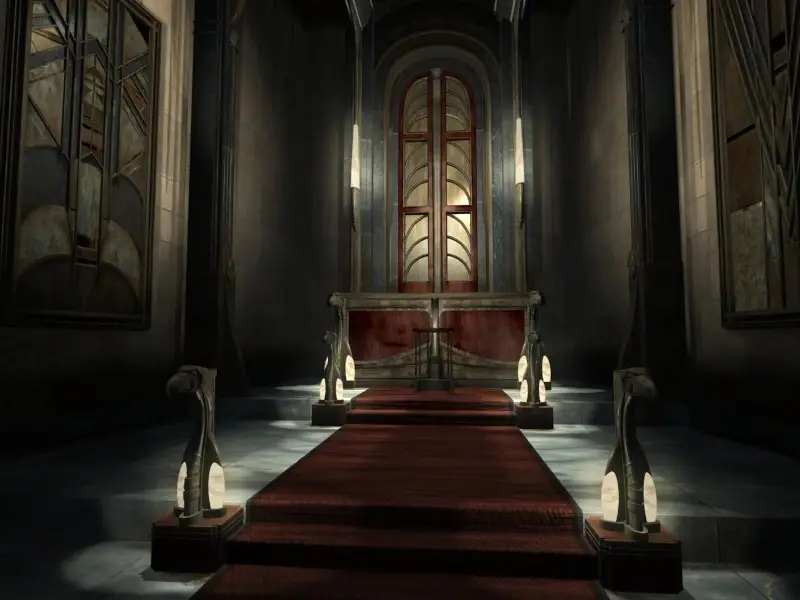
They remembered him well — brilliant, imaginative, and constantly pushing the limits of their curriculum. They spoke of his fascination with mammoths and the Youkol people, how he’d spent hours in the lecture hall studying migration routes and ancient legends. Eventually, they admitted he had left the university abruptly, chasing ideas they had dismissed as “too speculative” at the time.
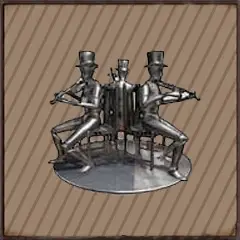
A few students lingered around the courtyard, crossing between buildings or talking quietly in the shade. It was all marvelous to behold, but I had to keep moving and get inside the university itself. Stepping inside the university, it was surprisingly easy to get lost and wander in the wrong direction.
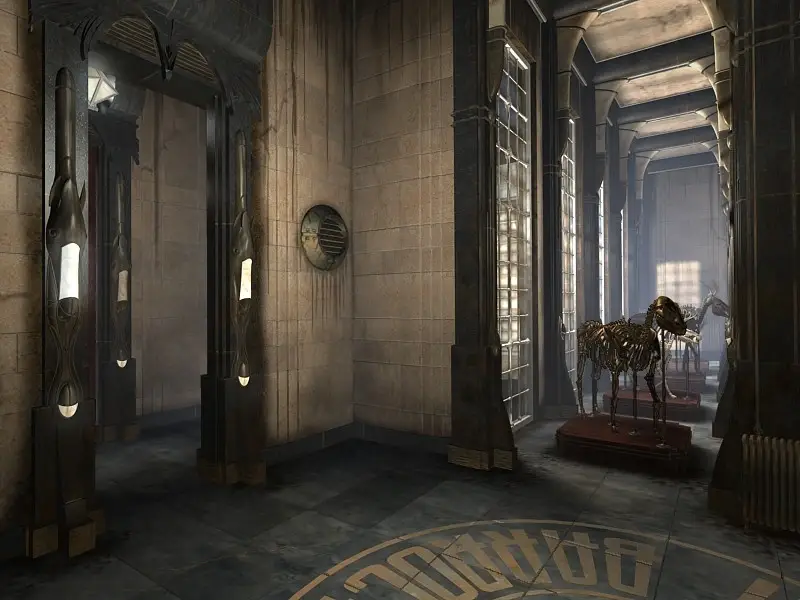
The deeper I went, the more it felt like a museum rather than a university. At some point I must have taken a wrong turn, because I ended up in a large lecture hall. Rows of red velvet seats faced an old film projector. I will return here later.
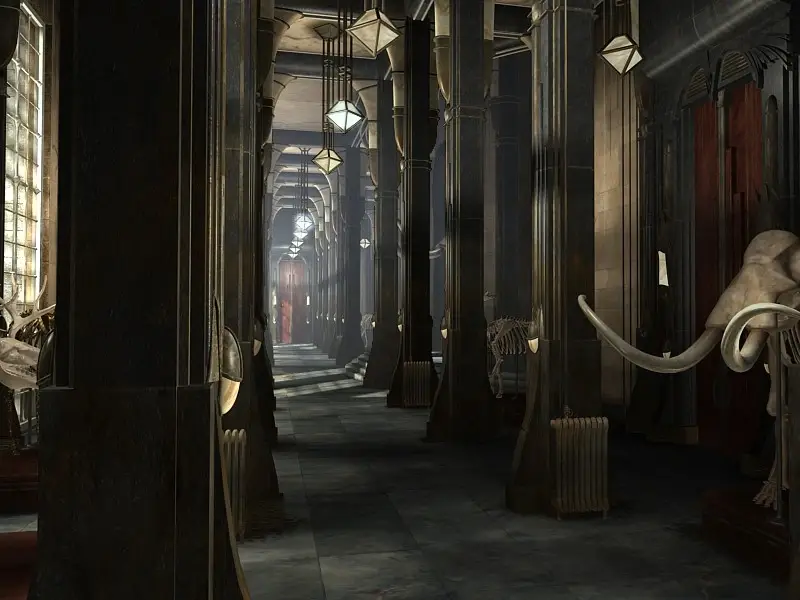
But with the same echo underfoot and the same paleontology displays lining the walls, I started to feel like I was walking in circles through a research archive rather than a place where I might actually find another human being.
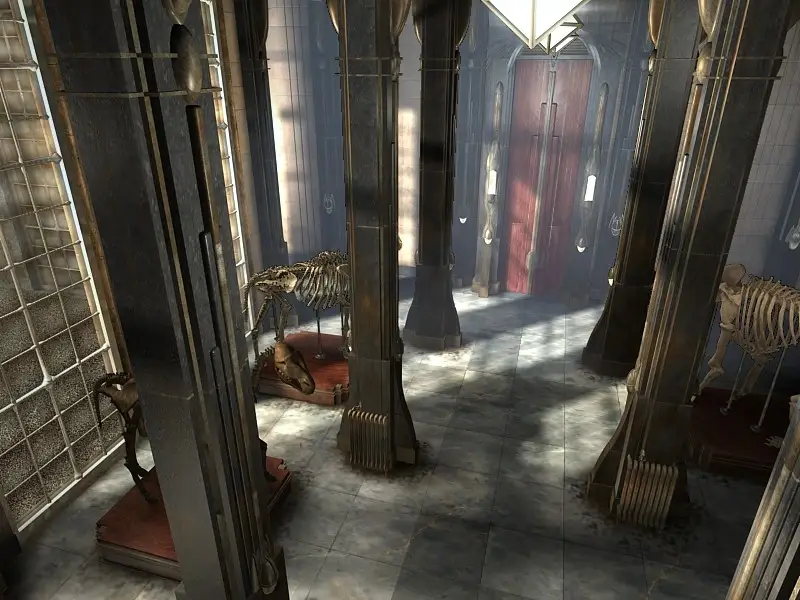
By some luck, the hallway finally ended at another door — heavier, older, and clearly used often. Inside, the room was cluttered with scientific material: stacks of papers, fossil diagrams, maps of excavation sites, and notebooks left open with dense academic scribbles. Three rectors were gathered around a desk, deep in discussion, and they barely noticed me until I introduced myself. It seemed the only thing capable of pulling them out of their research haze was the mention of Hans. The moment his name came up, their conversation overlapped into a long, tangled explanation about him.
When I brought up the train and the winding station, their tone shifted. They explained that the station depended entirely on the university’s water system, which had been out of service for a while. And naturally, they weren’t prepared to help me right away. Instead, they proposed a condition: if I repaired the automaton musicians in the courtyard gazebo, they would grant me the authorization I needed. It wasn’t the kind of academic assistance I expected, but at least it gave me a clear next step.
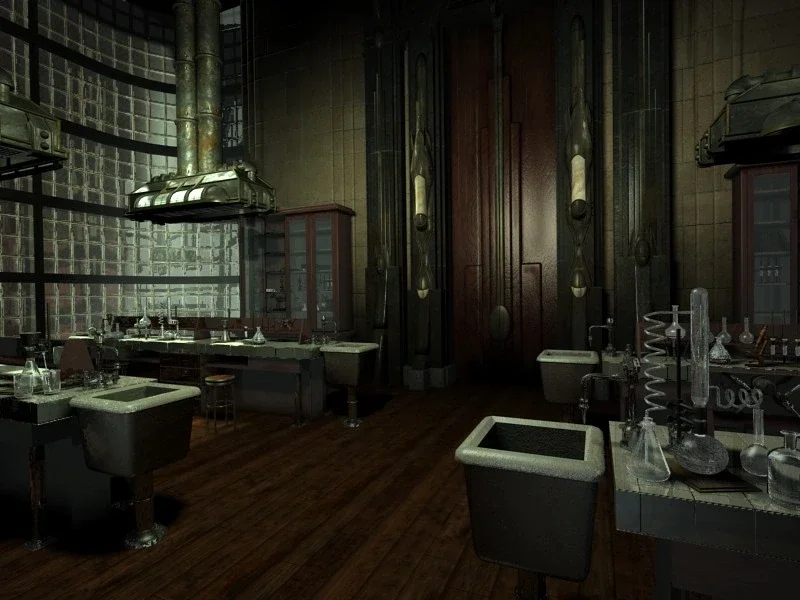
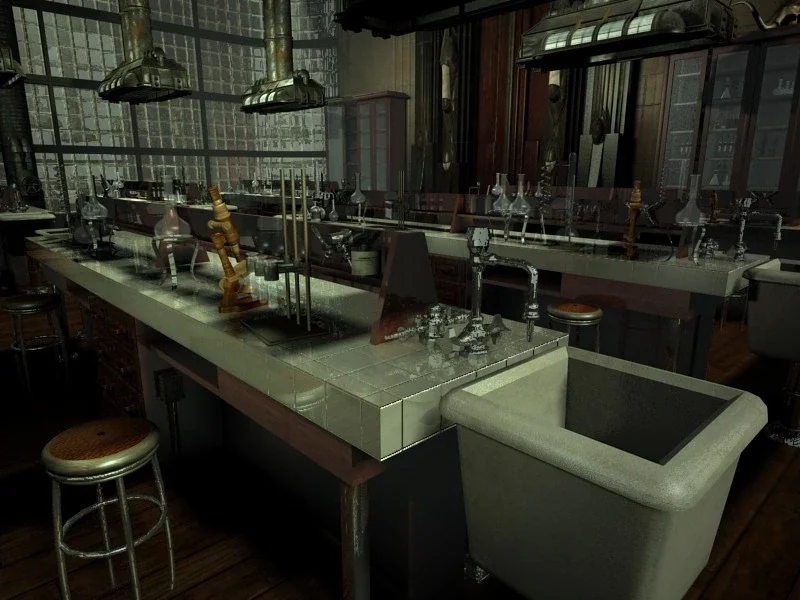
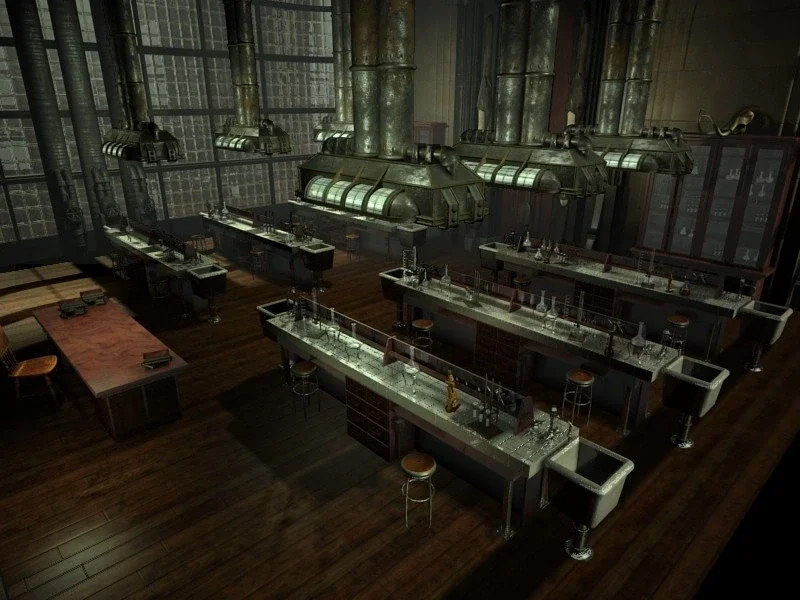
Navigating through the corridors I met one of the professors, I asked him about Hans, showed him the mammoth doll. He asked could he take it for research, he would call me when he found something interesting, I agreed, at least laboratory was open for me. I borrowed some things that would be useful to me.
I found my way back through the corridors to the courtyard and headed straight for the gazebo. Underneath it was a hidden hatch leading down to the mechanism — a short lowered staircase tucked right beneath the platform. The machinery was a compact tangle of gears and rods that had slipped out of alignment. After a careful adjustment, the gears clicked into place, and the musicians above me came back to life, playing a melody no one had heard in years. The beautiful automaton tune echoed across the courtyard, drawing attention from all around.
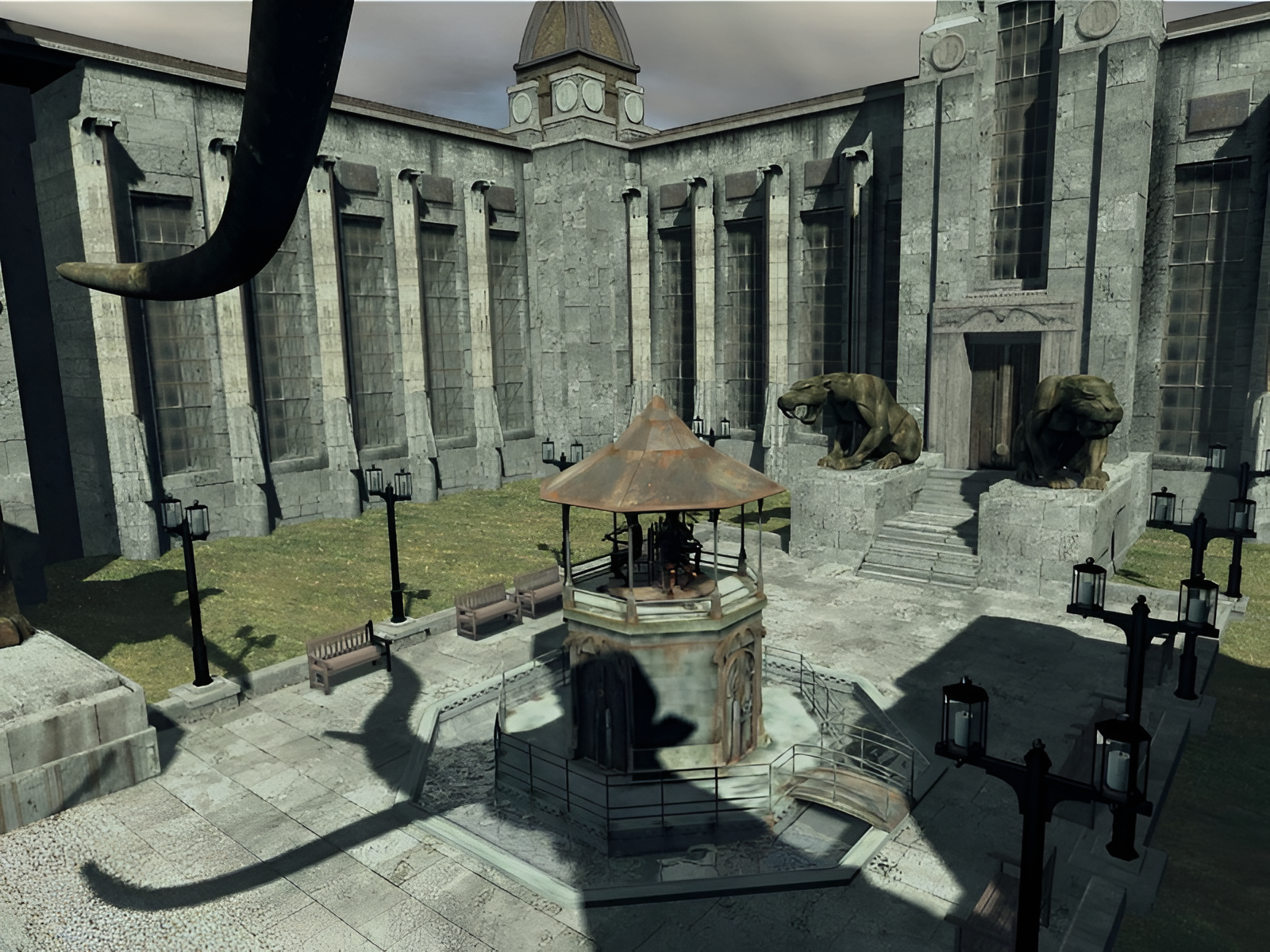
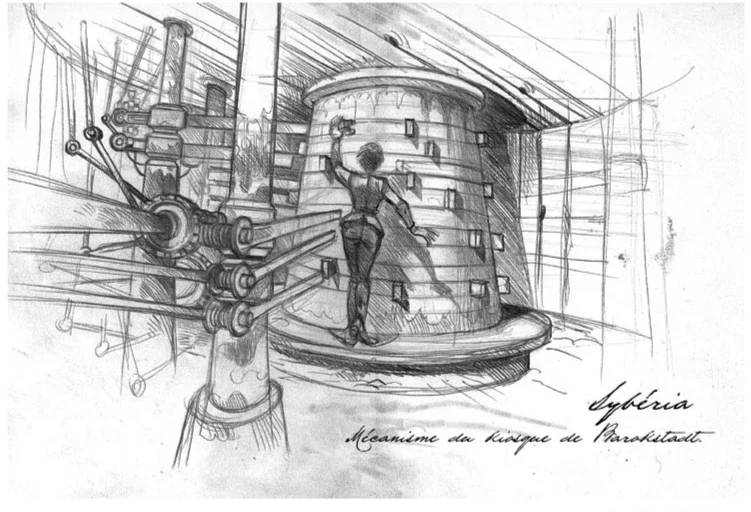


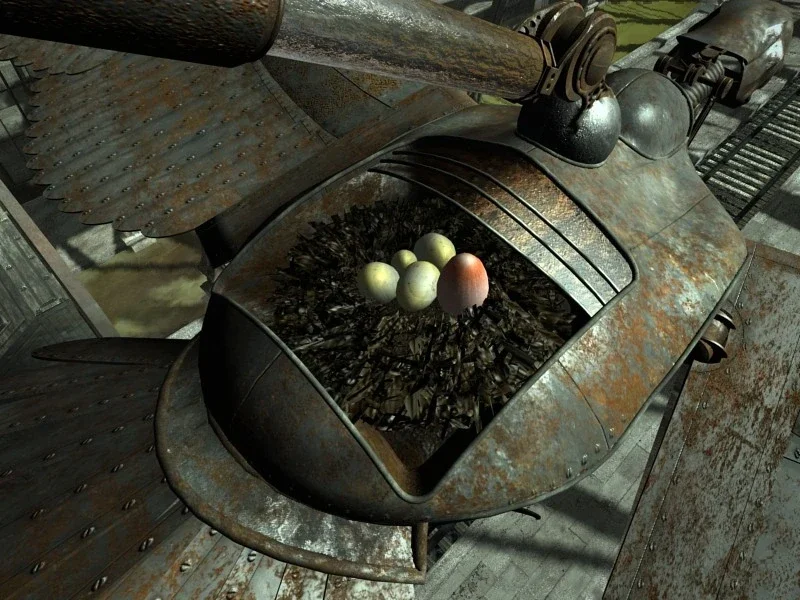
With the courtyard now filled with the automaton musicians’ performance, I took a moment to look around. Now to deal with birds, my curiosity was caught by a shape of construction, where cuckoos had their nest, it looked like metal bird.

The mechanism was functional; only need to find it's activation control, passing search time ahead, upon activization, the automaton let out a sharp, metallic screech that echoed across the garden. It had to be the “mechanical predator” mentioned in the book. Looked like I had just found the solution to another problem. One loud screech, and the cuckoos scattered long enough for me to reach their nest. Inside was a Voralberg cylinder.
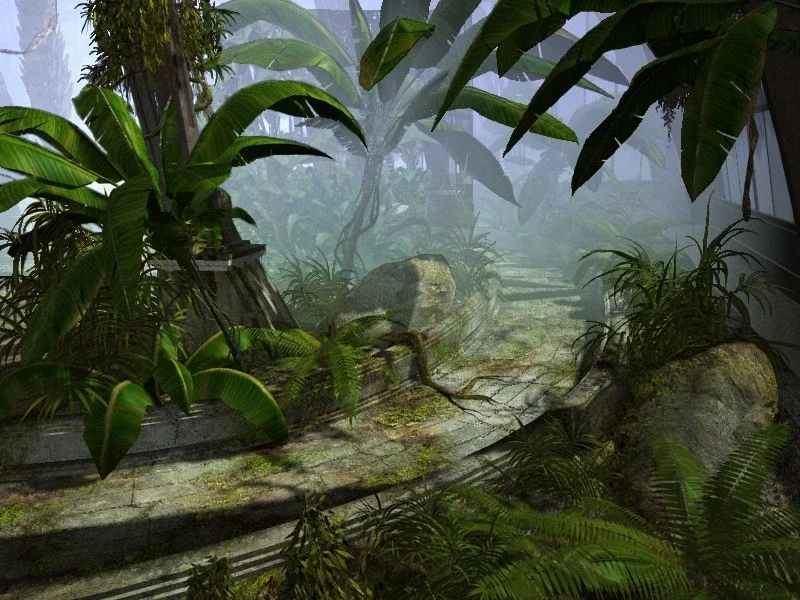
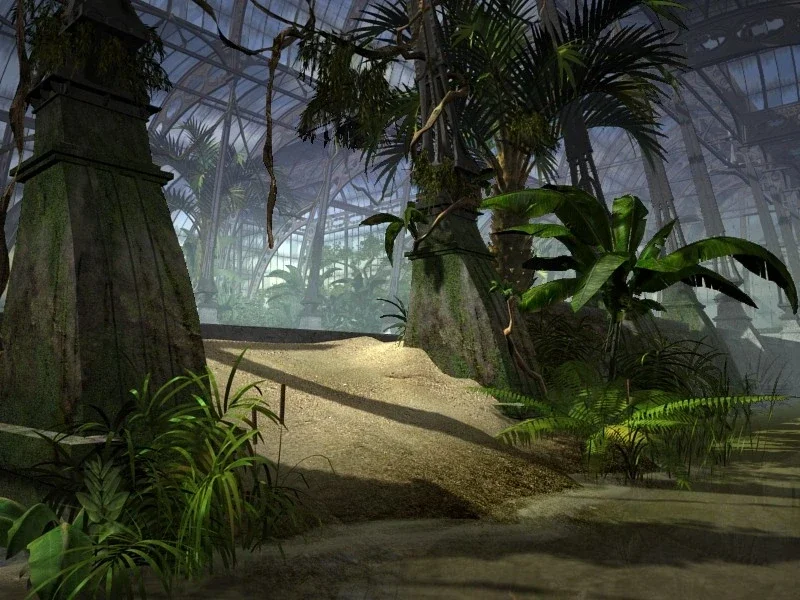
Deal is a deal, and the rectors were finally willing to talk business. According to them, the winding station couldn’t operate because the university’s water system was blocked. The canal was clogged with Amerzone reeds, and without clearing them, there was no way to restore pressure to the station. So it was up to me to deal with it.
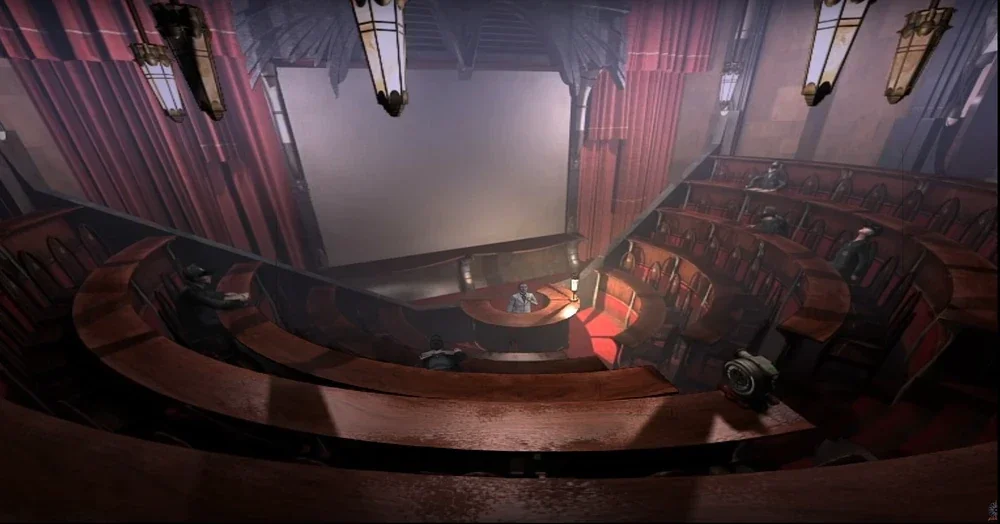
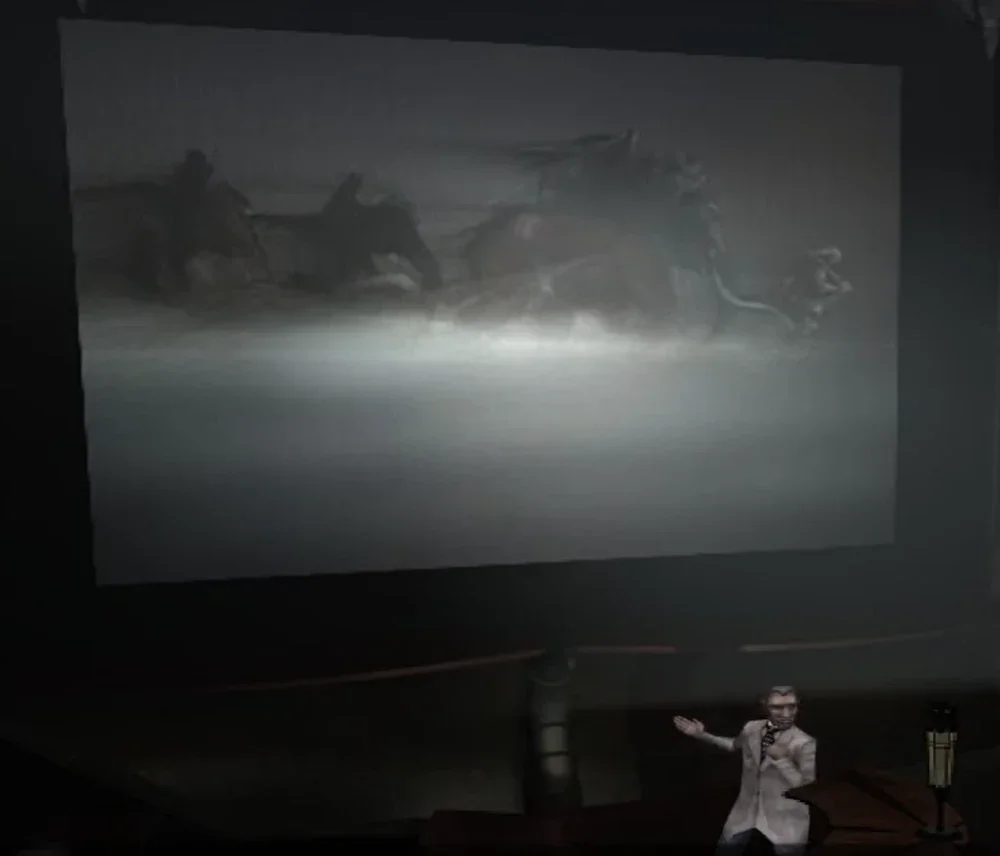
Before tackling the water problem, another library visit and finding out what professor concluded. He asked me to come to the lecture hall. The reel was already in place; all I had to do was switch it on. A presentation flickered onto the screen, showing research on the Youkol people — their way of life, their bond with mammoths, and the legends surrounding the land of Syberia. It looked as if Hans had been searching for this tribe, convinced they might hold the knowledge he needed to reach that distant place.
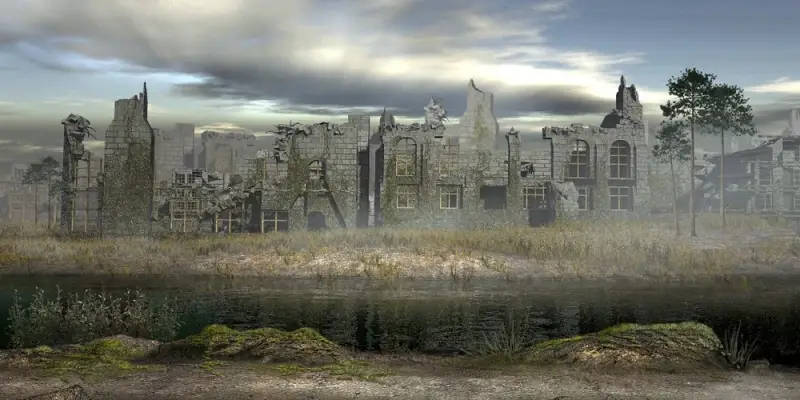
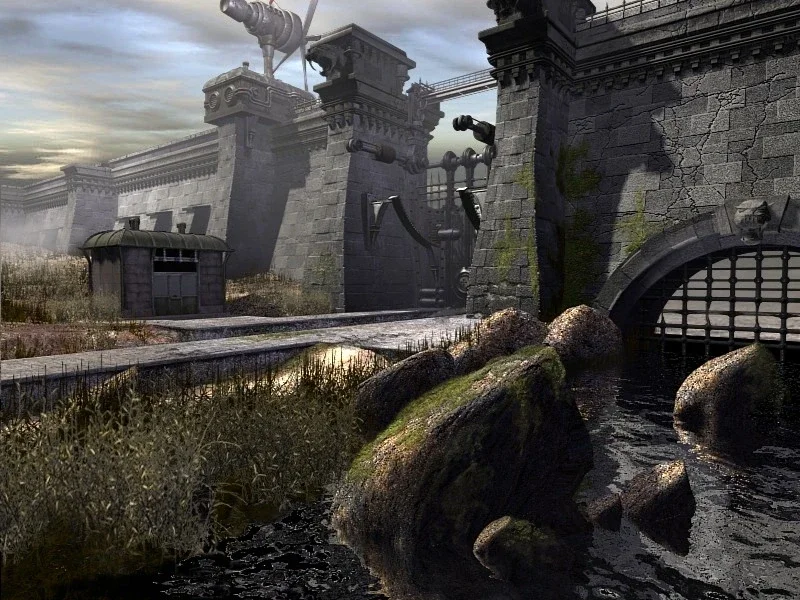
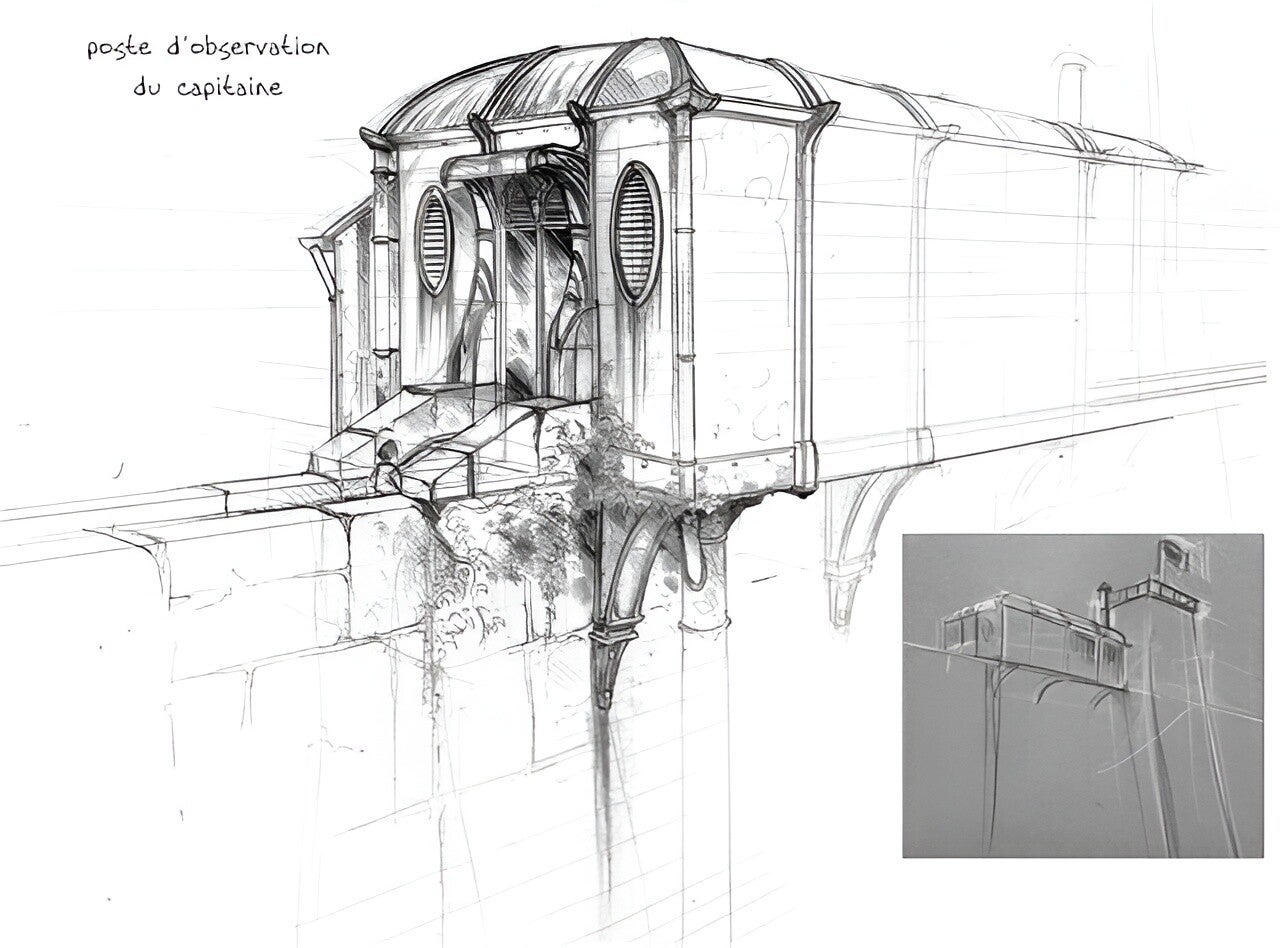
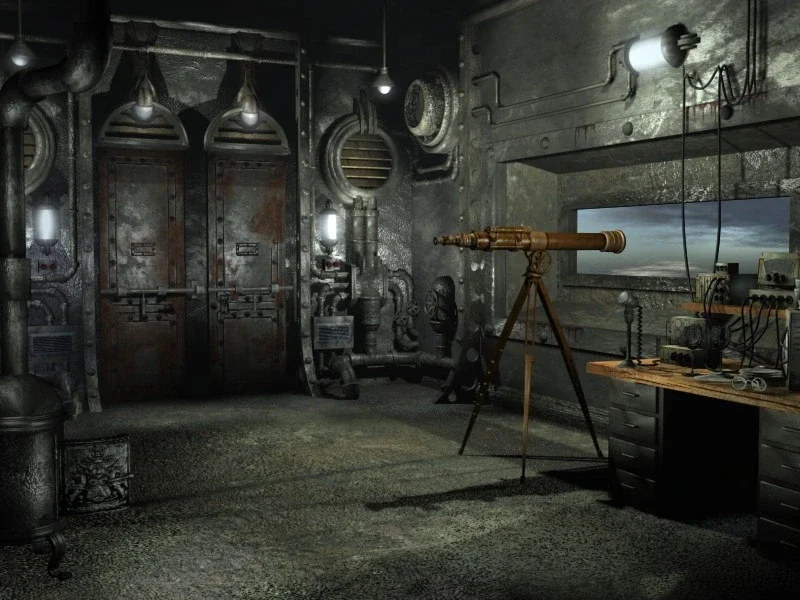
With the water system restored, the train was spring‑powered again. If only I could sit down in the locomotive and get a moment of rest. But a wall with heavy gates marked the border of Barrockstadt’s territory, and the watchman in the tower wouldn’t open them. According to him, there was a “soldier” outside the walls, standing guard. He wouldn’t risk letting anyone out while an enemy was there. He insisted he could see it clearly through his telescope. It didn’t take long to understand the problem. The “soldier” was nothing more than a wooden log that, from a distance, vaguely resembled a rider on horseback.
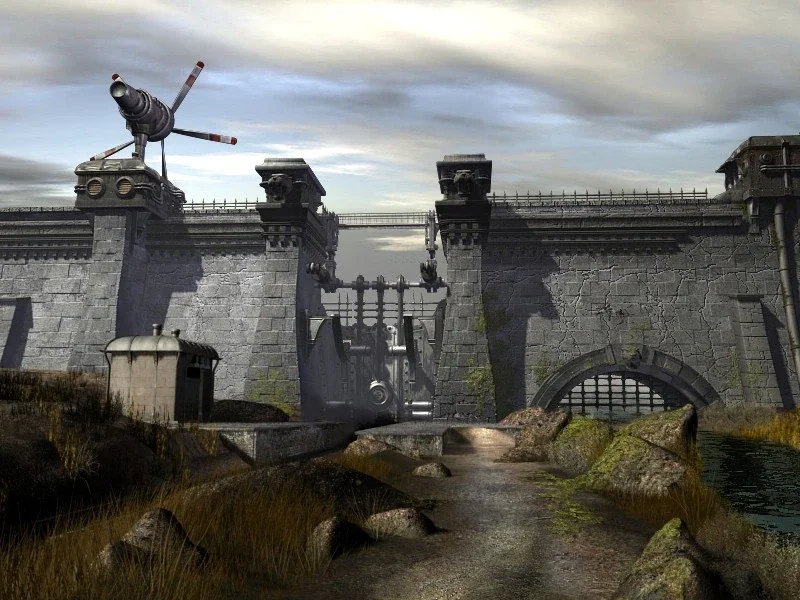
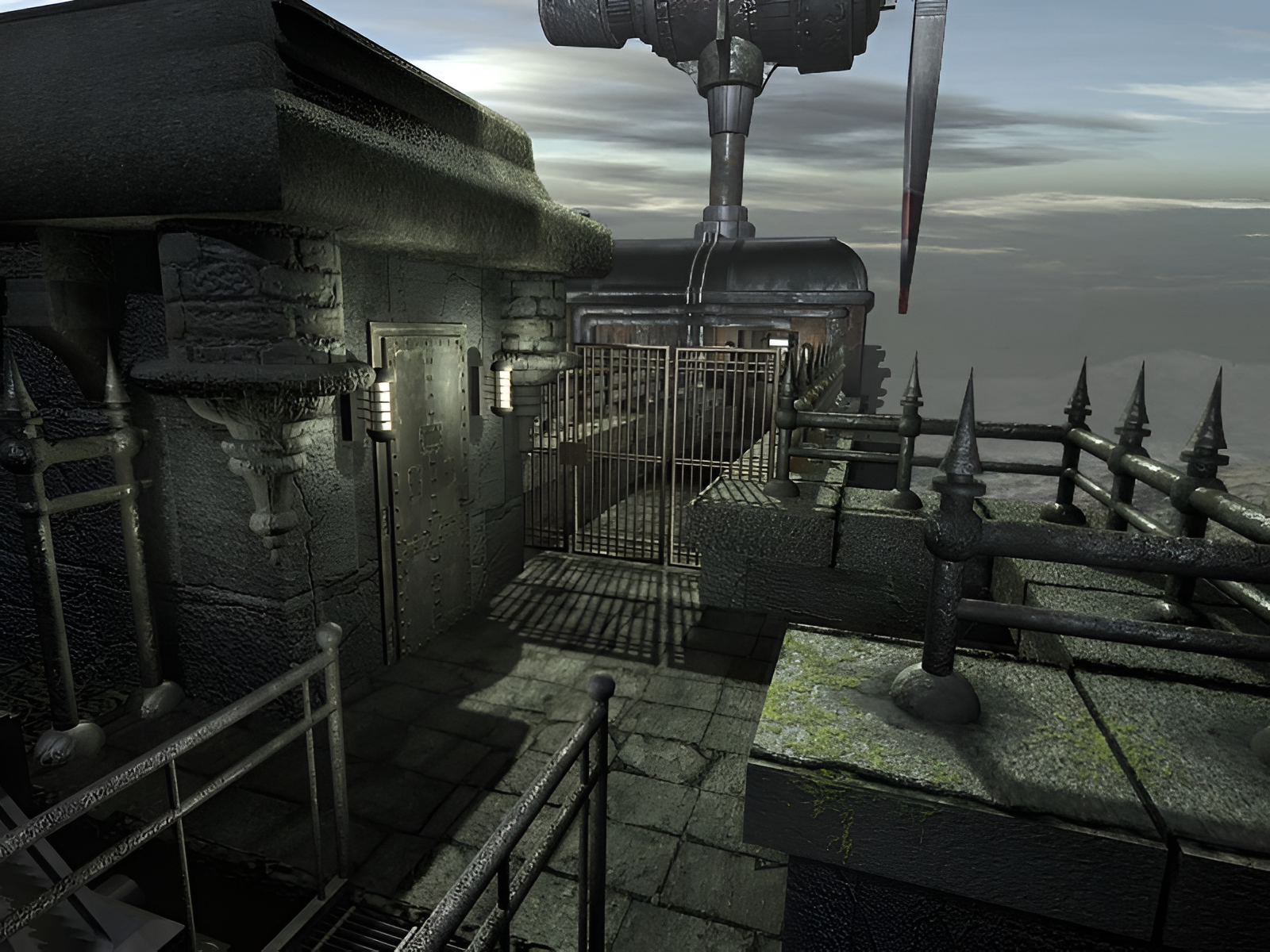
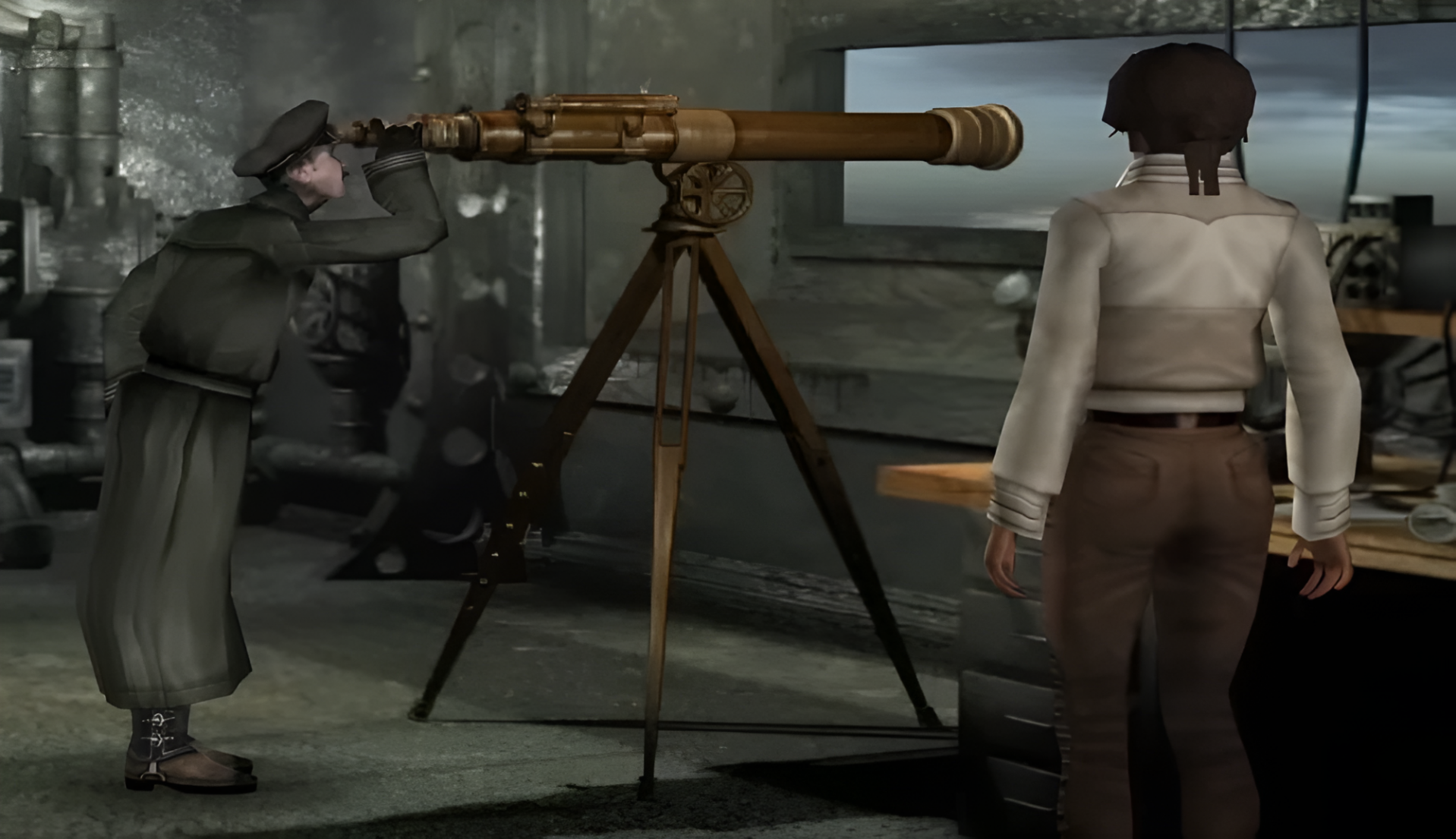
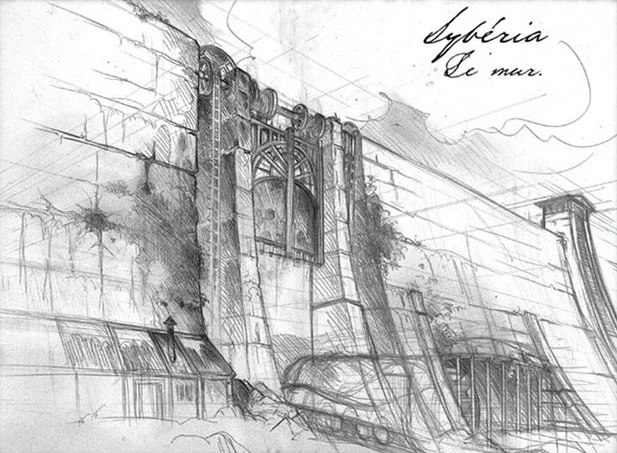
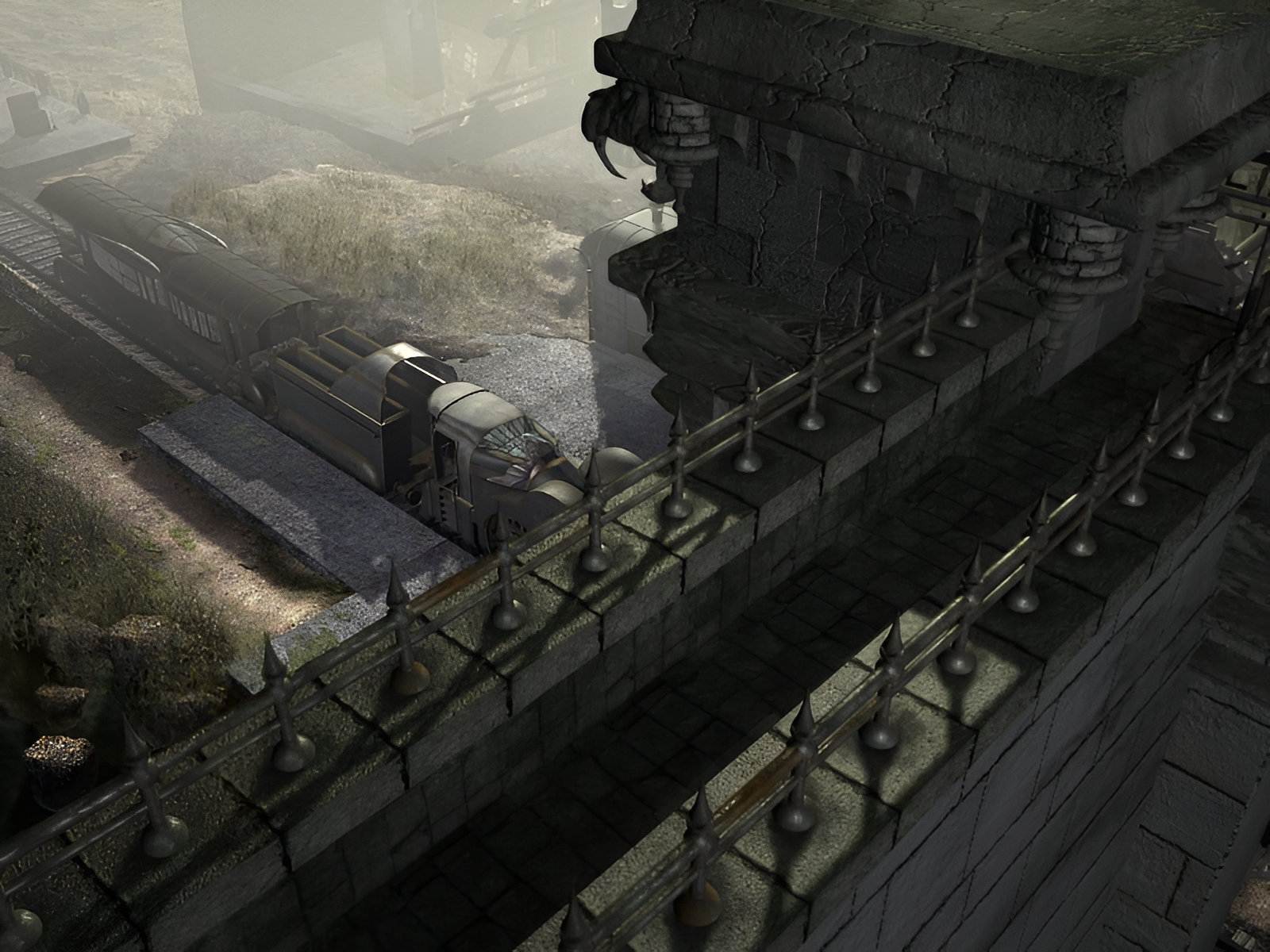
The guard’s eyesight was so poor he couldn’t tell the difference. And besides, I still needed official authorization papers before bord control would let me pass. So it was back to the university for the papers and a pair of corrective lenses for the guard. The rectors thanked me for restoring the water system and handed over everything I needed. Back at the watchtower, the guard put on the glasses and took another look through the telescope. The moment he saw the truth, he was embarrassed — no soldier, just a piece of wood.
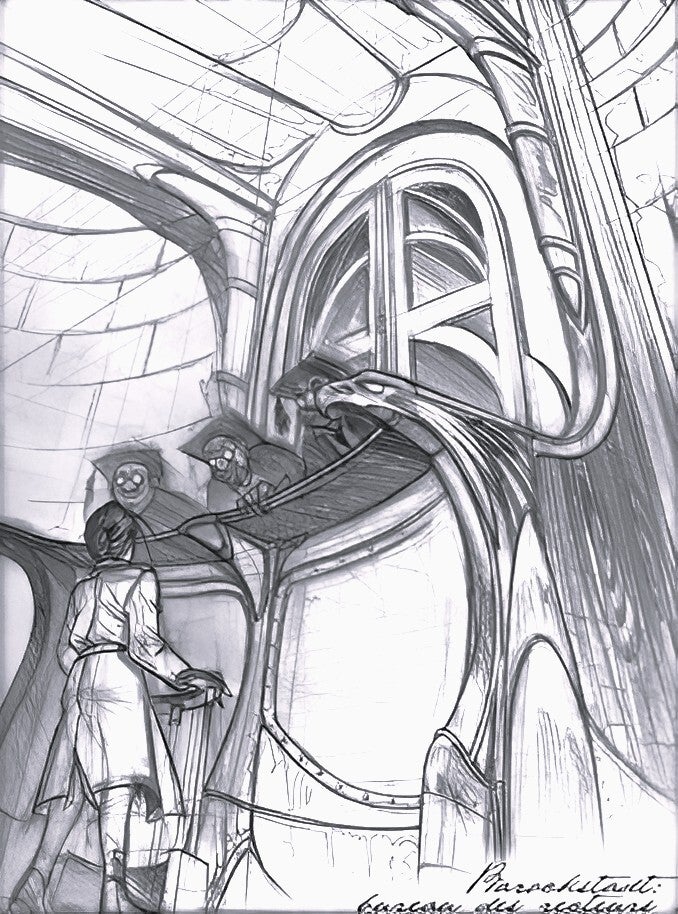
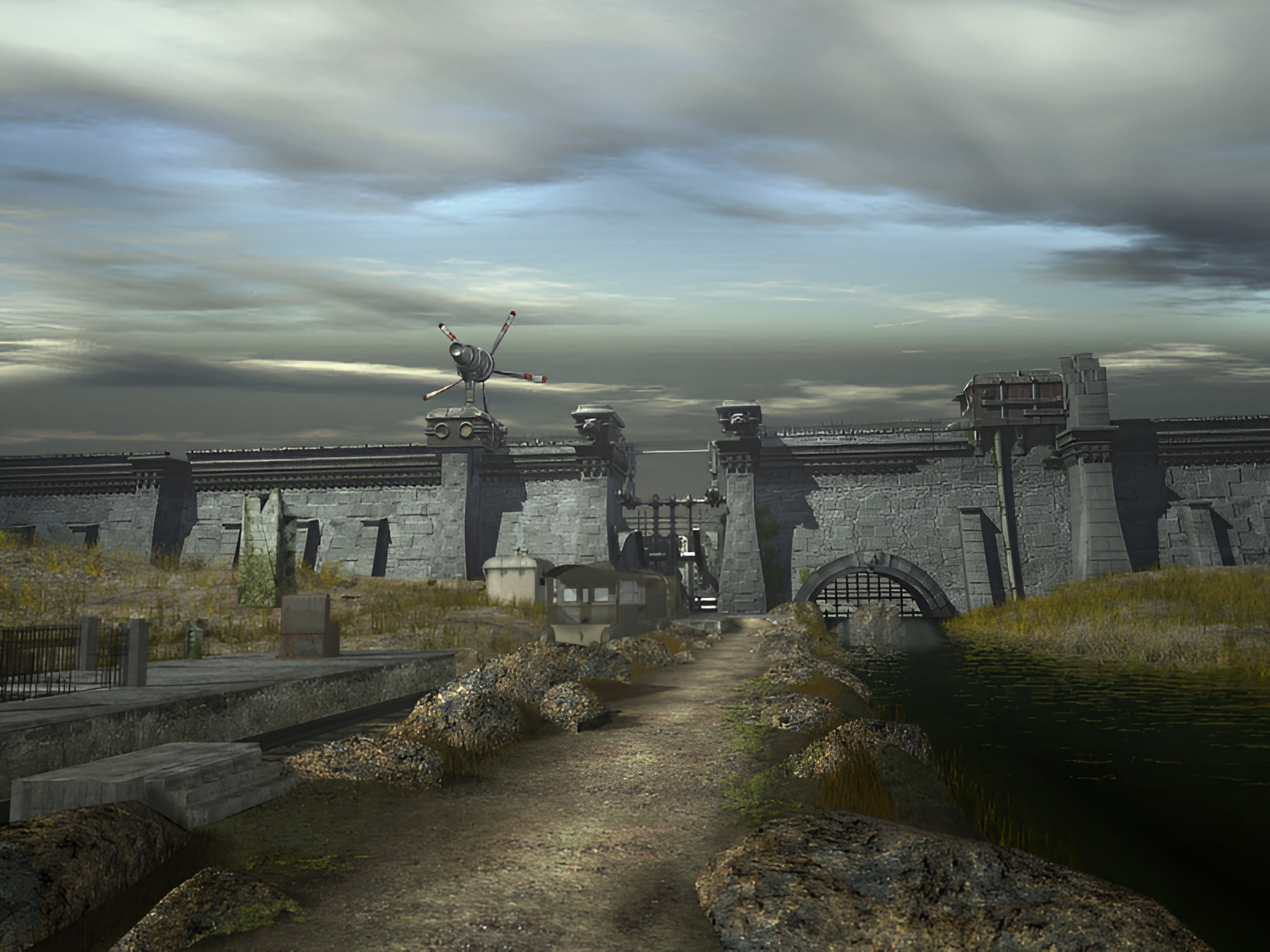
With the misunderstanding cleared up and the necessary papers presented, he finally opened the gates. Only then could we continue on our way, leaving Barrockstadt behind.
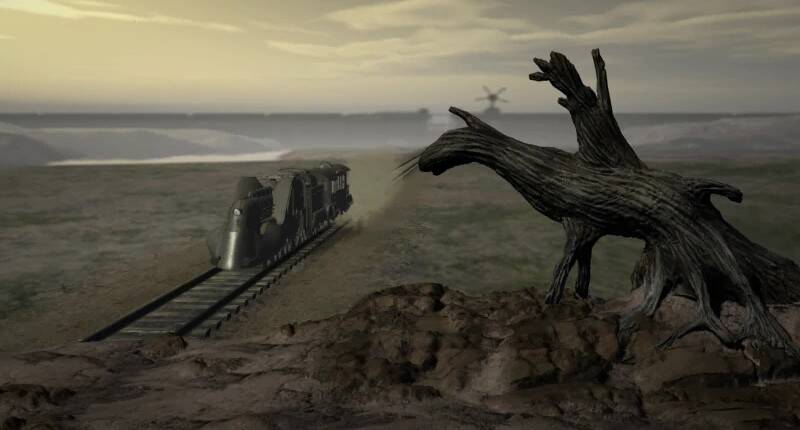
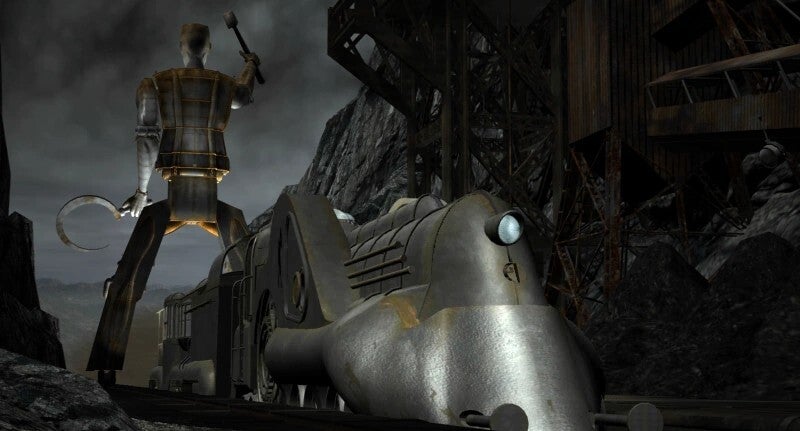
I stepped outside, to take a look. After a quick inspection of the surroundings, asking Oscar, he announced that we were stuck in the middle of unknown location. It was Komkolzgrad Industrial city. Today this place looked — dark, rusted, and long abandoned, or so I hoped.
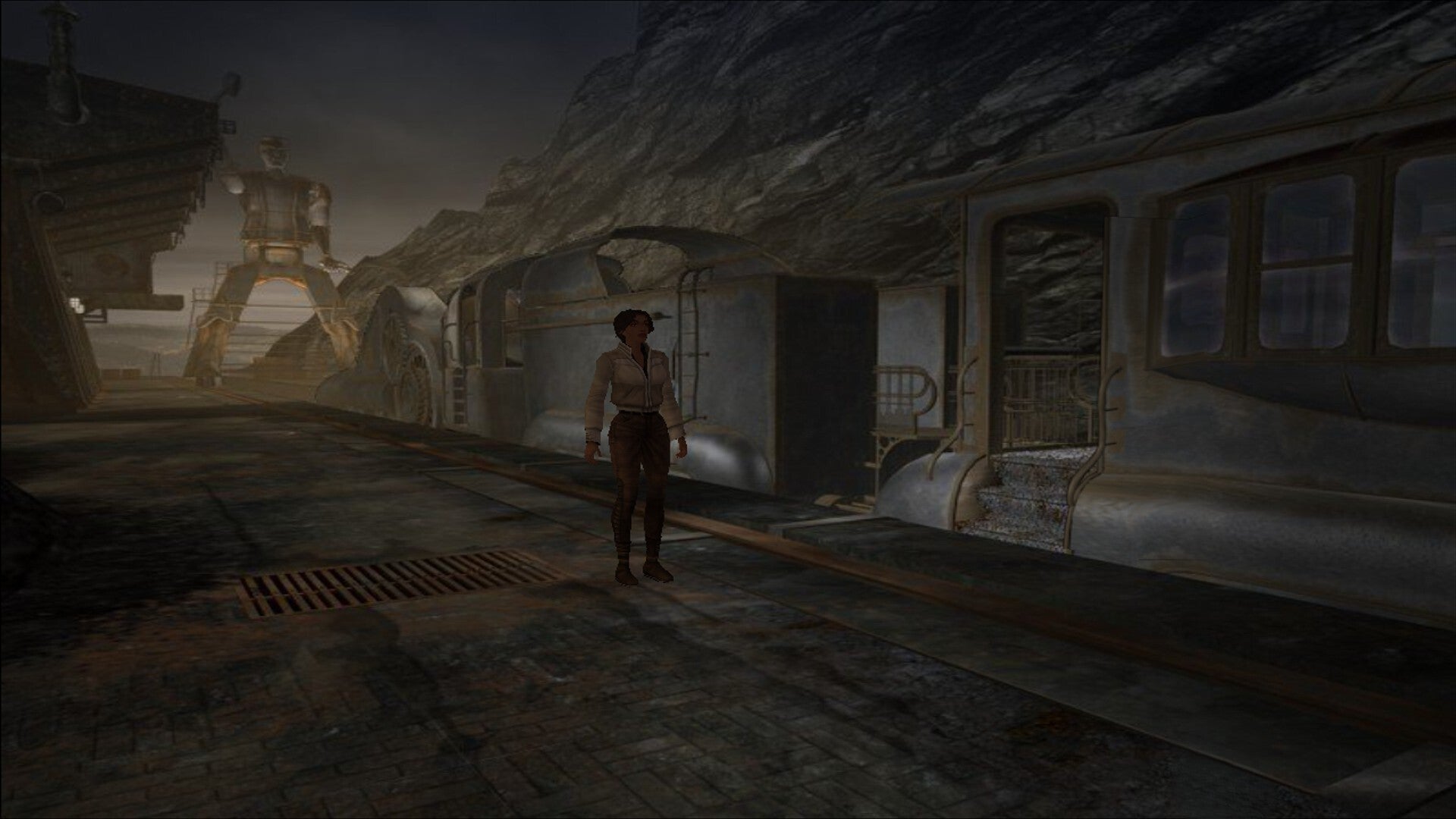
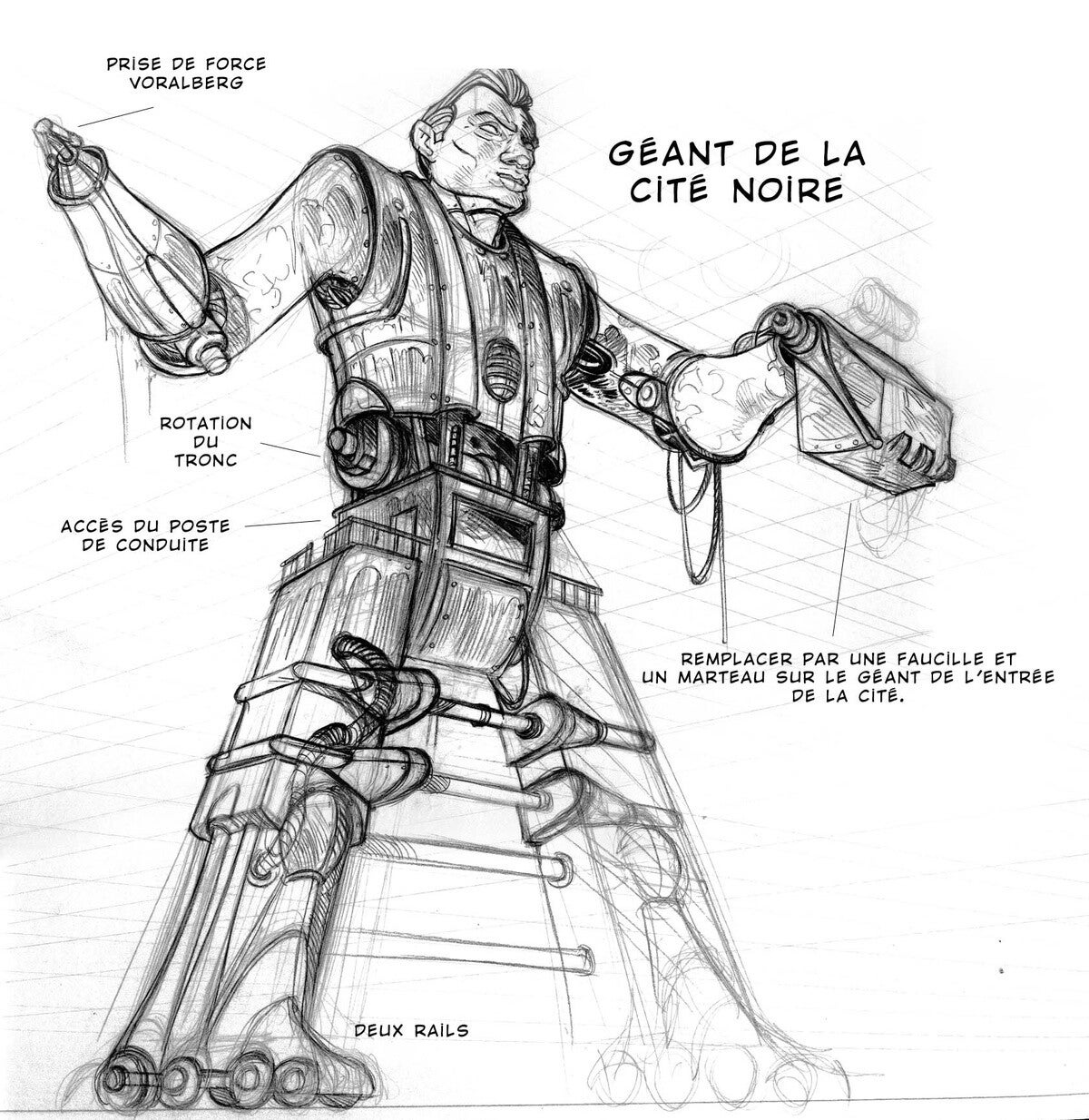
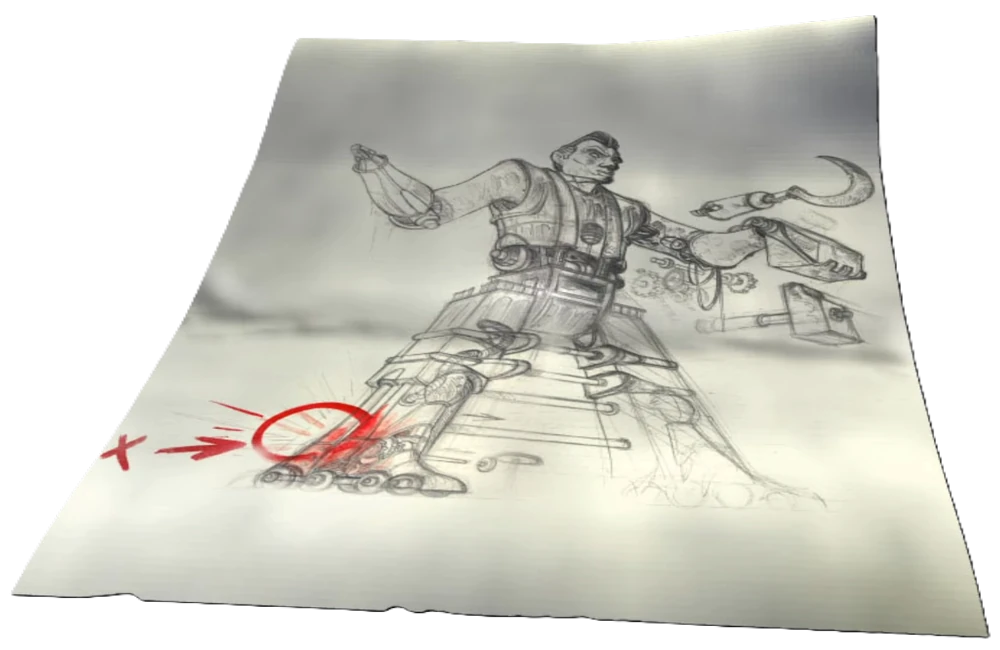
Leaving me to press on to find solution. Luckily for me, solution was, one ladder climb into control tower, that was located in giant's leg. Looking at the blueprint, picking up handle, placing it at control panel and pulling down handle, it pushed giant closer to train.
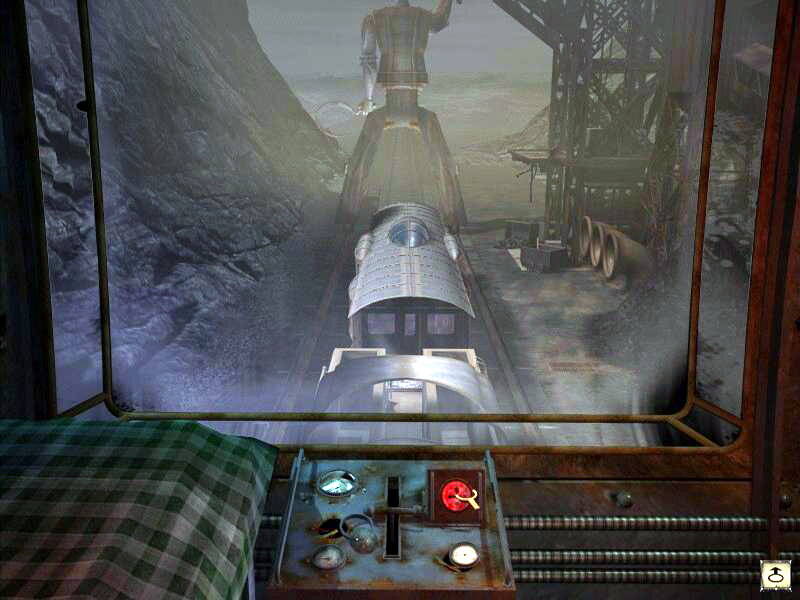
I hurried back to the train. When I reached it, I was too late. Oscar was tied up, mouth shut with a handkerchief.
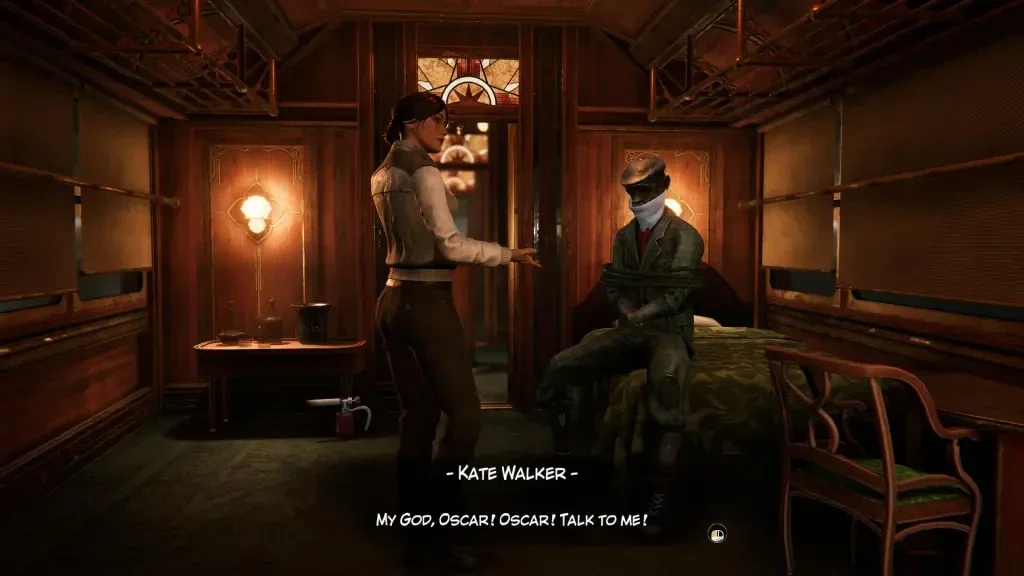
Right leaving me to go find theft myself. Theft shut the door, trough which he disappeared. I would need too find another way around, like a path bit higher.
It was hard not to notice, a signs on boxes or barrels with mark easy flammable or dangerous flammable, I only hold hope this place won't be our resting place, with accidental explosion as our funeral.

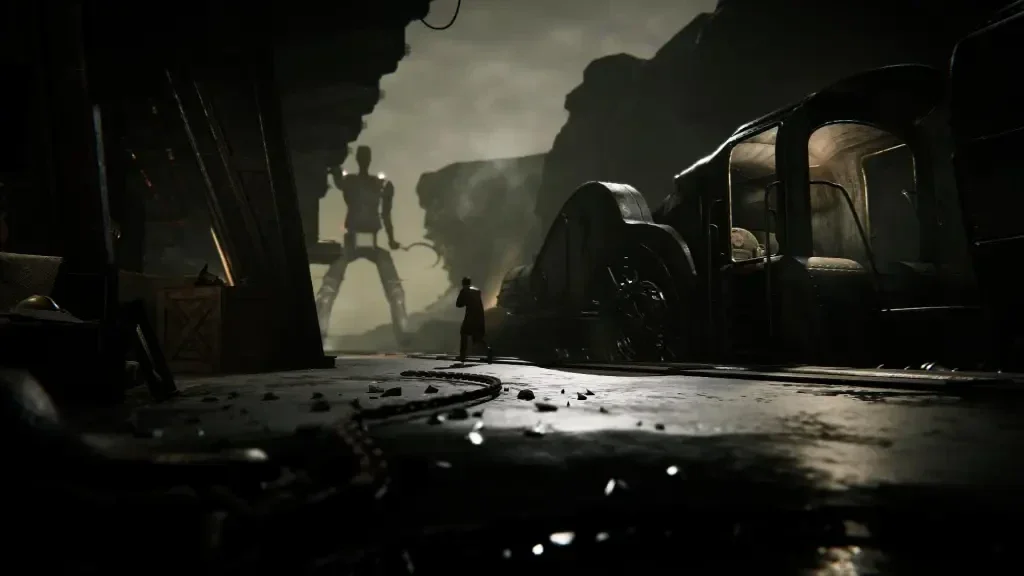
The train continued on until it was forced to stop. Guess what's the reason, train needs another wound on springs. Just took a stop in a place with a massive automaton, holding a communist emblem's, which was standing upon the railway.
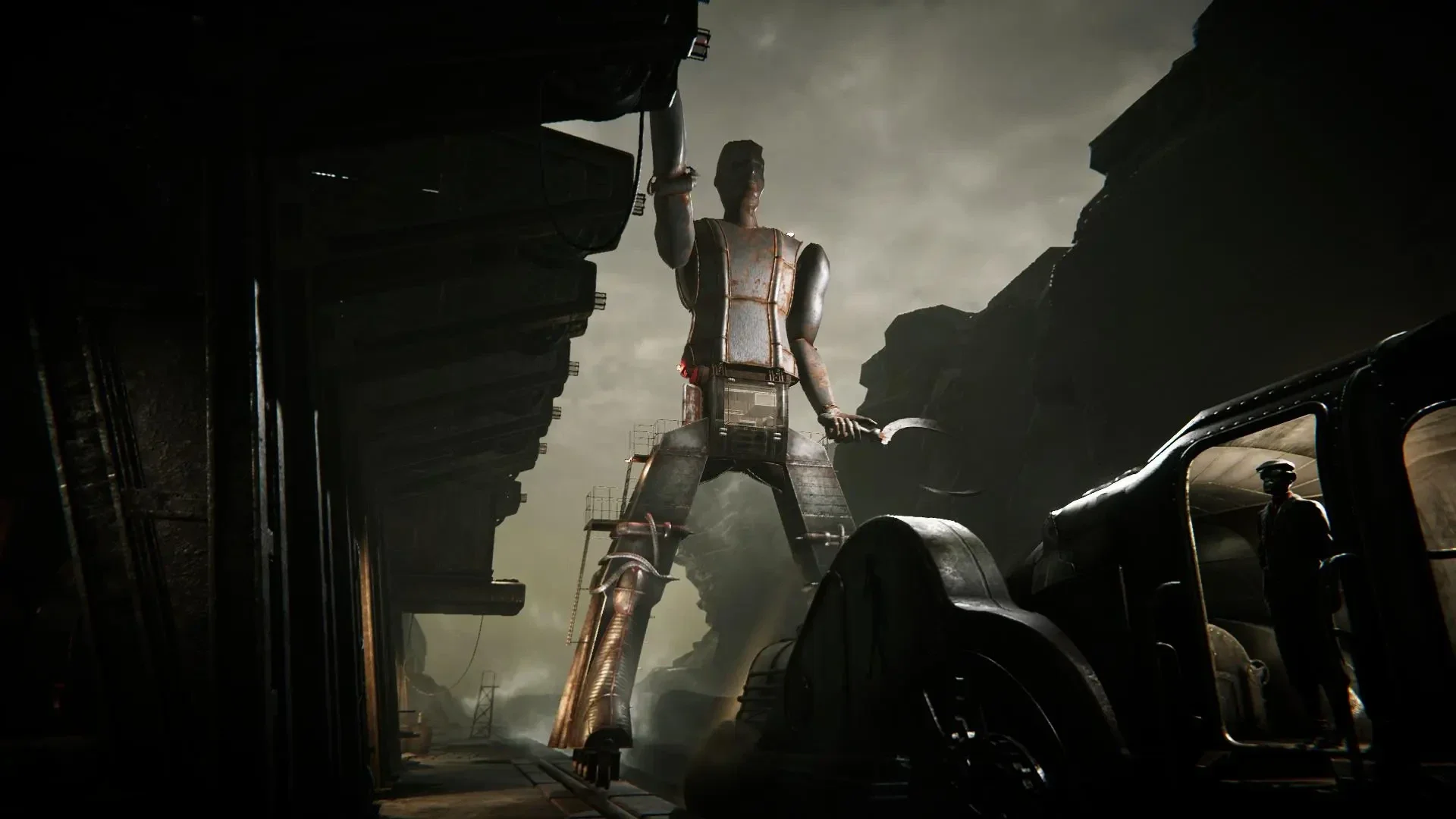
Either way, if we wanted to continue, I had to find a winding machine, since, me asking Oscar to do it, he replied that he won't want to risk corrosion of the joints because of the air, in this place. How can this be prevented by staying in the train, is my guess. Classical Oscar, stayed behind in the train, “protecting” it, as he put it.
After train received another wound on springs, I climbed down a ladder. But nearing train, noticed a figure, walking out of train and disappearing the way he came. I called to person, but he continued on.
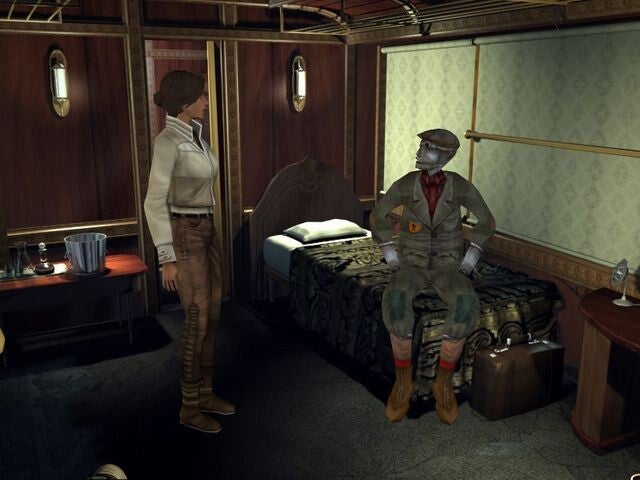
Oscar appeared shocked, now missing both arms. He explained that someone had disabled him, leaving him momentarily incapacitated, and that he only regained awareness once his arms were already gone. Oscar was distressed by the loss, but he decided to stay behind with phrase "engineer never abandons his train".
To get inside, a factory room? Back at giants controls, moved it closer to the platform outside complex, there was a rusty hole in the wall, I took a metal sheers, left near Oscar, and cut a hole big enough for me to climb inside, pickpocketing spark plug, while I were there.
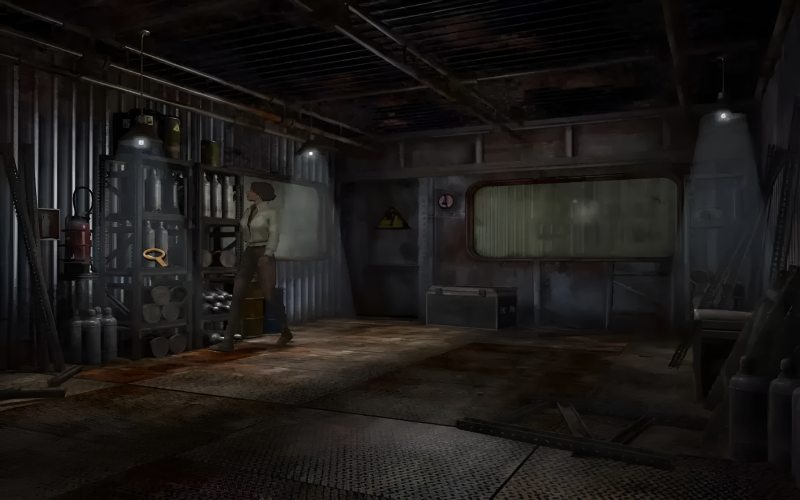
But for now, I found a lever, that was used to summon lift, for workers in the past to take them down into the mines.
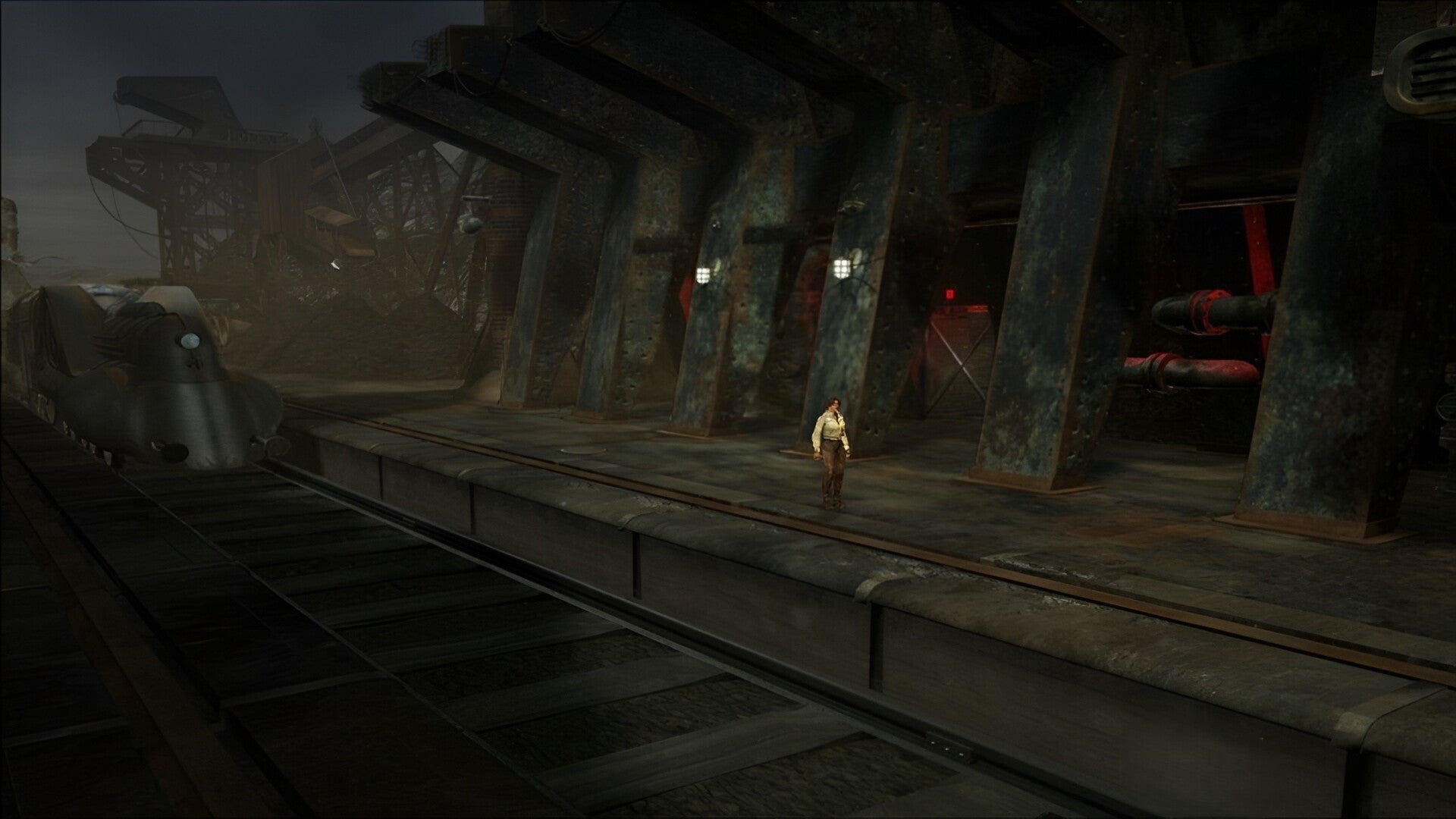
Spark plug came in handy, to activate the electricity supply generator, to light up the tunnels. Pressing deeper into the mining tunnels, long, dim corridors lighten with glim lantern light, lined with rusted rails. For a moment, it seemed as if the rails were the only thing left in this entire complex. Then the tunnel widened into a large industrial hall. Usage of room had been reshaped in to an industrial organ ? As it will turn out, the theft made from pipes and tubes of fabric to be used as a musical instrument. Automaton musician, however had Oscar's stolen hands attached to it. Interesting what theft will say.... It wasn't hard to find where he was hiding, just took a walk around and climbing another ladder.
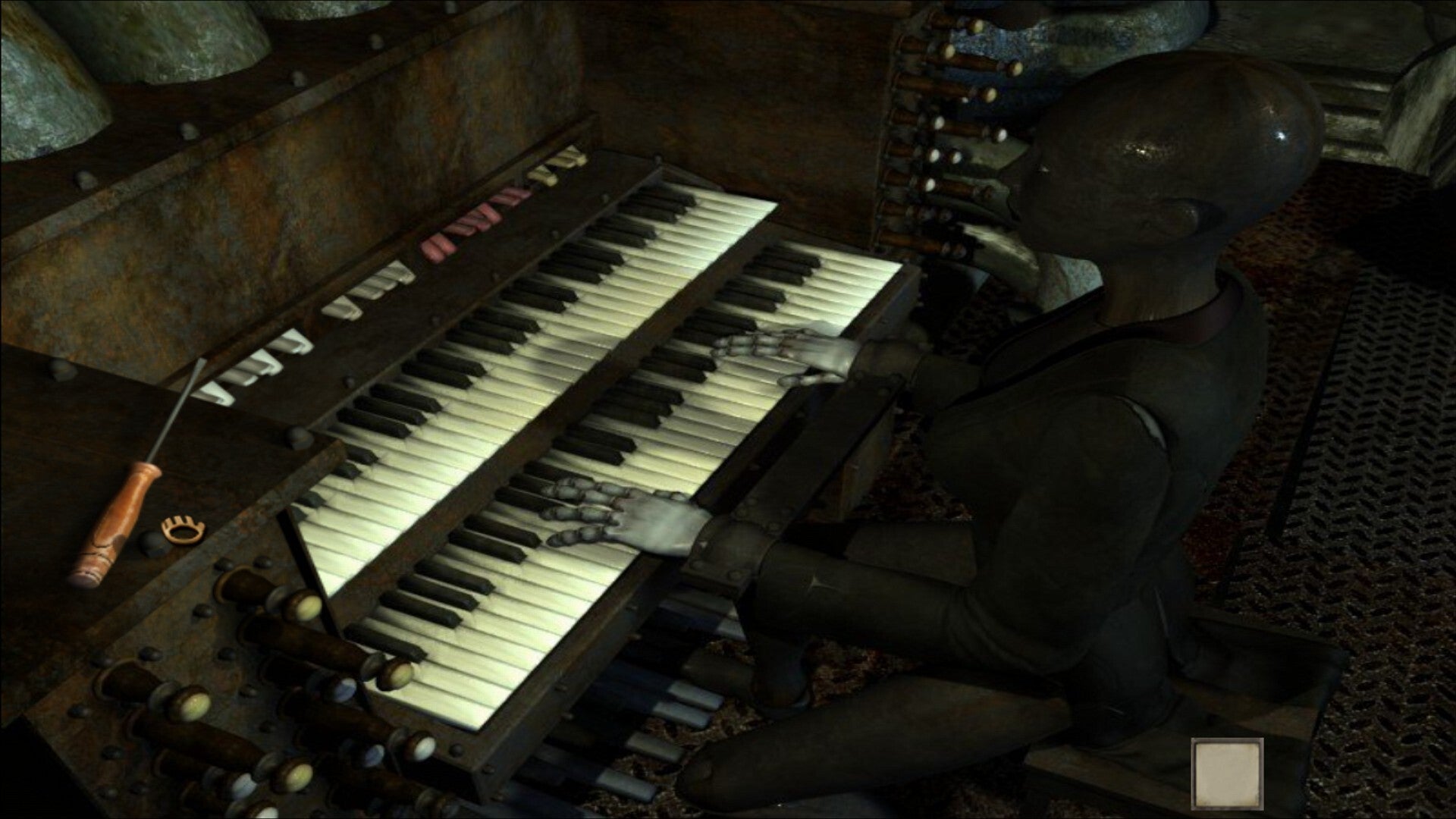
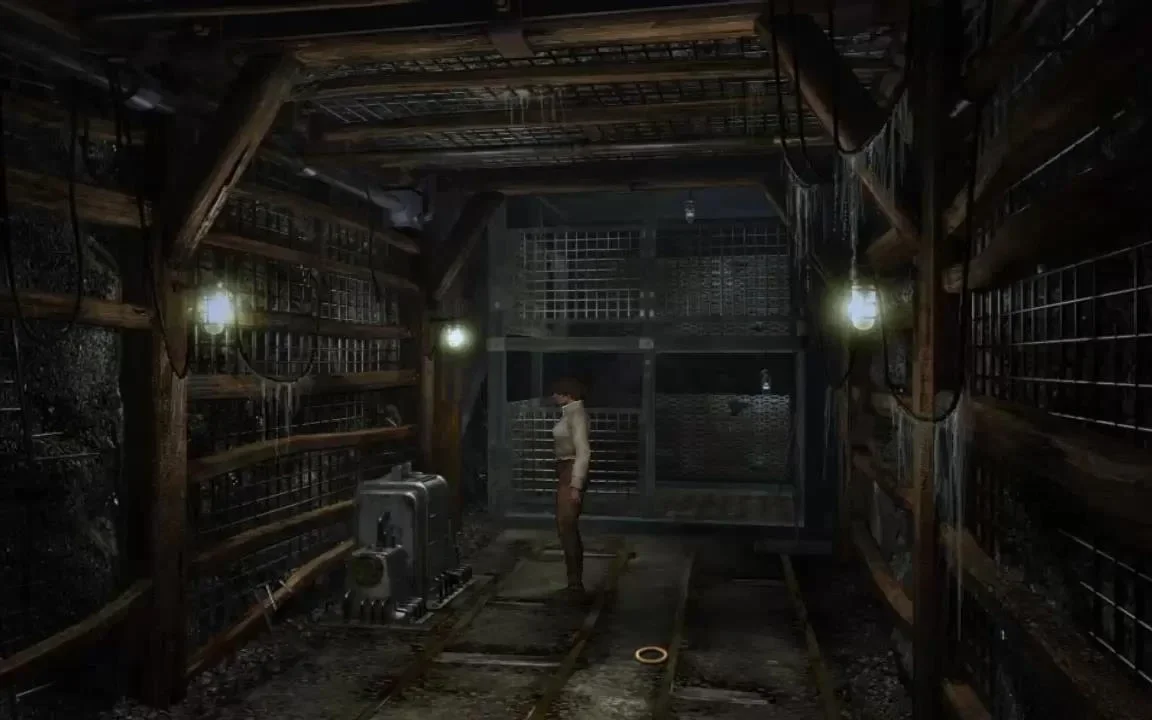
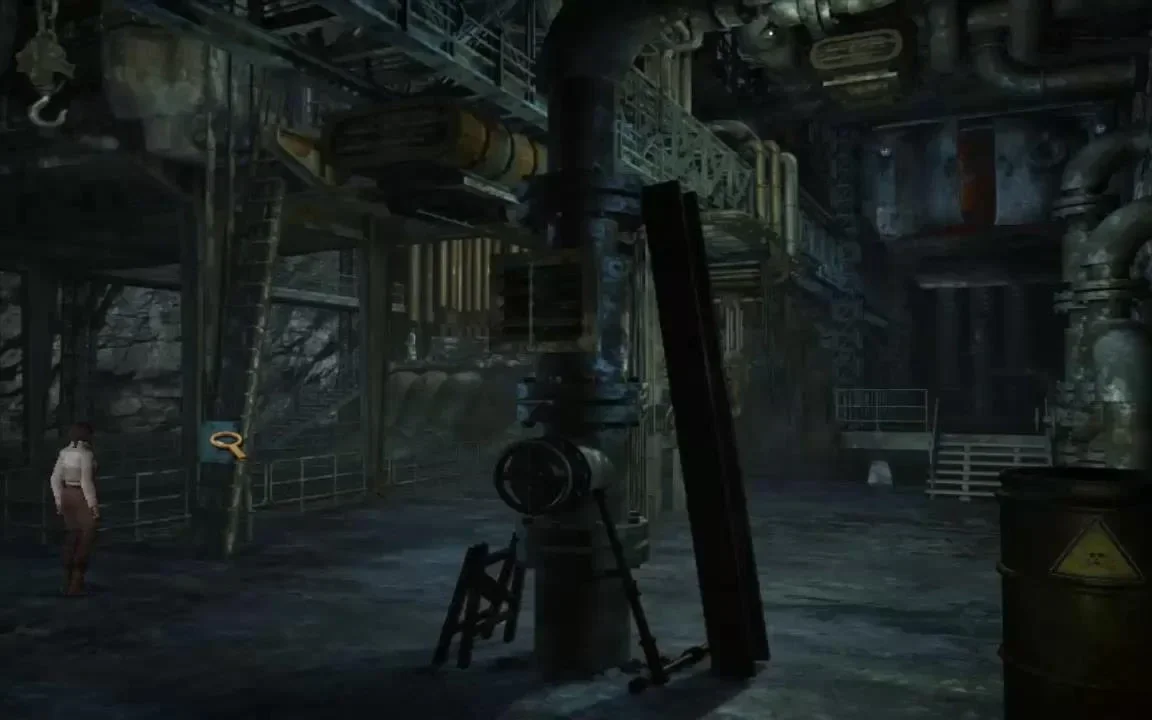
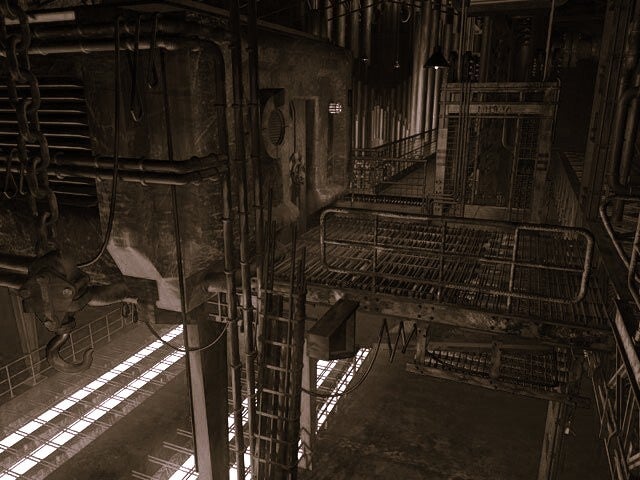
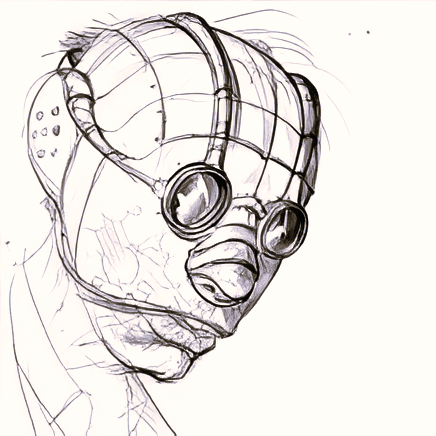
To be short and plain, this mister, decided to borrow Oscar's hands to complete his automaton pianist, this fabric he had converted into a magical theater. All this he made for a single goal, this place would have one last purpose. To hear Helena Romanski sing. She's an opera singer, many years ago, she had singed here, a person (director) in front of me, wished to hear her voice which he described as a pure angel, voice echoing trough the hall. Only then would he return Oscar’s arms. So much for an abandoned complex.
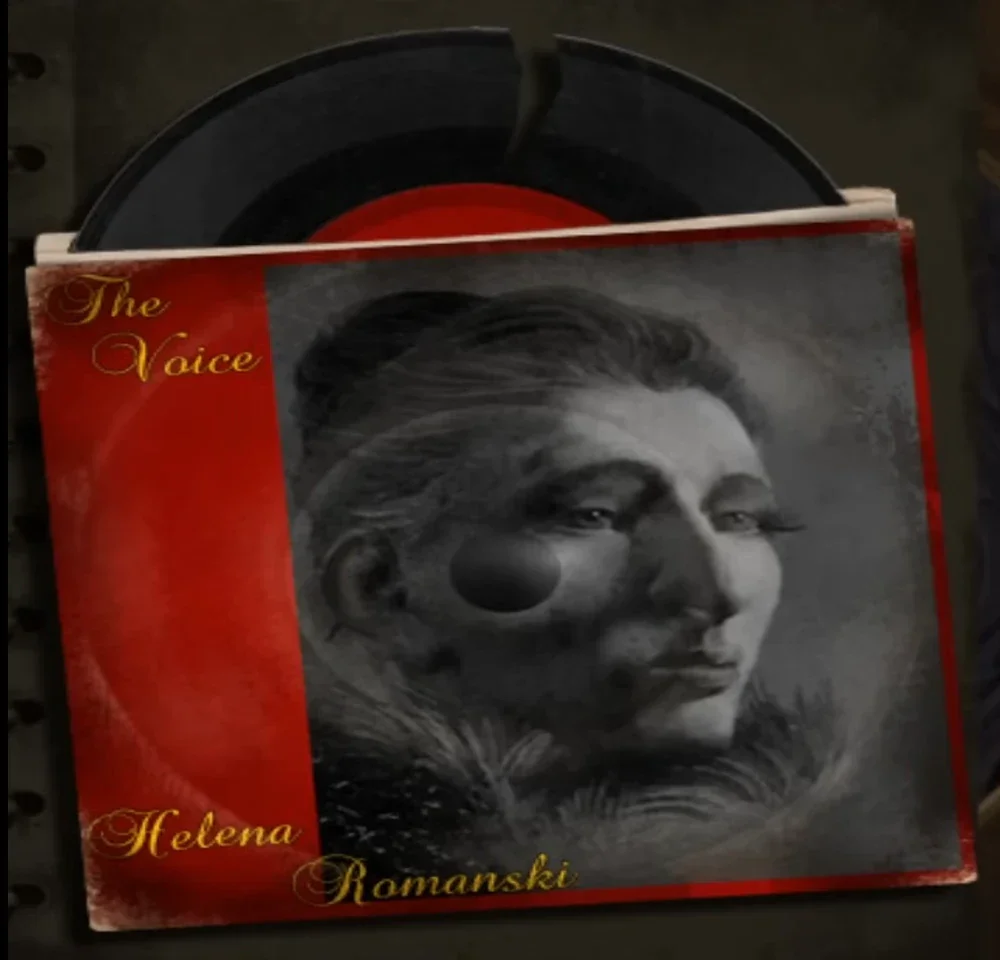

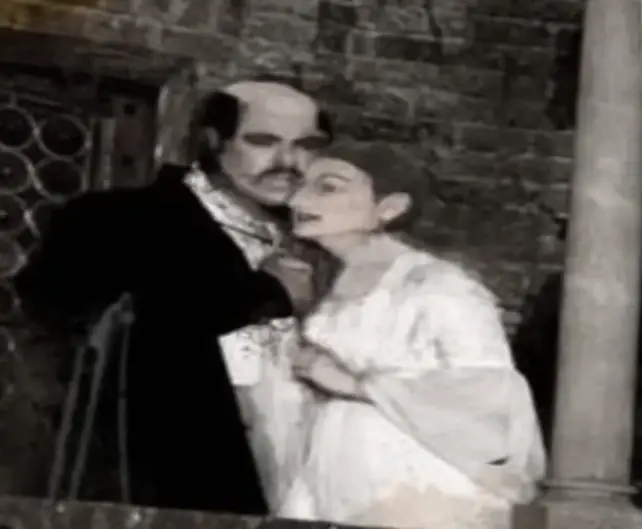
A question now was where to look for this opera singer. Director gave an access to his personal museum dedicated to Helena, but who truly helped me out was mom. A call to mom, once a signal was stable, I woke her up, forgetting about time zone differences. But since I said it was urgent, to ask her about Helena, in her close friend circle she had an interesting person's, for my luck she had a guest who did know about singer. Helena had retired because of sickness, and had stayed in the spa at Aralbad. Many years ago, with luck she may still be there, better than not knowing were to start looking. Now to find a transport, was next headache.

I told information about Helena's location to director, he was delighted and upon me asking how to get to Aralbad. He mentioned he had shared this place with pilot, who mostly is in state drinking rather than flying, but on this complex rooftop they had a landing platform. I would only need to convince pilot to take me to the spa and than back. Easier to say, rather than accomplish. Director pointed me towards a monorail, saying once I will be inside, he will activate it and it will take me up to the cosmodrome. Well I was on my way, what else to add....

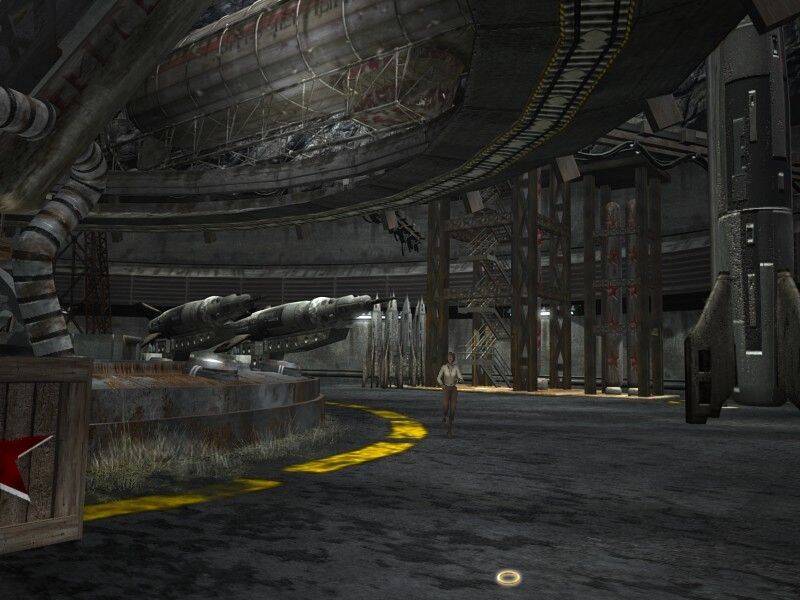
In what looked like a space shuttle, which was used like a living room, sat a drunk pilot, director did mentioned, he may not be in shape to help. Solution: snitch a bottle, while he doesn't see, he decided to go out take a fresh air.
This platform was as wide as the factory below, if judging by the area sizes, but if factory, mines had been built inside or under a mountain, then this cosmodrome, I was now walking on would have looked as if it had been carved into the mountain or on its peaks to be accurate.
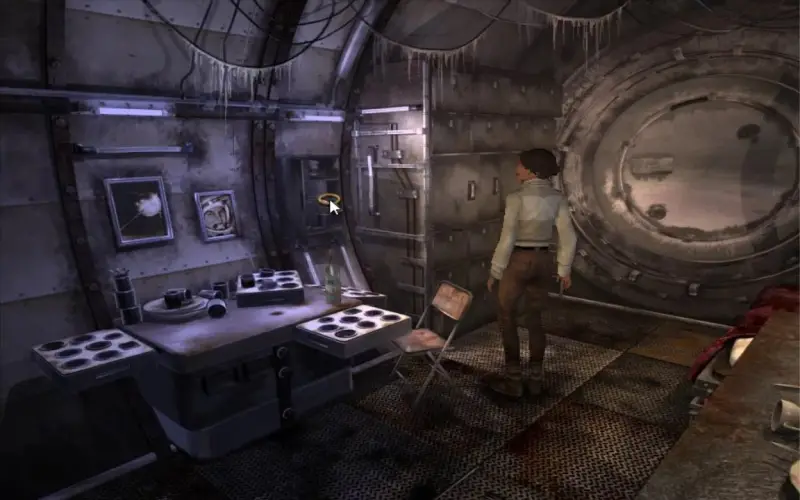
Upon him leaning over railings, lost balance and felt over them. At Least he will get a rest, that's good, no ? For now I am on my own, oh well, back to exploring and picking up, what may come in handy.

His sleep was shortly disturbed, with a cold water raining over him, always helps to wake up. Maybe this place has seen a better years without rust and corrosion covering it's surface, and sweet metallic scent lingering in the air and on your fingers after using water tap, control panel etc., but what matters is that it still functional and usable, helping with getting pilot back in action.
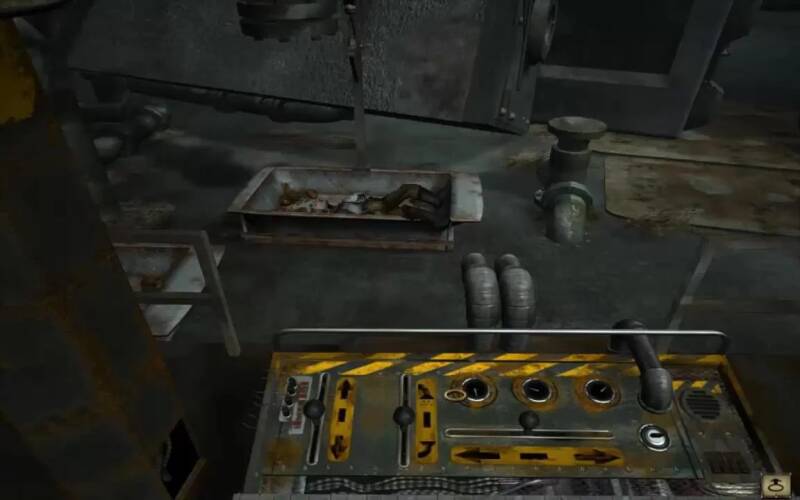
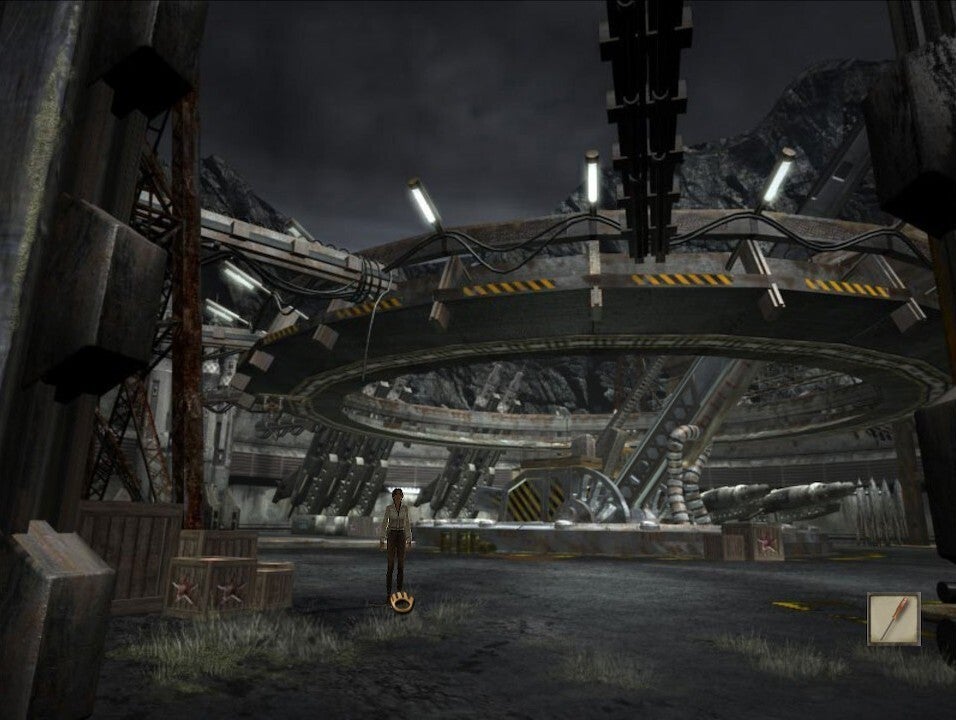
After he woke up, we had a decent conversation, turns out mutual dislikeness between director and pilot was not without a reason, pilot warned me director can't ne trusted that his actions are mostly based on his own ambitions, everything he does is for his wishes to be achieved, the rest has no value, not far from truth. As for Aralbad, it was a luxury spa resort, where place was given only as an earned right for serving your country. Airship had been programmed to take a route there, from this platform, it has an automaton pilot, but whether or not airship can leave, will had to figure out.
Well automaton pilot was in working shape, it functions but airship won't take a flight because of birds circling around the airship, since it is Voralberg construction, it's no surprise it won't work right away. I catch up with pilot, asking maybe he knows how to scare of birds, he said he does but will tell me only if I will help him get to the stars.
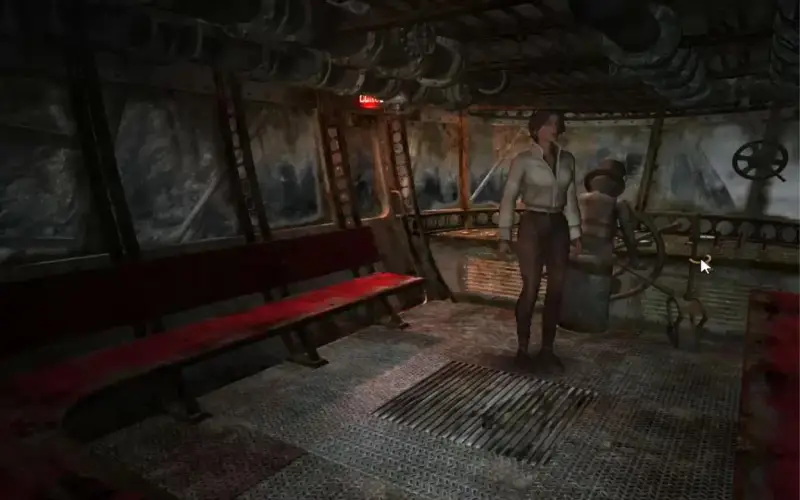
Needed to add my own blood and computer accepted. We were ready to operate, I was, for pilot's turn it was to settle in, as I announced from the loudspeaker.
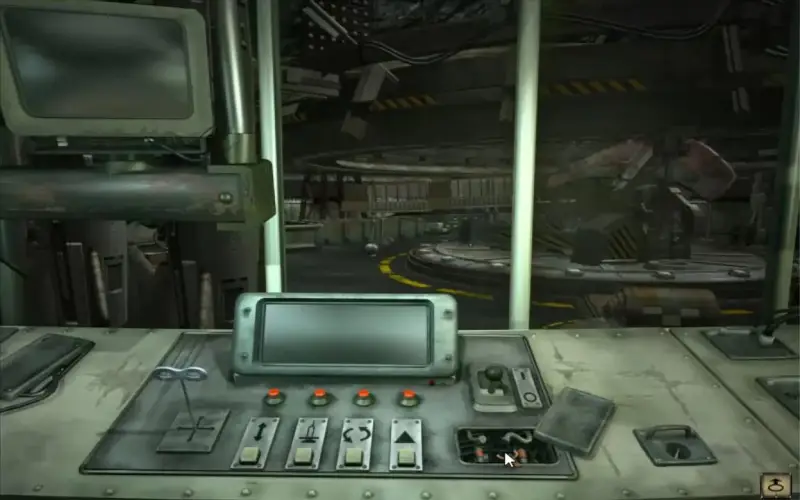
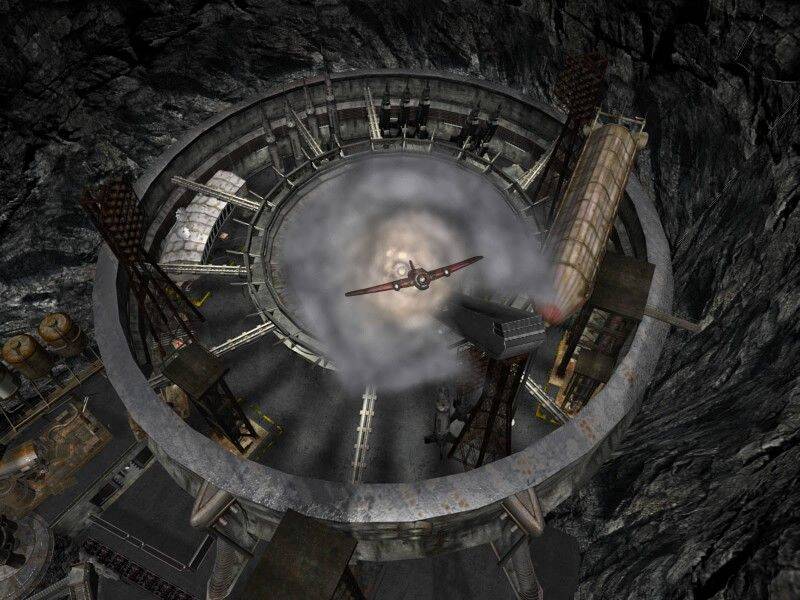
Off he was to reach stars, his dream to leave this place in flight had come true. I was glad I could help him.
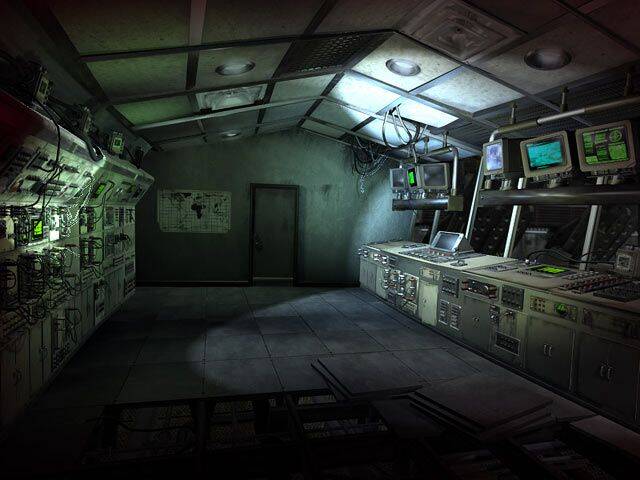
Without much of a choice I agreed to look at the rocket launcher and figure out how to help with airplane. The operation with panel wasn't tat hard, harder was to get a blood sample from pilot, since computer won't accept his for too high level of alcohol in it, no wonder
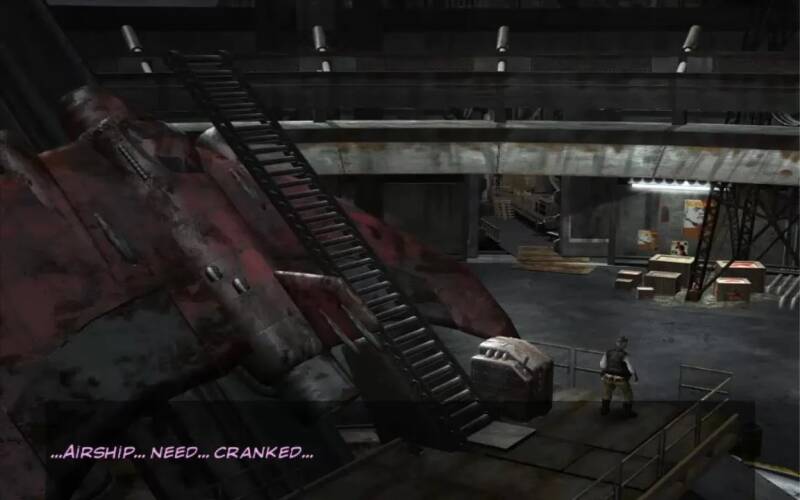
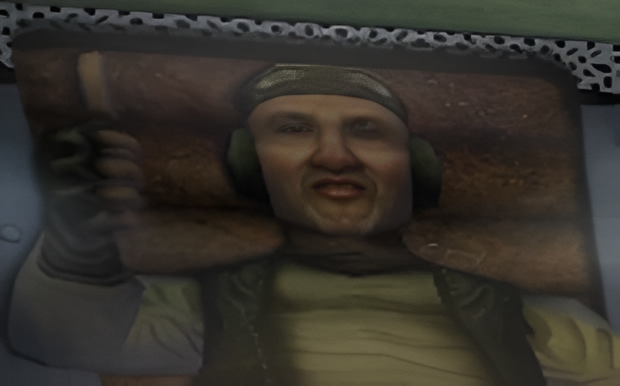
A ride in centrifuge, he was ready to continue, next step was to launch airplane, countdown begun, last thing to ask was how to deal with birds, for airship to take flight.
"Airship needs a cranked".
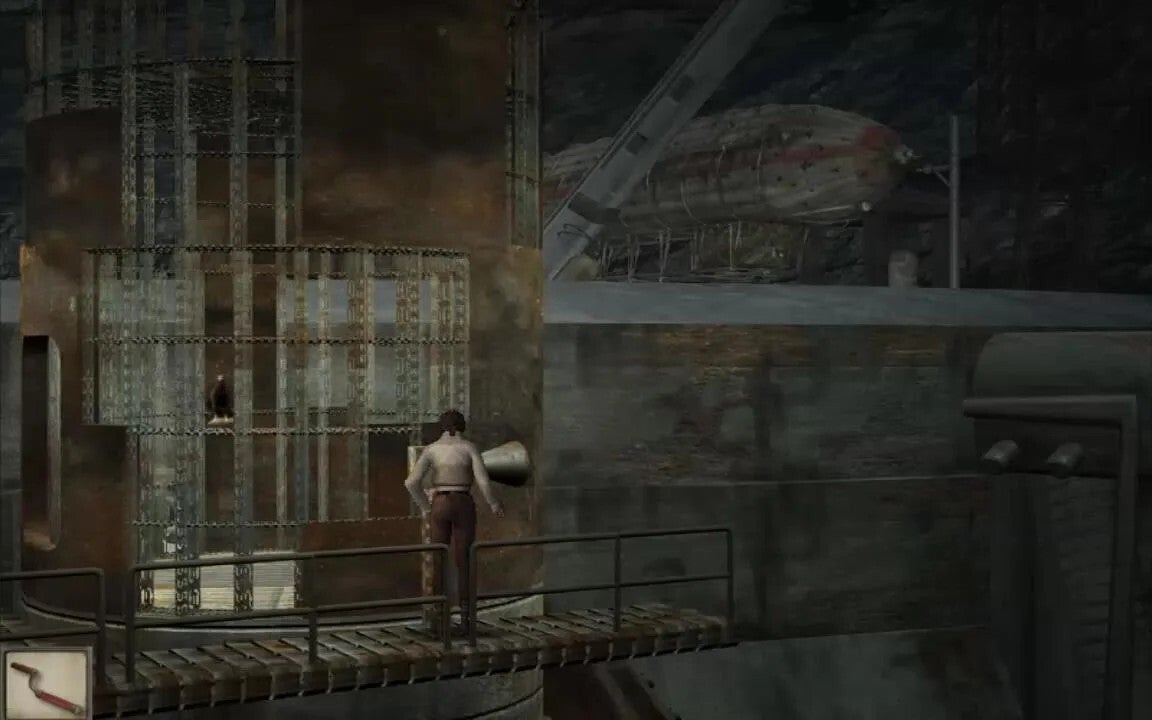
I picked up the crank handle, and was gone to to the place where the siren was located, its loud sound ringed in my ears, signaling eagle to take a flight to scare away birds that nested there. Now when I came back to airship, switched it on, it took a flight. To the Aralbad at last.
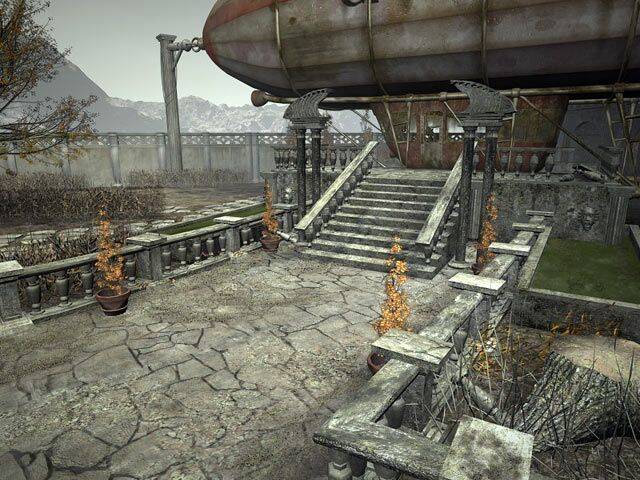
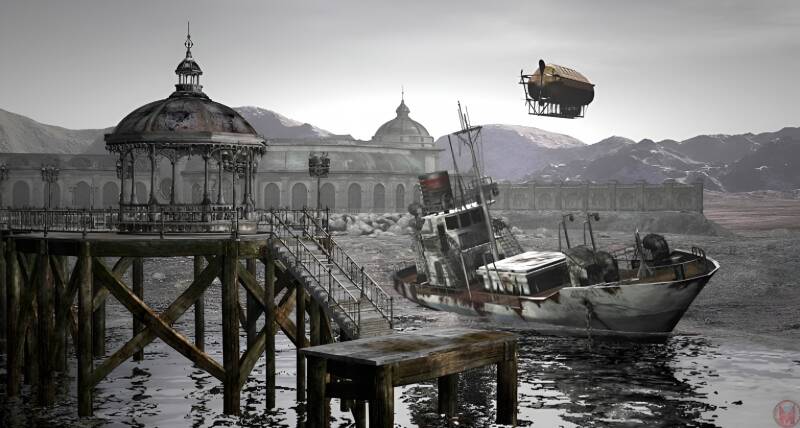
Airship Landed beside the spa Aralbad, the seaside resort where we were supposed to find Helena Romanski. Aralbad was a quiet seaside resort, once luxurious, now almost completely deserted. The hotel stood right on the shoreline, a grand old spa complex with wide terraces and a view of the sea stretching out beside the building. Even in its silence, the place still held a faded elegance — marble floors, ornate columns, and the soft echo of waves rolling against the pier.
I managed to break few rules, when I entered the resort, I was greeted by receptionist, he asked have I reservation here in hotel Kronski ? Obviously I had not and neither could I stay here, my company asked for results, not my excuses, as I was kindly reminded from Mr. Marson's call. When I ask receptionist has Hans stayed here and can I see Helena, on both questions I received it is confidential information. With nothing else to do back to breaking rules solution.
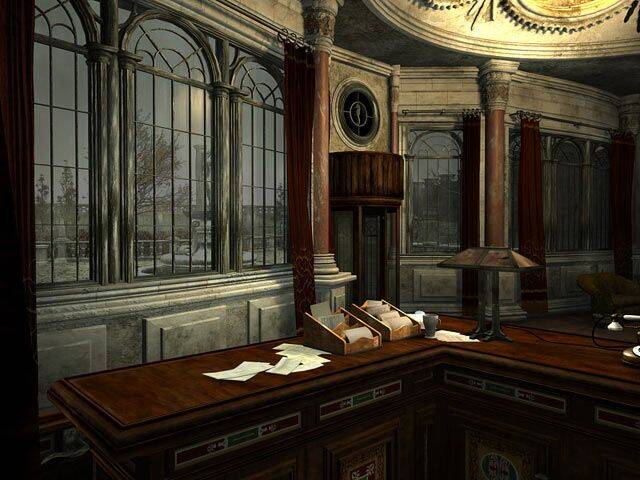
Call it luck or state it as it was a mischief, as I sneaked in to the staff room, where a cleaning chemistry was stored. While receptionist was watching tv, and poured out detergent into the fountain, that was just in front of entrance. Water bubbled up in a bit. Went back, opened the curtains in the entrance, ringed the bell to get receptionist's attention. He noticed bubbles outside, stormed to in to the staff room took a mop, he exchanged an anxious gaze on me and was gone to clean the mess I made. While he was gone I took a look in the booking book, to see who had stayed here and which room. Pushed a button to open gates, leading in to the resort, took brochure, in it was written a phone number.
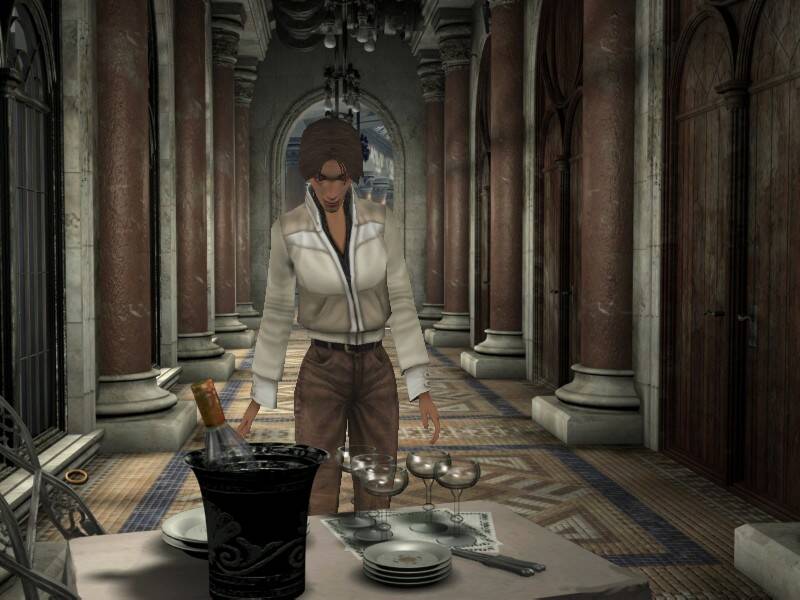
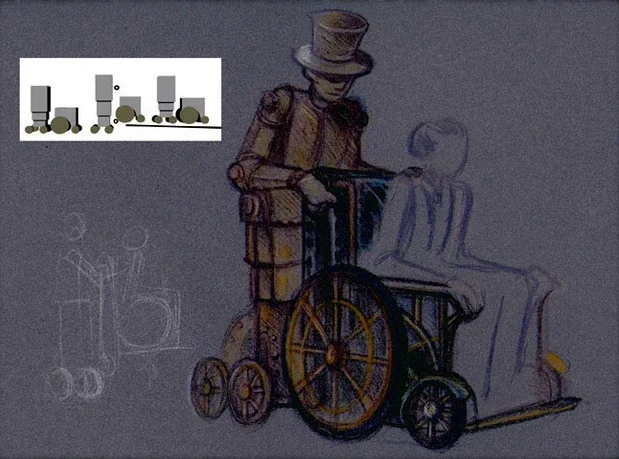
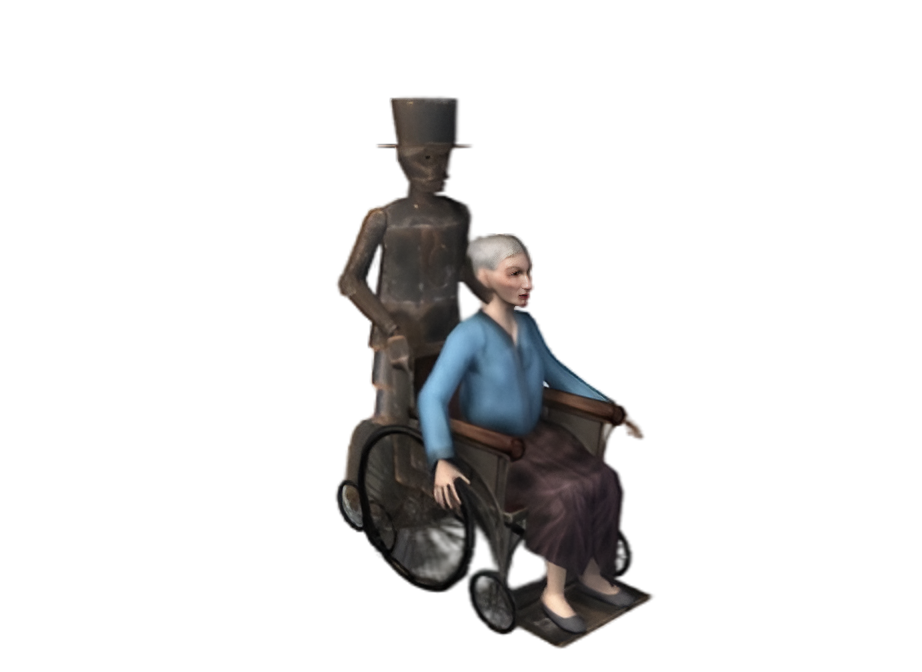
I took a glass, on my way to the dining room, where I spoke with automaton wheelchair, who said his name was James, he was automaton nurse. James said madam by her daily clock plan, is now at the pier. When I asked had James heard about Hans, he said madam has forbidden to spoke about him.
I spoke a bit with madam, said I came here on behalf of Franck Malkovitch, he was after all my mom's friend. To be honest I was here, because he said I could find Helena here. She asked me to keep the rest of serious talks, once we would be in the spa, for she had a headache, from how tight the gas mask were. She asked me to go call her valet.
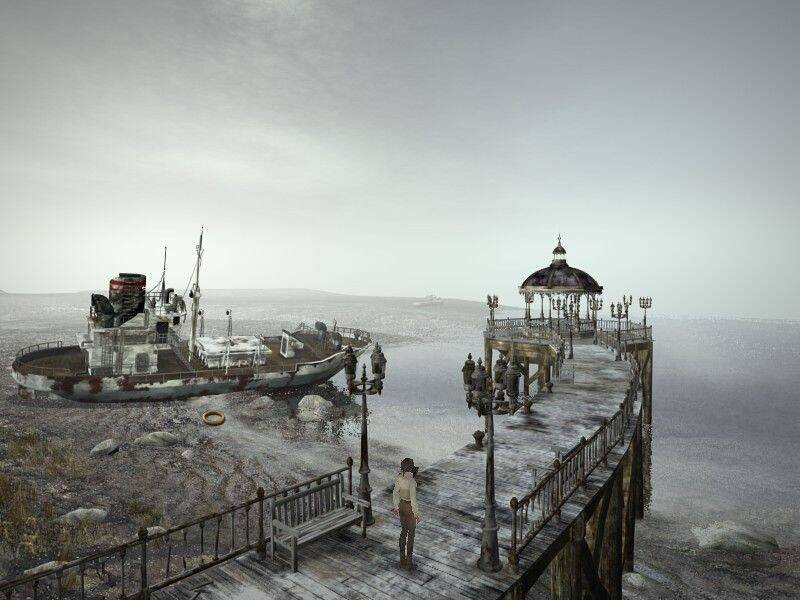
Mr Smetana left us, and I returned back at what I was asked for, ringing a bell near the gazebo, left me with bell in hands, I reattach it on a same construction but this was closer to the hotel. Ringed again, waited, waited, but James won't show up, needed to go talk what's the matter. A bit too windy for him, to help him with salted wind, I asked would gas mask help him, he agreed.
Opened gates and was standing right in front of basin, not what you expect to see first, but I had a reason to be here and I was going to find her.
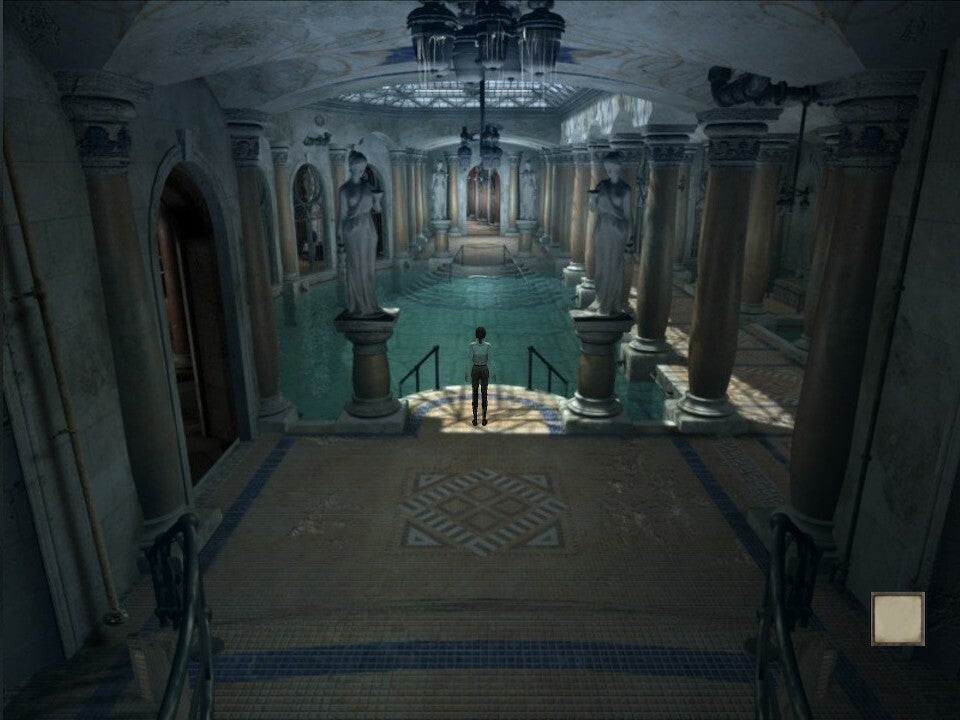
To open the door, leading to the pier, one needs to have an aces card, or more accurately code written on it. Back at basin, there were a few guests taking a rest, and they had left gates open leading to changing room, someone's aces card was lying on floor. Code from card worked, another gates opened. James did said beware a sea salt, in the air, but to see a gas mask, on the hanger in the corridor, before opening door to pier. I put gas mask on before heading outside "God helps those who help themselves".
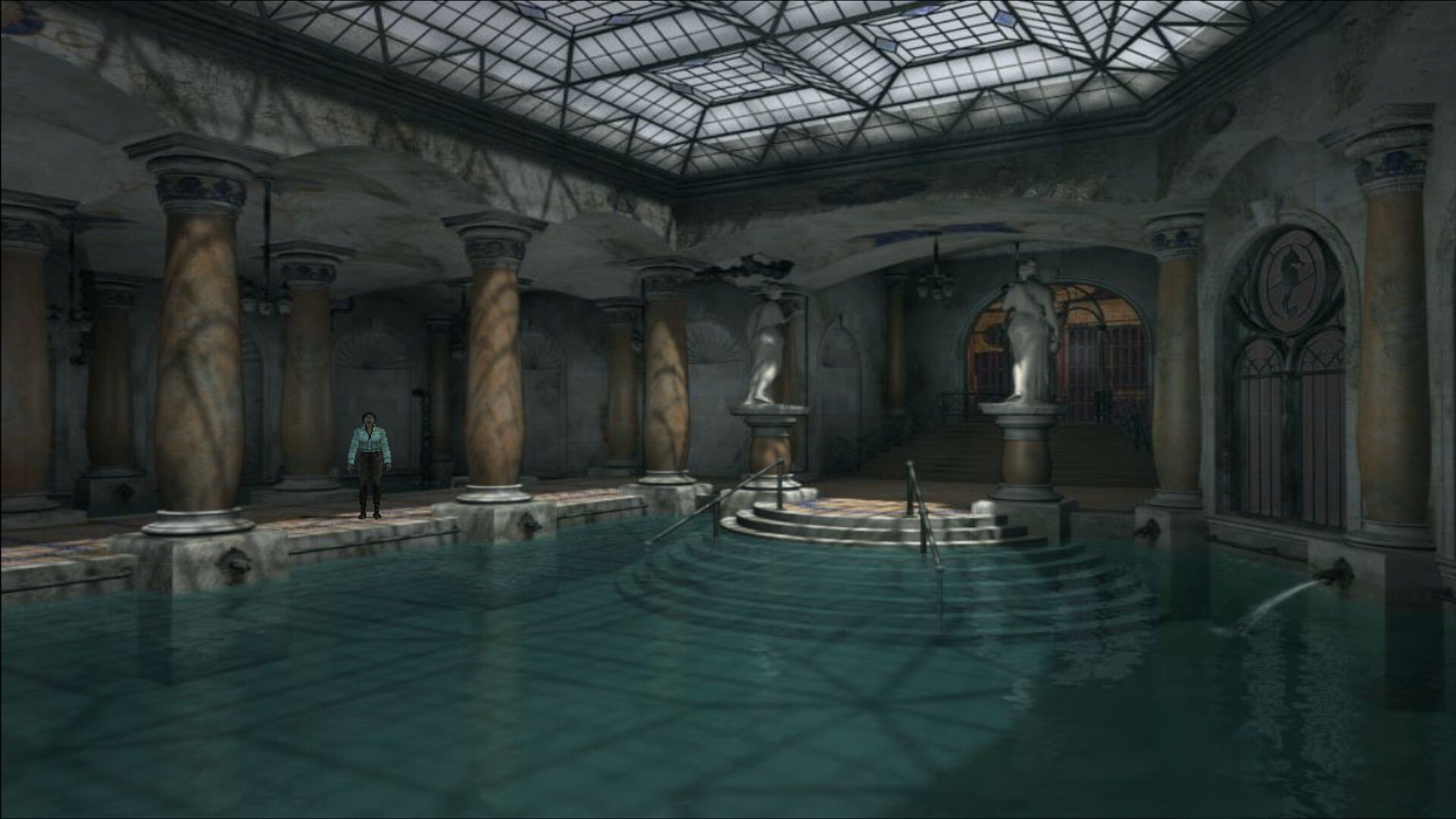
But before I could take a further step, receptionist confronted me on spot. This time my skin saved madam, after making clear point, I am now Helena's guest I could breath bit more freely.


Now when we were inside, I begun to delight her with what I had heard and discovered about her, why I was here, who wishes to listen to her back at Komkolzgrad, it's director, being her biggest fan. She refused to help at first, saying her glory days were long gone, her voice too hollow, lost for years. She considered herself too old and wouldn’t even try to sing for anyone. I tried to cheer her up, after she said her voice just like rest of her faded and wan as was her heart. I replied she's exaggerating herself, her voice must be still great.
When I asked her personally about Hans, she told me she was fond of him, like of a sweetheart, she had known. Haven't seen him in years and would love to sing for him, talk to him, see him. Strange than, why to speak fond, warm words, about one, who was forbidden for automaton nurse to mention. Upon flying in to her thoughts, she mentioned. If she would be in Paris would ask George, to mix her a miracle cocktail. Hm, Helena told me about bartender, who returned her voice, when she caught cold, back in Paris, the day she had to sign, this fellow George mixed cocktail for her, she said it instantly returned her voice back. Now to mix it myself, I was after all standing at the bar counter.

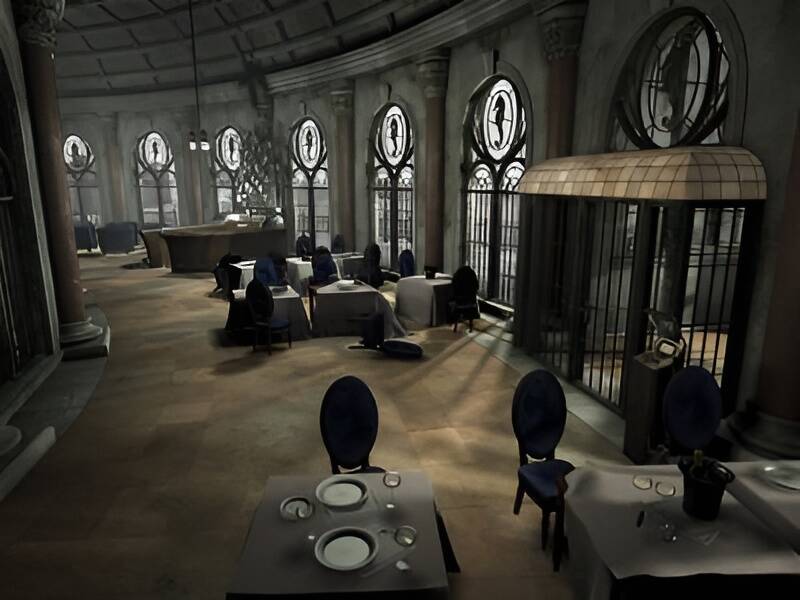
Now that telephone number from brochure, would come in handy. Receptionist on other side was kind enough, I asked can I spoke with George, he switched call lines to the bar. A barman working in there, had said George had worked here but he wasn't working here for years now, but he did left a cocktail recipes, behind. Bartender begun to call out few names, one did sound like it could be the one, Blue Helena. He told me which ingredients were needed, the exact proportions, now to put a memory in usage.
All that remained was to search the entire resort for whatever supplies were left. The resort was nearly empty, in the bar shelves were lime, honey, warm jar in one of hammam like basins, or otherwise you'll have a crystalized honey. Vodka from Komkolzgrad, will come in use here. Place ingredients in place and play a sweet melody ¬ like ( Lliiria'n suites )
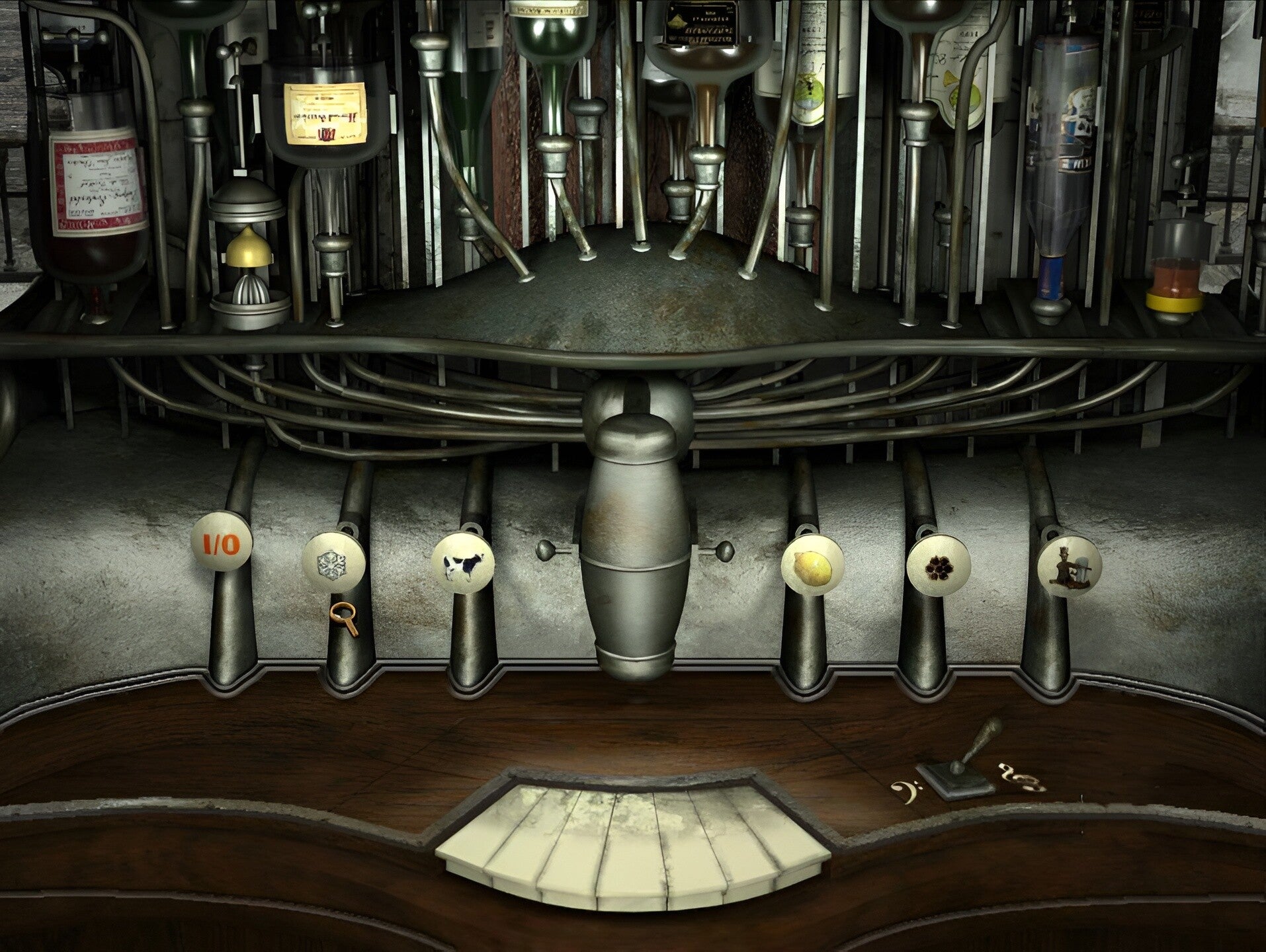
Follow up : one measure of vodka, blue curacao, honey, a dash of lime, add ice cubes and shake it. Whol'a blue Helena is in your glass, secret is to follow measure's of the proportions. Even thought voice had returned, lack of confidence, yet has to be proven. I suppose resort won' miss one shattered glass to help out singer. Since to sing in opera you have to have high timbre voice to be heard, shattering glass in process if note was too highly taken is a natural outcome. Besides having a magnificent voice she has a strong hand as well. Well while Helena is dressing up I came back to airship taking look has it a need of an additional inspection.
Listening to Helena, how acoustic of hall took in every note from organ, her voice carried every word she sang, with echo in response through every corner of this place. For someone, a lifelong dream was finally realized.
At least this time, everything was in place, besides spending time answering phone call from Olivia, Helena had dressed up and arrived. We took our departure, at long last, we will eb on our way back and than out.

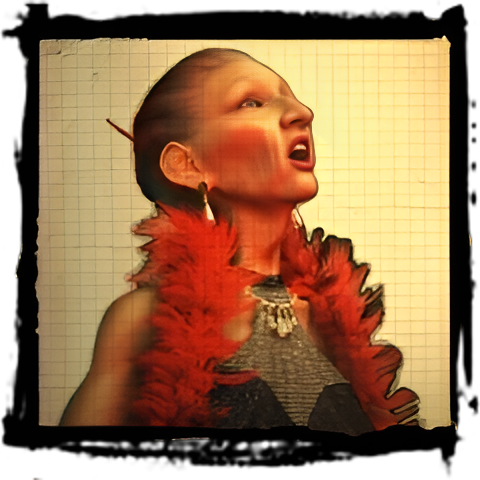
For those who know russian language, words are clear, those who don't. "Black eyes, beautiful eyes, how I love them, how I fear them"
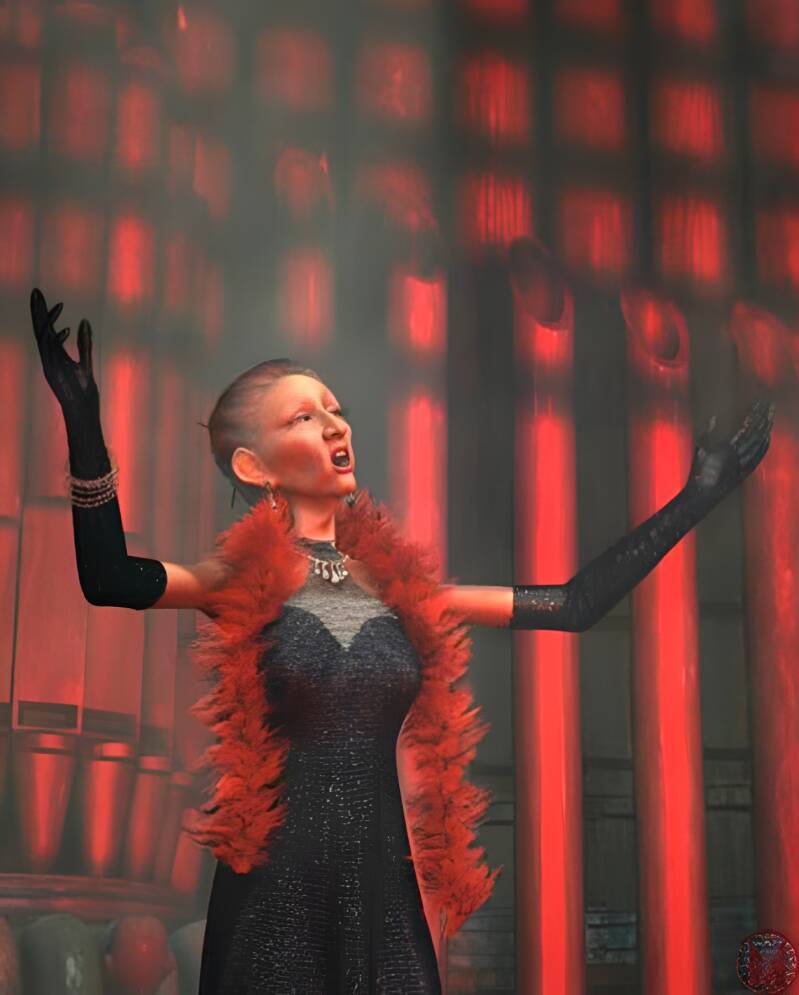
But director had his own plan, on Helena, as she took high note, a caged lowered down, caging here like skylark, to sing only for one pair of ears. But as caged skylark don't sing, so I had no intention to leave it that way either. To unlock cage wasn't that hard, metal sheers to cut a lock on door, and had to take Oscars hands, before departure. Screwdriver to help, but in the end we got separated with a prison bars separating us. I gave Helena Oscars hands, said to find way to train, tell Oscar to prepare train. As for myself had to find another route out of here.
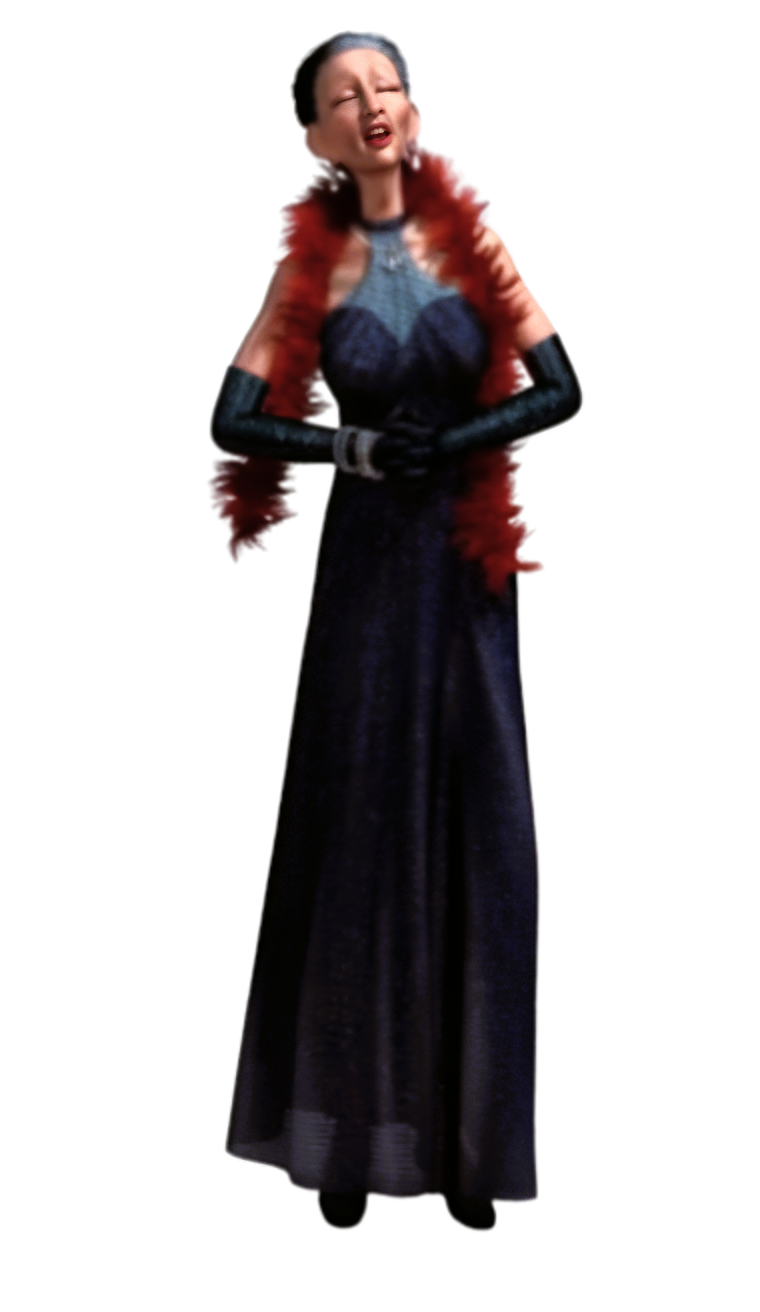
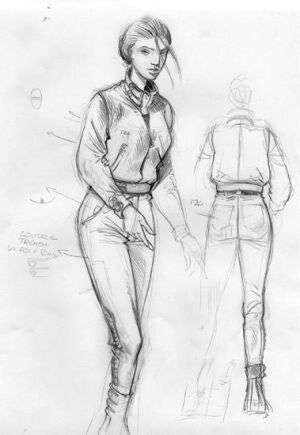
The path through the mines, the way I came in, greeted me with a bomb, as I called elevator down. But blow was strong enough to shatter hole in the wall, connected with one of big tunnel pipe's leaded me to surface. A tolerant talk with Oscar, sometimes he undertakes a duty concern over urgent things too often.

As for why we couldn't take a leave right away, one of the giant statue blocked our way with iron rods emerging in between it's legs. It sounds as crazy as what came after wards. Taking a bomb, same that blocked my way out of mines, placing on the foot of giant and blowing it up.
Back, safe, alive, at Aralbad. Taking break from this journey was only appreciative. Had to talk with Oscar, he had decided to take in air outside train, asked him how he was after leaving mines, respring back train while I was on platform. As quick as I was to take my leave with train. Mr. Smetana, ran out to train platform calling for me, saying someone just left a package for me at reception, while he wasn't looking.
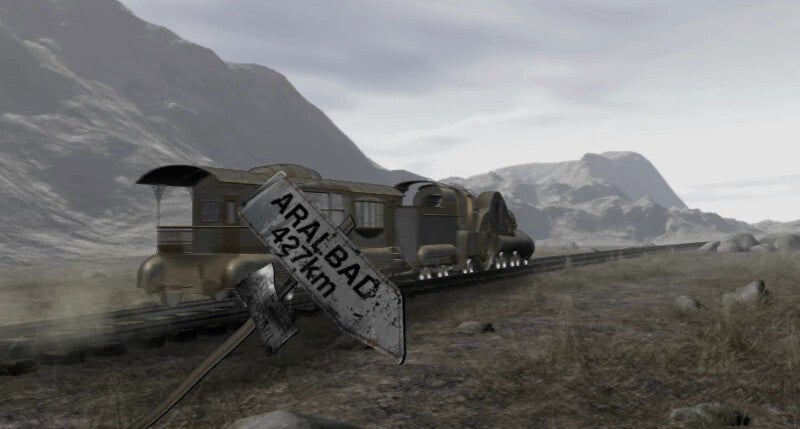

Out of sudden all of this, but I came, to look in it, a mammoth figure was inside a box, strange, madam called to reception, telling Felix to ask for me to join her at the bar. Helena thanked me warmly for everything, she said Hans had ended up in this resort, he had a horrific cough, from air he breathed, while he worked in those mines. She said he got better and left after wards.
As out of sudden this confession of creative mind who created fantastic toys, for being a child with simple spirit, had caught Helena's heart, for she admitted she loved him. Now that was surely unexpected. Helena begun to fade to her own thoughts, sating suggestion's like, I should take a walk outside, the supply plane had arrived. Farewell to both James and Helena, and I was wondering out. James said that a snow outside was a good sign, for I didn't had to wear mask to go outside, I went outside and talked to a person I was searching for this entire time.
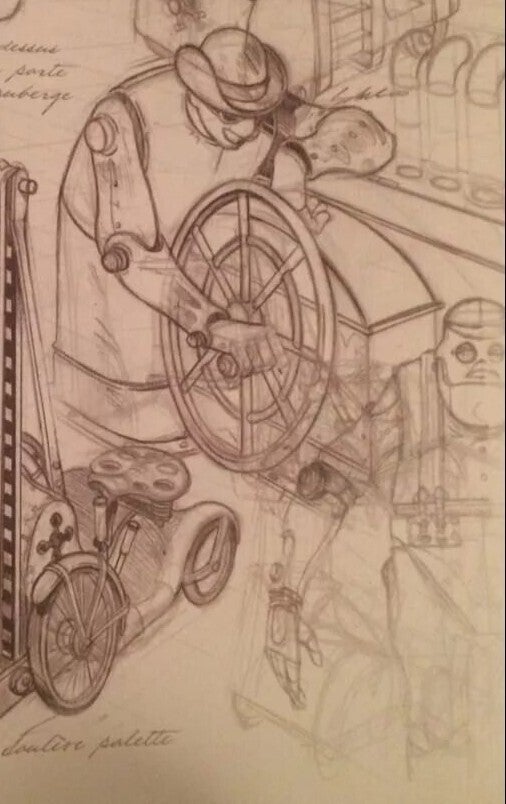
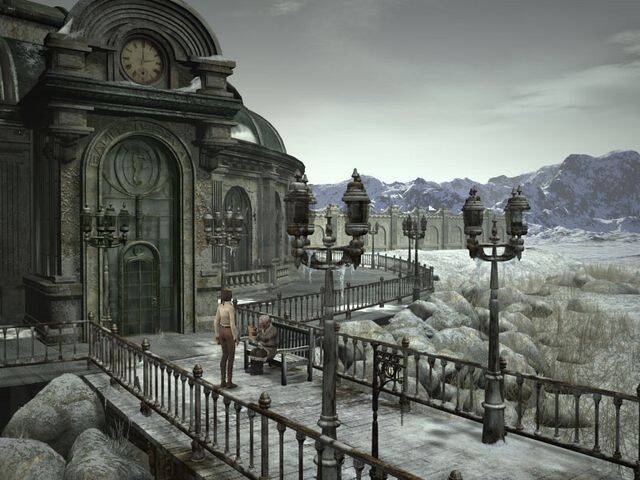
He was sitting on bench, a small, old man, lost in his own world— Hans Voralberg. Frail, gentle, and unmistakably entirely real at last. Hans signed the sale papers without reading them. He didn't knew how to. When I asked should I read them, he replied no need. With the contract complete, office called me, before I could do it. They were celebrating, received good news, promising me a promotion the moment I returned to New York with the signed documents. Everything I had worked for was suddenly within reach.
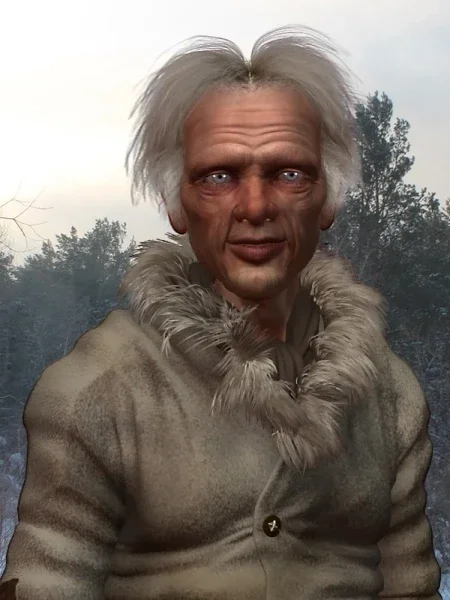
But Hans asked me a simple question: “And you, Kate Walker… what do you want?” It was the first time anyone had asked me that. Hans greeted Oscar, climbed into the locomotive, and prepared to continue his lifelong journey toward Syberia.
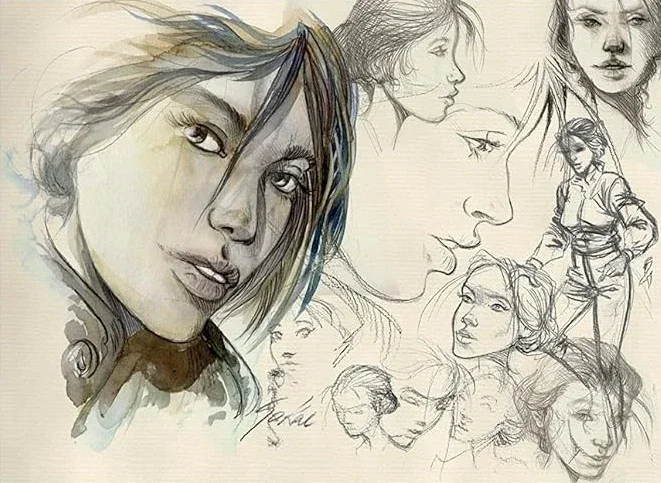
Meanwhile, the supply plane was waiting at the pier — I had to ask pilot, possibly it would take me to the nearest airport, from where I could fly back to New York, or directly to New York and I could resume my life. For a moment, that was the plan.

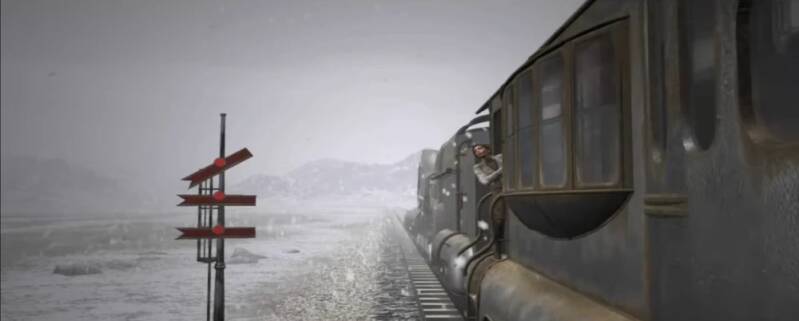
But as the train began to pull away, something inside me shifted. I watched it move down the tracks, carrying Hans toward the dream he had chased his entire life. And suddenly I knew I couldn’t let it leave without me. I ran. I reached out to the closest barbell, pulling me onto the locomotive at the last moment. Breathless, exhilarated, I realized I had made my choice. I wasn’t going back. I would accompany them — Hans and Oscar — further toward Syberia.
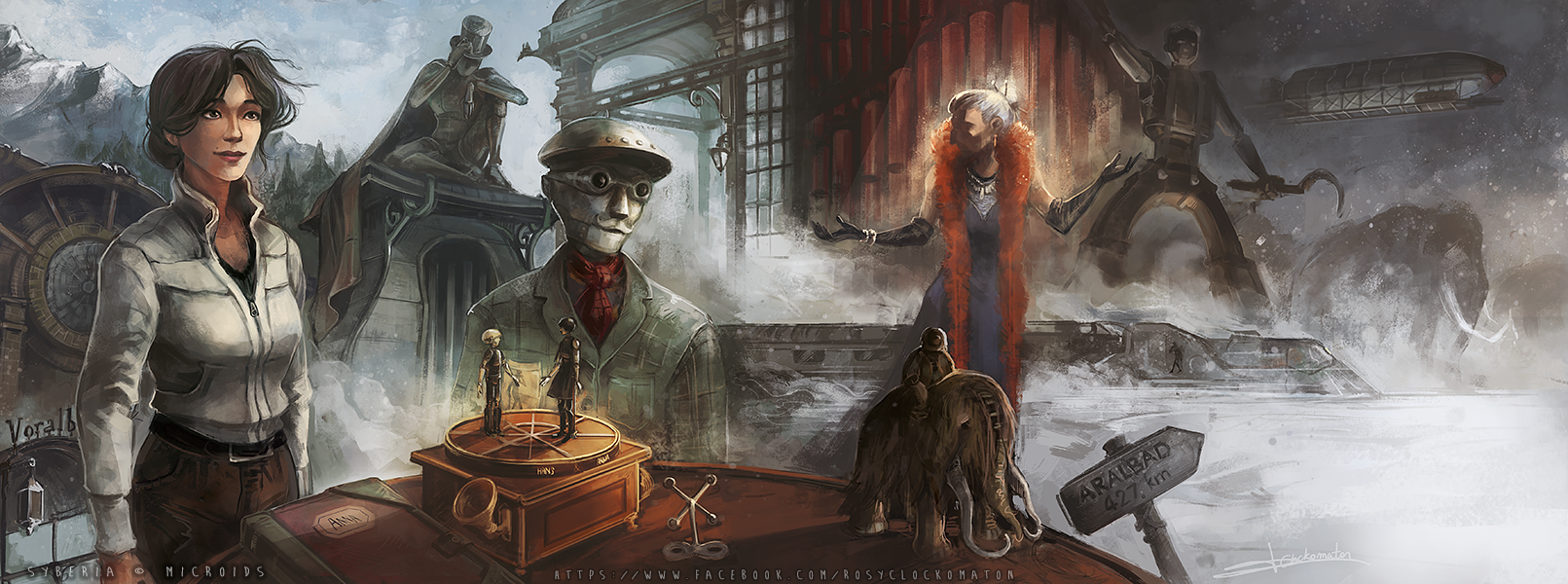

Reaching

Syberia II
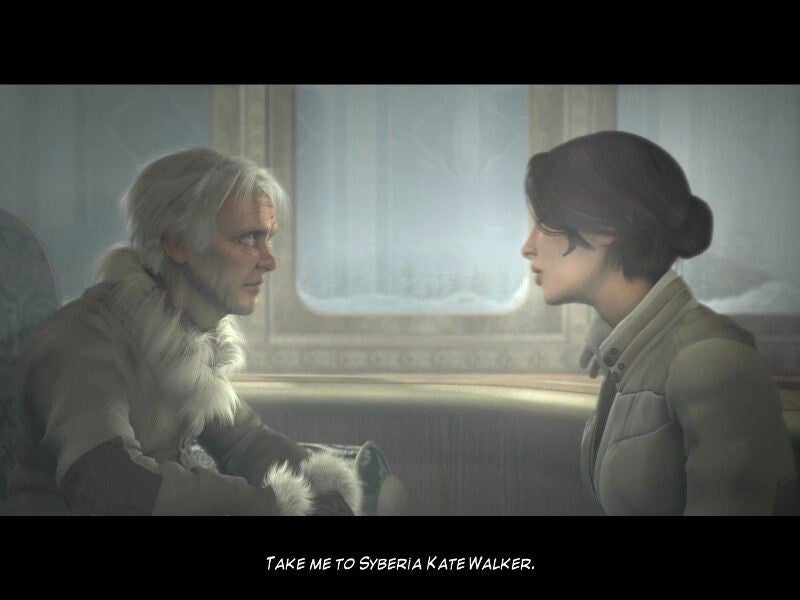
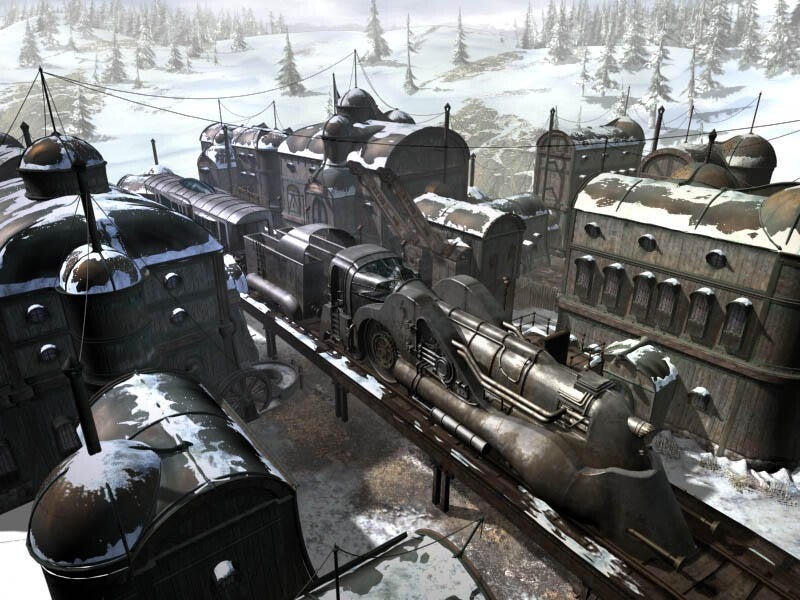
Compared to the cold outside, whatever warmth remained in the train felt like a memory. I realized I would eventually need warmer clothes. At the station, I was greeted by a retired guardian of the Imperial Marches. He told me Romansburg was the last town before the vast, wild glacial wastes of the tundra.
Eventually, train slowed, gears clicking and steam hissing as it approached a settlement half‑buried in snow. Romansburg — a remote frontier village, its rooftops heavy with frost, its streets carved into the ice by wind and time. A place to rest, warm up, talk to whoever still lived out here, and gather what we needed before heading even farther north.
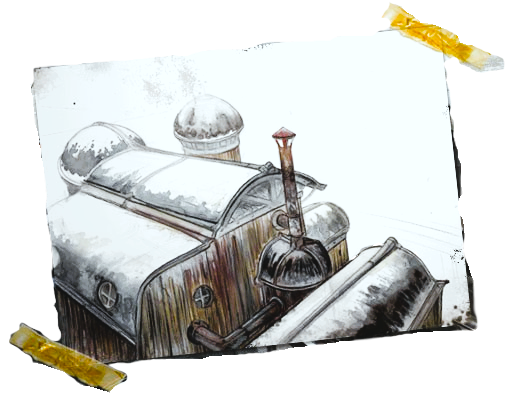
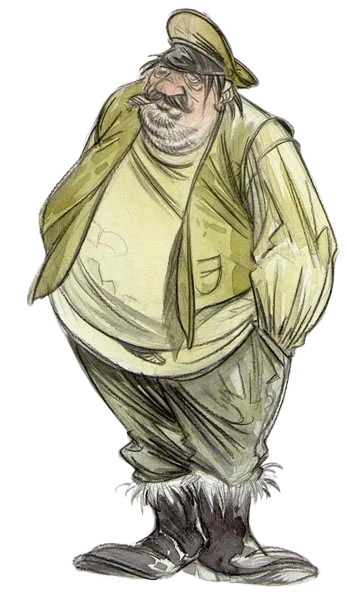
He didn’t finish his introduction — the station platform’s loudspeaker cut him off with a recorded announcement, a cold, mechanical welcome to the Romansburg frontier line. With him mumbling under his breath — something about how I could just as well be a snowman — he disappeared into what turned out to be the general store.
I helped Oscar wind up the train and listened to his suspicions about stopping in stations. Considering what had happened in the past, I understood why he was uneasy, why he distrusted anything that looked like a warm welcome. At the time, I didn’t pay enough attention to his other remark — that neither he nor the train was built to function forever, and that someday, somewhere along this journey, they would simply stop. Before I could rethink his words, he turned to the next urgent matter: finding coal.
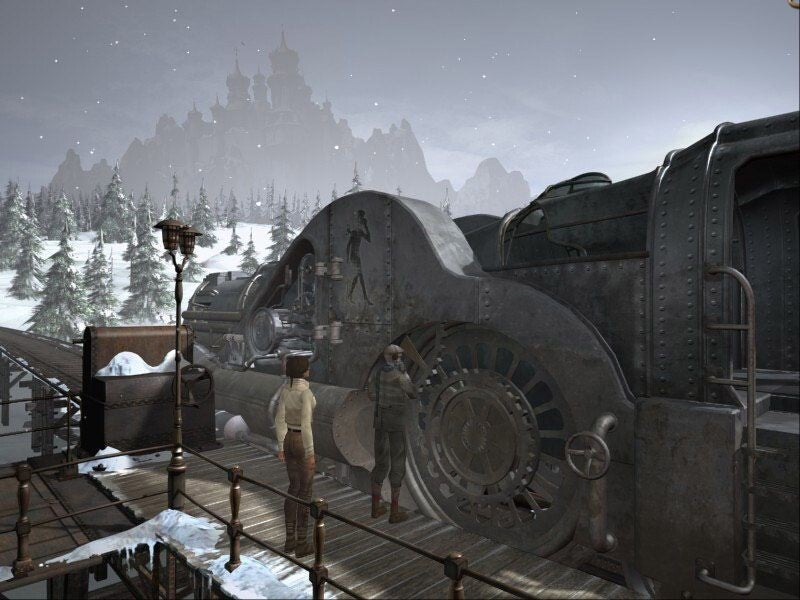
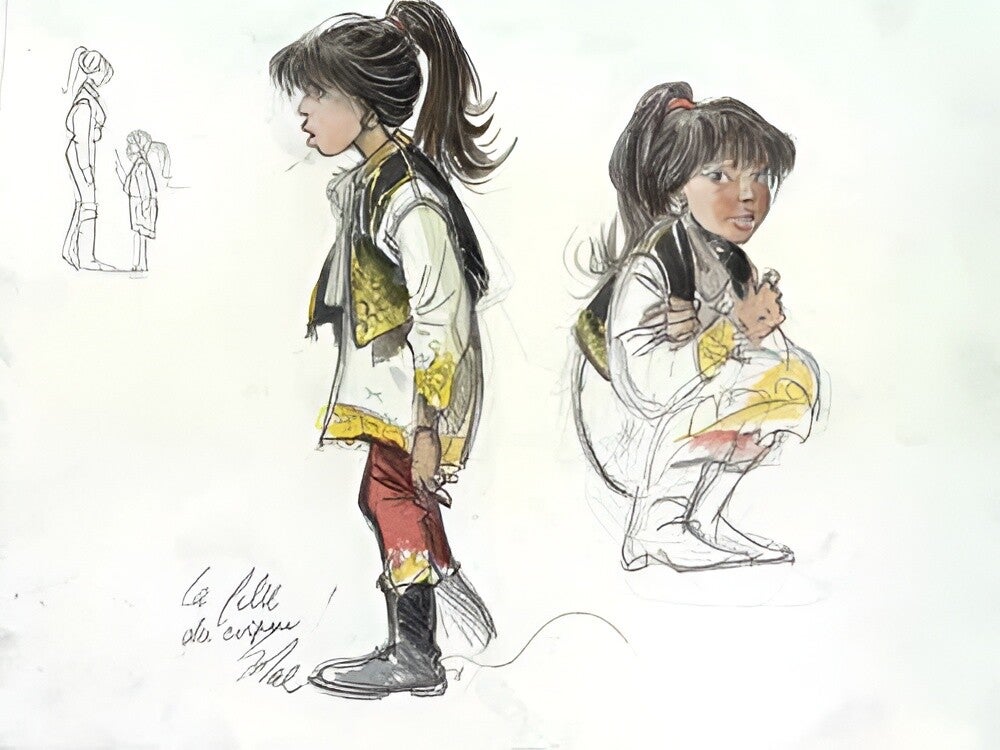
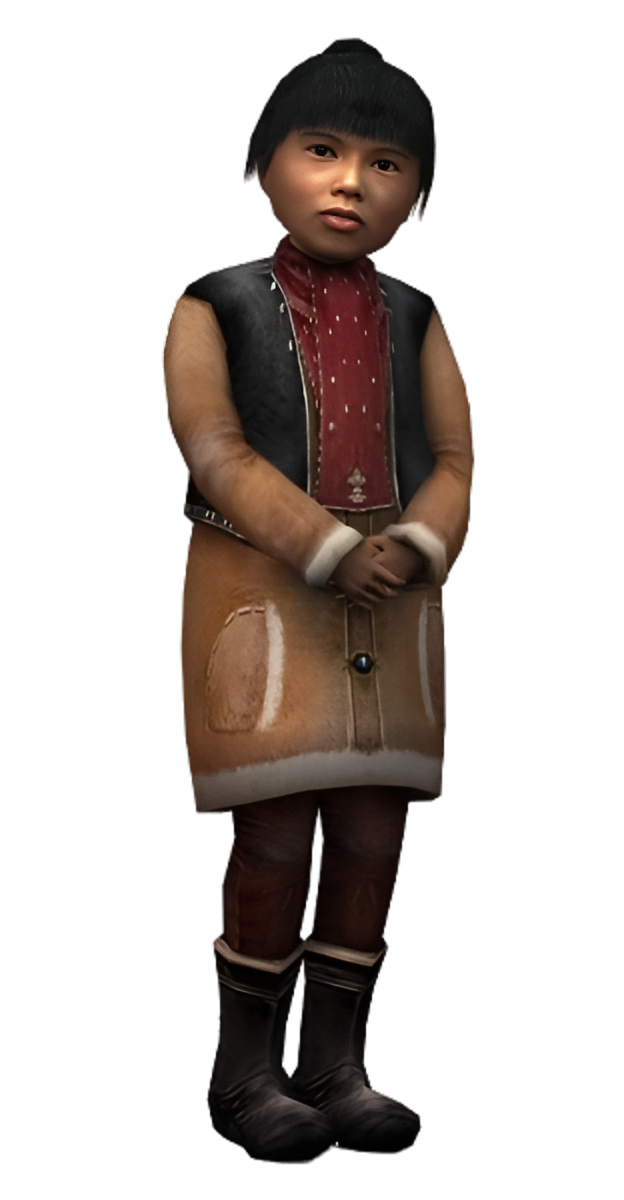
The farther the train ran, the less likely we’d be able to stop anywhere at all, not to mention rewinding the spring mechanism. I was on my way to refill the train’s coal supply when, before pulling the lever, I noticed her — standing beneath the station’s platform bridge, beside the coal chute. A little girl. After a brief introduction, she told me her name was Malka. She couldn’t have been more than ten or eleven. She said she liked me, and that she’d want to talk to me again.
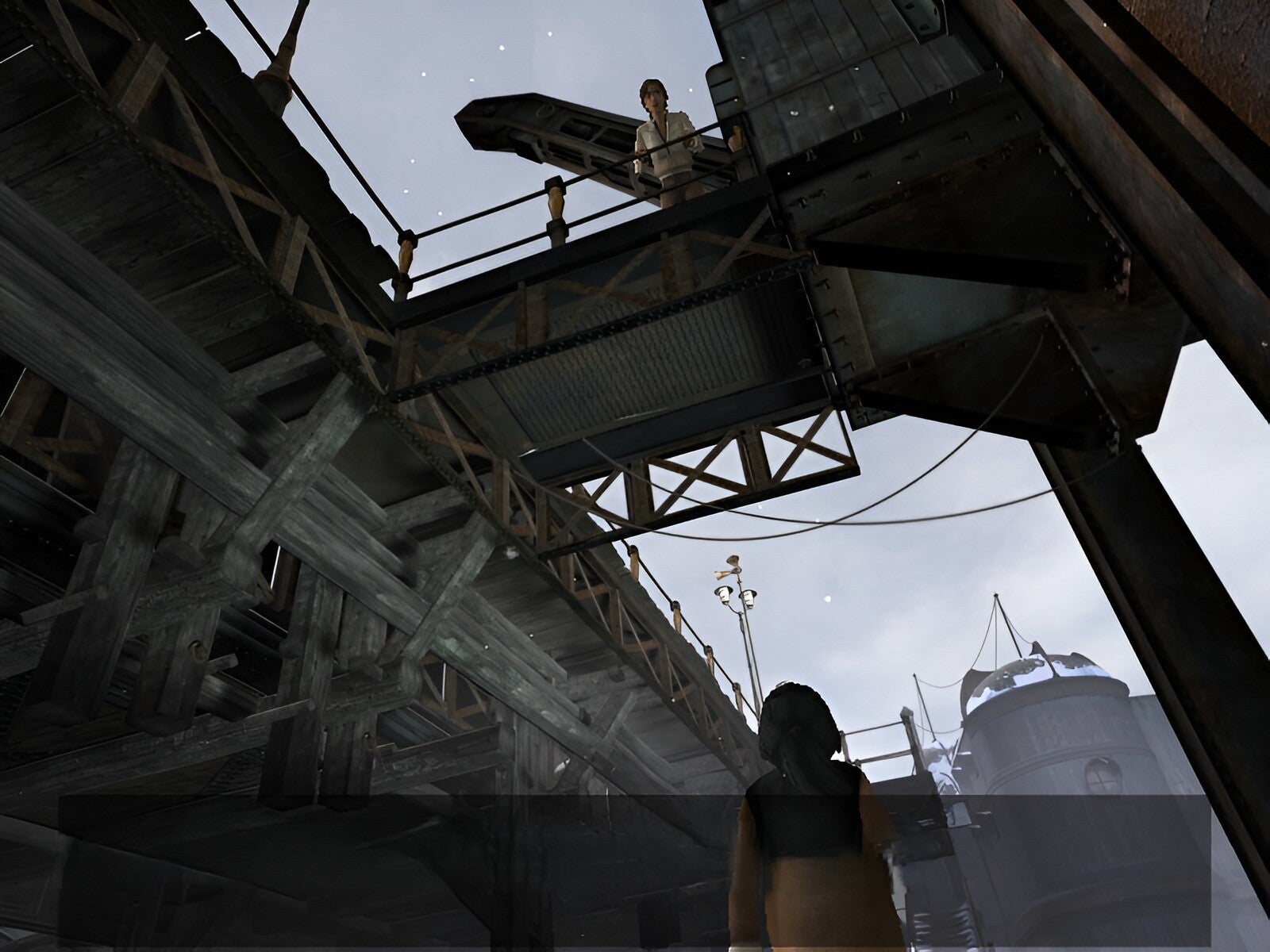
Probably for the best — or maybe not — I couldn’t fill the wagon with coal. Something wasn’t working. Later I learned the solution was simple: the mechanism needed gasoline to prime the system. But gasoline wasn’t exactly easy to find in this village. Another headache for the growing list of “further explorations.”
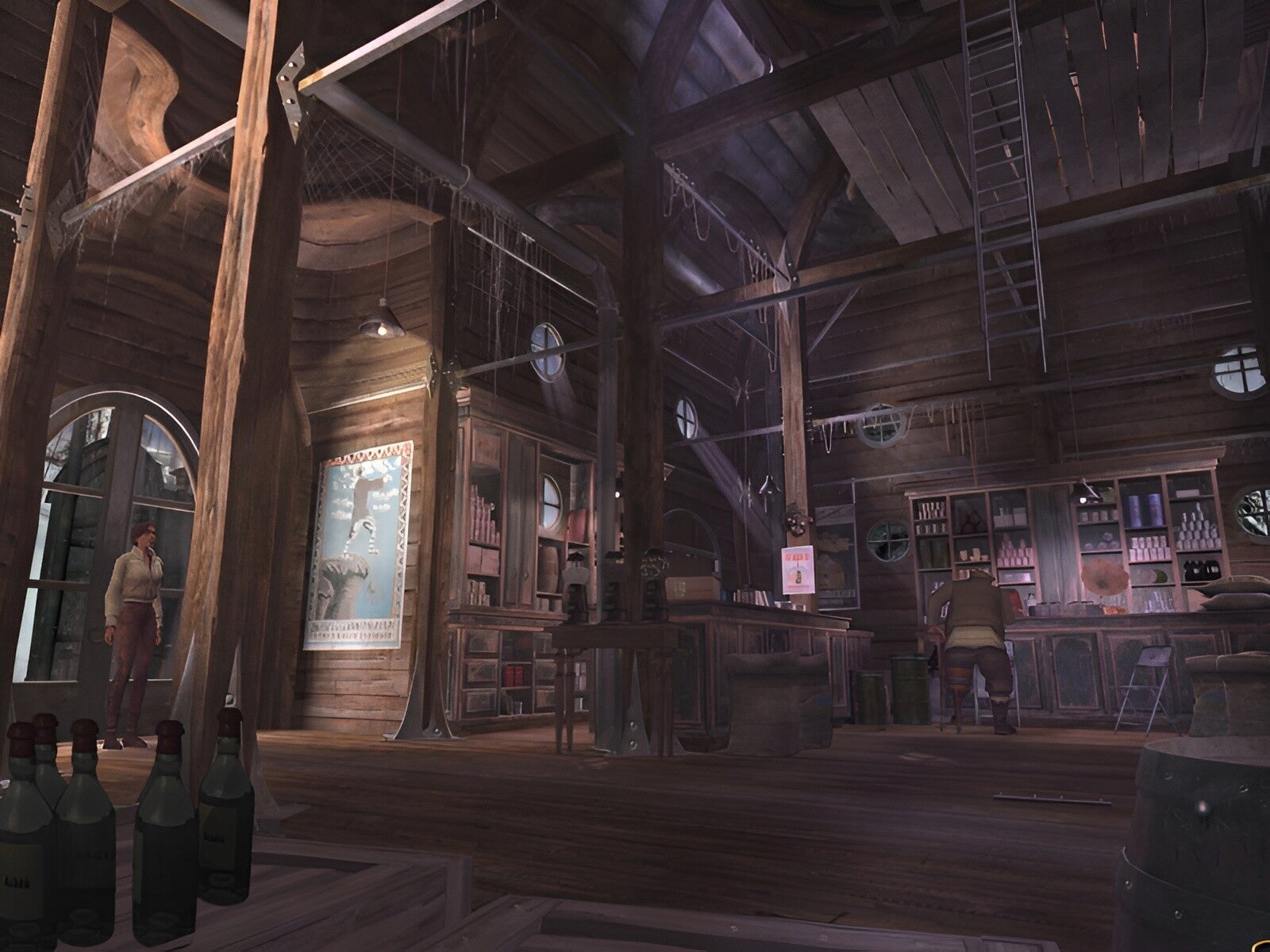
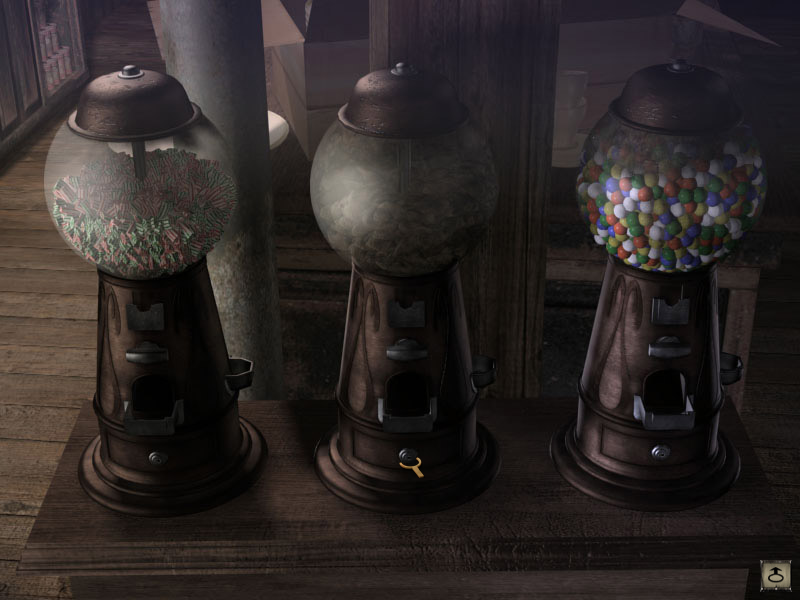
Among the supplies, he had several candy machines — one dismantled for parts, three others filled with sweets. One held fish‑flavored candy, another simple sugar drops, and the last one contained bubblegum in those big round chewable balls. The kind I remembered from home, meant to fill your whole mouth and nearly impossible to chew. It was also the only one I couldn’t retrieve. Typical. Since it's coin case was open, so all I needed was the right coin to make the other machines work and get a few sweets.
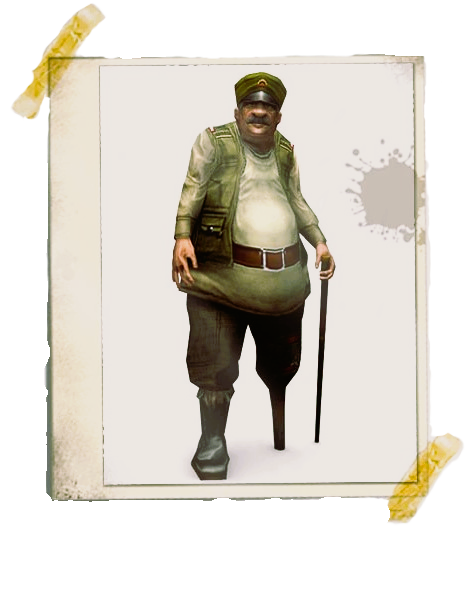
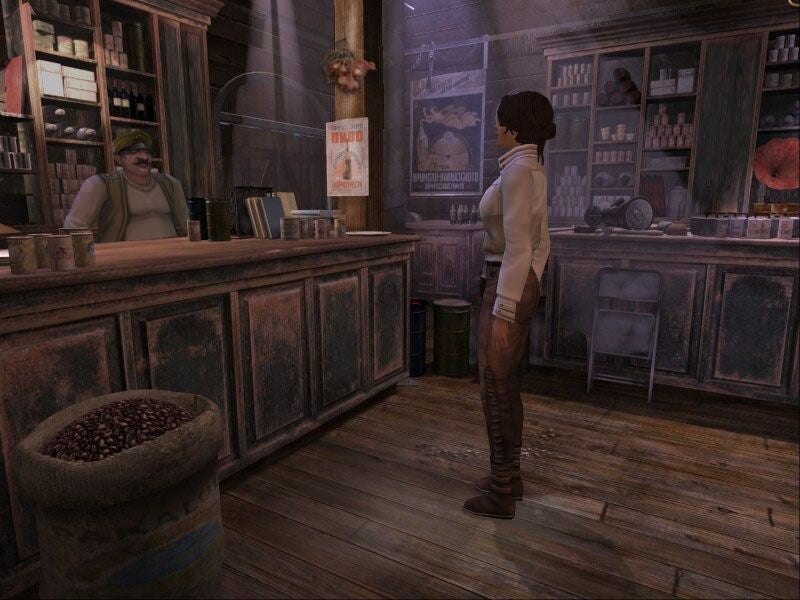
I headed to the general store. At least indoors, I and Emeliov Goupatchev could speak without being interrupted by the station’s booming announcements. He was polite in a tired sort of way, faintly amused by the sight of an American this far into the tundra. Judging by his wooden leg and the walking stick he used to steady himself, life had taken a great toll on him — enough to push a man to the very edge of the civilized world. We talked for a while before I wandered through his shop.
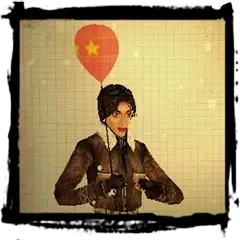
When I stepped back out into the frost, I headed for the stairs leading off the platform — only to find the gates being locked. I took a chance and looked for Malka. She was exactly where I’d last seen her, as if she’d been waiting for me. Talkative when she wanted to be, silent when she didn’t feel like discussing certain topics.
She proposed a trade — a key in exchange for a “present,” as she put it. Luckily, I already had candy's. She released a balloon with the key tied to its string and told me to catch it before I lost it.
Malka waited for me near the front of a building I first mistook for an inn. I asked her about her family, and I quickly realized I’d stepped into territory more personal than I understood — family, life, how she ended up here. No wonder her answers were short, evasive, wrapped in that childlike sarcasm she seemed to enjoy.
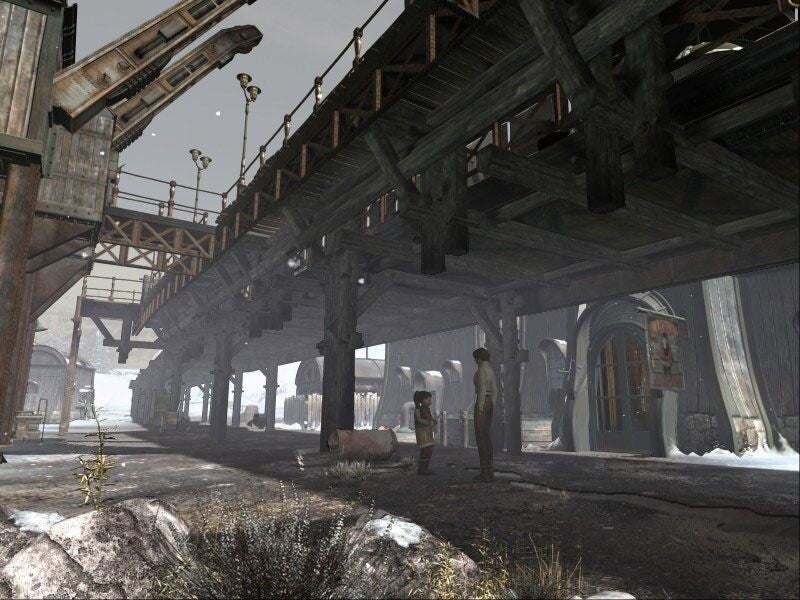
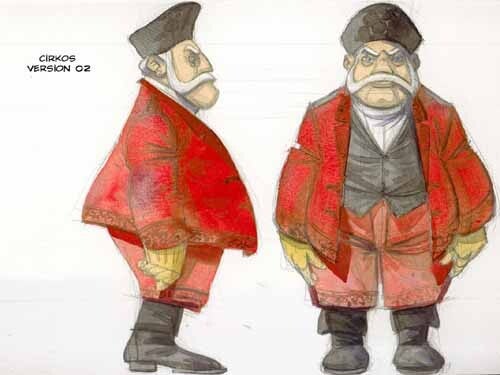
Still, she told me that the owner of the cabaret, Mr. Cirkos, kept an eye on her. He’d taken care of her since her mother passed away. She wasn’t a local, but the way she judged people — the village included — made it clear she’d learned to survive here. And now, somehow, that included me too.
Sometimes I wonder how things might have turned out if I’d ever found a way back to New York. Would I have returned for Malka before leaving for America? She looked like a desperate child, ready to climb onto the automaton train if it meant getting far away from here. And why did she ask me to take her with me, if I ever went home? There’s no way of knowing now. I never returned to America — even while I was still asking Hans why he believed Syberia existed, when even a child like Malka insisted it was only a fairy tale.
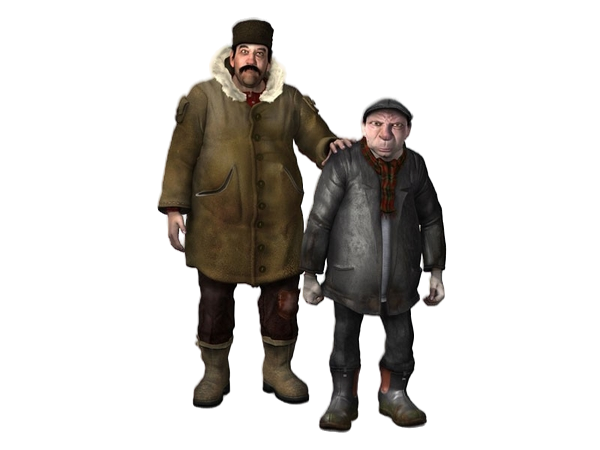
Anyway, the coal machine needed gasoline to function, so I asked Malka if she knew who might have some or where I could find it. She mentioned two brothers — odd men, suspicious in appearance and even worse in smell. She described the taller one as having “a brain like soup,” and the shorter one as walking like a penguin. Later, when I met them myself, I realized she hadn’t exaggerated. They were exactly the shady type she’d warned me about.
She’d been helpful so far. She darted off a few steps, as if daring me to follow her — or daring me to figure things out on my own. Hard to tell with her.
In small villages this far from anything resembling civilization, people live quiet, closed lives. Everyone knows everyone else by face, by habit, by the way they walk through the snow. Outsiders stand out immediately — and not always in a good way. I stepped into what I first thought was an inn. Usually such places are pockets of warmth, gossip, and the kind of information people only share once they’ve thawed out a little. But here, on the last frontier line before the tundra, I sometimes forget just how many miles I am from anything familiar.
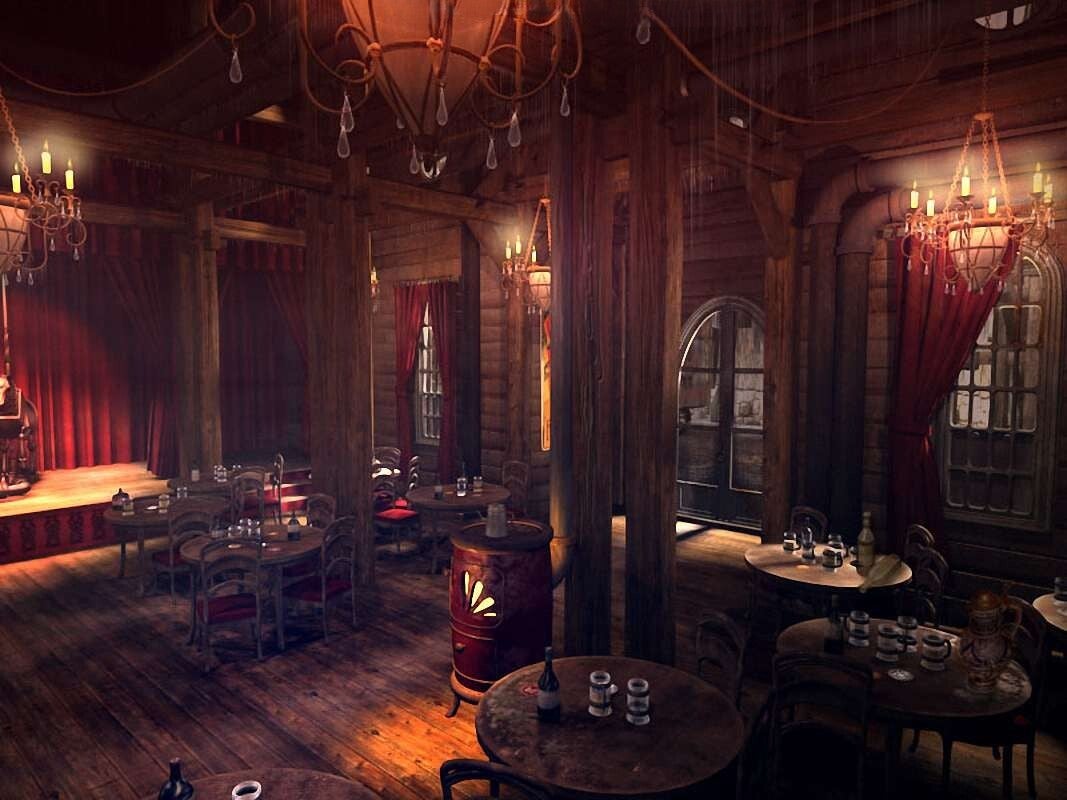
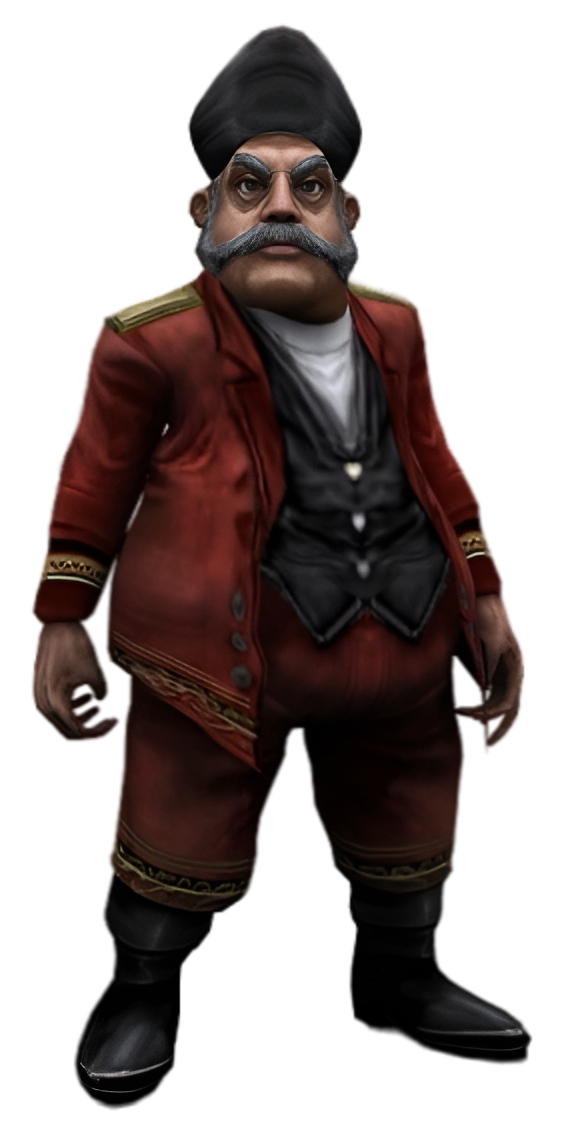
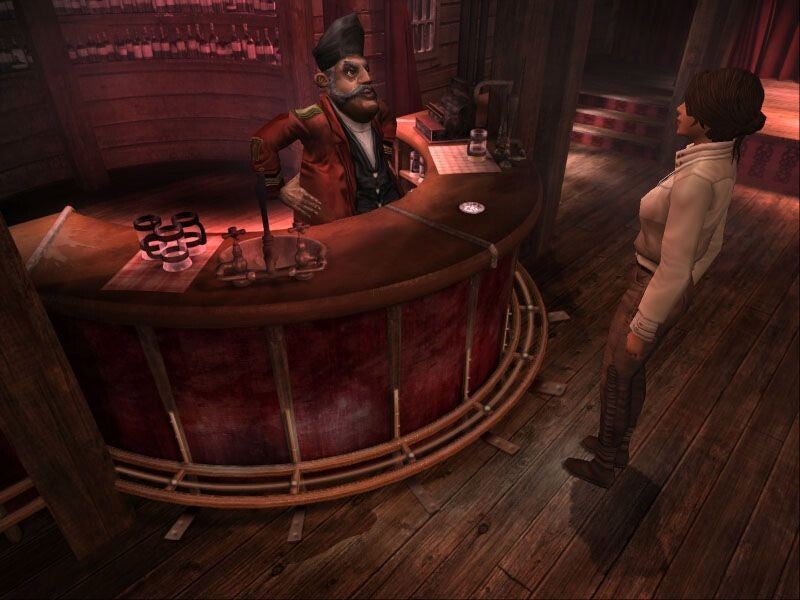
People judge you by your appearance at first, but by your mind in the end. And in the case of this place — which turned out to be a cabaret — you judge it by its owner, Cirkos. To call him talkative would be an understatement. When I asked where I might find gasoline, he turned the conversation into a meditation on vodka as “fuel for the spirit,” opening the door to stories and warmth meant for the body rather than for any machine.
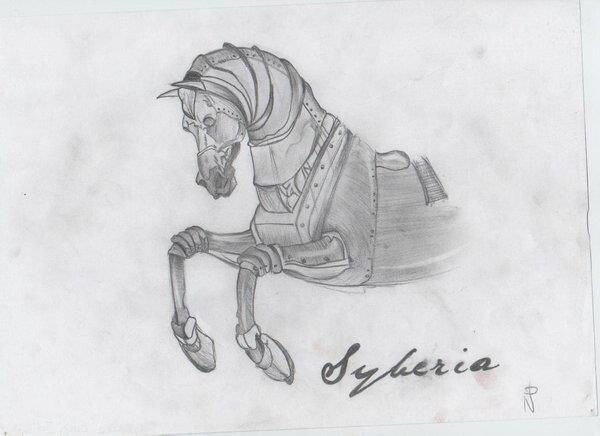
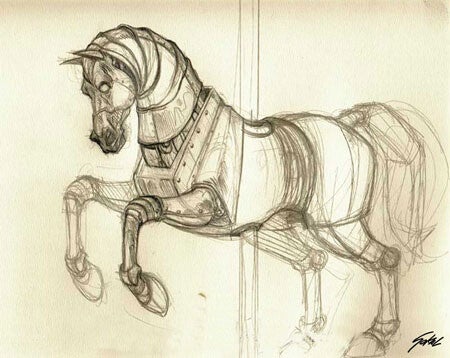
Mr. Cirkos looked like a retired circus ringmaster who had been left out in the cold too long: bright coat, decorative buttons, and a face carved into a permanent scowl. Beneath the roughness of his accented voice, he carried himself with a kind of begrudging hospitality — or perhaps simply a soft spot for helping women travelers. Later he would tell me more about Malka’s mother, and I sensed that sympathy had been there from the start.
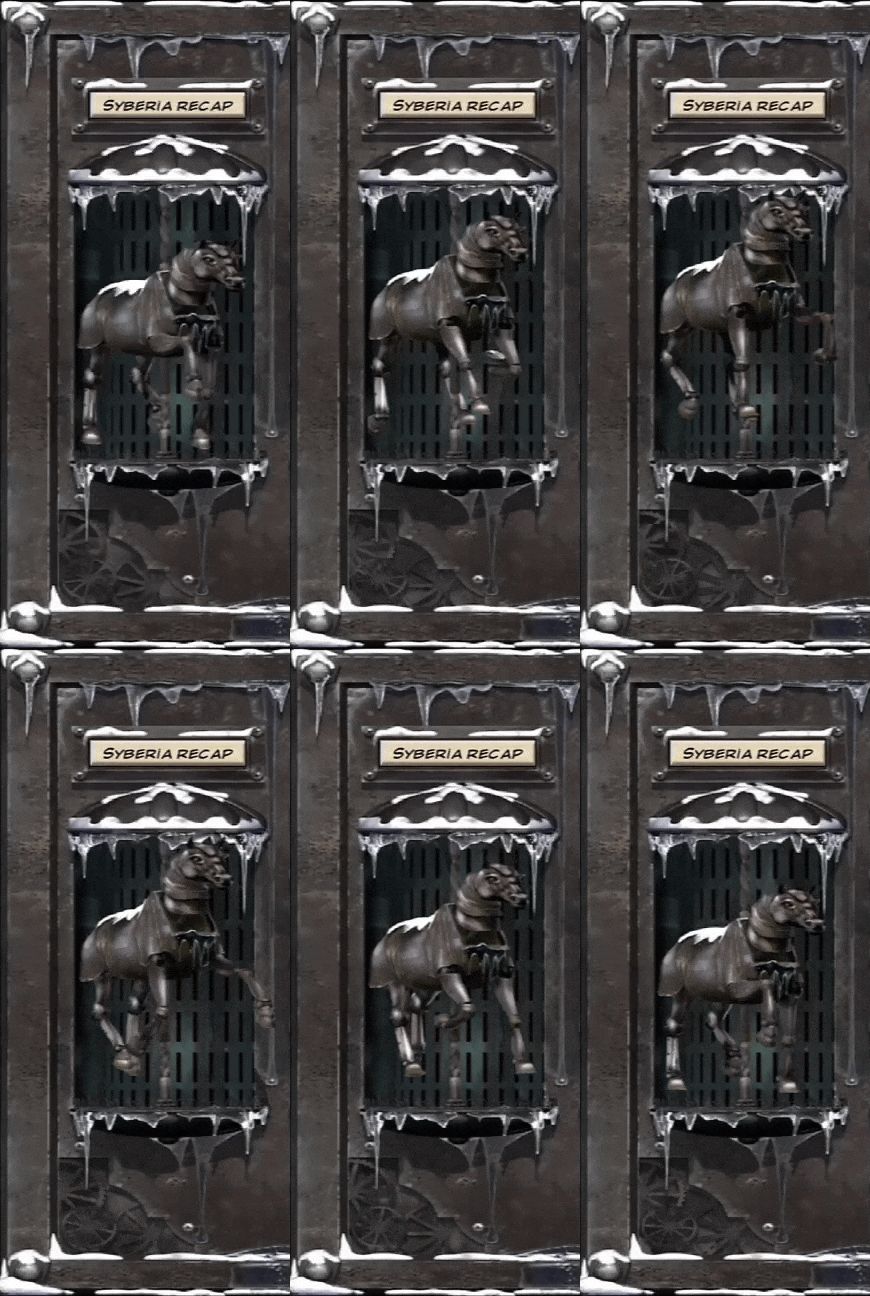
He mentioned that long ago, the town had more people passing through — travelers, performers, wanderers following the railway north. The posters plastered around the frontier and the few hanging inside the cabaret showed the automaton horses in their prime.
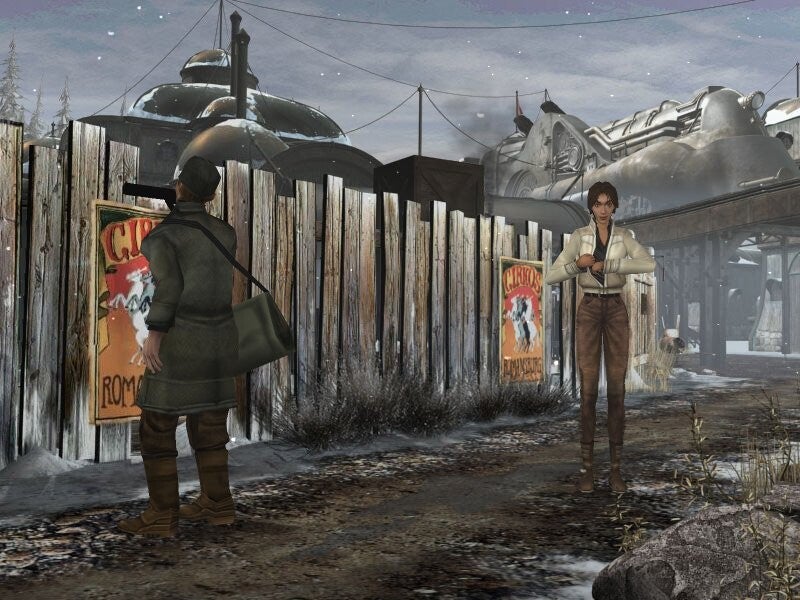
Looking at those mechanical marvels now, silent and disabled, I wondered how many crowds they once drew to this frozen edge of the world. Perhaps they were one of the reasons people stayed in the cabaret, or even dared to ride this far into the frontier. Automatons have a way of finding me. Or perhaps I’ve simply stopped pretending I’m not looking for them.
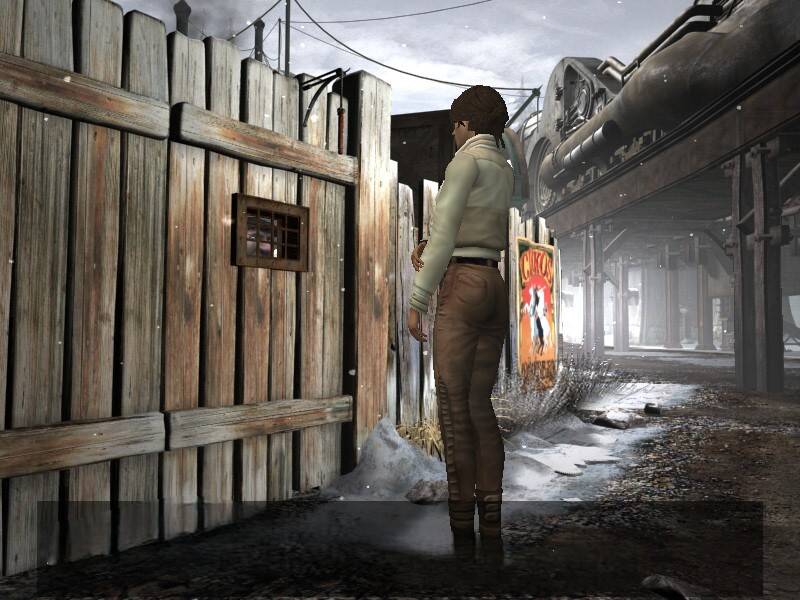
I asked about gasoline. They denied everything, lying with the kind of clumsy confidence only practiced swindlers have. I probably revealed too much when I mentioned the train — that it belonged to a friend. From that moment on, they looked at me as if I were some rich, naïve American who had wandered too far from the civilized world. At least I caught myself before mentioning Hans’s dream of reaching Syberia, instead, I told them we were fulfilling a childhood dream. I shouldn’t have started that conversation at all.
When I was already outside their yard, I overheard him muttering that he’d spoken with “the Yankee” and hadn’t bothered to stop her from leaving with the canister.
At least I had the gasoline. I returned to the coal chute and refilled it with fuel.
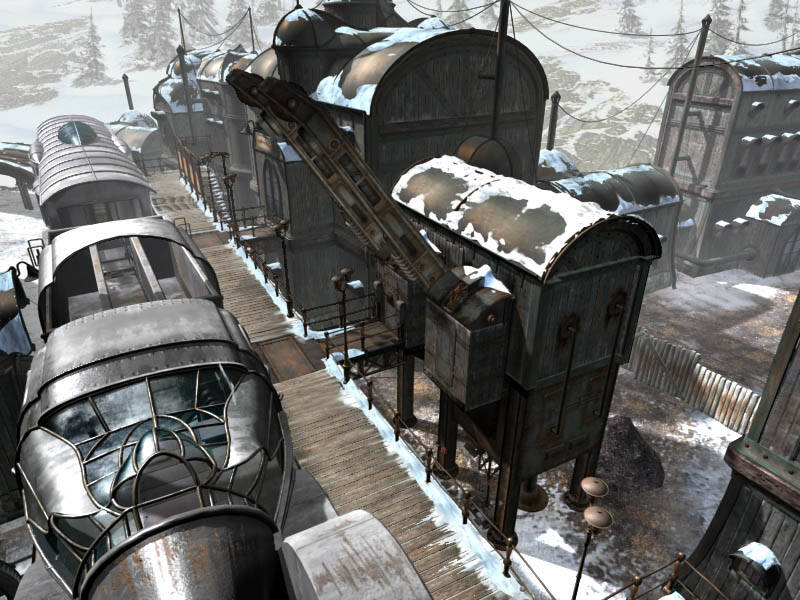
I’m starting to think I’m either looking for trouble, or trouble has a way of finding me — or following me. Crossing the road that briefly led toward the monastery, I walked past a high fence and noticed smoke rising from a building behind it. I rang the bell by the door. A small sliding hatch opened, and I was greeted by one of the brothers Malka had warned me about. She hadn’t exaggerated — they were exactly the shady type she described.
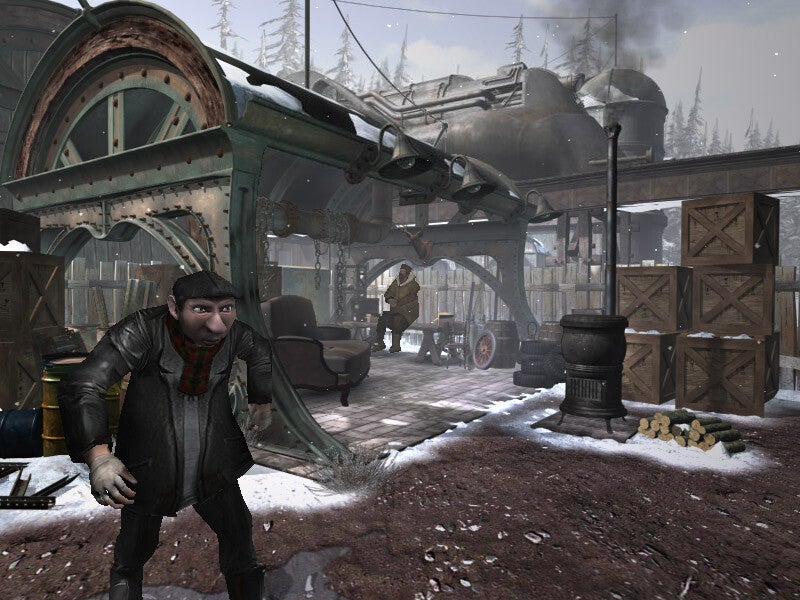
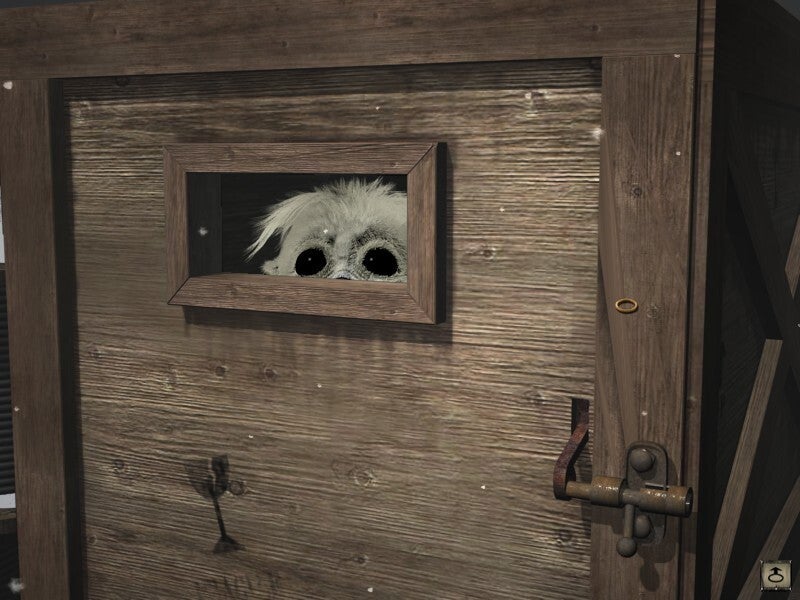
I slipped into their backyard through a broken board covered with Mr. Cirkos poster — just wide enough for me, and apparently for the Youki they kept locked in a crate. It was sitting there, shivering. I opened the crate. The creature bolted out immediately, distracting the shorter brother long enough for me to grab a canister of gasoline. I probably shouldn’t have tried reasoning with the taller one afterward.
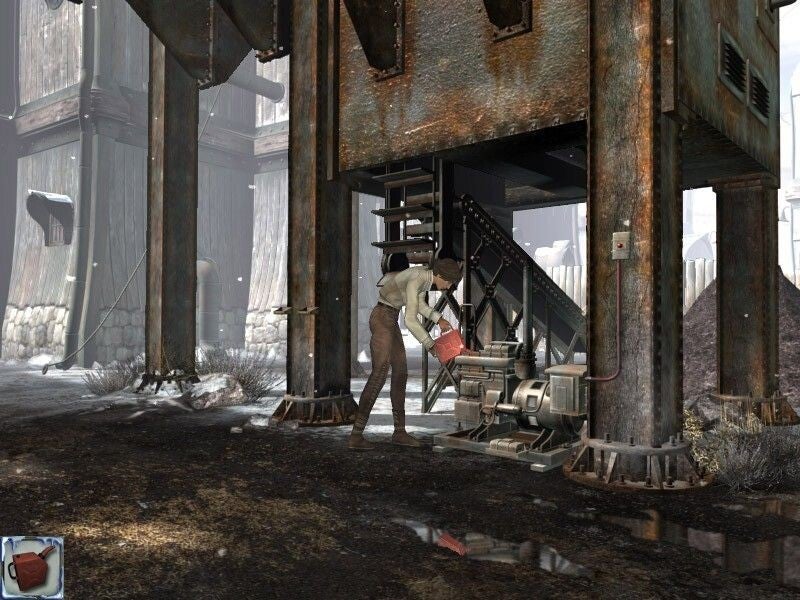
This time, when I pulled the lever, the mechanism roared to life. I was about to climb into the locomotive when Oscar rushed toward me, filled with worry. He couldn’t find Hans — he’d wandered off the train.
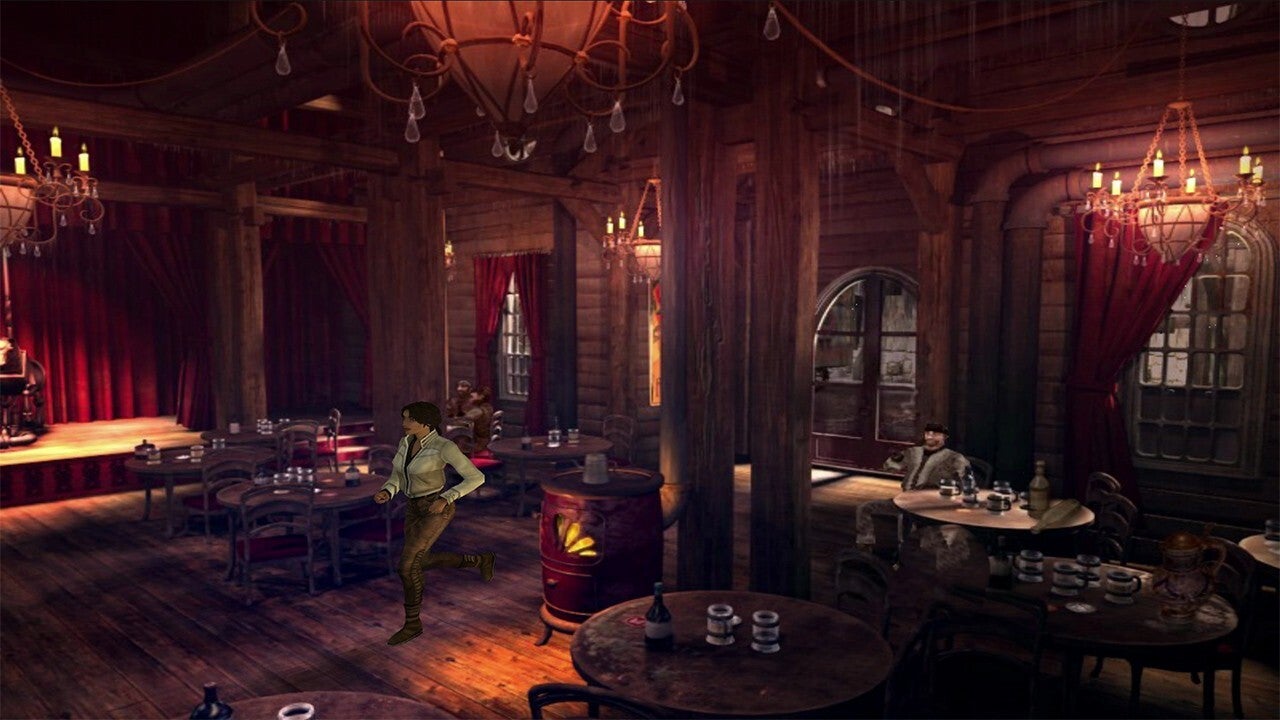
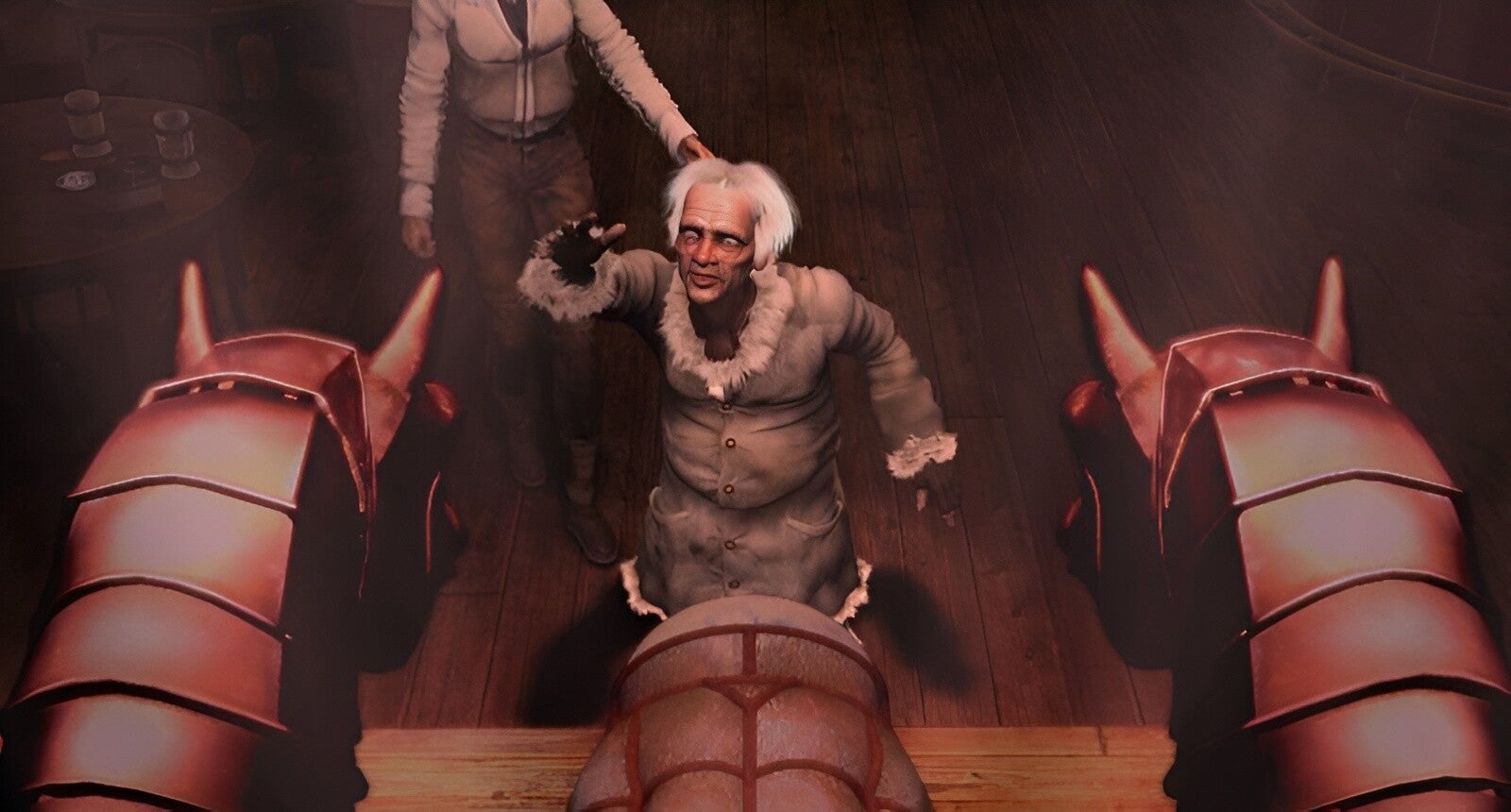
I calmed Oscar as best I could and went searching for Hans, already suspecting where he might be. In the cabaret, right in front of the Romansburg horses, he stood motionless — or so I thought. He was murmuring to himself, “Syberia… mammoths…” before collapsing onto the floor. He was old, fragile, and never in good health to begin with. Something I reminded both myself and Oscar, when he began blaming himself for not keeping an eye on Hans. Now Hans lay in bed with a fever, drifting in and out of memories: being locked in the attic as a child, speaking in his sister’s voice about their father being too harsh with him — fragments of a past that still haunted him.
Oh, Hans… Before we could go anywhere, I had to find a way to treat him
The best place to start was the general store. Unfortunately, Emeliov told me he had run out of medicine — sold the last of his supplies days ago. When I asked if there was a doctor or anyone who knew how to treat illness, he said the closest thing to medical help was the monastery. But the monks weren’t known for offering a helping hand, even in times of need. They were cold toward the locals; for an outsider passing through and pleading for help, I would need a very convincing reason for them to listen and aid Hans. Still, it was the closest hope I could find.
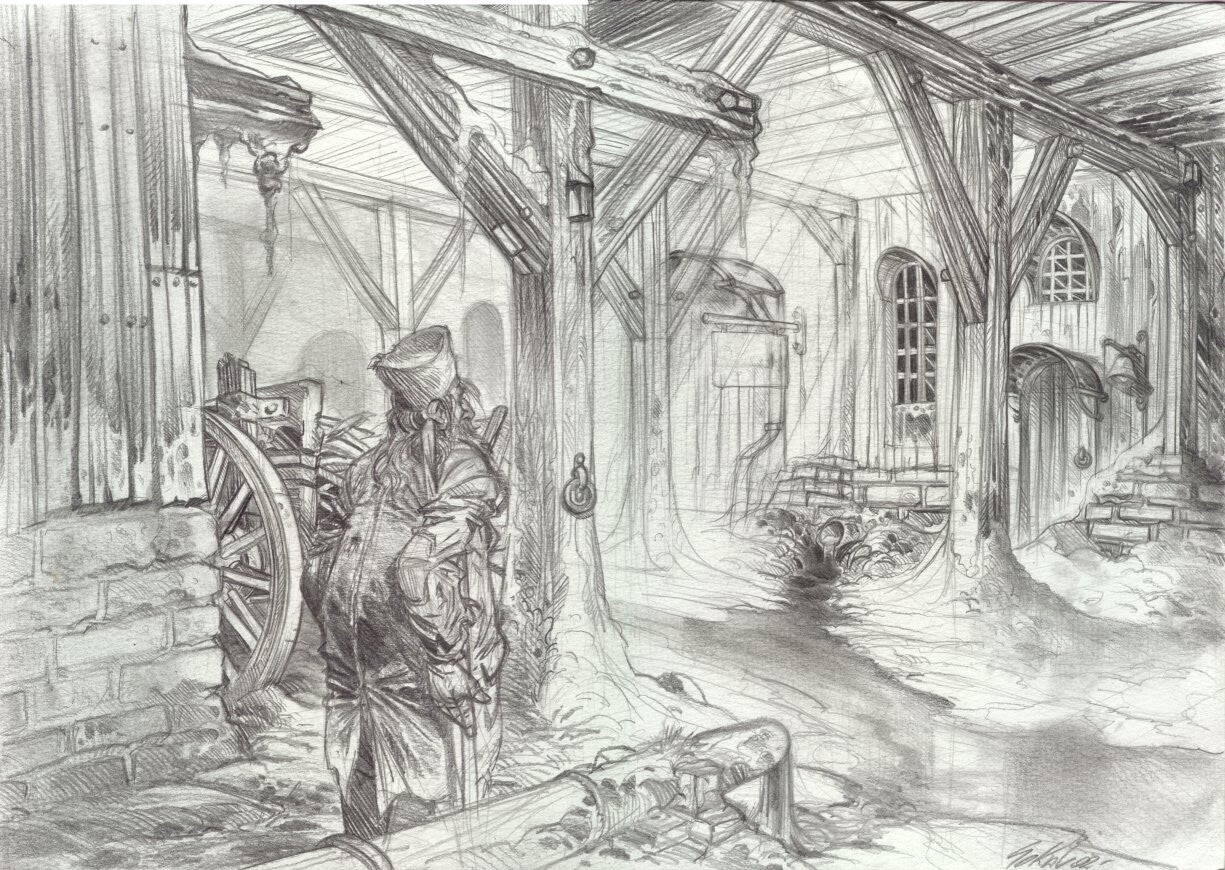
I thanked Emeliov and wandered back into the village, nearly bumping into Malka. I asked her what she thought of the monks, and she shared the same distrust. From a child’s perspective, it was hard to understand — she said her mother had caught a cold, and when they asked the monastery for help, the monks refused.She lost her mother to a fever when the monks refused to help, and Mr. Cirkos has cared for her ever since. No wonder she’s so distrustful. But if I don’t try to speak to the monks myself, Hans won’t get any better. I have to try.
To understand the full situation with the monks, I needed to hear someone else’s explanation. In the cabaret, Mr. Cirkos apologized the moment he saw me — he had asked Hans to help with the automaton horses and now blamed himself for Hans collapsing on the floor. I told him there was no one to blame when someone falls ill. When I asked about the monks and about Malka’s mother, he finally clarified the story.
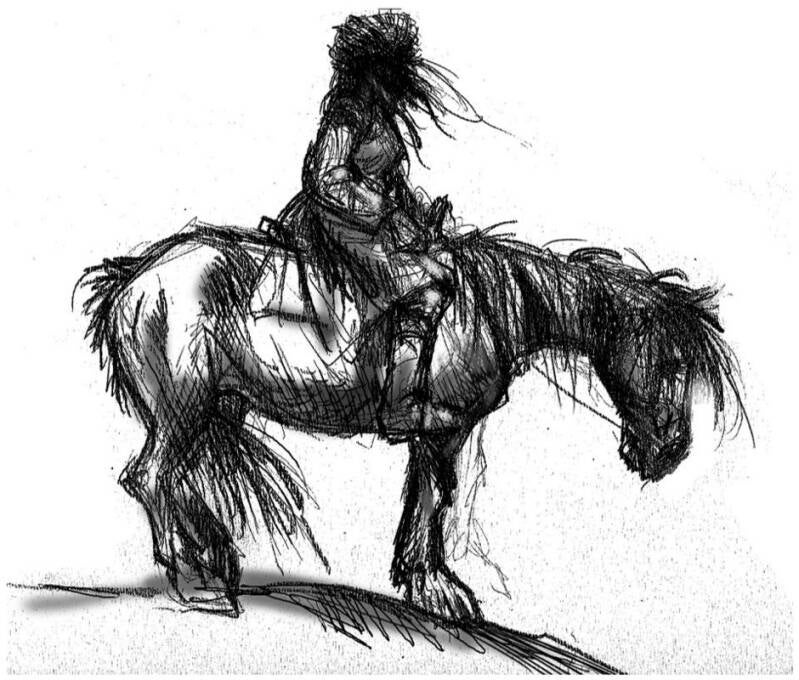
Her mother, as he described her, was a gypsy woman who had arrived at the frontier with a child in her arms, searching for a place to stay. He took them in and cared for them as best he could. When her mother fell ill, they went to the monks for help — but the monks refused to treat someone so seriously sick. Hearing it from him, I understood why Malka carries so much anger toward them. It’s an uneasy, painful situation. When I asked Mr. Cirkos if they had a telephone to call the monastery, he snapped back that they didn’t even have electricity, let alone cell phones. The monks receive people only in person. And even then, before approaching the monastery. You must give them a cloth — a napkin infused with some kind of oil.
When it’s placed over the face of the sick person, it shows the monks how serious the illness is. Only then will they decide whether to help or turn you away. Strange, to say the least.
But the box where those cloths are kept is locked. To open it, I need the key. According to Cirkos, the eldest priest gave that key to Malka after everything that happened with her mother. And Malka… well, she isn’t the kind of child who hands over a key just because you ask. I’ll have to speak with her first.
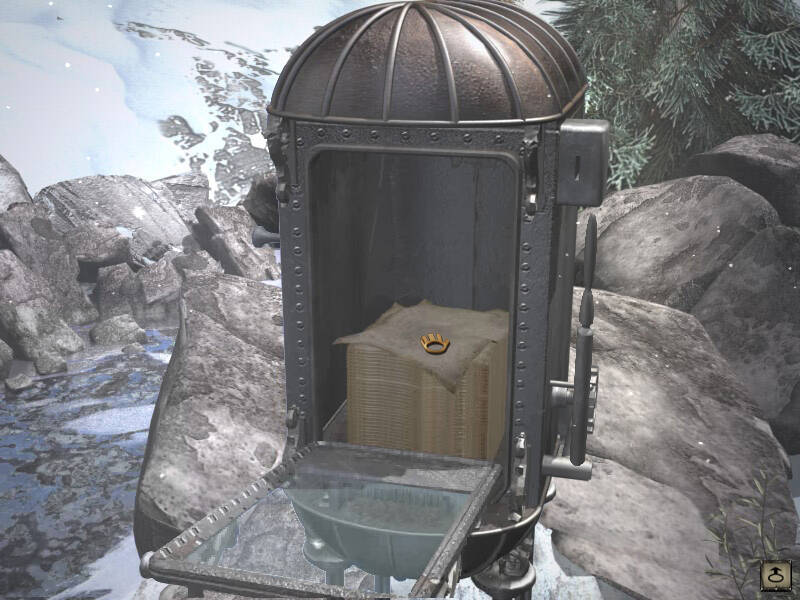

Malka is a kind child — if she decides you’re worth liking. I’ve come to understand that earning her trust is no simple task. With a few simple, sensible words, I tried to remind her of something that’s hard for anyone to accept: sometimes we can’t save the people we care about, and sometimes there is no one to blame. Life simply… happens. Loss simply… happens.
She told me that the napkins the monks require before accepting visitors are kept in shrouds, and that to open one I would need a token. She gave me hers without hesitation.
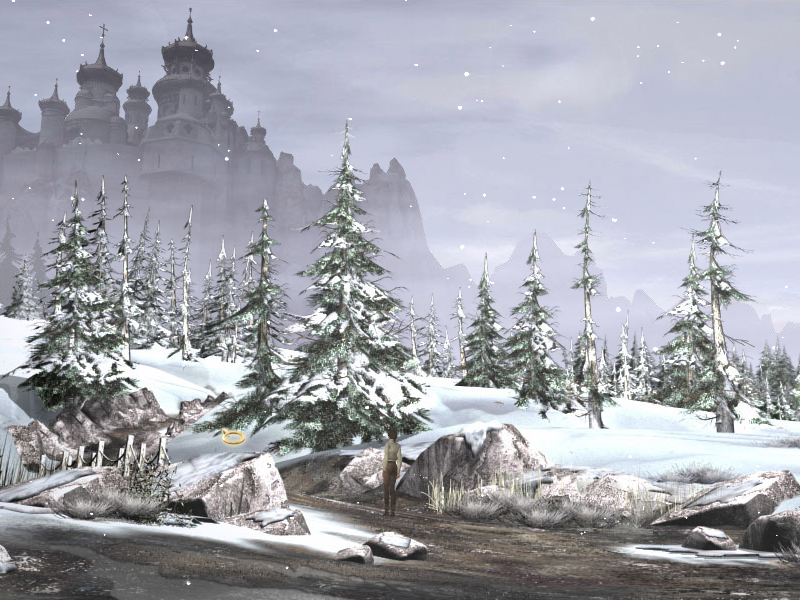
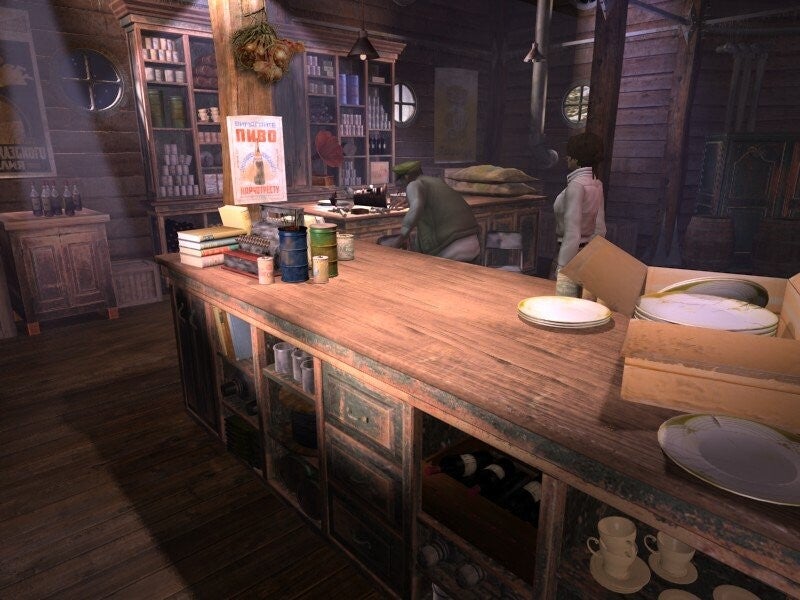
The path to the monastery loomed ahead — steep, exposed, and cold enough to freeze the breath in my lungs. I realized quickly that my clothes wouldn’t be enough. Emeliov was my best chance. He lowered the stairs leading to the attic of his store; he would have climbed himself, but his leg won’t allow him such a challenge anymore. So I went up and found something warm enough for the climb. He refused to take any payment, saying that “sunshine is rare in these parts.”
I took my time dressing in the locomotive, enjoying a quiet moment of privacy I’ve begun to miss. The new coat looked elegant — simple, but refined — warm enough to keep me moving and flexible enough to work in. It felt strange slipping out of the coat I’d worn all the way from New York. That life already seems far away. But I made my choice. I’ll help Hans, and only then will I think about how to get home. For now, my primary concern is curing him.
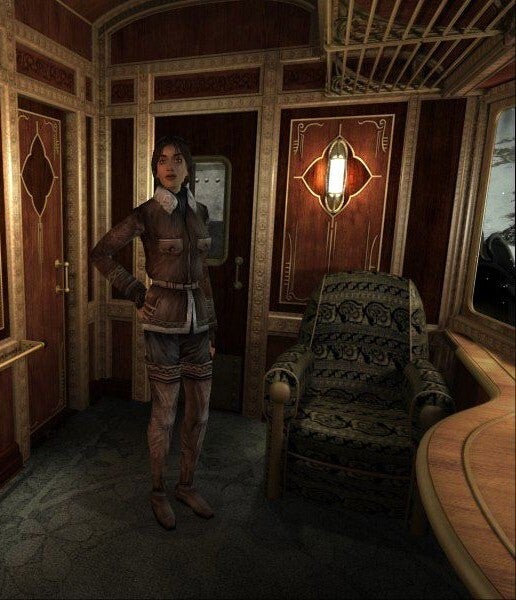
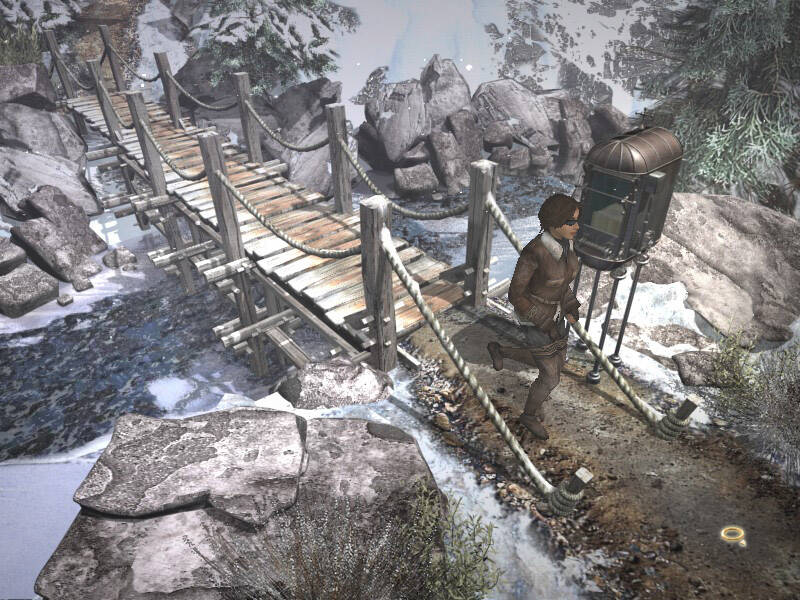
The monastery awaits. On my way to the monastery, just before crossing the bridge, I found the shroud Malka had mentioned — the one containing the napkins. I placed the token she had given me into the slot and retrieved one. Then I returned to Hans, moving quietly, steadying my steps so I wouldn’t wake him. Whatever oils the napkin had been saturated with, I placed it gently over his face so it could absorb the signs of his illness.
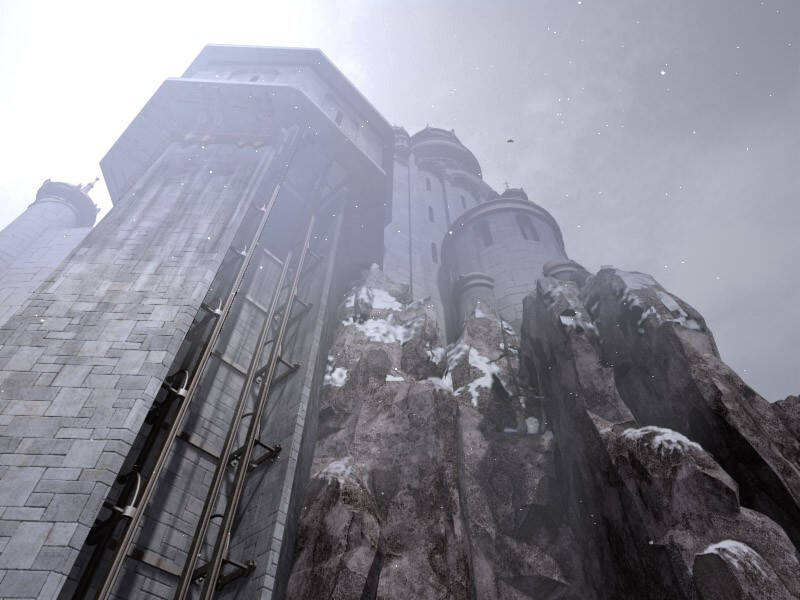
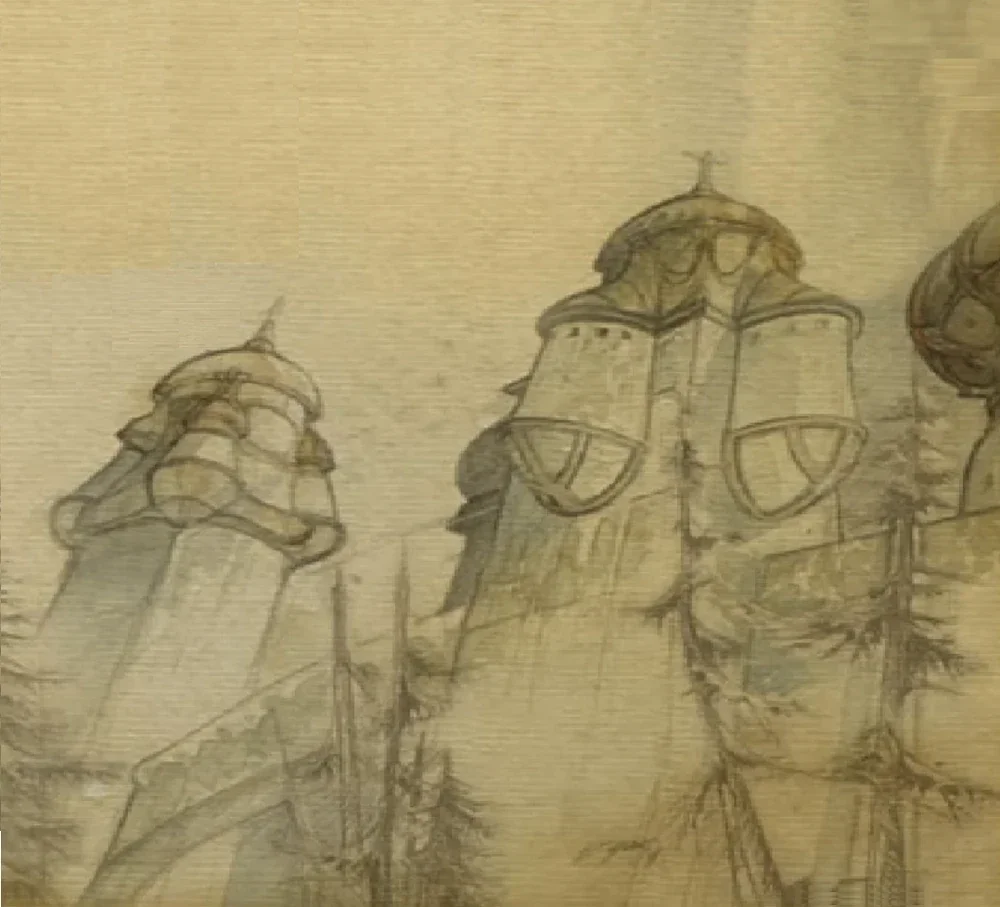
After that, I headed back toward the monastery. It was going to be a long climb.
And then I saw it: a massive structure carved directly into the rock, rising impossibly high above the valley. A bell rope hung near the entrance — the only way to announce your presence to whoever might be keeping watch on the other side. These monks truly live at the edge of civilization.
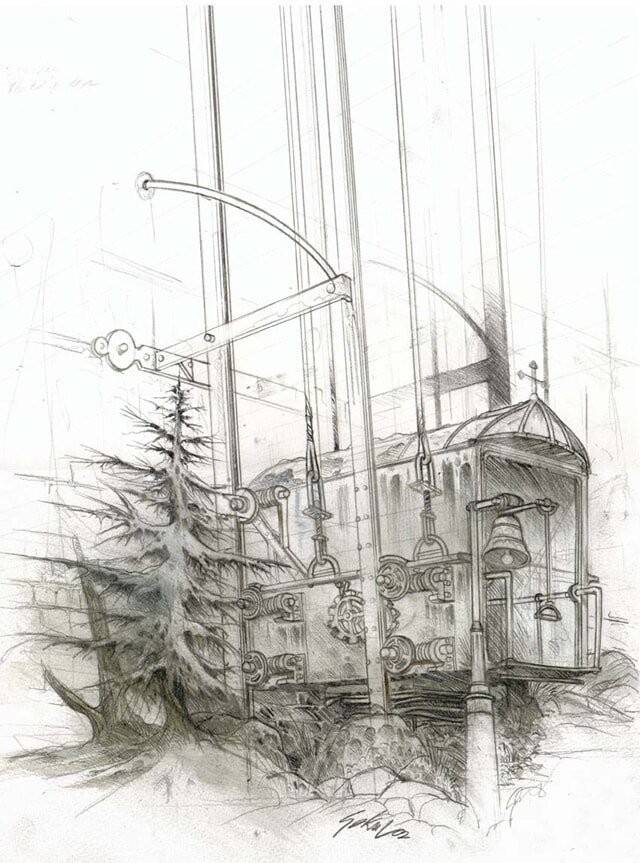
No one answered my call.
So I looked around. I found a monk leaning over a pond. He was doing laundry, though he seemed far more interested in observing and listening to the birds. He told me he longed to glimpse a species called Merula alba — a rare bird, white as snow. He had heard her song, he said, and claimed she was so rarely seen that rumors insisted anyone who gazes upon her becomes wiser.
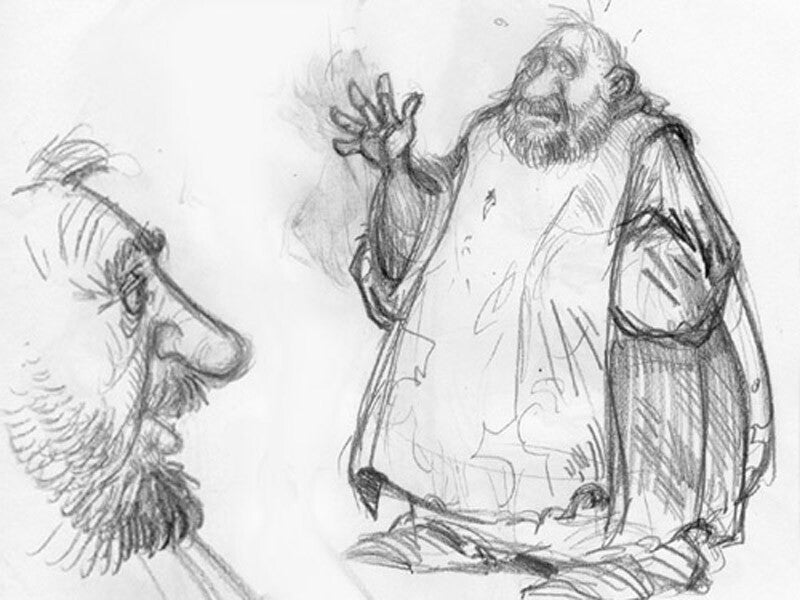
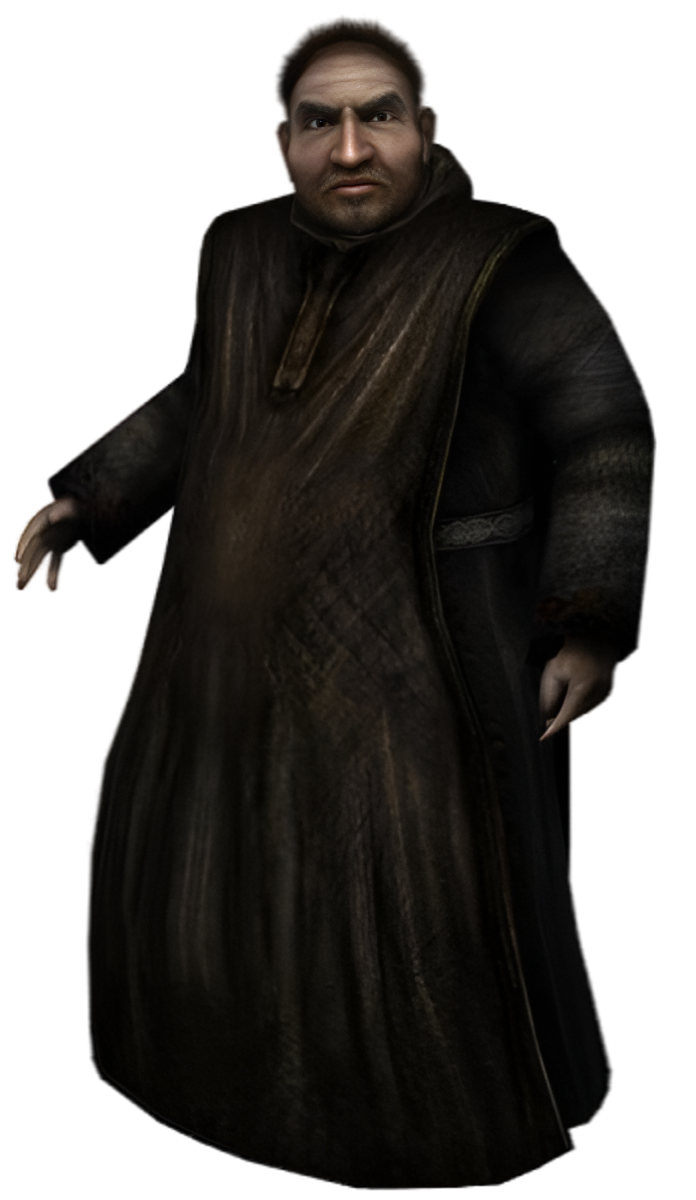
The villagers weren’t exaggerating: the monks really are… distant from the civilized world.
The monk told me I should seek an audience with Patriarch Yonder, the one most knowledgeable in matters of healing. But the longer we talked, the more evasive he became about why I couldn’t enter the monastery. Dura lex, sed lex — the law is harsh, but it is the law. He was quick to steer the conversation back into his own field of knowledge, slipping into Latin as naturally as breathing.
Eventually I caught on: the words he spoke were Latin names for birds, scattered among his sentences.
Merula alba — the white raven.
I repeated the other Latin words he muttered, trying to follow his meaning.
And then it clicked:
Femina inconcessus — woman forbidden.
Of course. Women are not allowed to enter the monastery.
Well then… if monks rely on rules, I’ll rely on what women are better at than monks: a clever mind and quiet, careful movements.
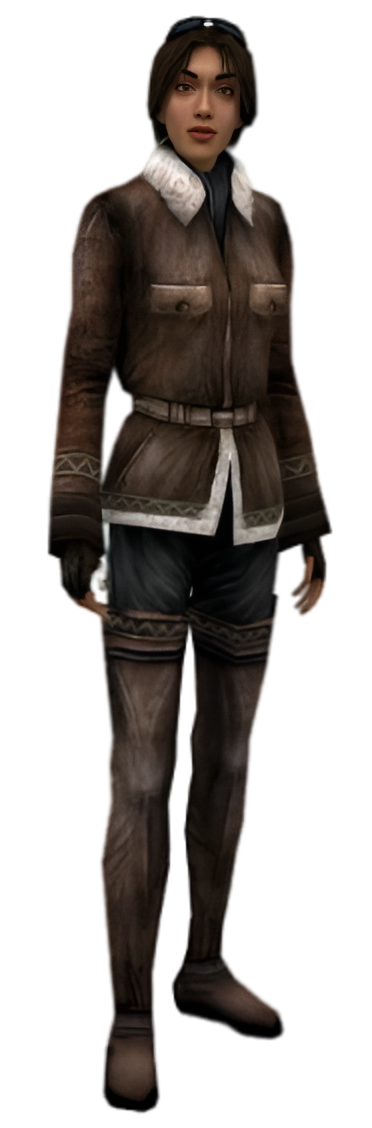
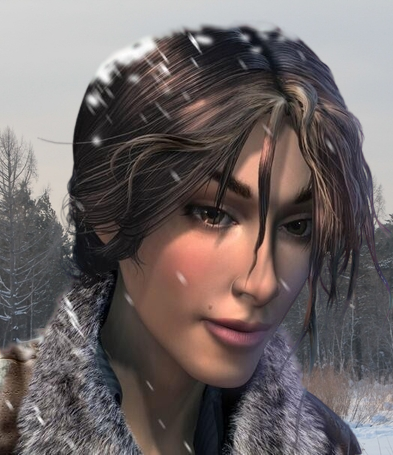
Back at the general store, I asked the Colonel whether he had any bird whistles — something that could imitate the call. He rummaged around and handed me three different kinds. One of them had to work. I returned to the monk at the pond, still absorbed in his laundry and his birds. I handed him one of the whistles. The white raven answered almost immediately. The monk froze, stunned, and hurried off in search of the melodic call, desperate to catch a glimpse of the bird. That gave me just enough time to slip one of the monks’ robes from the drying rack. I pulled it on over my clothes, hood low over my face. As long as I didn’t speak, no one would notice the woman beneath the black cloth.
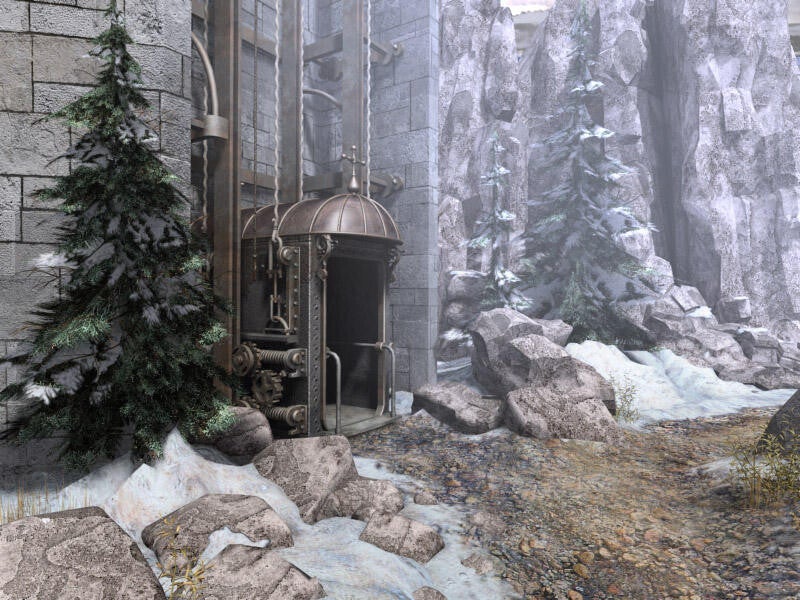
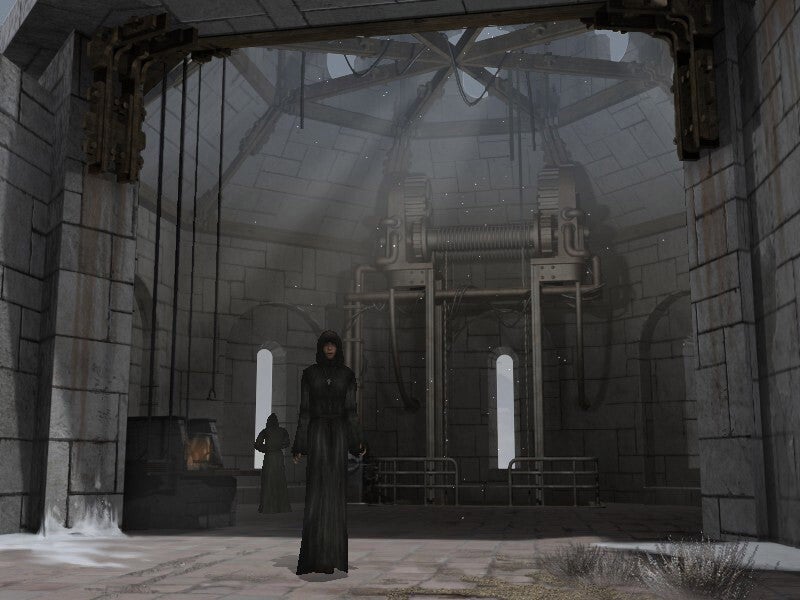
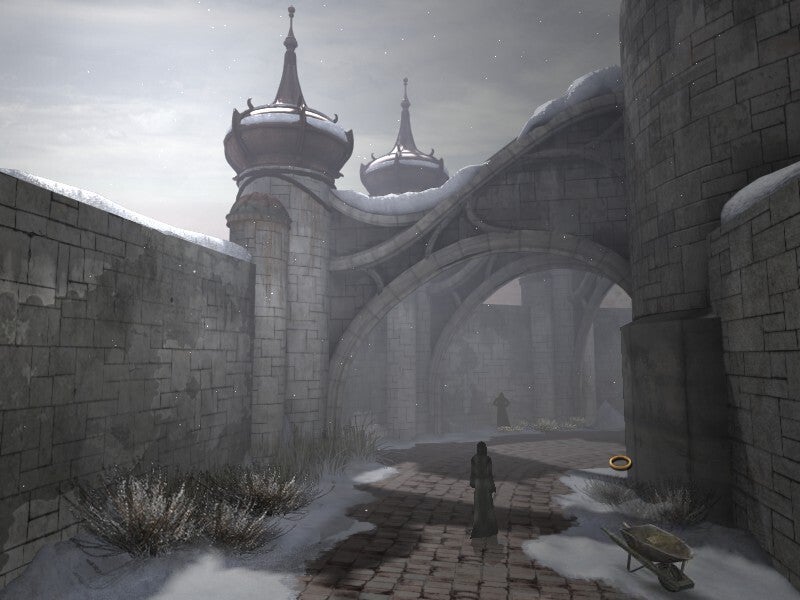
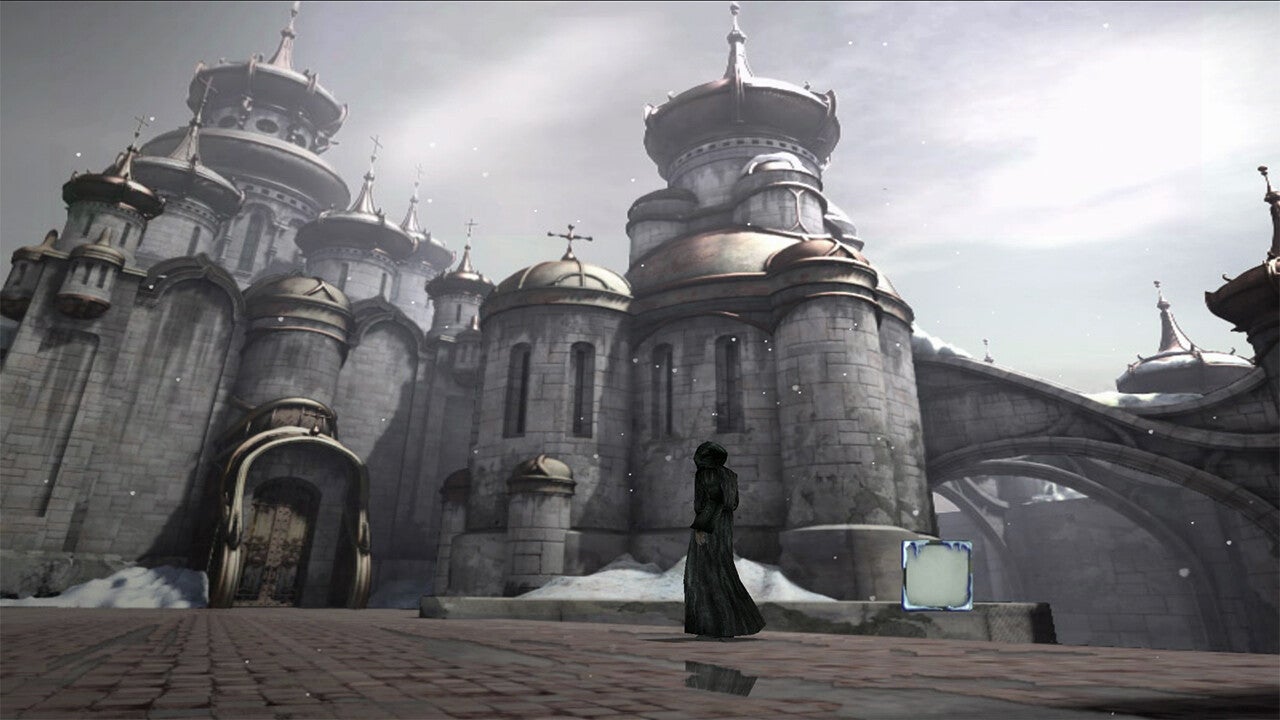
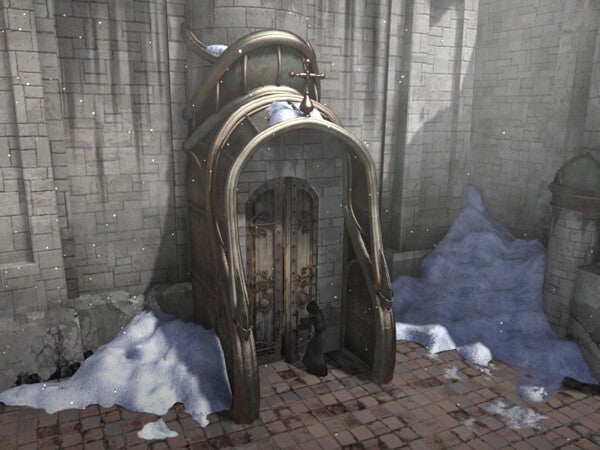
It worked. I rang the bell rope again and this time received a lift up into the monastery. Now all I had to do was avoid attracting attention. I stepped into what I could only describe as the monastery’s central square. A tower bell rang overhead — probably serving as their clock. I pulled open one of the doors and entered what I assumed was a prayer chamber.
I called out, asking if anyone was there. A voice answered from behind the curtains — a high priest, I presumed. His reaction was immediate and predictable: outrage, ritualistic, almost rehearsed.
“Woman,” he said, “you are forbidden within these walls. Such presence profanes the order.”
Monks. What more can I say.
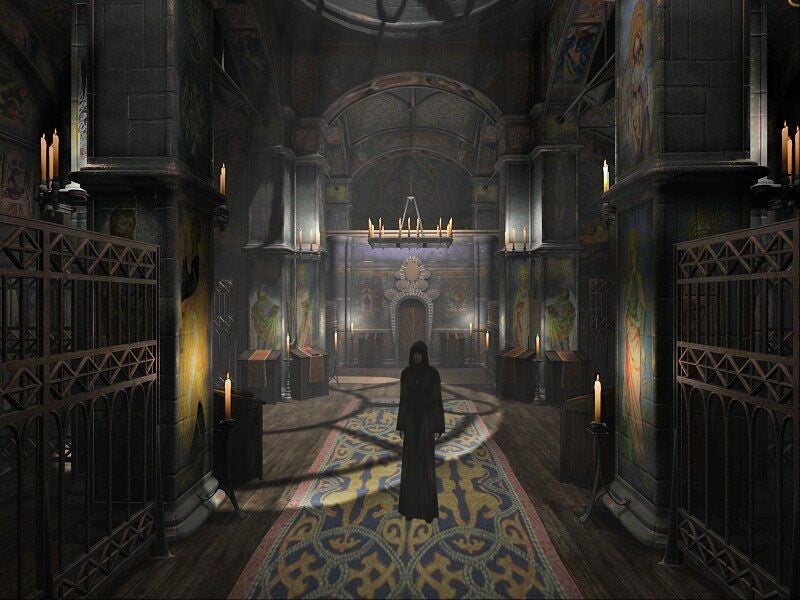
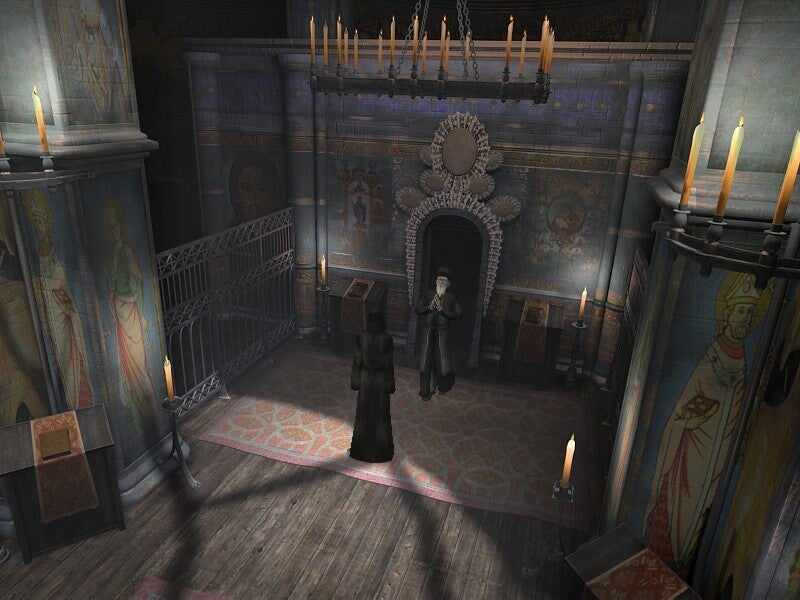
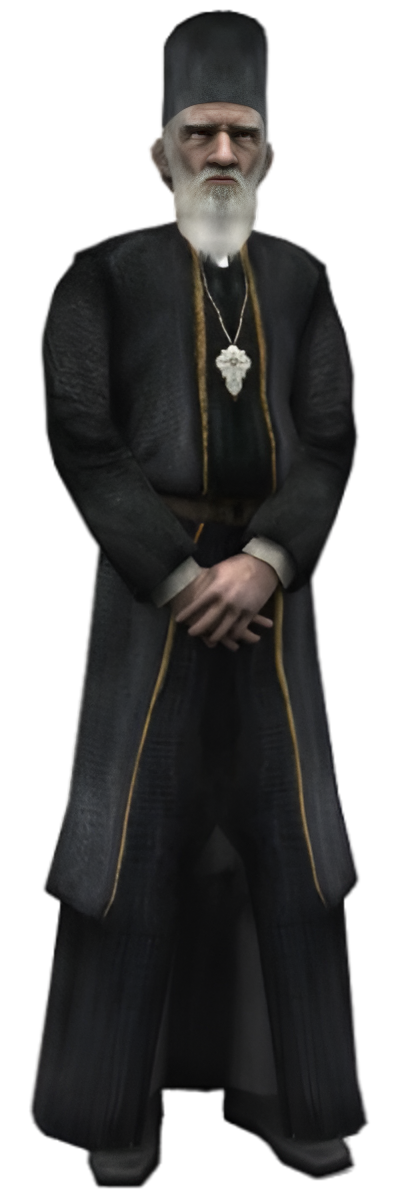
But I needed help, and I wasn’t about to let a wall of doctrine stop me. I told him plainly that sneaking in had been the only way. I explained Hans’s condition as calmly as I could. The priest tried to dismiss me, insisting that it was “God’s will” to take those whose time had passed.
I told him that Hans was an innovator — that now, more than ever, he needed to reach the place of his dreams. Despite the fever consuming him, despite the fragility of his age and body, the monks were the only help for miles around. I couldn’t just stand by and do nothing. He asked to see the napkin, to judge whether anything could be done. I was grateful I had already prepared it.
When I showed it to him, something shifted in his expression — a hesitation, a crack in the wall of doctrine he kept repeating. At last, he agreed to take Hans inside. I didn’t ask for anything more. I only asked that they help him however they could, even if it meant enduring the priest’s rigid obedience to his religious rules.
The next morning I spoke with the Father. He didn’t want to allow me to visit Hans. He said it had been too late by the time I brought him, that Hans was old, and that death would take him before the fever would. I refused to believe that — or to listen. I insisted on seeing Hans myself.
The Father reluctantly agreed, though he made it clear he expected me to speak with him in his chambers afterward. At least Hans wasn’t asleep. I could talk to him — or rather, talk to whatever part of him was still present beneath the fever.
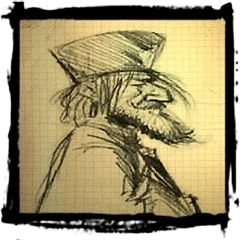

He insisted that we find the Youkol tribe, Alexei in particular, to ask for a shamanic cure. He was convinced that Youkol medicine would help him more than anything the monks could offer. The monk obsessed with birds had been eavesdropping on our conversation. I asked him whether he knew this Alexei — a monk familiar with Youkol healing. He hesitated, weighing his words the way only someone accustomed to secrecy does. Then he handed me a letter and a small mammoth sigil. A clue, at least. It meant I would have to search the monastery on my own.
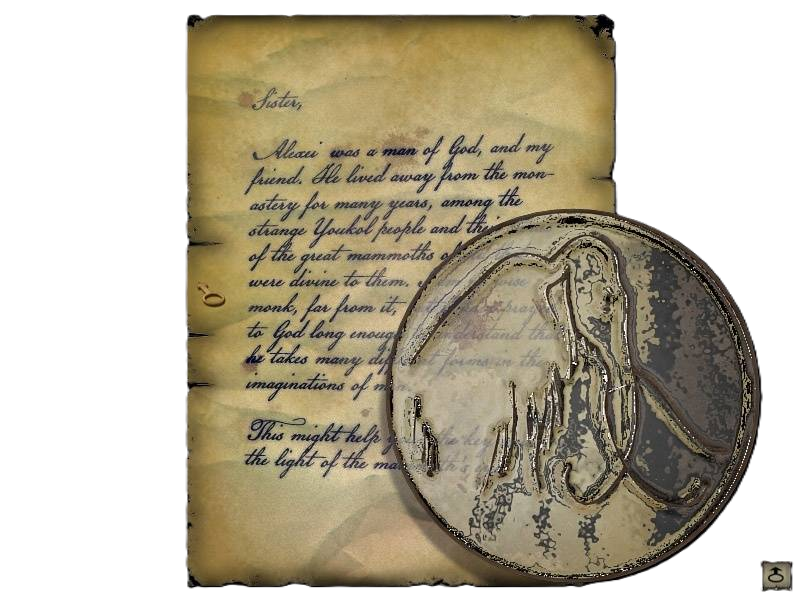
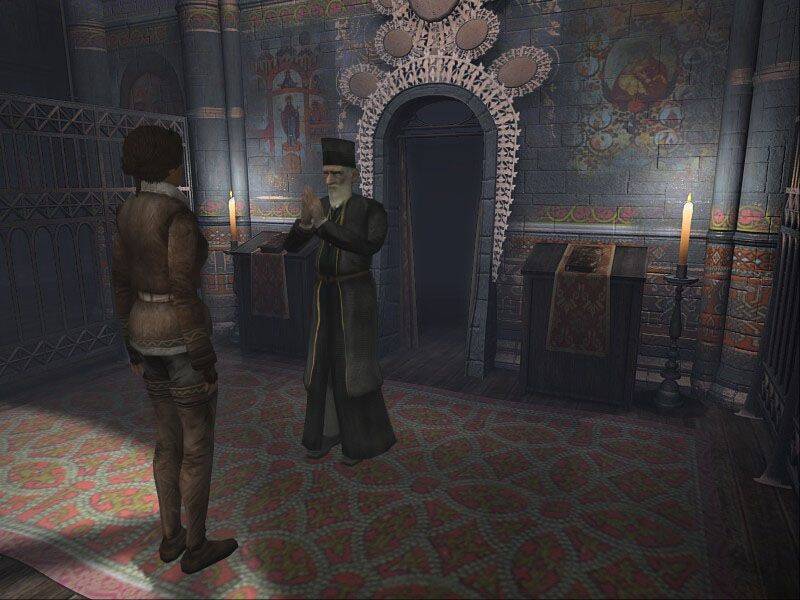
I tried to stay reasonable, but all I received in return was the same refrain: that the Youkol were pagans, that searching for them was folly, that believing anything Hans said in his condition was dangerous nonsense. That nothing good would come from seeking their help.
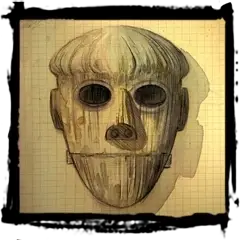
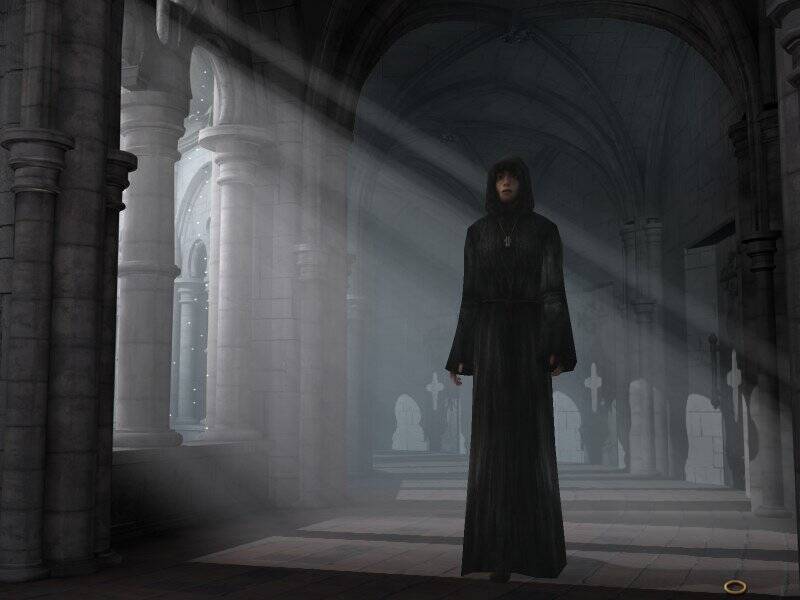
I went to the chamber to hold a conversation with 'Father' as instructed. The conversation that followed was anything but pleasant. He insisted that Hans’s condition was deceptive — that he might look better now, but the fever still lingered. When I asked about Brother Alexei, he dismissed him as an erratic spirit who had left the monastery long ago, and that I should let his memory “fall to ash” and not disturb it again.
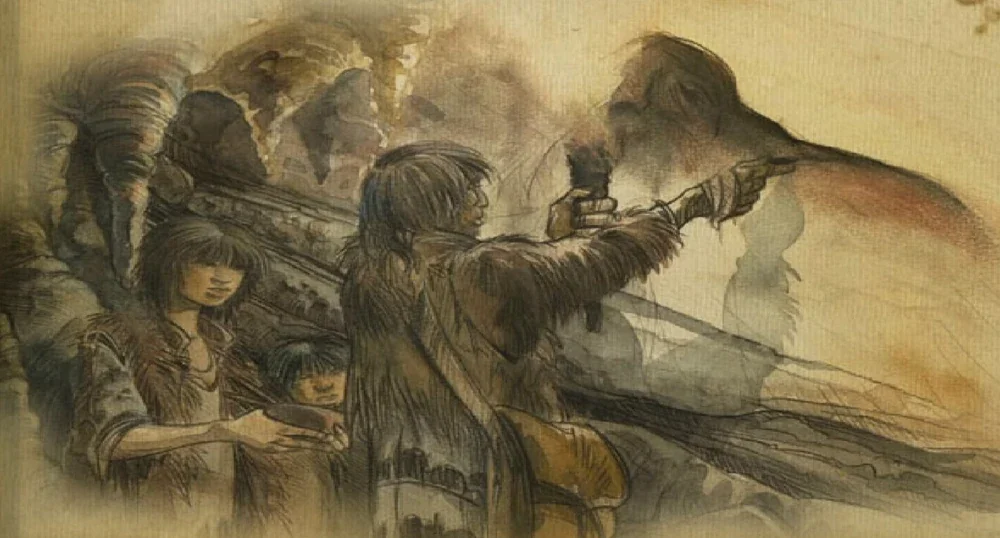
I didn’t bother arguing theology with him. I’ve learned that behind every holy inscription, behind every mask of devotion, there is always something unspoken — a secret, a fear, or a truth someone is trying very hard to hide.
And I intend to find it.
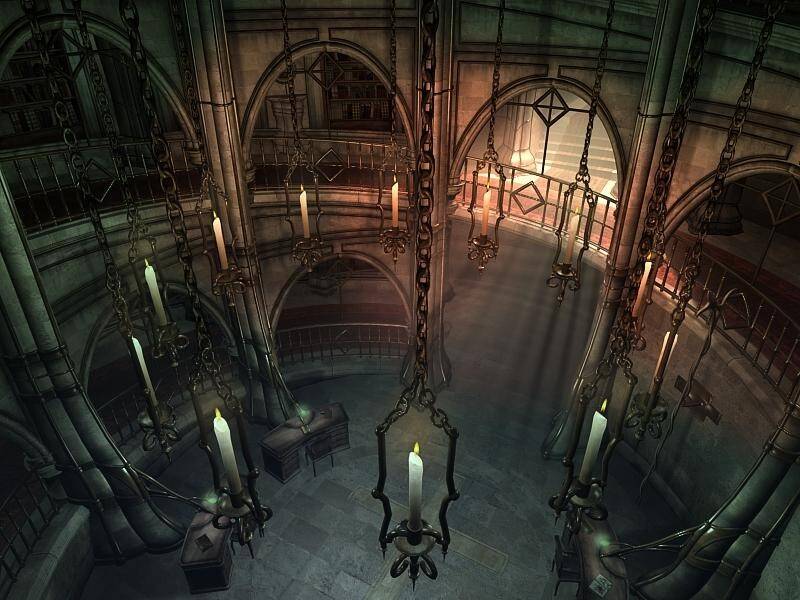
It was a tall, echoing room with a high ceiling and rows of candles that could only be reached with a long metal rod — the kind used to light or extinguish candles in dome-shaped sanctuaries.
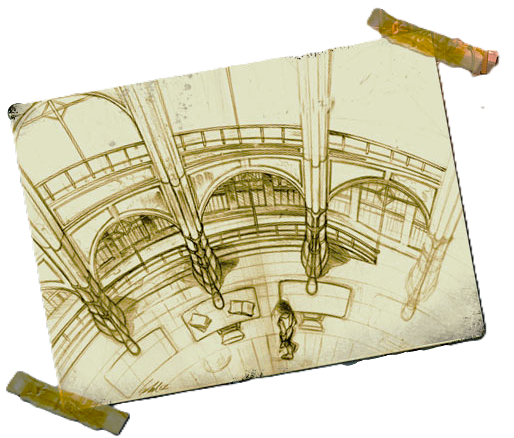
I climbed the stairs to the next level. Judging by the bookcases filled with old volumes, this must have been a study. What had opened was a hatch overlooking the valley and the frontier village below. I placed the glass sigil the monk had given me — the one with the mammoth drawing — into the center of the hatch. It fit perfectly, like a missing piece of stained glass.

To understand what I needed to look for, I first had to understand the monastery itself. I walked into the tower next to the chapel's chambers.
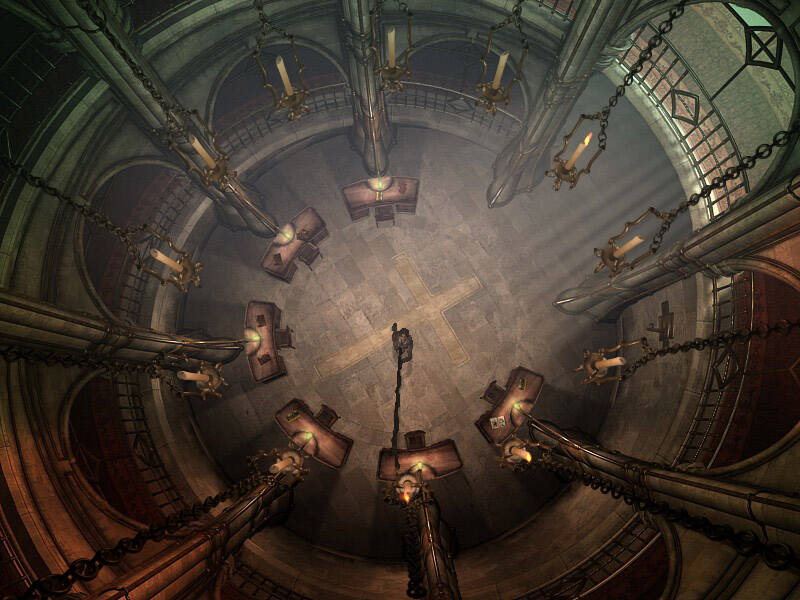
I pushed a few of the candles lower. They suddenly lit on their own. After a bit more manipulation, I heard a mechanical sound — something shifting open.

The “ears” of the hatch, the metal plates that hid it, were movable. After a few adjustments, the hatch sealed itself into a spiral-shaped metal grate, staying open only where the mammoth sigil was placed. Light passed through the glass and traced a pattern onto the wall.
The mammoth’s eye aligned with a metal disk attached to the stone. A hidden button.
Pressing it opened a concealed room inside the wall.
Inside, I found what I presumed to be Alexei’s journal. It contained drawings of Youkol life, notes on wildlife, maps of mammoth migration routes, and — judging by the sketch of a strange ship — clues on how to reach the island of Syberia.
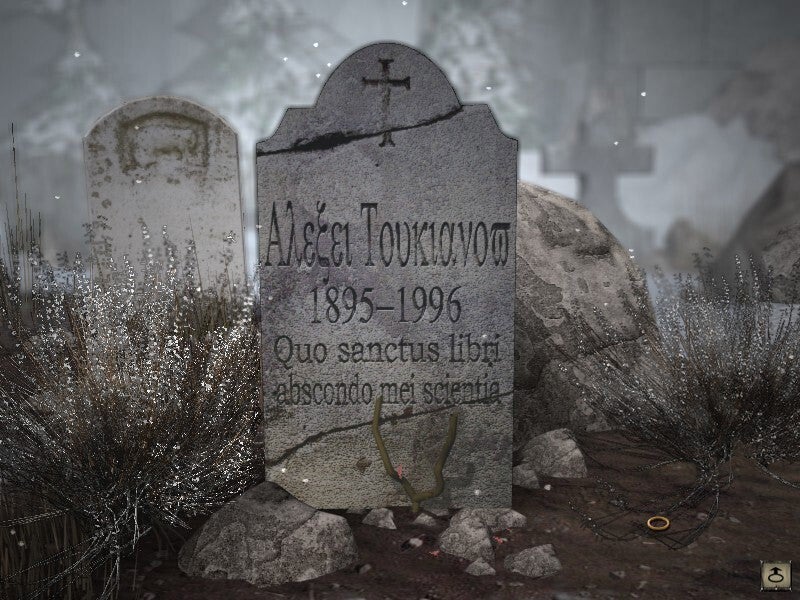
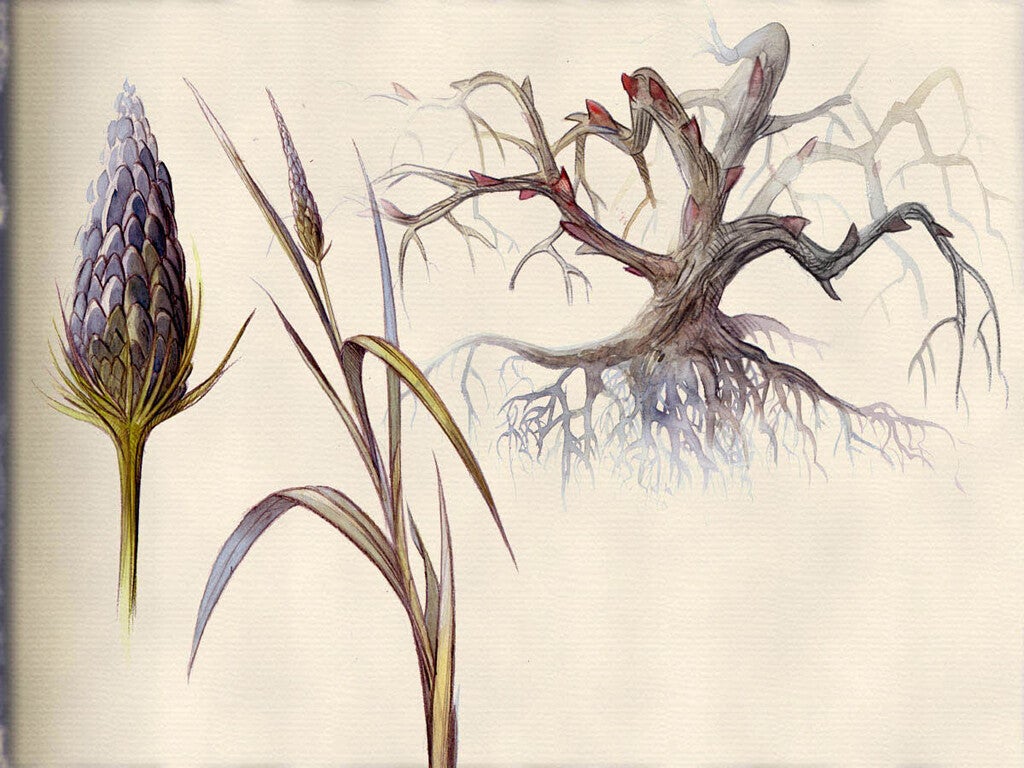
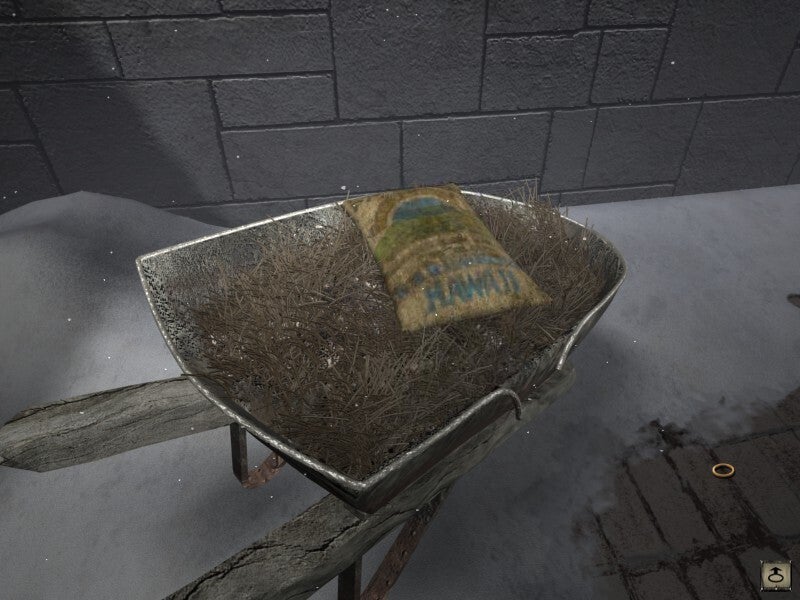
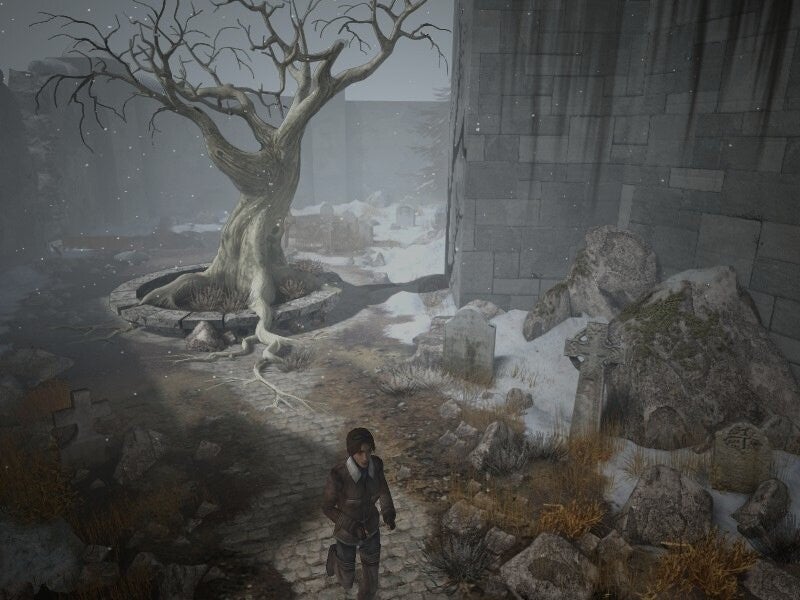
At last, something concrete. I assumed Alexei hadn’t wanted the other monks to find this — or at least not those he couldn’t trust.
I walked toward a tree growing in what seemed to be the monastery’s graveyard. One of the gravestones had been overtaken by thorny stems — so thick and deliberate it looked as if no one had cared for it on purpose. I needed something to cut them loose, so I went back toward the lift. There was a pair of nippers in the wheelbarrow. They would do.
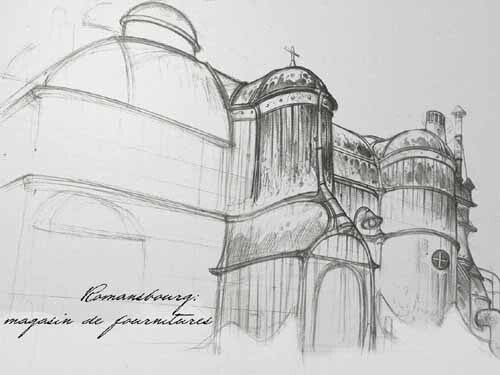
Back in the area with the lift, I set to work with the cauldron for melting wax. I mixed the herbs I had gathered and shaped them into a candle. If Alexei’s journal was right, it might help Hans regain consciousness.
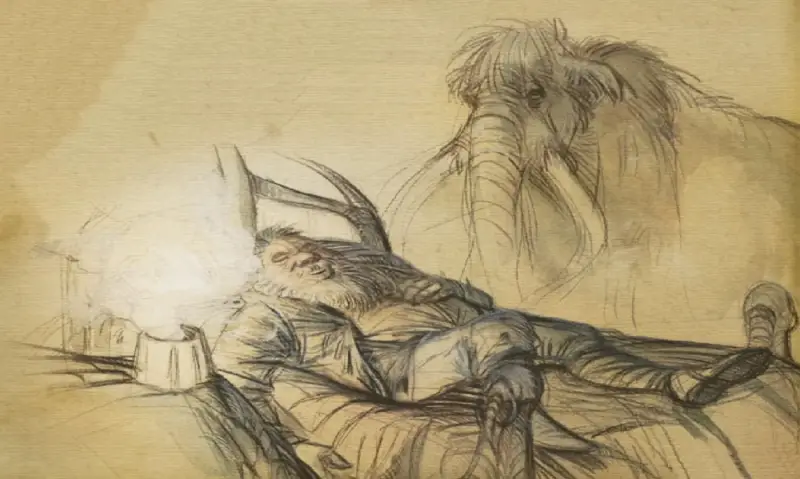
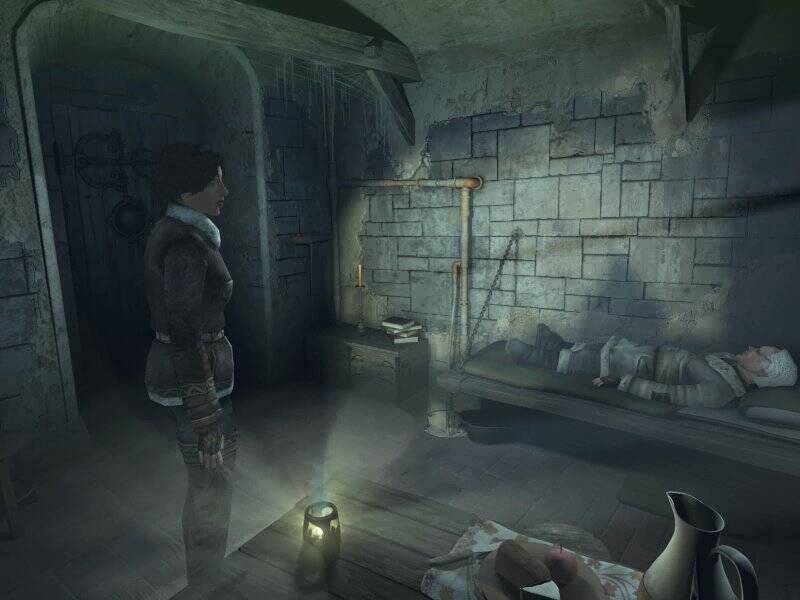
On my way back to the gravestone, I noticed a cascade‑shaped hole in the graveyard wall. I couldn’t tell whether it had been destroyed by someone or worn down by time. Either way, I made a note of it.
The gravestone belonged to Alexei. On that point, at least, the Father hadn’t lied. Alexei was gone.
But the herbs growing on his grave would be useful.
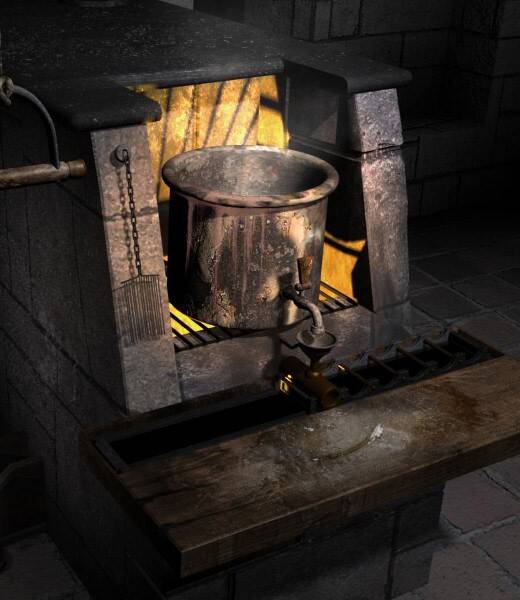
I returned to Hans’s room, placed the candle into the night lamp I had found with the journal, and lit it. The flame flickered, and the mammoth shapes carved into the lamp began to circle the room in reflected light — almost shamanic, almost paganitical. Hans stirred back into consciousness.
Now I only needed to find a way to get him out of the monastery.
If only anything on this journey had ever been easy.
I reentered the chapel. This time it was empty. The curtains were drawn back, revealing a strange construction on the table. Beneath its arched metal frame lay a key. It opened the locked gate inside the chapel — the one with the bell rope I had heard on my first day here.
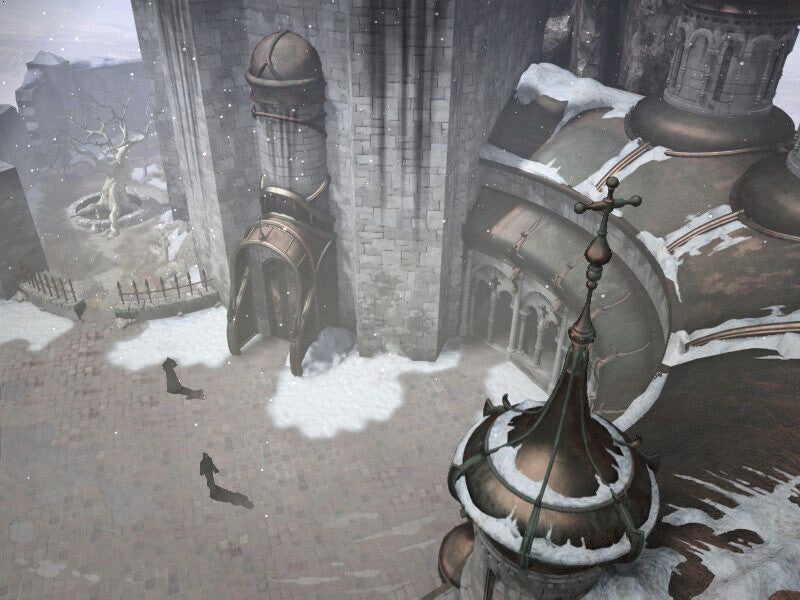
I pushed a coffin — the one beside the monk working in the graveyard. Everything in life happens for the first time, I suppose, and this was our best chance of leaving this place. I went to get Hans.
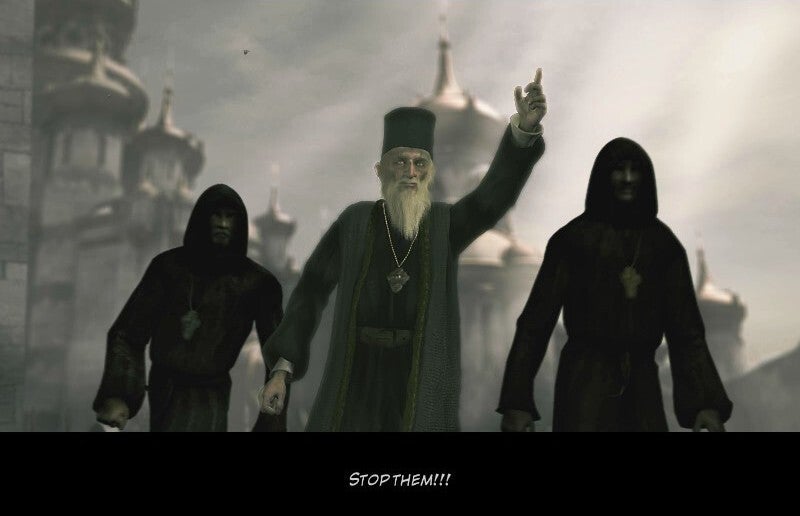
I didn’t think — I just acted. I slipped into the coffin behind Hans, and we launched ourselves down the chute. My heart hammered so hard it felt like it might break through my ribs, but we were alive, and in the next moment we were back at the train.
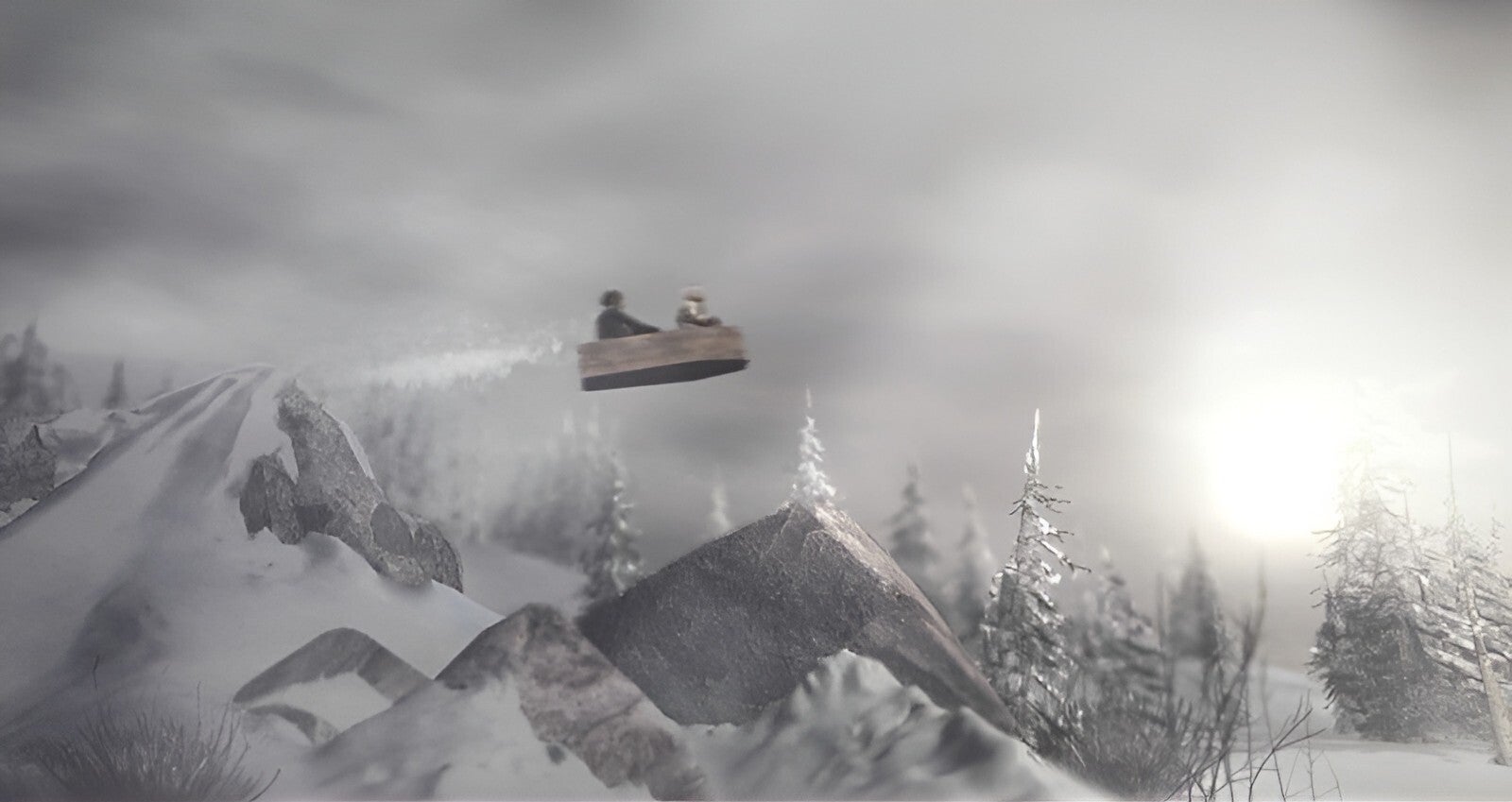
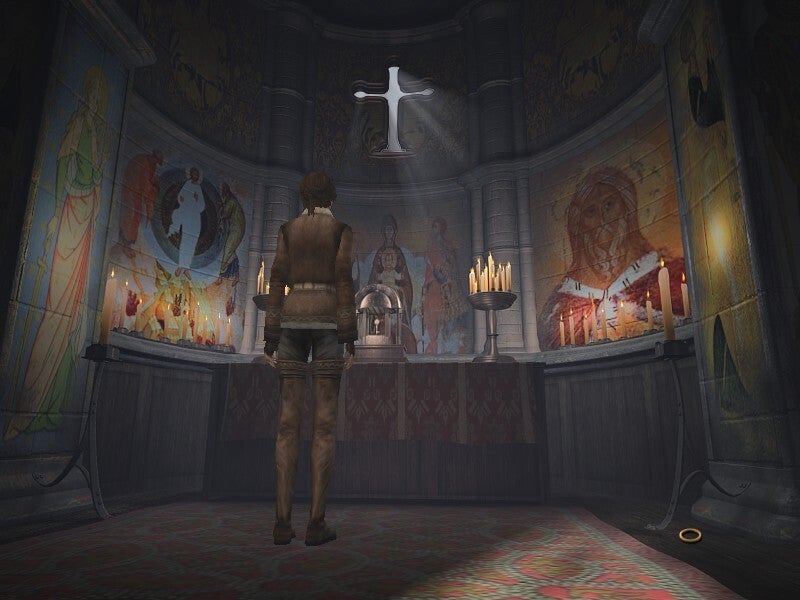
My guess had been right: the bells served as the monastery’s clock. The square was empty. The graveyard was silent. If we were going to escape, this was the moment.
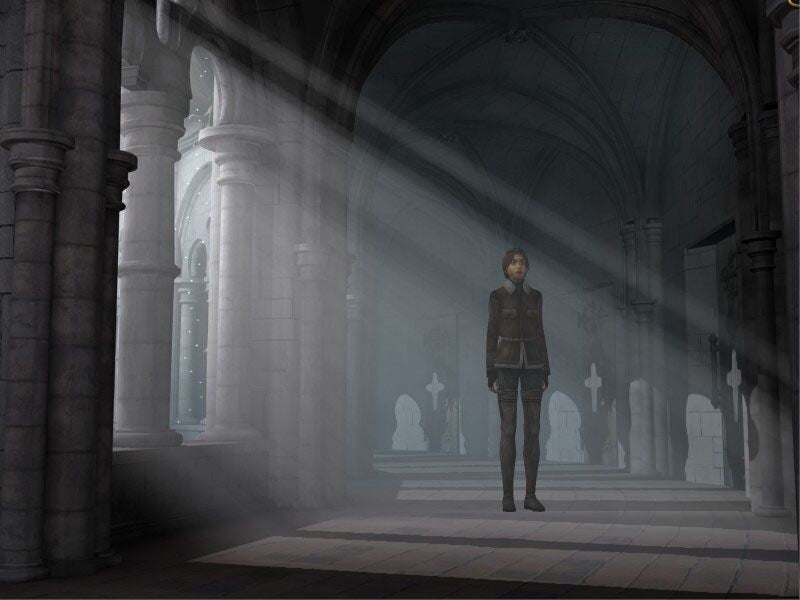
We were halfway to the slide when the Father caught us, shouting for us to stop. Two monks followed him, ready to seize us.
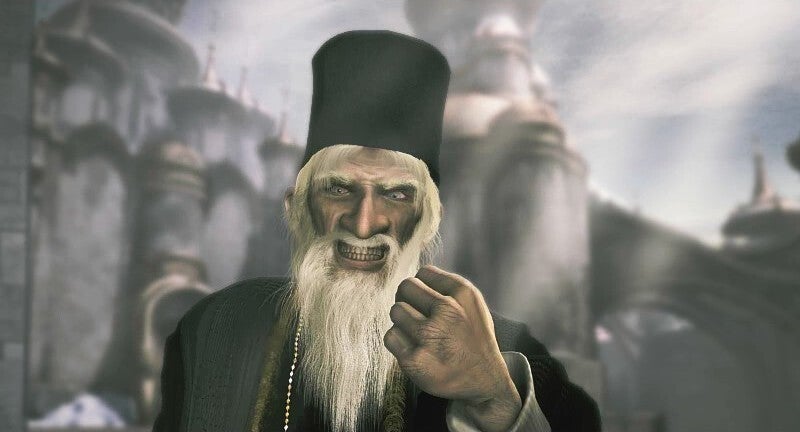
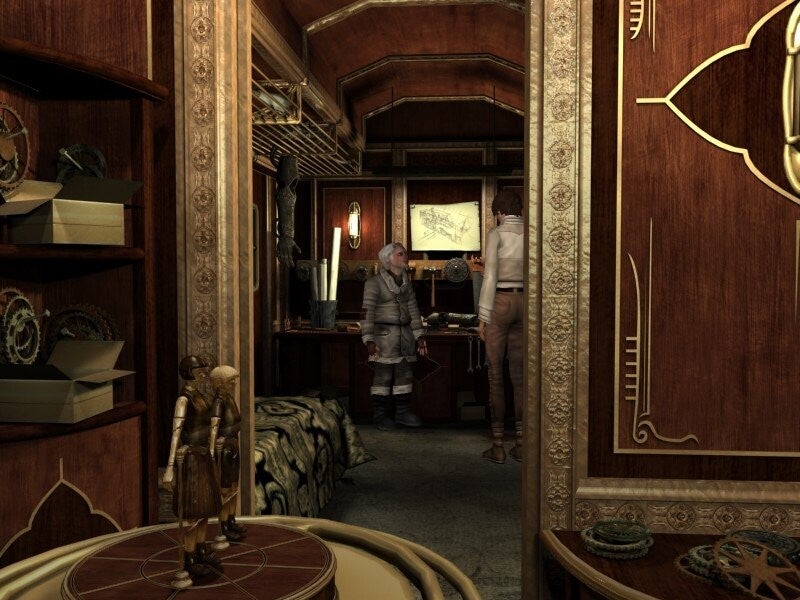
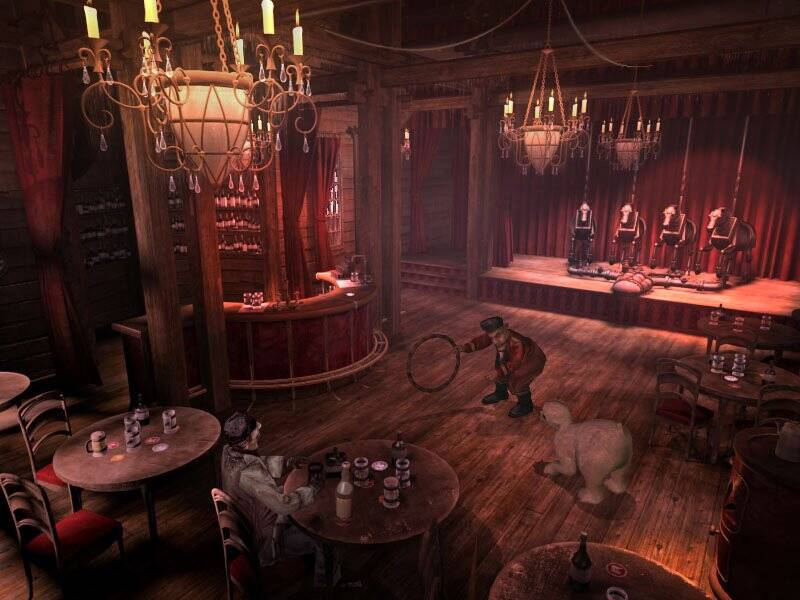
I asked Hans if we could depart. Instead, he asked me to set the automaton horses in motion — or rather, to restart their mechanical heart. One last task before leaving. He had crafted the missing gears; all I had to do was place them. If only a good deed ever ended without another frustration waiting right after it. I will admit, setting the automaton horses in motion was satisfying. But even more admiring was watching the old circus master try to teach tricks to Youki.
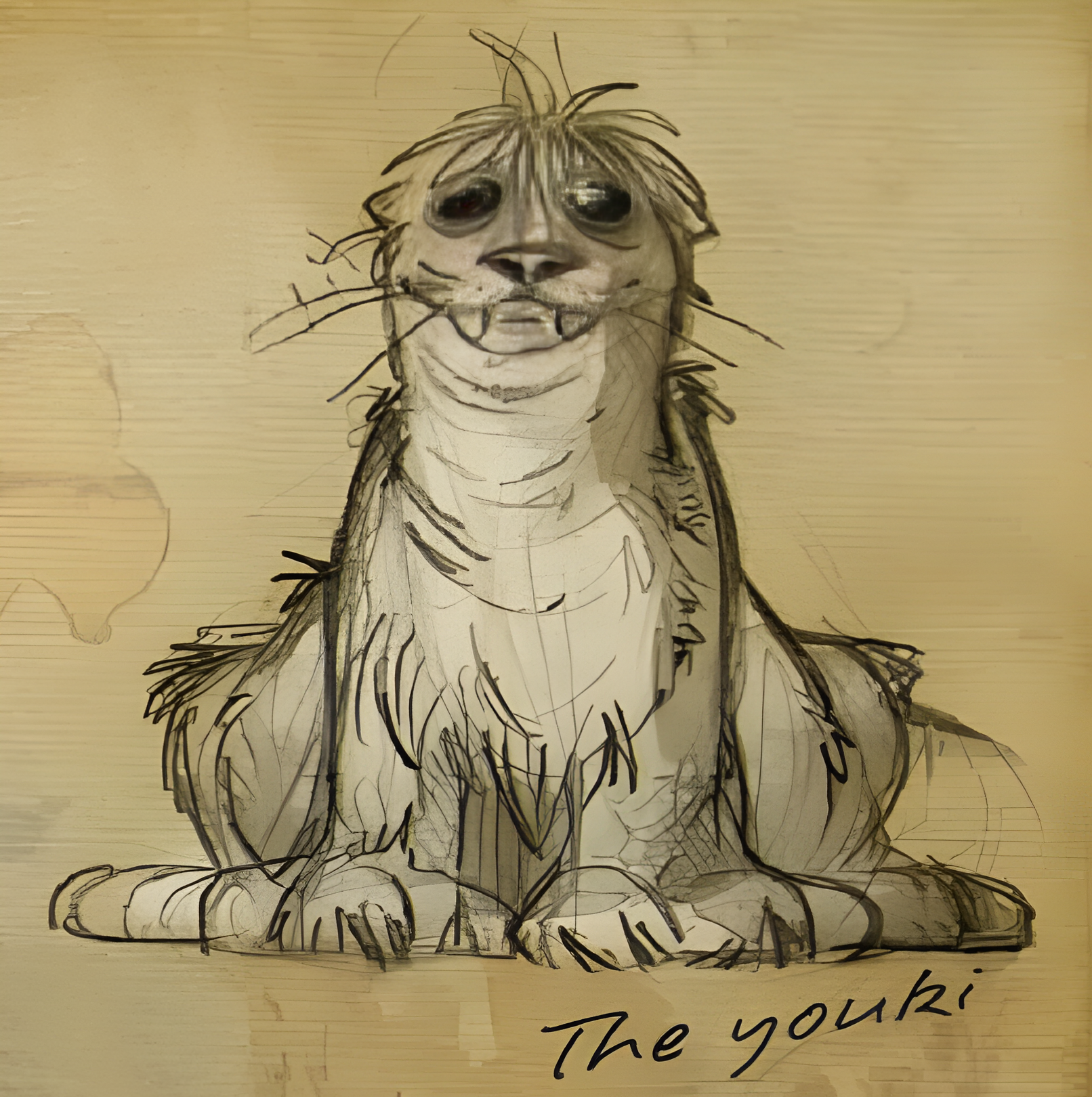
Yes, Youki — an animal with a mind entirely his own. And if the circus master is right, he thinks only with his belly and nothing else. I suppose I’ll have to appreciate his company later, not everyday you see a creature somewhere between a seal and a bear, as the old man described.
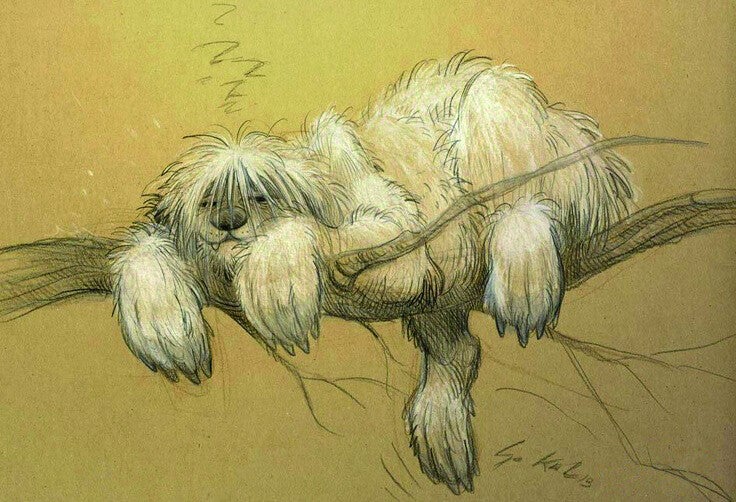
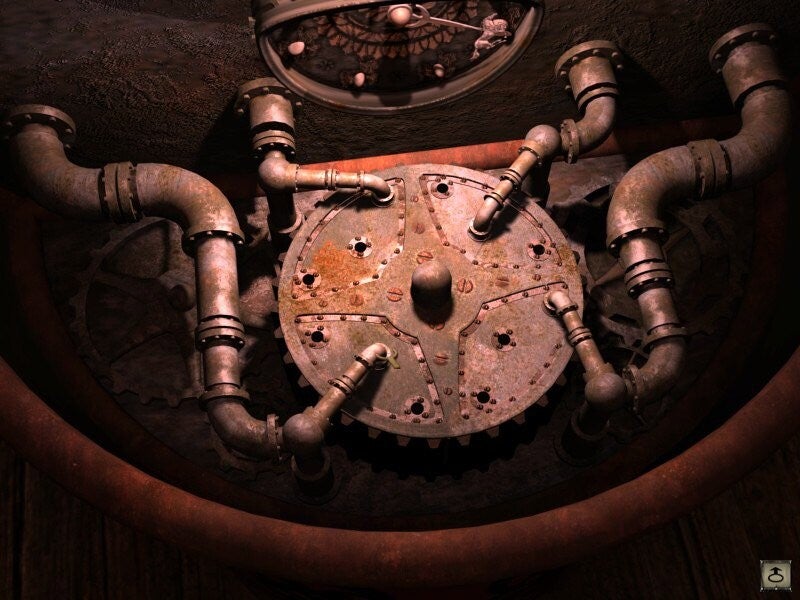
I set a mechanical heart in place and horses, got into motion, I couldn't simply enjoy the show thought, since I overheard trembling noise of train going off, someone had just hijacked the train.

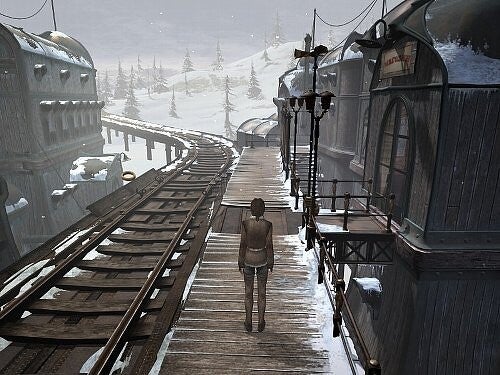
For a moment, frustration washed over me so completely I could barely breathe. Oscar would never have let anyone aboard. Hans was on that train. And now someone had stolen it — for what reason, I had no idea. I needed to catch up to it. Fast. I went back to the storekeeper and asked for help once more. He suggested the gancar, a vehicle beneath the railway that might still function. He warned me it hadn’t been used in years, but what choice did I have?
It turned out to be an auxiliary railroad assistance vehicle — meant only for use in extreme emergencies, its speed is unknow since no records where kept. But it was my best choice. And once again, I had the Colonel to thank.
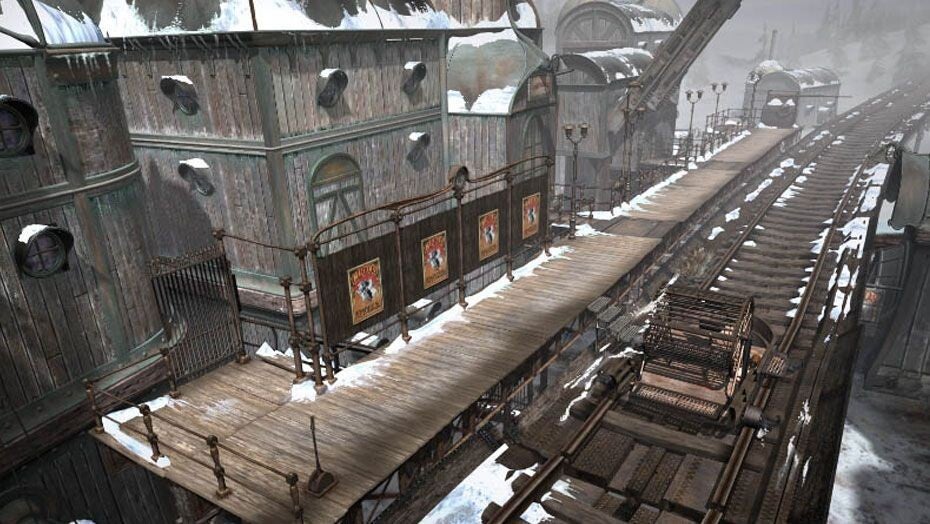
At crucible Chase
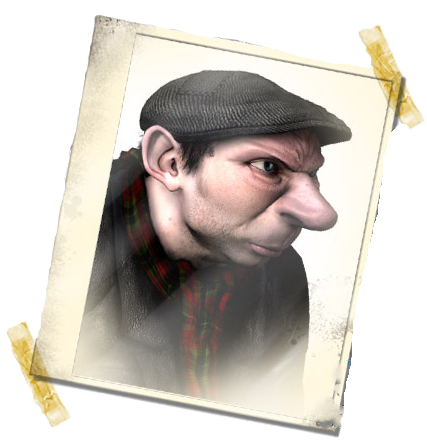
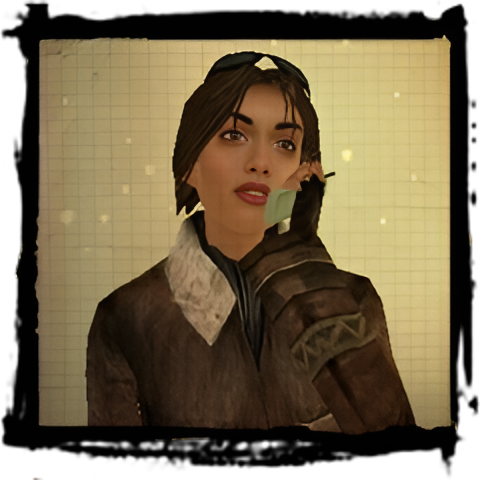
I pushed the lever just before the stairs leading down to the village. The rails, with the gancar attached to its stand, flipped neatly into position. I set it in motion — and immediately lost one of its parts, stopping any further movement. Now I needed another way to propel it forward. I was in search of an alternative… let’s call it a power source. Right then, Oscar called me on the cellphone. He said the brothers had told him I was on my way back to America. Oh, Oscar… how easily you can be fooled by those bastards.
I headed toward the place where the brothers had settled earlier. In the fence, there was a hole again. I climbed through and found Youki — shivering, paws over his nose, trying to hide. I guessed he had grown used to this place and chose it as a refuge. He’s quick to run toward anyone who treats him with a bit of kindness… or at least offers him something he likes. Like the fish candies I still had in my pocket. I gave him a few and put his strength to good use as our new source of motion. Together, we reached the locomotive.

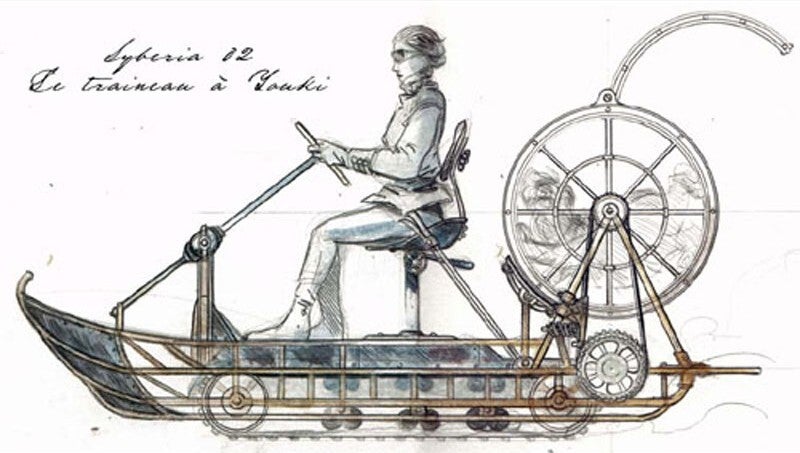
But those damn brothers had broken the bridge under the train’s weight. Now I was stuck on one side, and they were on the other. Oh, I’ll get to you. Just you wait.
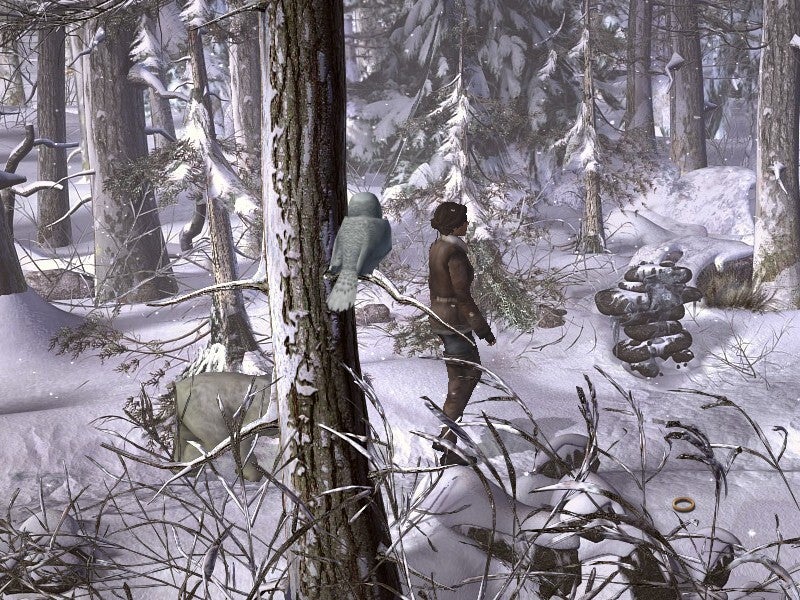
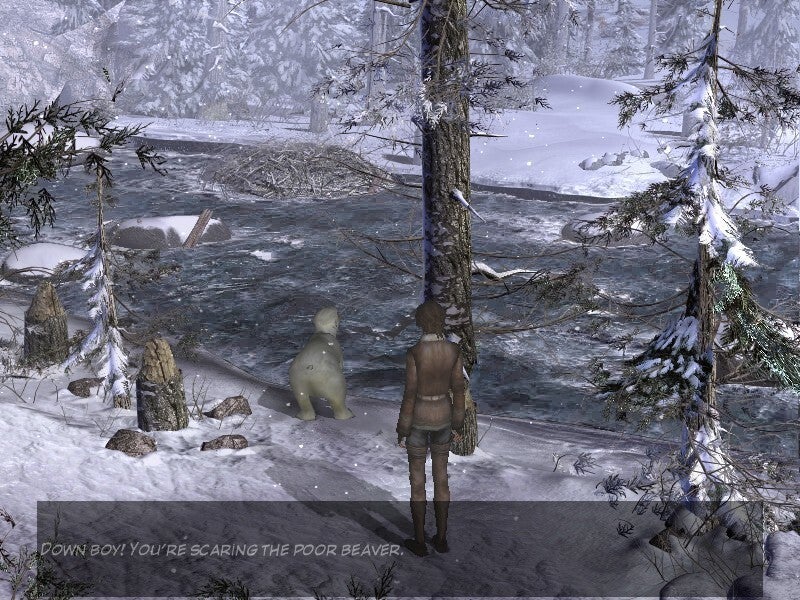
I set off along the snowy path, the sound of the river following me like a constant companion. Youki, however, stopped dead in his tracks, barking toward the far side of the river. I found a few dry sticks and spotted a small wooden hut nestled among the trees. I needed the sticks to warm the stone placed as an offering to the spirits of nature, judging by the arrangement. Among the stones was a fish. I used it to lure Youki away from whatever had captured his attention. Just as we moved from the spot, I heard a loud crack — a tree collapsing. It fell across the river on the opposite bank, forming a natural bridge.
Steady and calm, I followed Youki across. At least he wasn’t rushing ahead this time; he even sat and waited for me. We continued onward. The wolves’ howls grew louder and closer. Eventually, I spotted a few of them in the distance — and in broad daylight. Not a place to linger. On one side of the path, a broken suspension bridge hung over a steep ravine. I would need proper equipment to cross it.
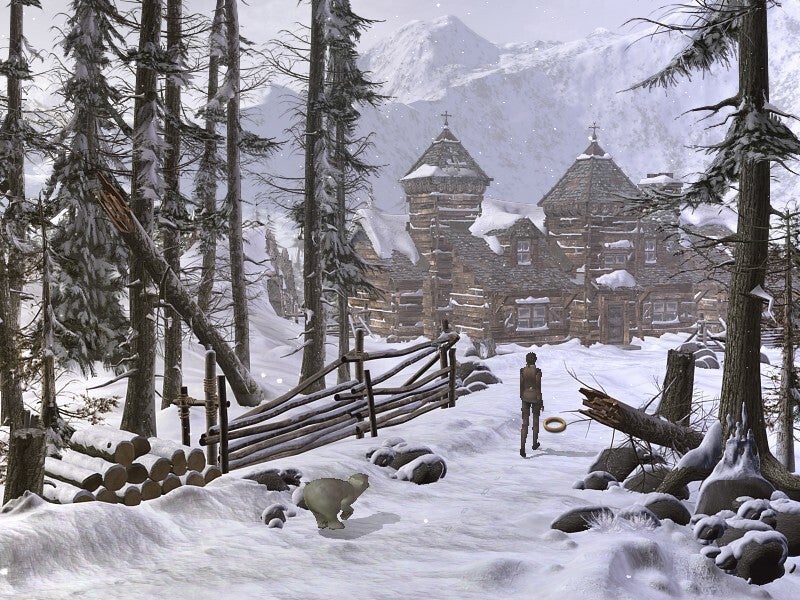
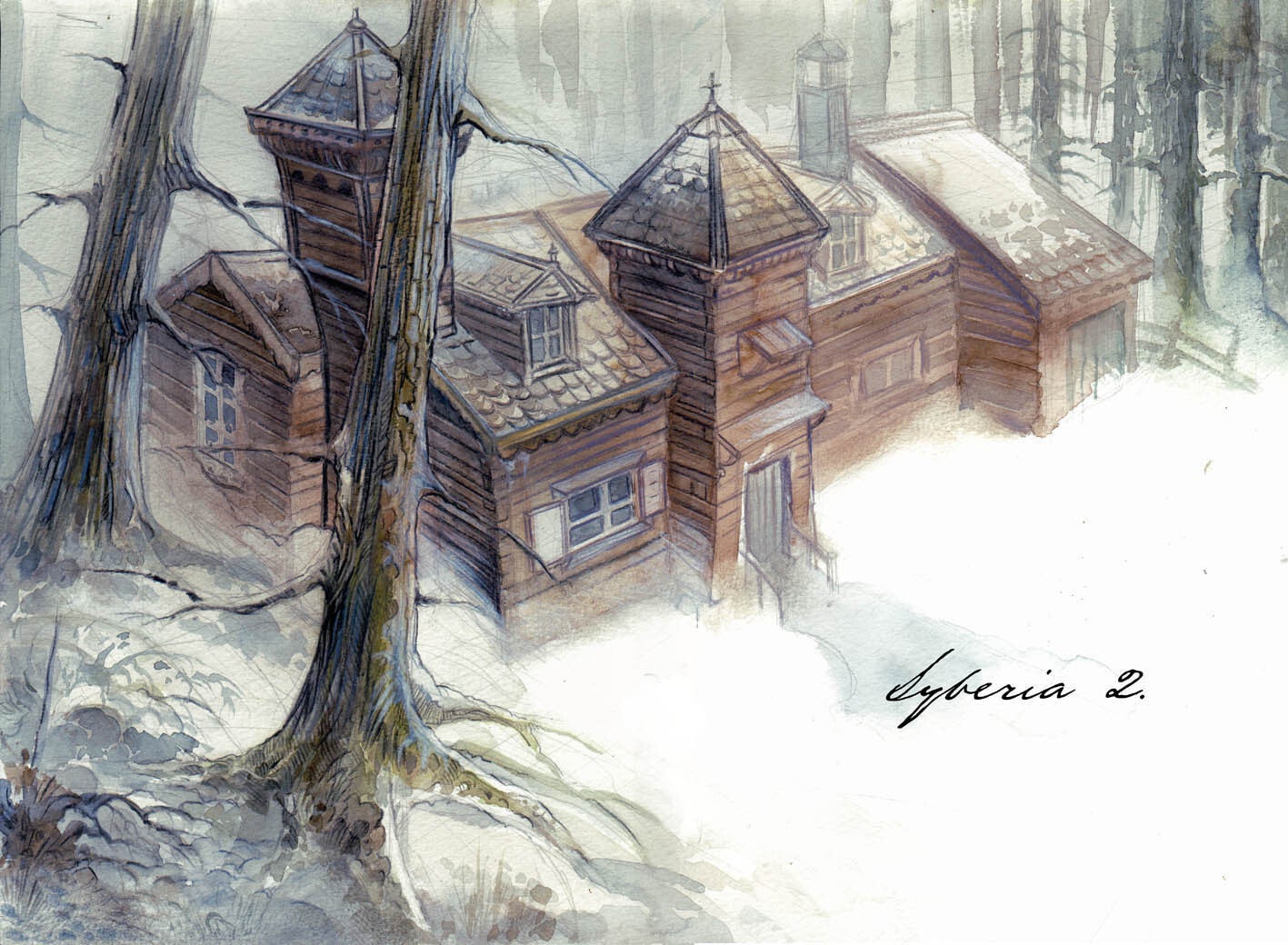
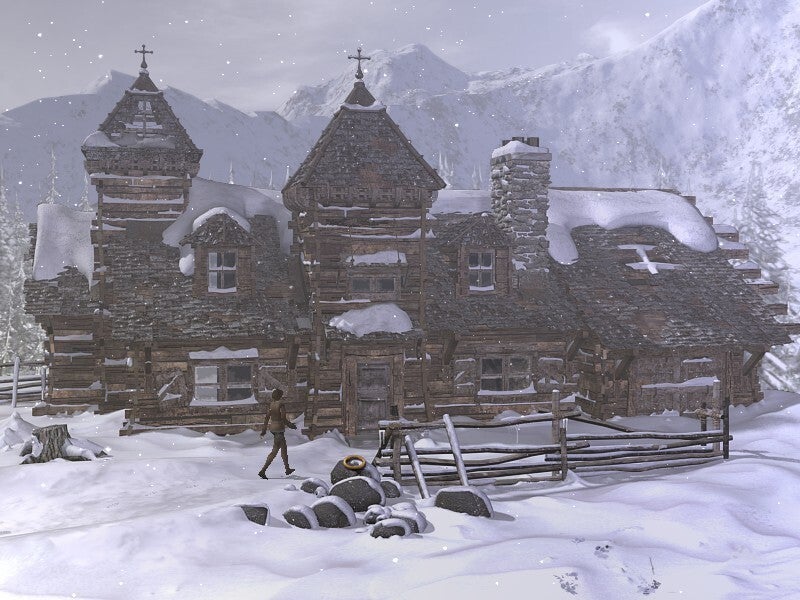
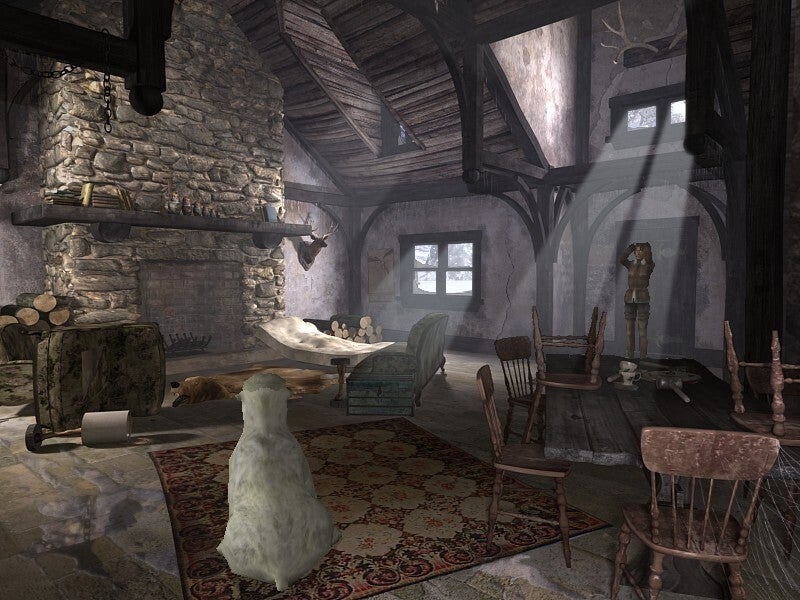
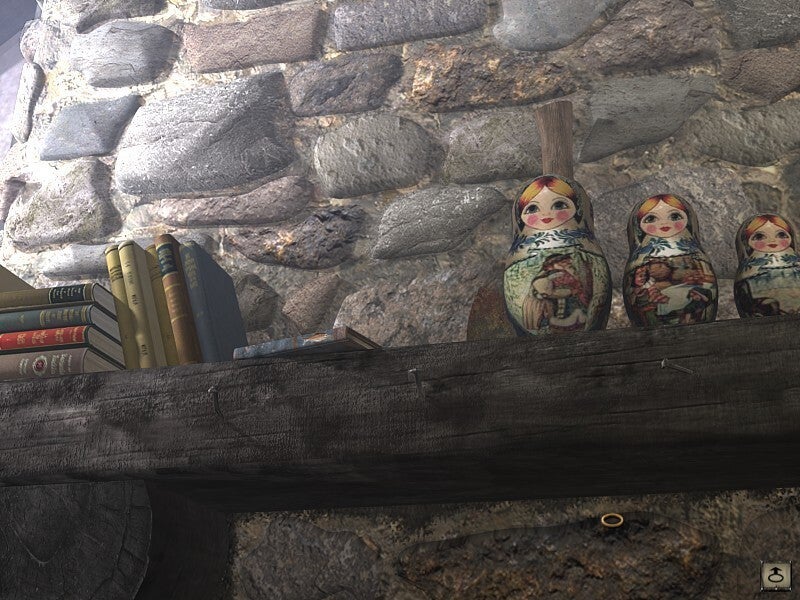
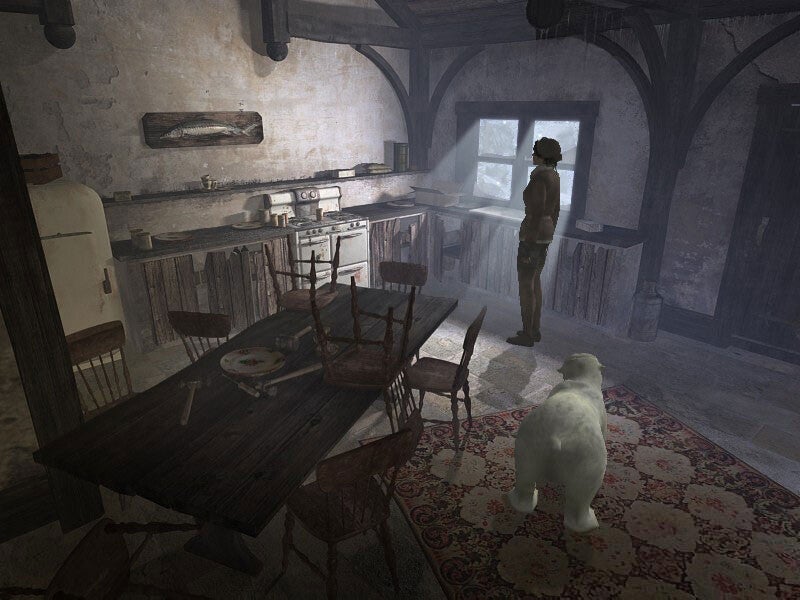
So I retraced my steps and reached what looked like a wooden chapel — or perhaps an abandoned hunting lodge, judging by its size. Inside, the interior confirmed my suspicion: the owner had been a hunter. And a fisherman too — why else build a fishing platform and keep a case of bait hooks sorted by size and color ?
At least Youki enjoyed the fish I caught — he was certainly feasting on them with enthusiasm.
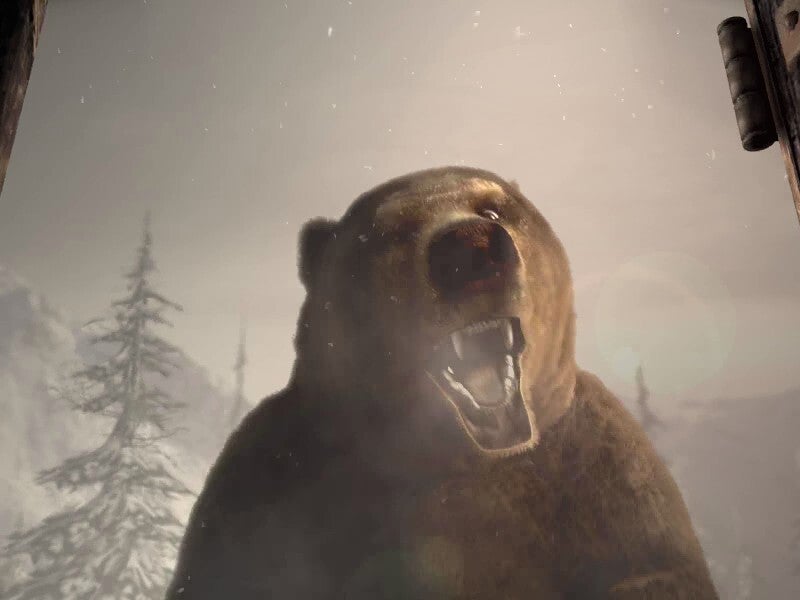
As I was about to leave the house, Youki suddenly froze at the open door, refusing to move. I assumed he wanted to stay inside to warm up until I peeked out myself.
Then, towering in the doorway, stood the largest grizzly bear I had ever seen.
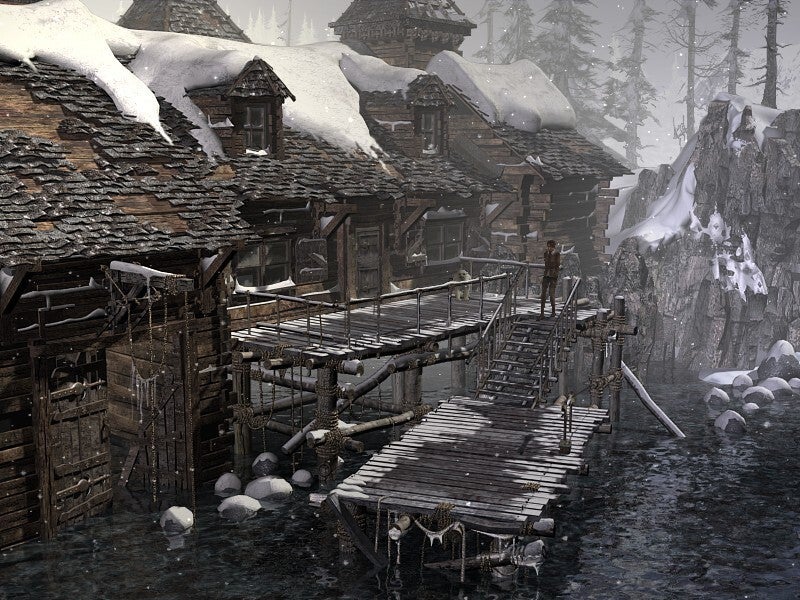
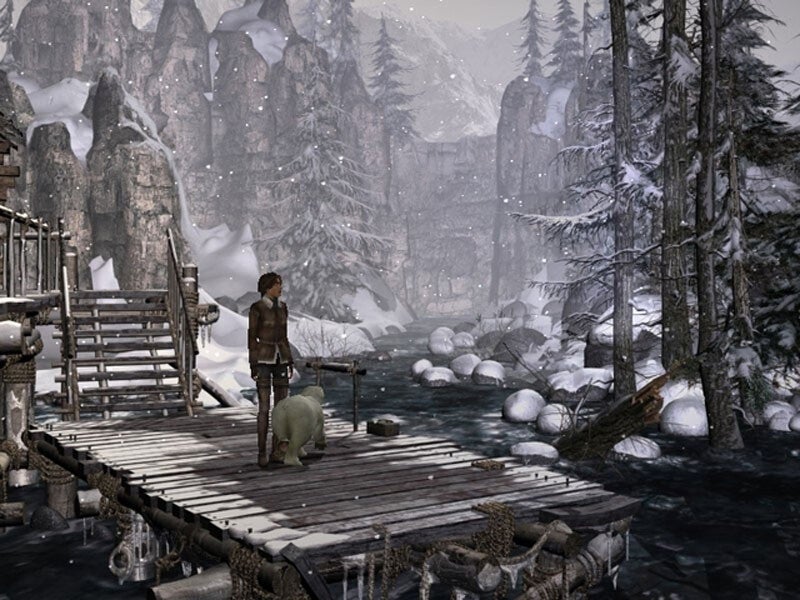
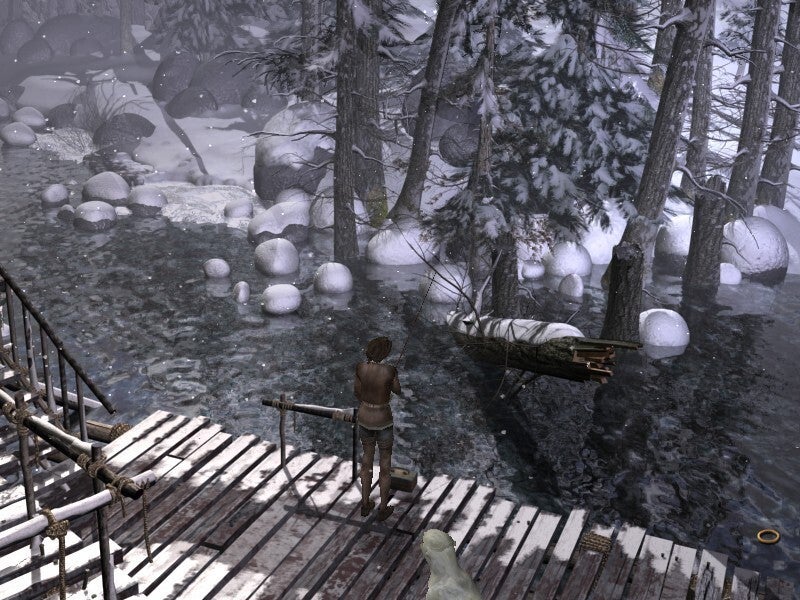
I shut the door just as it reared up, staring straight at me. Thankfully, among my catches was an orange salmon — the same kind I remembered from Alexei’s journal drawing. Lucky for us, one fish was enough to distract the bear. I threw it out the window to the side, and while the bear focused on its meal, Youki and I slipped quietly out of the house and continued on our way.

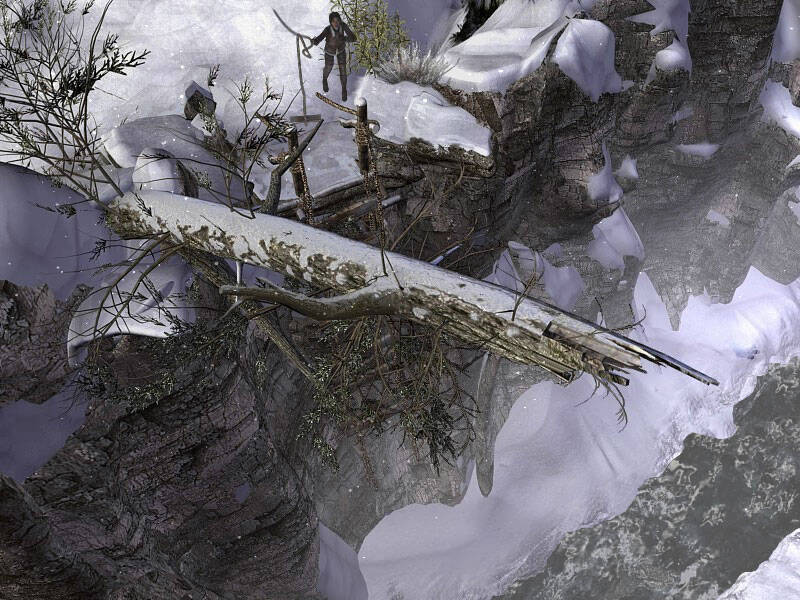
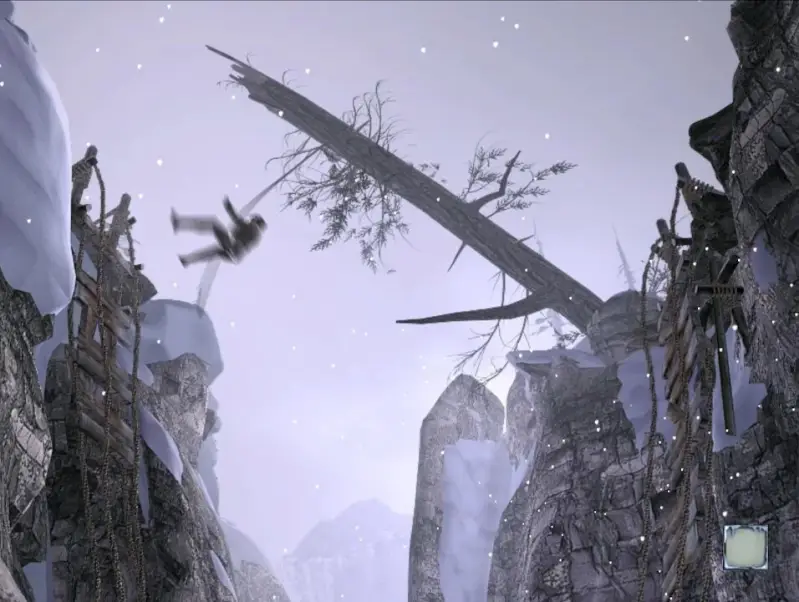
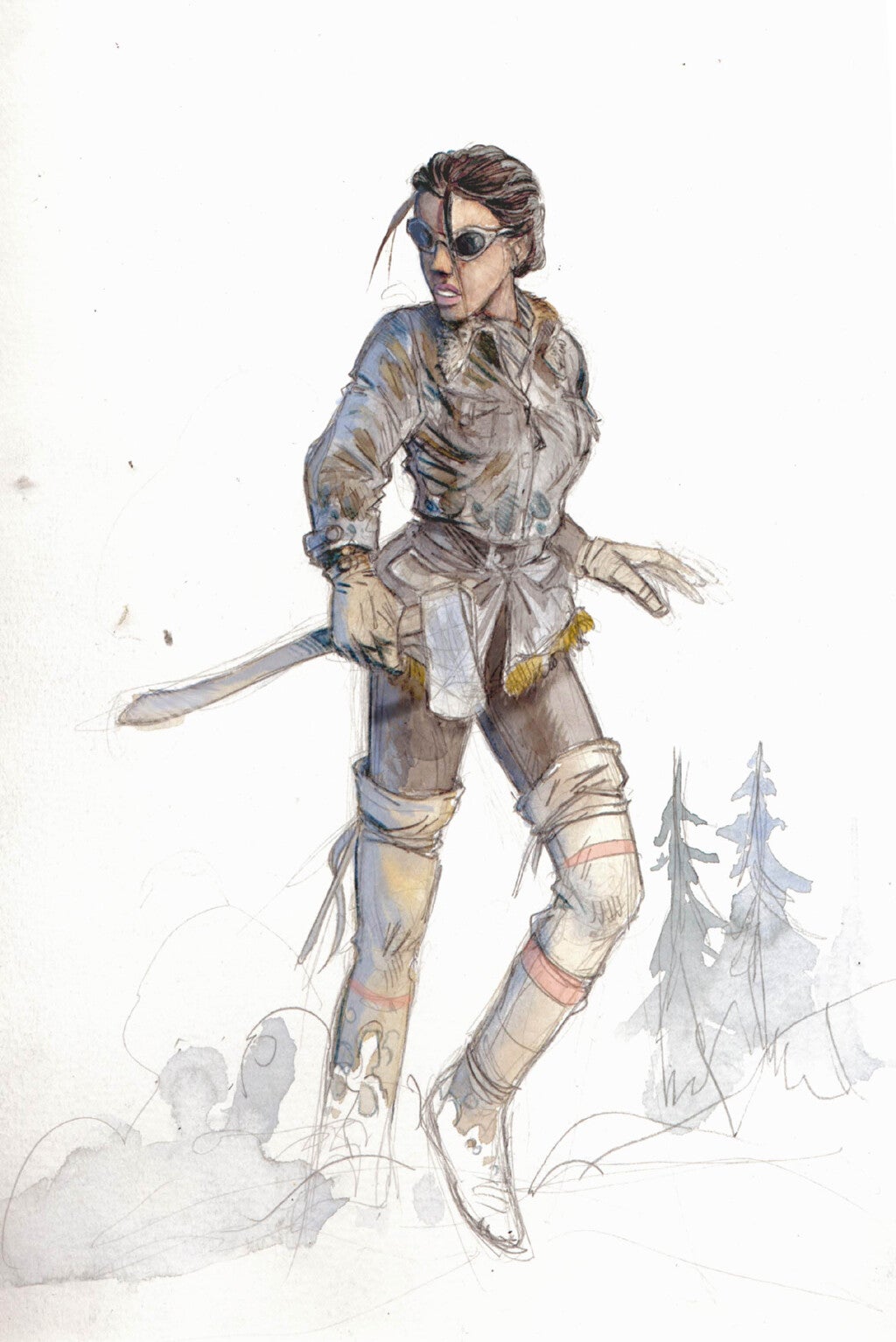
We returned to the chasm. I picked up the axe from the hunter’s house and used it to cut loose a plank with a rope from the broken bridge. It was enough for a makeshift grappling hook. I swung the makeshift hook over a tree, making sure it was wrapped securely around it. One swing — and I was on the other side.
Youki, on the other hand, didn’t need any of that. He simply leapt across the gap with a single bound. I helped him scramble up onto solid ground. At least he was enjoying himself, rolling in the snow until we continued on.
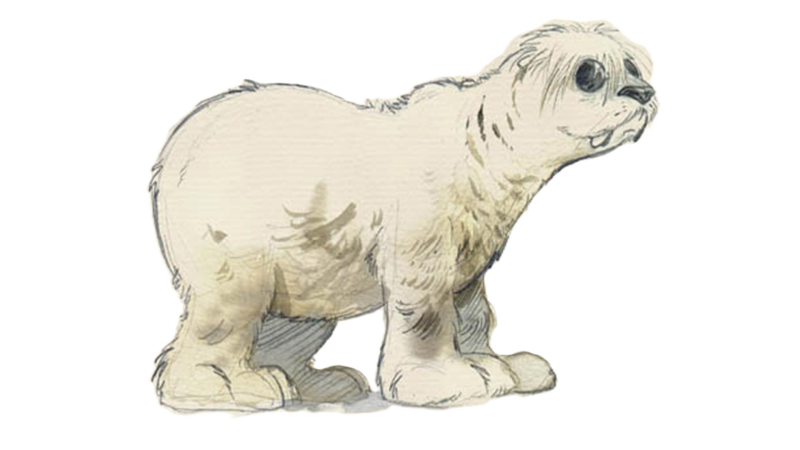
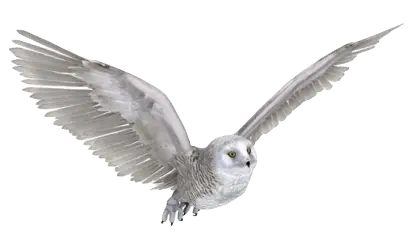
Then he darted off, chasing a snow owl, staring up toward the cliff.
That’s when I saw them — the brothers — throwing stones from above. Whether it was luck or pure accident, I’ll never know, but just as I tried to dodge another falling rock, a plane flew overhead. It crashed somewhere beyond the ridge.
The question is: did anyone survive?
And what was a plane doing out here?
Since I sent Youki ahead to find the train, I had no choice but to try something entirely new — using the axe as an ice pick to climb the frozen cliff.
Not ideal, especially with only one axe, but I had to make it work. There were just enough footholds in the stone. Slow and steady — don’t look down. Find a place for my feet, a grip for my hands, and keep moving upward. Bit by bit, I climbed, and finally pulled myself over the edge.
I actually managed to climb a frozen stone wall without any proper equipment.
Impressive… and absolutely something I never intend to repeat at home. Luck like that doesn’t strike twice.
By the time I reached the spot where the airplane had crashed, the scene was a mess of torn airplane parts, some metal scattered in snow. Hanging from a tall tree, suspended by what looked like rescue‑parachute straps, was a man — fast asleep, snoring loudly through a pair of soundproof earphones.
From the look of it, he must have dozed off mid‑flight, lost control of the plane, and crashed. Otherwise, I have no idea how he could still be snoring after a landing like that.

I took a look at the plane’s control panel, trying to switch on anything that still worked. A few numbers flickered on the display — some kind of code, maybe. Above the indicators was a sticker with the name Boris Charov. Good old, Boris, had just landed.
I stepped outside the wreckage and headed toward a signal tower. Before I could reach it, a snowmobile shot past me — I barely dodged it. The robbery brothers were on it, and behind them, tied to a sled, was Hans.
God damn it.
I need to get out of here fast — if there’s anything left of the train by the time I reach it.
Next to the tower was an old radio transmitter. If I could catch an open signal within range, maybe I could call for help. I switched on the station, adjusted the frequency, and activated the microphone — hoping the pilot would hear me through his earphones.
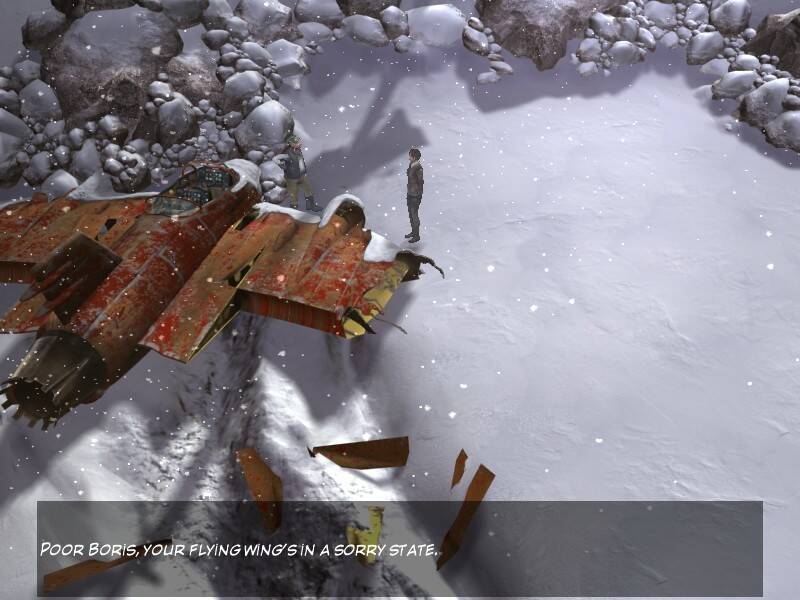
He woke up, confused and disoriented. With a bit of guidance, I talked him through unfastening his straps, and he finally freed himself. At least we managed a proper conversation — and an explanation of what he was doing out here in the first place.
He handled the situation surprisingly well for someone who had just fallen out of the sky. He’d been soaring through the night, admiring the stars while flying, and admitted that landing was “a skill he hadn’t quite mastered yet.”
No kidding.
I explained why I was here — that Hans had been kidnapped by two hoodlums, and I needed to reach them and the train as fast as possible.
He told me the plane was in terrible shape, far beyond quick repair. But the manual controls still worked — including the ejection system. If I could turn that to my advantage, I might manage a spectacular flight in a chair… or a spectacularly bad idea.
Either way, I’m in no position to be afraid of extreme measures right now.
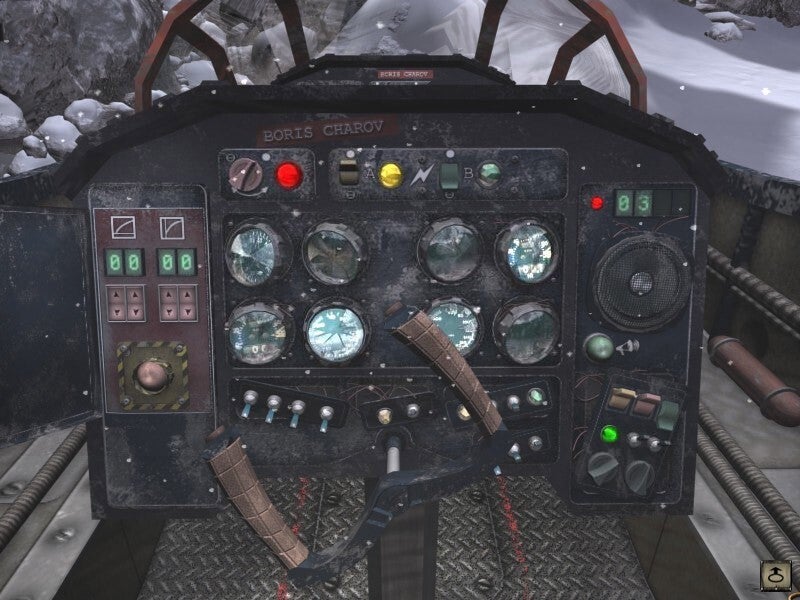


Boris explained that to manually eject the seat, I would need to determine the target direction and enter the coordinates myself.
Well then — back to the radio tower.
Fetching a comet’s tail, as the old saying goes, is the same as fetching luck. And in this frost, luck is the only thing worth fetching.
I climbed up the radio tower, adjusted the signal plate toward the crash site, switched on the device that displayed nearby signals, and headed back to the wrecked plane. Now it was time to enter the coordinates on the other side of the panel — the board that lit up while Boris tinkered around the cockpit. I entered the numbers. Boris assured me I would land right in the dining car. He helped fasten the straps, and I was as ready as anyone could possibly be in a situation like this.
The chair shot upward. I pulled the ring, and the parachute opened, carrying me through the wind.
Youki was waiting for me beside the train. At least I was finally here.
Just as I stepped toward the locomotive, I received a call from the Colonel. He warned me that a man was on my trail. I had a feeling the company had sent someone to drag me back home. I told the Colonel — hesitantly — that I couldn’t be found, not until I helped Hans.
He reminded me, with a kind of calm confidence, that we were in Russia in the middle of winter. It’s hard to pursue anyone when snow covers the tracks and blizzards swallow most signals.
I assumed that was good enough.
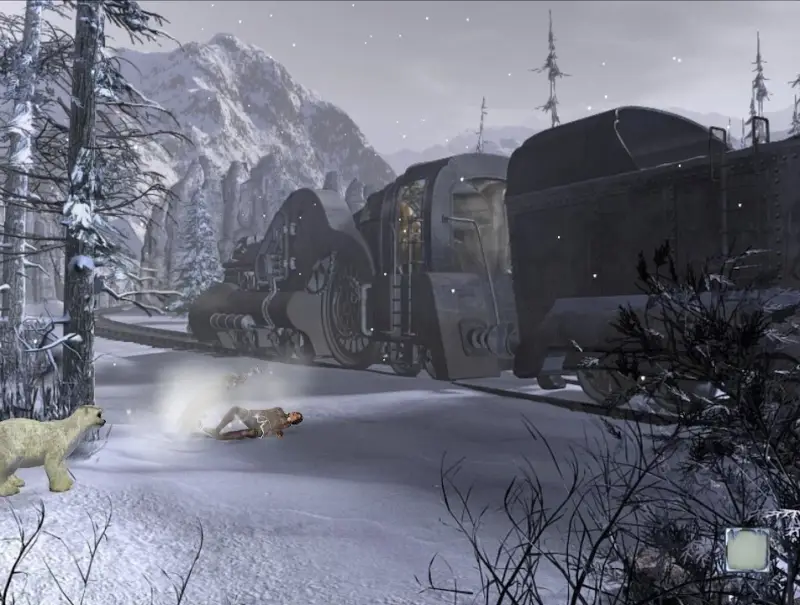
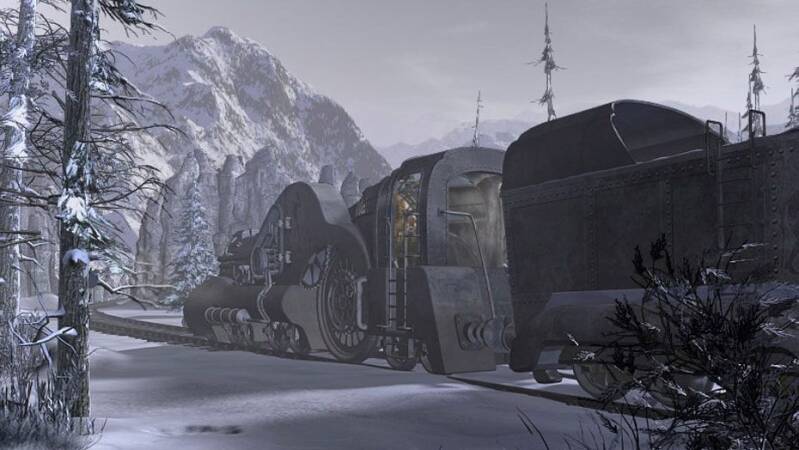
I said goodbye and noticed something glinting under the snow. When I pulled it free, it turned out to be Oscar — buried under a drift. It took him a while to regain consciousness and even longer to find his words. He’s been a mess before, but now he’s beyond stitching himself back together. Frost is not kind to his mechanical joints.
Now my primary concern is once again to find Hans.
And God… the locomotive is a wreck — dismantled, smashed, practically gutted. Next to Hans’s bed, I found a blueprint of the train and an oil dispenser. At least Oscar will be able to get himself moving again. I gave Oscar the oil. He helped himself, greasing his joints and eventually drinking the rest so he could speak and move freely again. A relief, honestly — seeing him more or less stitched back together.
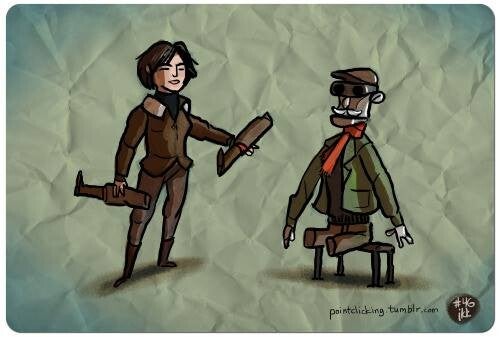
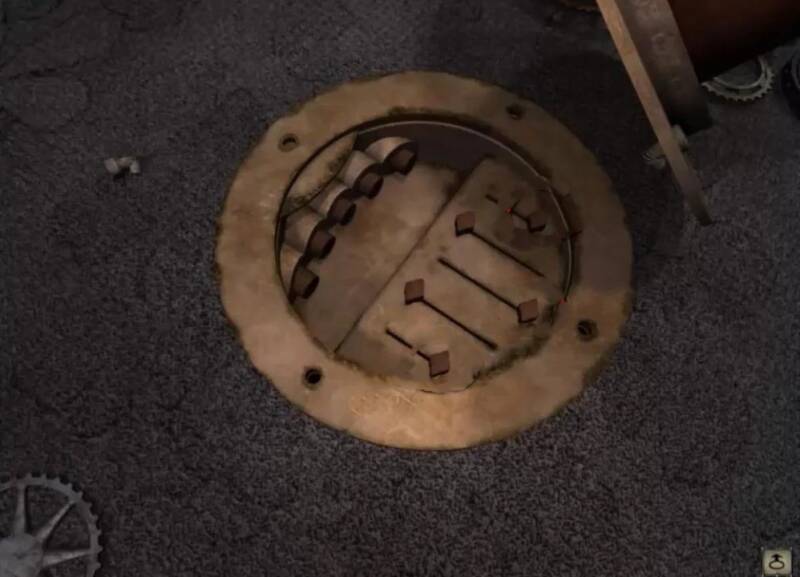

He took his place at the controls, but one of the locomotive’s tail cars was still stuck from the bridge collapse. We had to detach it before we could move forward. One access panel, a few train manipulations, and a call to Oscar to trigger the mechanism later — and I barely managed to jump out of the collapsing railcar before it fell into the ravine.
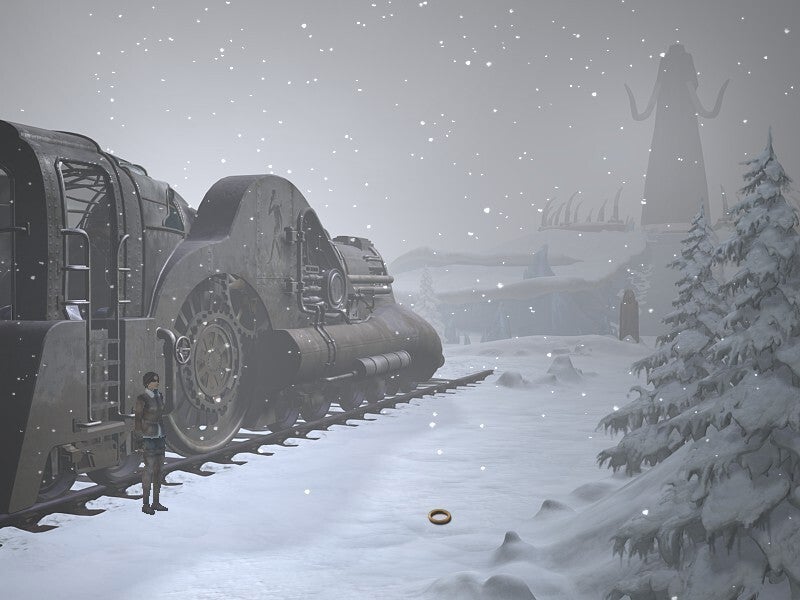
We reached the end of the railway in a frozen snowstorm. Bones and a massive mammoth‑shaped structure gleamed across the ice path. Youki ran off again; I wasn’t sure if he was chasing the owl or something else entirely. Next to it, a snowbike sat abandoned, its bag left open.
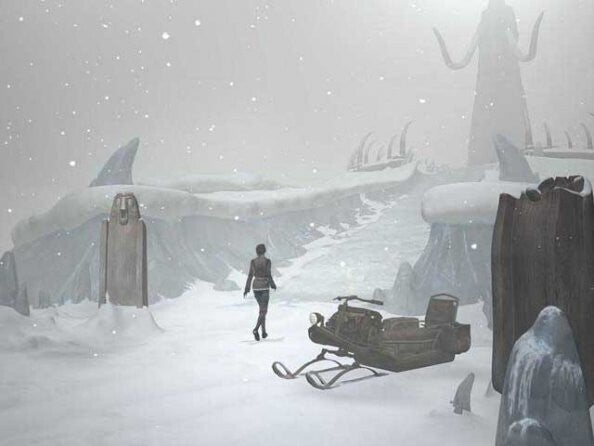
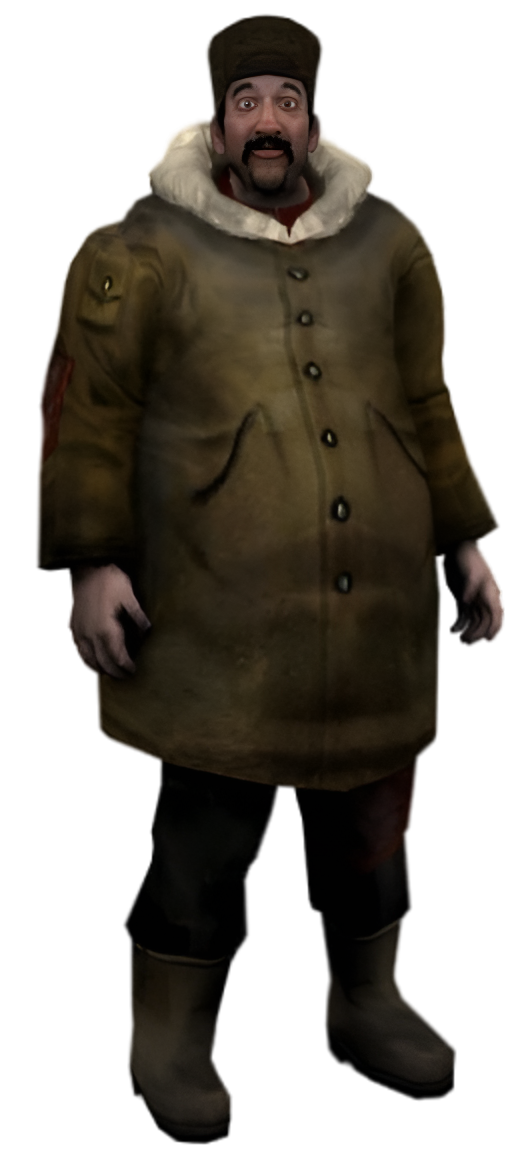

I crossed to the other side. The blizzard grew even stronger. One of the brothers stood there alone, terrified and shaking. When I asked where Hans was, he stammered something about Hans disappearing — and about “spirits” in the cold. The wind did sound like strange whispers, but it turned out to be nothing more than a wooden owl totem carved to imitate eerie noises. I stuffed a cloth into its beak, and the wind returned to its normal howl.
One brother left. The snowbike gone with him.
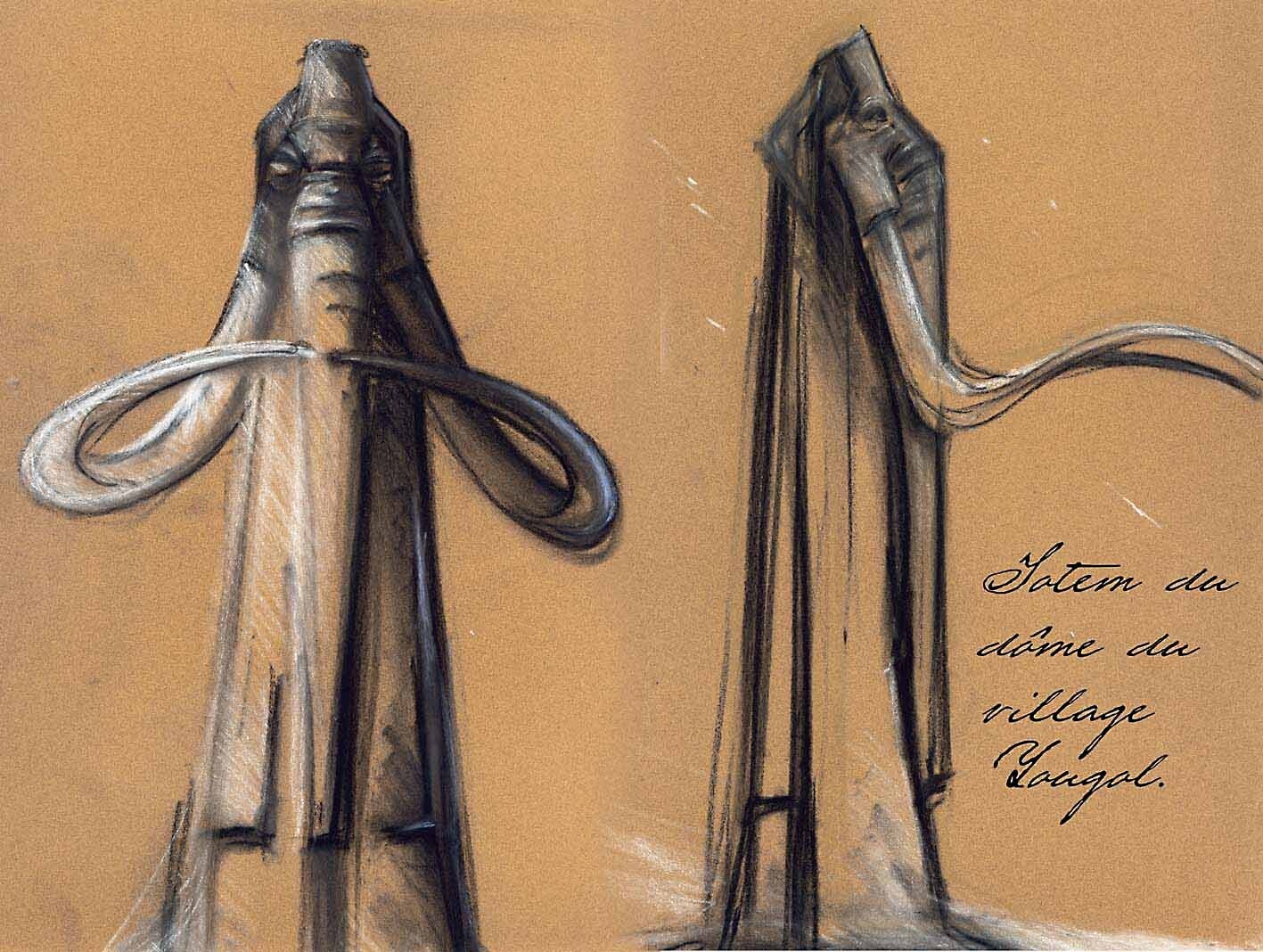
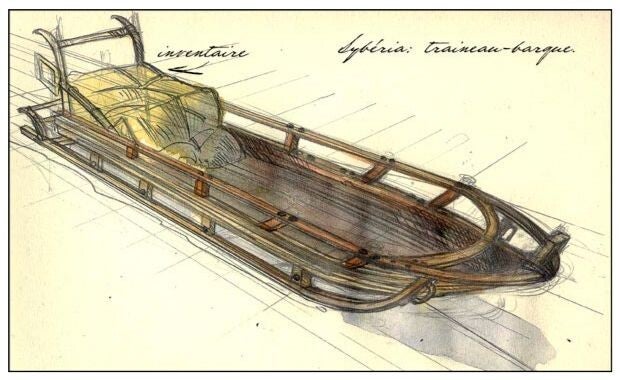
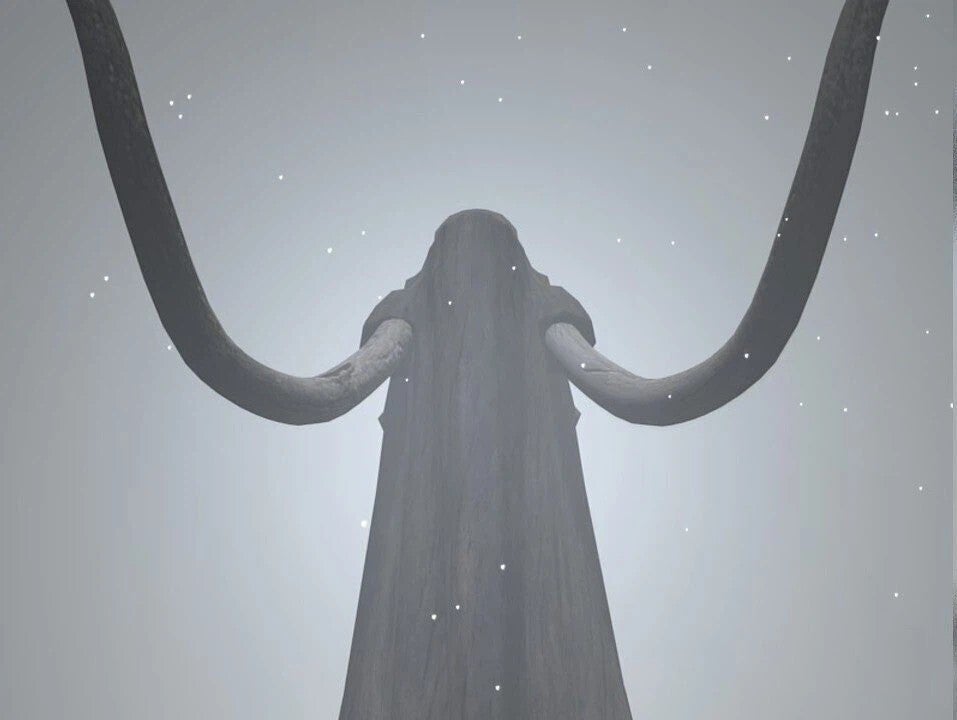
Where it had stood, I found ice spikes for walking on frozen ground — and a snow owl perched in a hollowed tree trunk. I climbed the hillside into what looked like an animal graveyard. The other brother was waiting for me there, holding a mammoth tusk like a spear. I was unarmed and cornered against a massive mammoth totem. I had no idea how to get out of this situation.
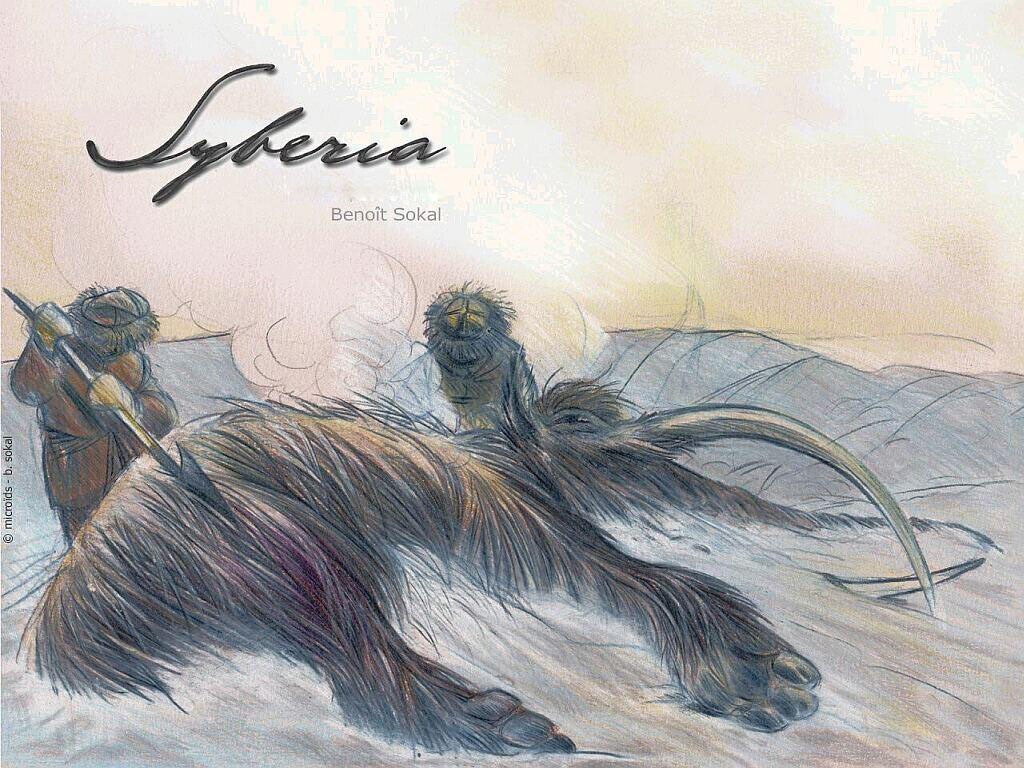
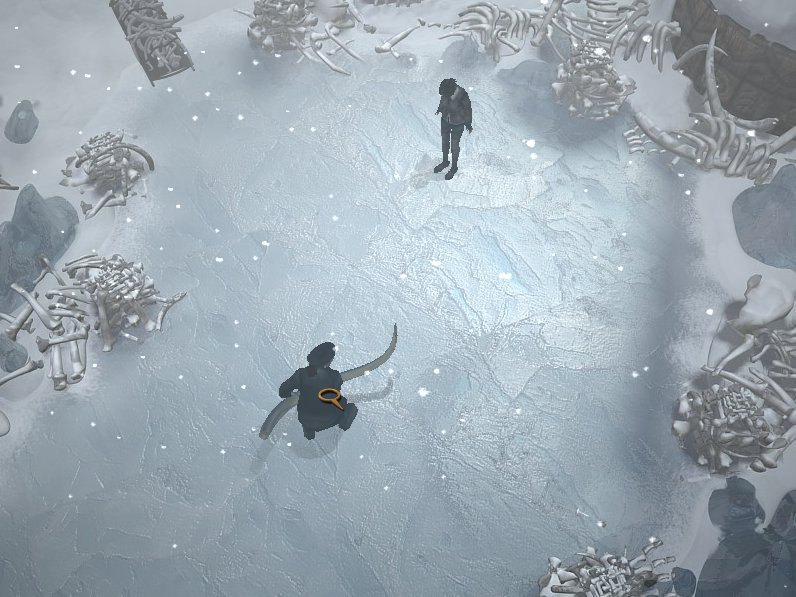

All this chasing, all this kidnapping — for “white gold.” Mammoth ivory. Easy money to put it simple.
I couldn’t think of anything more logical than calling Oscar for help. As always, he hesitated — insisting he had to guard the train and that snow was terrible for his wheelwork. I told him plainly: if he didn’t help me, the brother would crack my skull open in this frozen wasteland. Atleast that was convincing enough to him.
Oscar distracted the man with the locomotive’s horn. It was enough for me to slip behind him toward the sled piled with mammoth tusks. I grabbed an ivory knife and cut the rope holding the sled in place on the icy platform.
What I assumed was a thick layer of ice began to crack beneath us.
And then it gave way. We fell straight down into the darkness — into what felt like an abyss.
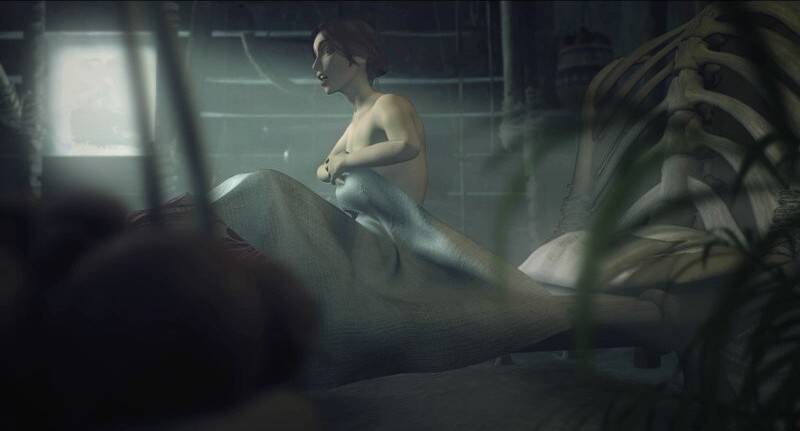
They had “healed my head,” as the chief put it.
I asked where Hans was. He told me Hans was with the shaman, being prepared for “the last journey” — meaning they were easing his soul toward rest. I wasn’t about to let that happen.
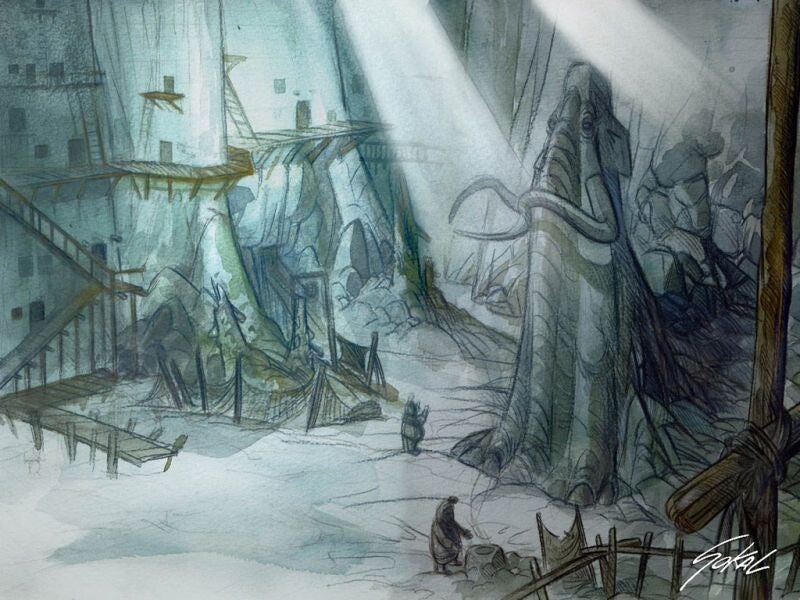
I found a slingshot, loaded it, and aimed at an icicle above the water mill. When it fell, it jammed the mechanism, stopping the drums, allowing to slip through.

On question, how she knows my name, shaman told me I had been speaking in sleep. Hans had been found in the snow, and now, in this state, he was “on his way to the ancestors’ land” — beyond help.

I was alive — somehow — and woke up in what appeared to be someone’s house. I dressed and stepped outside. The first man I spoke to introduced himself as the chief of this tribe. I had apparently been brought to a Yukol village.

A huge drum construction blocked the path to the shaman’s hut, preventing anyone from crossing. I took a sweeping look around the village, gathering scraps of materials lying here and there. I appreciated their kindness — truly — but I wasn’t going to let a prophecy decide Hans’s fate.
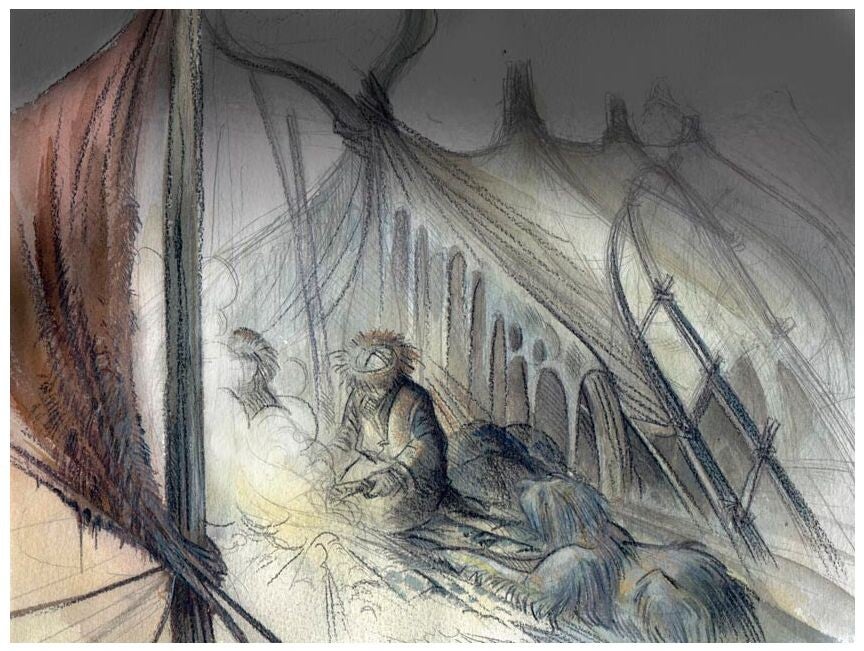
Inside the shaman’s hut, the sight was… unsettling. Hans lay suspended above a platform, arranged like a puppet in some ritual imitation of sleep.
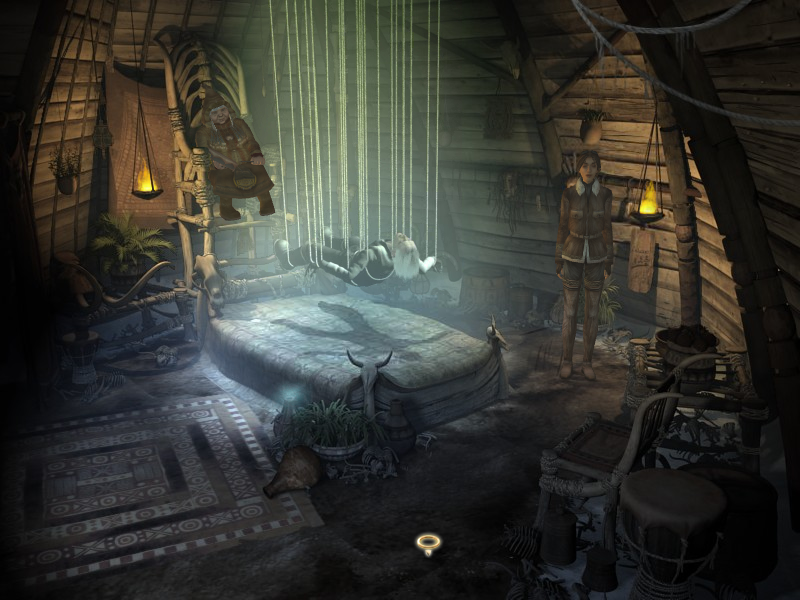
I asked about the snow owl, bird following me since I left Romansburg, it followed me even in my dream before I woke up. The shaman called it a harfang — a guardian spirit in their beliefs. Maybe that explained how I’d survived this far.
From our conversation, I learned two things.
First: the harfang responds to music — to call for a spirit's aid i need to play a music.
Second: Hans couldn’t be reached because he had entered the “tunnel of dreams,” alone, to reach an ancestors’ plains. He couldn’t be awakened unless someone who knew him well entered the tunnel too — to find him and guide him back. A very dangerous journey through in between. But whether I believe in legends or simply believe in the fact that I’m still alive because something has been watching over me…

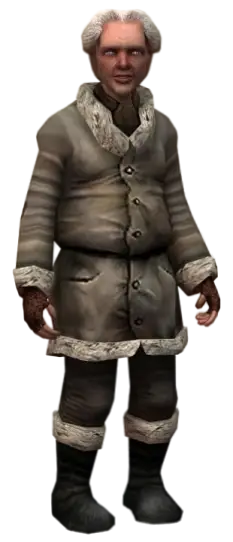
I’ve come too far to stop now.
I will bring Hans back to consciousness. And I will get him to Syberia — as I promised — until he reaches what he has been searching for all his life. I was determined to enter the dream world. The shaman warned me that the danger would fall on me instead of Hans — meaning I might not wake up after entering. And I will get him to Syberia — as I promised — until he reaches what he has been searching for all his life.
I was determined to enter the dream world. The shaman warned me that the danger would fall on me instead of Hans — meaning I might not wake up after entering.
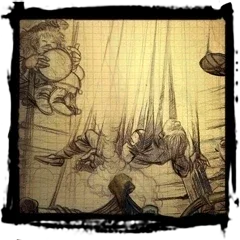
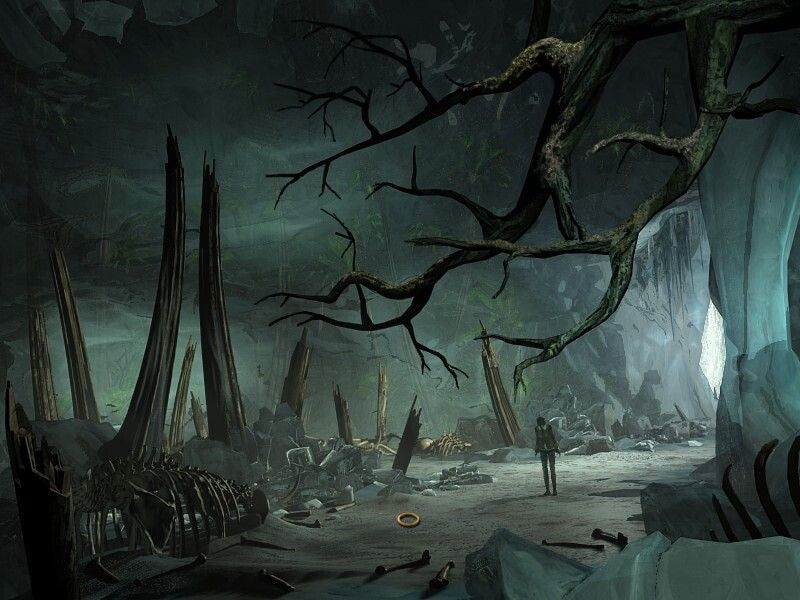
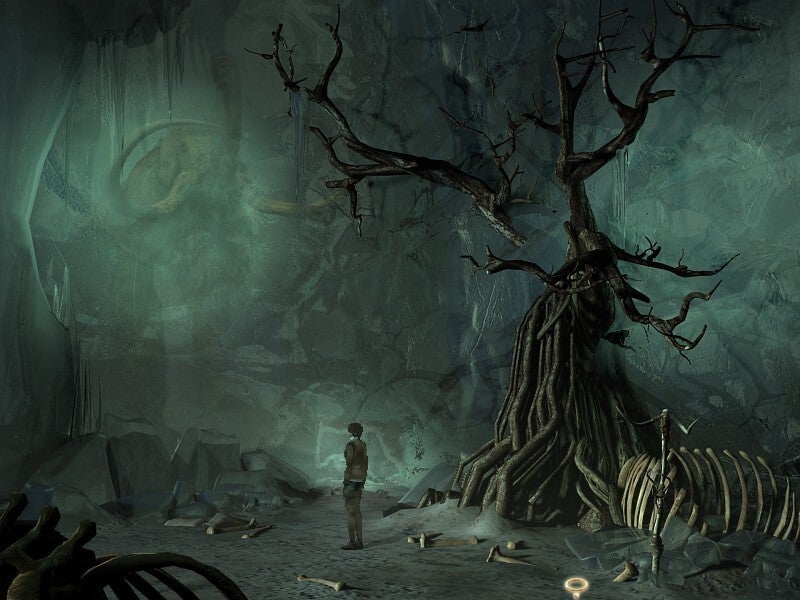
To guide someone into a dream, she needed to recite an old Yukol recipe, but she was missing one ingredient. She called it the fruit of the spirit door. At least it was something from this reality — a small red fruit from the Laughing Tree. But she said the tree no has reached ancestors land.
Great. Just what I needed.
I looked around the shaman’s room and took a few things with her blessing — understandable, given the circumstances. Outside, I found a railway the Yukols will use it to push train through the village.
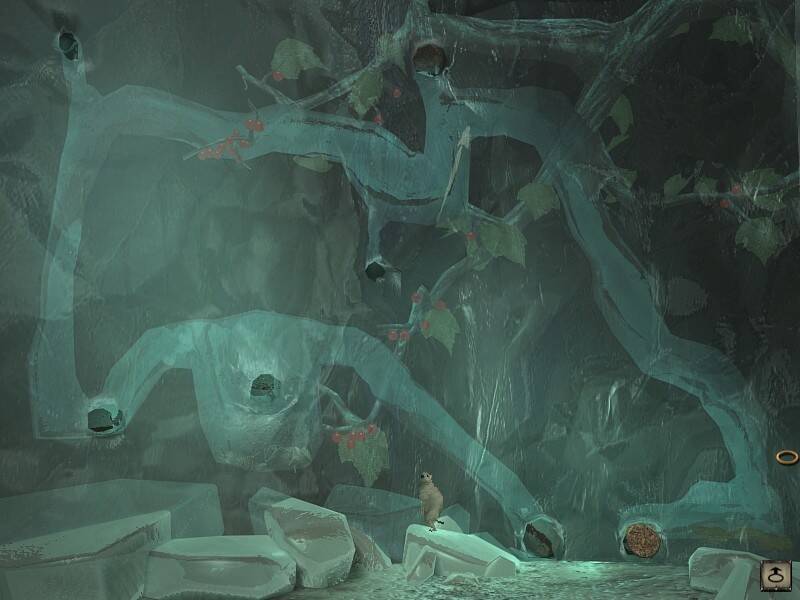
I used a cork to block one of the mouse’s tunnel entrances, then made my way to what looked like a bone hanger. I hung a prayer wheel there. Its sound echoed through the cave, drawing a snow owl to perch beside the tree.
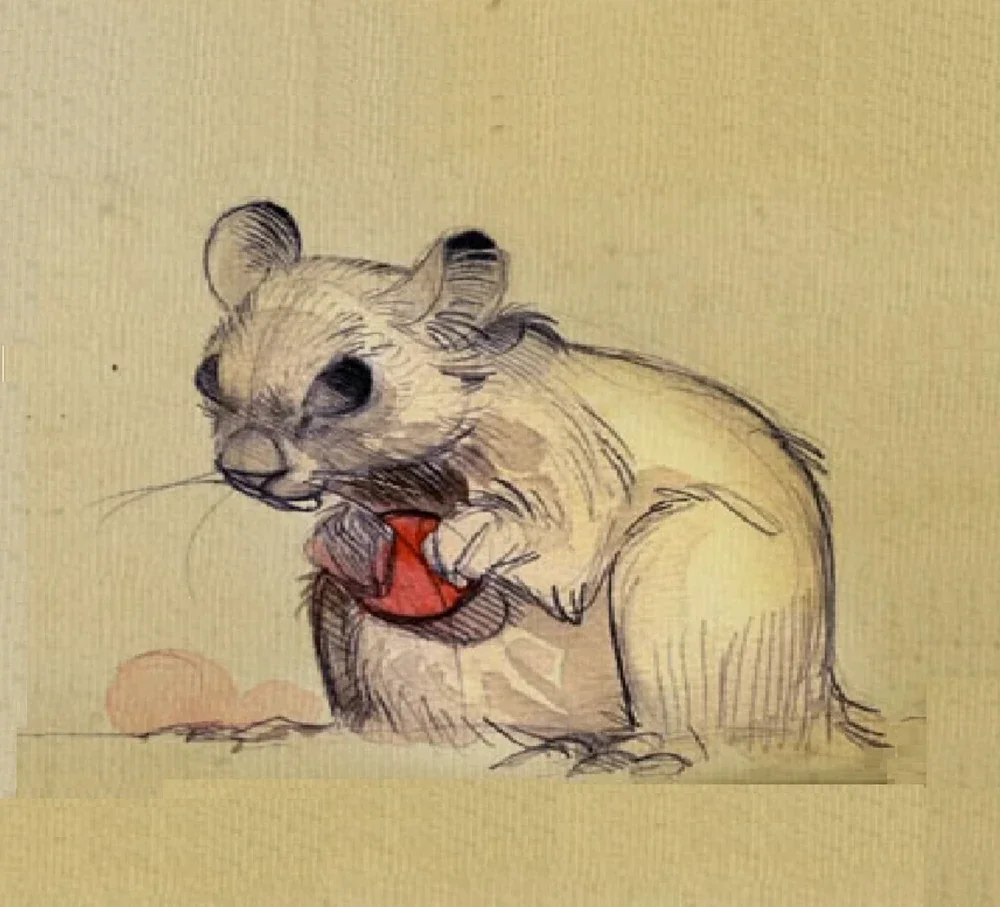
I walked past, finding myself in the ice‑frozen cave.
Inside grew a tree that looked completely dead. Near it, a white mouse scurried about, having carved a labyrinth of tunnels inside the frozen walls. What caught my attention were the red berries trapped in the ice. I figured they must be the Laughing Fruits I needed.
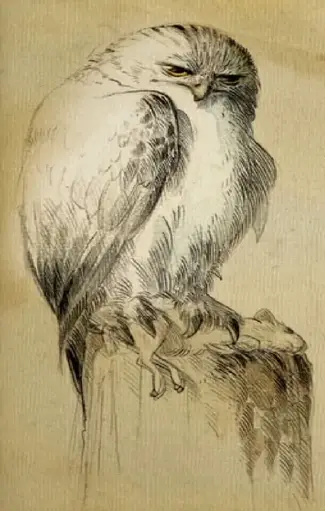
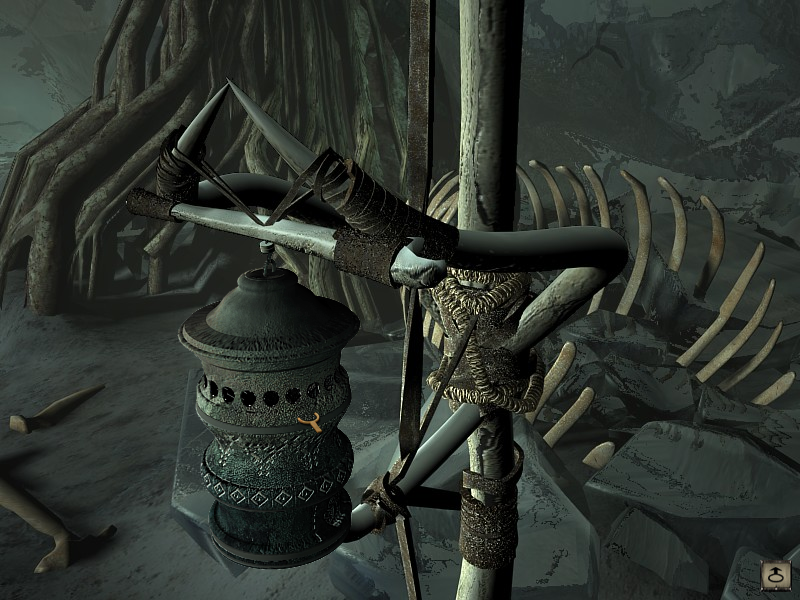
Owl answered with its sound in repeat.
Now it was up to the mouse to retrieve the berries from its labyrinth.
A cork here, a cork there, a basin filled with water, a bone placed like a staircase — and finally, the mouse delivered a few berries.
Perfect.
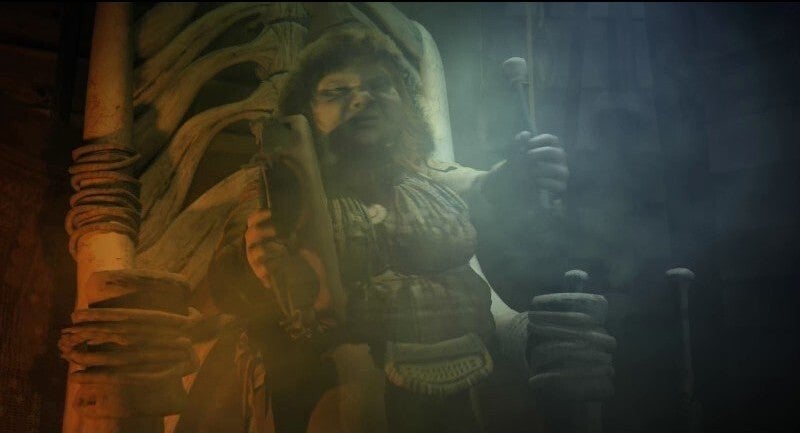
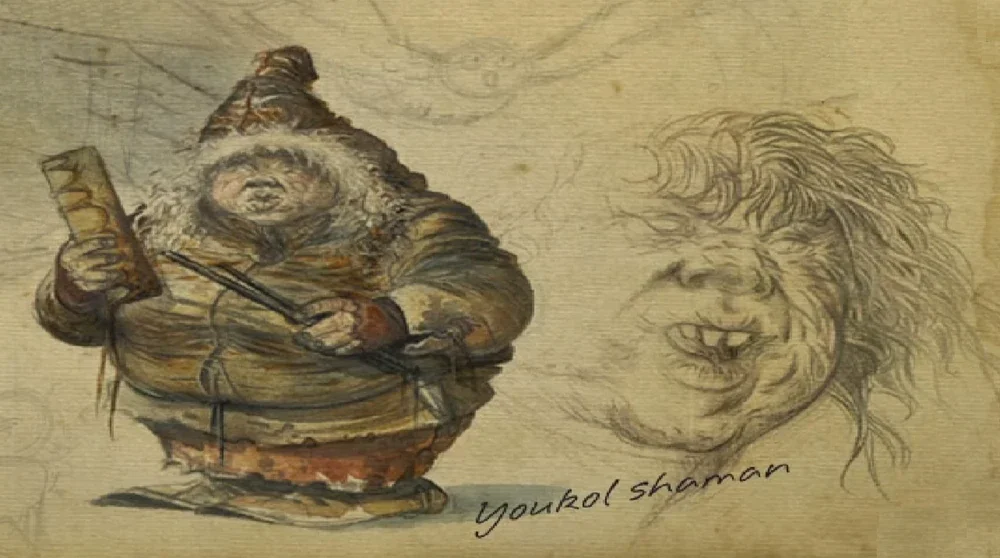
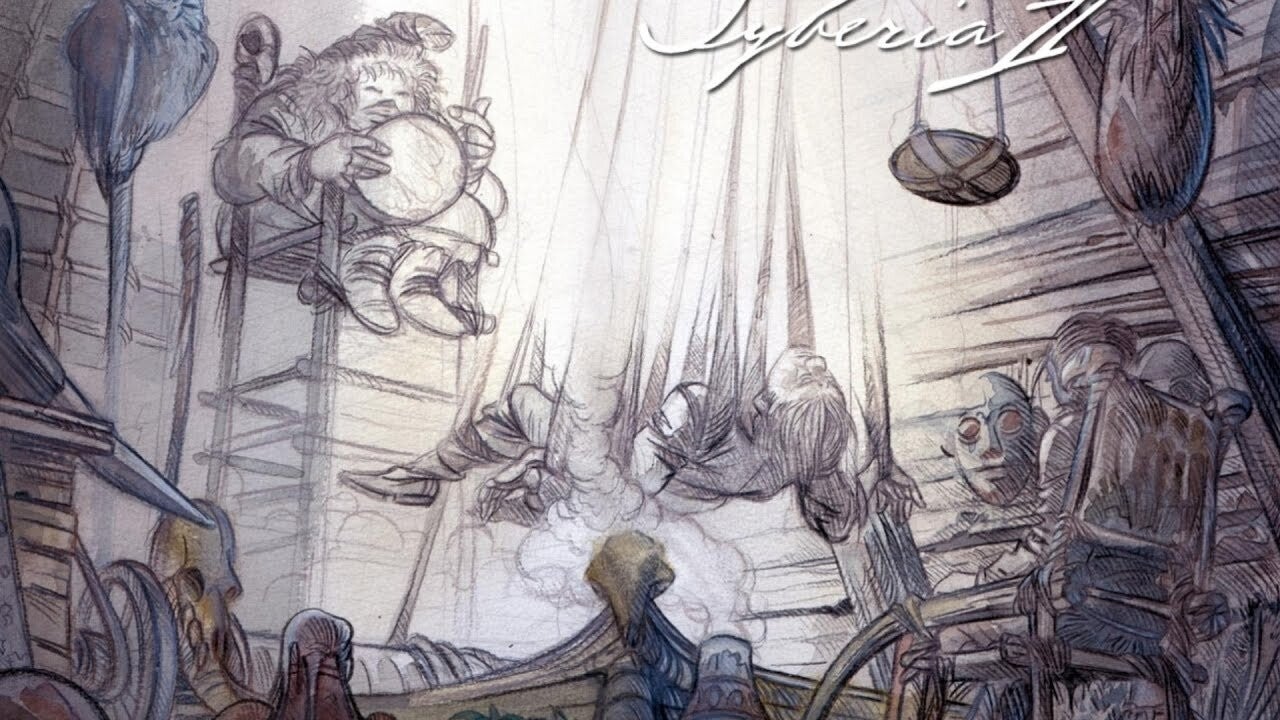
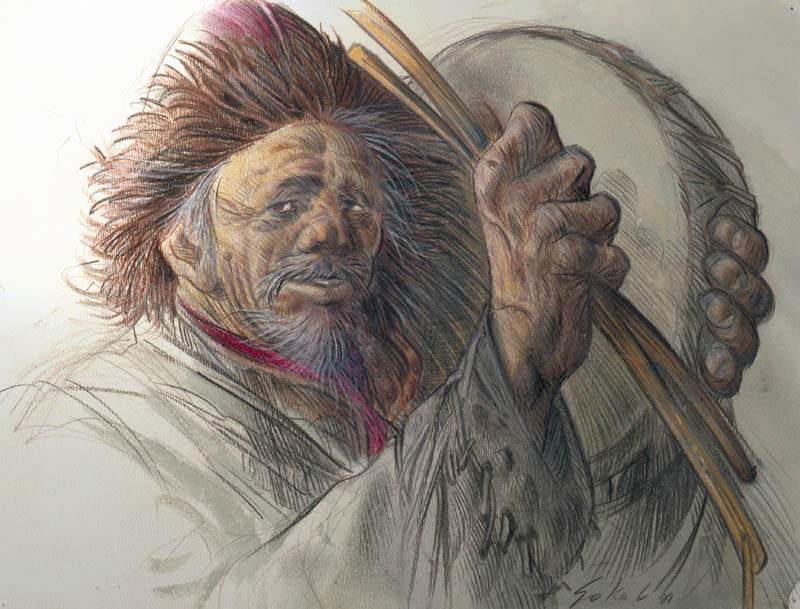
I returned to the shaman, ready to enter the dream tunnel.
The shaman waved me into the melody of her spiritual song, and I drifted into sleep — falling straight into Hans’s memories.
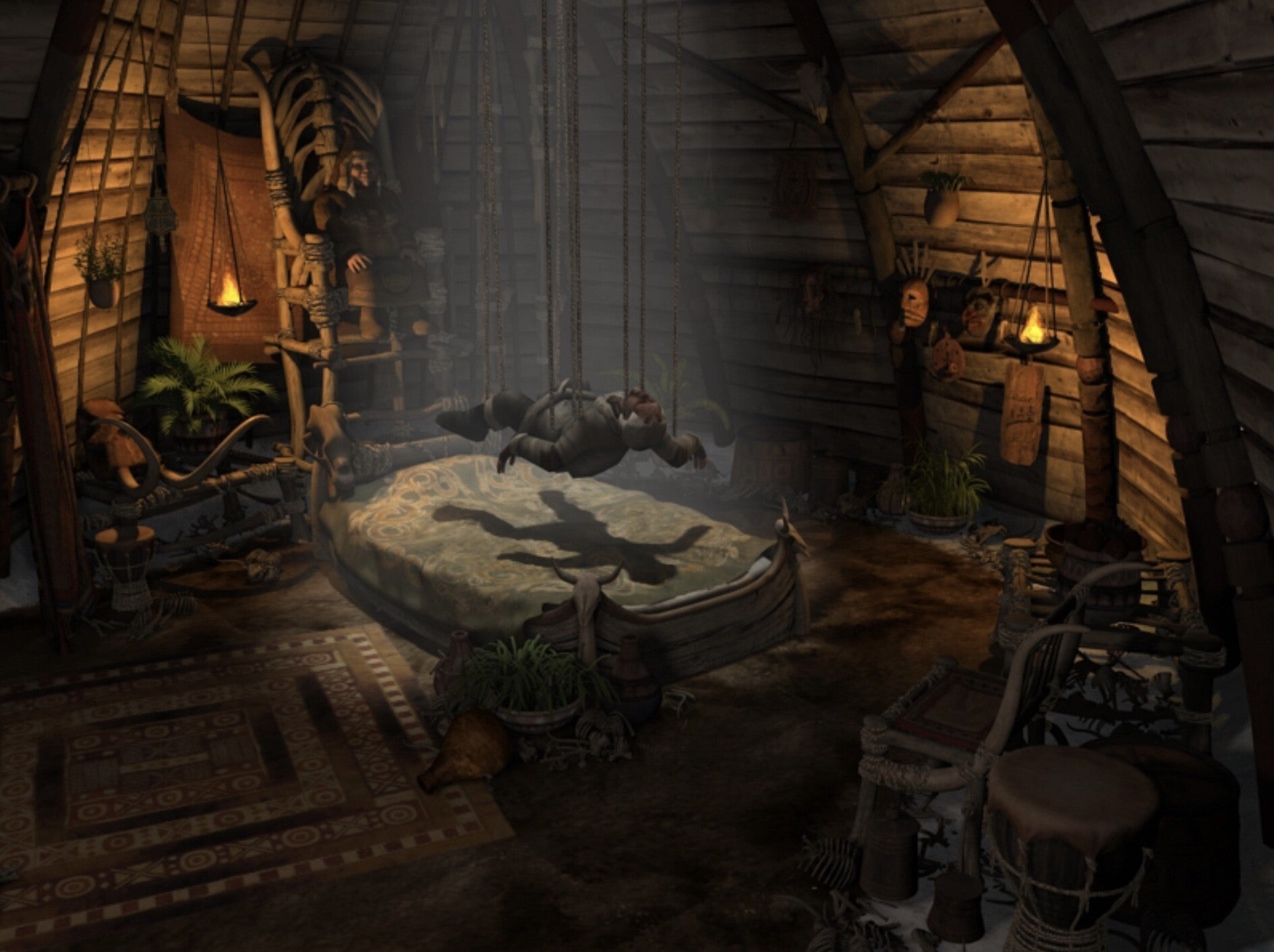
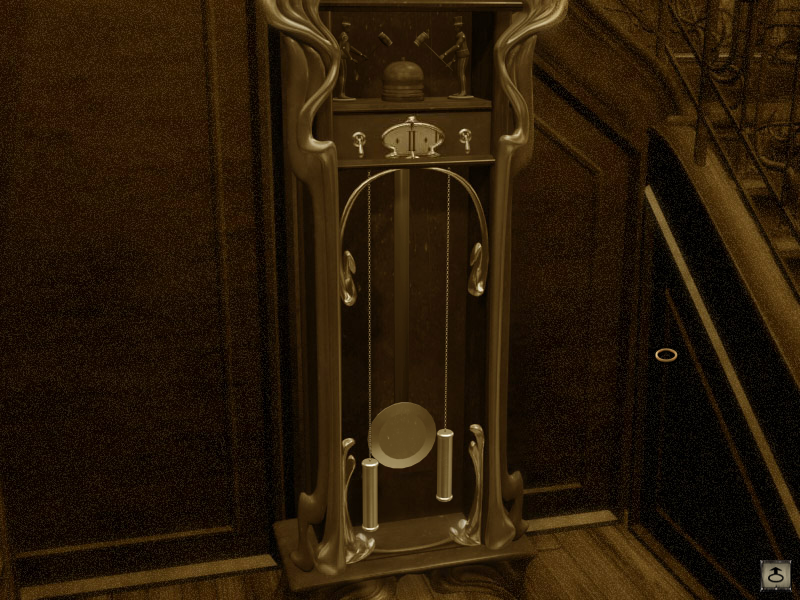
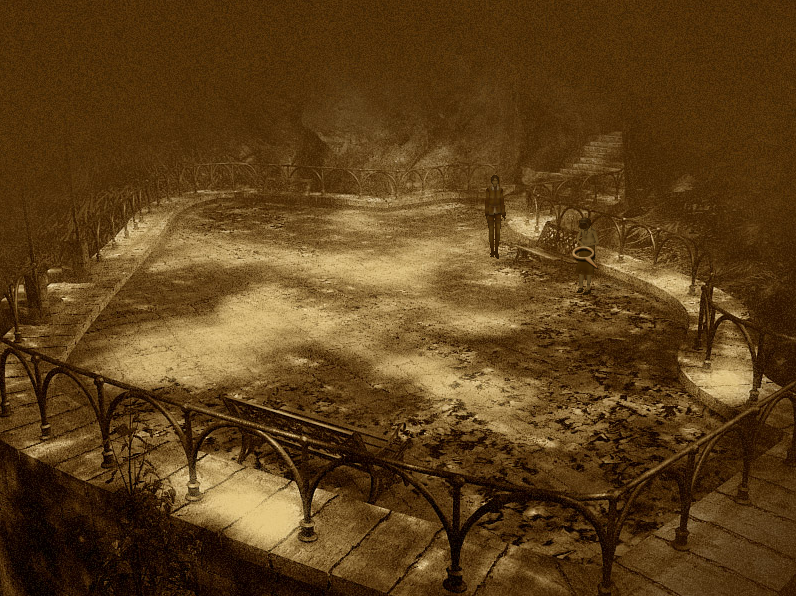
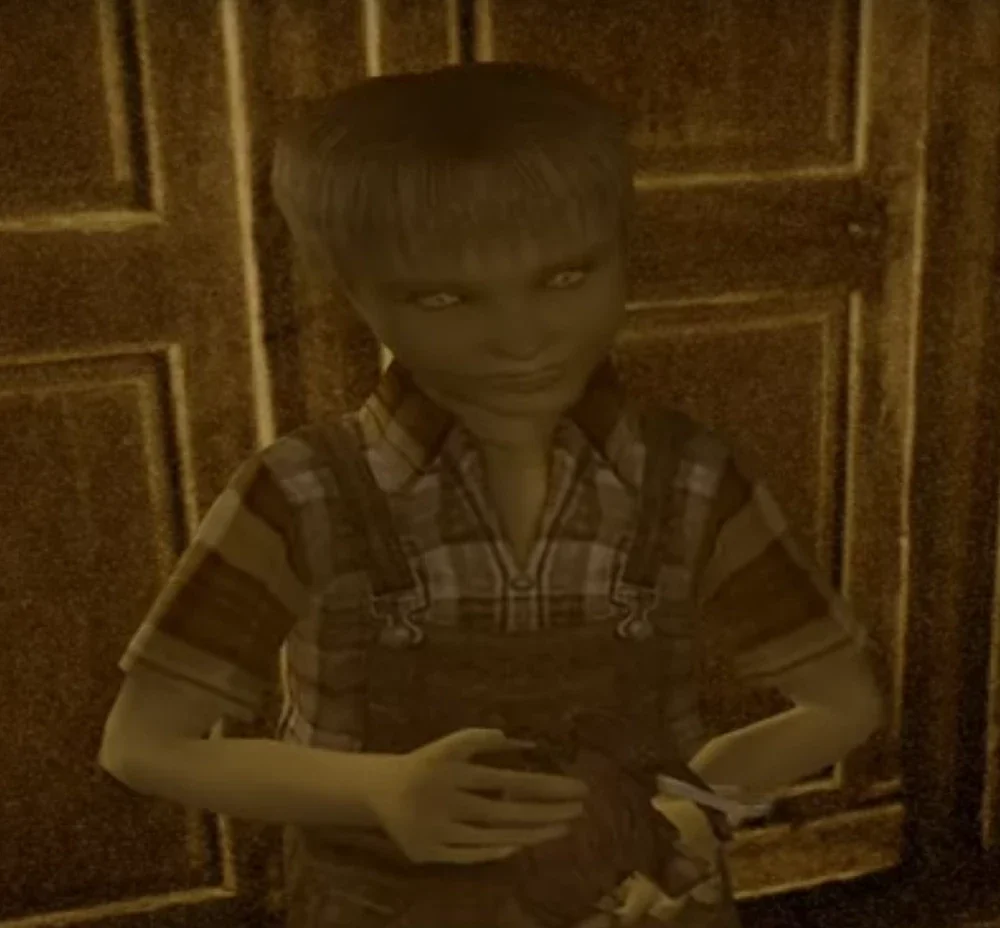
I found myself back in Valadilène, in his childhood. A beautiful interpretation of memory, to say the least.
Strange, though. I don’t recall everything clearly. With every passing day afterward, parts of that dream began to blur, while others glowed more brightly. I suppose I’ve walked the line between life and dreams far too often — and for far too long — for my memory to hold it all intact.
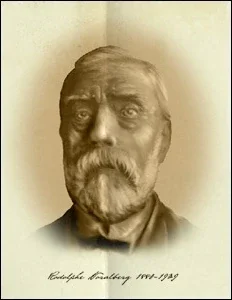
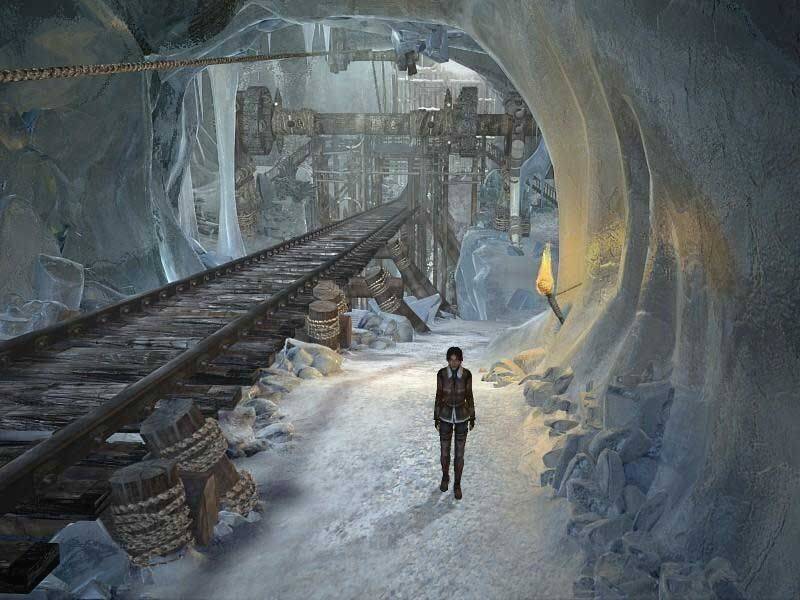
The hook brought out to pull the train was too heavy for me to lift and pull it, so I went to speak with Oscar, who asked me to get train inside, I on other hand asked him to wear a mask I’d taken from the shaman’s hut, just so he would appear more like a friendly spirit.
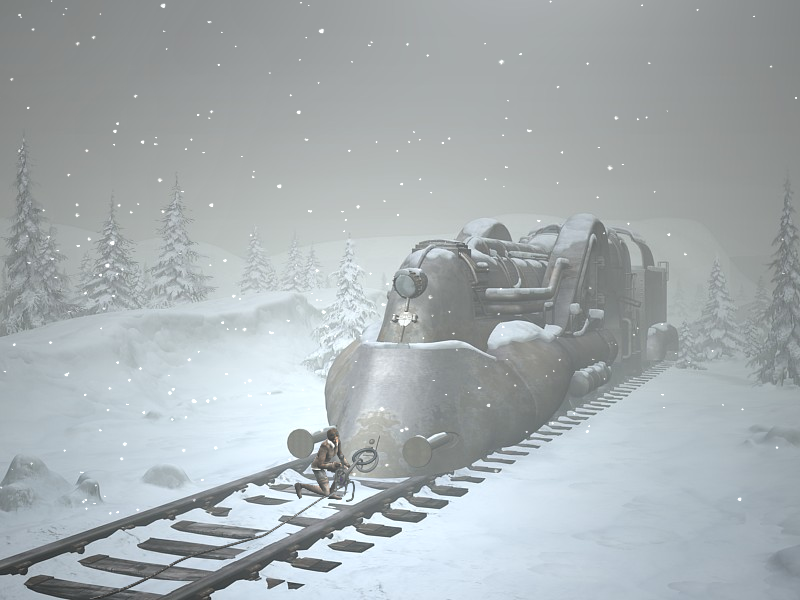
I went back to the railway and climbed into the locomotive to speak with Oscar about what Hans had said. I repeated the words to him again:
“You will have to open his heart for me — is that something you could do, Kate Walker?”
Oscar had been uneasy when I first mentioned it.
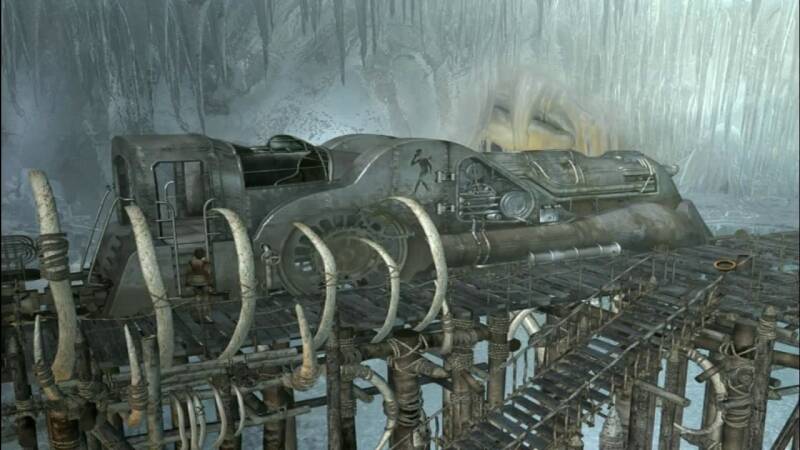
I wandered back to where the train stood outside, now open mouth under hill. I got Hans back, but he had said something about automatons — were created to serve man as helpful mechanisms — and about Oscar being willing to “open his heart”.
The Youkols were clearly afraid of automatons, two of them stood just near the entrance to the village, next to railways. They mentioned Oscar looking like an evil spirit.
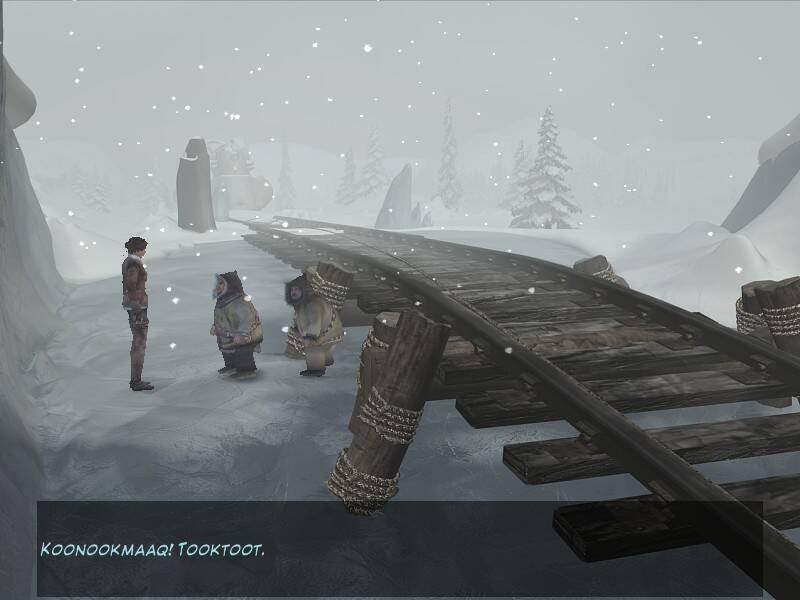
It worked — I managed to convince the Youkols to help me lift the hook and place it close enough to the locomotive. Once it was secured to the train’s ring, I returned to the mechanism that pulled the train inside. The echoing sound of the locomotive being dragged into the immense ice‑front cavern carried across the entire village. I was grateful the rails were still intact, but the noise was overwhelming all the same.
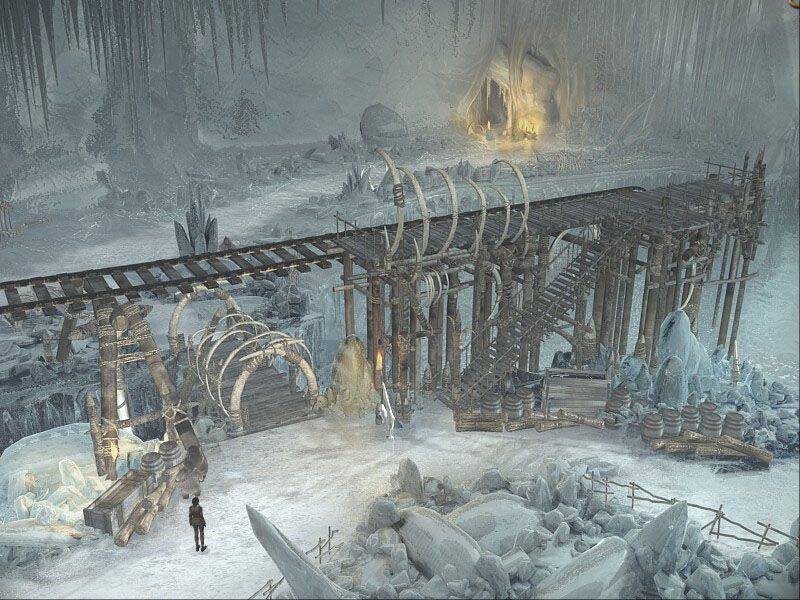
Now, hearing the words again, something in his voice shifted — a quiet acceptance of the inevitable fate I hadn’t fully understood until he spoke with such determination. He told me it had been good meeting me, and that our voyage together had been pleasant. Then he reminded me that automatons were built to serve humans. With that, he stepped out of the locomotive and said goodbye.
As I followed after him, my phone rang — a call from home. My boss, once again insisting I return, telling me they had sent a man to find me and bring me back. I simply replied that I was fine, and hung up.
I went back to the shaman’s hut. Oscar was already there, lying on the pedestal, with Hans still suspended above him. I “opened his heart,” just as Hans had asked. Oscar’s body unfolded, becoming a mechanical shell — a suit — into which Hans was placed.
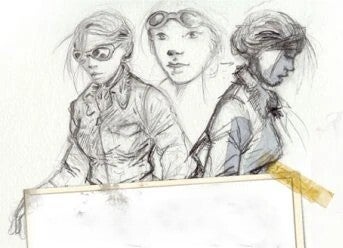
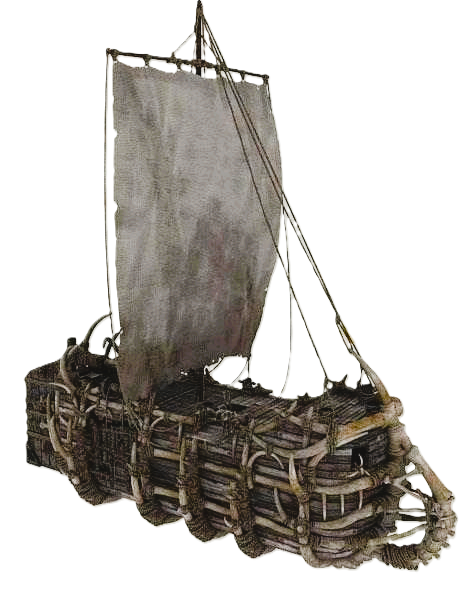
Hans had calculated every possibility, every outcome. In his youth he had been determined and precise; now, as an old man, he took the final measure needed to make this journey possible.
There was no time to grieve the loss of a friend. Oscar had said it himself: he and the train were meant to reach a place, but not to work forever.
So it came to this.
And now… it’s on me to prepare for the voyage ahead.
Last good-bye
I returned to the train. For the first time, I was on my own, trying to figure out how the controls worked. Using the key Oscar had left behind, I pushed the levers and switched the controls to activate the thawing system. The ship we needed — frozen solid inside the cavern — had to be freed.
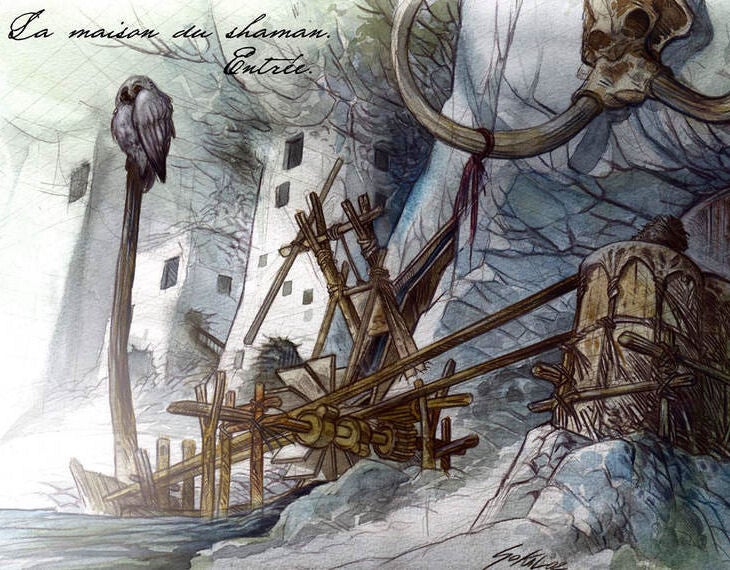
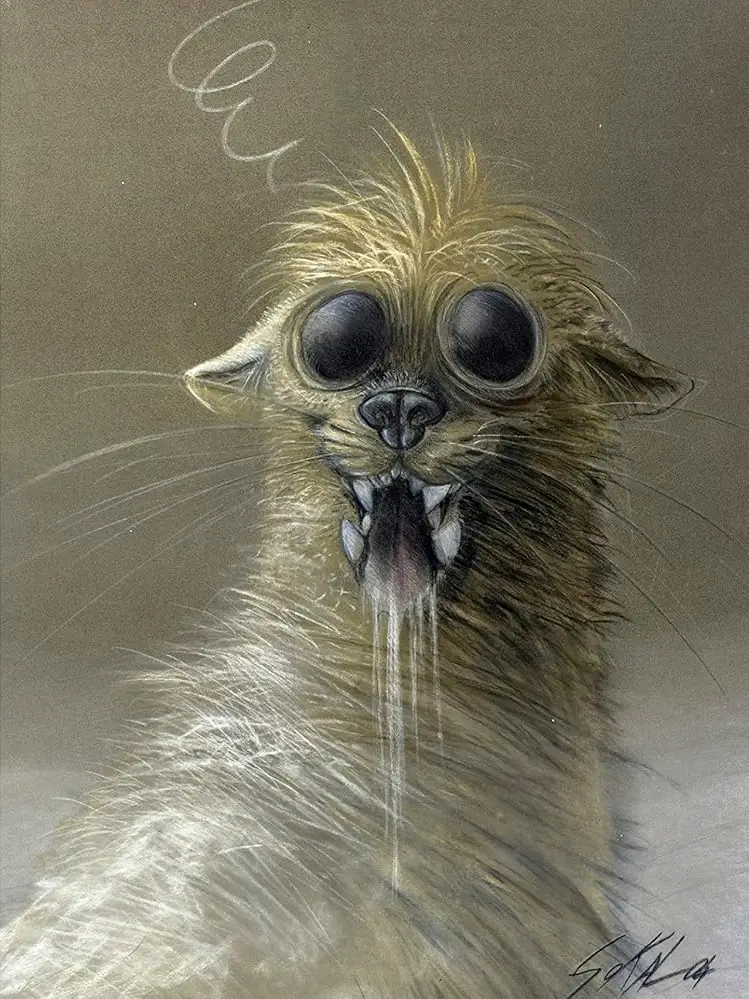
Maybe that’s what this whole path has been — following dreams, legends, and stories that turned out to be far more real than I ever imagined.
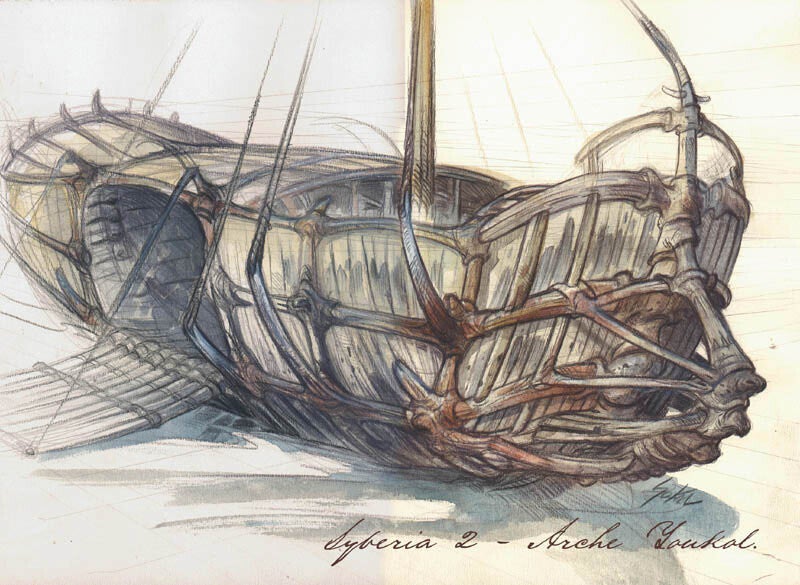
A ship made of bones and carved wood. I had seen its drawing in Alexandr’s journal. A Youkol ark.
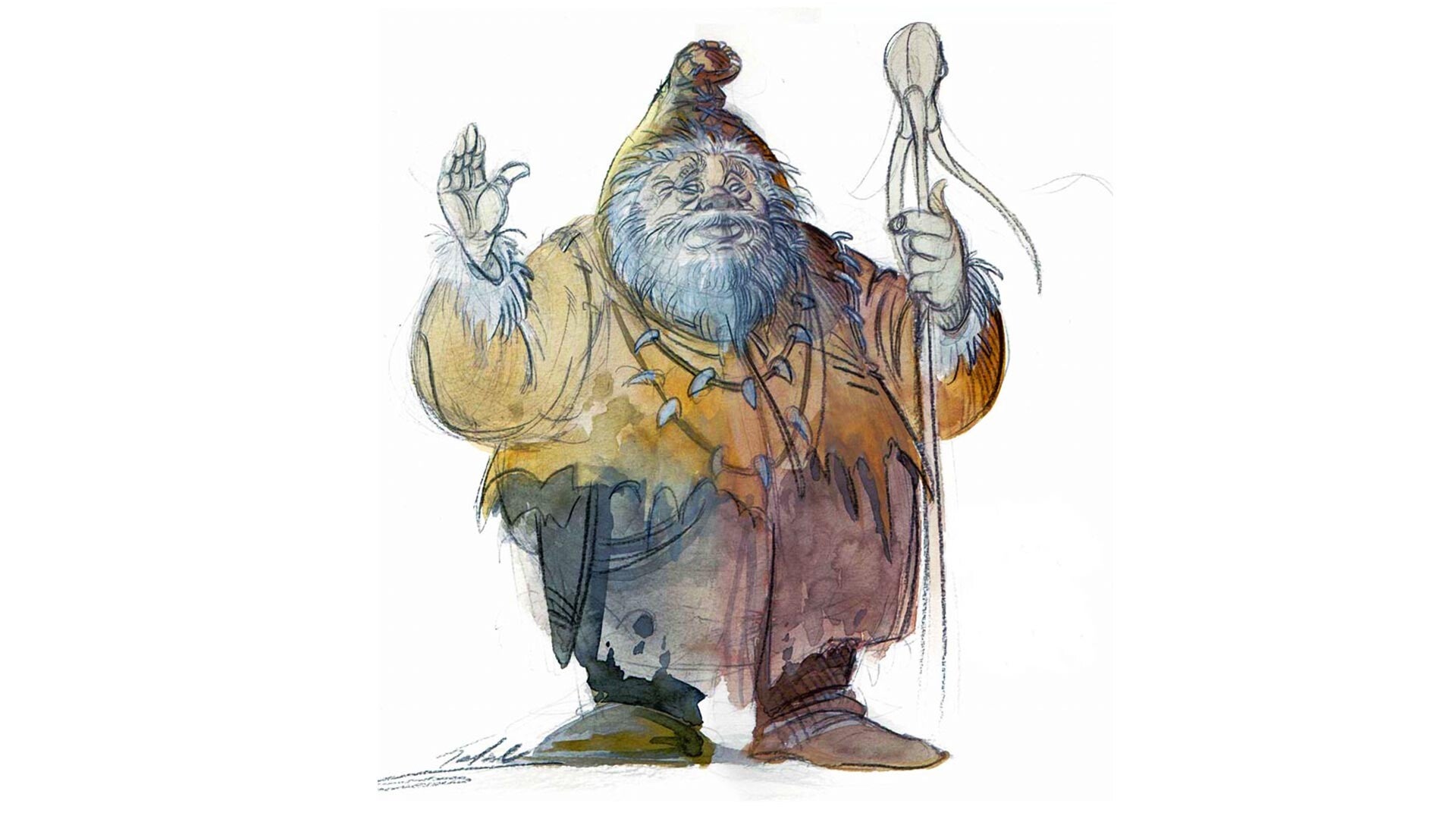
On my way to the ark, I had my last farewell with the chief. I asked him to open the gates so the ship could begin its journey. He asked me, in return, to take Youki with us — “for the last voyage,” as he put it. His parting words stayed with me:
“Always follow dreams, Kate Walker.”
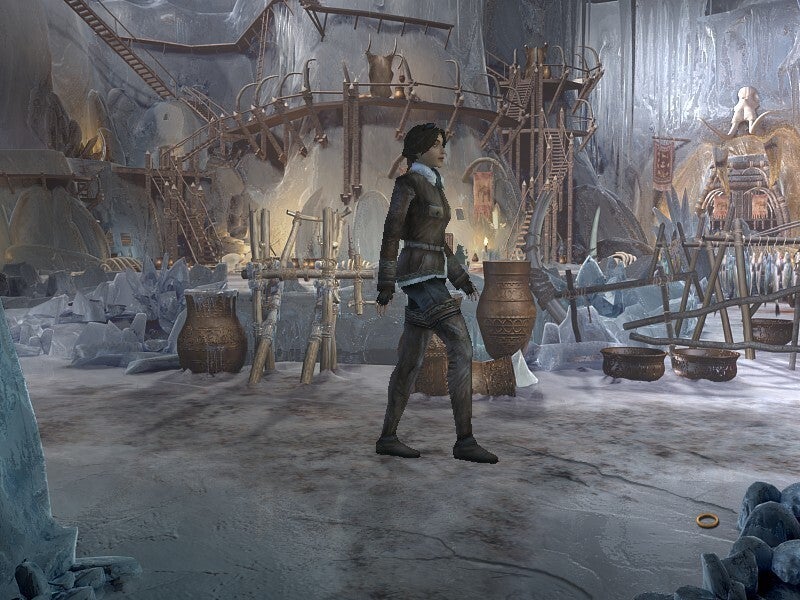
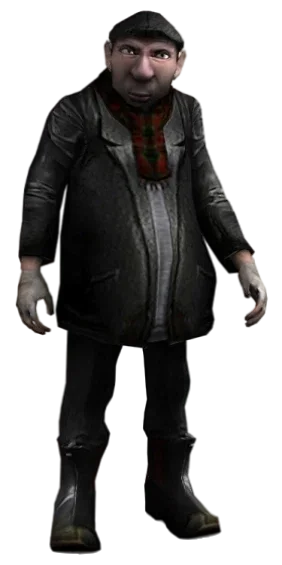
We set off across the sea toward the icy shores of Syberia. Then the anchor snagged on a small ice island crowded with penguins. I dealt with the problem and was heading back when, out of nowhere, the surviving brother appeared on the ark — the same man who had threatened me with a tusk before we fell into the abyss.
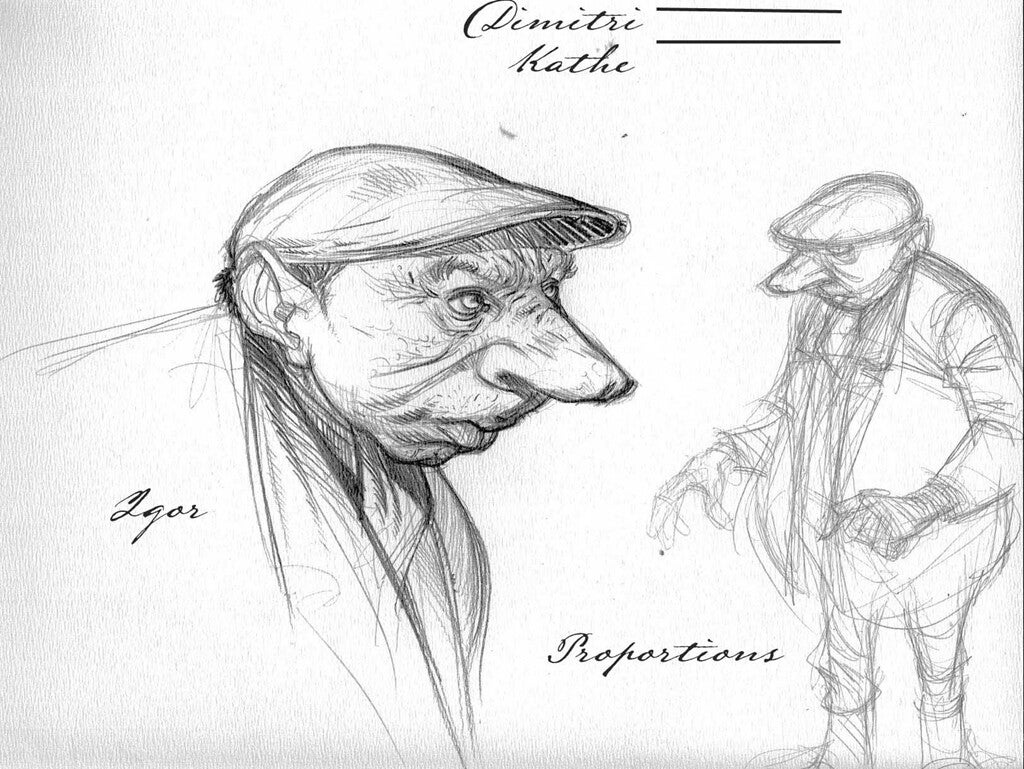
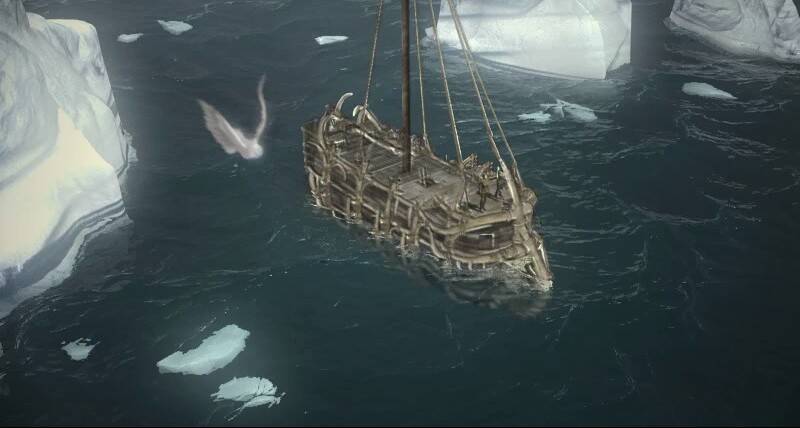
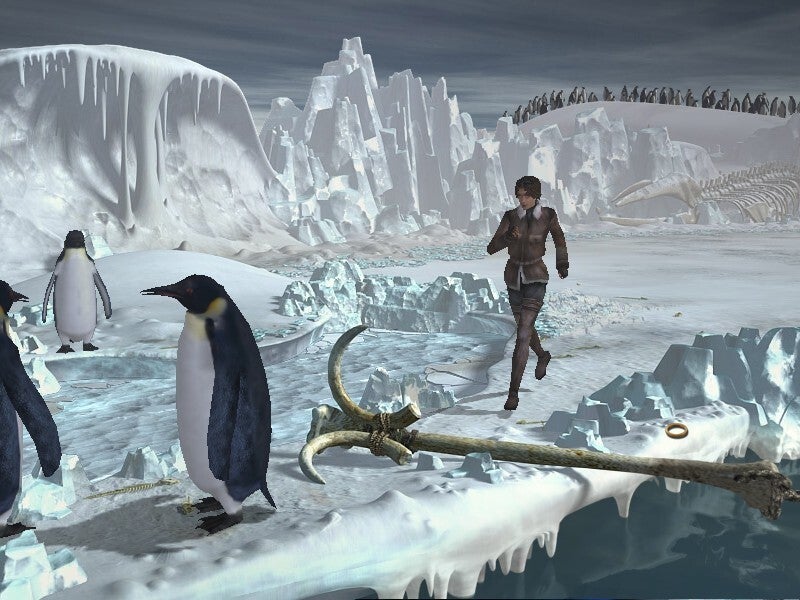
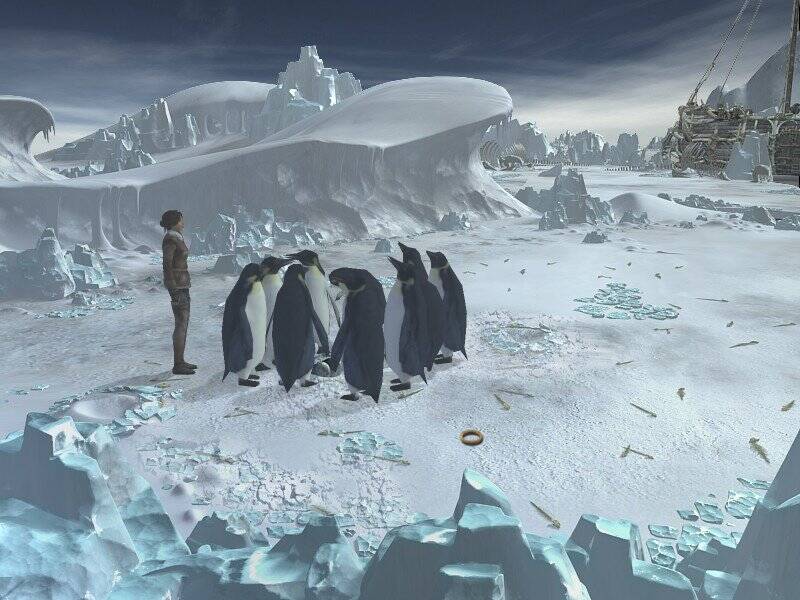


Whether it was luck or pure accident, while the ark was still stuck in the ice, I managed to climb back aboard by breaking a line of loose glacier surface. Hans was unharmed — I only needed to get rid of our unwelcome passenger. I opened the sail, and the sudden impact sent him tumbling back onto the ice, surrounded by penguins. His fate was… not pleasant.


We sailed through a storm and reached a distant island.
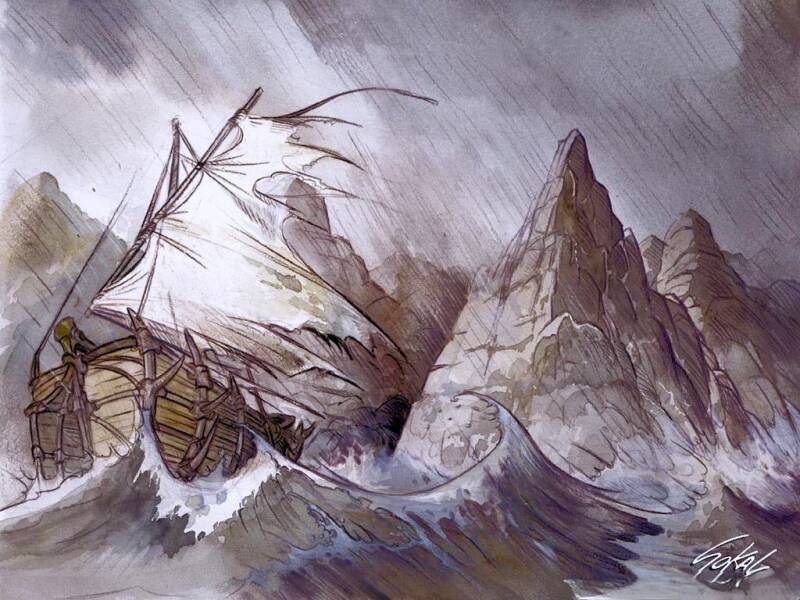
Syberia
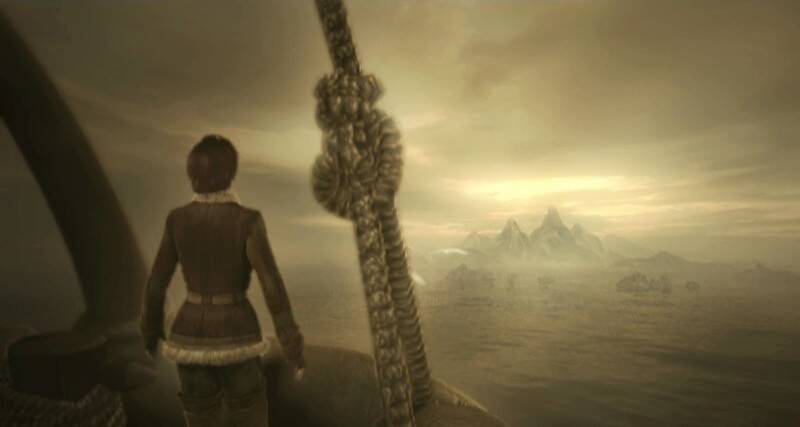
Only stone plates with ancient runes remained. They were needed to open the gates separating us from what Hans called “the fields of blue grass.”
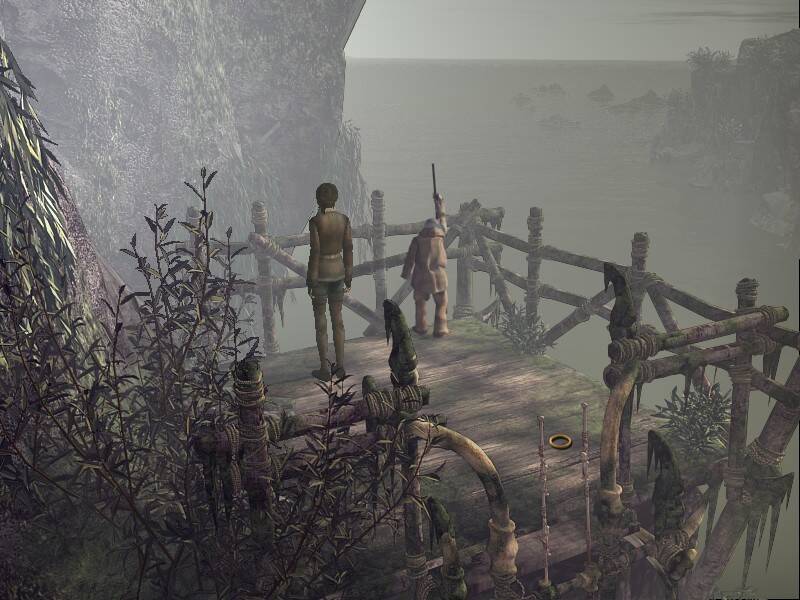
He collapsed from exhaustion after opening the gate, but he had done his part.
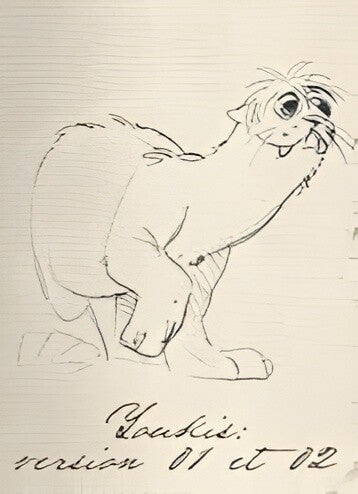
At long last.
It wasn’t covered entirely in ice. It looked almost like an isolated tundra land, with patches of lush green plants swallowing the ground. Whoever had lived here was long gone — reduced to bones and dust.
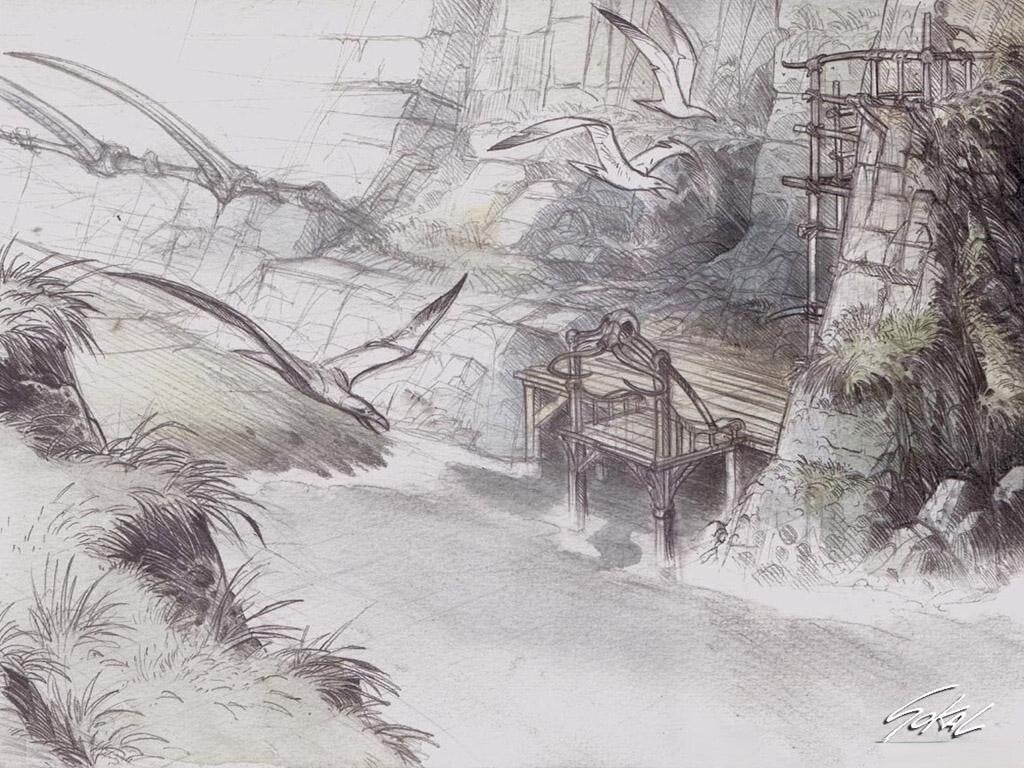
The first gate was locked by a mechanism powered by spring energy — meaning Youki had to run in a wheel again. A sniff of a strange plant growing on the island woke him up, and he followed willingly.
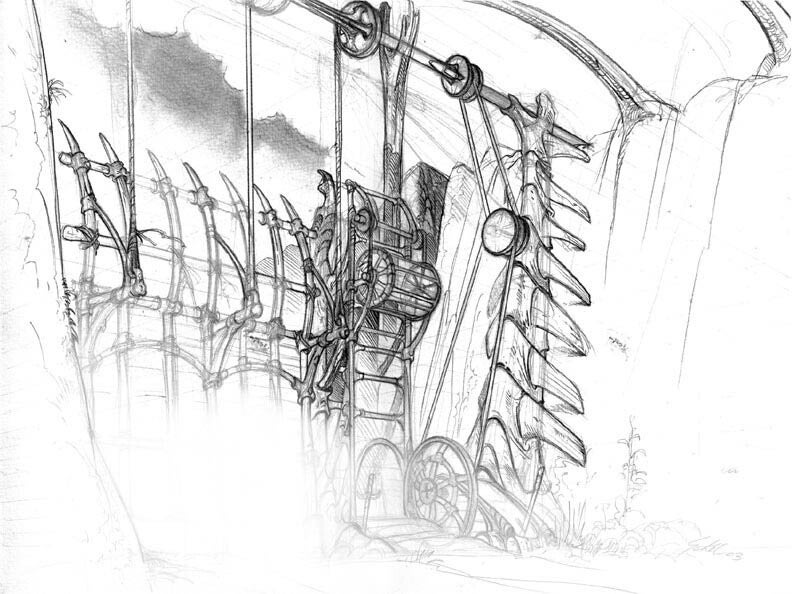
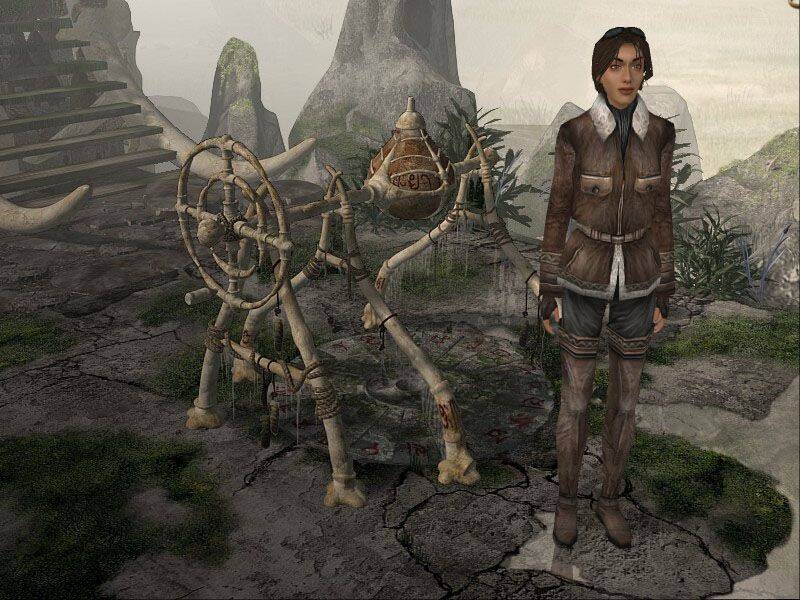
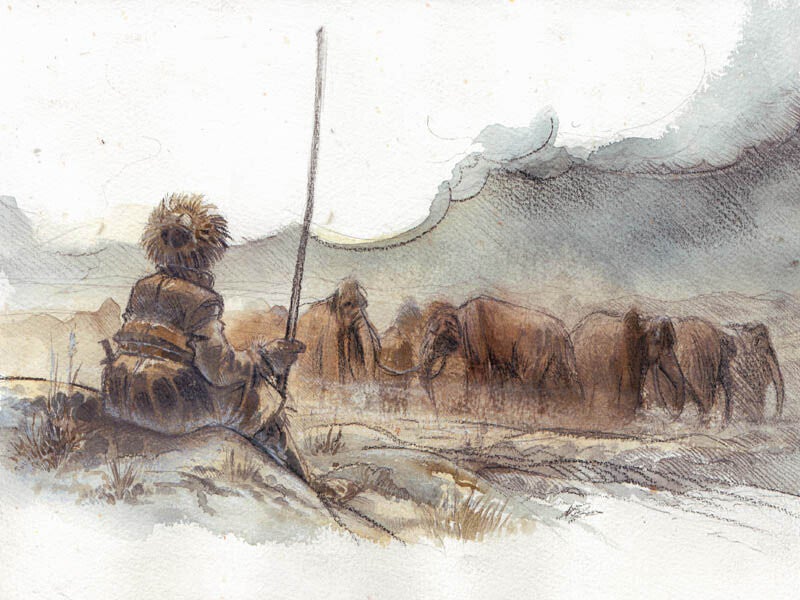
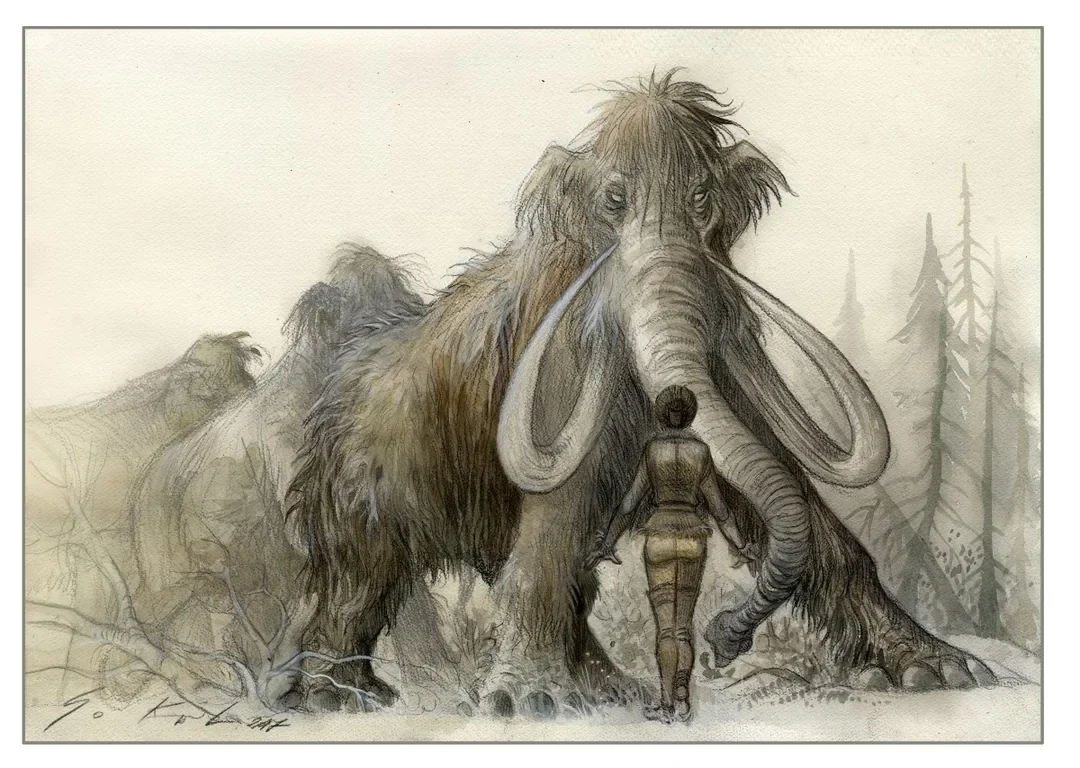
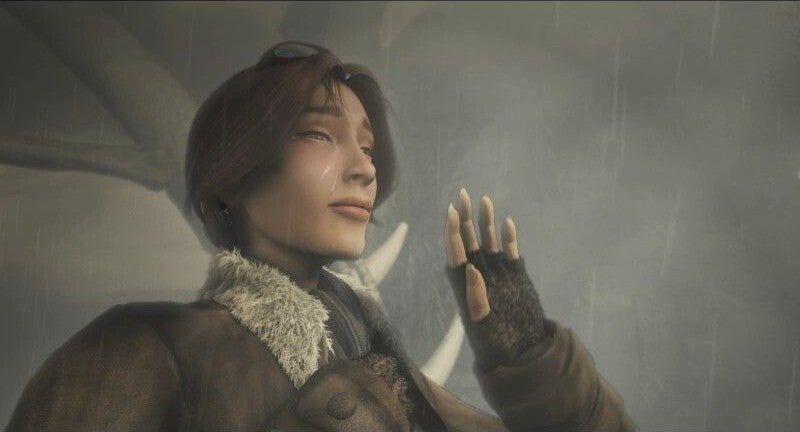
Hans and I continued onward. The rune stones formed part of a larger stone disc. I placed the pieces back together and recovered another key.
We were truly here — the land of Syberia.
Hans asked me to activate the musical instrument built to play a flute‑like call — the sound the ancient Youkols once used to summon the mammoths. I set it in motion. We waited.
For a long moment, nothing happened.
Then the deep, thunderous calls of enormous creatures echoed across the plain.
Hans was already down there, standing before the mammoth that approached him.
He waited for them to take him with them. It was a farewell — our farewell — as he slid onto the mammoth’s back.
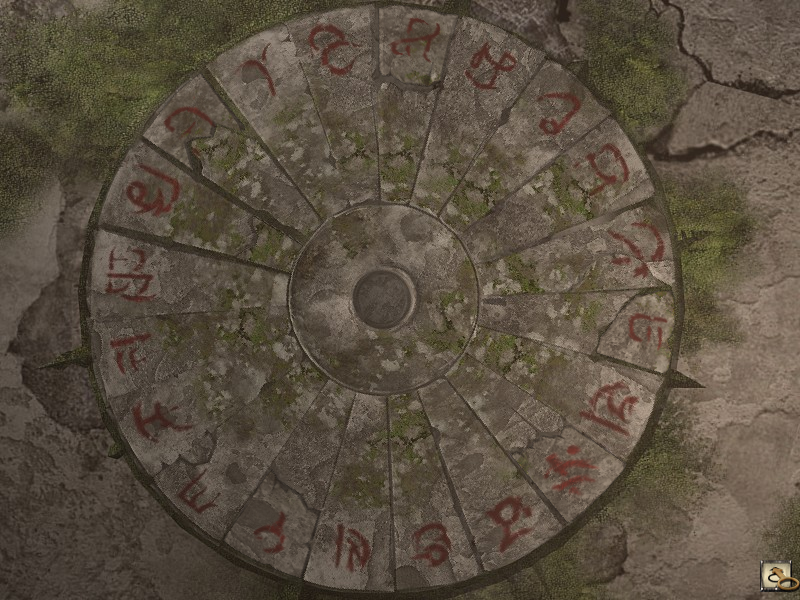
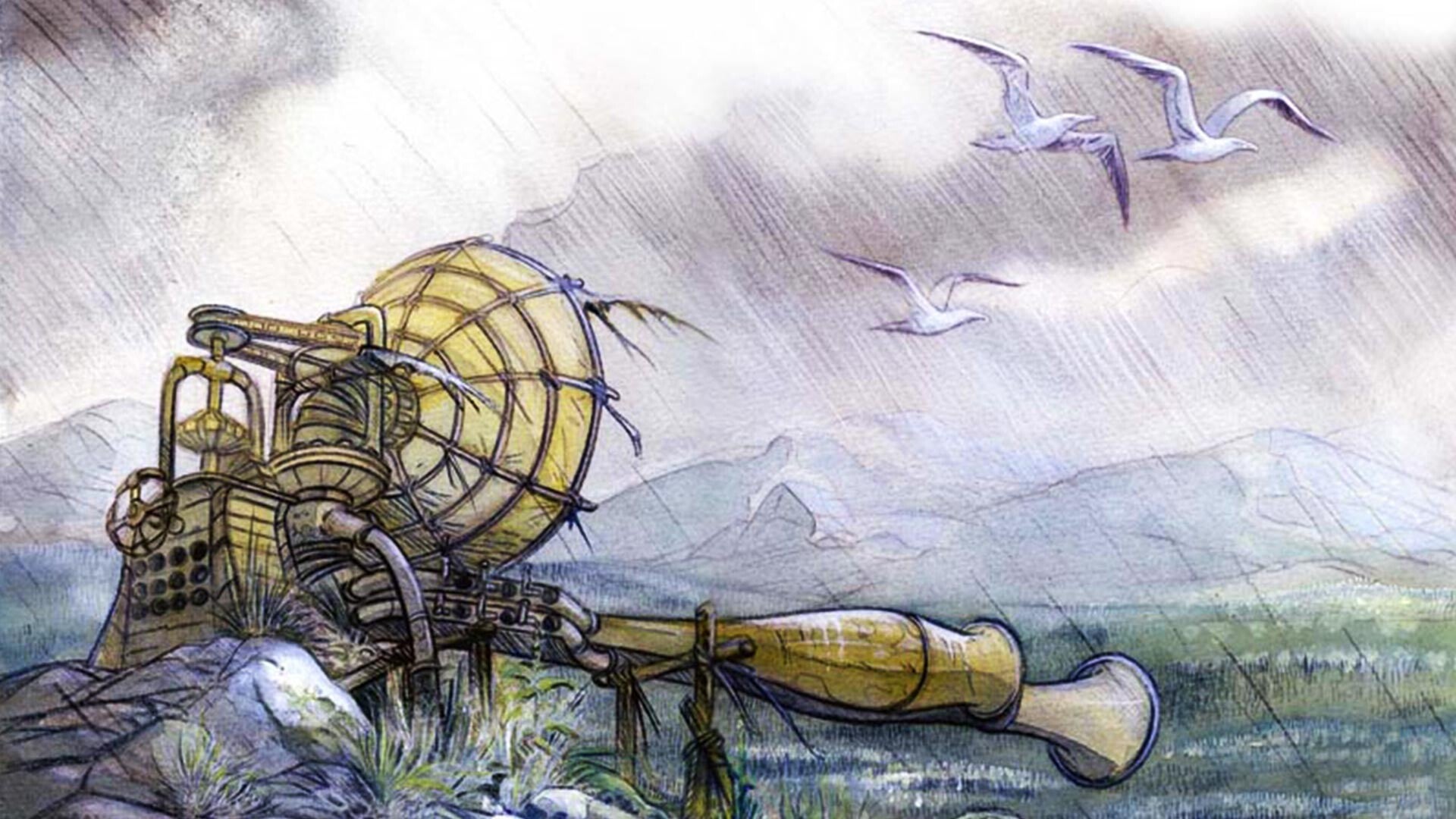
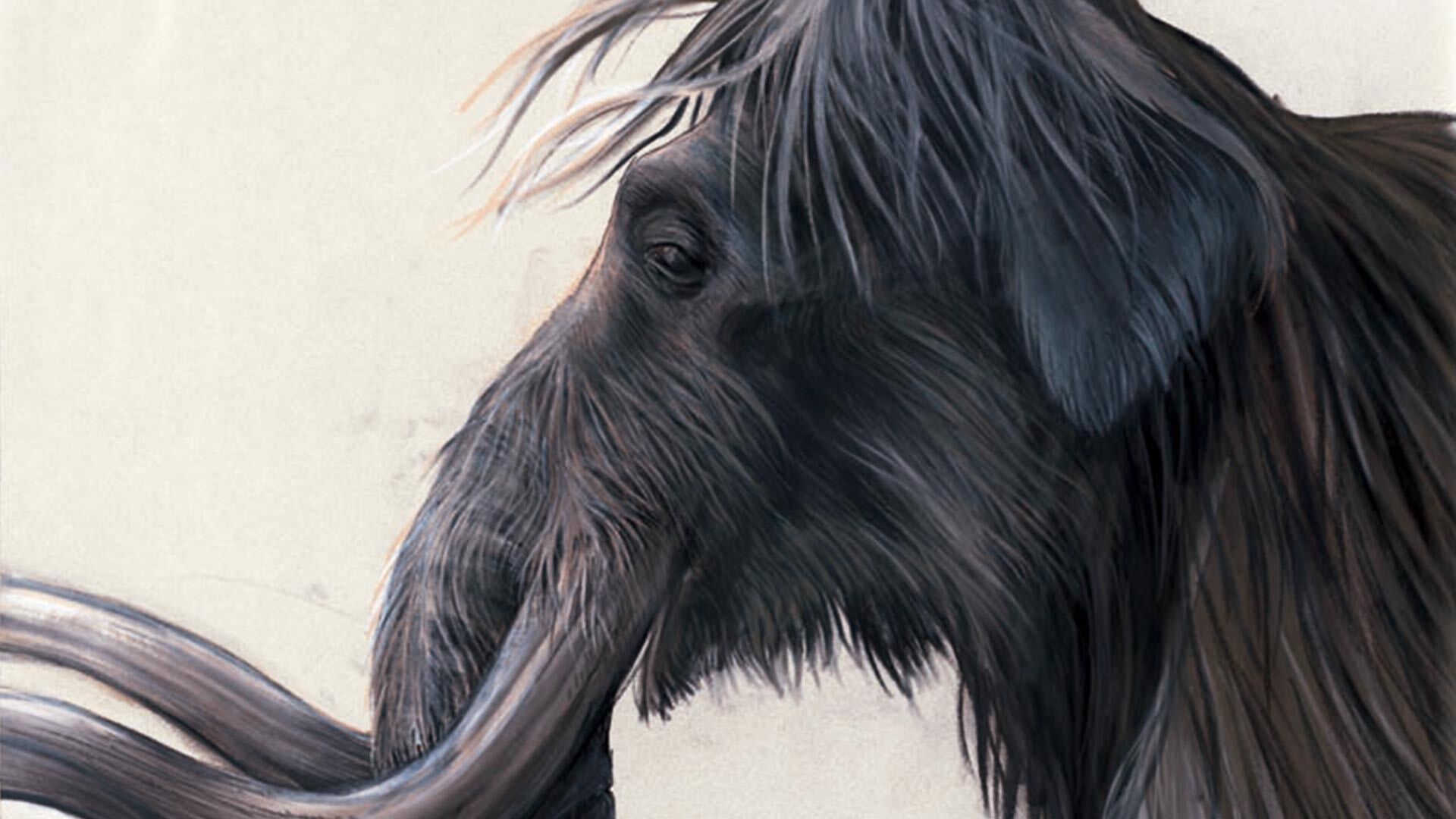
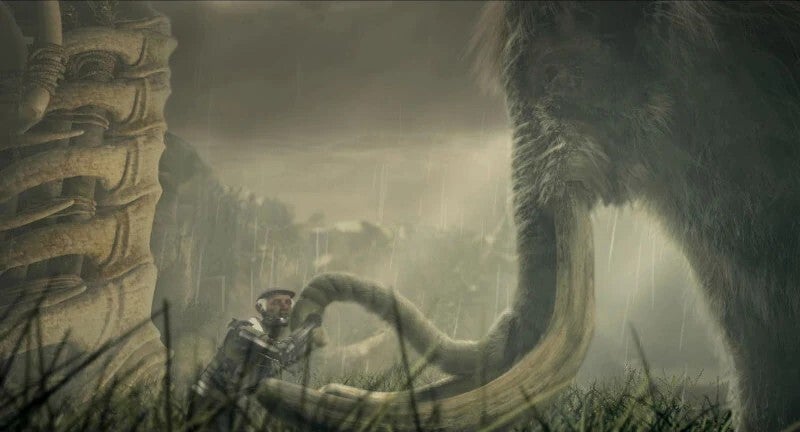
I wasn’t sure what to think. He had reached Syberia. He had found the mammoths. And he left with them — disappearing into a world that was supposed to be extinct.
A miracle......Remarkable.
And that was the end of this journey.
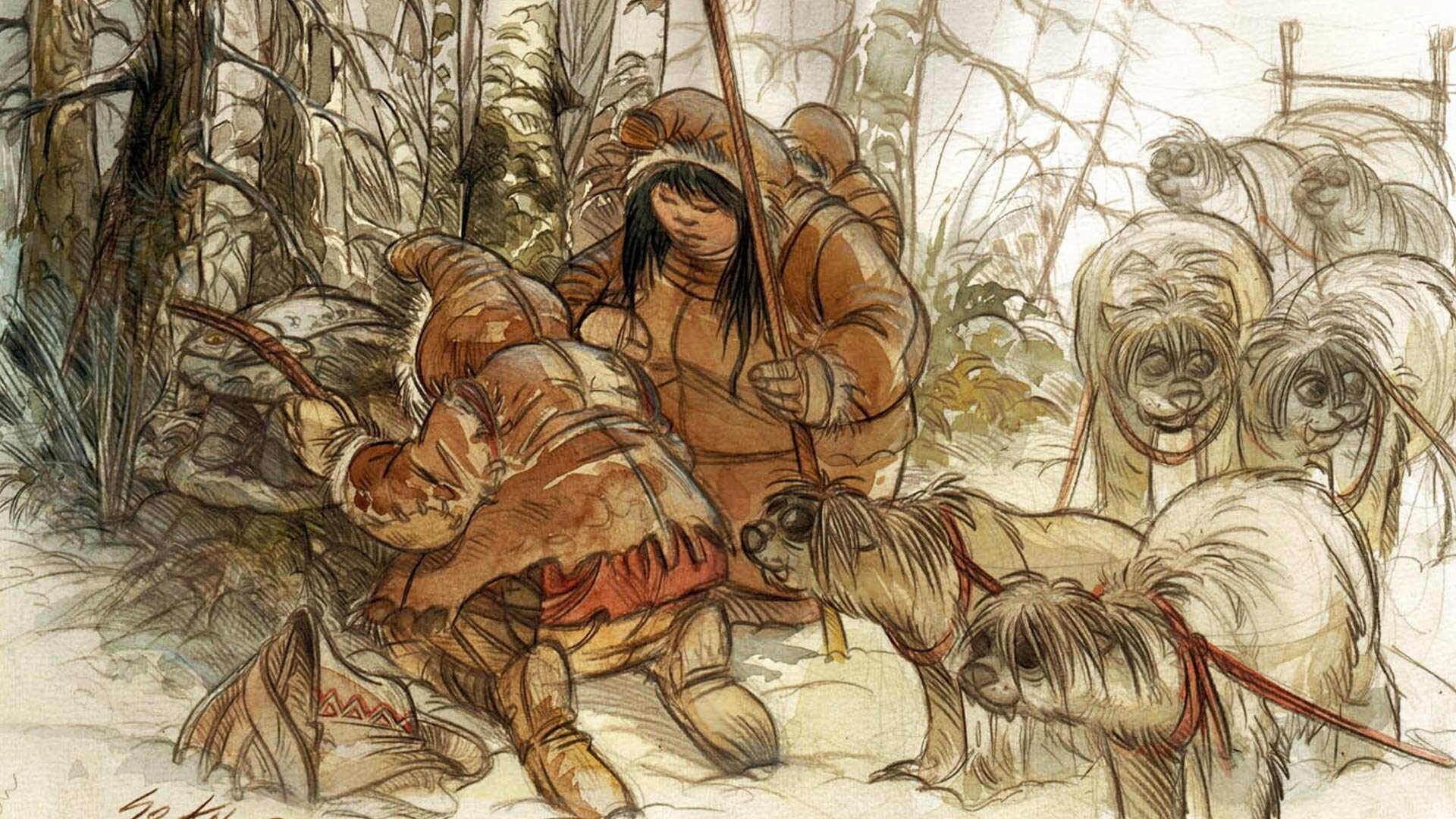
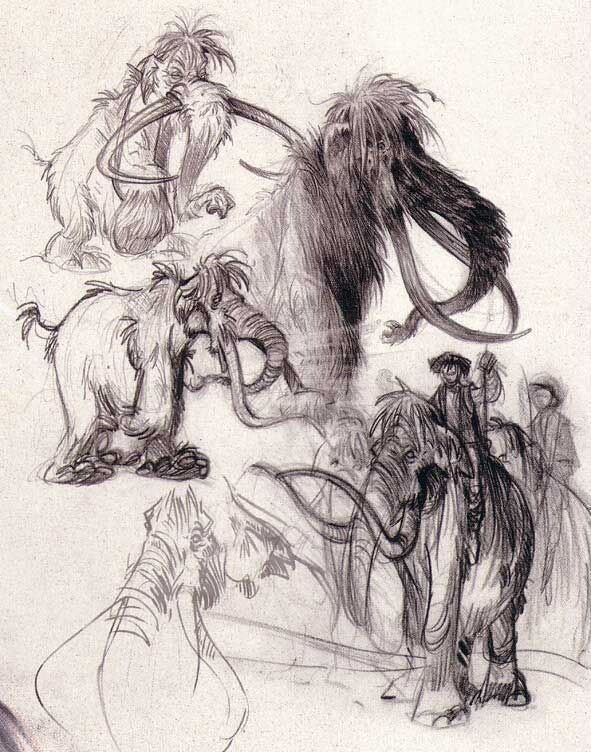

First of all, the white birds in Amerzone have a story of their own. They were the first thing I could imagine seeing in 3D at its final form, and indeed they were the first element we later created in 3D. When I wrote Amerzone in the comics, back in 1984-1985, I started writing a magical story including ordinary and realistic people. I was very influenced by the works of Gabriel García Márquez, and generally by the South American literature writers of that era. I was also very influenced by German movies taking place in South America, films like ‘Fitzcarraldo’ by Werner Herzog. That is why at first I wrote a very realistic story. My publisher, however, refused to proceed with it and said I had to tell this story with Canardo. So, I wrote everything from scratch and came up with a short Canardo story about it. But this was not enough for me, not nearly enough. I promised myself I would return to this story one day. And so I did when I got involved in the video games world and I started imagining white birds in 3D. That very design later became the logo of my company, those white birds. But my company is now dead.
Paradise
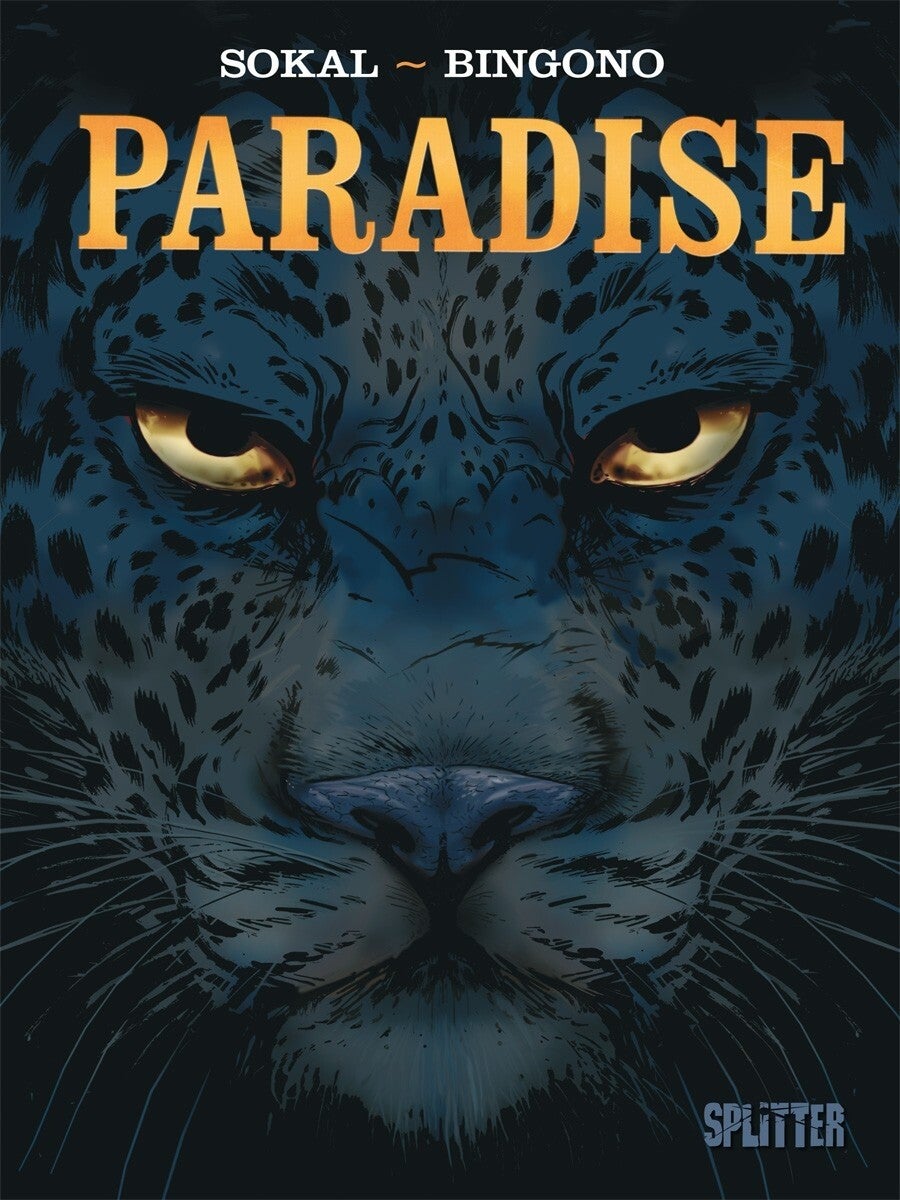
“Lost in Paradise” is exactly what those rare players who finished the game today might say. Because unless you’ve read the novel by Benoît Sokal — the one the game’s setting is based on, and serves as a part backstory or prequel. Game's story is a paradox. Story holds a deeper well of meaning shifted trough political history, and psychological layers that the player can't fully understand and shouldn't debate on. Because the game failes at giving a straight lines or leaving room for serious discussions. Without a proper context, it’s hard to understand what the story was trying to accomplish, or what moral it wanted to teach.
So here is my own reading of the obvious themes — an attempt to sketch how the game plays with amnesia, trauma, identity, anger, and political corruption across the collapsing kingdom of Maurania, ruled by a dictator whose power is slipping away.
It's a two sided story, its a story of being both used and manipulated and trying to see for yourself a full picture.
And honestly, I remember it mostly because of one companion: the black leopard.
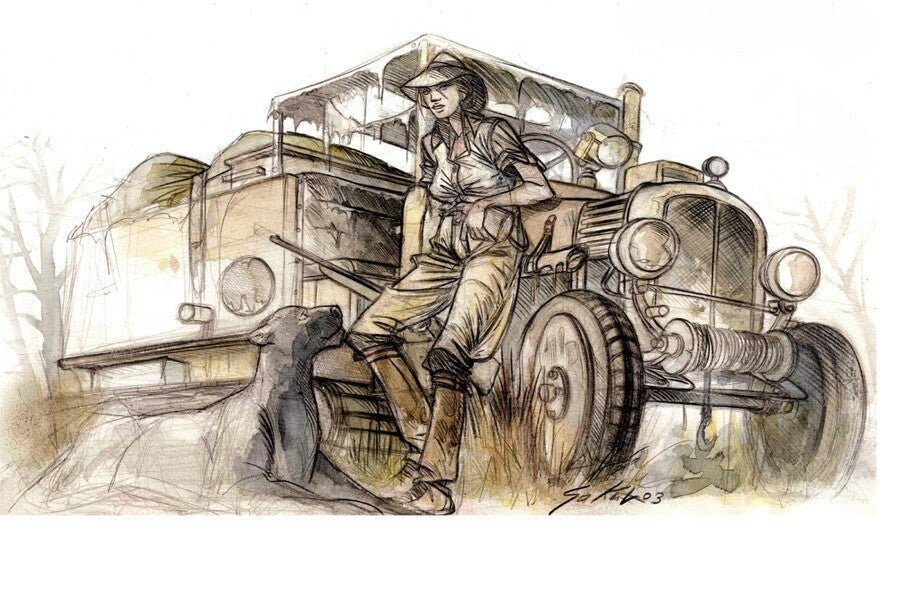

A small clarification:
“Panther” isn’t a species — it’s a term used for melanistic big cats. When melanin dominates the pigmentation, the animal’s spotted coat becomes almost entirely black. Two species can appear as “black panthers”: the jaguar and the leopard. Both still have spots; they’re just hidden under the dark fur.
If we were in South America, the jaguar would be the sacred one — guardian of the forest, spirit tracker, demon of a hundred eyes. Ancient civilizations believed its rosette spots were the eyes of spirits watching from every direction. But Paradise is set in Africa, not South America.
Here, the leopard is the common predator — but the black leopard is rare. Its beauty draws attention, fascination, and desire. People want to possess rare things, understand them, control them. That’s what engages our madam and our feline, both are used in their own way.
I admit: I was captivated by the leopard’s presence — even by the game’s opening menu, where the animal appears with unsettling grace.

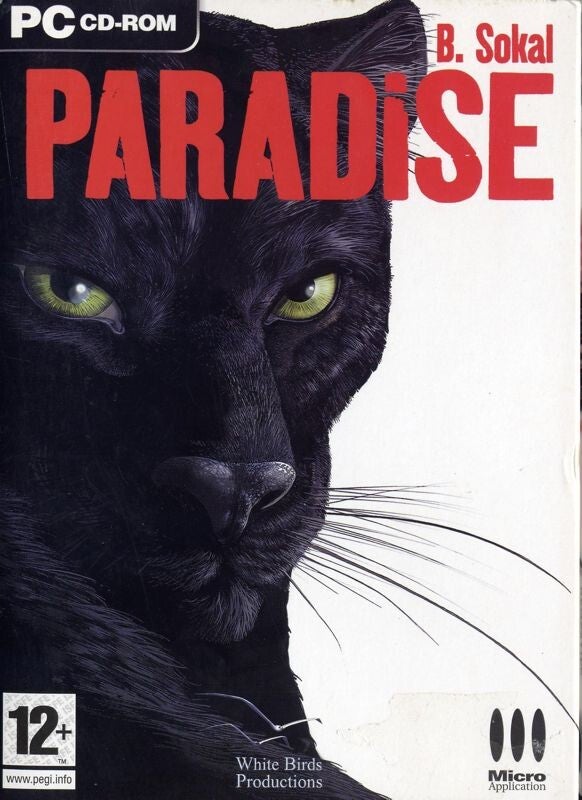
Before proceeding, I will write a notice:
The original 2006 version of Paradise on PC has a bugs that crashes the game. Since the game is not very popular, there is not much information about whether there are any player-written patches or fixes. I personally encountered a quicksand sequence bug, the cursor did not light up the interaction point. Returning to a previous location, thinking that something was missed or left behind, wasn't the reason. Game has sometimes a problem with the interaction points disappearing and you are stuck in place. Reloading and restarting doesn't solve it.
If you will run into this problem:
- uninstall the game
- do NOT delete your save files
- reinstall a different version or repack
- reload your old saves
That helped me. I was lucky. But it can take a lot of searching to find a stable version, so be careful if you decide to try this game today.
This time our protagonist isn’t a speechless far from it. Ann Smith has a mind of her own and a mouth full of sharp, sometimes unnecessarily nasty thoughts she could easily keep to herself… but doesn’t.
But the important thing is this: when story reveals to us players her true name, she remembers nothing.
Maybe at the game's ending, was an emotional trigger strong enough to break through the amnesia. But we won't know it. Scientifically speaking, amnesia is a stubborn condition. Memory loss doesn’t magically reverse itself — only powerful emotional triggers or deeply familiar experiences can unlock what’s buried. In Ann’s case, nothing she encounters on her long journey through Maurania manages to restore her true identity.
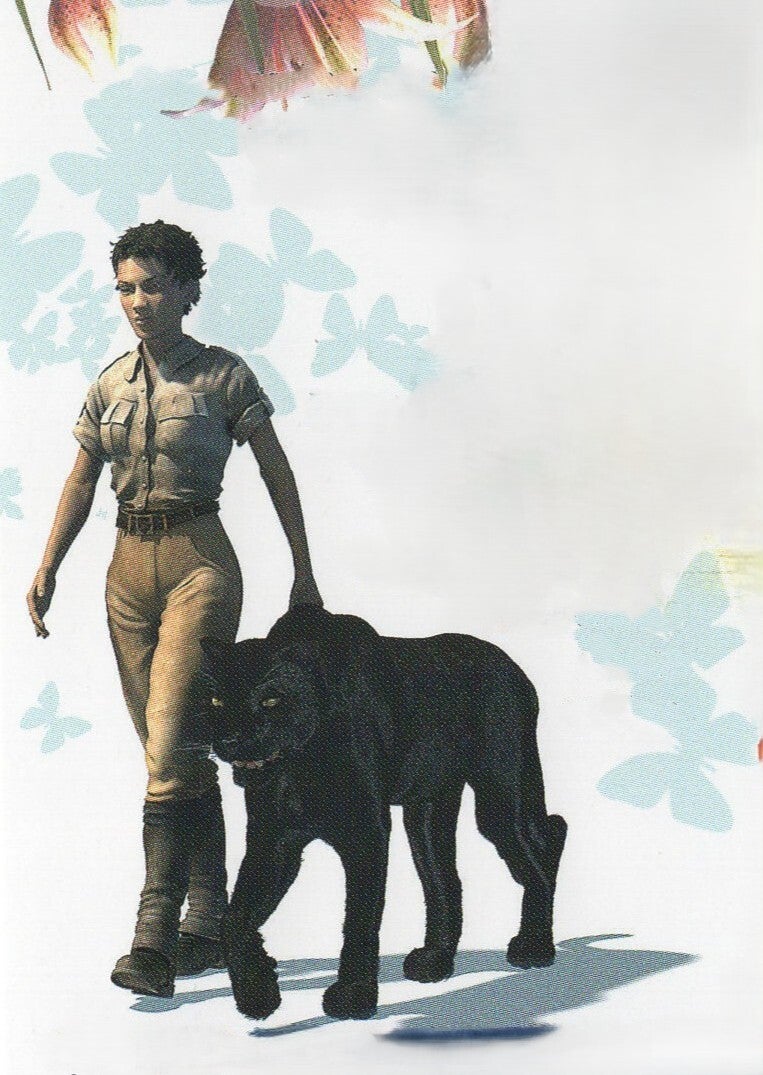
She has no idea she is the dictator’s daughter until people start telling her the truth directly, or until the player finds the notes in the game explaining why she was being kept. Maurania itself is a kingdom caught in the middle of a civil war, with power shifting constantly between the rebels and the collapsing regime. From time to time, we’re informed of brutal bloodshed spreading farther across the land. As players, we witness murder scenes, butchered bodies, and the aftermath of violence — either right after we leave an area or when we return to it later.
When Ann wakes up at the start of the game, she finds herself in the Palace of Madargane, cared for and nursed back to consciousness. The Prince of Maurania is gravely ill and refuses to see anyone. Ann, however, wants nothing more than to escape the palace as quickly as possible. Among her belongings, she finds identification card, some things remained in her bag from her plane crush, it was shot down by rebels. According to card, she came from Geneva, Switzerland. Reading this will trap her in the repeatable loop:
“I need to go home.”
I won’t draw comparisons to other characters with the same “homesick flaw,” but the pattern is familiar.
Back to Ann — or “madam,” or “Smith,” depending on what we choose to call her. After all, she literally reads the author’s name on a book in her backpack: Ann Smith.
For someone with amnesia, she chooses to be restless, impatient, and completely unwilling to accept the safety of the palace. Instead, she insists on having an audience with the Prince. After several refusals and attempts to calm her down, she takes matters into her own hands.
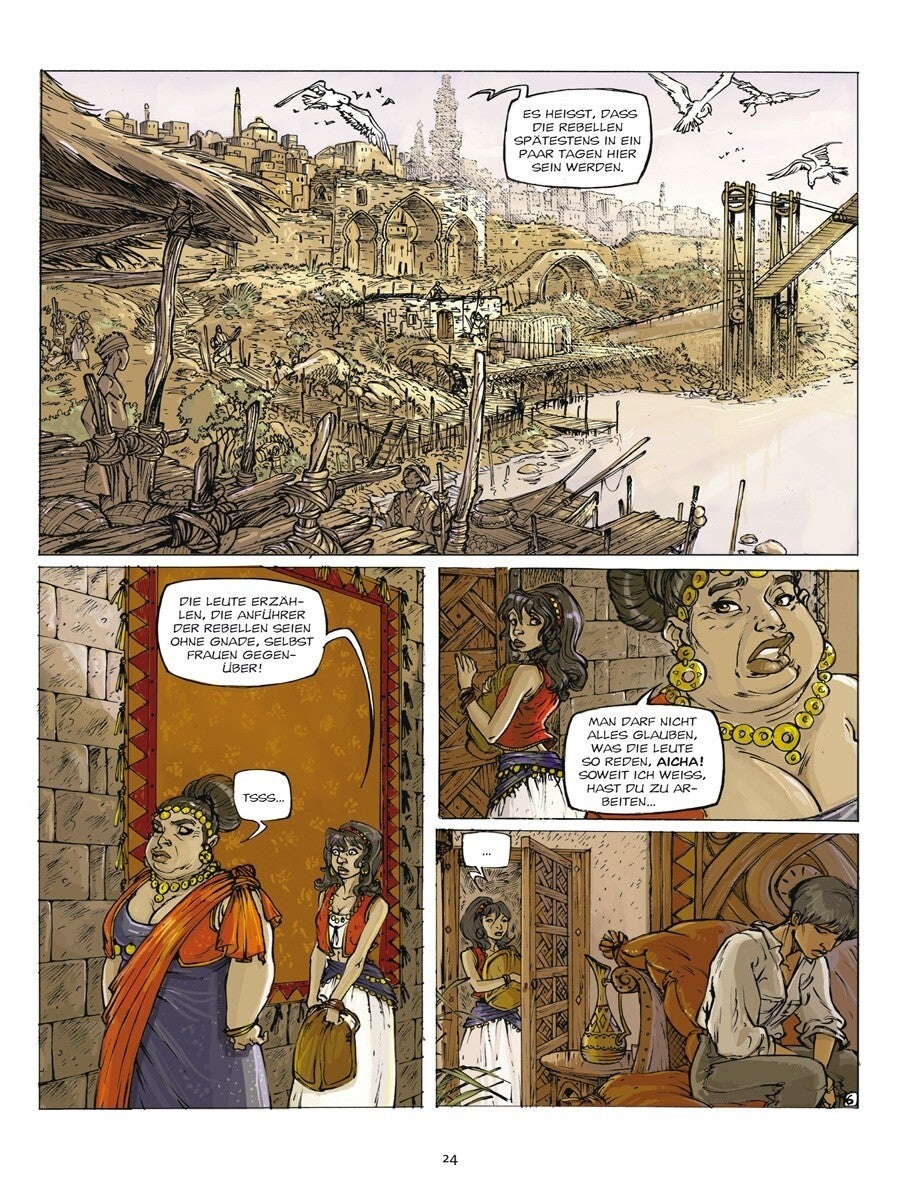
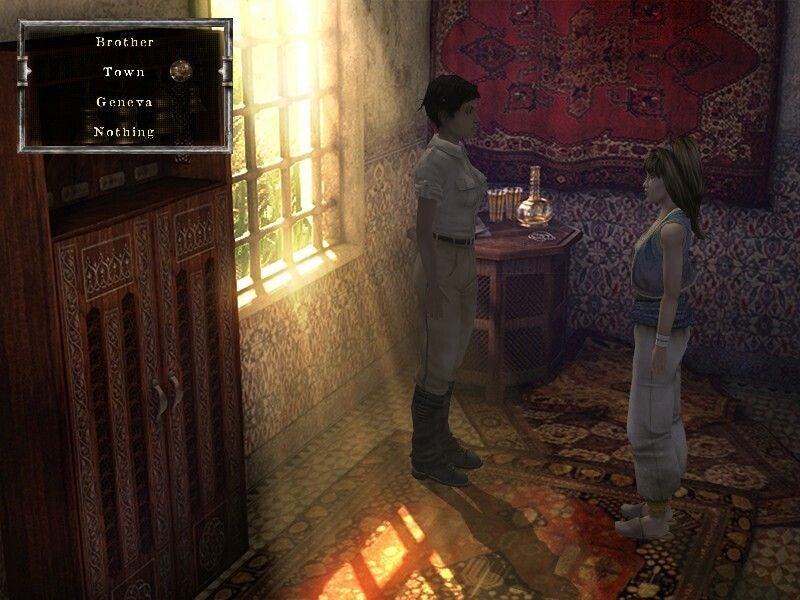
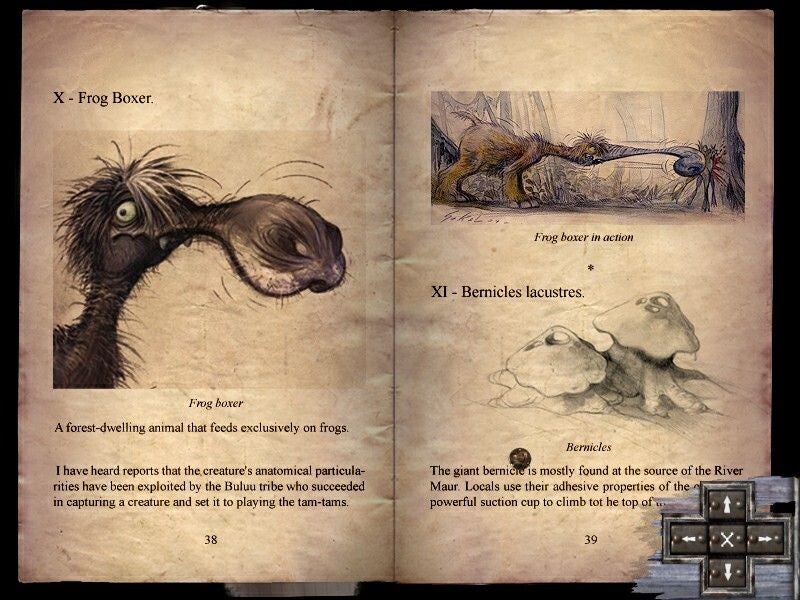
And this is where the real point‑and‑click chaos begins.
Because if you don’t have a manual, or if you don’t mentally note every important detail, what looks like a simple puzzle becomes a frustrating chain of trial‑and‑error. Watching a walkthrough makes everything seem obvious, but in practice the game can stretch a three‑hour sequence into seven or even twelve. Maybe I’m just not used to the old‑school logic of point‑and‑click adventures — the kind that drove players insane during the golden age of quests, when missing a single item meant you had to restart the entire game. Solving puzzles without a guide was pure torture.
But I had already mentioned that, so I won’t linger on it here.
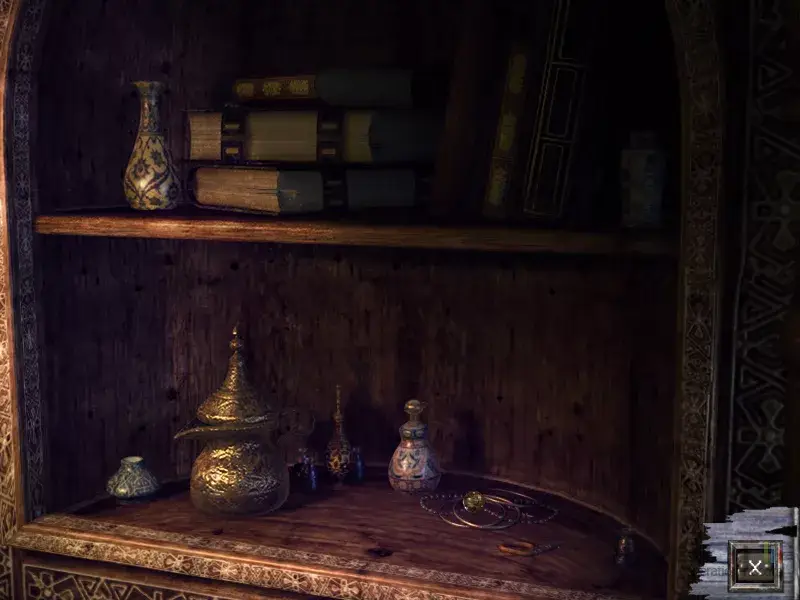
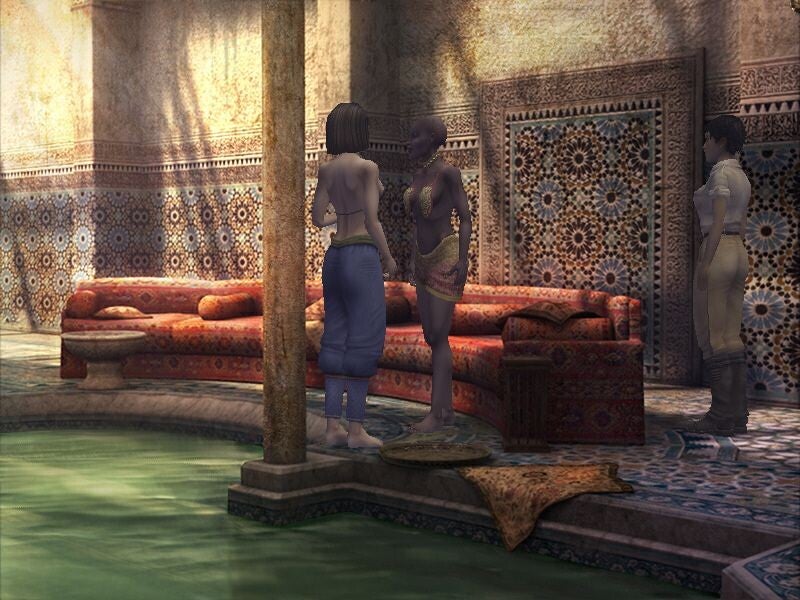
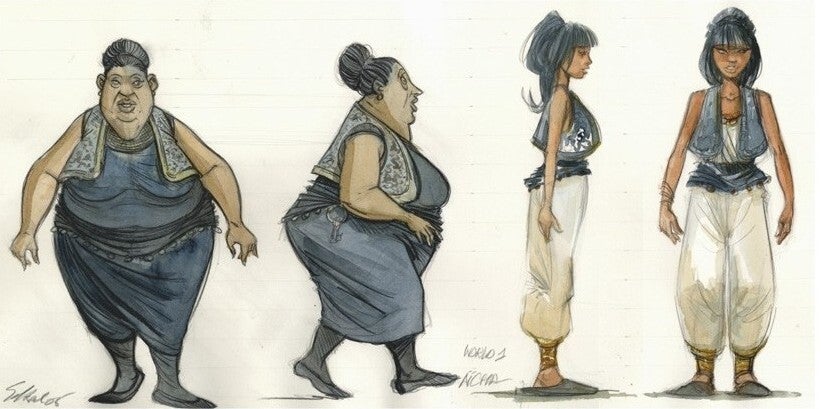
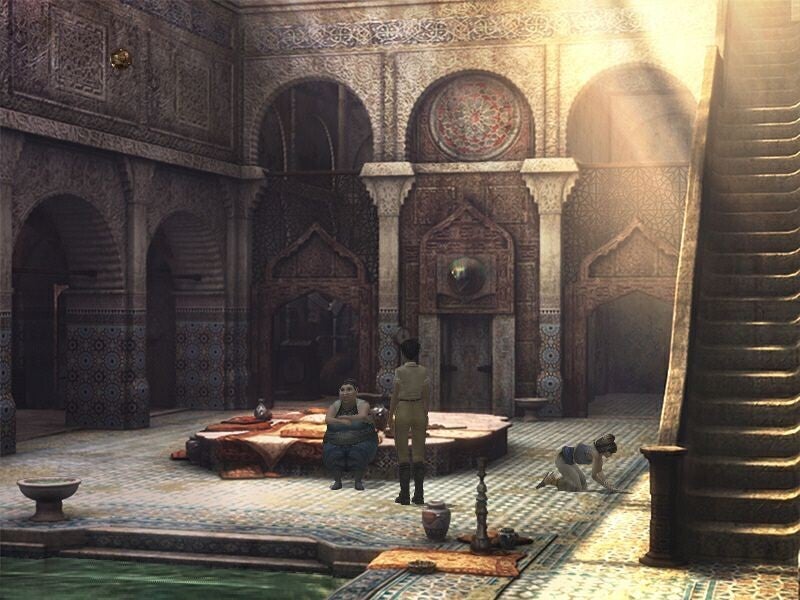
Eventually our madam becomes familiar with her surroundings. Once she understands which parts of the palace she is allowed to walk through, she wanders into the gardens. There she discovers an aviary — or more accurately, a large cage — containing a black leopard.
Why a leopard and not a “panther”?
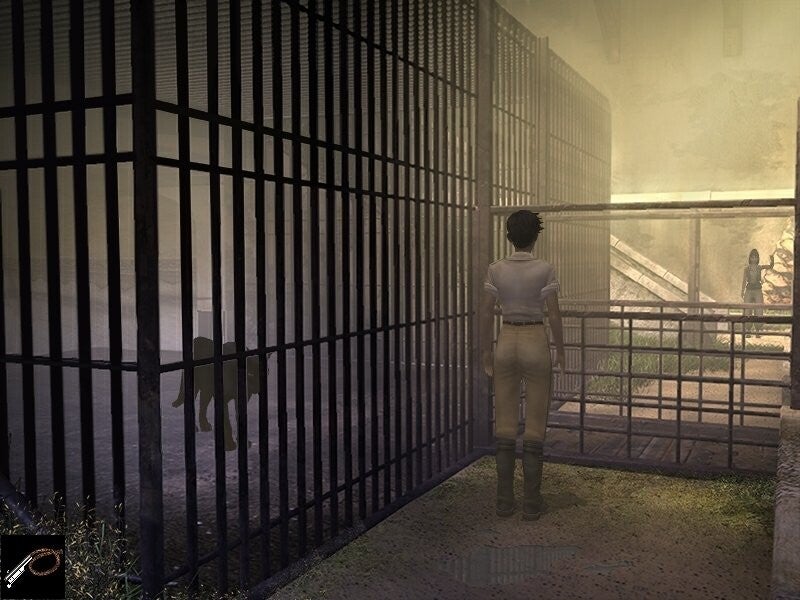
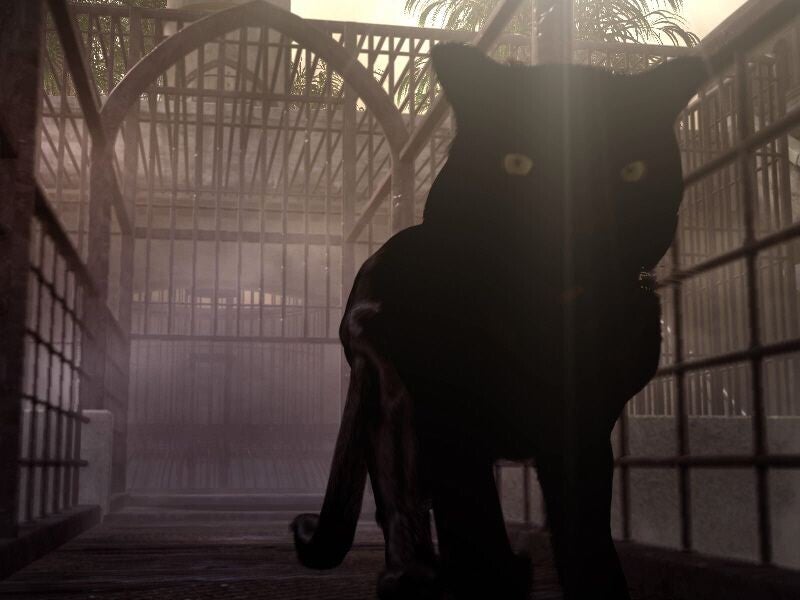
Its dark coat gives it an advantage when hunting at night. During the night, the leopard manages to slip out of its cage. We, as players, are given the chance to control the leopard while Ann sleeps — because the two share a strange, spiritual bond. It’s something like the telepathic connection in Kraa, except instead of an eagle, we have a black leopard.
Because this feline still has the faint rosette markings of a leopard visible beneath the dark fur. It isn’t fully black. Jaguars and leopards can both appear as “black panthers,” but in Africa the melanistic leopard is the one that exists. And just like the jaguar was considered sacred in South America, the black leopard carries a similar aura of mystery and spiritual significance in African folklore.
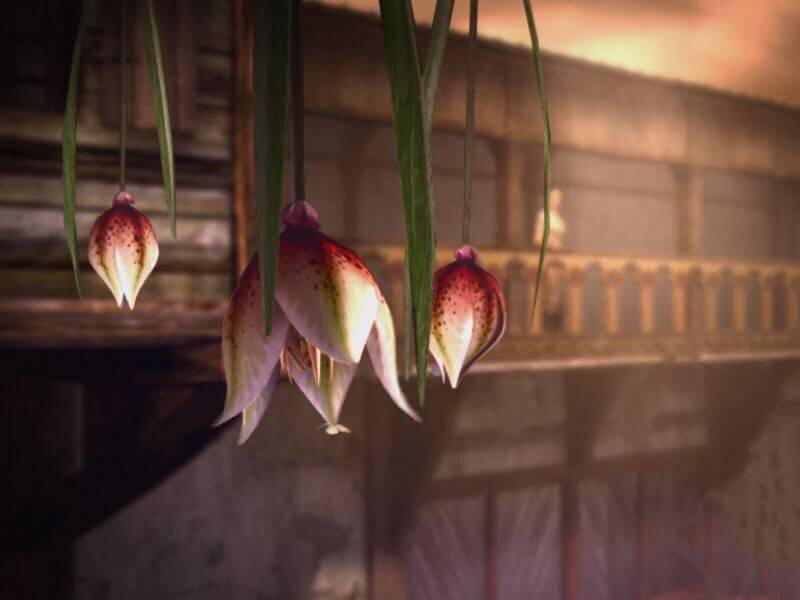
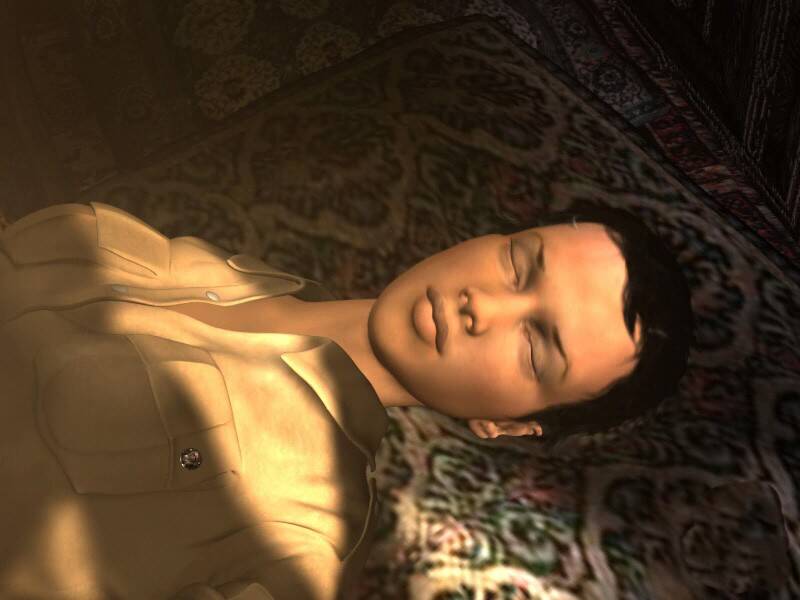
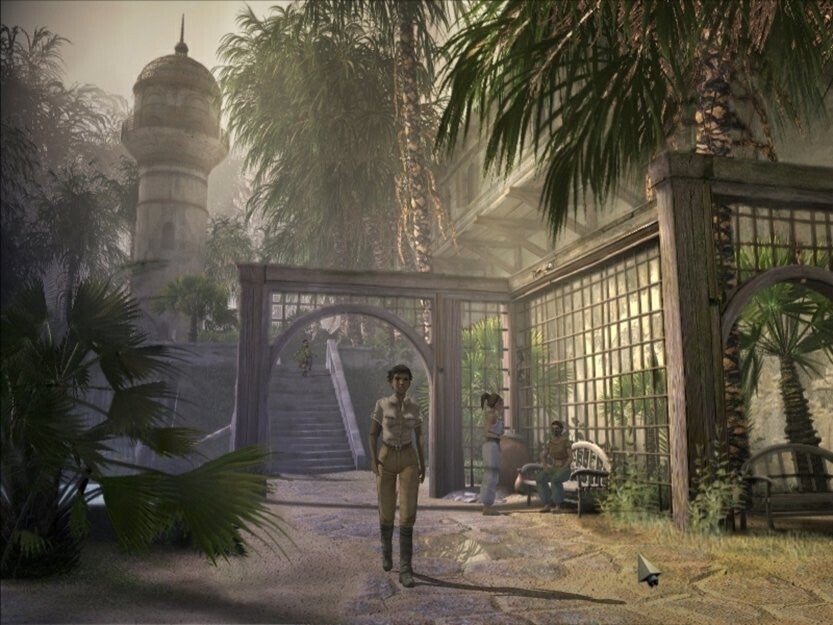
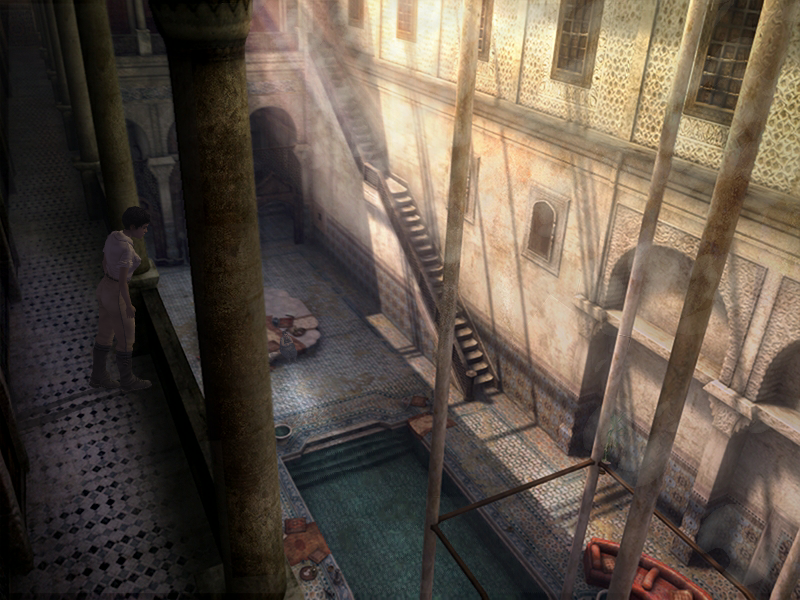
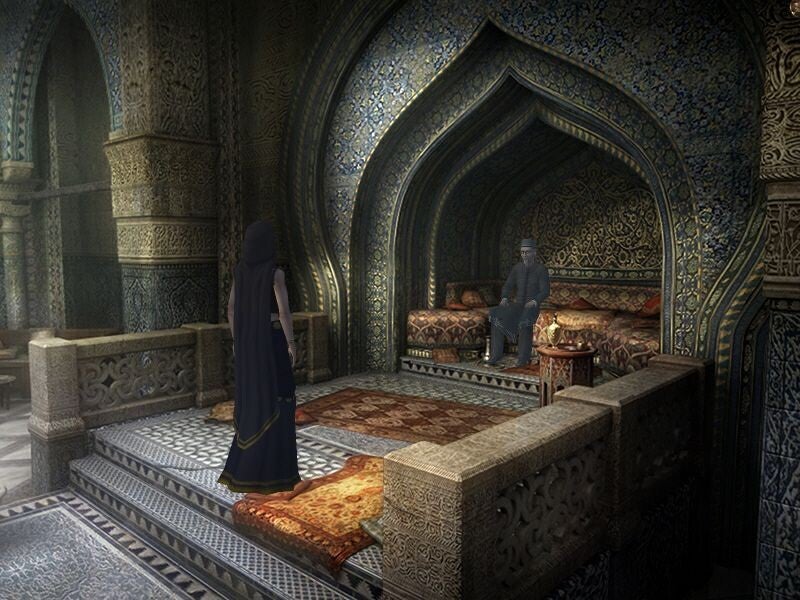
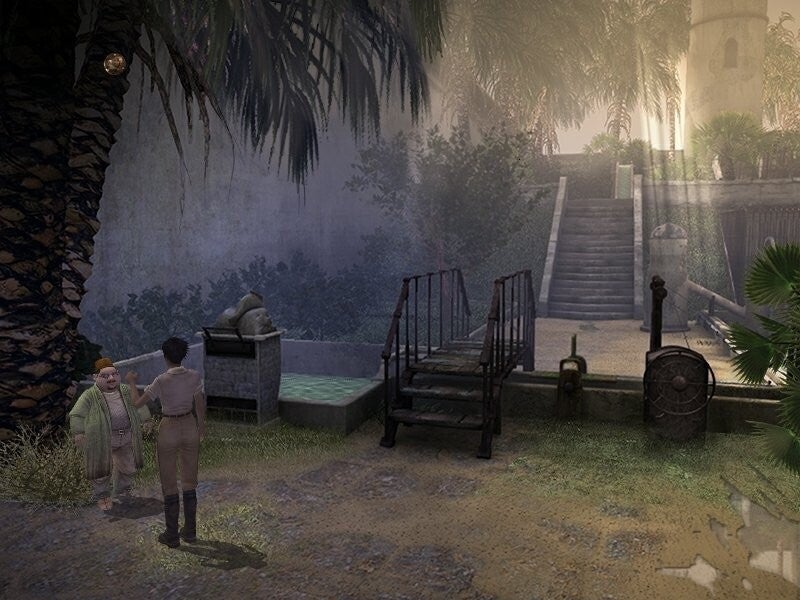
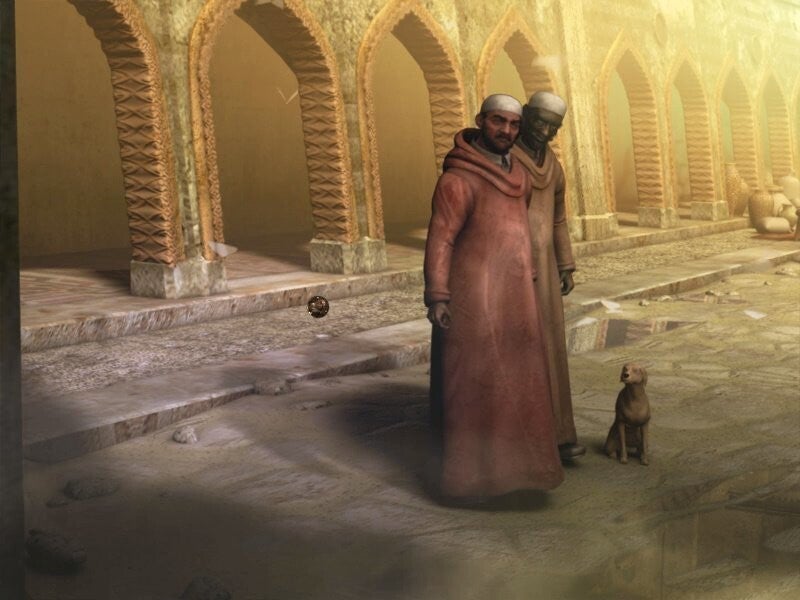
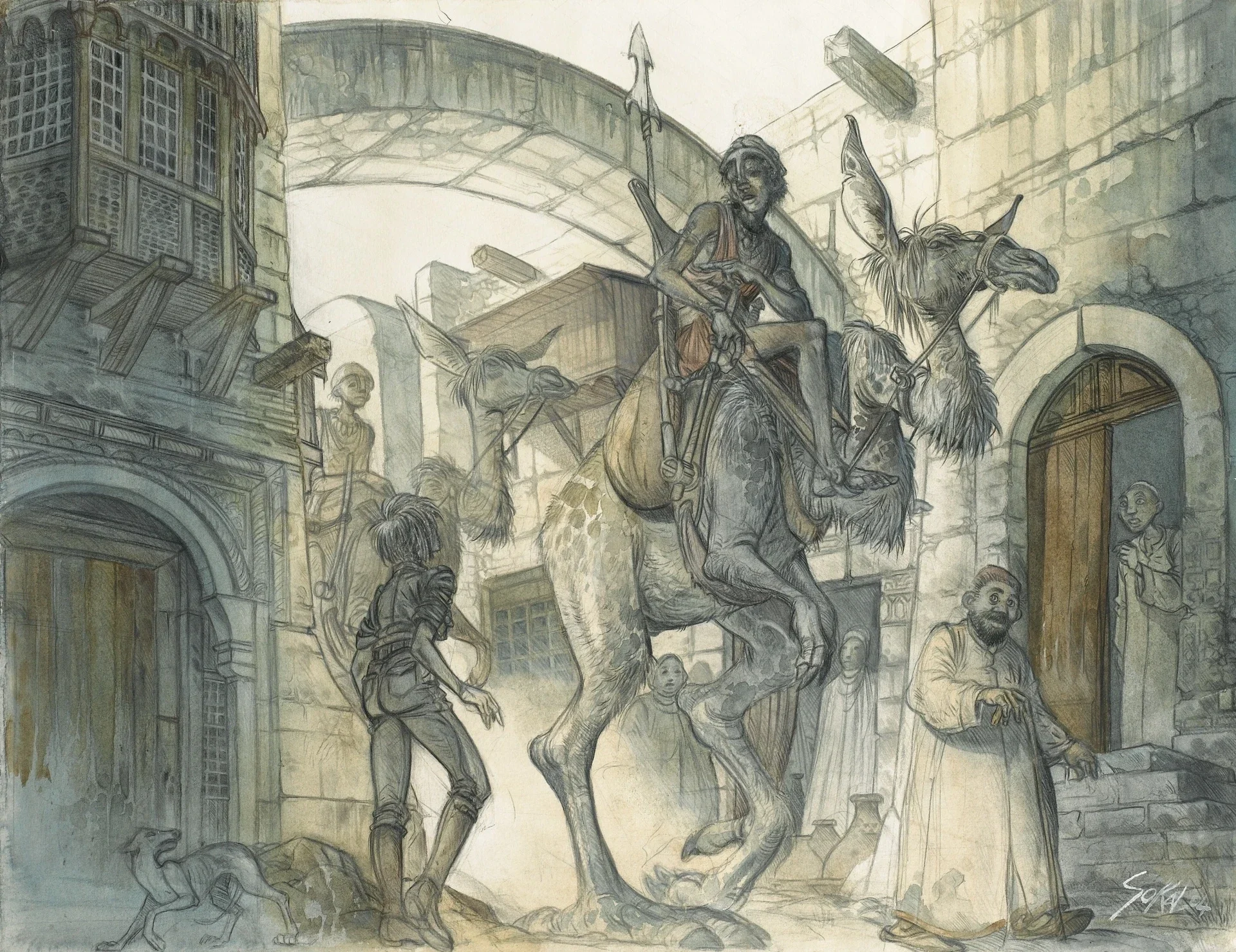
Ann’s amnesia gives her one unexpected advantage: she feels no guilt about lying, stealing, or tricking people into believing she isn’t planning to escape the palace. Her moral compass is flipped upside down. Her best plan is to disguise herself as the Prince’s favorite wife — and surprisingly, it works.
When she speaks with the Prince, he agrees to let her leave the palace — but only under one condition: she must take the black leopard with her. And this is where the next stage of the journey begins.
Ann is in no state to be considered a trustworthy person. When she asks the Prince for anything more than permission to walk freely outside the palace — supplies, money, transport — she is politely dismissed. So we, as players, must solve all the upcoming problems on our own.
To leave the city, we need permission papers, including a photograph, papers must be signed by Prince. The photography development in the red room is a favorite stumbling block for many.
As for transportation, the engineer in his garage gives us a rusted, broken vehicle. It’s up to us to repair it and make it functional. And of course, there are always new obstacles and additional puzzles that must be solved before we can finally leave the city
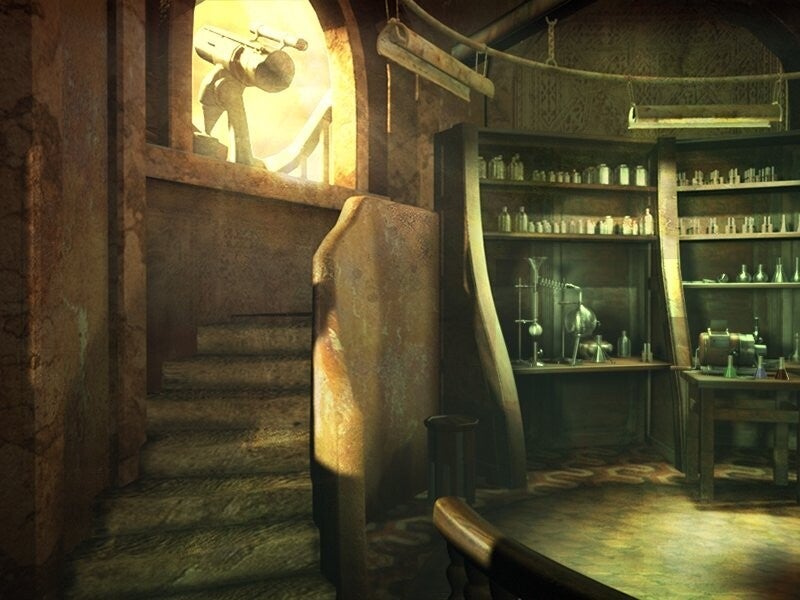
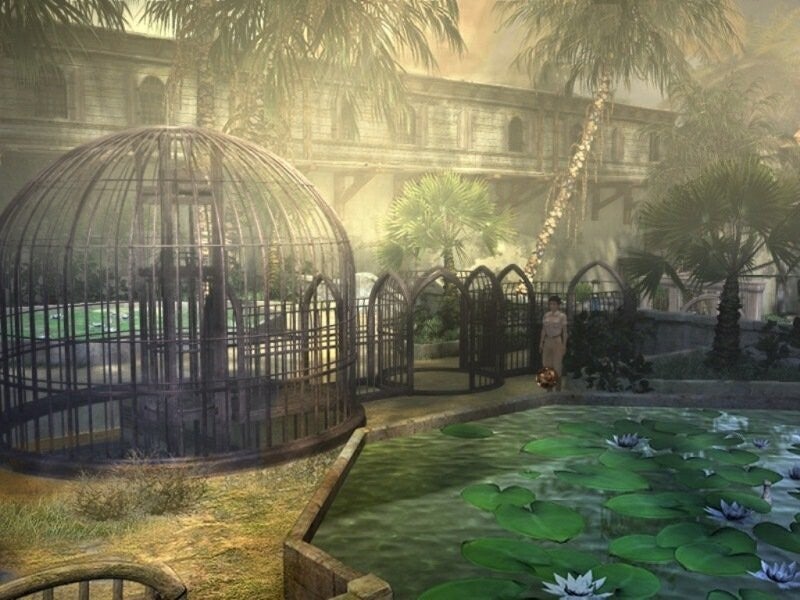
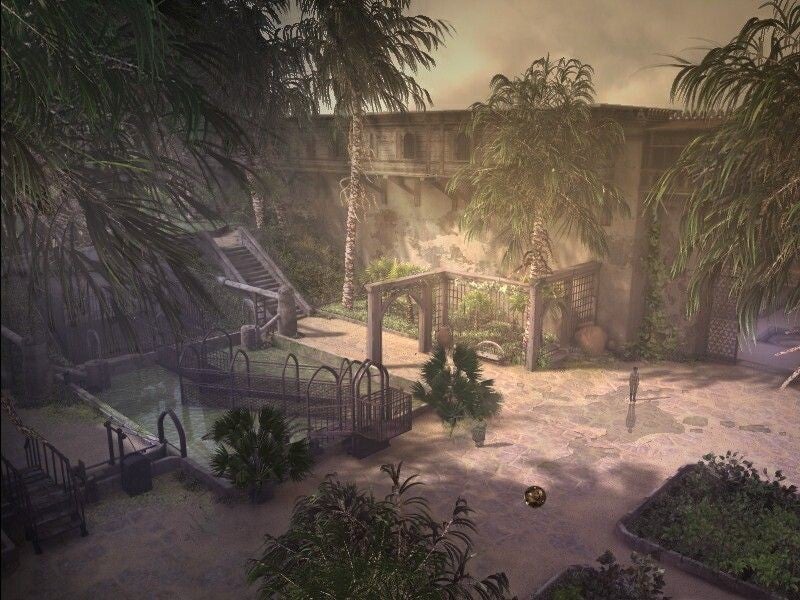
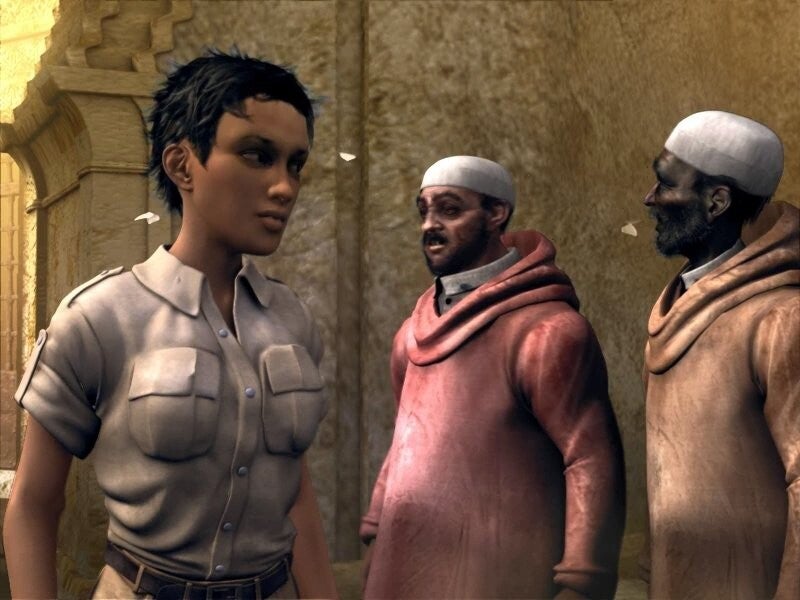
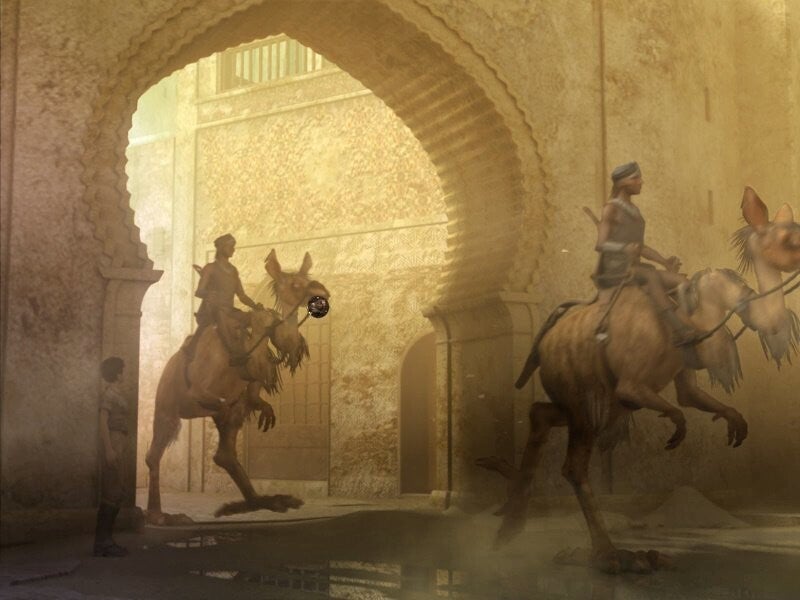
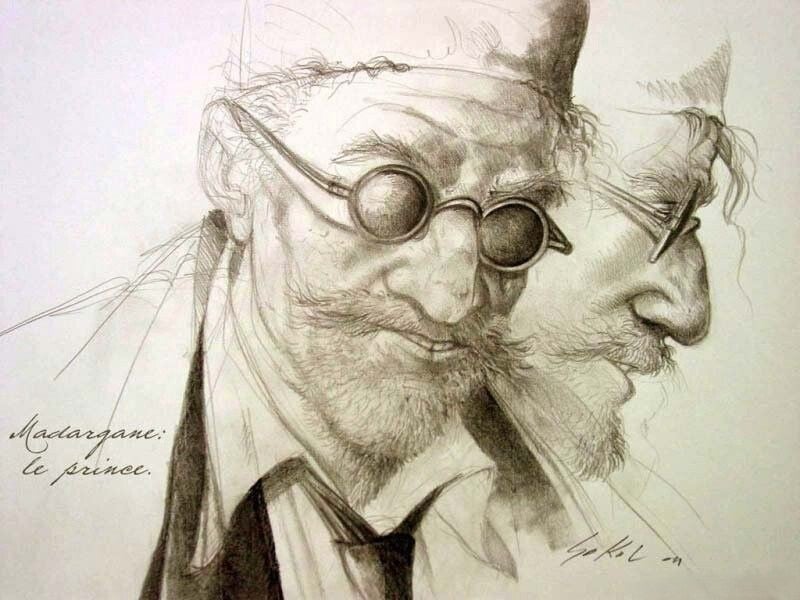
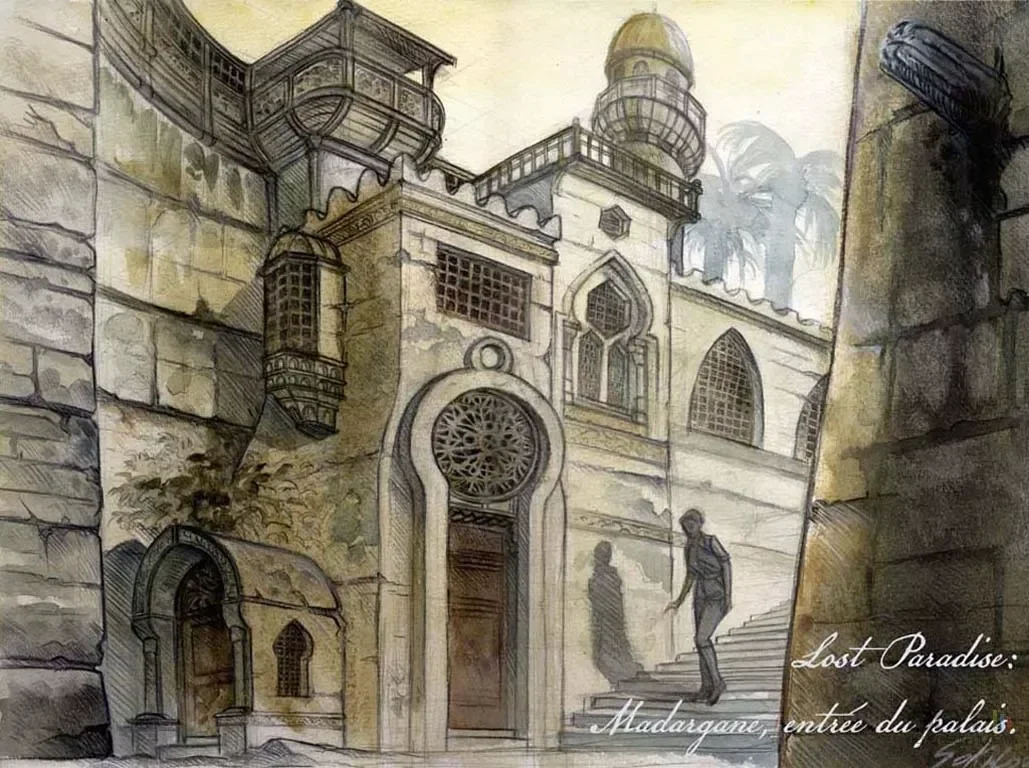
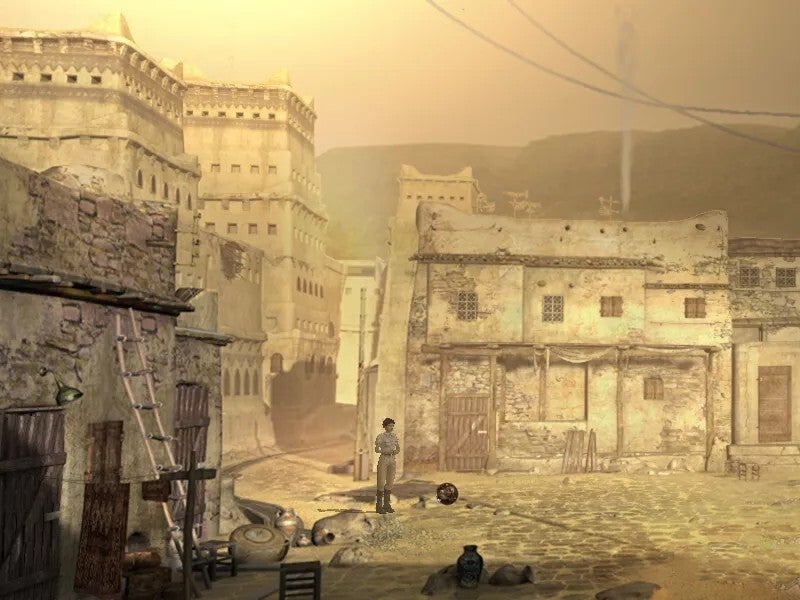
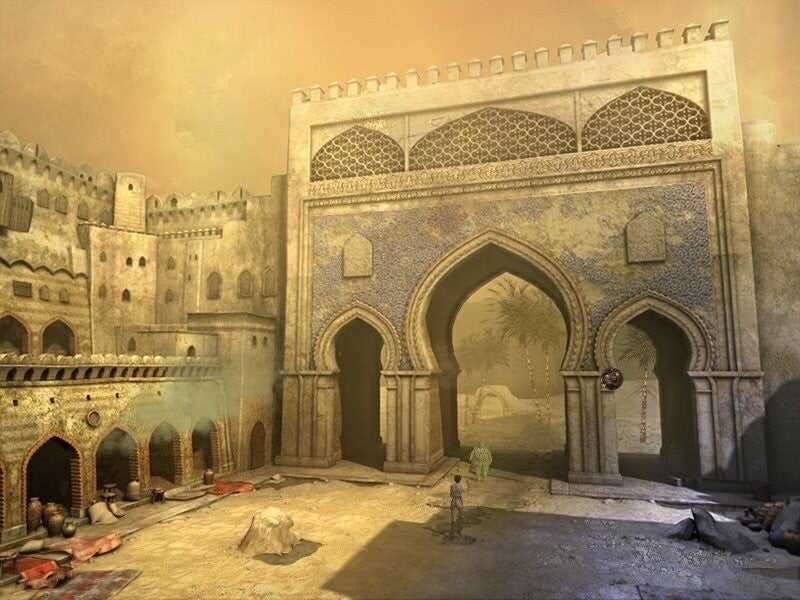
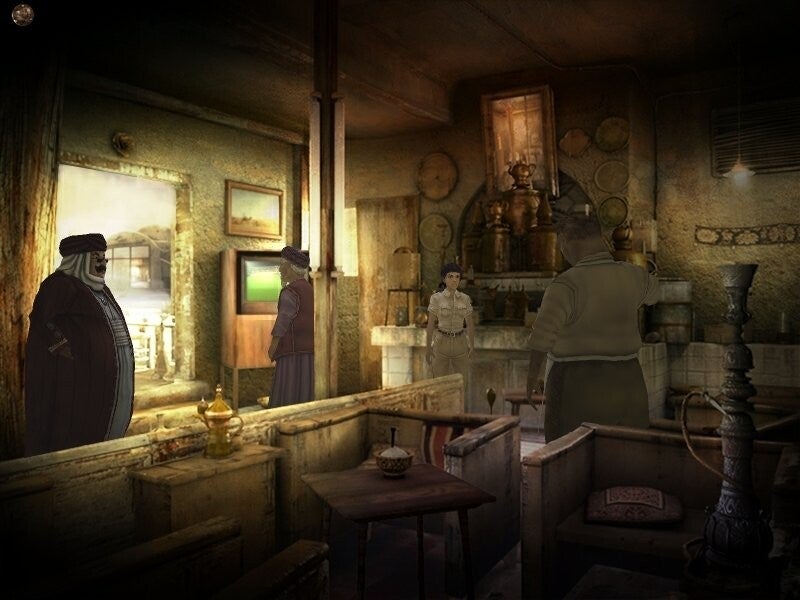
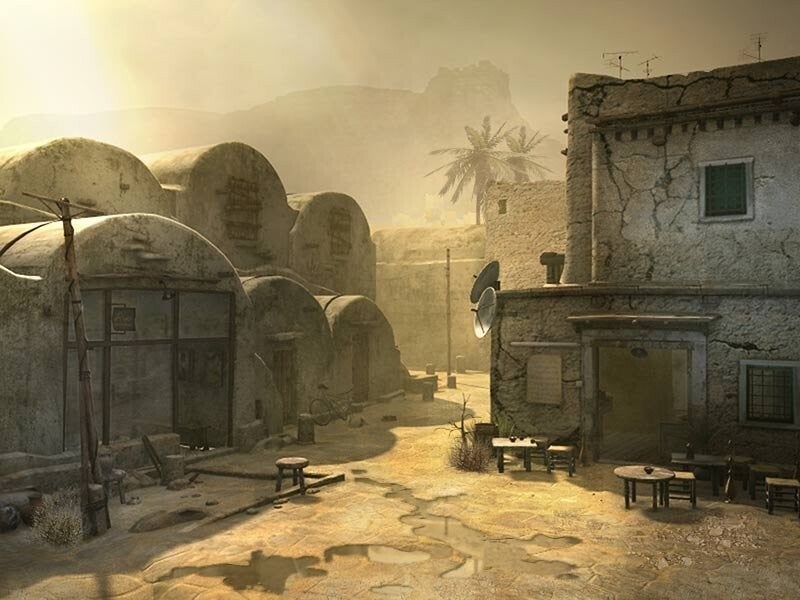
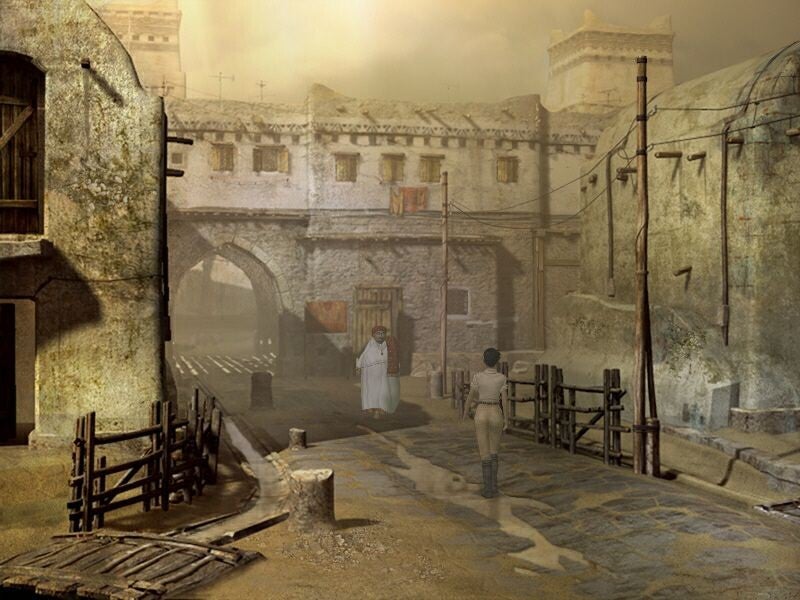
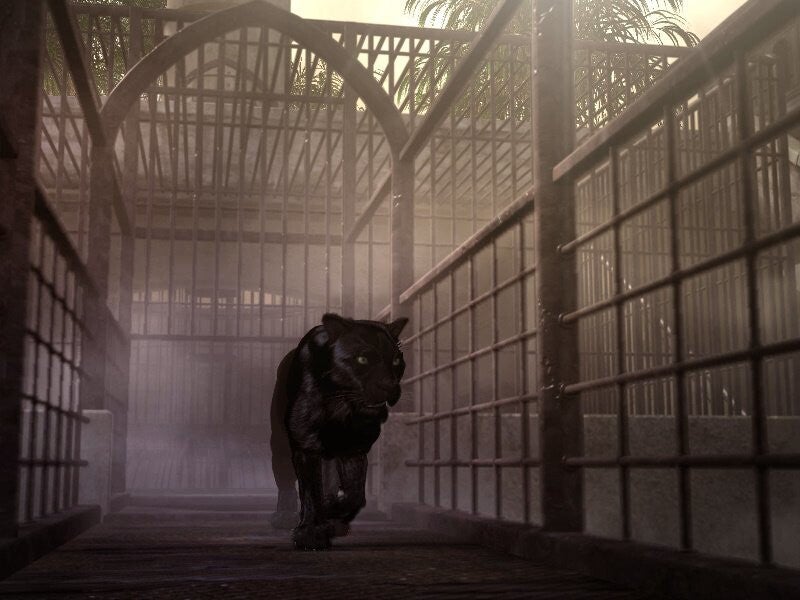
Now, to return to the story: we play as a madam with amnesia. She doesn’t know her identity. Fine — she still has hands, and with the player’s point‑and‑click mechanics, we manage to solve the challenges ahead. But even if she didn’t have amnesia, how would she know how to fix a car? I know it’s a game, but when I recall the steps, I start thinking about the story setting.
We are in Africa, in a kingdom ruled by a dictator, in the middle of a civil war. Bloodshed reaches even the city streets just outside the palace. As we progress, we encounter gruesome murders and executions — including the man who gave us permission to repair the car, now lying dead in his workshop. Our madam has a strong instinct for ignoring the horrors around her. Fine — her moral compass is completely broken.
Eventually, we get the permission papers signed by the Prince. The documents are in order, the leopard is locked in a cage on the back of the now‑functioning car, and we leave Madargane behind.
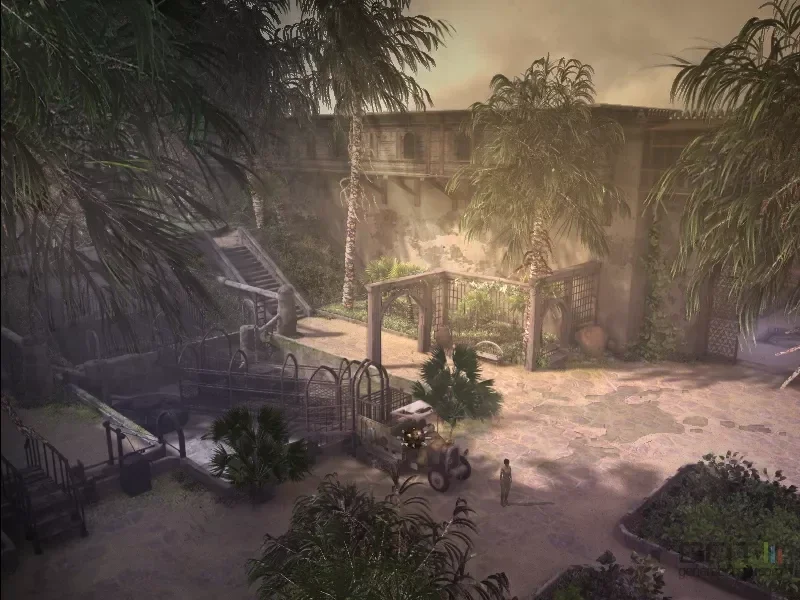
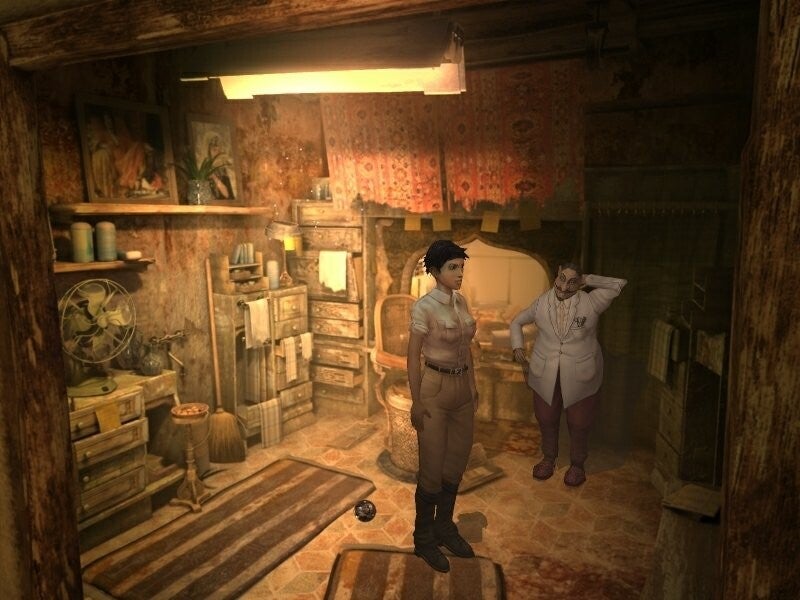
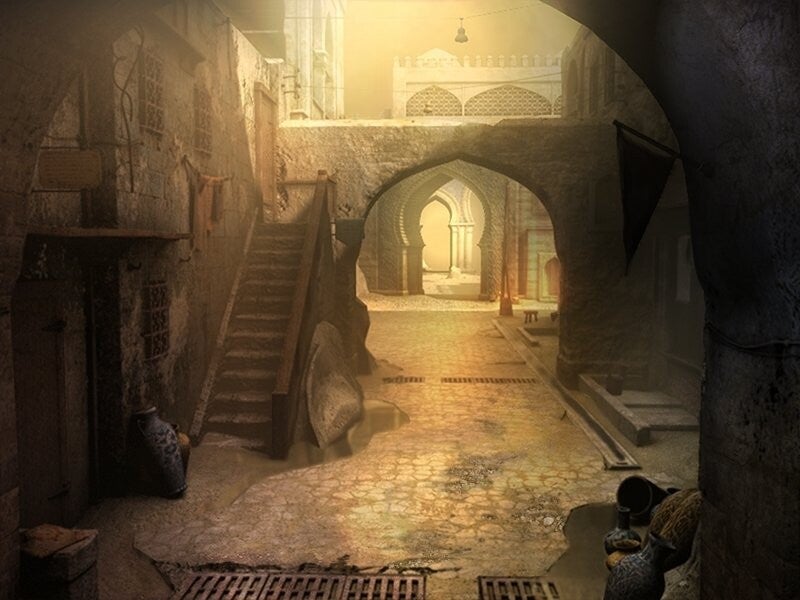
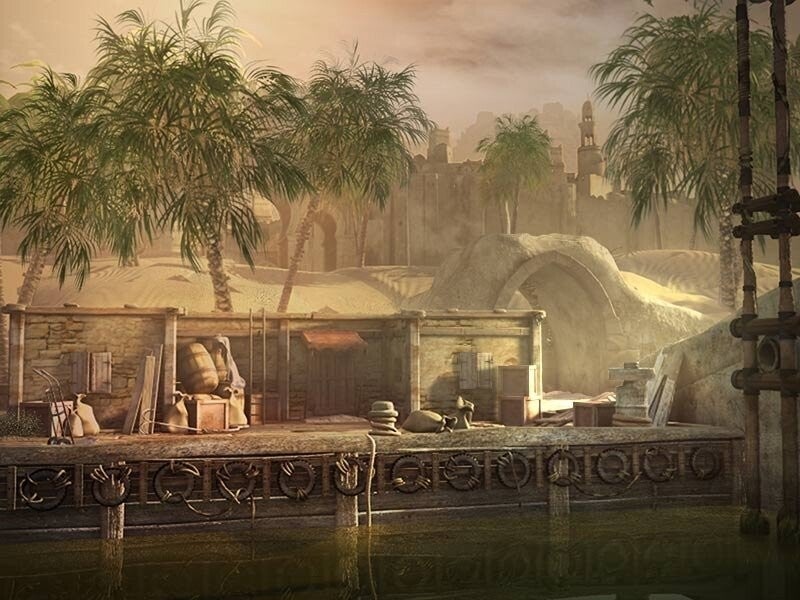
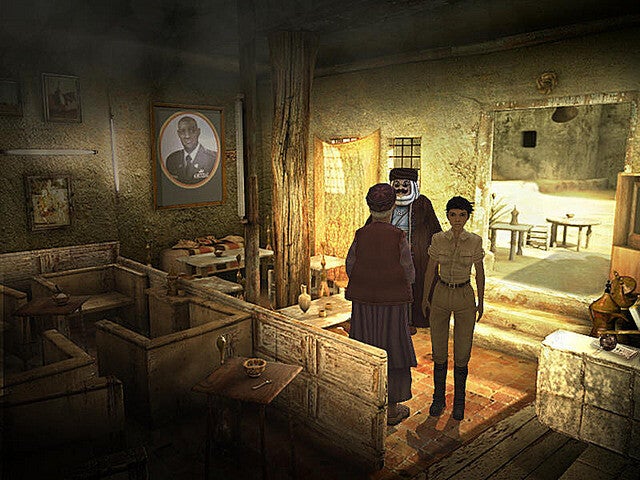
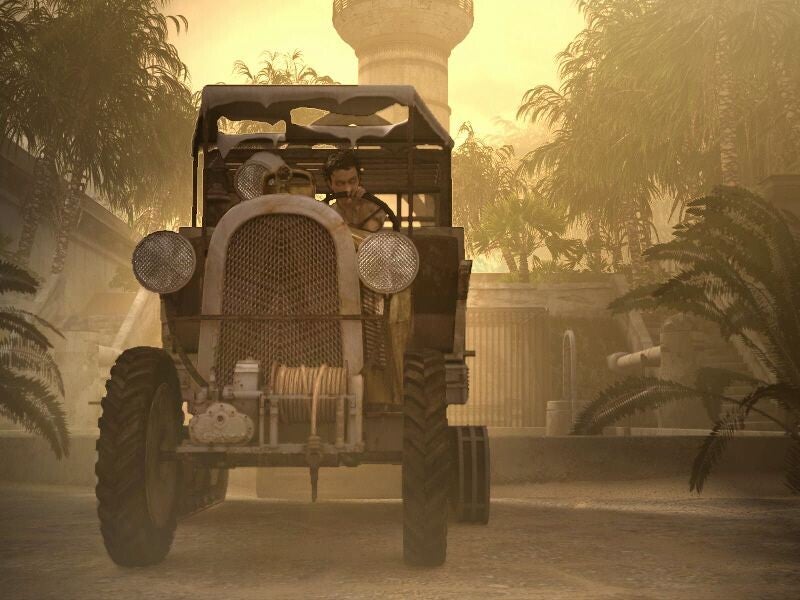
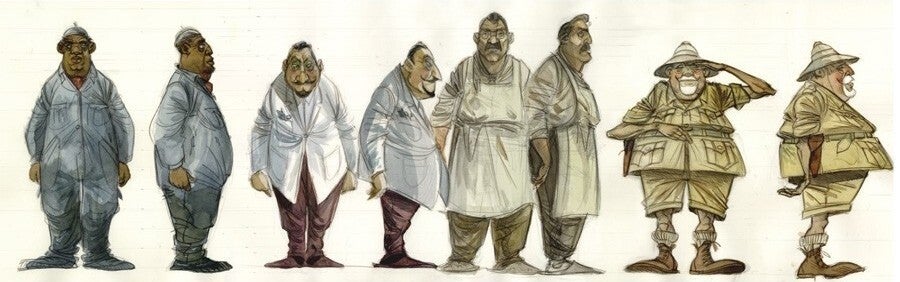
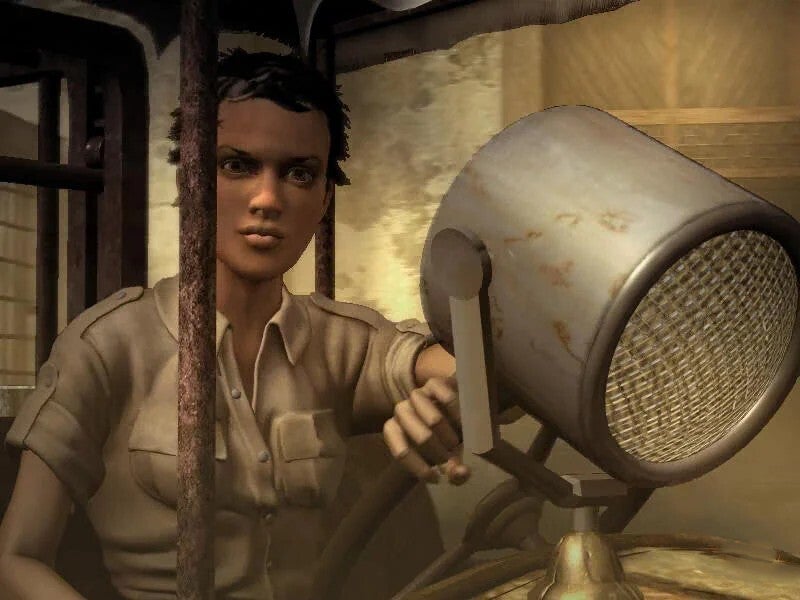
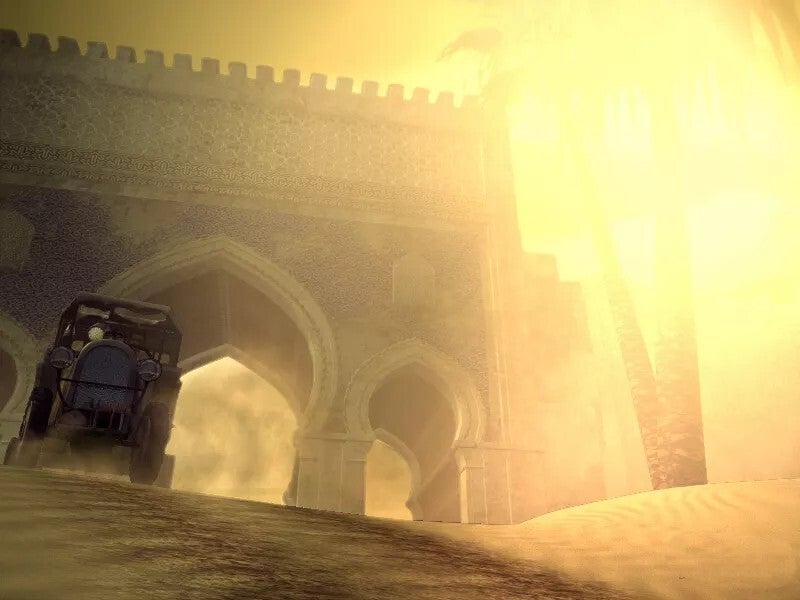
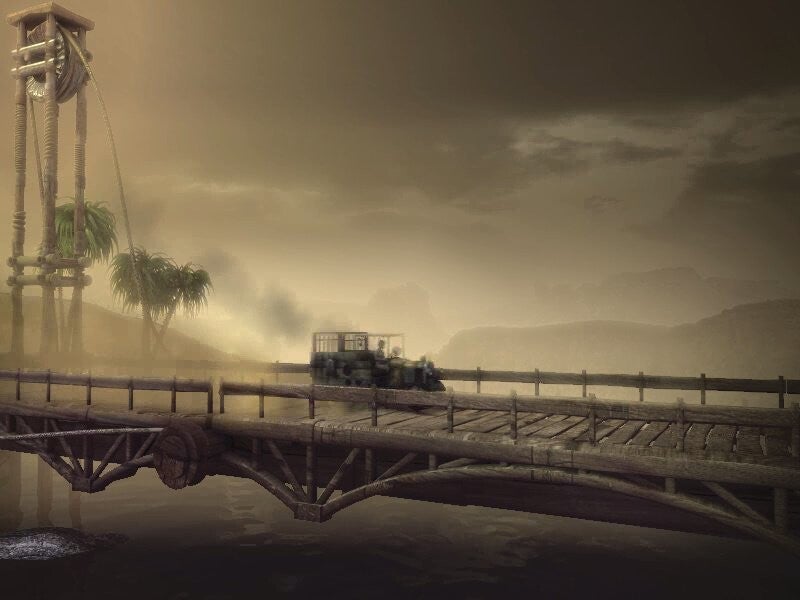
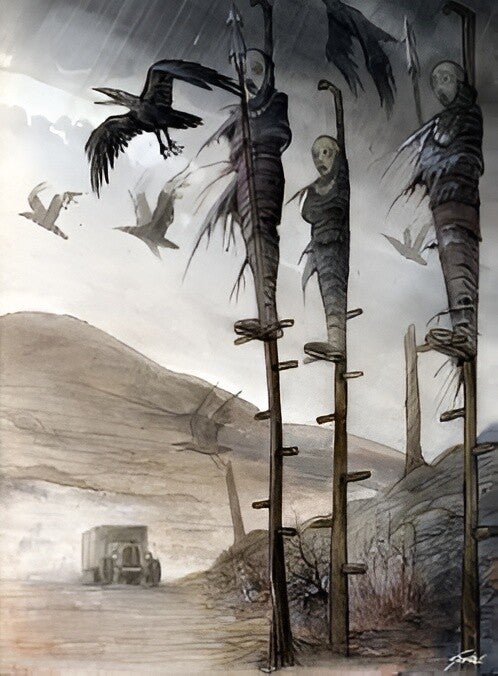
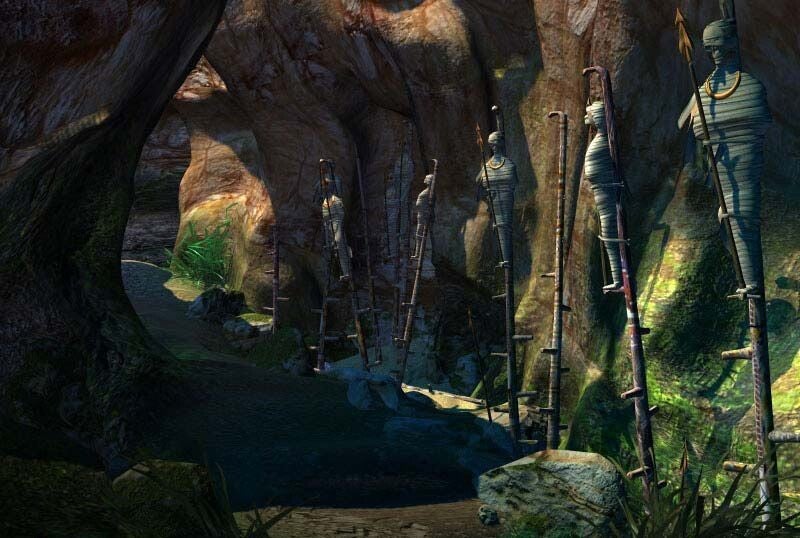
Our duo is finally on the road. Far from the city, rain begins to fall as they pass through a narrow rocky valley with sharp turns. The car radio catches a signal, broadcasting news about the worsening situation in Maurania — nothing surprising, since chaos has been spreading for a while. People are fleeing the city in every direction.
And apparently, our madam forgets that a car has both a gas pedal and a brake. Instead of slowing down to avoid hitting the strange kangaroo‑like mounts used in this region, she decides to launch the car straight off the road. Thanks to game logic, she survives without a scratch — even though the wrecked vehicle looks like it should have broken half the bones in her body. The leopard escapes its cage and wanders off on its own.
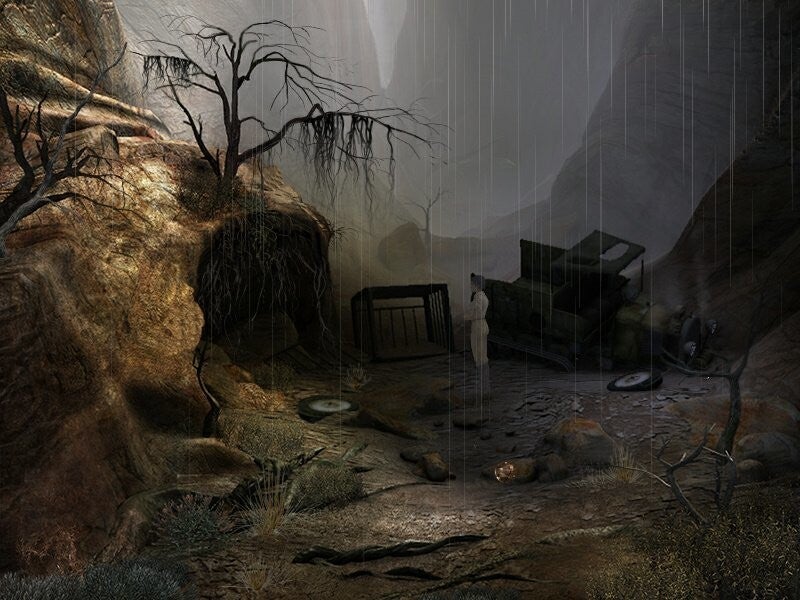
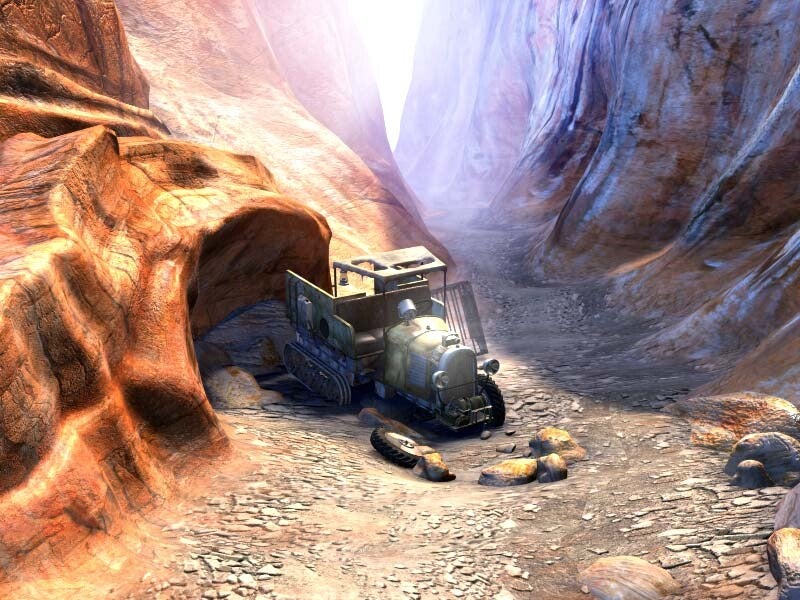
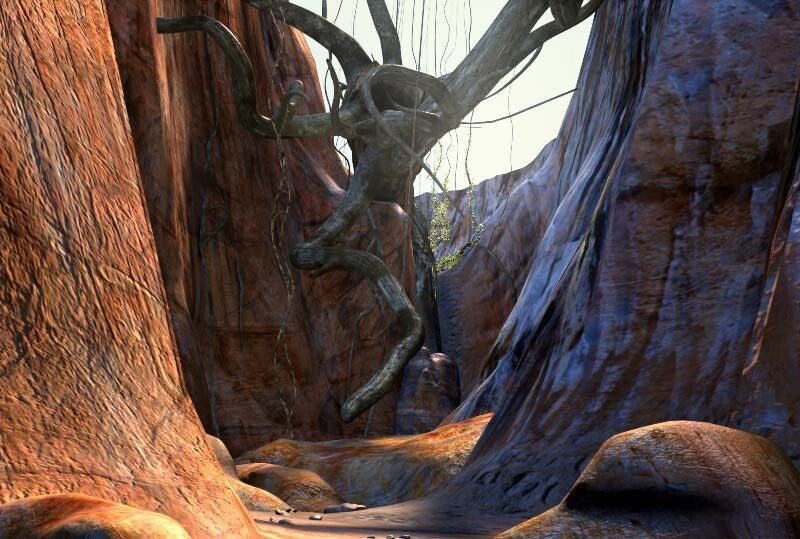
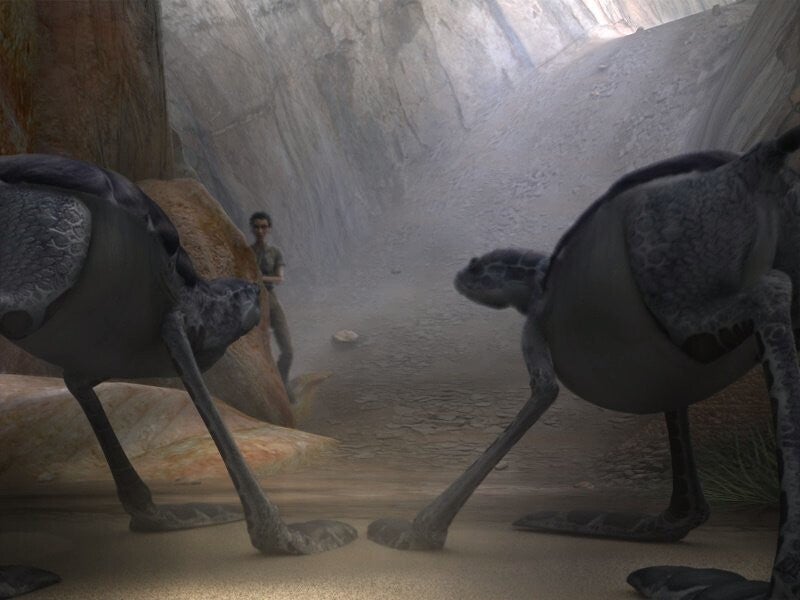
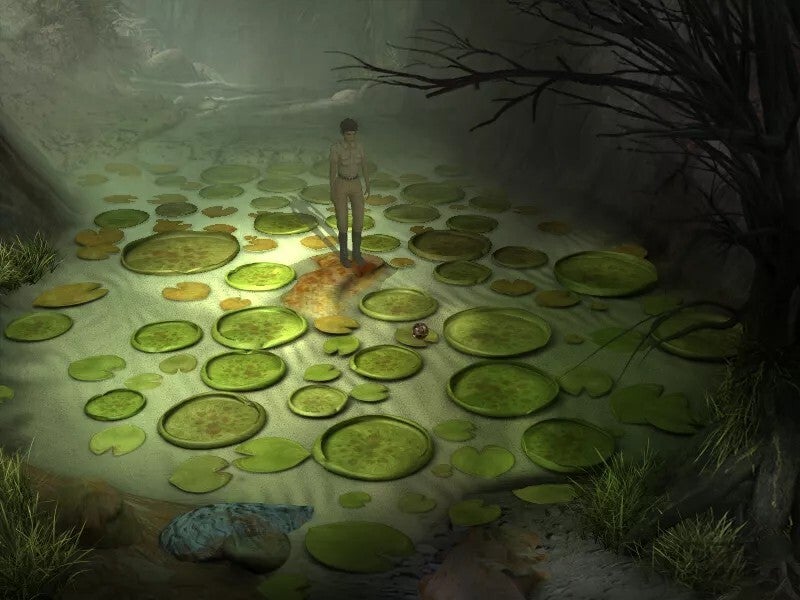
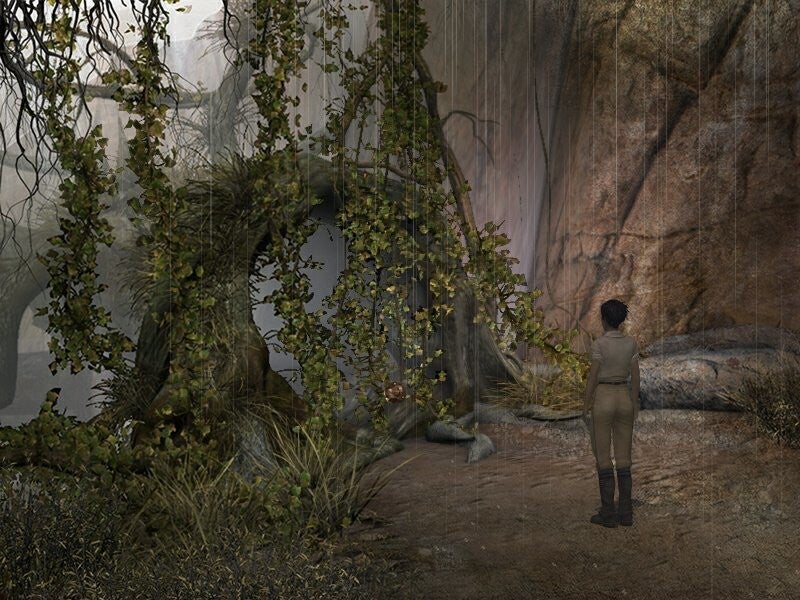
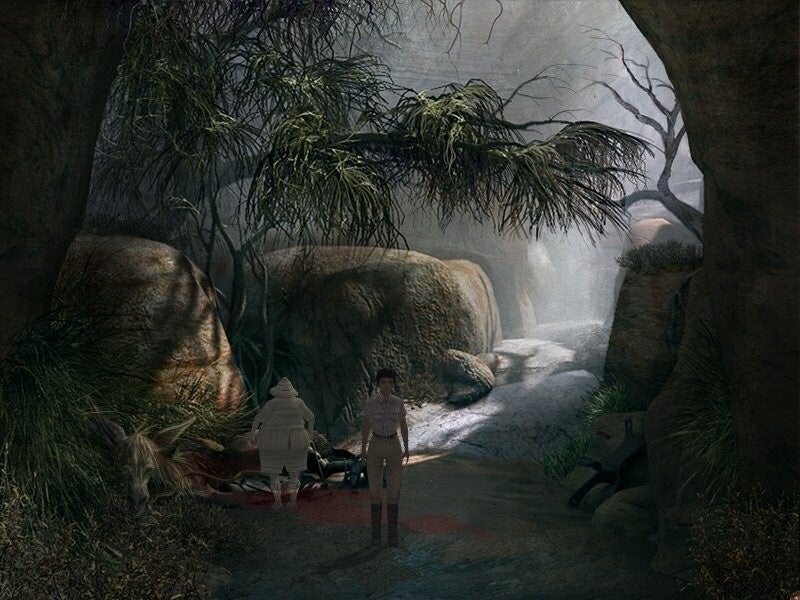
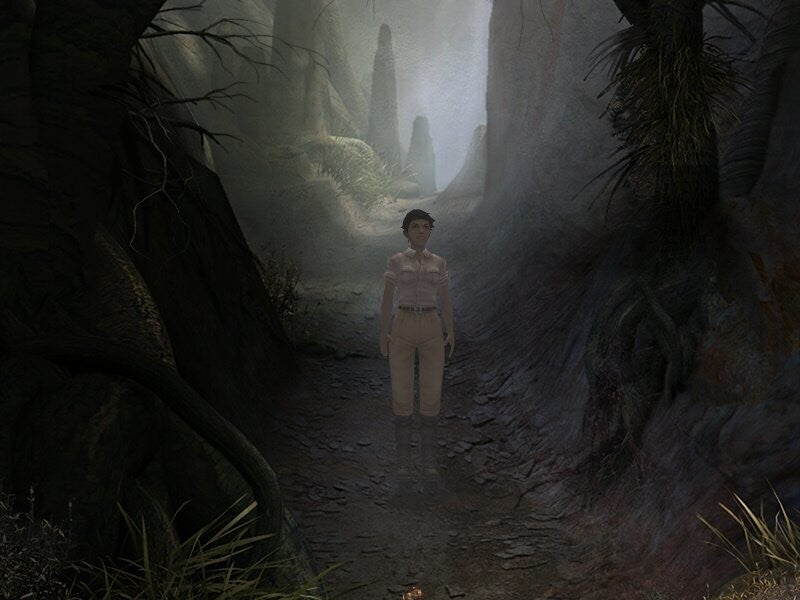
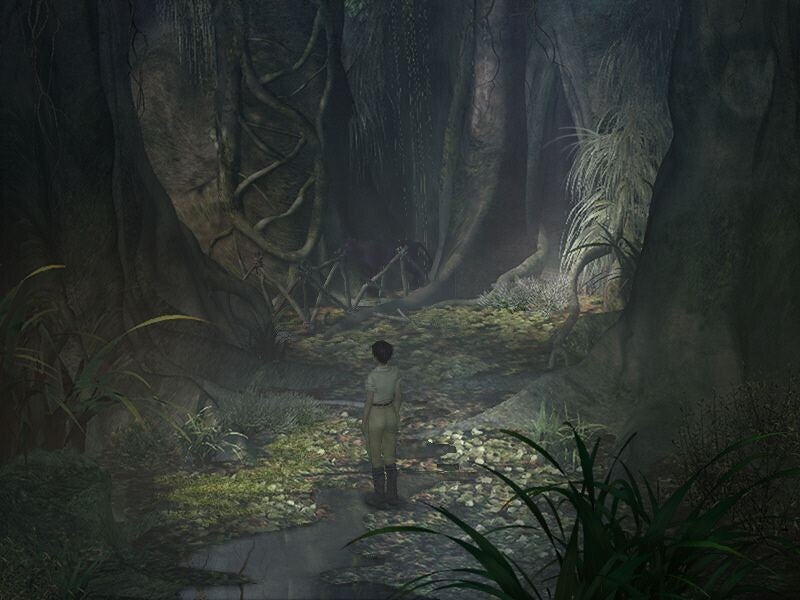
All is well that ends well, I suppose. It’s Africa — if the fauna doesn’t kill you, the locals might.
Following the leopard’s paw prints, we eventually stumble upon the Malgrave tribe. They live entirely in the branches of a massive tree, building their whole life above the ground and refusing to touch the earth. Once again, a question arises: even if the tree grows near a river or lake, how do they get water if they never descend? And in Africa, there are weeks without rain — so they can’t rely on rainfall alone.
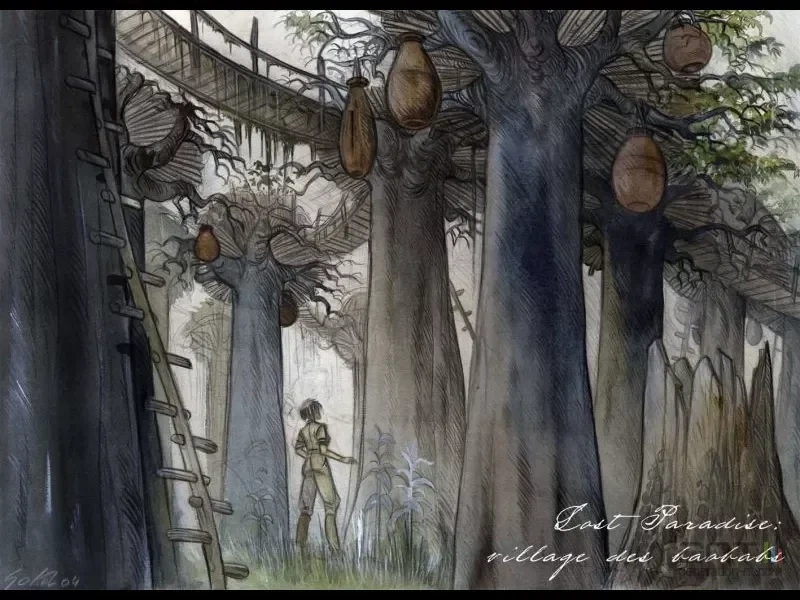
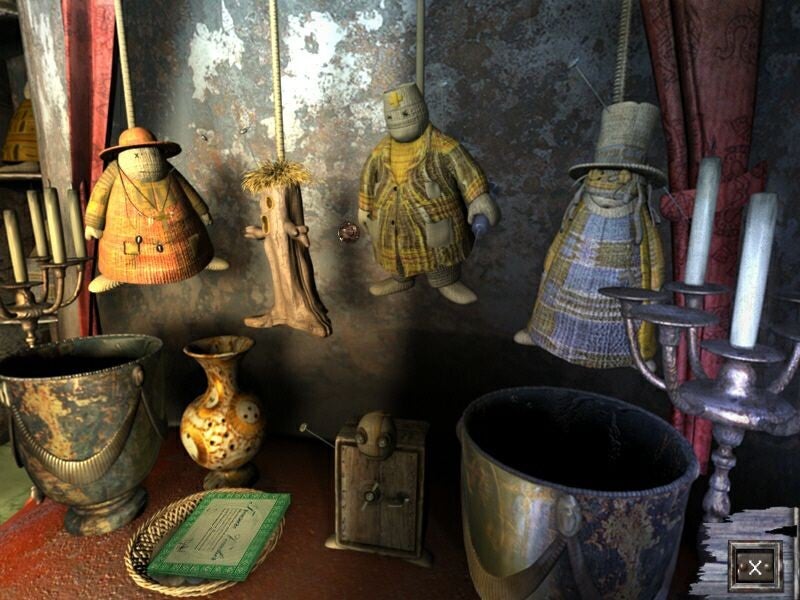
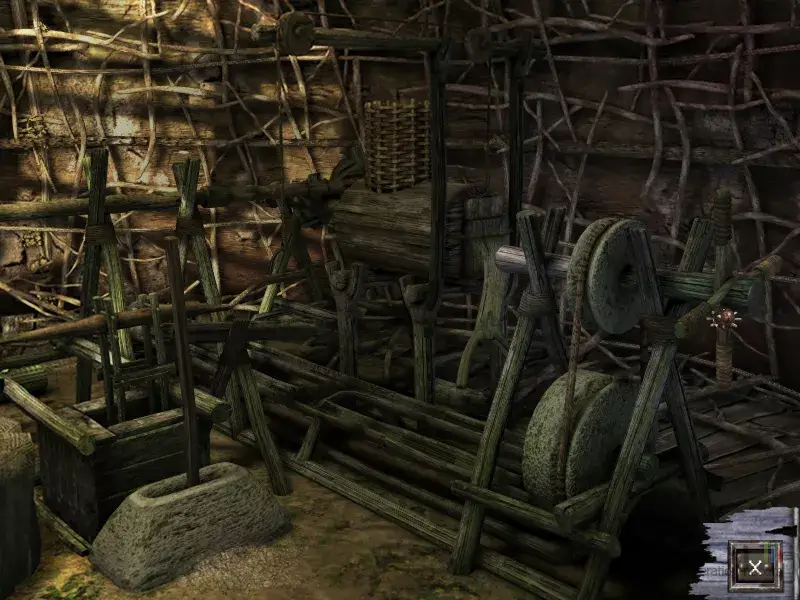
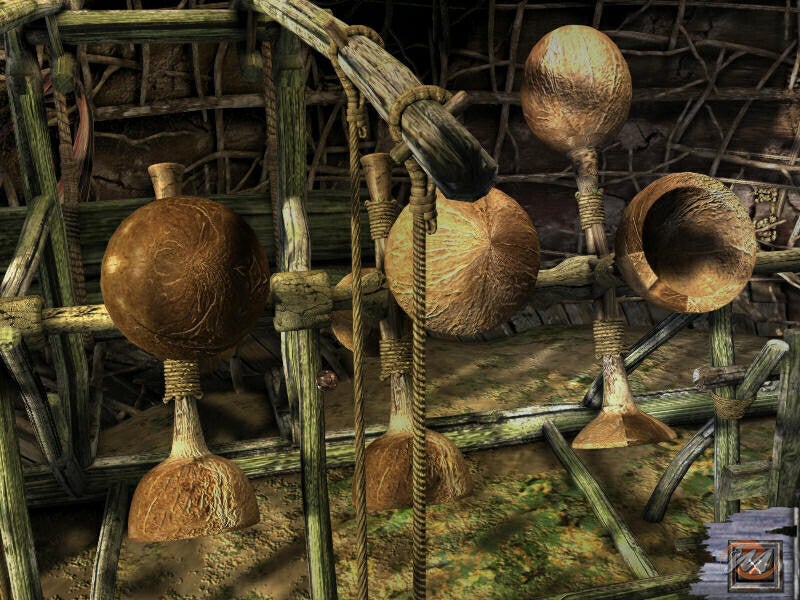
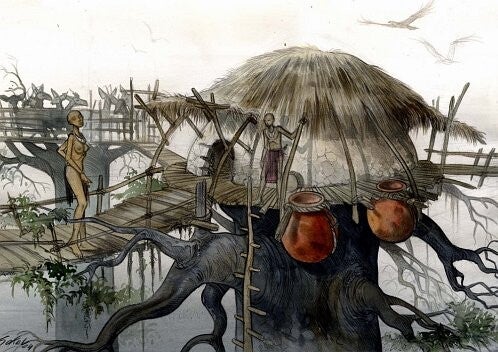
Another point: predators that aren’t felines usually hunt on the ground, especially at night. Given how high the Malgrave tribe has built their homes, their main threats would be snakes rather than big cats. But then how did the accusation against our madam arise — that she brought a predator into their territory, and that the leopard nearly swallowed the chieftain’s son? That implies the boy stepped on the ground at some point.
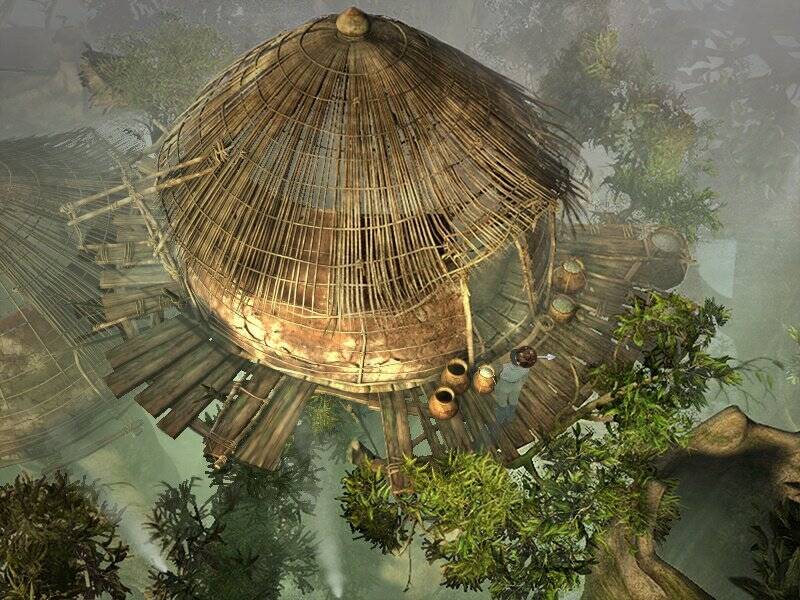
Most of the structures are reachable, and the view is impressive. Our primary concern here, however, is to find our feline companion — or more accurately, to capture it, since it’s wandering freely in the jungle.
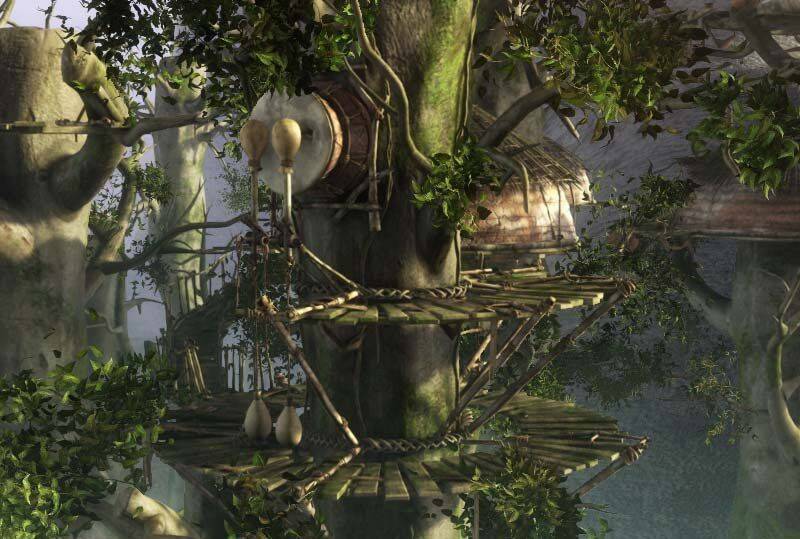
Now, another question comes to mind: food. If the Malgrave tribe lives entirely up in a tree, what do they eat? Fruits grow only seasonally. Bugs exist, but not all insects are edible. Monkeys might live in this part of Africa, but again — these are simple logical questions I stumble upon while trying to understand how a community could survive entirely above ground. Something feels incorrect. Eventually, people need to climb down, even if they keep animals in paddocks as livestock.
In the north, when camping alone at night, it’s common to tie oneself to a tree to avoid falling. Climb high enough, secure yourself, and sleep — it’s safer that way. So the idea of living above ground isn’t impossible, but the game’s logic stretches it.
Back to the location: a large maze of bridges and distant huts, crafted from woven bark and flexible wood, with thatched roofs, vines, and other natural materials.

For a tribe that refuses to touch the ground, they seem surprisingly advanced in their construction and daily tools. They even have a radio broadcasting the latest news: the rebels have taken control of Madargane and killed nearly everyone. I have some questions about the palace guards’ competence, but oh well.
The morning after our madam succeeded in capturing the leopard — or more accurately, after it returned on its own and climbed back into the cage under the player’s control — we prepare to leave. (By the way, the leopard controls can get messy, and sometimes a reload is needed.)
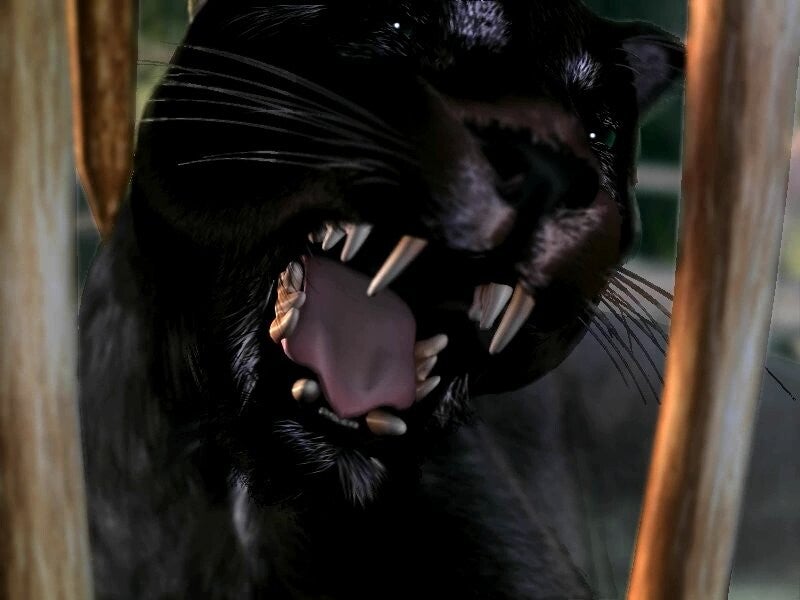
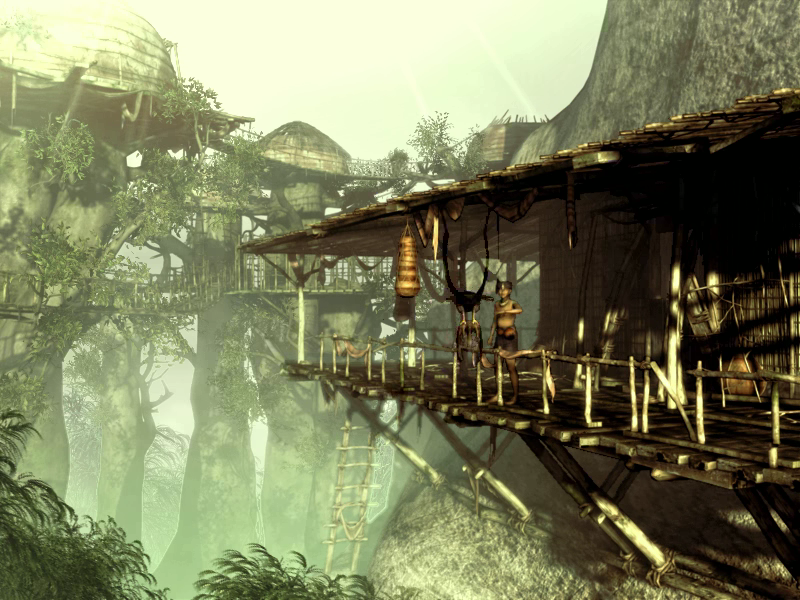
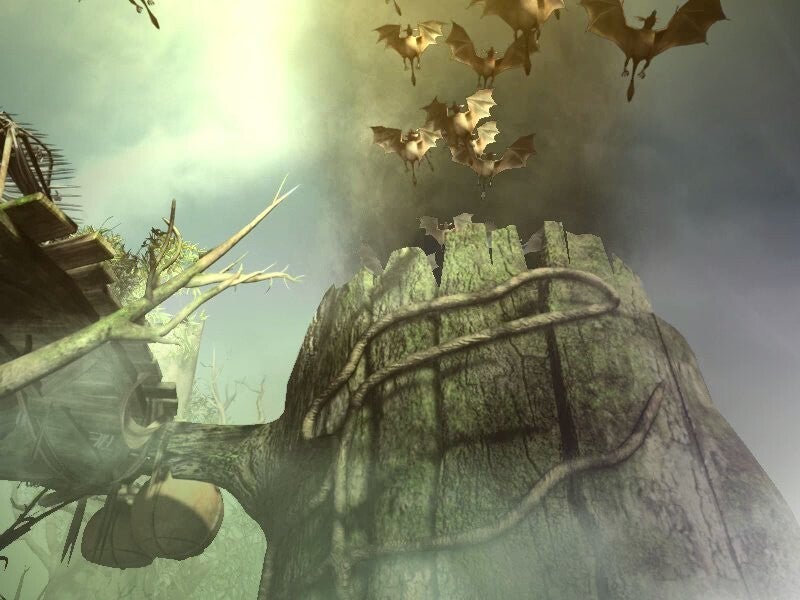
Before our duo departs, the tribe’s shaman gives us insight into our madam’s personal story: she is the daughter of Ramagard, the dying tyrant king. The scar on her collarbone was left by the previous king’s black leopard — the very same feline she now travels with. Her true name is Malki.
But here’s the question:
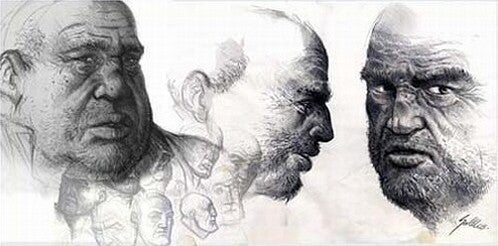
If her mother took her to Geneva when she was a child, fleeing her husband’s ambitions, how did this mental connection between Malki and the leopard appear in the first place? The leopard left the scar when she was a child. The connection only manifests now, when she has amnesia and agrees to take the leopard with her.
That’s what still haunts my mind — how, or why?
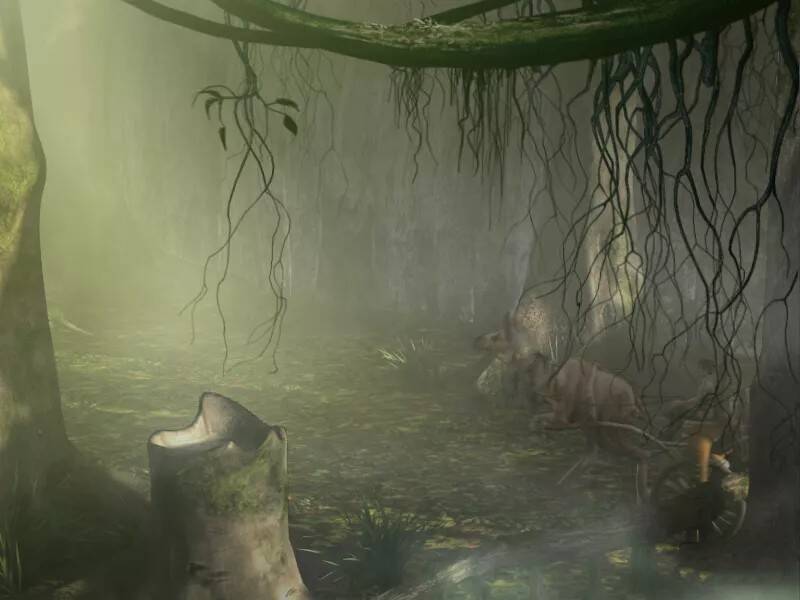
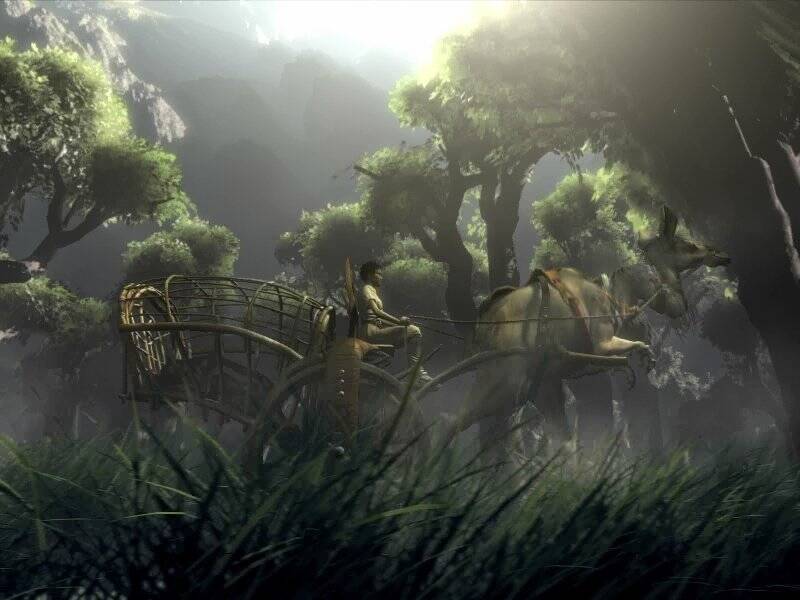
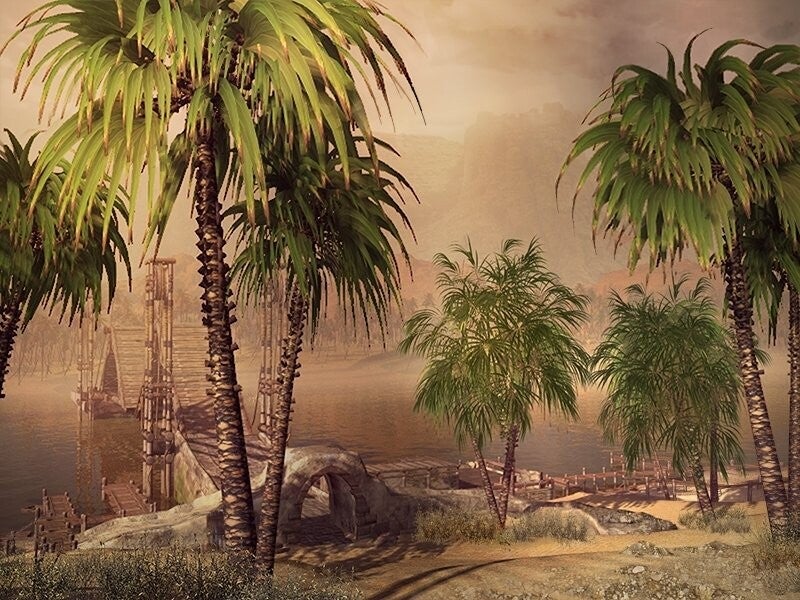
Nevertheless, our duo travels far and wide until eventually reaching another stopping point: the river. It had overflowed its banks, and the ferry was impossible to access. No one in their right mind would risk crossing when the water had swallowed the shoreline. The advice given to our madam was simple — wait for calmer waters and use a safer, more stable method to cross.
Naturally, she ignored that advice.
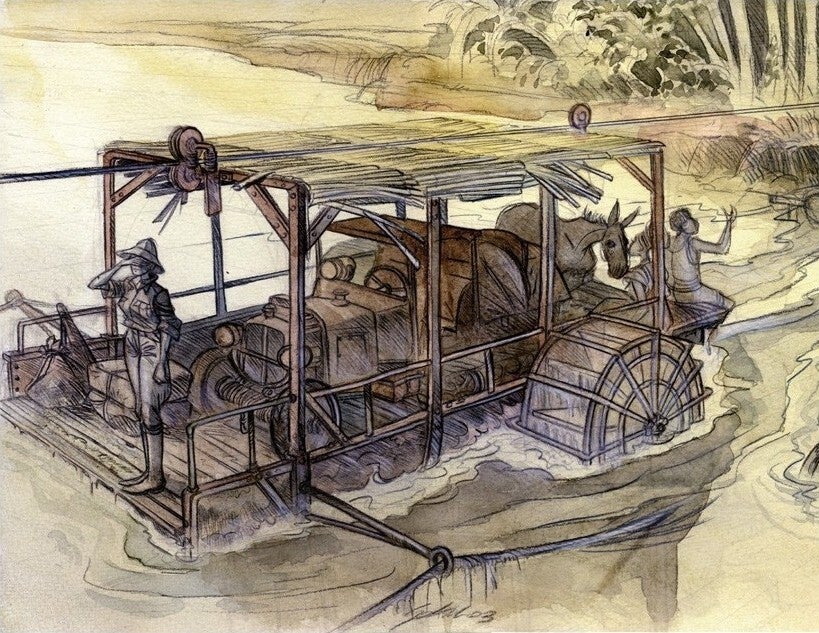
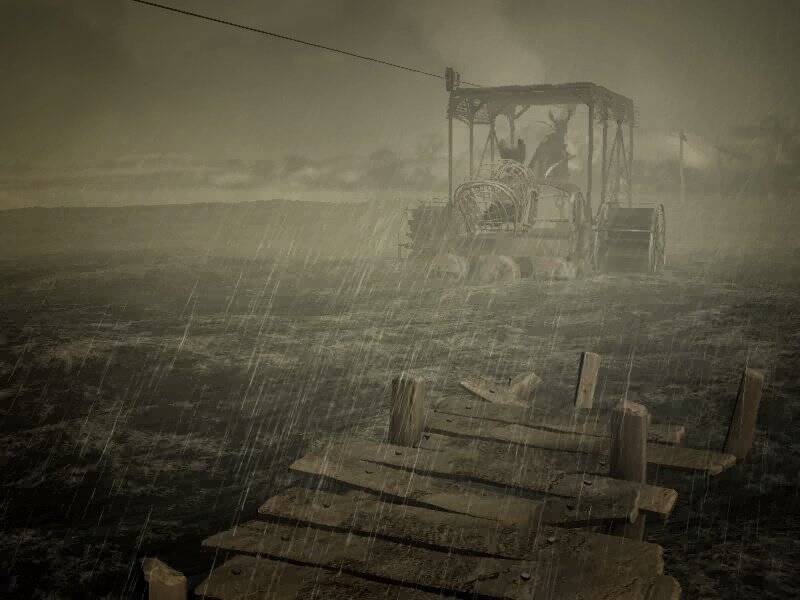
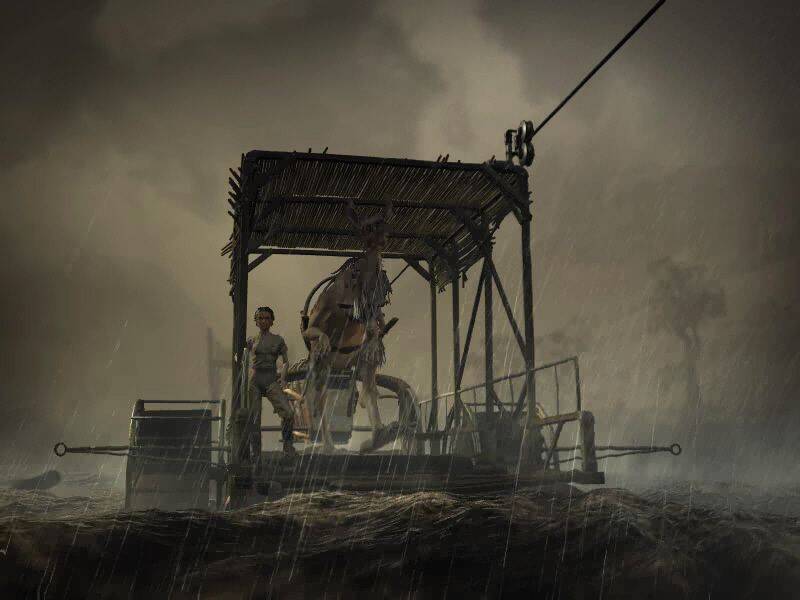
At first, the ferry drifted forward calmly, but the river on the opposite side decided otherwise and flipped the platform over. Our leopard, locked in its cage, was thrown into the water. Our kangaroo‑like mount fell in as well — its fate unknown. And our madam…
Once again, all’s well that ends well: we wake up on a different shore, soaked, lungs probably filled with half the river and whatever dirt came with it. Once again, our task is to track down the leopard.
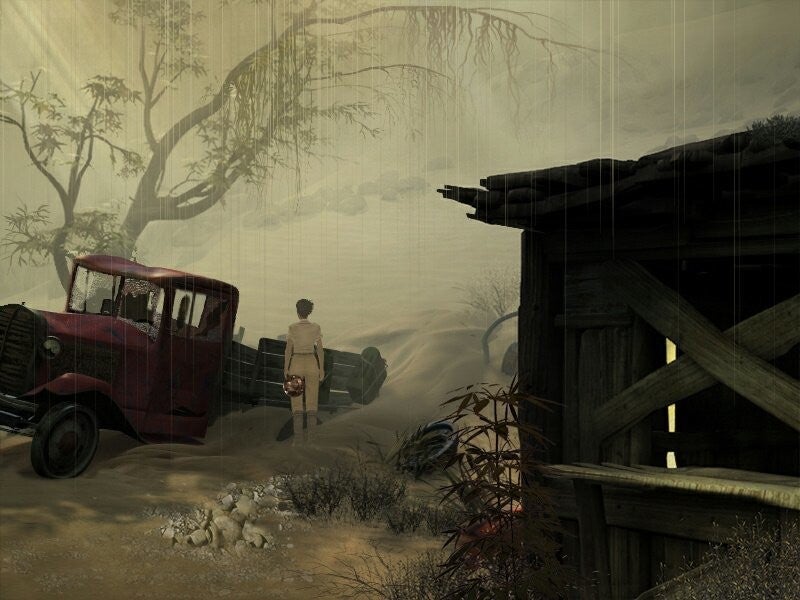
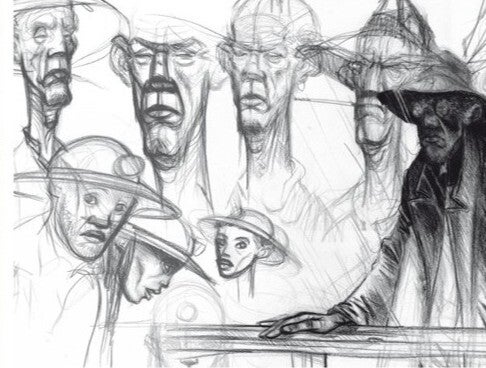
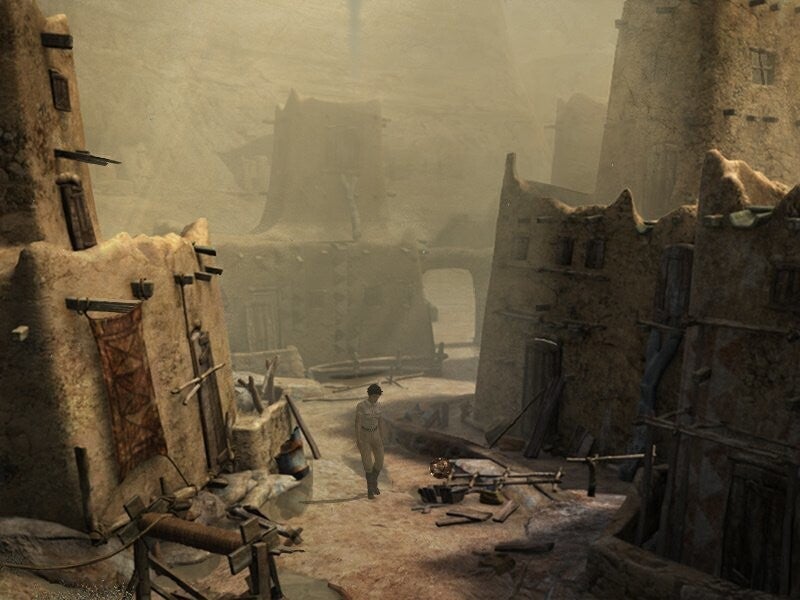
The waters carried us to a mining settlement called Zamarat — or what remains of it. The mines have been empty for ten years, and it would take much longer to reach anything valuable again. We’ll probably never know what else could have been found in the depths, because our madam eventually becomes the reason the entire mine floods. Before reaching the mines, we wandered around the settlement, searching for any sign of our feline.
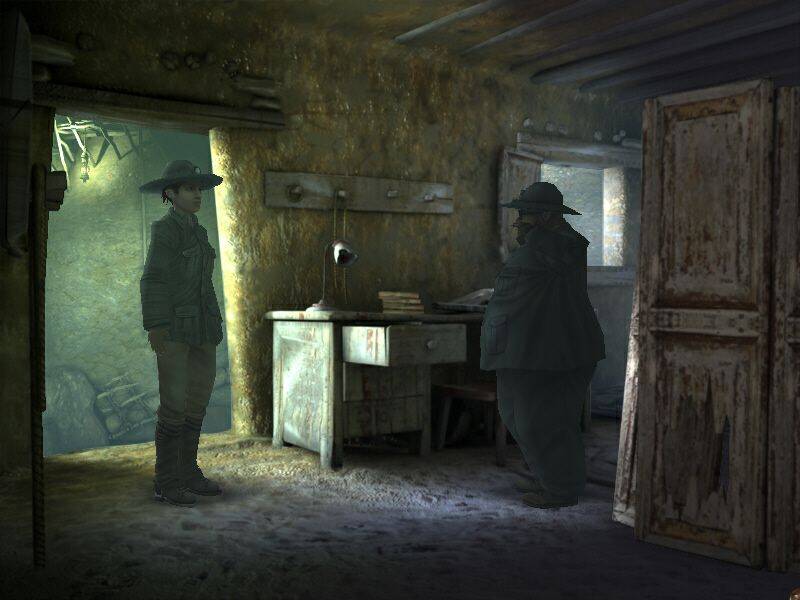
No one knows how, but the leopard has somehow made its way deep underground. The miners, already feeling unwell from working in such depths, react stubborn, hollowed out by routine, and barely functioning. When a leopard suddenly appears out of nowhere, it’s not exactly an ordinary day for them.
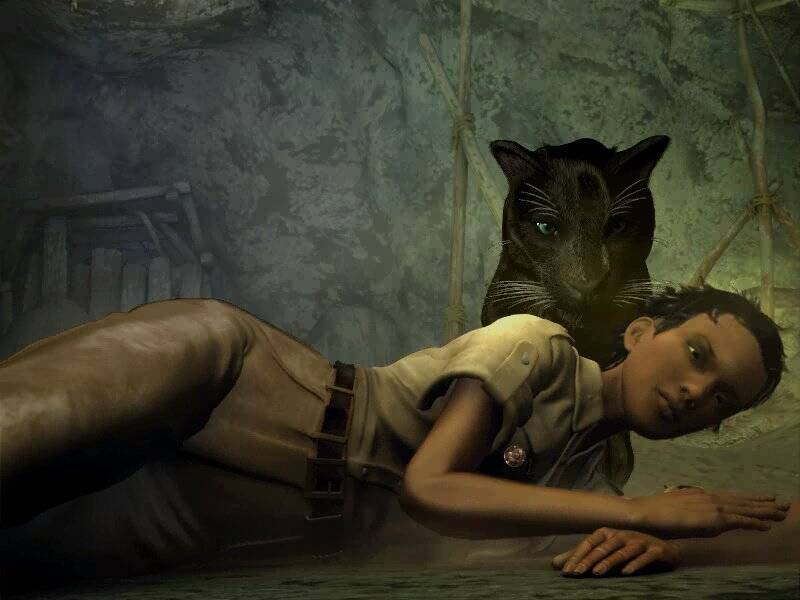
When we return to the surface, we witness the gruesome consequences. The king’s men either believed Malki was dead or assumed they had been lied to about her presence here. In any case, the soldiers — always eager to earn their pay — left behind a butchering scene of hanged and shot miners. These people had nothing to do with any of this, yet they took the blame. It’s a brutal reminder of the regime’s cruelty.
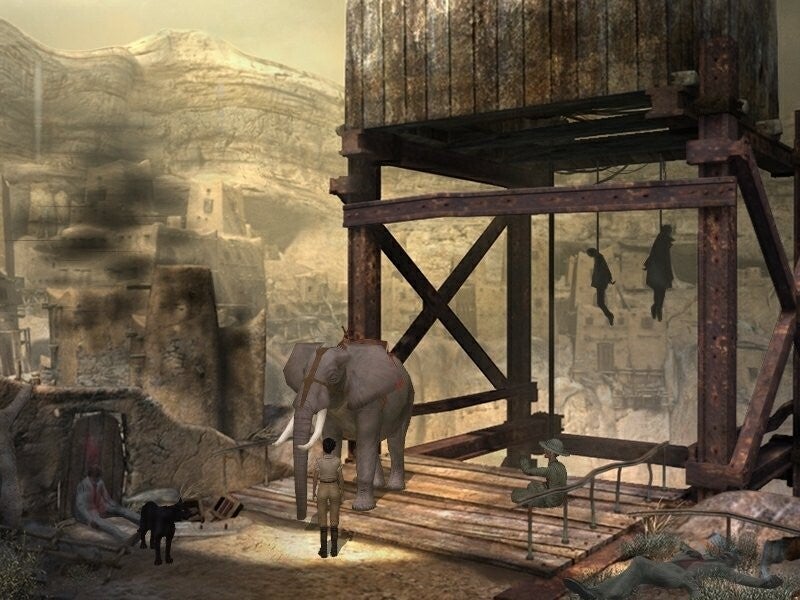
Our madam is recognized by the mine director, who immediately locks her inside one of the houses and calls to announce news to the king’s soldiers that Malki has been found. Her father had ordered people across the land to search for her after her plane was shot down.
Once again, our master of disguise switches clothes, grabs a hat, and takes the lift down into the mines in search of escape — and, of course, her feline companion.
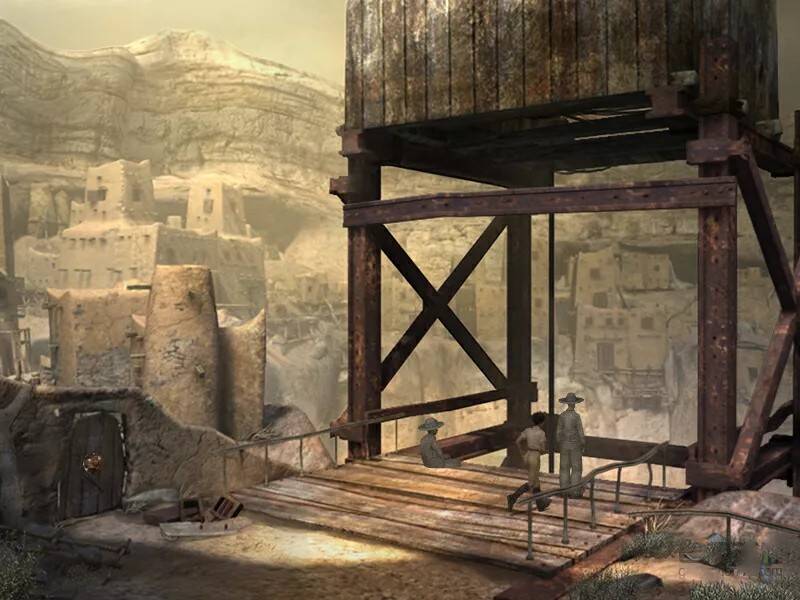
We descend even deeper, completing a puzzle sequence to open a path into the lower levels. There we speak with the mine’s engineer, find the leopard, and eventually trigger a collapse that floods the mines. Whatever happened down there stays down there

But we gain a new form of transport: an elephant. A blind one, but elephants can live perfectly well in such a state. Their hearing is heightened, their sense of smell is sharp, and their eyesight — even when intact — is roughly comparable to a human’s, especially at night.
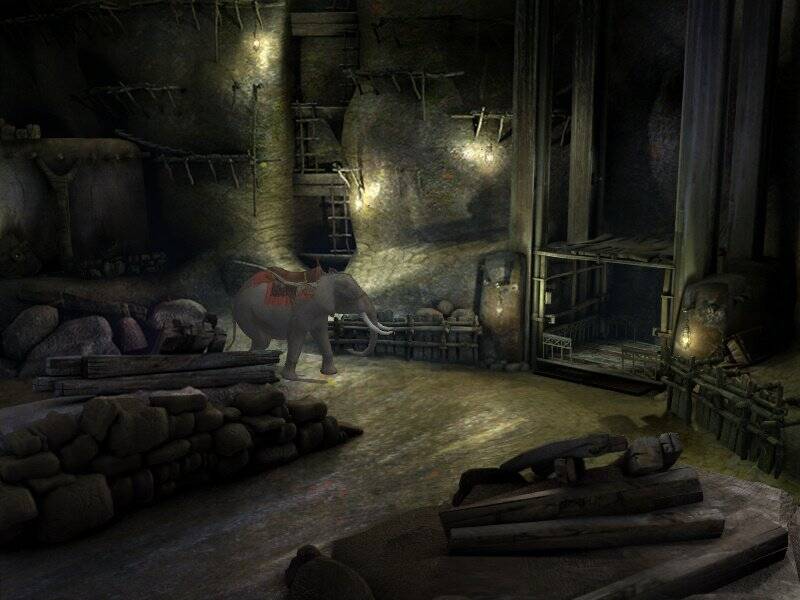
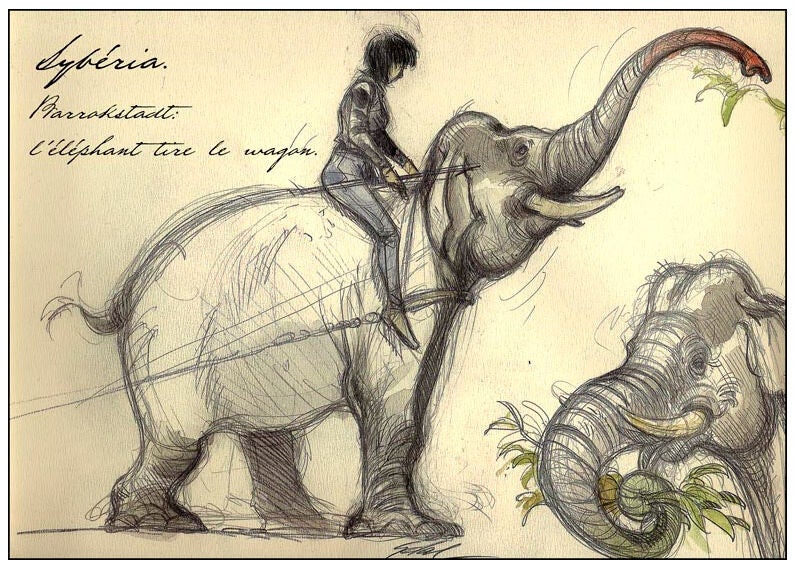
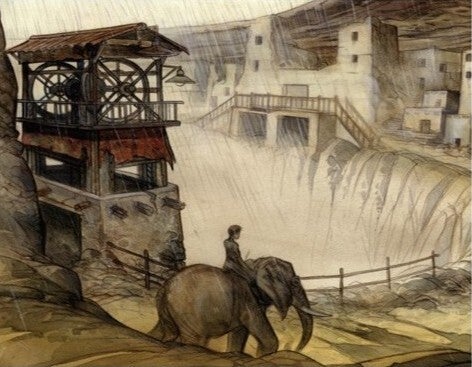
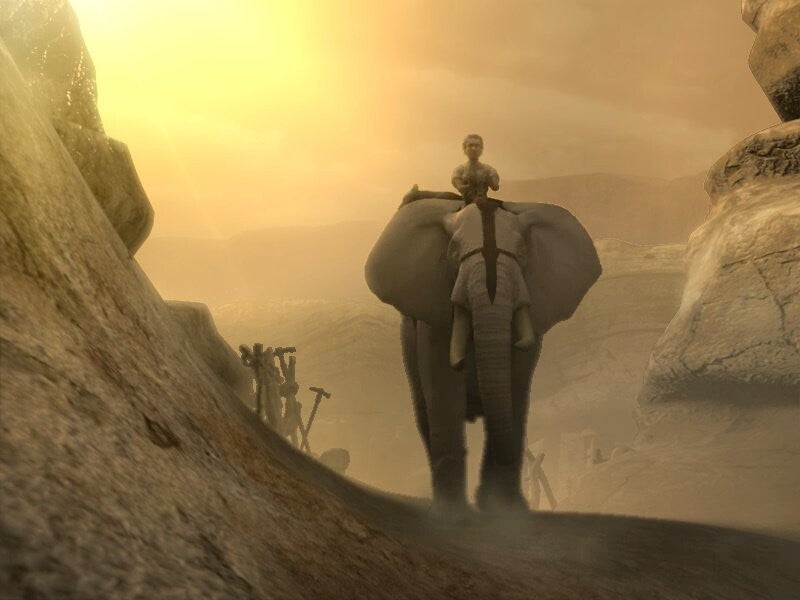
And so, our story nears it's ending.
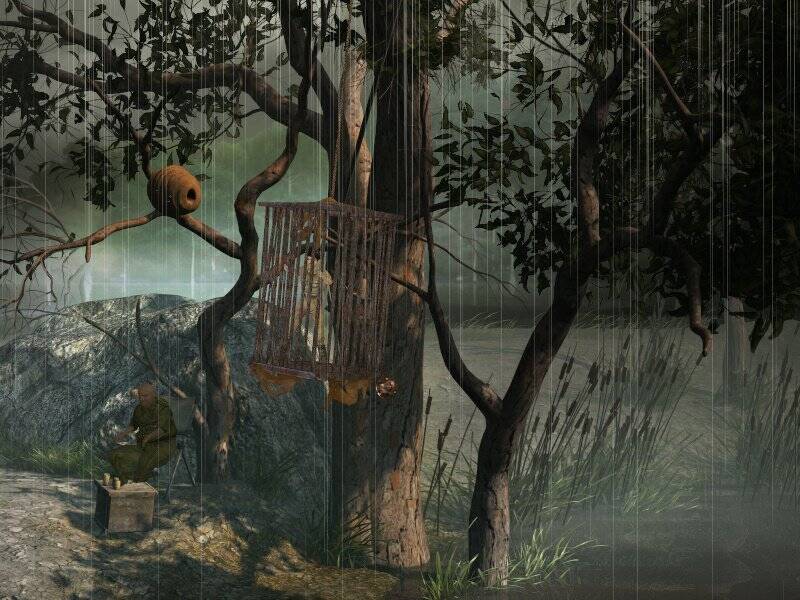
But here comes the disturbing part:
it was the rebellion that shot down her plane.
From the broader story, we learn that the rebel leader had instructed Malki to stay home and not intervene. He had already decided to change the course of action. But she ignored his instructions and flew to Africa anyway.
Our madam eventually is caught by the rebel army — the same rebels she has been magnificently evading ever since she left the palace. Apparently, her amnesia works in our favor. The rebel leader knows Malki, and the two of them were once involved in planning the rebellion and overthrowing her father.

Her father received information that his daughter was coming — but how did the king’s army know the princess was on that plane? And if the rebels knew it too, why shoot it down?
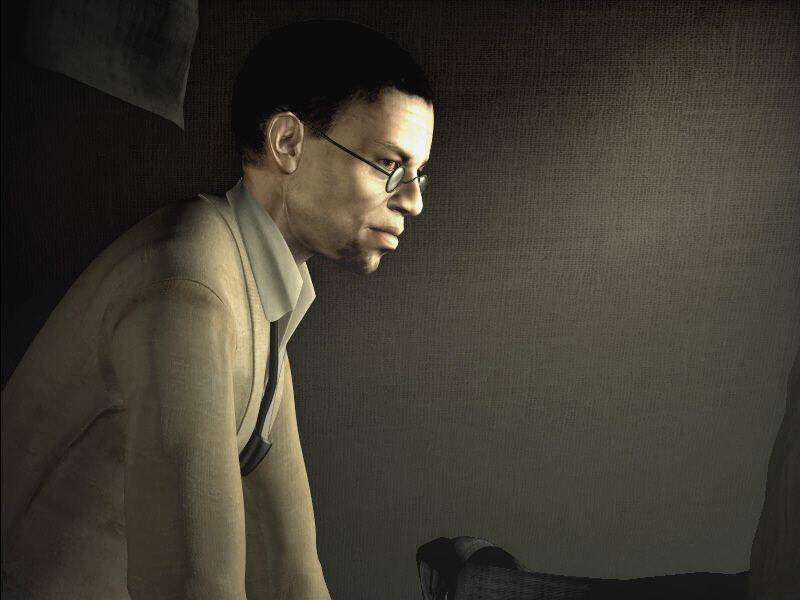
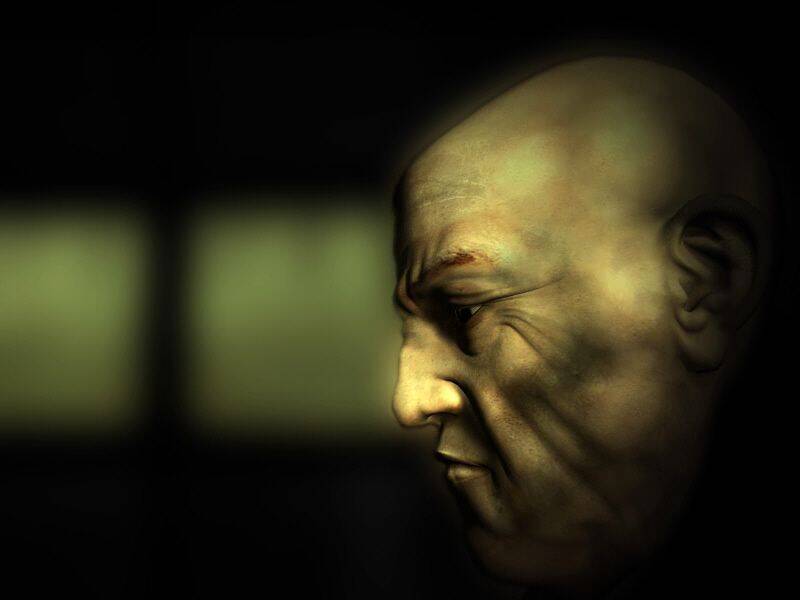
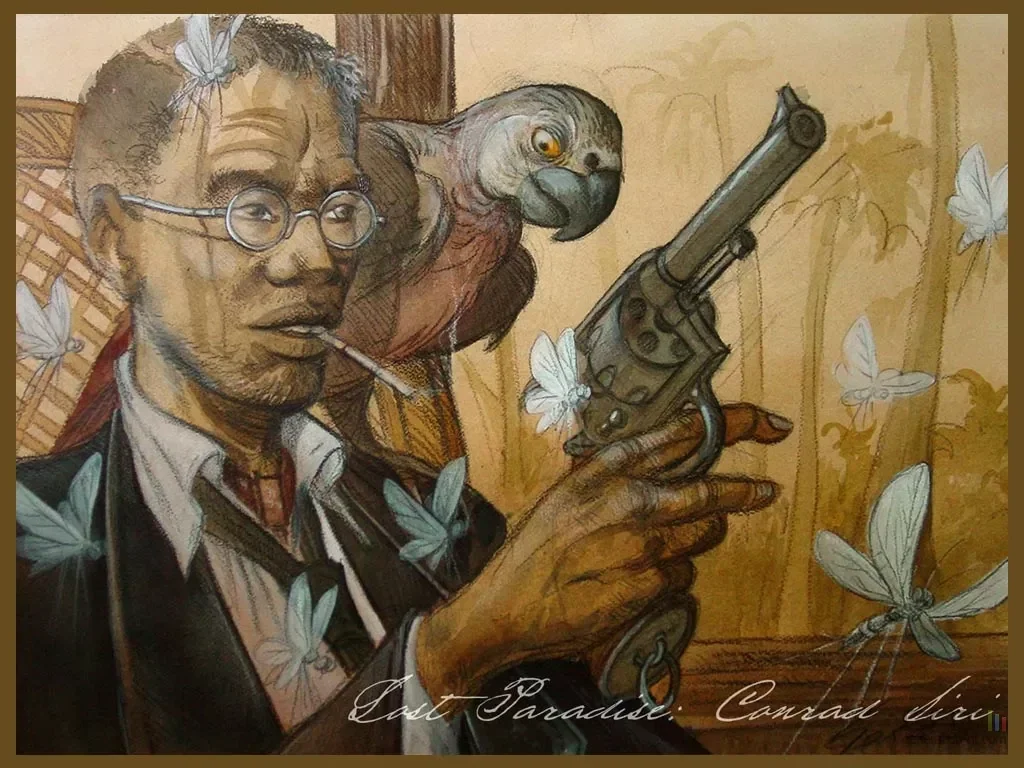
What were they thinking ?
Questions, questions, questions.
We will never know what mastermind was moving the pieces in this political chess game. Who is lying, and who is telling the truth ? Each side always claims to hold the truth from their own perspective — or do they ?
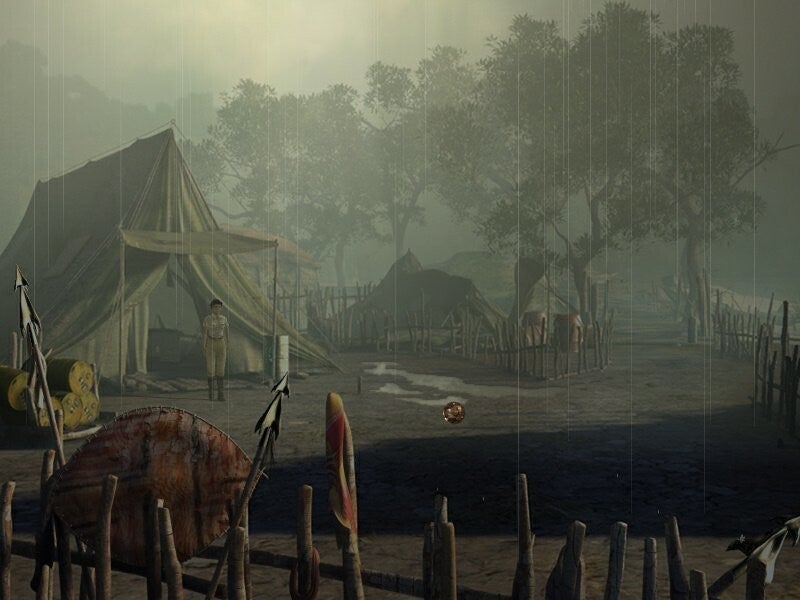
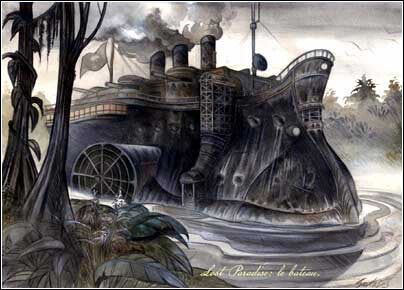
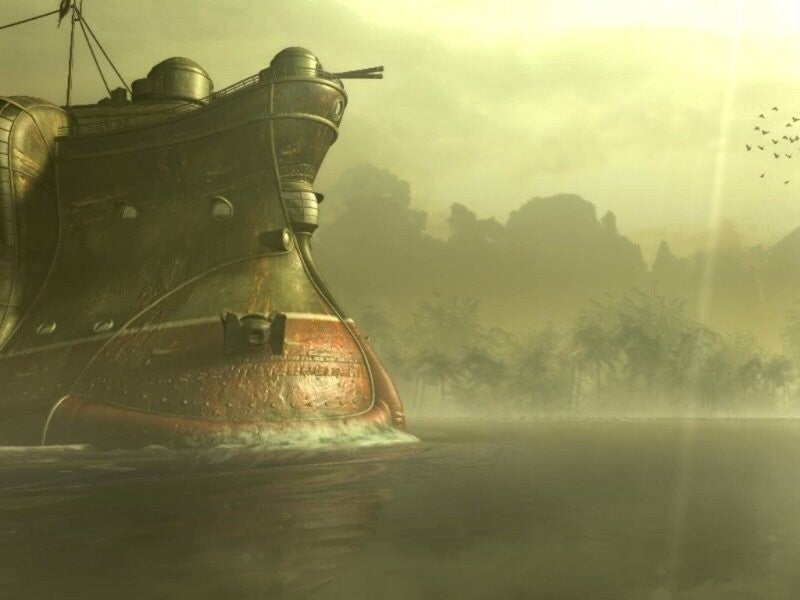
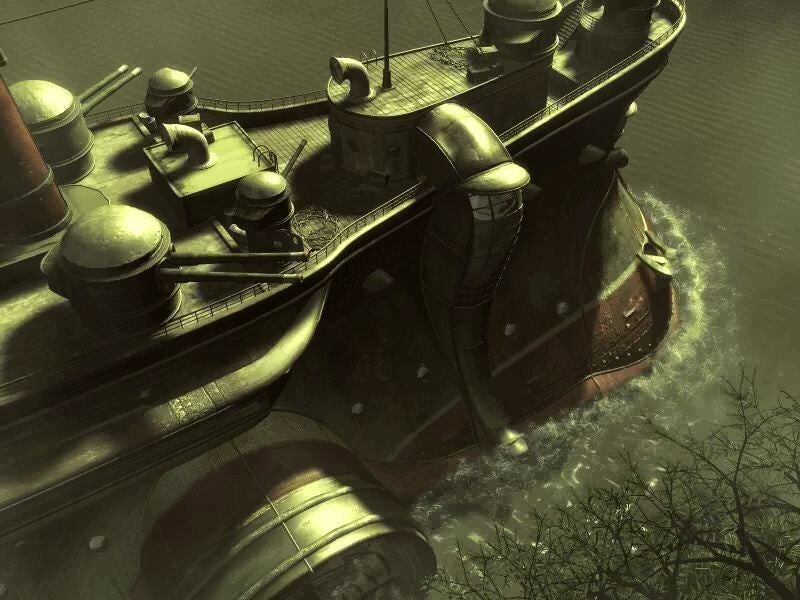
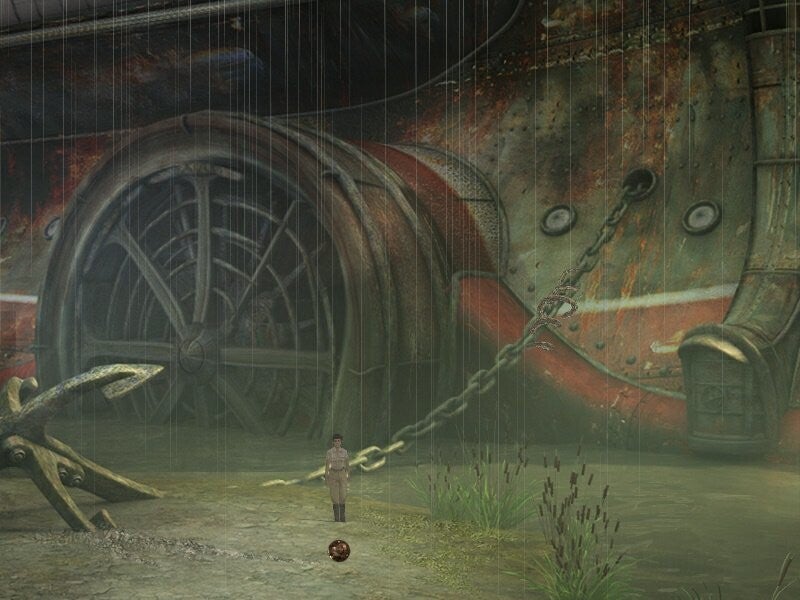
The Black Ark — the ship on which our madam’s father is sailing, also called the Ship of Death — is beating war drums with the help of strange sniffing mammals. Our task is to silence the drums, because among the rebels there are believers who associate the drumbeats with the war‑drums of spirits. Superstition, yes — but superstition is one of the oldest weapons of war. Still, there are blanks in the logic: if some rebels don’t believe in spirits, why couldn’t they stop the drums while we were on our way to the ending?
But fine — without our intervention, the story wouldn’t move forward.
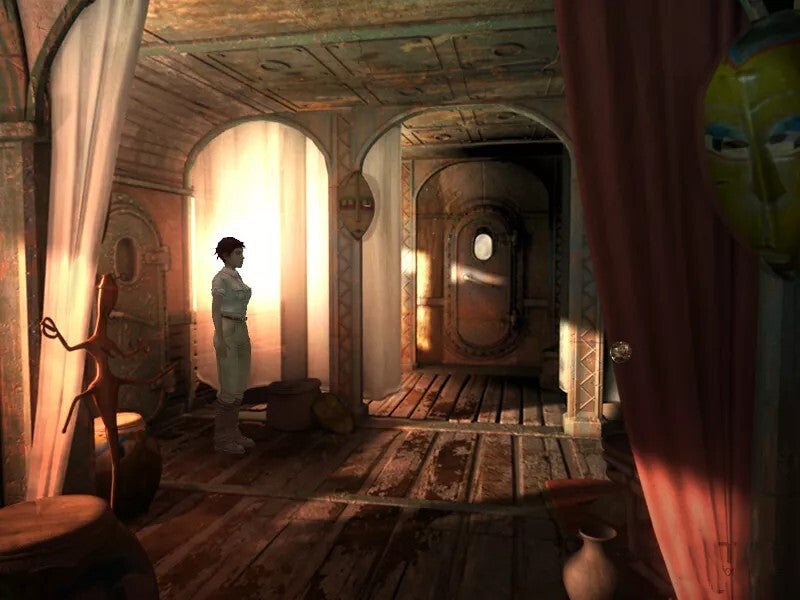
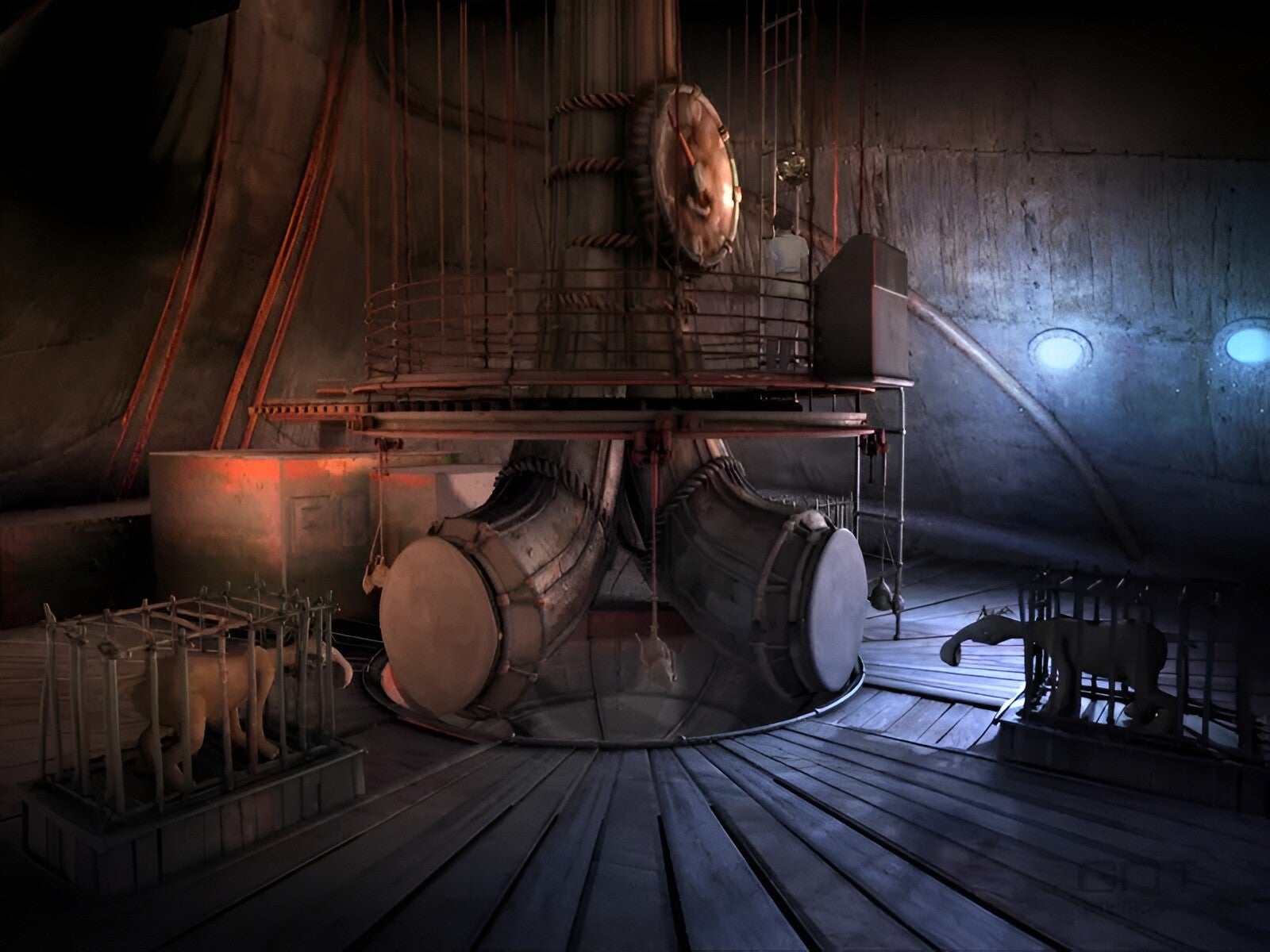
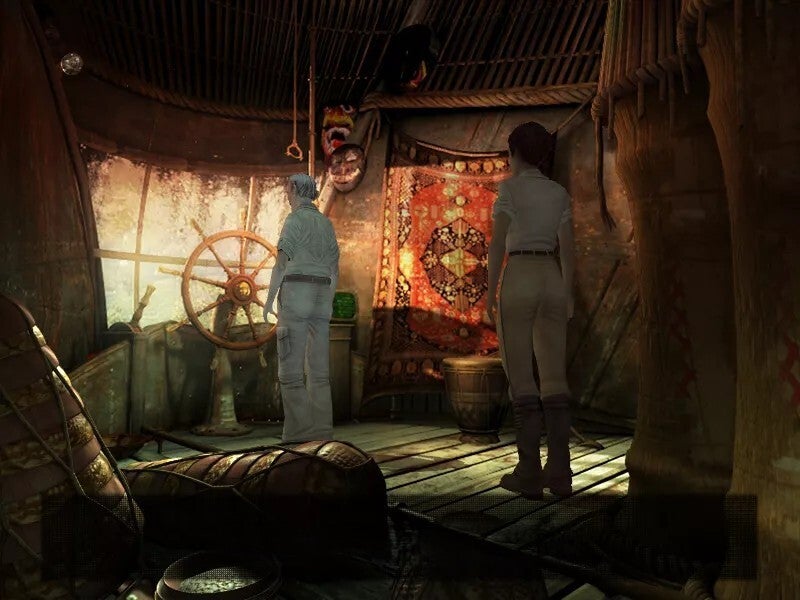
And yet, after we stop the drums, we witness a strange kind of desperation. In Syberia II, we faced dangers that threatened Kate’s life. Here, after silencing the drums, we face the king’s right‑hand man. He has a pistol. He could aim it at Malki, force her to come with him as a captive. Instead, he shoots himself right in front of her. What on earth is wrong? It’s not as if he was being tortured or facing a rebel trial with no escape. His suicide serves only one narrative purpose: to leave the pistol behind for our madam to pick up.
On our way to the room where the king is waiting, we enter a small chamber where our black leopard lies in a circle of candlelight. When it wandered off earlier, it was wounded and brought here barely breathing. Interesting — who did this to him? Would he survive? Another set of unanswered questions. A tribesman — specifically a healer — is performing a ritual dance to cure him.
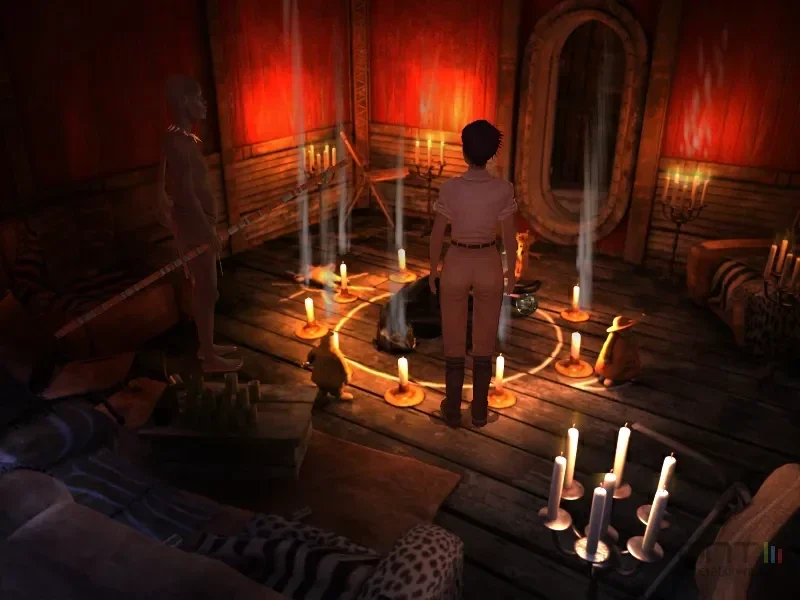

As for the father’s fate, judging from the final cutscene, Malki places the pistol against his forehead, and the camera pulls away from the ship as a gunshot echoes. So perhaps she killed him. Perhaps she didn’t. Her father tries to ask whether she remembers her childhood. Our madam only replies, “My name is Ann Smith.” Yet when she raises the pistol, she says, “I returned to kill you, Father.” Maybe something returned to her memory. Maybe not.
What can I say about the story as a whole? It was White Birds’ first standalone project, based on a novel, and it’s hard to justify how many logical threads are left dangling. But again, we play as a woman with amnesia. She doesn’t know her purpose and is trapped in a mental loop: I need to get home. I’m far from political theory, but I understand psychological manipulation and the use of authority. Malki is the princess of Maurania — her father calls himself a king, but in truth he is a dictator ruling an unstable land.
She is politically entangled in her father’s fading life. He would eventually die, leaving the kingdom to whoever seized power next — rebels or another prince, it wouldn’t matter.
What matters is the relationships that existed before the story began. My guess is that her father contacted his daughter and asked her to visit. Malki, on the other hand, had planned her arrival with the rebel leader, whose aim was to overthrow the king and rule himself. As with any rebellion, it cannot go unnoticed or bloodless.

In the larger picture, we have a land ruled by a single man, in his own favor. Someone decided to end that rule. But if history teaches us anything, a rebellion rarely creates a civilized new order — it simply replaces one ruler with another. Malki’s involvement makes sense as a catalyst: someone valuable enough to ignite violence around her.
As I said, she is viewed as an asset in the conflict. And like any asset, she is used — and then discarded.
Her fate would probably be sealed as food for the creatures of the river.
What keeps one's inner gears turning is one’s will and good mood to do something they’ve set their hearts to. For me it was establishing a new company and being the one in charge of the entire procedure. And I managed to do that, but what a mistake that was! It was a really beautiful mistake, but a mistake after all. You can't be a creator and at the same time be the person who’s managing the company.
What motivates me is a good adventure, one I actually want to experience.
Interlude
I’ll confess: while gathering material for this post, I realized I had played and completed all the games I mentioned — except Sinking Island, another of Benoît Sokal’s titles.
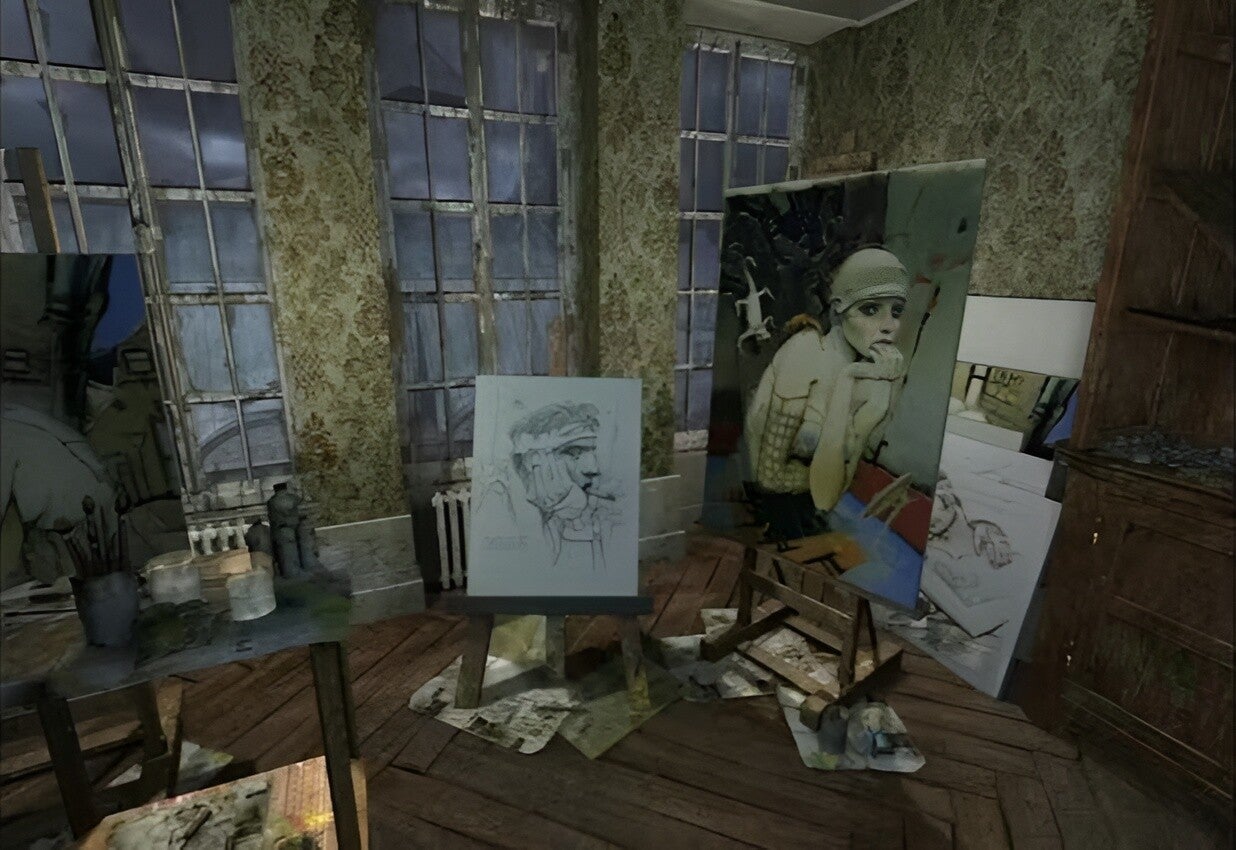
My connection to Nikopol actually comes from the 2004 film Immortal. I was drawn to it because of Bastet and Anubis — once I saw a screenshot of them, my curiosity was caught immediately.

To my astonishment, chess‑boxing, once‑fictional sport was officially recognized and turned into a real, professional sport.
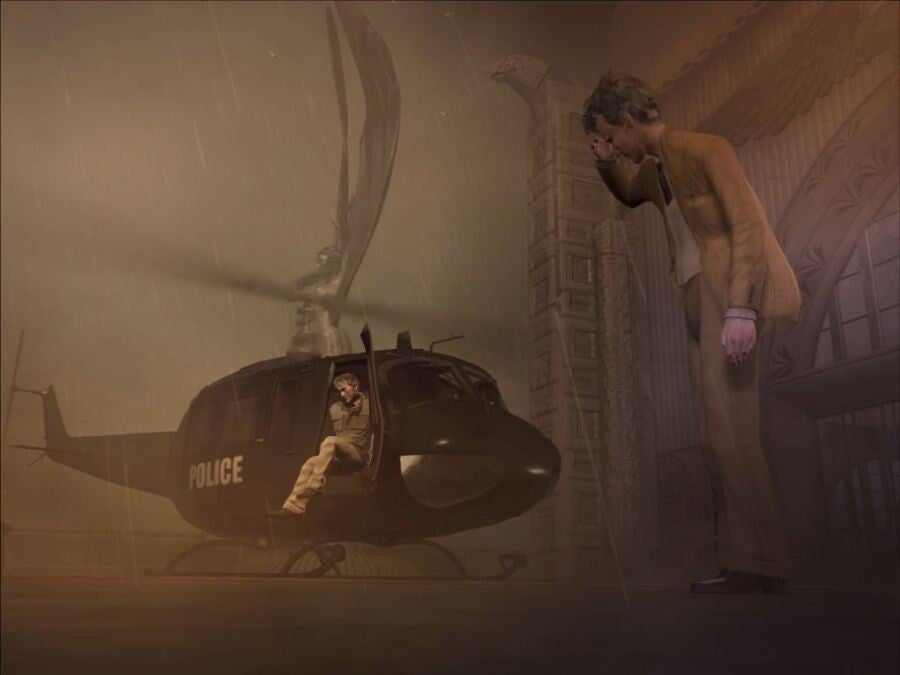
As for Nikopol: Secrets of the Immortals, it was developed by White Birds Studio, but Sokal himself wasn’t involved.
During deeper research, I discovered that the film is based on Enki Bilal’s comic trilogy Nikopol, I myself haven't read a comics yet, and I will draw a comparison lines from what I have read or listened from reviews.
The movie itself gathers the main elements from the comics: the floating pyramid, the Egyptian gods, the political conflict, and the strange interactions between gods and mortals. There’s the blue‑haired woman, the protagonist Nikopol, and the surreal dynamic of Ra’s intervention. It’s science fiction, so it carries its own strangeness, but I enjoyed it. I’m naturally drawn to cinema projects that fall into very specific, unusual categories of satisfaction.
My long‑term favorite film, however, remains the first Avatar. As a child, I watched all three hours without looking away — except during commercial breaks.

As for the Nikopol game, it’s a point‑and‑click adventure with timed sequences that can lead to an instant ending if you fail. Whether it’s an interesting project depends on the player, but I would recommend knowing the basics first — either by reading the comics or watching the movie — because the game takes some of the strangest parts of the backstory and flips them upside down. I haven’t played it myself, only watched a review.
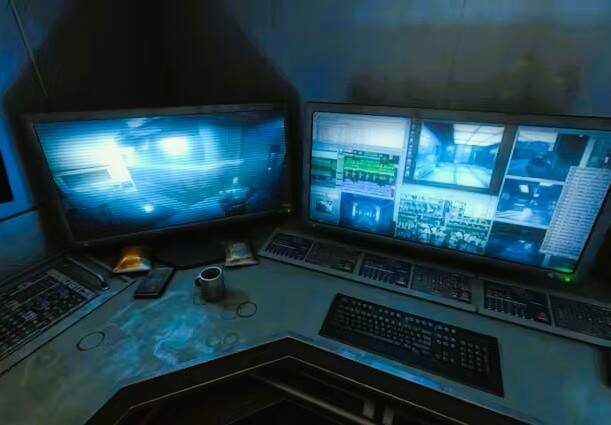
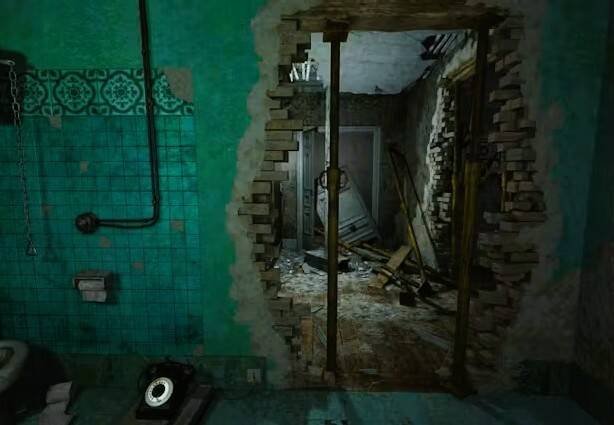
As for Sinking Island, I’ll try to summarize the story based on what I’ve gathered, but I won’t linger on it too long. I didn’t know about its existence until recently, and when I began writing this text, I decided simply to acknowledge it rather than dive deeply into it.
My apologies for the roughness along the way.
Sinking Island takes place on the fictional island of Sabura, located in Maldivian territory — a tropical paradise at first glance, but one that will be swallowed by a storm in just three days. On this unstable island stands a massive luxury hotel, built on foundations that are already beginning to fail. Our protagonist is Jack Norm, a married detective who occasionally receives calls from his wife. He is sent to the island to investigate the suspicious death of billionaire Walter Jones. Officially, Norm’s task is to confirm that the victim wasn’t murdered and died of natural causes — an ideal scenario, since Jones had known health issues.
But the very fact that a detective is summoned suggests that “natural causes” are unlikely. When Norm arrives by helicopter, the island is already under storm warning. Jones’s body lies on the beach, untouched for far too long considering the tropical heat. In real‑world logic, a corpse would have been moved or preserved, but the game leans more toward narrative convenience than forensic realism — something common in point‑and‑click adventures.
Norm carries a KPK, a miniature personal computer used to store evidence, photographs, testimonies, and puzzle pieces. The investigation is timed: the player has three days to gather information, question suspects, and assemble the correct evidence. Failure is possible.
The island and hotel are large, with 18 floors and two lower levels. Suspects move around according to their own schedules, so the player must track them down — sometimes running from the library to the canteen, or returning to Norm’s room because his wife calls. Even eating dinner consumes time.
There are ten key witnesses, each with motives, secrets, and connections to the victim:
- Jones’s advocate, who was blackmailed into doing the billionaire’s bidding
- Two islanders (father and mute daughter), the original owners of Sabura
- Three grandchildren all married, all financially dependent, all desperate
- Their spouse's adding more tension and jealousy
- The architect who designed the unstable hotel
- Everyone gossips, everyone lies, and everyone pretends innocence while whispering behind each other’s backs.
This is typical of closed‑circle murder mysteries: a group of people trapped together, each hiding something.
It would make me a poor storyteller if I spoiled the rising flame of curiosity for this game, especially for those who want to discover the murderer on their own. But I will give a fair warning: the release version of the game doesn’t have mouth‑opening animations during dialogue scenes when you confront characters. You’ll need to fix the mouth animation first.
If someone truly wants to try the game afterward, it might be wise to share the mouth‑animation file from the French demo on other file‑sharing portals so it doesn’t disappear in the future.
https://steamcommunity.com/sharedfiles/filedetails/?id=866909648&insideModal=0
Outro
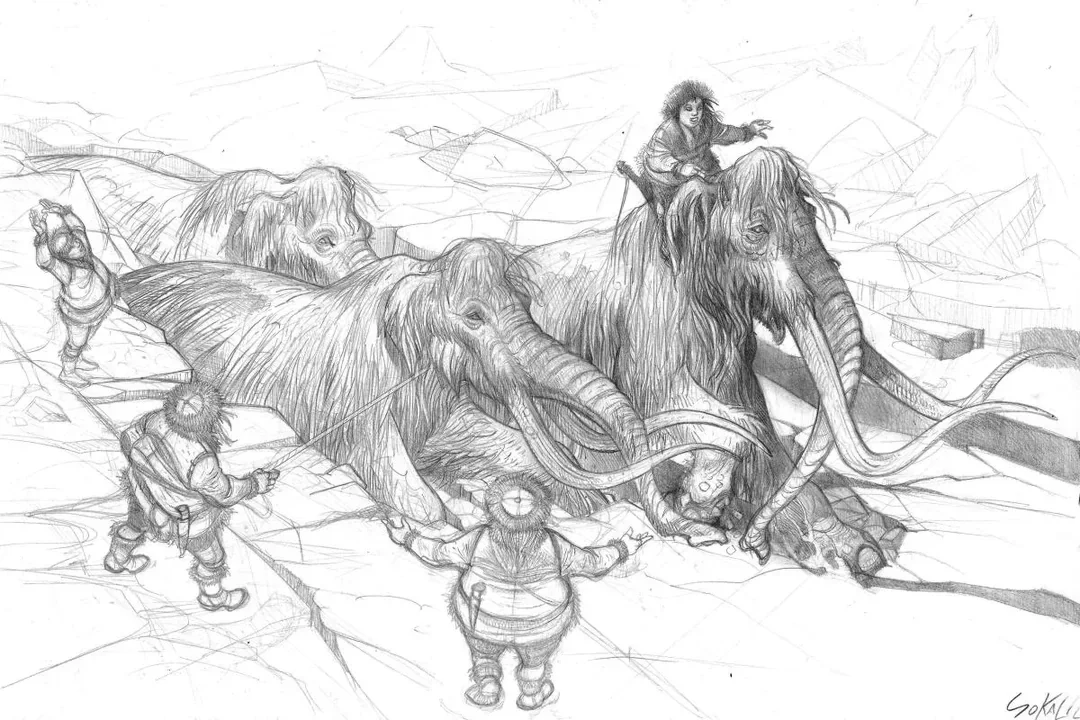
Here we are, closing in on the two last games of Syberia, the last works Benoît Sokal, before he passed away from the mortal realm. I’ll admit that when I first started writing about the first two Syberia games, I didn’t fully realize how many clicks and how much time they demanded from me. As a first playthrough, each took me around six to nine hours to complete. And yes, it was pretty obvious that I used guides whenever I couldn’t figure out what to do or, more precisely, where to go. Syberia 3 took about seven to eight hours — though I must confess, I fell asleep three times while playing it. I’ll make up for that in the story, don’t worry.
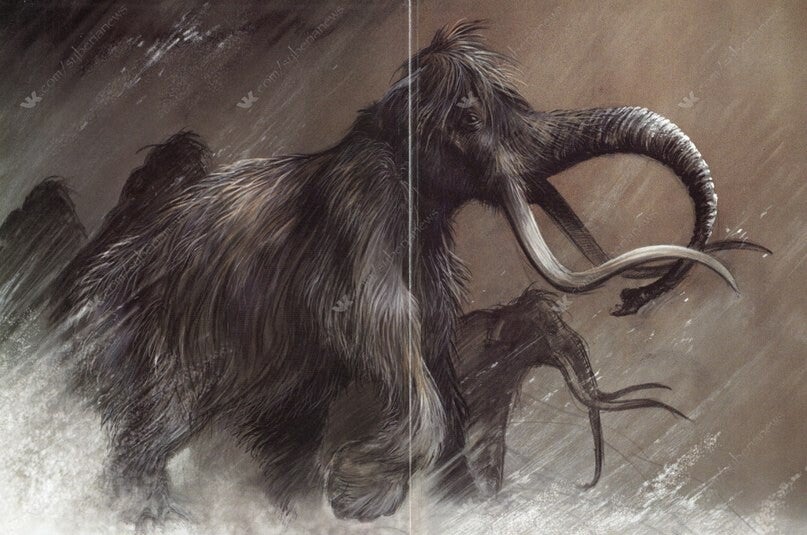
However I won't say that I didn't liked Syberia III, just it was unexpected, but without it we won't get world before. Probably better Sokal himlsef would explain:
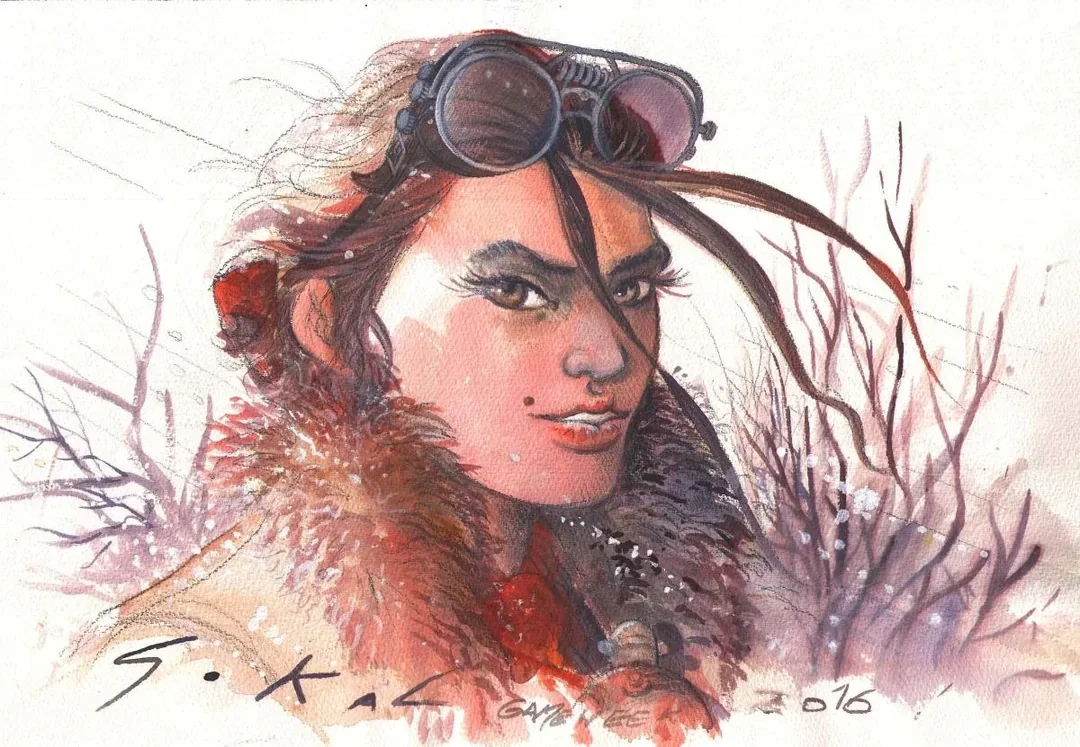
When I was writing Syberia III, I already knew that the first two Syberia games were the masterpieces of my work as a game developer. But you can't stop at that, you just can't leave it to that. At least, I personally never wanted that. I wanted to change, to make something different, something new. That's how the Syberia saga was created even though Canardo was already a great success. Because when I realized Canardo was successful, I automatically wanted to do something different.
The most important is that Kate Walker changed. At first, she was a very serious woman, one with a secure future. She was a lawyer, with a good job, a fiancé, a best girlfriend; she had what people call a 'good life'. But from the moment she leaves that status, she becomes a planet that has lost its sun. She's drifting like a leaf in the wind, going towards whatever may pull her, without having one steady point of reference any more. And that is exactly what an adventure is, that's what I personally believe an adventure is. This is a very important element in my opinion. If you remember at the start of Syberia 2, Kate Walker throws away her mobile phone. That for me is a symbolic gesture, one showing that this person has now no connections to things or people. This allows her to meet new people, see new places and experience different things; all of which could be real, but are not exactly real.
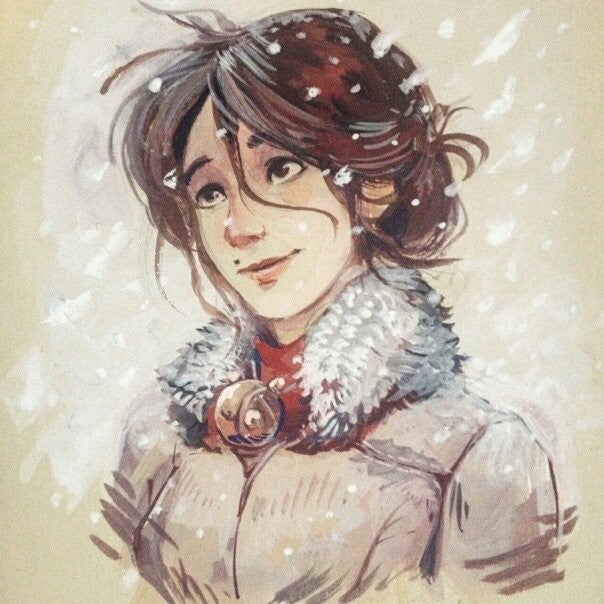
As for World Before — it was truly immersive. It took time to complete because it was so interesting, and while I was playing it, I honestly can’t recall whether I already knew Sokal had passed away, or if I learned it from the farewell message at the end of the game. But regardless, I liked it deeply. Compared to the first two games, I probably enjoyed World Before more from a story perspective.
I don’t want to sound harsh, but Kate Walker’s facial design in World Before didn’t quite satisfy me. Not that the first two games had fancy graphics, but it’s simply my personal taste regarding Kate’s appearance. Still, the story of World Before is what thrilled me, what kept me awake, what made me shed a tear with Kate at the end. I truly hope that one day we will see a continuation of World Before story — wherever Kate’s path leads her next, whatever she discovers, and whatever she may lose while reaching her new goal.
What matters is that Kate has become more than just a character remembered in the genre’s history. She grew into a human being, a personality, someone who feels like a real woman carrying real pain. In the middle of self‑blame, regret, and the temptation to give up, upon decision to return to a life that no longer felt like her own — she receive one more glimmer of choice. And she took it. She chose to seek reunion with her true past instead of forcing herself to face what she left behind on the continent she once called home.
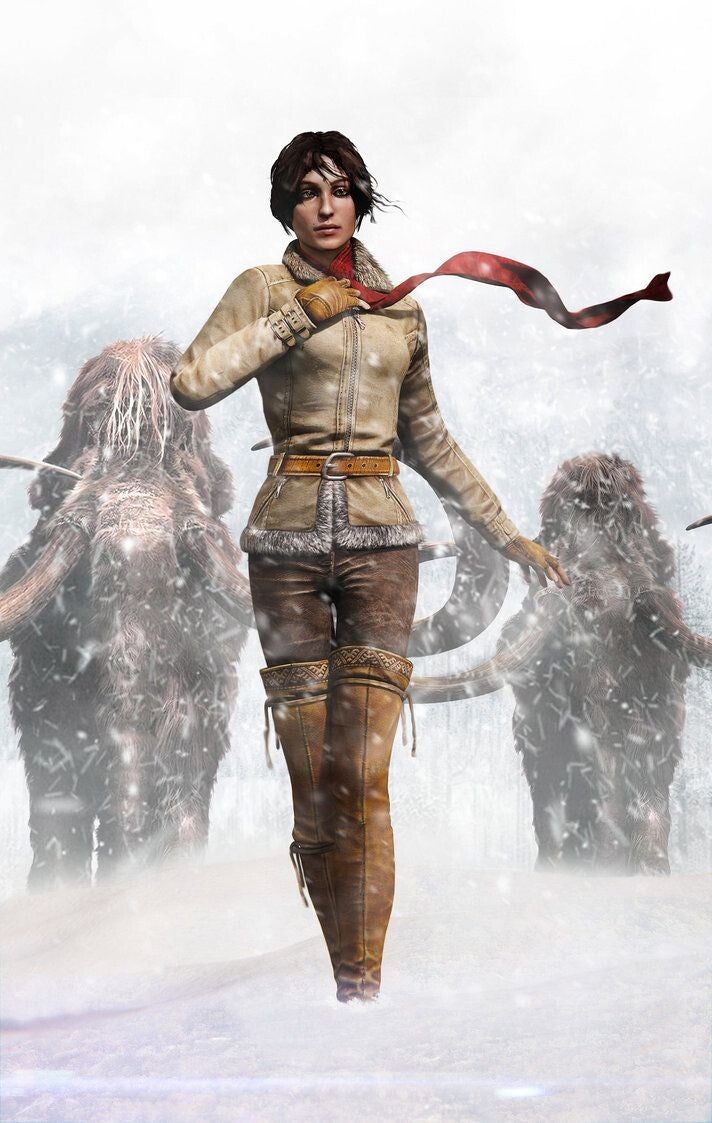

III
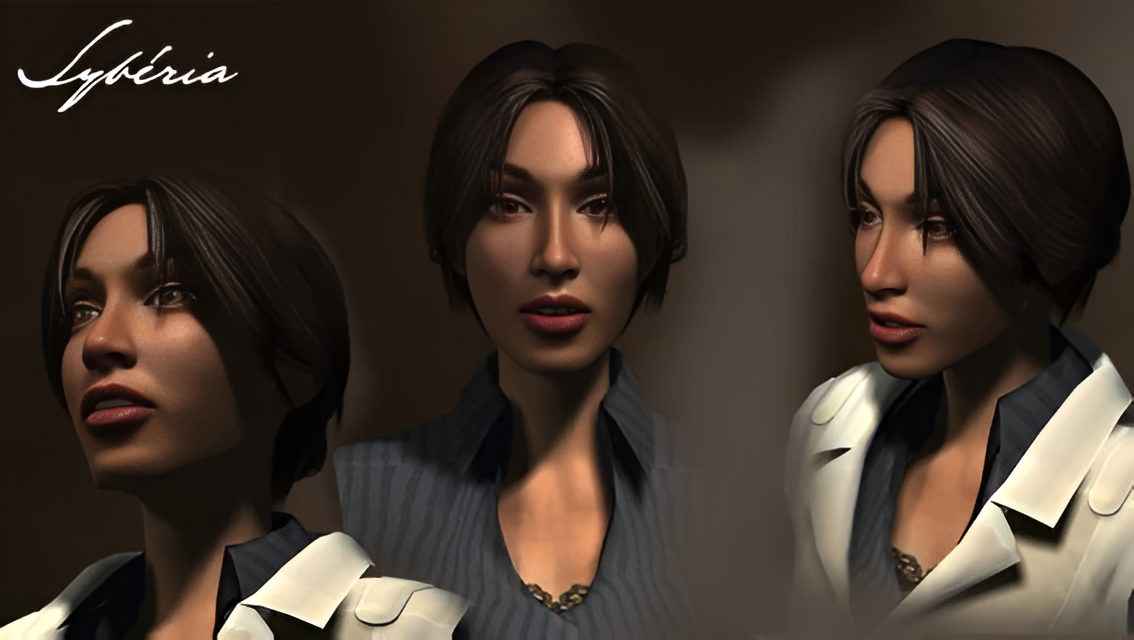
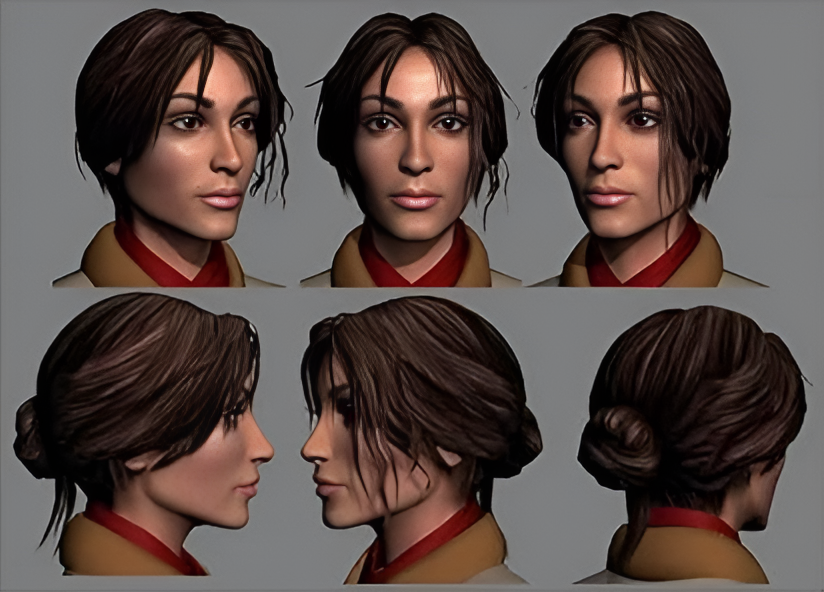
She is with more polygons I think, and a little bit sexier, and maybe a bit younger. But that is because of the graphic designers who have designed her as they pleased behind my back! Kidding aside, she is very pretty. But for me, Kate is the same, in my mind and in my heart she has not changed. Technology has evolved and thus Kate changed. She sure looks better thanks to the improved technology we are now using: her movement is smoother and her image -and especially her facial expressions- are more accurate, more detailed and life-like. But what interests me is her character. I care for her and I want her to evolve slowly and gradually.
Alright, now with my memory as fresh as it can be, I’ll start from what happened in Syberia III and include my own sleepy “manipulations” with the game. Getting lost in a maze of levels and wandering in circles is boring, and it happened to me more than once. Those little tricks I used while asleep, moving forward served me well before, and they helped me get through Syberia 3 too.

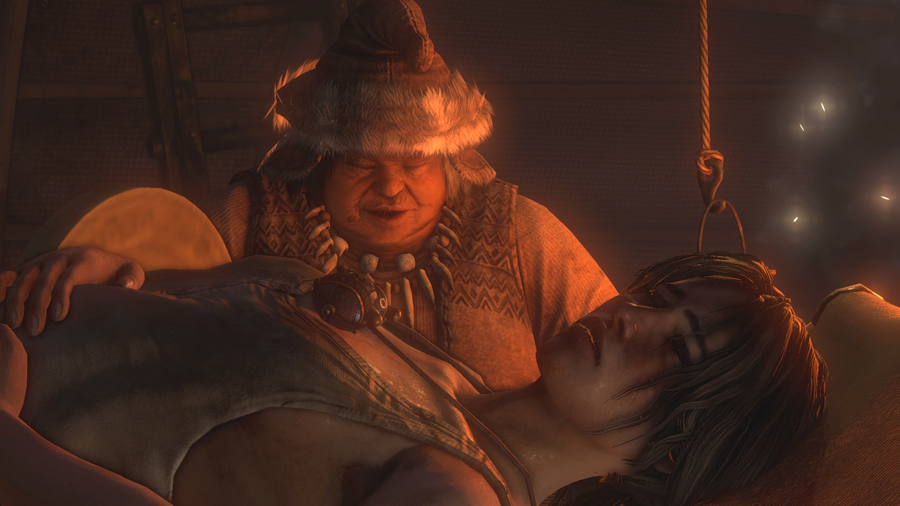
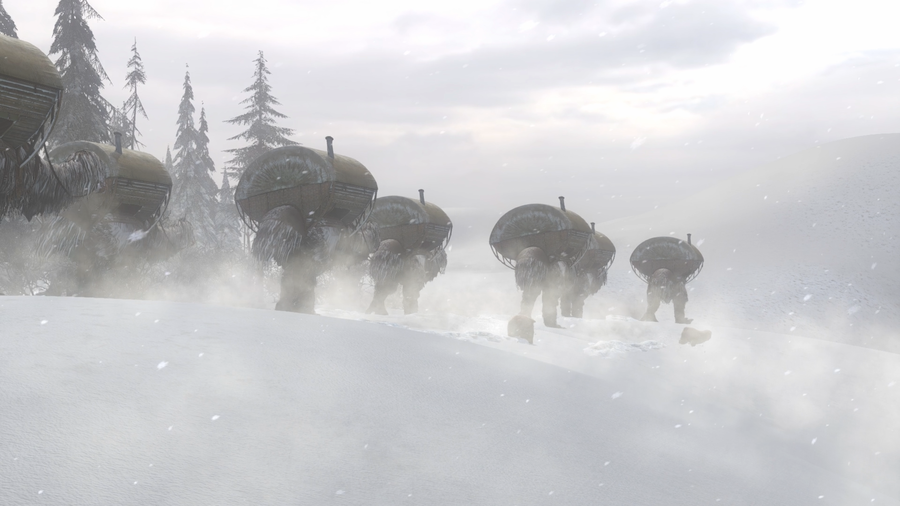
So, we begin with a brief reminder of past events. Kate has been lost in a blizzard after the end of Syberia II, and she never makes it back from the frozen lands on her own. The Youkol tribe finds her, but instead of keeping her with them on their journey toward their sacred land, they leave her at a clinic in Russian territory. I won’t circle around the subject: the place has the atmosphere of an institution that could easily hide darker things. World Before later shows us a gulag, so the theme of oppressive systems — taken from real life and used in the game — is not new.

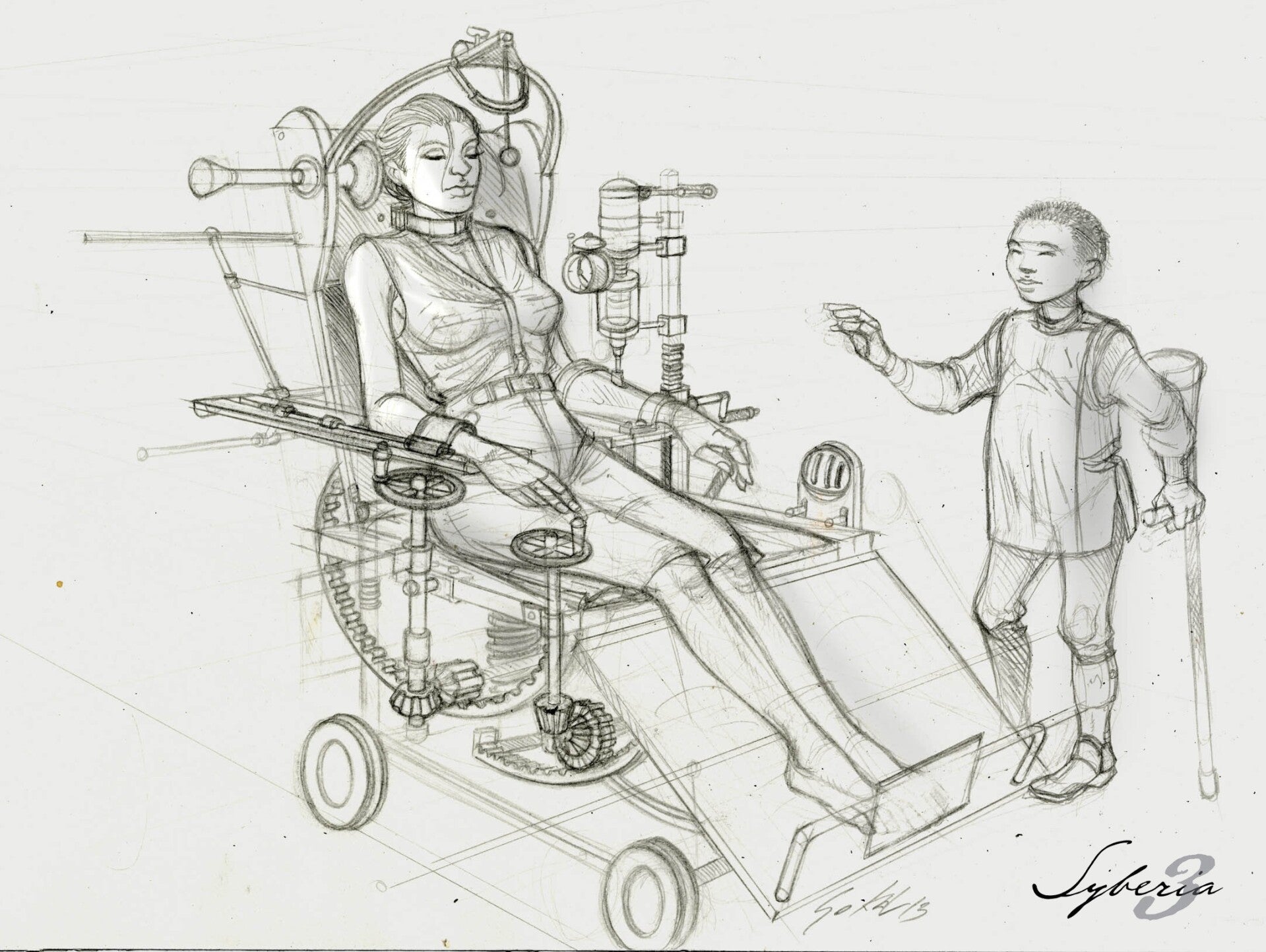
At one point we even sit in a truth‑detector chair, with the doctors watching every reaction. The story here is about understanding: how modern society treats nomadic tribes, how prejudice shapes behavior, and how little choice there is between recklessness and honesty.
Back in the clinic, Kate wakes up, and she’s not the only patient. She shares a room with a Youkol, and this is where we’re introduced to the new dialogue‑choice system. In the earlier games we simply asked questions; now we can choose how Kate expresses herself — lying, telling the truth, or shaping her personality through her answers.
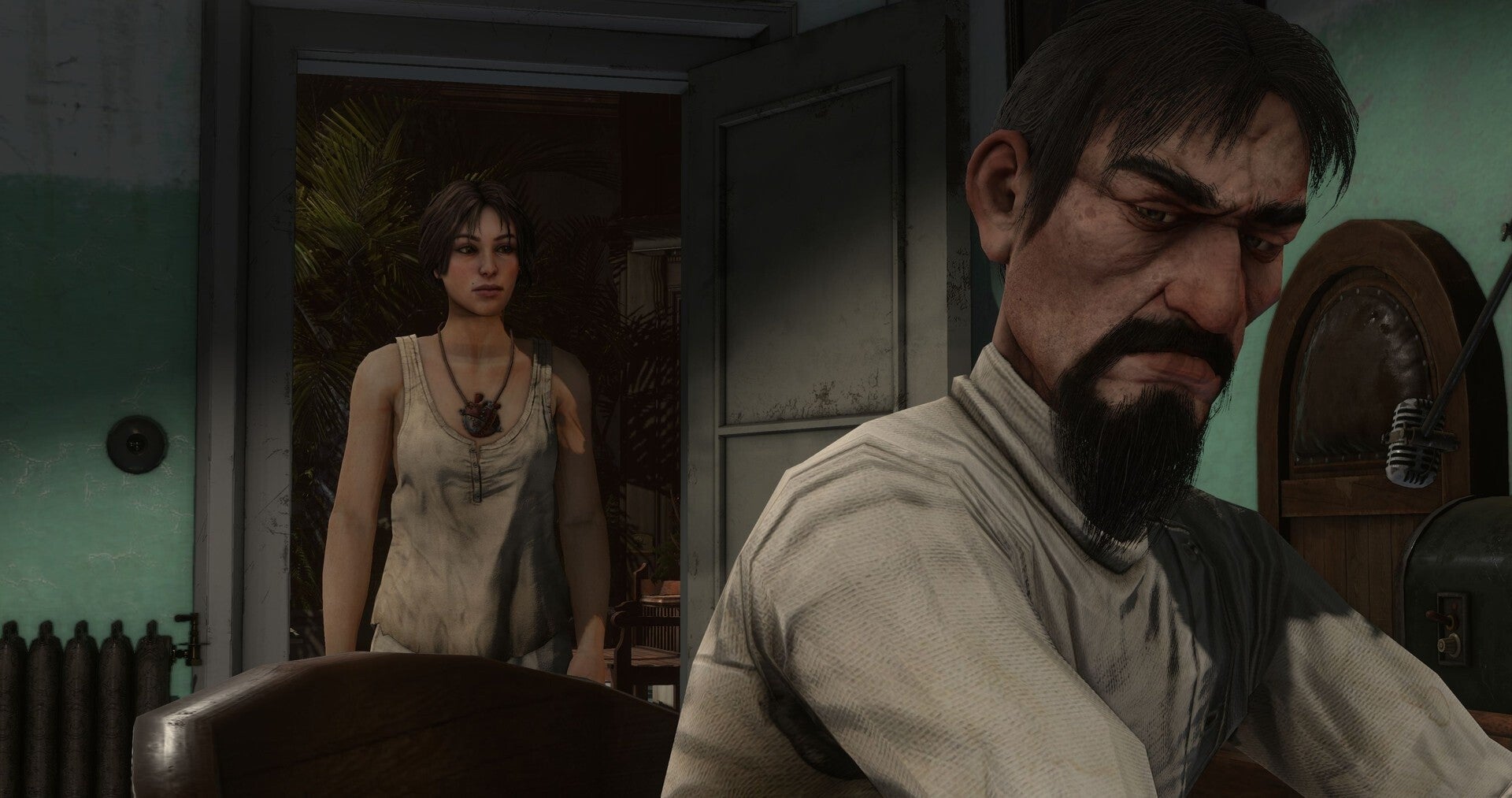
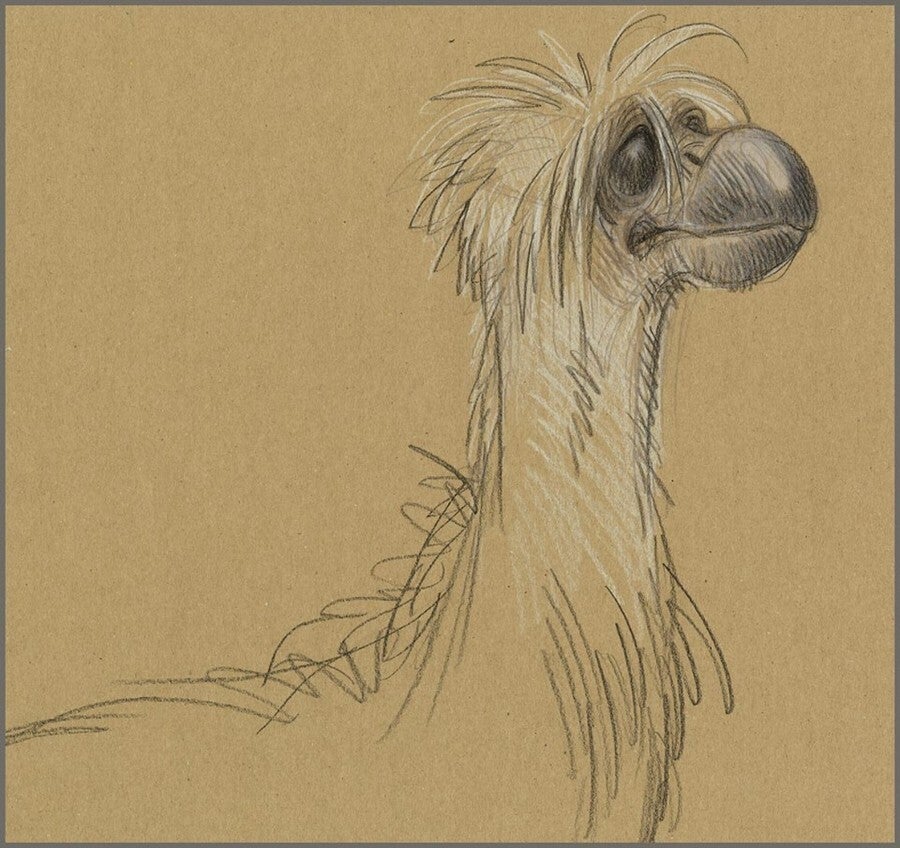
I’ll try to show both viewpoints, because many towns along the route are closed or hostile, refusing to let the Youkols near them.
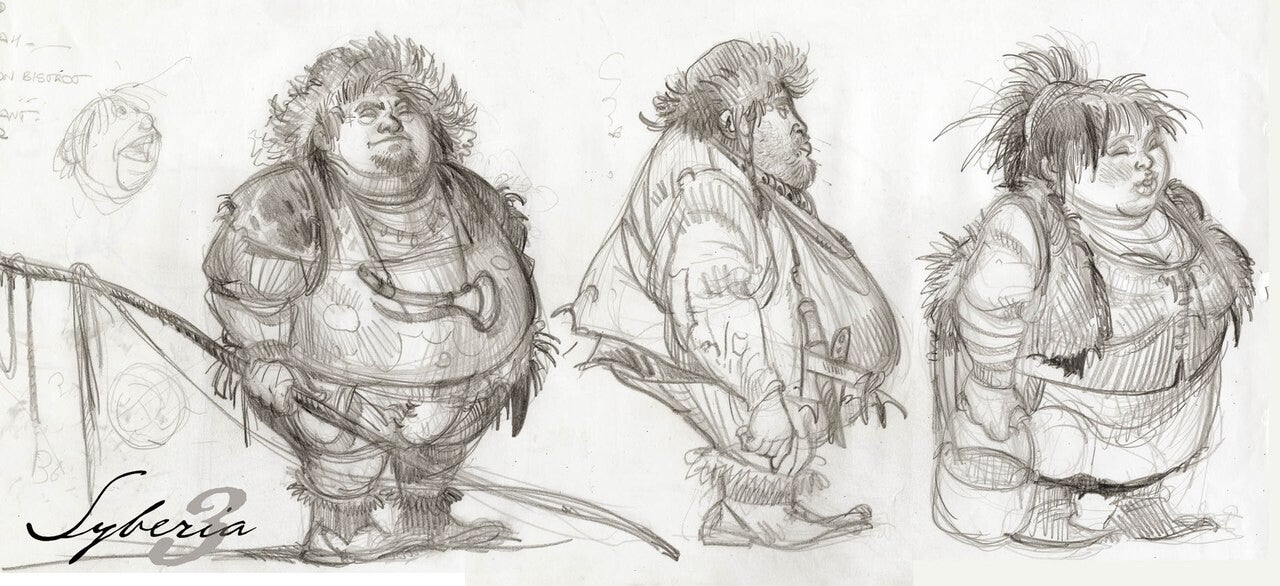
The Youkols are simply migrating as they always have, trying not to disturb anyone, yet they are treated as a threat. It becomes a question of what truly matters: understanding or territoriality. Doubt grows on both sides — among those who sympathize with nomadic people, and among those who no longer live by the natural cycle.
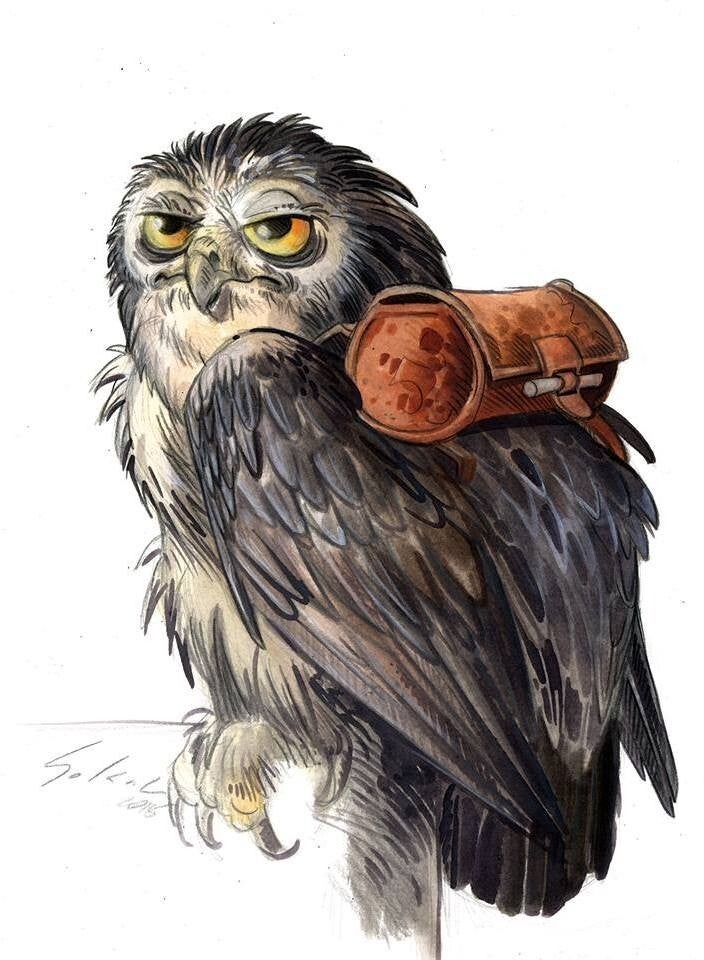
As events unfold beyond the clinic, a snow owl from the Youkol tribe becomes our messenger, carrying information in and out of the institution. Kate’s path becomes clear: first she must help the young tribesman by recovering his prosthetic, then she must help the tribe continue their journey toward their sacred destination.


After escaping the clinic, we help the Youkols with their ostriches — their mounts — by finding water and figuring out how to cross a river whose ice has melted, making it impossible to pass. At this point Kate is the only outside help for both herself and the tribe, and she must reach the nearest town to assist their guide.
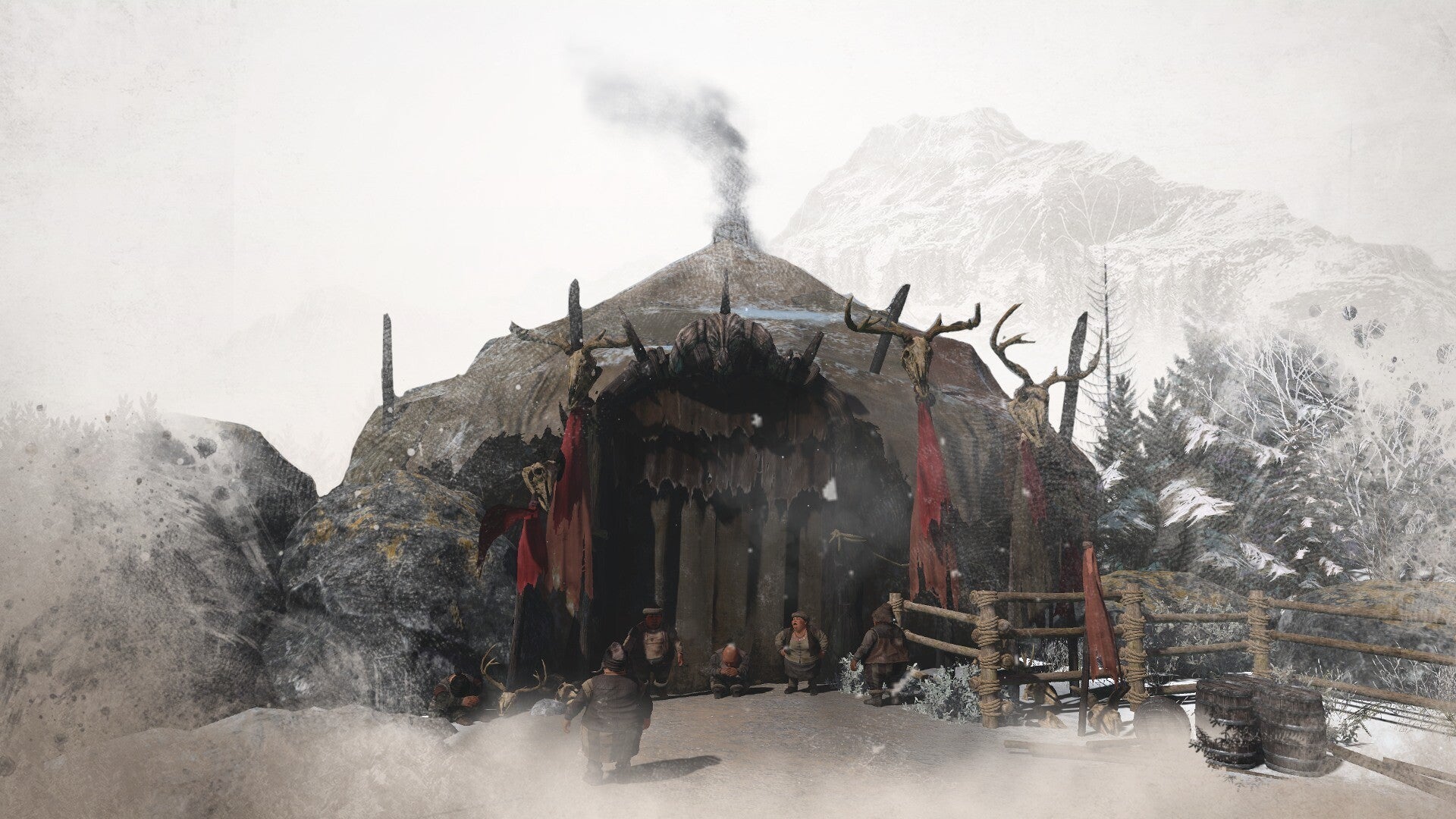
In any tribe, every role has meaning, every person has a purpose, and the group survives through shared knowledge and equality. That is one of the viewpoints the game tries to show.


As for Kate’s situation later on, I never fully understood the idea of her being kidnapped or kept as a hostage. Yes, she is an American, but her company had given up on bringing her home. So what purpose would it serve for people in these harsh lands to keep her, as if she were some kind of spy? I honestly didn’t grasp the logic behind it, and I’ll probably avoid giving a definite answer, because it never made much sense to me.
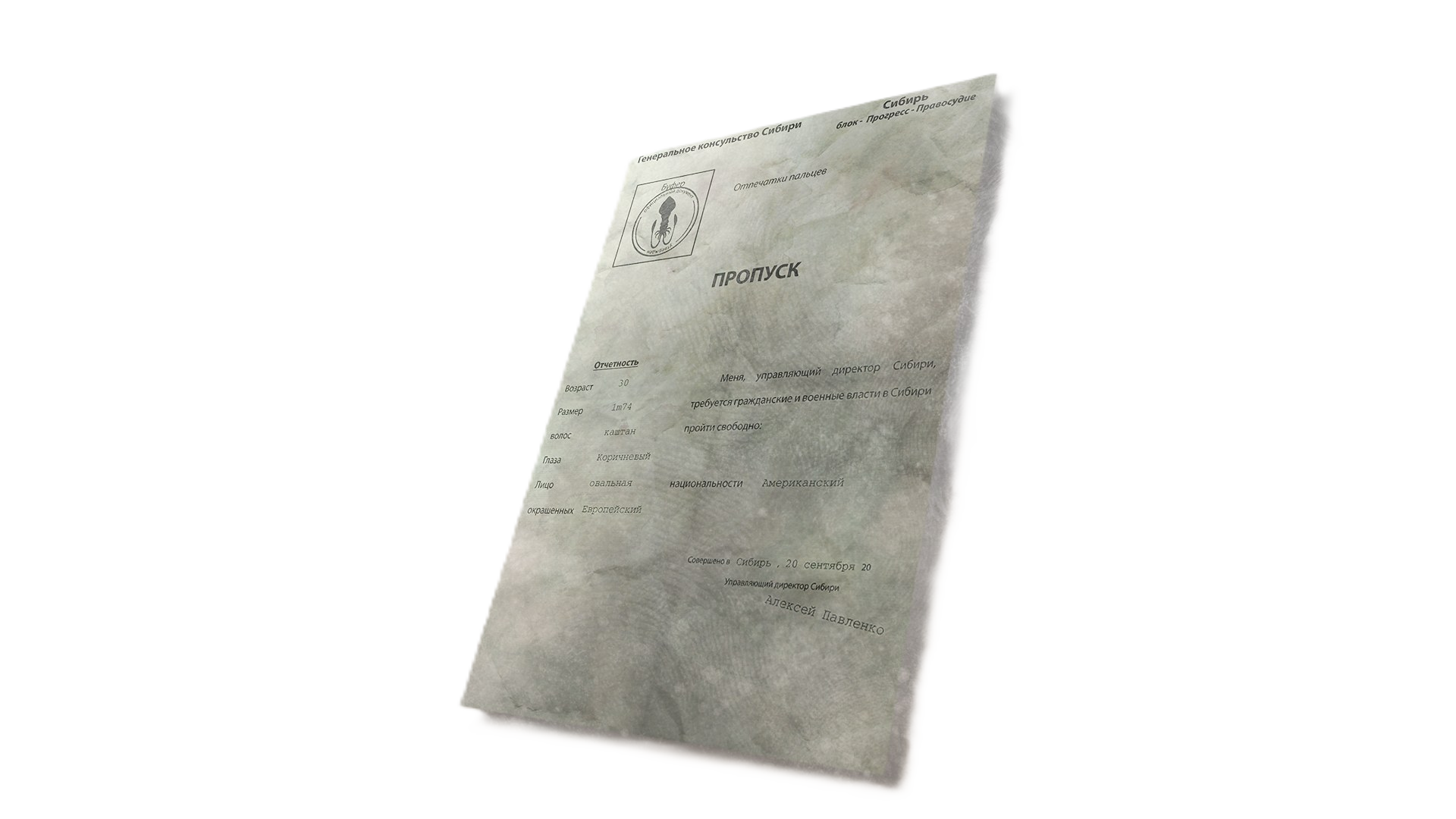
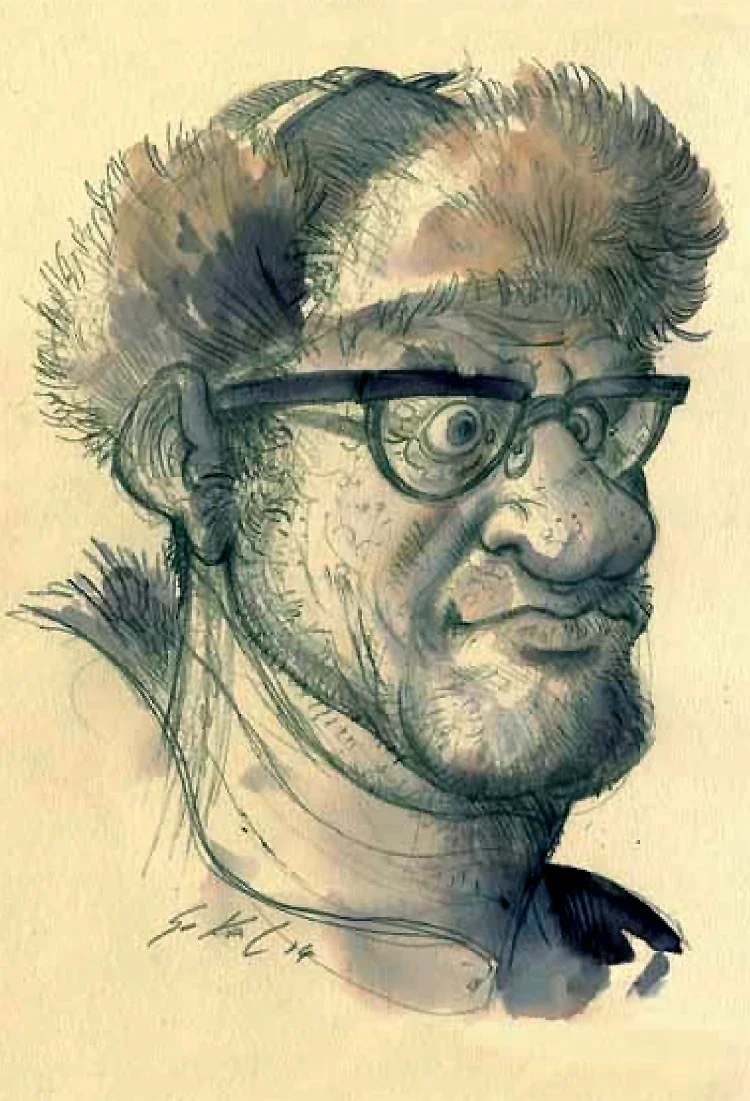
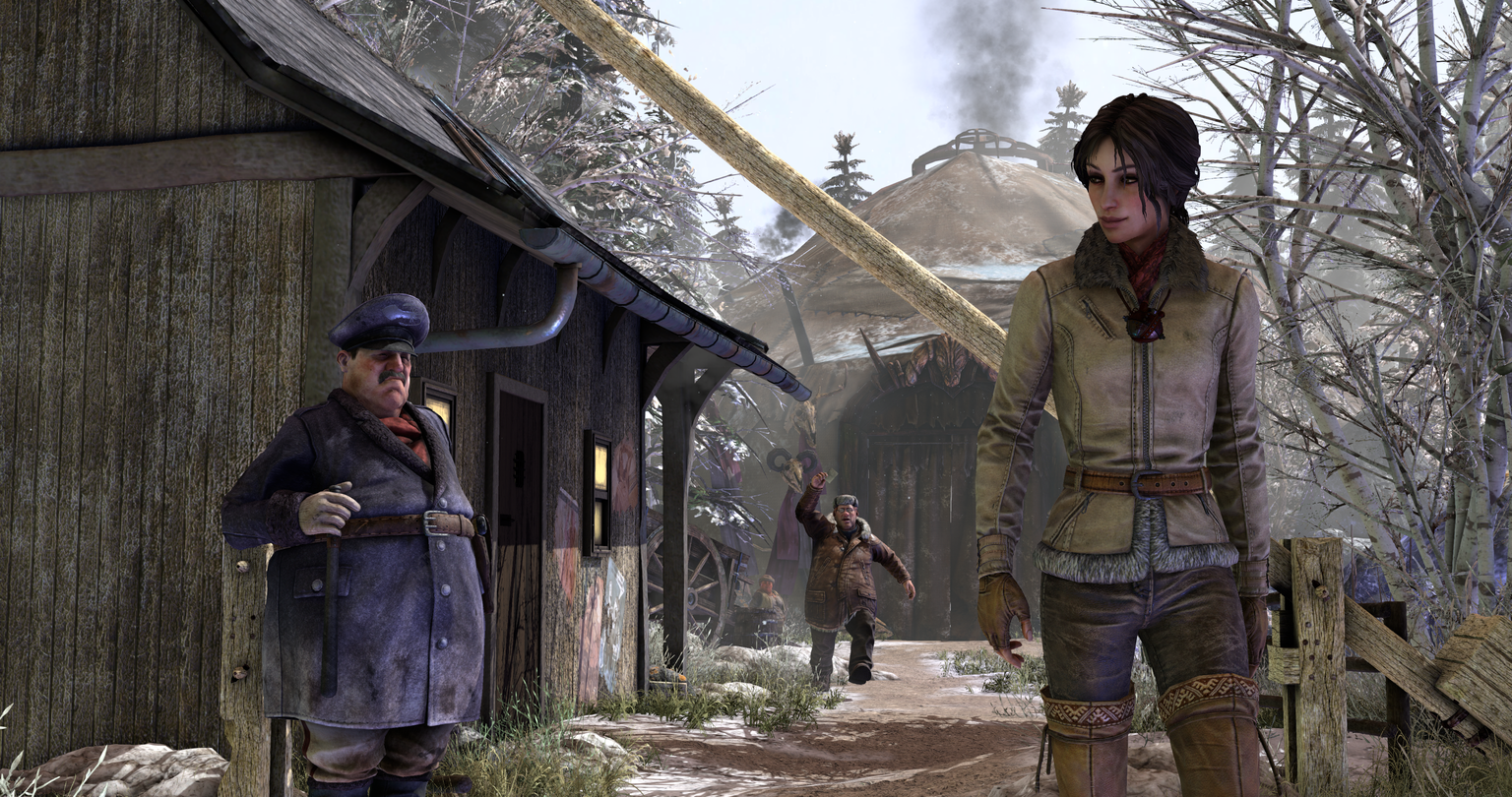
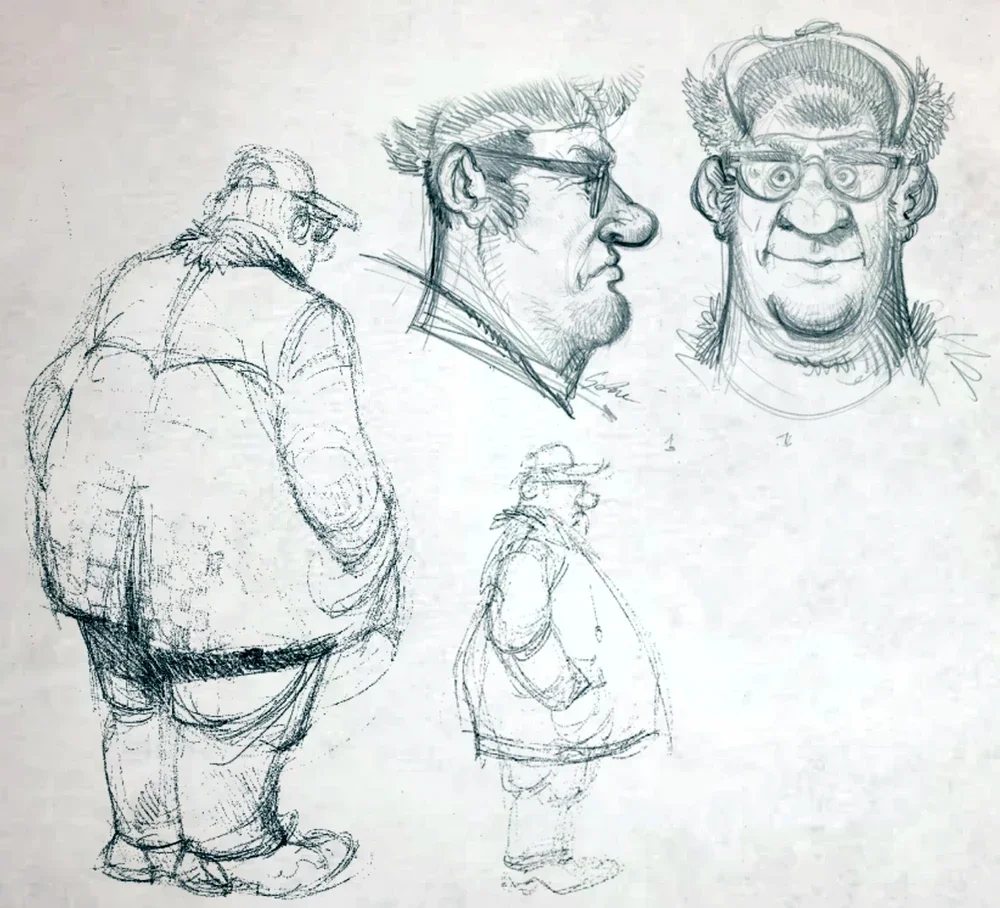
Well, not without a few more struggles and accusations, all meant to prove that our arrest was “in order.” We manage to reach the city — a wasted, silent place that has clearly seen better days. But here we finally find an anchor of hope: the captain. His ship will help us get the Youkols across the water.
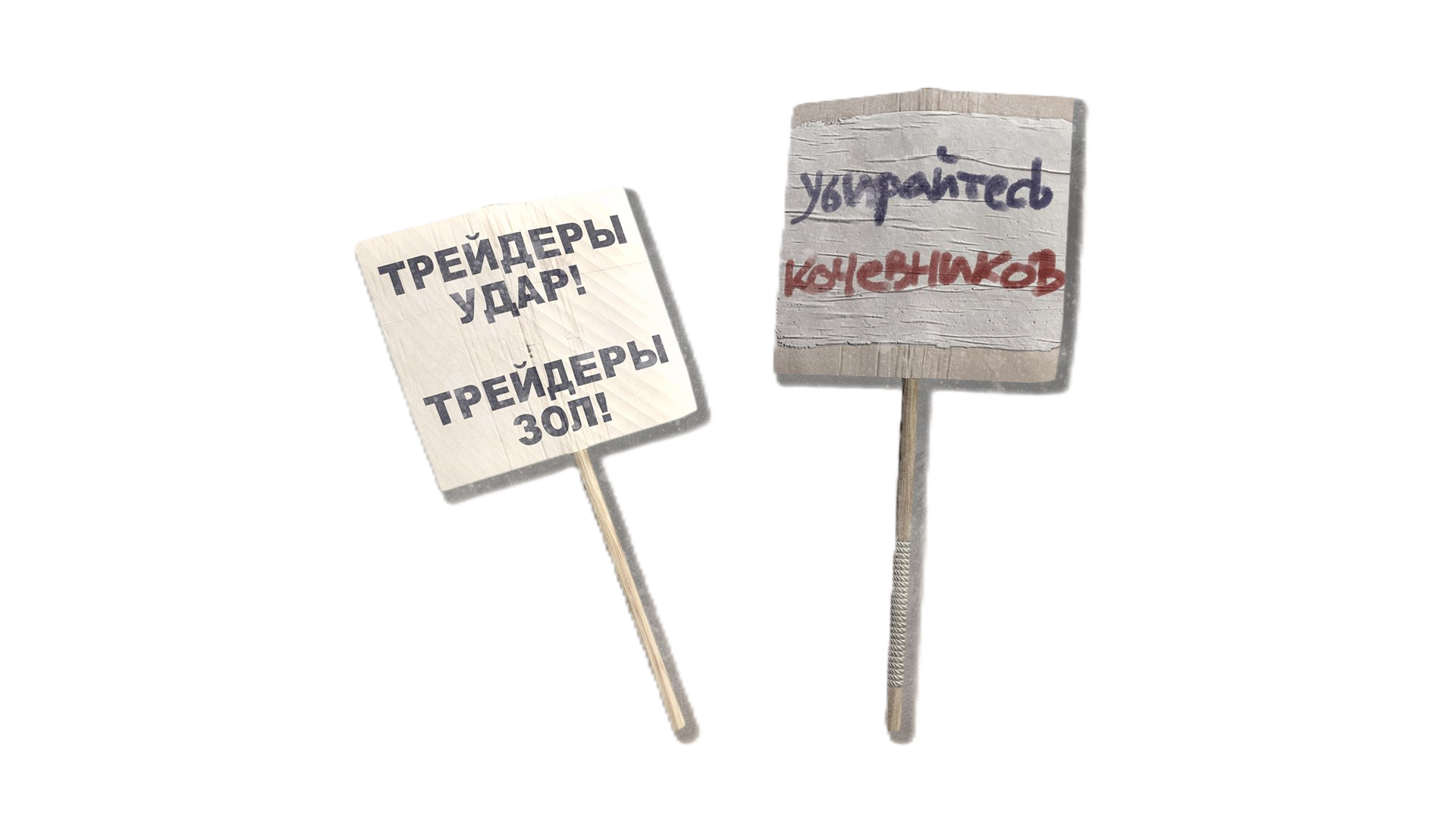
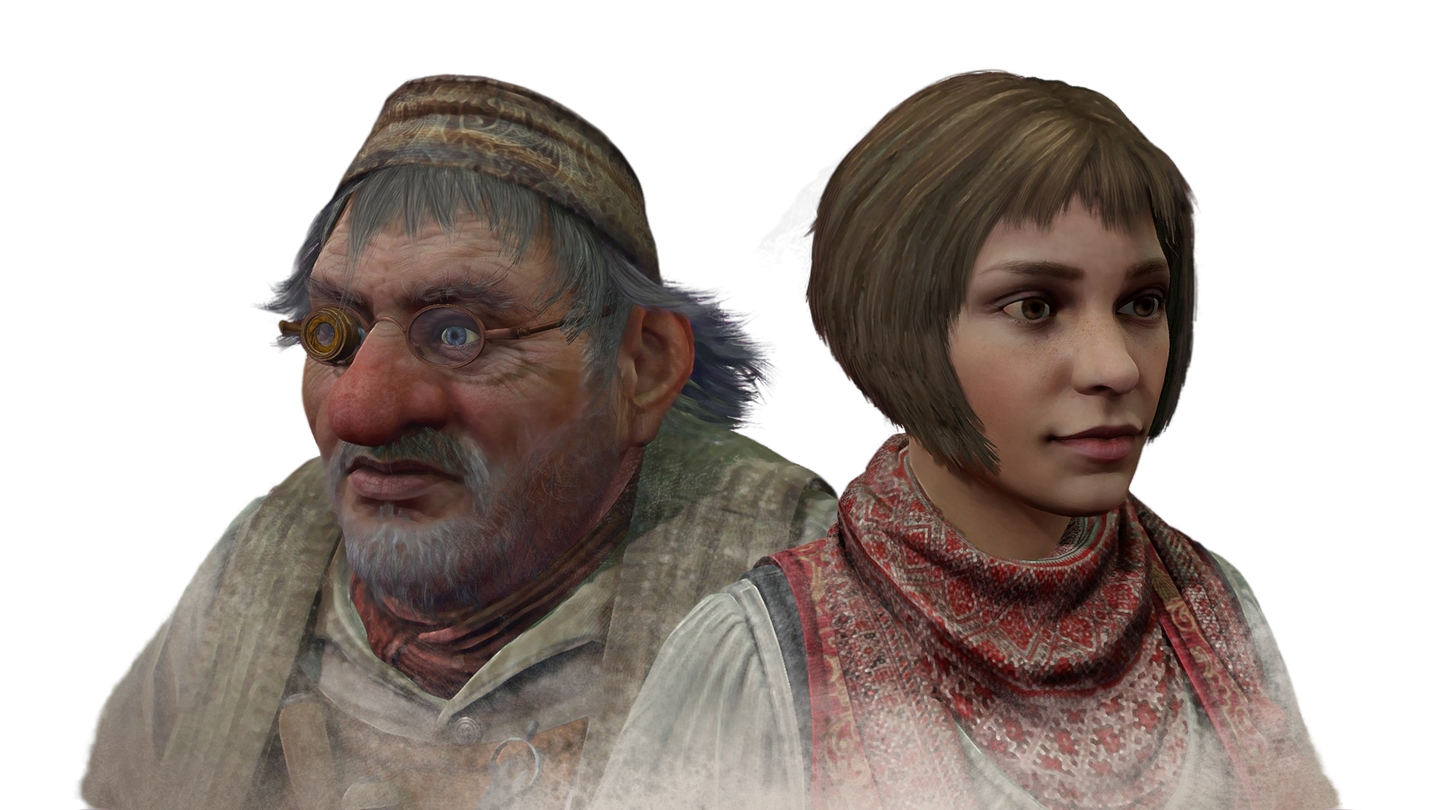
Before that, we need to retrieve the prosthesis from the clockwork master, and we also have to get the captain back into shape and away from the bottle. Once he regains his senses, we’re helped by the clock master’s granddaughter. We begin running around the town, and it’s better to memorize the streets, otherwise you’ll yawn your way through the backtracking.

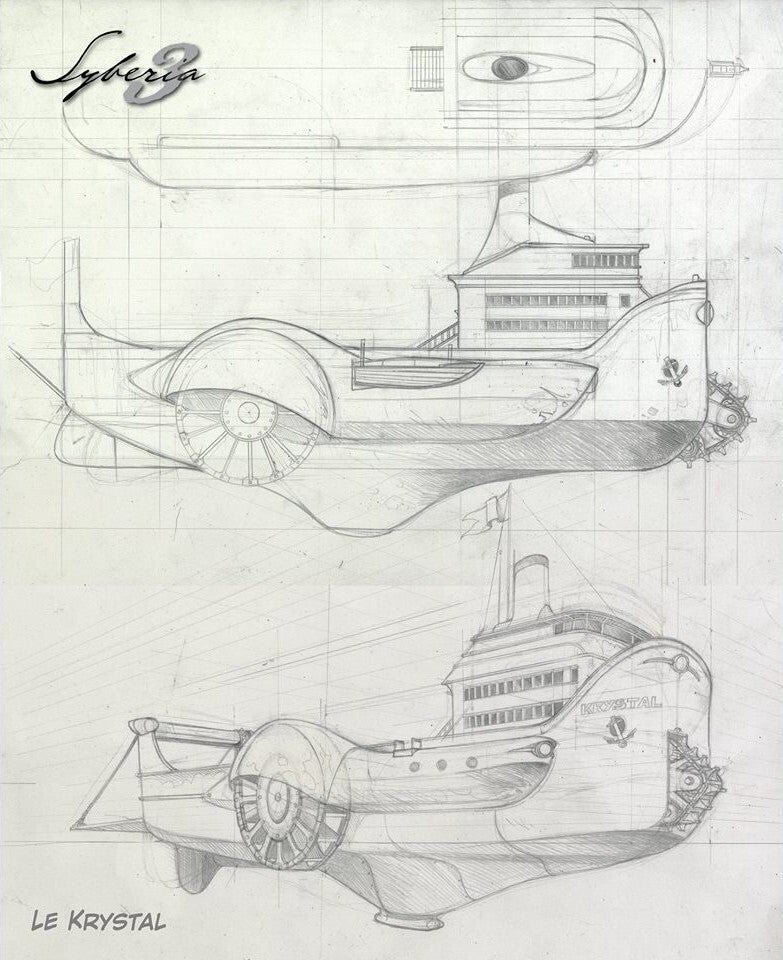
The ship, of course, was in terrible condition. To load people and animals aboard, we need to prepare it properly, but all the mechanical work and stabilization is up to us. After dealing with the problems on the surface, we must dive into the water — and that’s where my yawns finally put me to sleep.
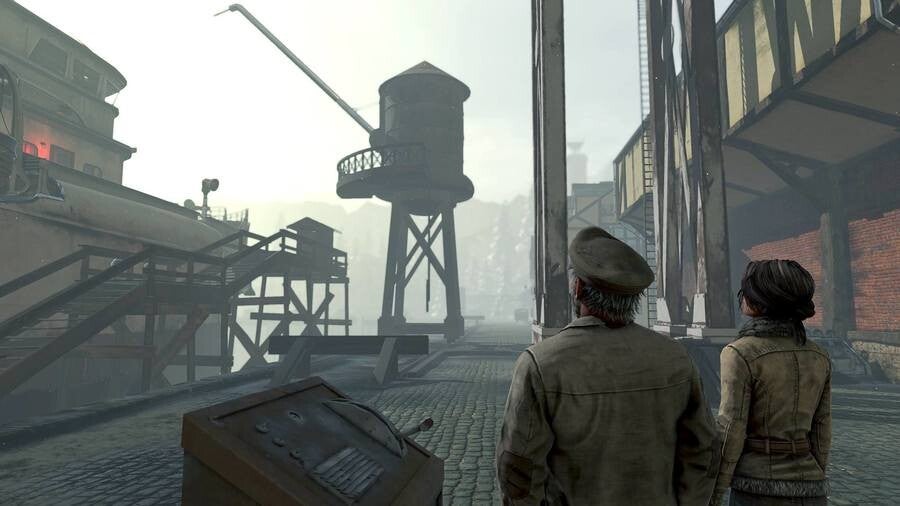
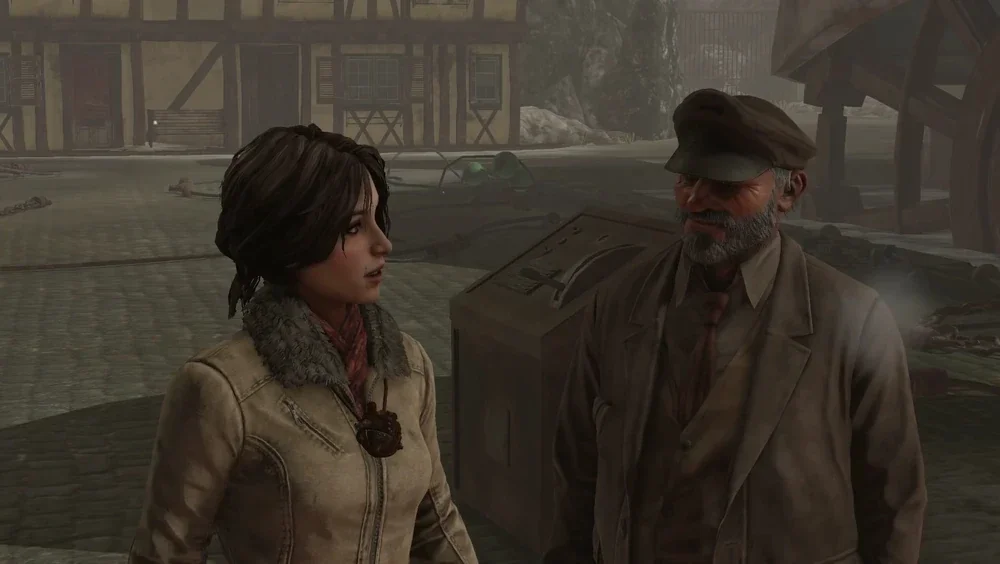
I fell asleep for about forty minutes, woke up in a darker part of the underwater area — no idea how I got there or how my fingers kept moving the controller sticks while I slept.
When we’re frustrated and stuck in a game, the mind sometimes replays the path we failed to find, for me at half‑dream state, the fingers keep moving on their own.
After all that, we finally return to the docks and finish the remaining preparations.
We have to dive underwater to manually open the bridge that blocks the ship from leaving the harbor. We need to find the mechanical locks and open them. I got lost, circled around the same spot, found the first lever, and couldn’t find the second.
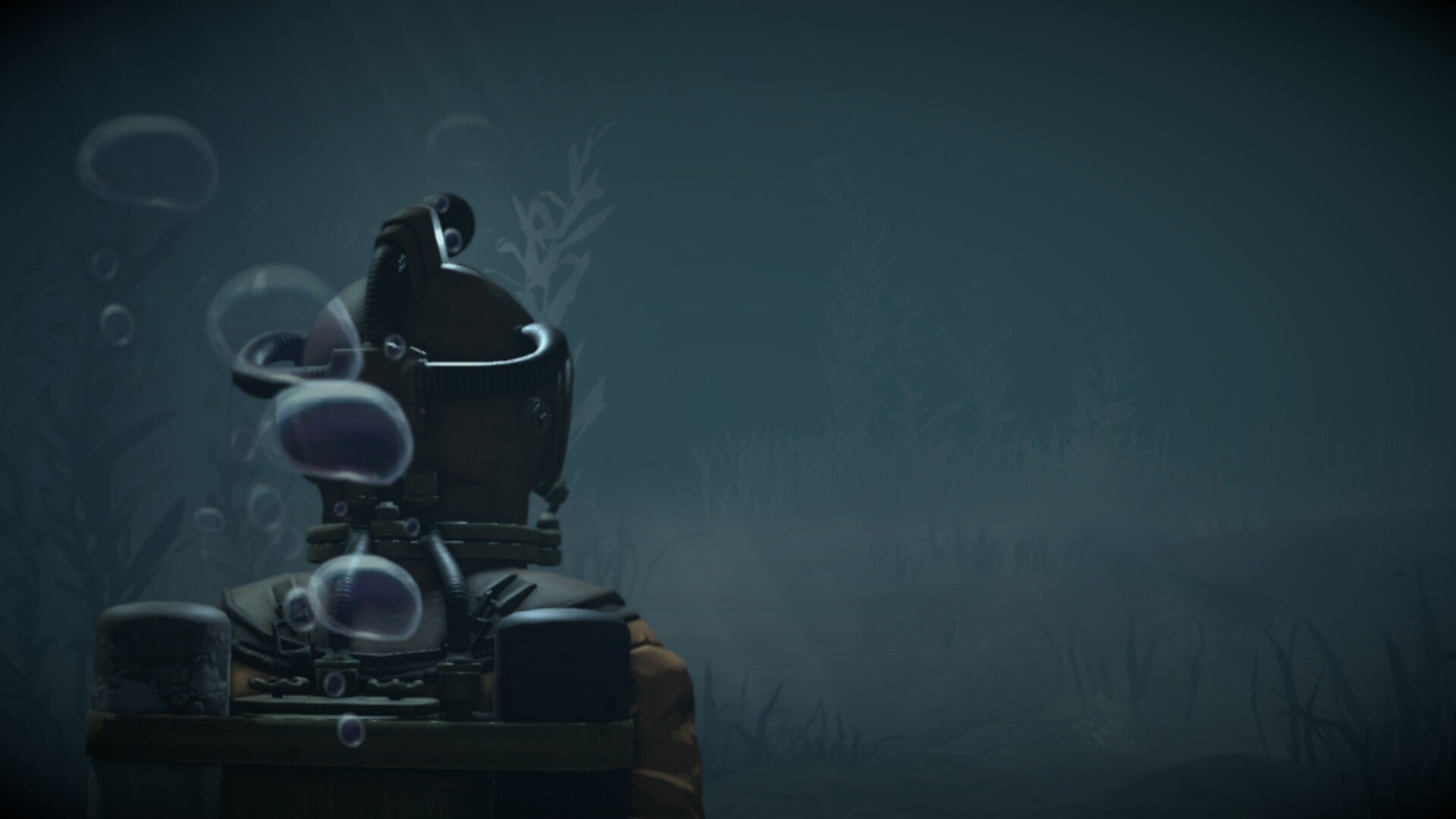
But somehow, after a few more circles, I found the second lock. It made me wonder how hands keep playing while mind sleeps.
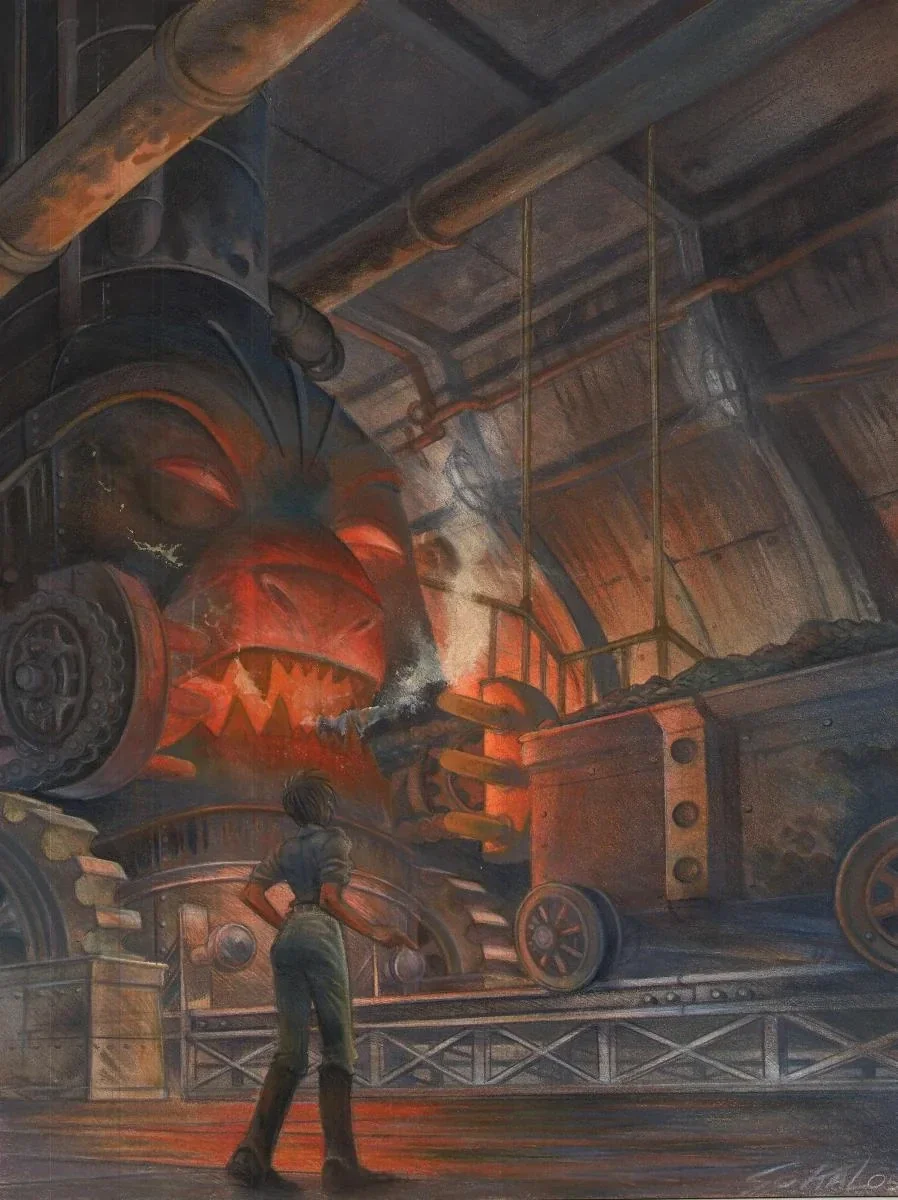
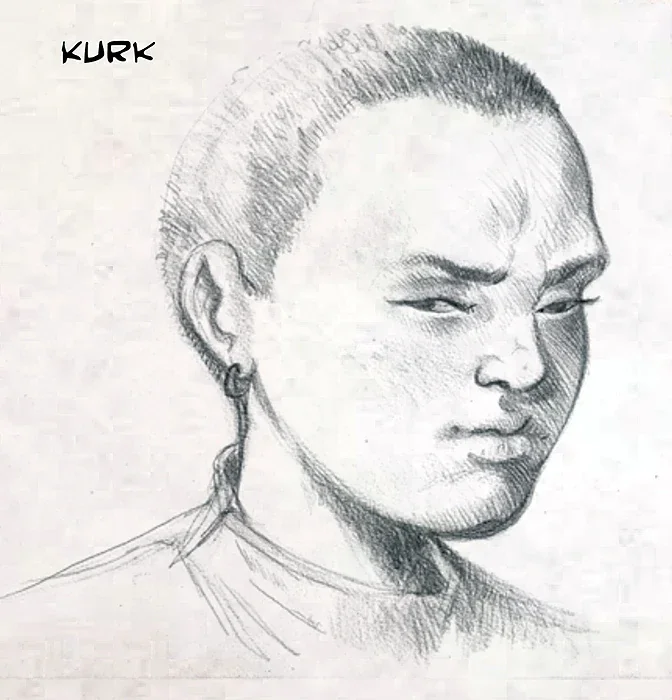
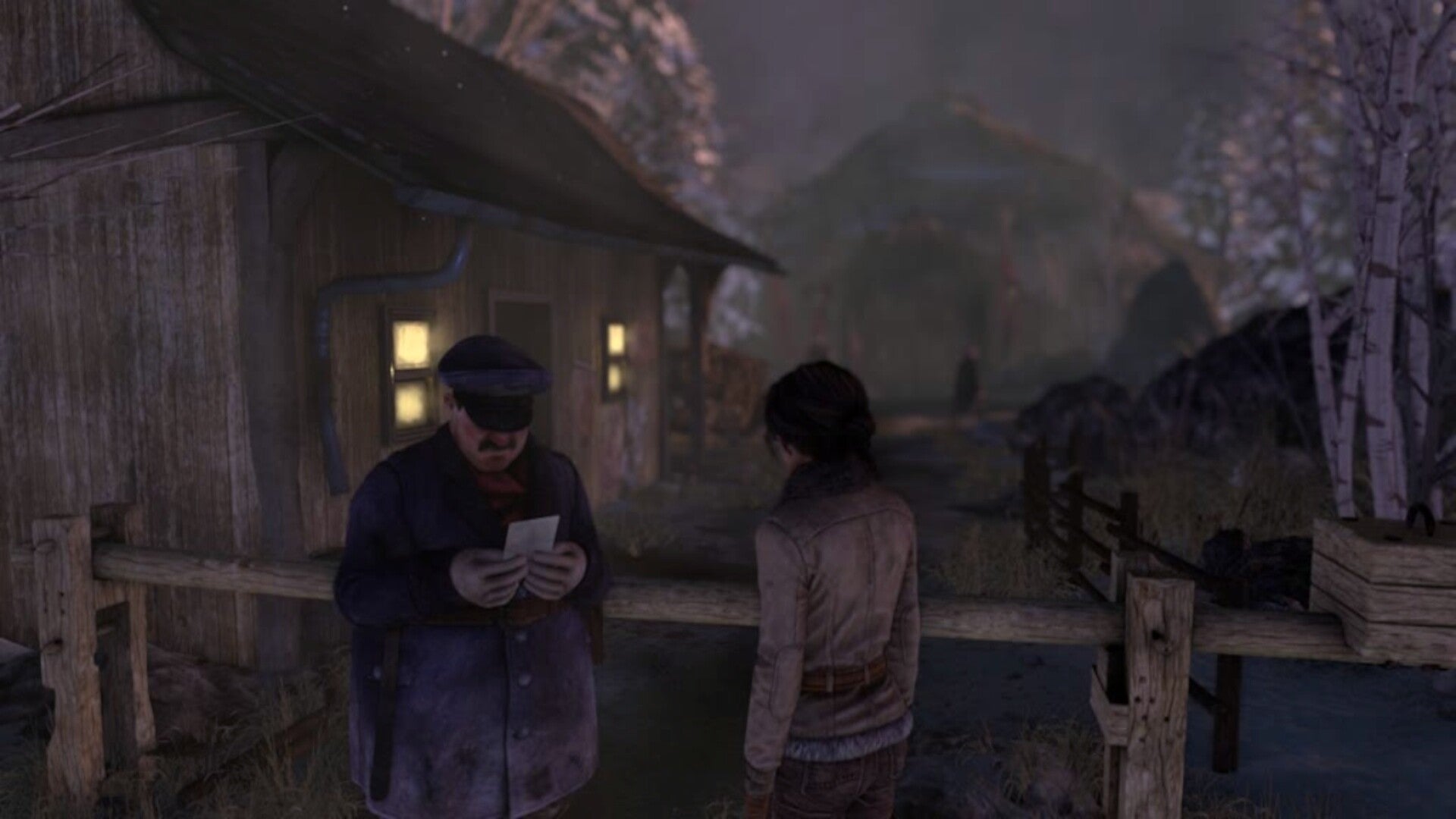
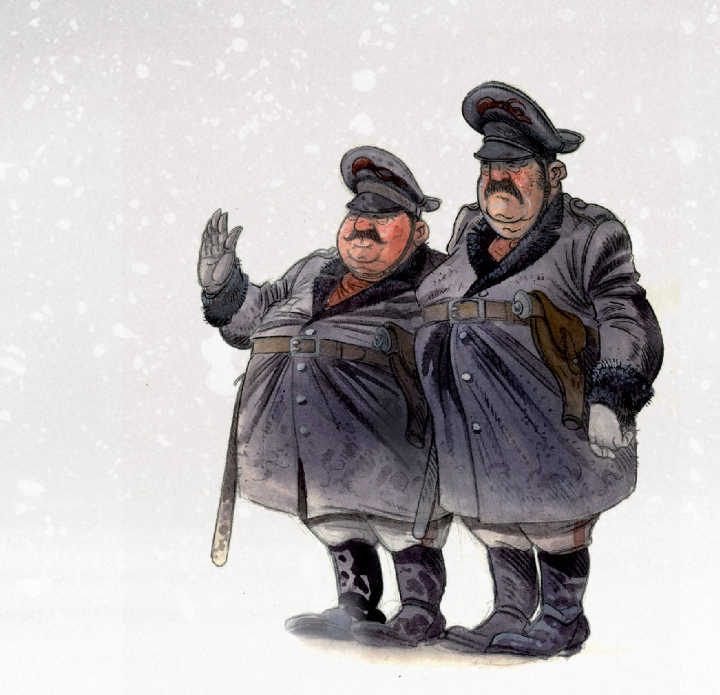
And then a new problem appears: sneaking back into the clinic and getting our guide Kurk out of it.

We eventually manage to sneak underneath the now‑guarded clinic, with soldiers fully armed and ready to shoot, patrolling everywhere. We have to secure the escape and find the captives. To say that the situation is insane and completely out of our control is an understatement.
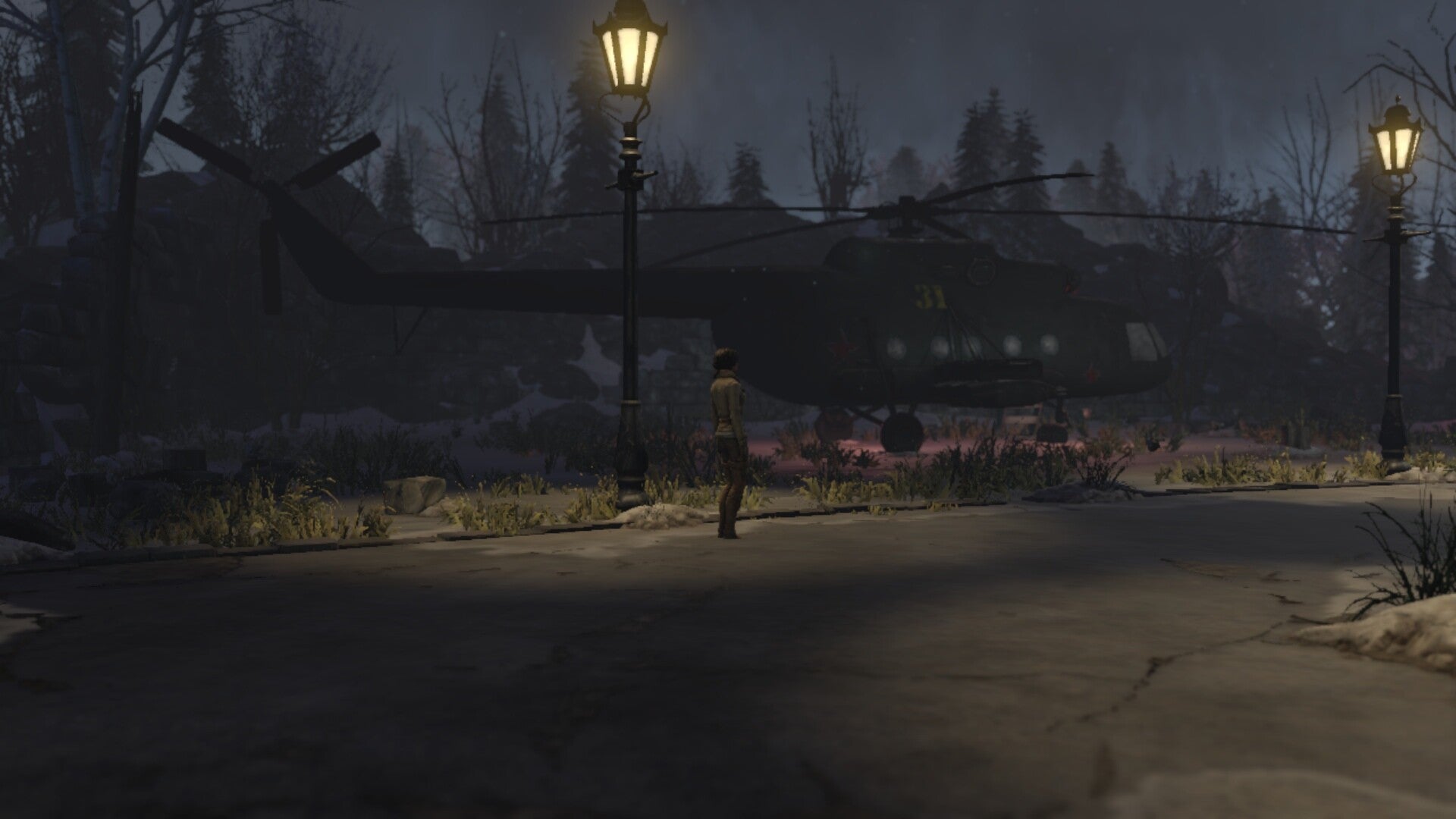
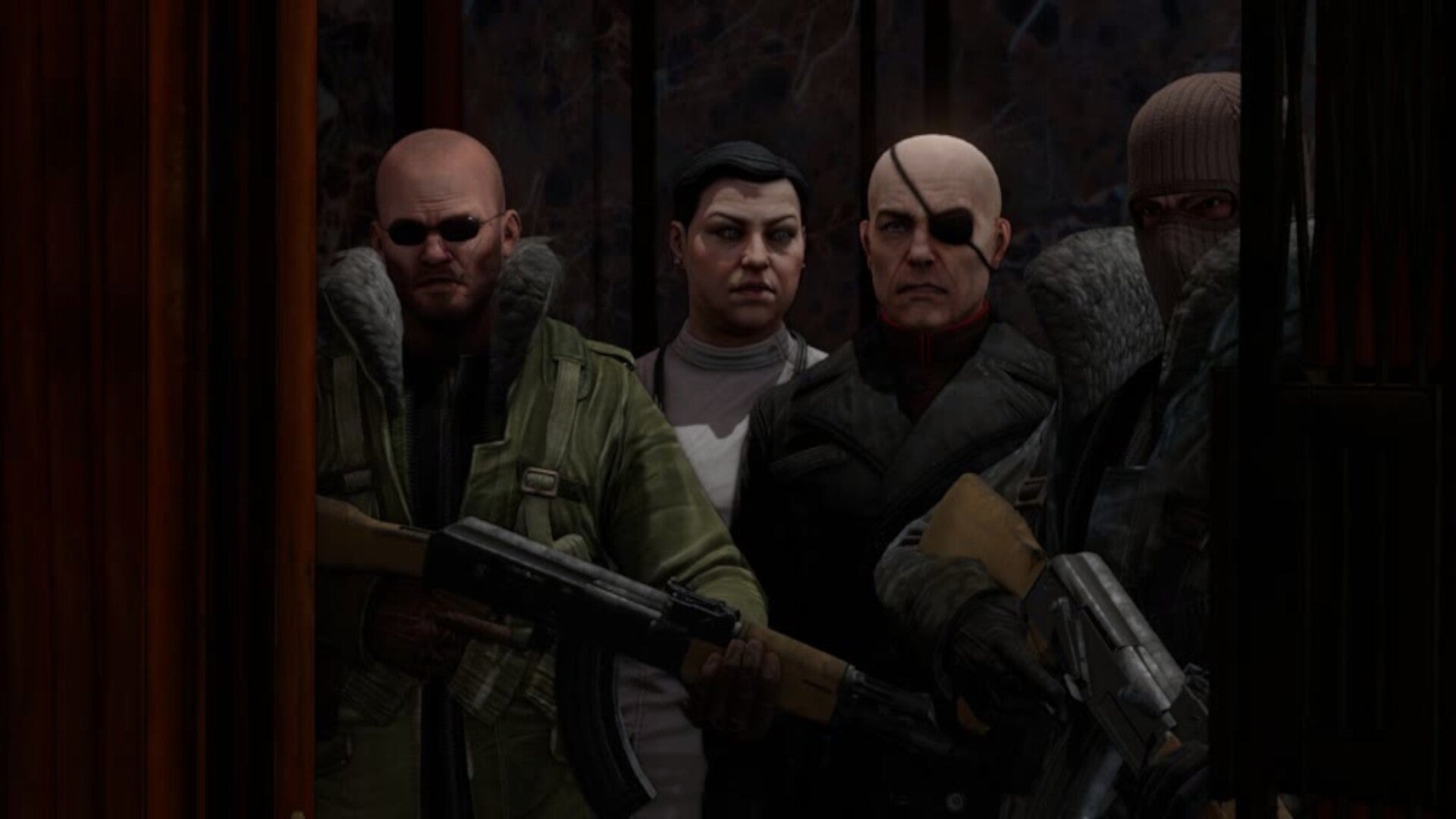
On our way to find Kurk, we stumble upon two other people: the clockmaker, who came to bring a prosthesis for Kurk’s leg, and the doctor, the only one in the clinic who sympathizes with the native tribesman. As always in Kate’s story, there is someone willing to help. In this case, the doctor is taking care of the clockmaker, because the soldiers beat him up. That means we can only escape with Kurk, but before we leave, the clockmaker tells Kate something important.

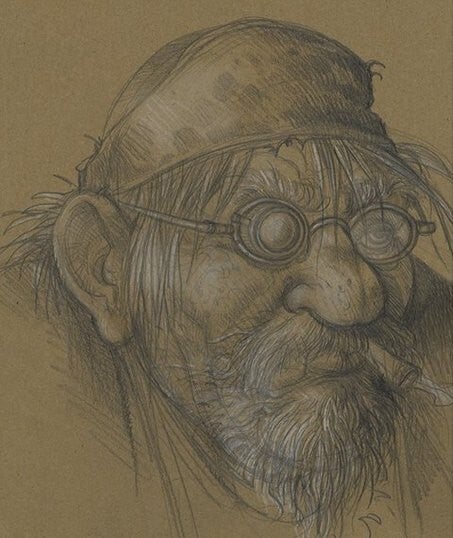
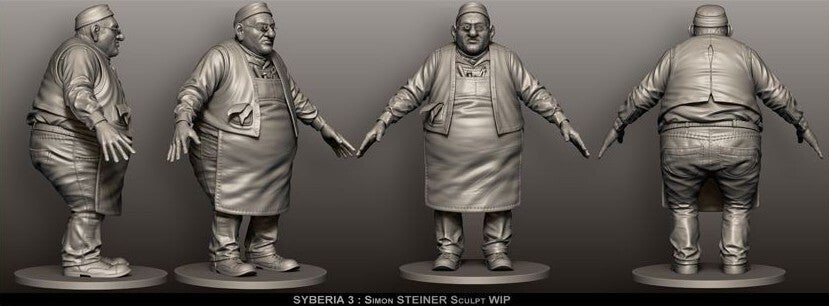
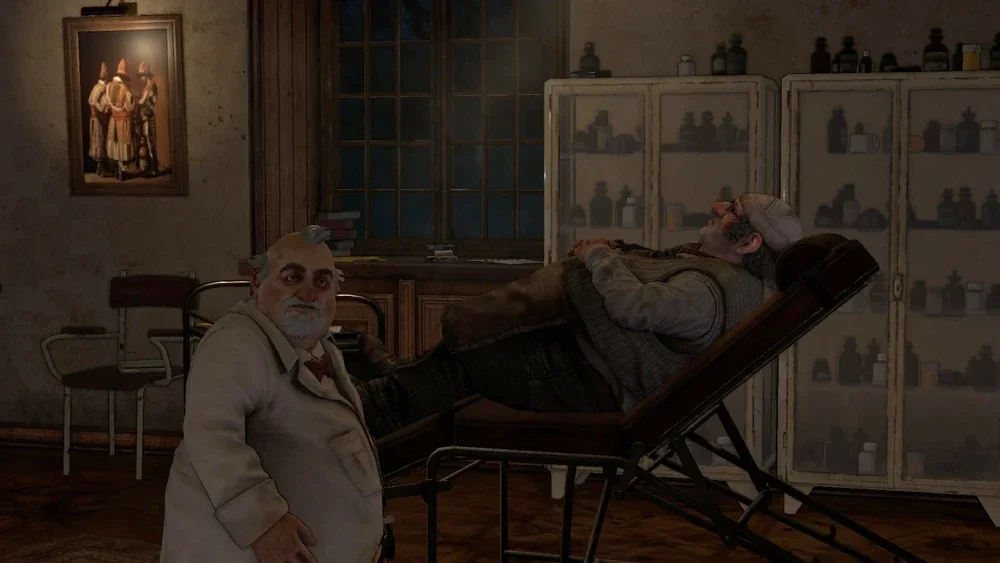
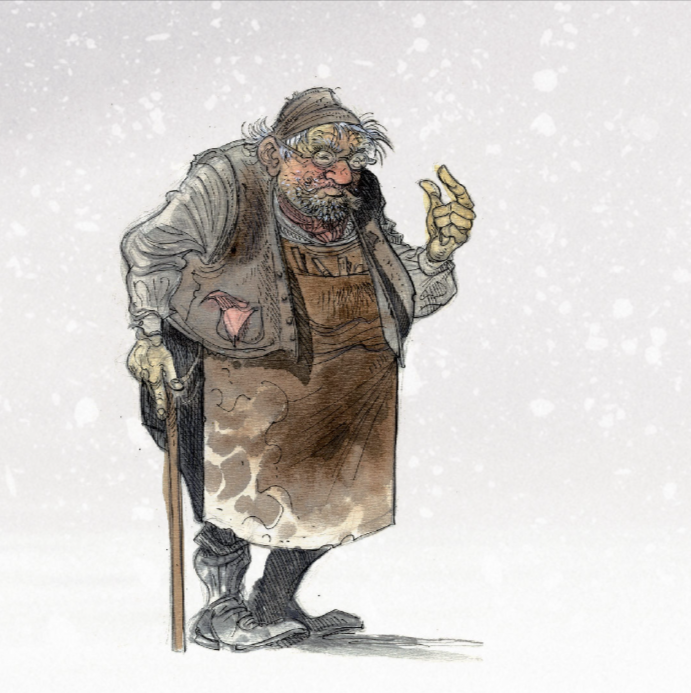
Oscar’s heart — the one Kate wears as a necklace — is the last thing left of him, and it’s still in good condition. It will work as a memory core if we ever find an automaton body with the right hatch for it. If we do, Oscar’s heart will bring back his personality and his memories into a new body. So keep that in mind: Oscar will reappear… and disappear again later.
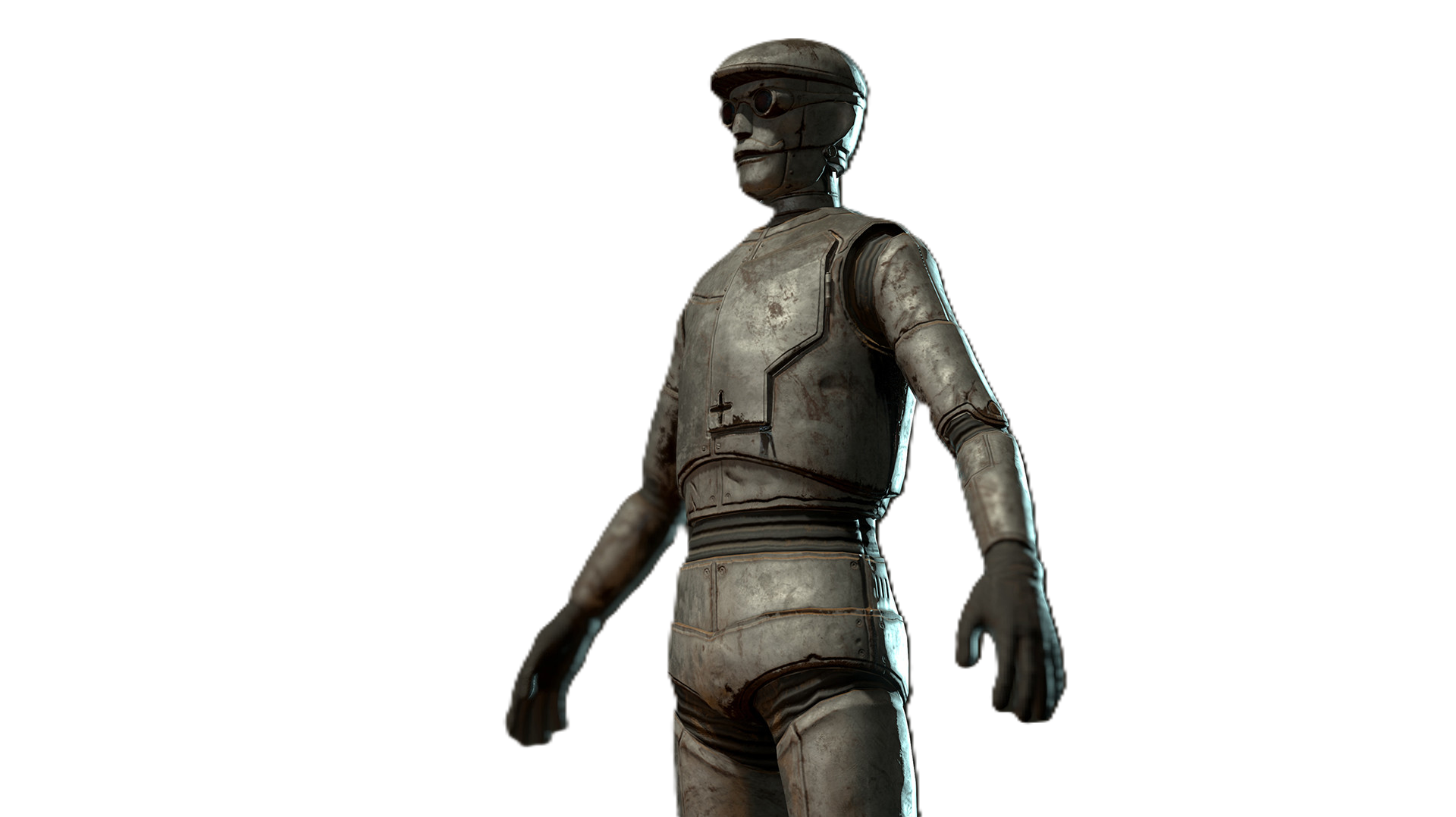

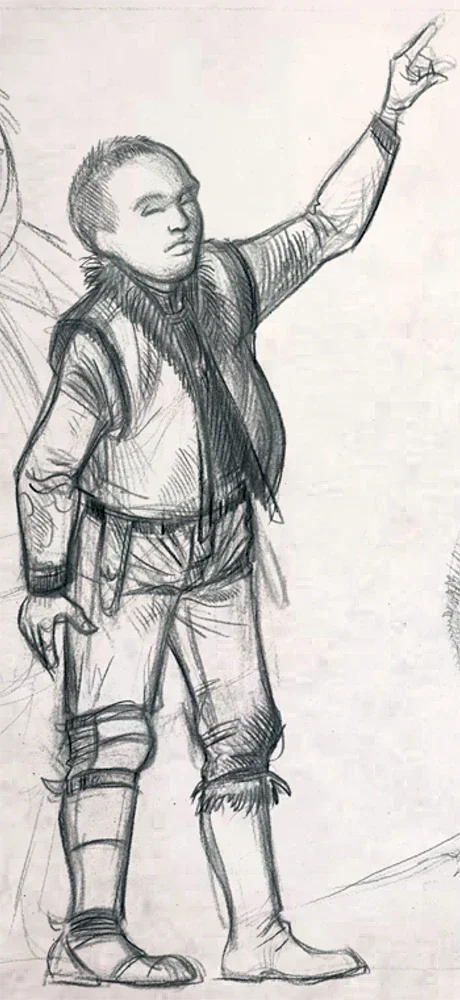
We manage to find Kurk, but Doctor Olga — a Russian who now works with the soldiers patrolling the clinic — has drugged him and tried to hypnotize him into becoming a puppet who obeys her commands. We bring him back to his senses, at least as far as we can tell. So we return to the plan of escaping: finding the codes, finding the escape route, helping our Youkol friend stand up. It sounds simple, like a point‑and‑click task… but of course it isn’t.
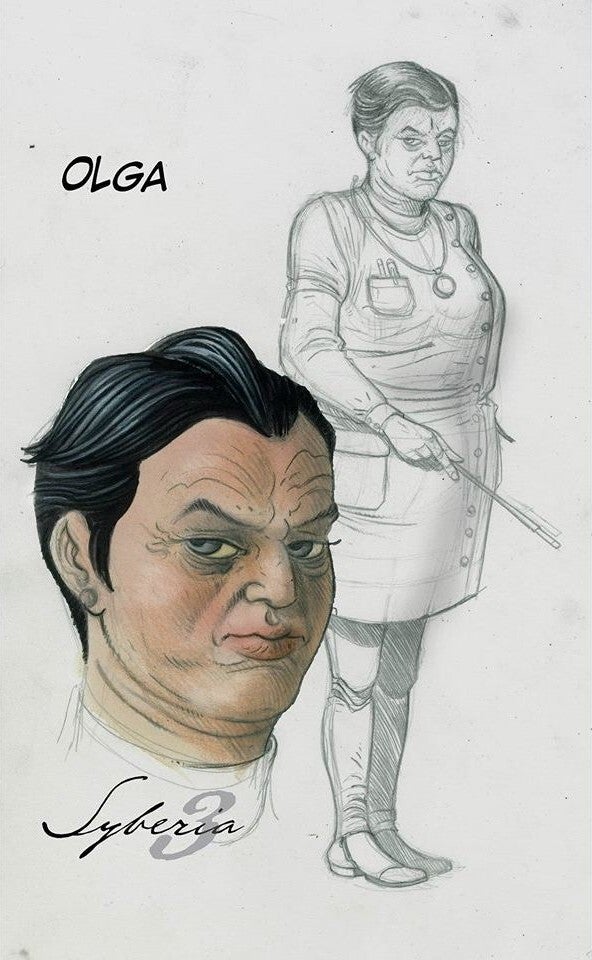
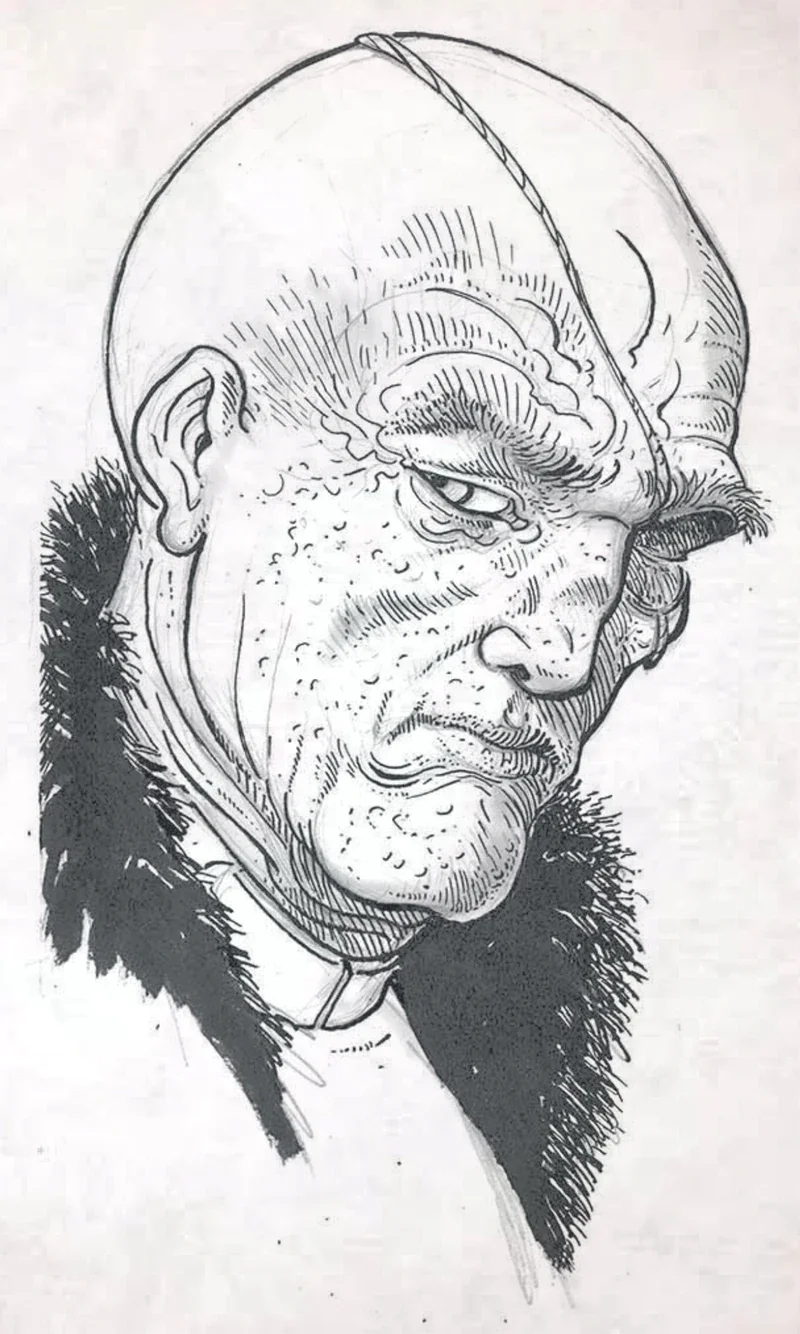
Just as we get out of the room and reach the lift, the soldiers are already on our tail. The clinic is on a hill, so the only way down is the old tramway wagon. The wagon is stopped because the clinic controls it from the panel upstairs, but Kate pushes the control panel inside the wagon and forces it to work. The machinery is so old that once she gets it moving, it pulls us down and shoots straight down the rails on its own.

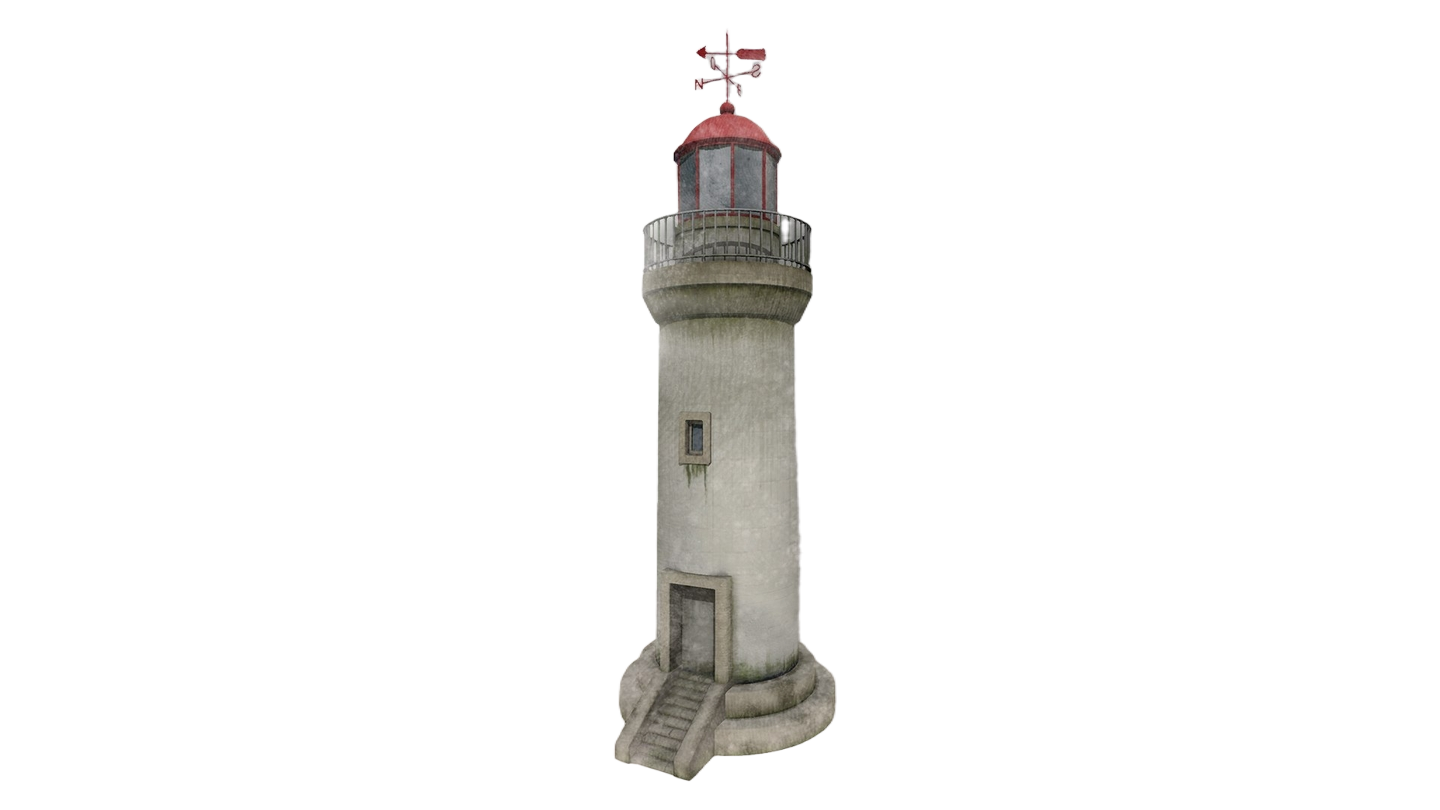
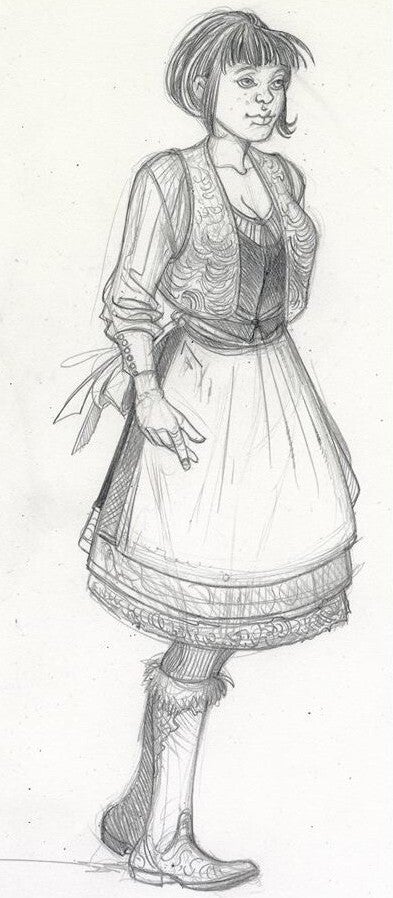
As always, we somehow avoid the collapse and the injuries, and we get out in one piece. We manage to reach the Youkol boat‑sled, wave our goodbyes, and climb aboard.

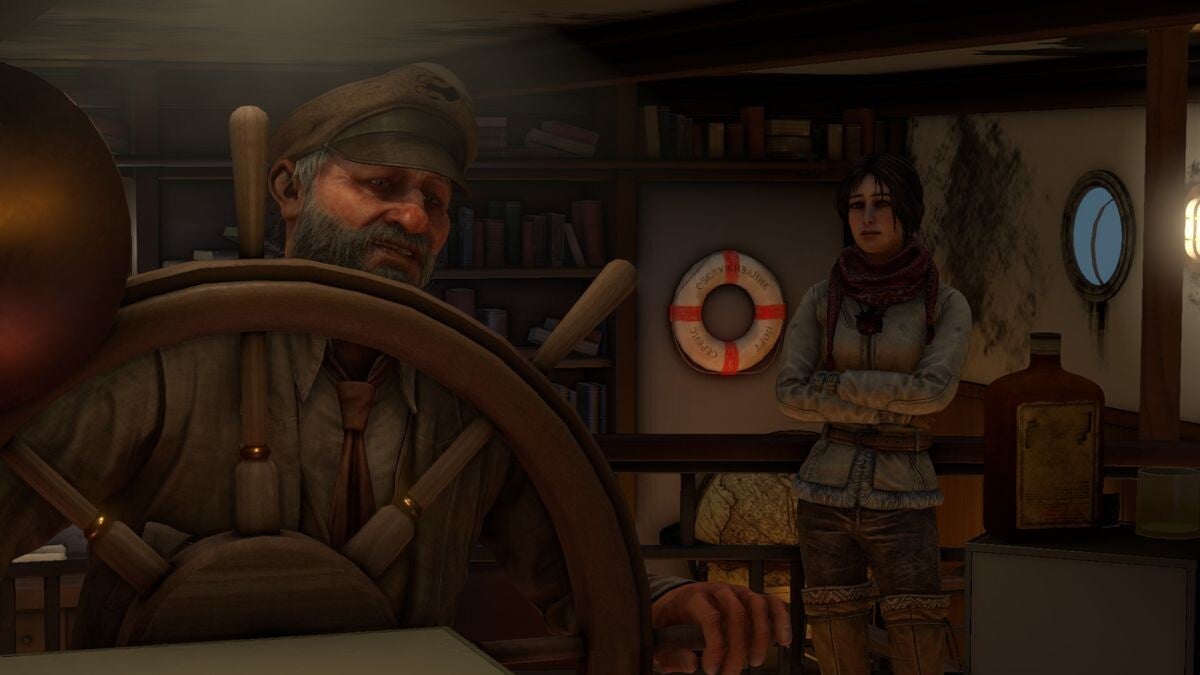
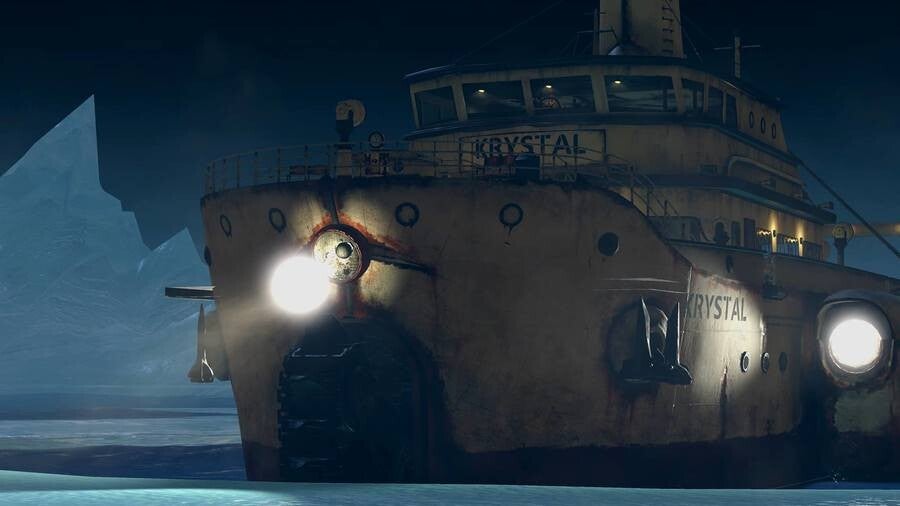
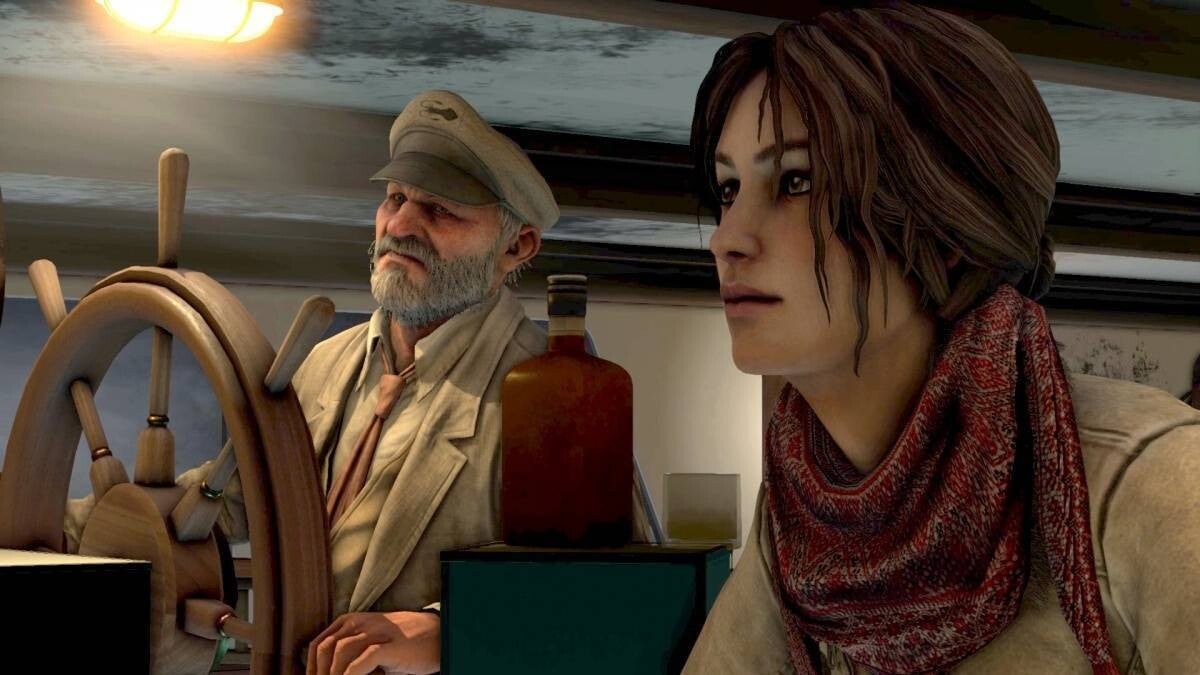
And if you think this trip part is easy — no. First things first, the captain, who keeps drinking while steering, tells us we need to activate the icebreaker for the ship. So, another machinery puzzle. But it turns out the lake spirits have a guardian: a giant creature, like a kraken or octopus or whatever it was. It comes after us just as we begin to break the ice blocking our way forward.

So from Kate's fate of being squashed on deck by the kraken's tentacles, we are saved by the captain, well, by his shotgun. Now the first part is to shut down all lights on the ship, by shattering the lamps to be precisely accurate. As we shatter all the lamps on board, the kraken tightens his grip in attempts to pull our ship to the bottom of the water, and with such a move part two begins.

Close down the engine, as the next possible attraction would be sound, but no, it won’t be as easy as that. Part three: distraction. You need a captain, a bait as a lamp, and the phonograph he had with him in the boat. Now the beast is attracted by the new source of interest. And as the kraken pulls us free and swims toward the now‑departing boat through the waves, we, however, are swallowed by a typhoon, an immersive water wave.
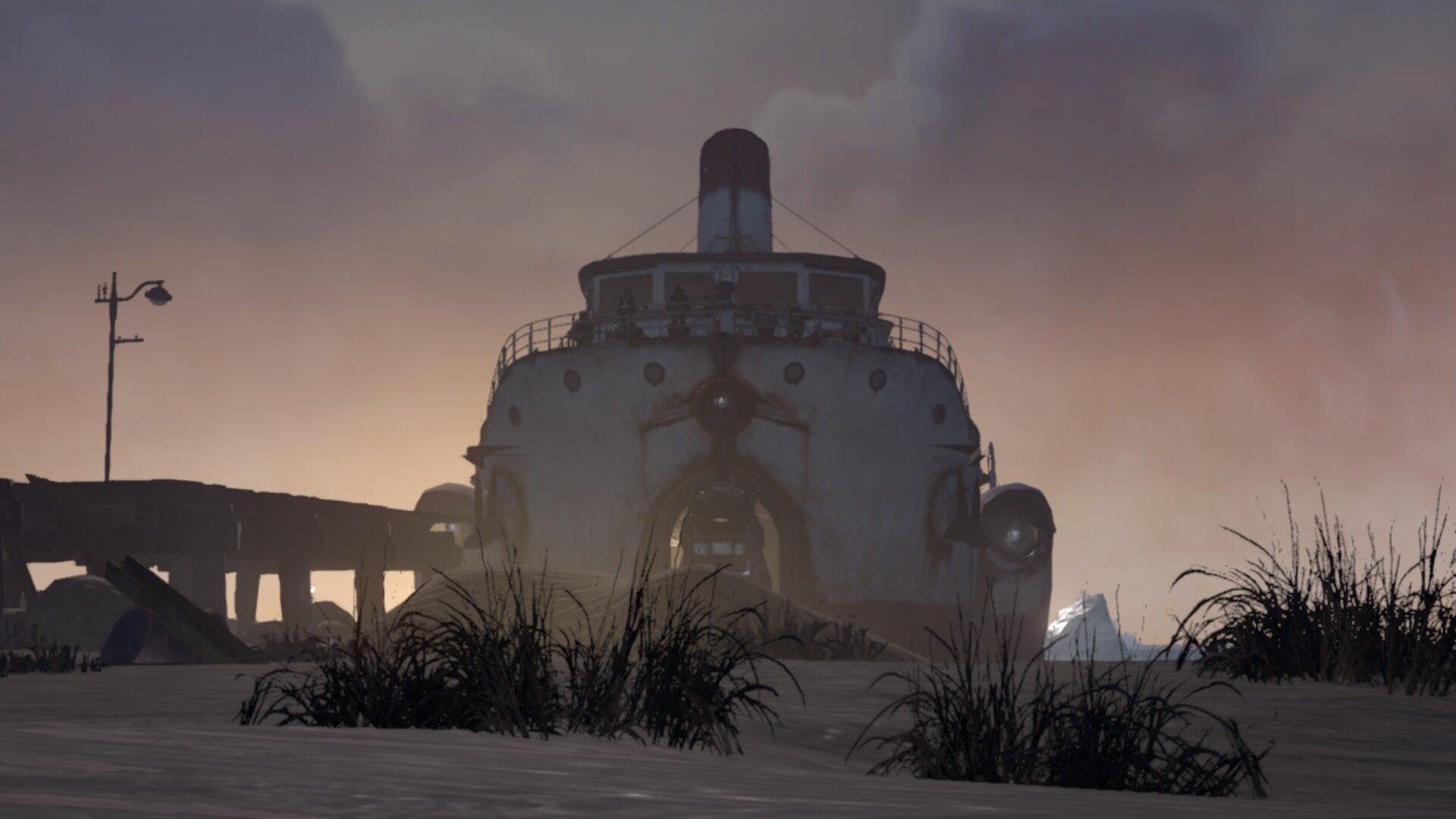
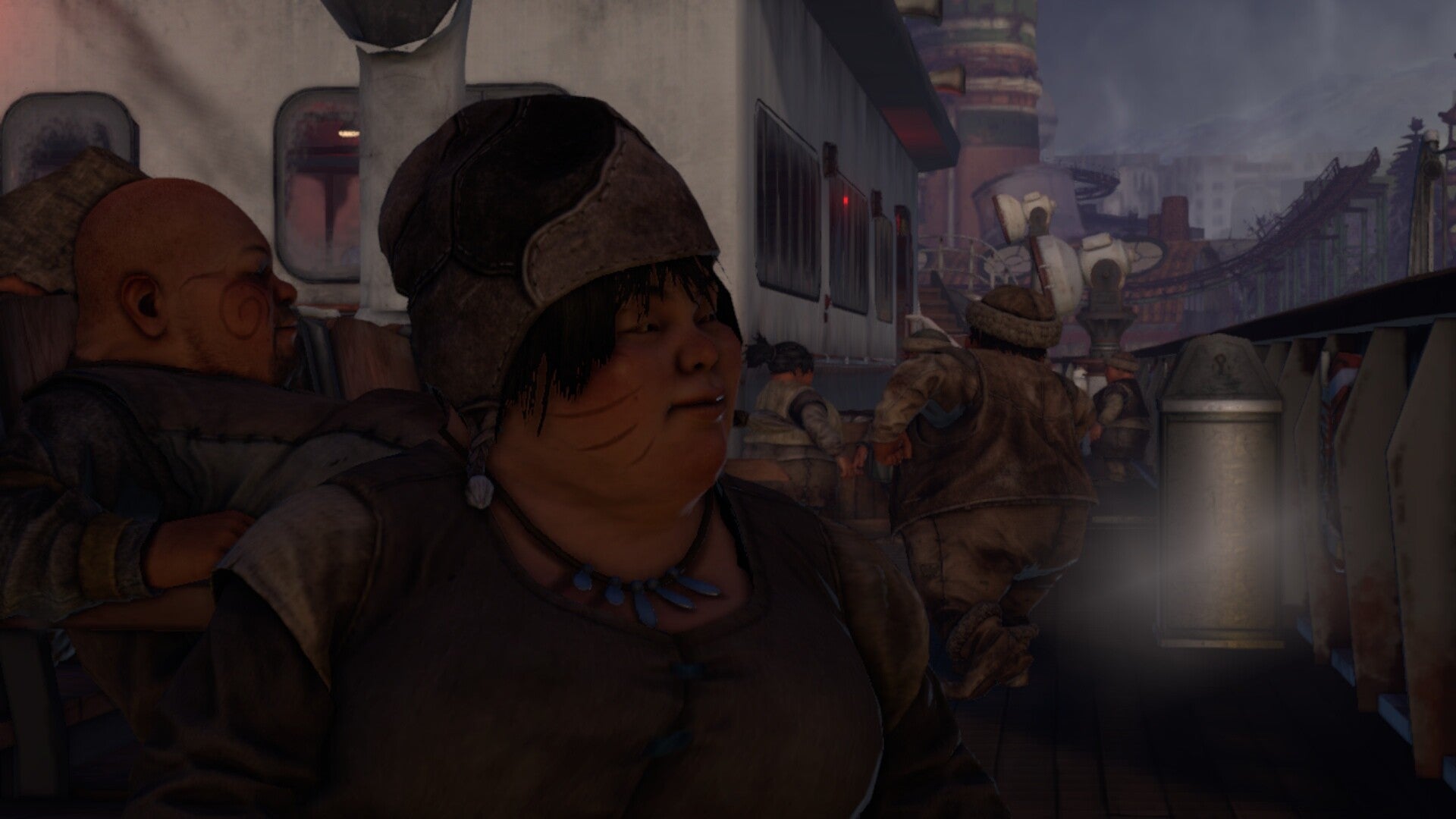
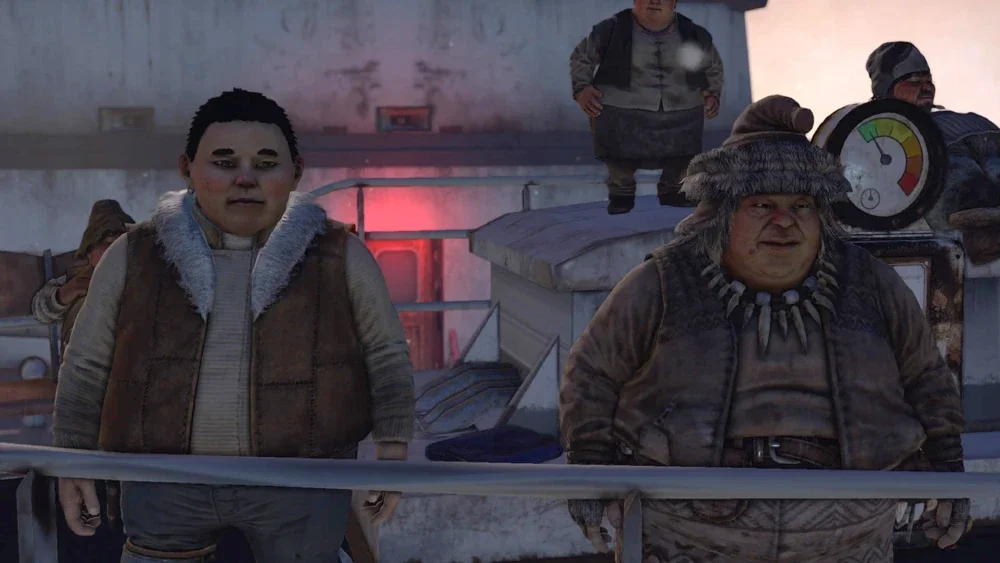
But no, we are alive, still on the ship, and we manage to wash ashore, permanently stuck in the beach area. On the shores of a radiation zone, radioactivity is now our new borderline to avoid. In this measure we get help from specific glasses, and now we can explore the old attraction park. A look around outside and inside the closest buildings gives an understanding that without the automaton we won’t get any further.

But the Yukol are even more stubborn and unanticipated than the players are, for they wish to continue their path ahead through the radiation zone. We need to deal with alternate route‑finding as we proceed. For now, we found a new body of an automaton similar to our good, well‑known fellow. Oscar! I think every fan of Syberia shared their tear when we lost him and missed this stubborn and too‑polite automaton’s presence at the beginning of the third game’s journey. However, we need to find the proper key to activate him.
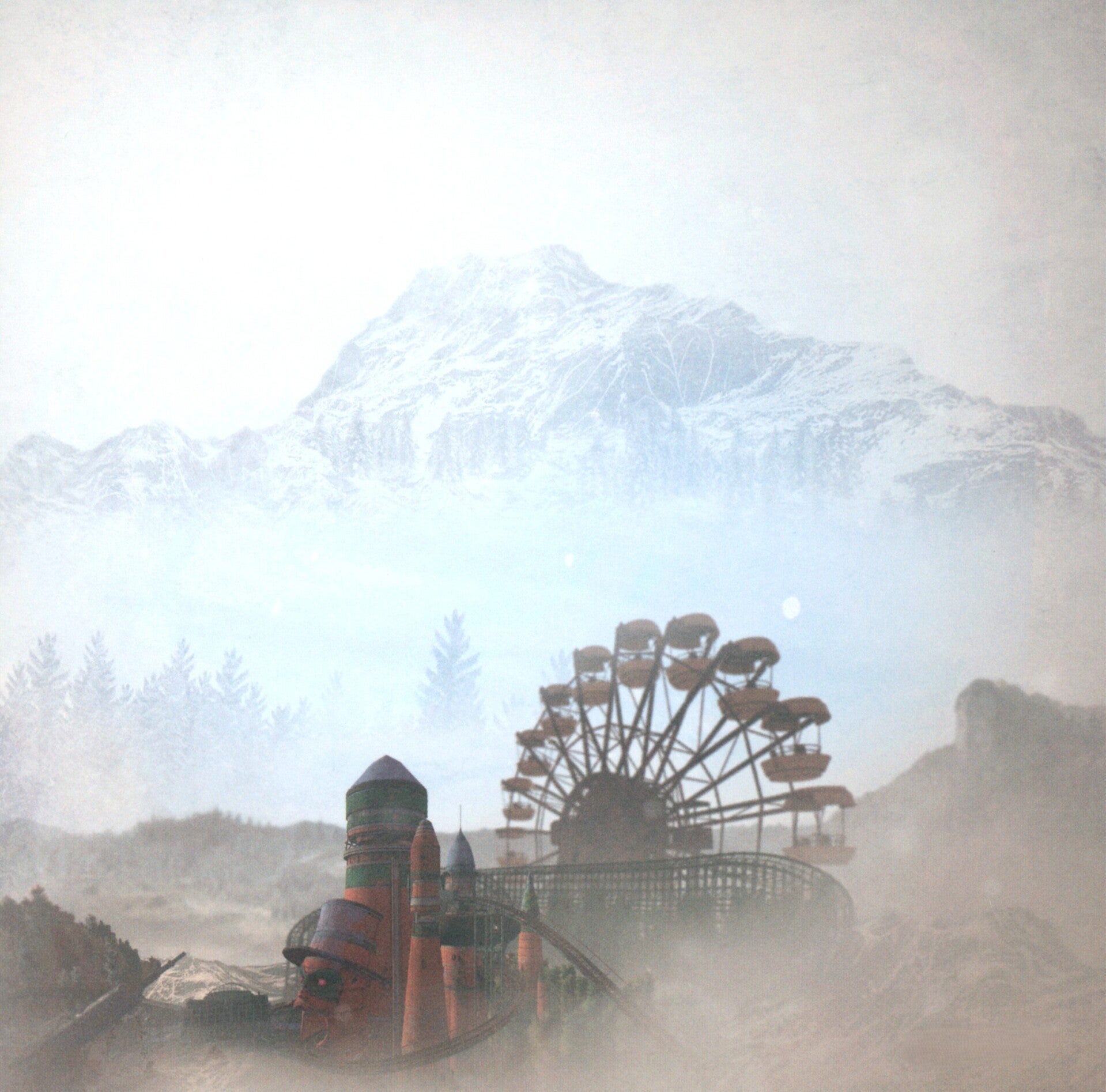
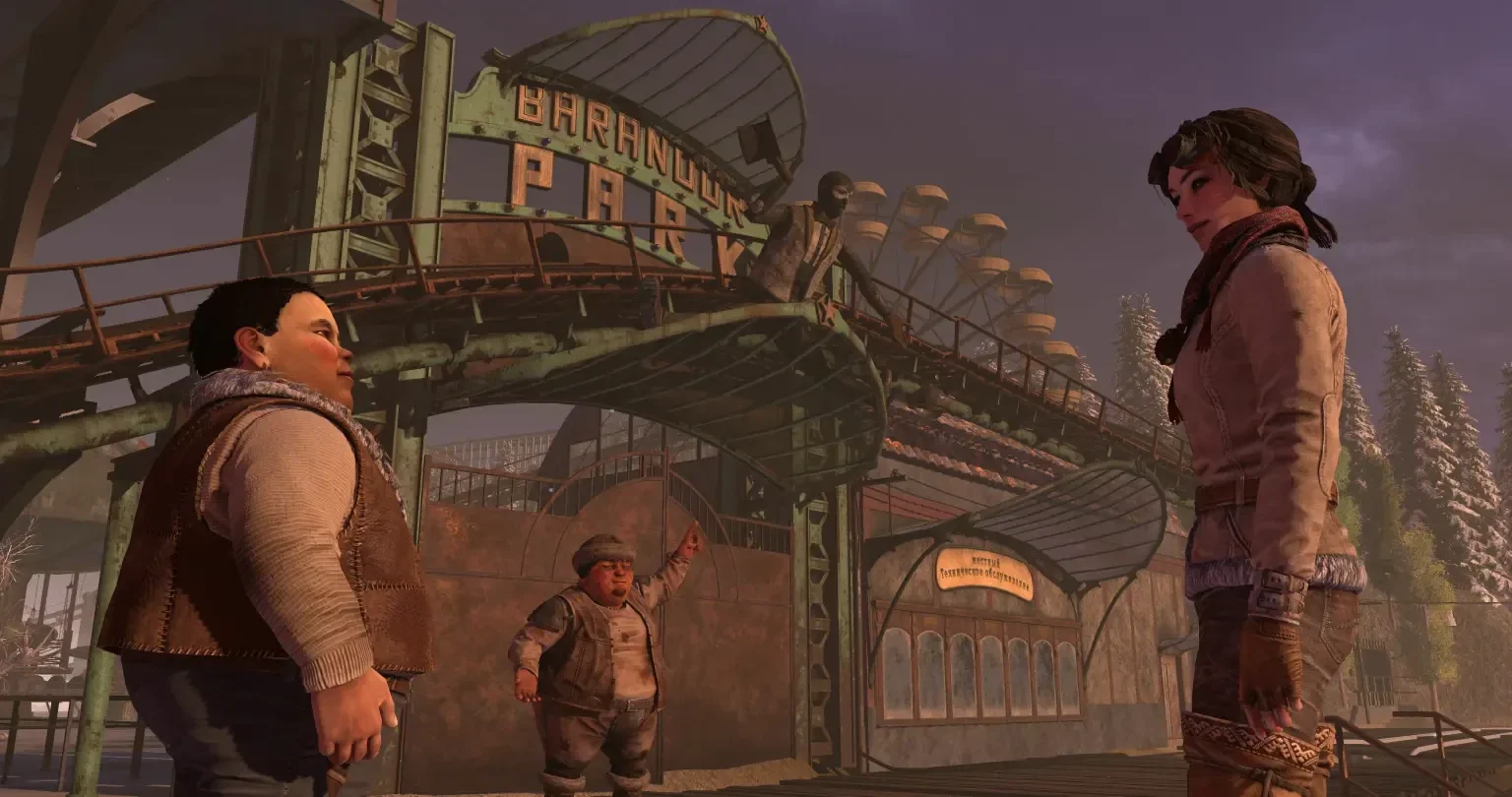
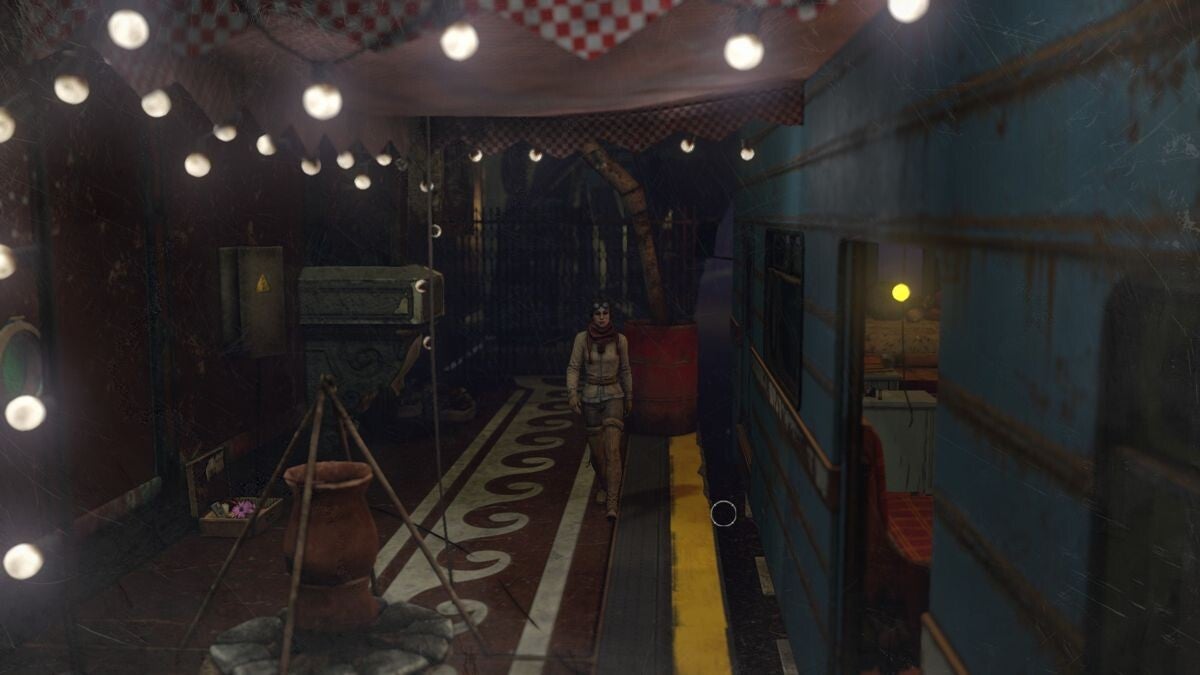
Proceeding further, Kate will notice that we aren’t the only ones on this abandoned territory—aha, mines repeat. The next step to get anywhere is to take a ride on the roller coaster and manipulate it with needle‑working, a crucial point to not get stuck in this area for a couple more circles around. When we stop the cart in the middle of the roller coaster, we get a new area to explore, a pretty nice living place, that’s for sure to admit.

As we snoop around someone’s belongings, the person living here appears in the doorway, and well, no one likes uninvited visitors. But Kate won’t be Kate if she doesn’t manage to befriend the person. From our new associate, we will need a key she uses on her automaton dog. Yeah, however, if you don’t look closely at the ears and tail of that helper, you might think it is a rat instead of a dog. Well, it does remind me of rats from one movie, mh.
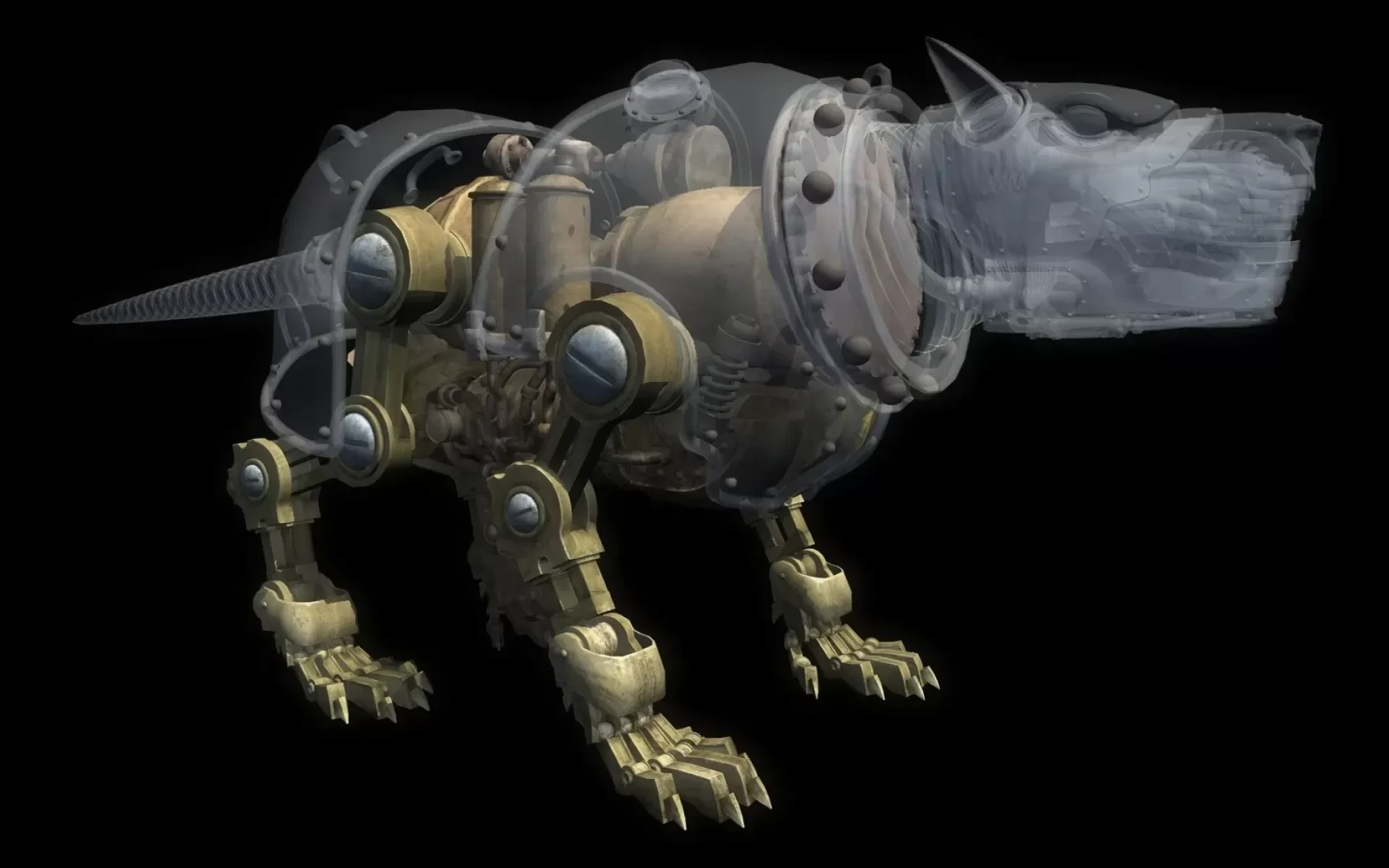

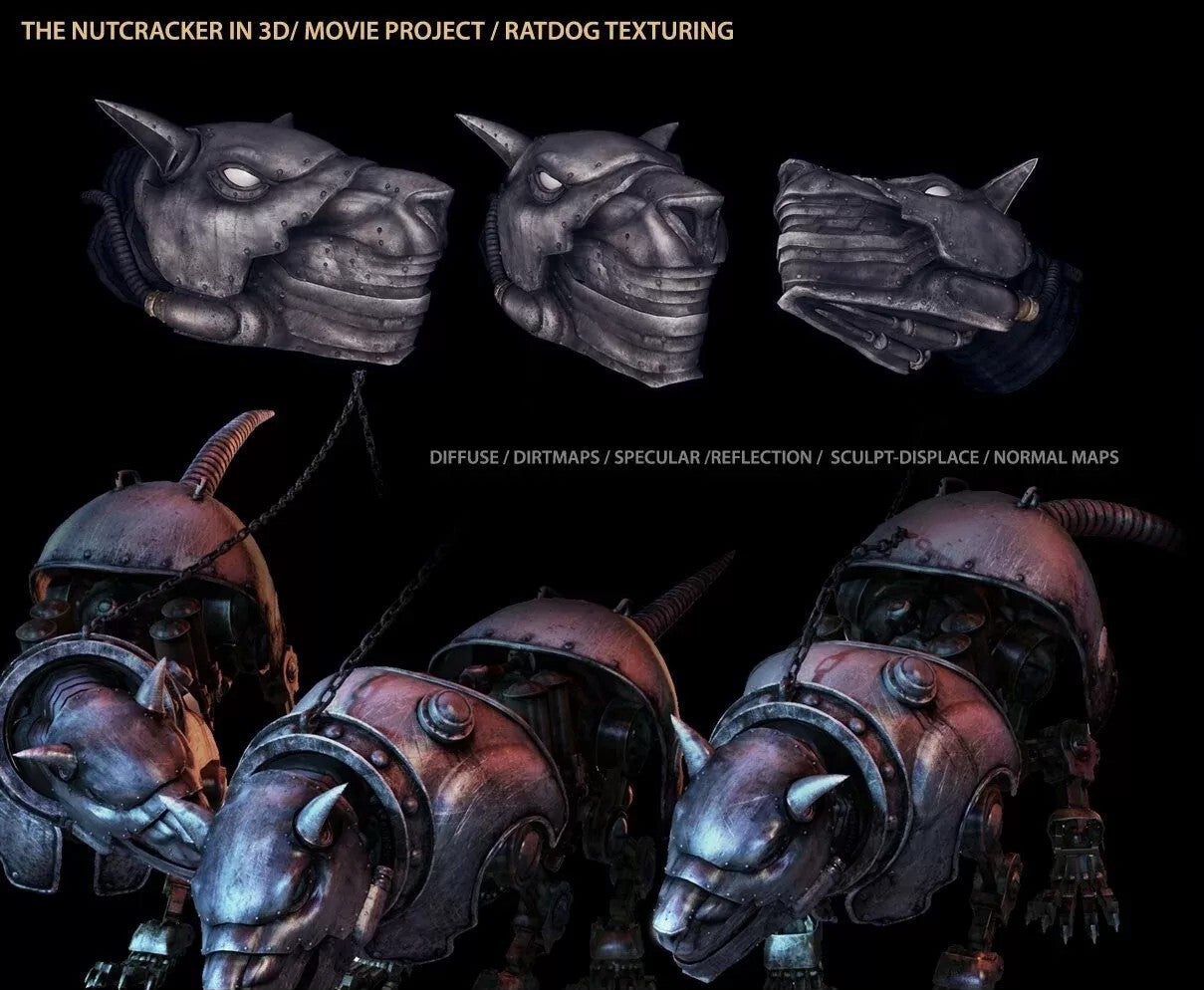
As for the new route for the Yukol, Katherina, our new associate, says that taking routes underground, just passing her house, would lead us safely back to the surface. Not without new dangers awaiting ahead, but that we will figure out after we free the ostriches and put the Yukol back on the road.
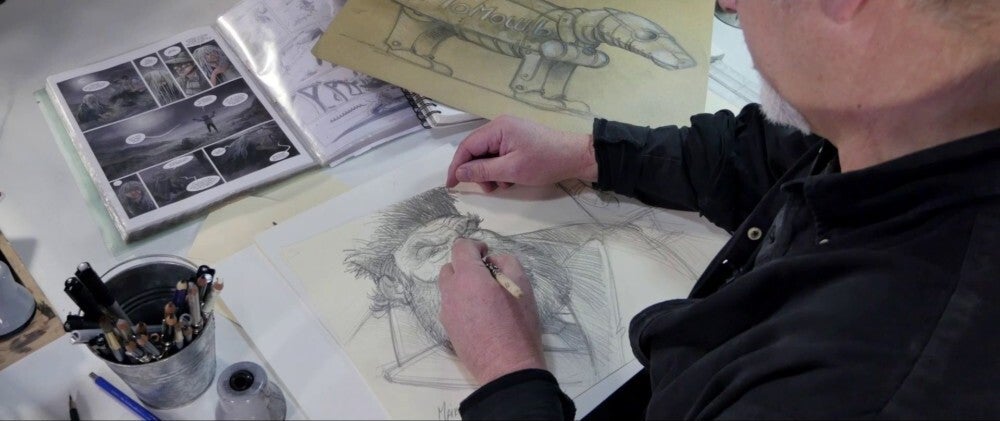
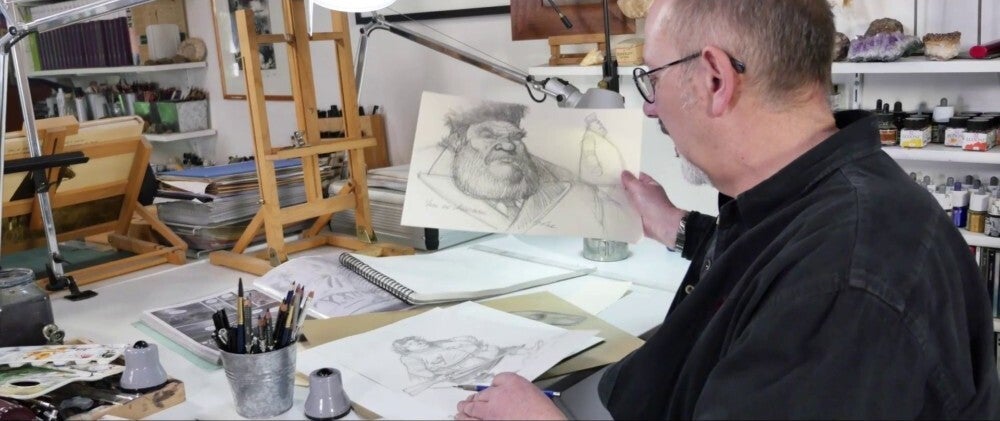
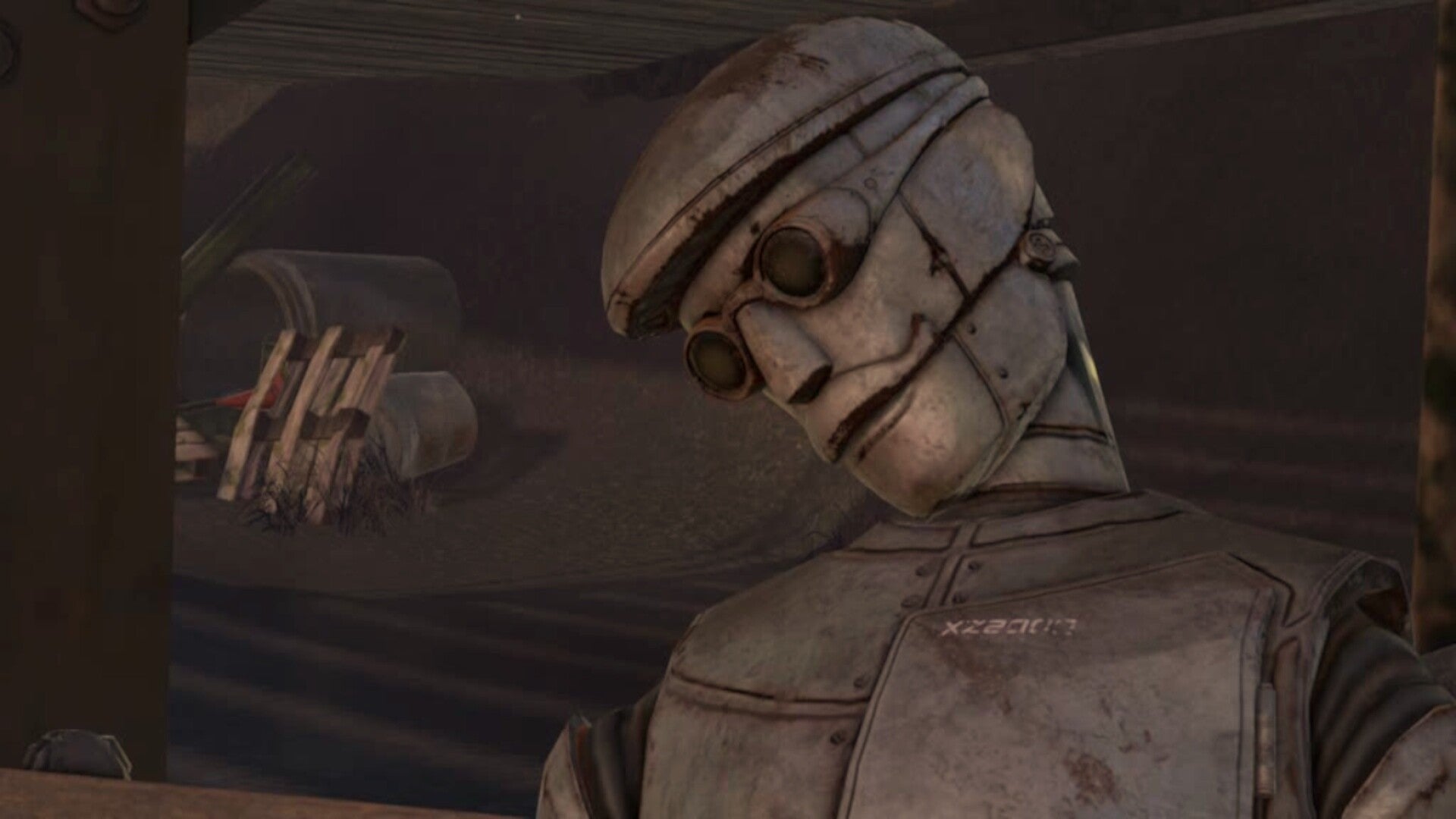
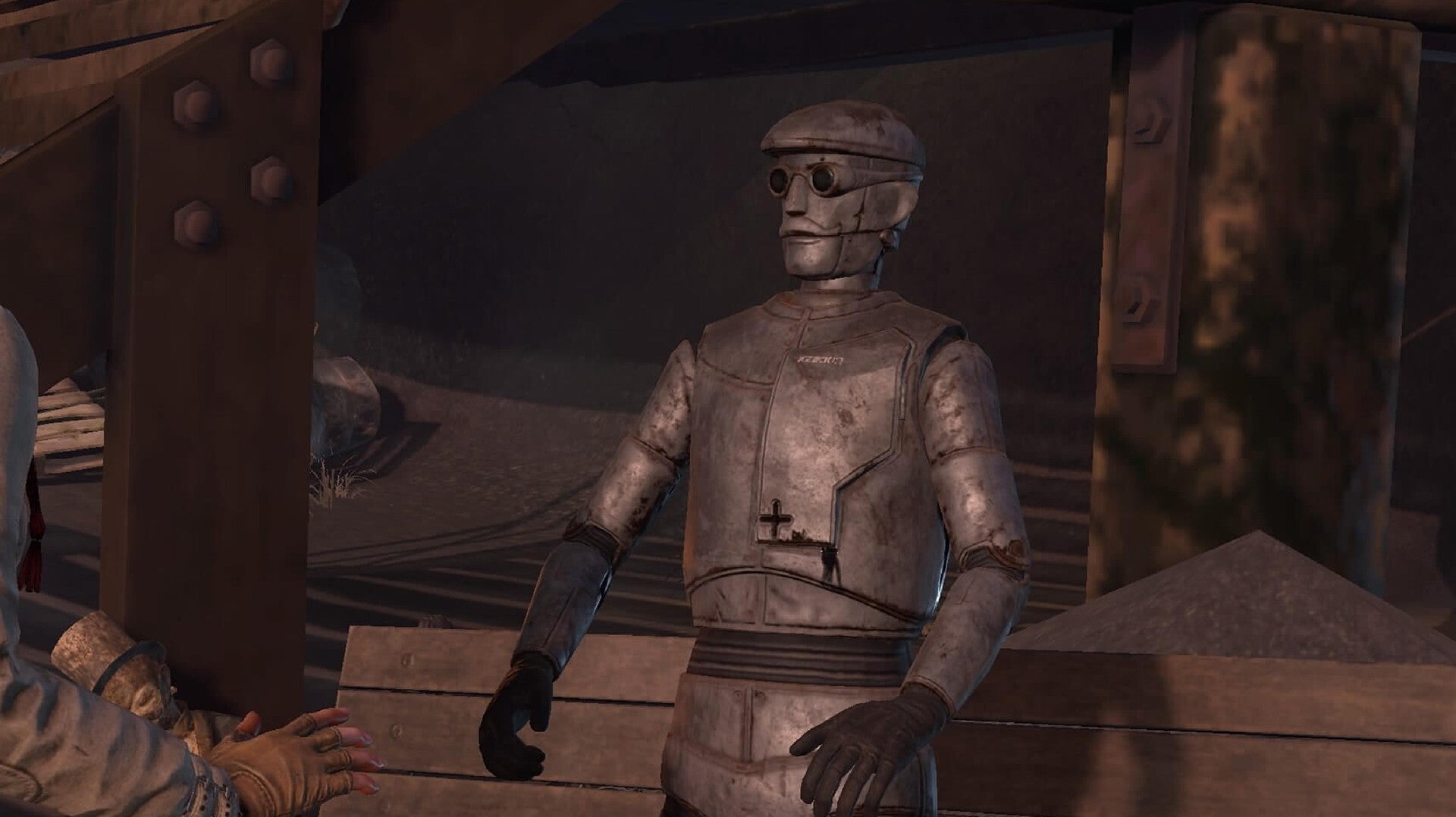
Anyway, Oscar is back with us, for both his informational display on the circumstances Kate explained, on his personal data, and on his own demand, like bringing him clothes. Oh, Oscar, a bit of body change and insertion into an automaton hedgehog made you less demanding, but not less talkative. We get back to Katherina’s place, where the Yukol should clean the rubble of stones blocking the way. We find a few of them listening to a soap opera from an old radio. A commanding stand, and they are back to work. As for the clothes. We return Vorarlberg key back to Katherina; at least some promises Kate keeps as returning stuff. She gives us the key to the closet, we opened up the wardrobe, and now in doorway' s Oscar stands, how he managed to find us. Well, he chose clothes for himself, and I will say he looks better when dressed.

Back on the surface, we begun plan on lifting ship on the beach to open up the cargo doorway. By the way, remember us rewinding Vorarlberg train? Well, now we need to restore electricity to the whole park. At least this time we can assign Yukol to lend a hand. On question where to get electricity ship’s engine will be answer, with cables stitched to it.
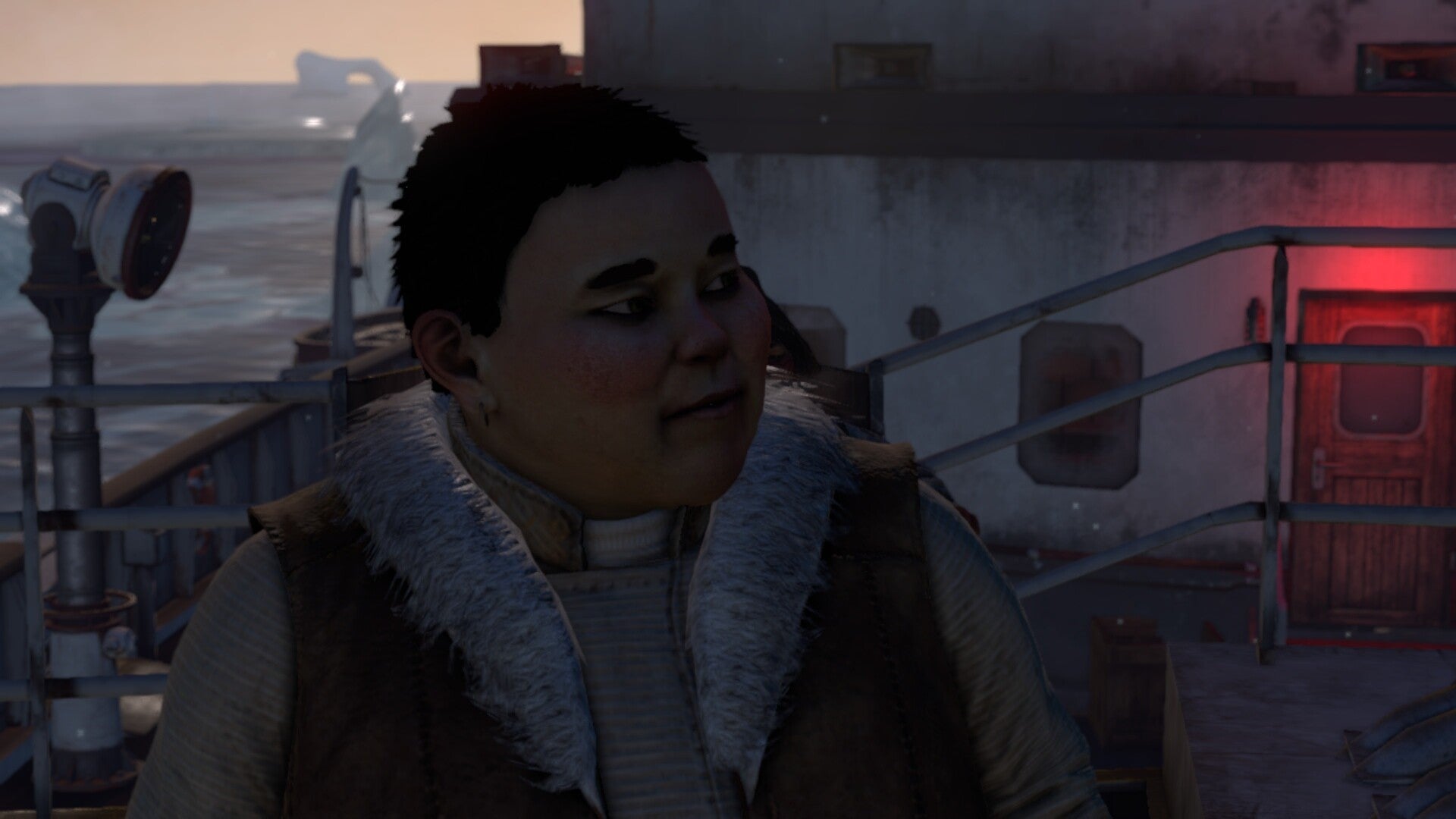
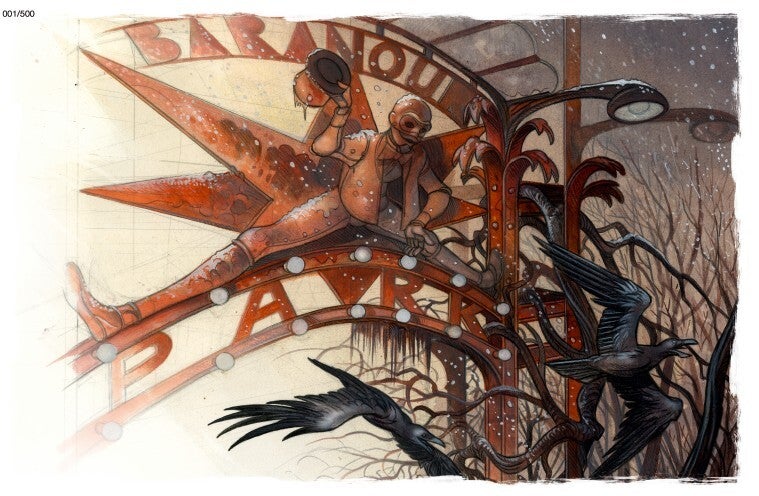
Nothing permanent. Oscar, as always, commenting on how to resolve things, as if we wouldn’t understand that the ship should be lifted from above and not pulled from the front.
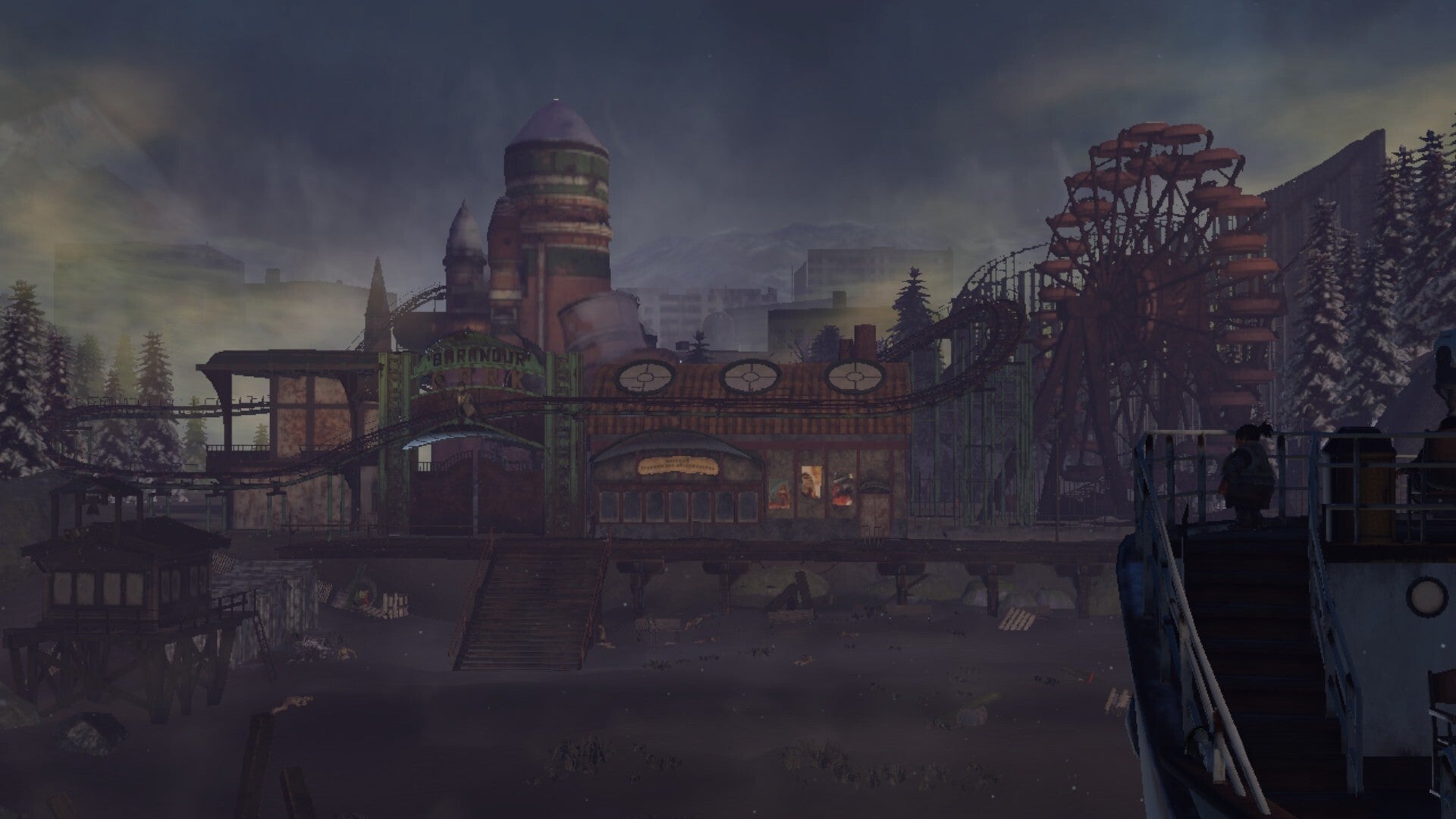
If the park was creepy before, now in lights and motion it looks a bit creepier and much sadder than before. At least we didn’t get an electrical shock through the body; in our place one of the Yukol got a bit shocked.
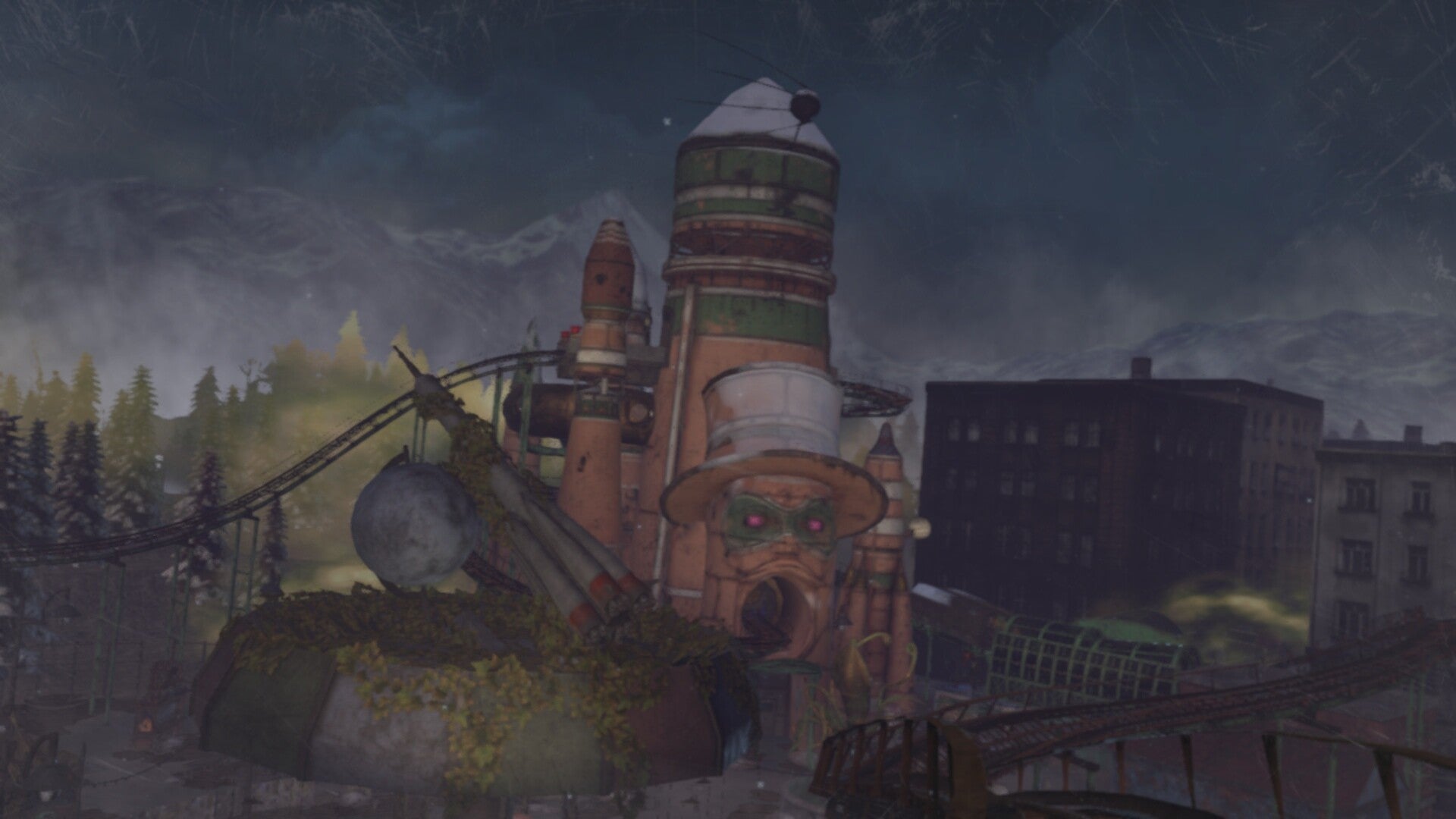
With electricity we first plan was set in motion tractor, as the mechanism to help us lift the ship is called, managed to pull the ship into the sand, where it would got stuck, if we won' t call out to Oscar to stop. For plan two, tractor needs t be moved off the railway it was attached to.

As for how to do it: ask Yukol to reattaching cables, us climbing up to the Ferris wheel controls, working on springs for wheel to work, repositioning us in control tower, switching wheel on, hoping for the best. We lift ship up, strength from motion was enough to pull tons of weight that is the ship with its ostrich inside, by boarding docks shattering wood, and watching as wheel went on a roll—at least not on the ship. All ends well that ends, I guess, as well.

Back to the voyage, though not without Oscar being surrounded by Yukols ready to shut the poor fellow down. Glad to have the shaman, she calms the tribe down, insisting Oscar take a place in her yurt. By the way, we open the cargo, saddle up the ostriches, and are on our way, taking the underground path just in time, since our pursuers are on our tail.
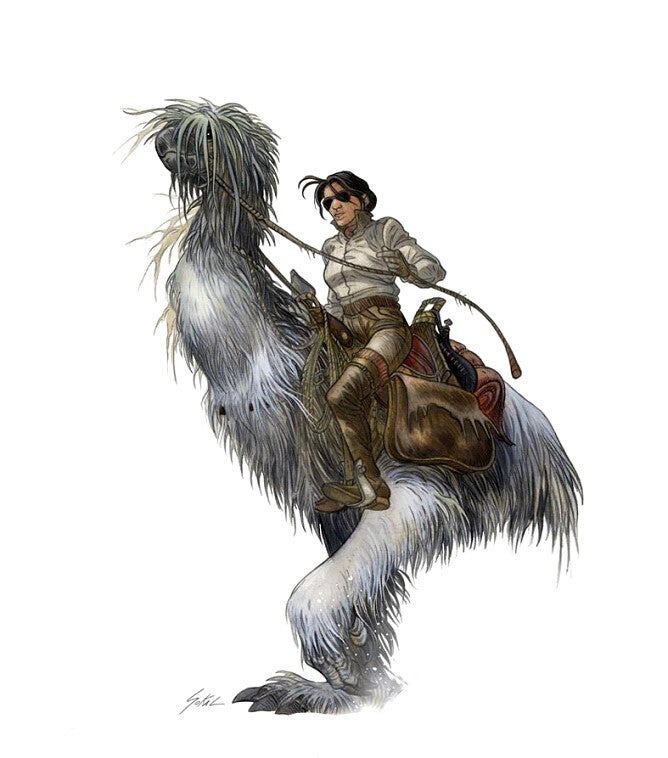
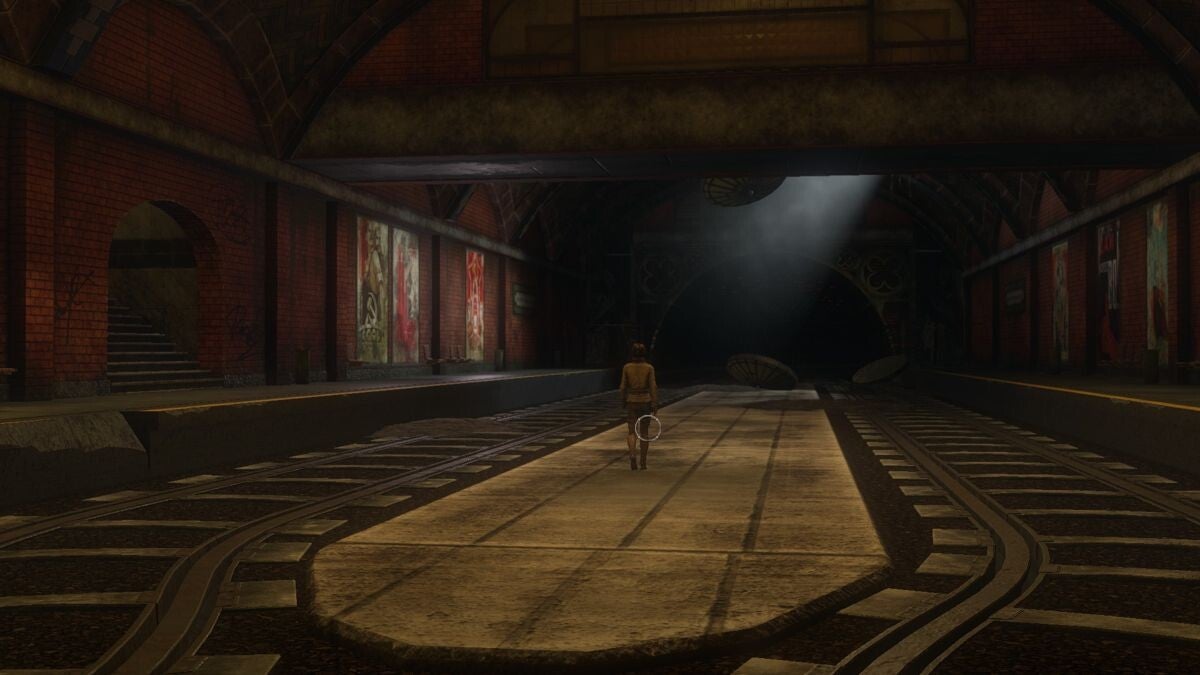
For now we are safe from armed men, but not from whatever lives in the tunnels and makes that scorching sound—my guess, flying bats. Unwelcoming for the caravan to walk just beneath them. Now the goal is to find a way to scare them off. Canalization and city exploits begin. Filthy, stinky, gruesome, but better than the clinic we woke up in at the beginning. For resolving the bat problem, we just need to make up a torch and spook them off, but their only way out of the tunnels is closed by a vent.
We need to open it up, but the radiation outside is deadly to any living creature—though not for Oscar. This time around, probably for the first time, he actually makes a decision on his own. He willingly sets out on the surface without us persuading him. Finally. And honestly, it is the first time in the game series when you get a chance to play as someone else, not Kate.
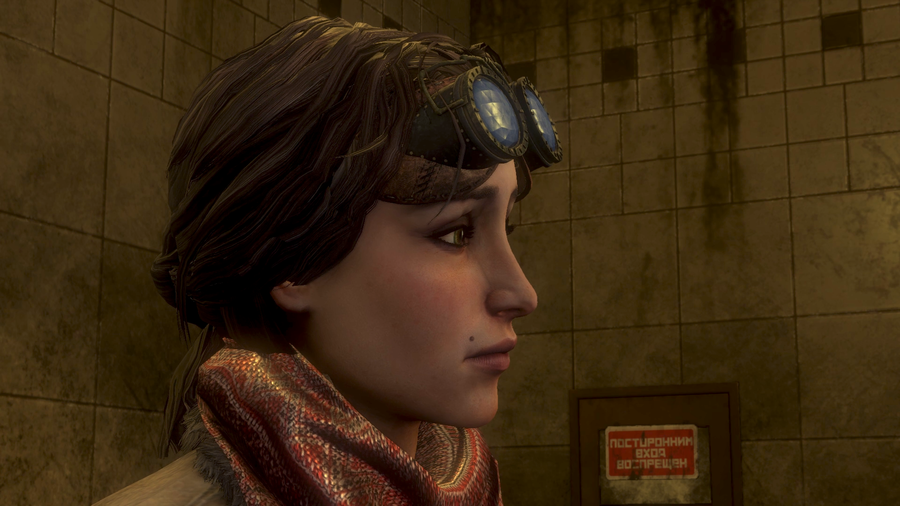
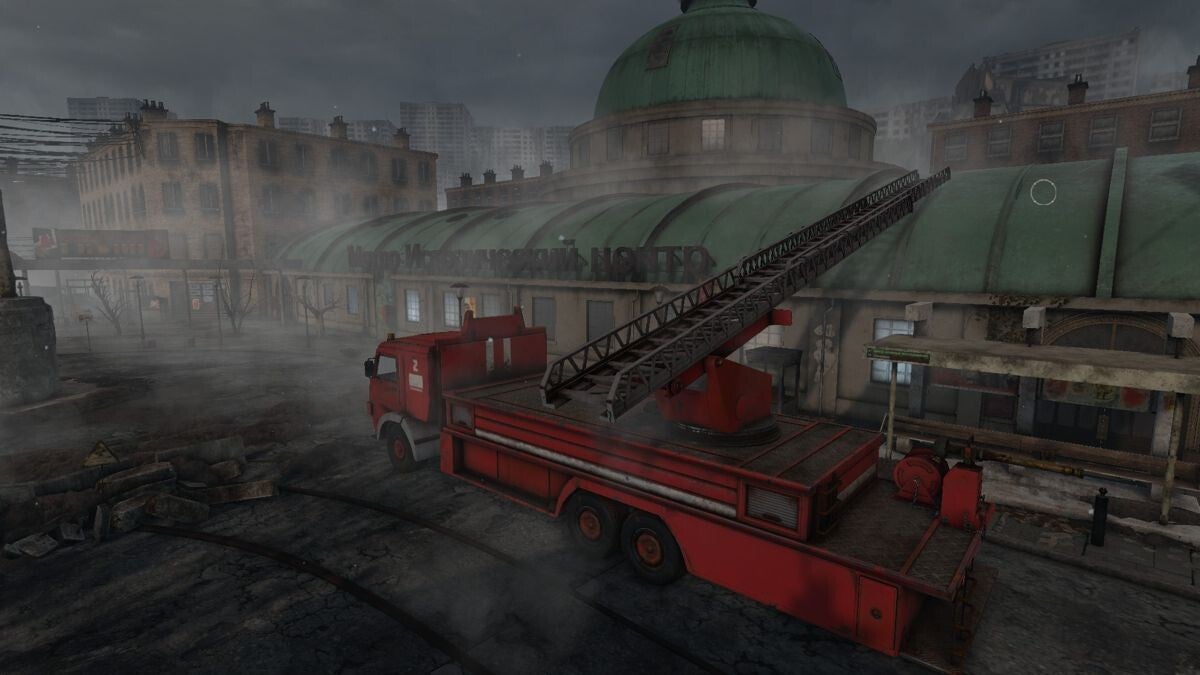
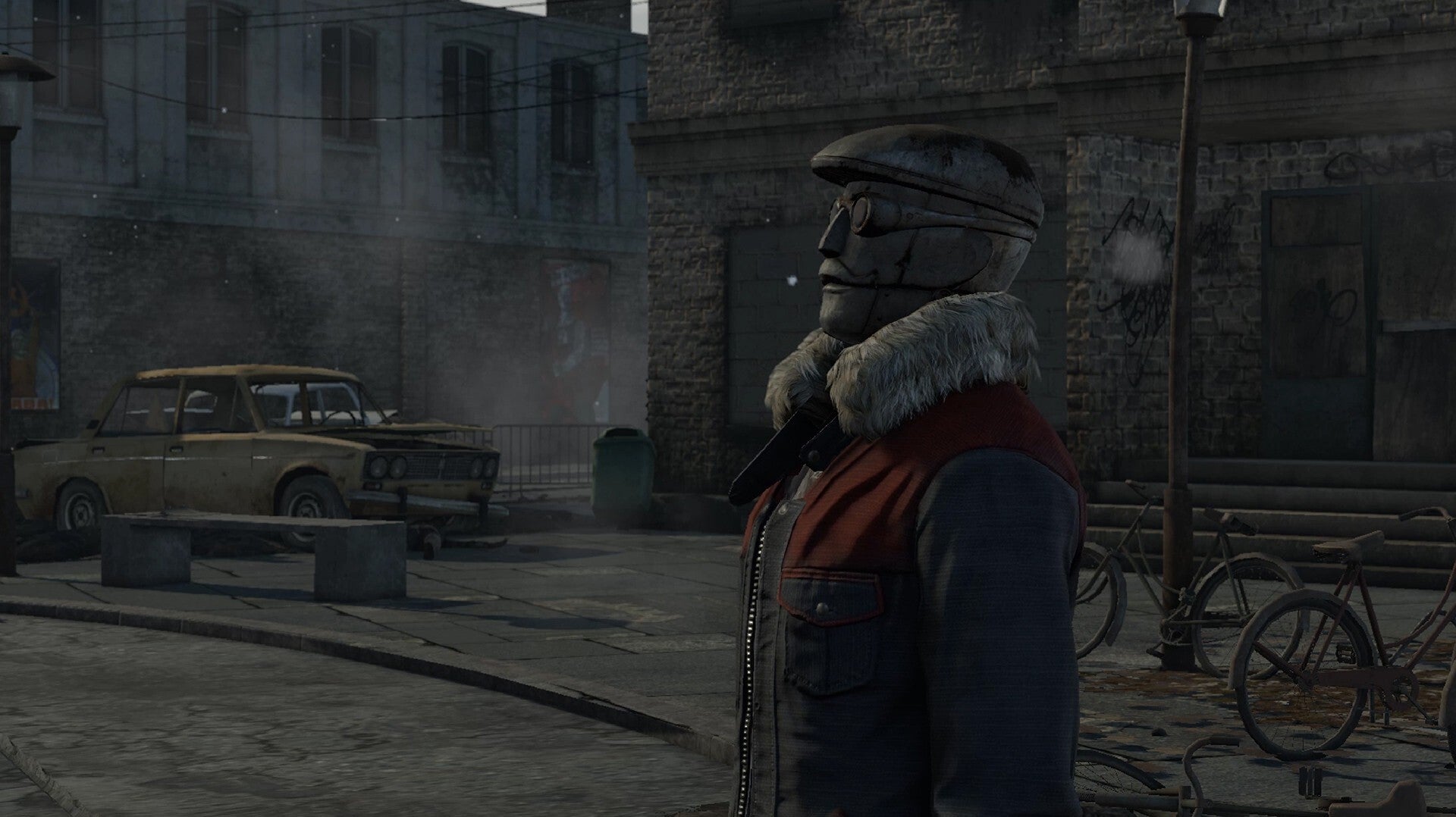
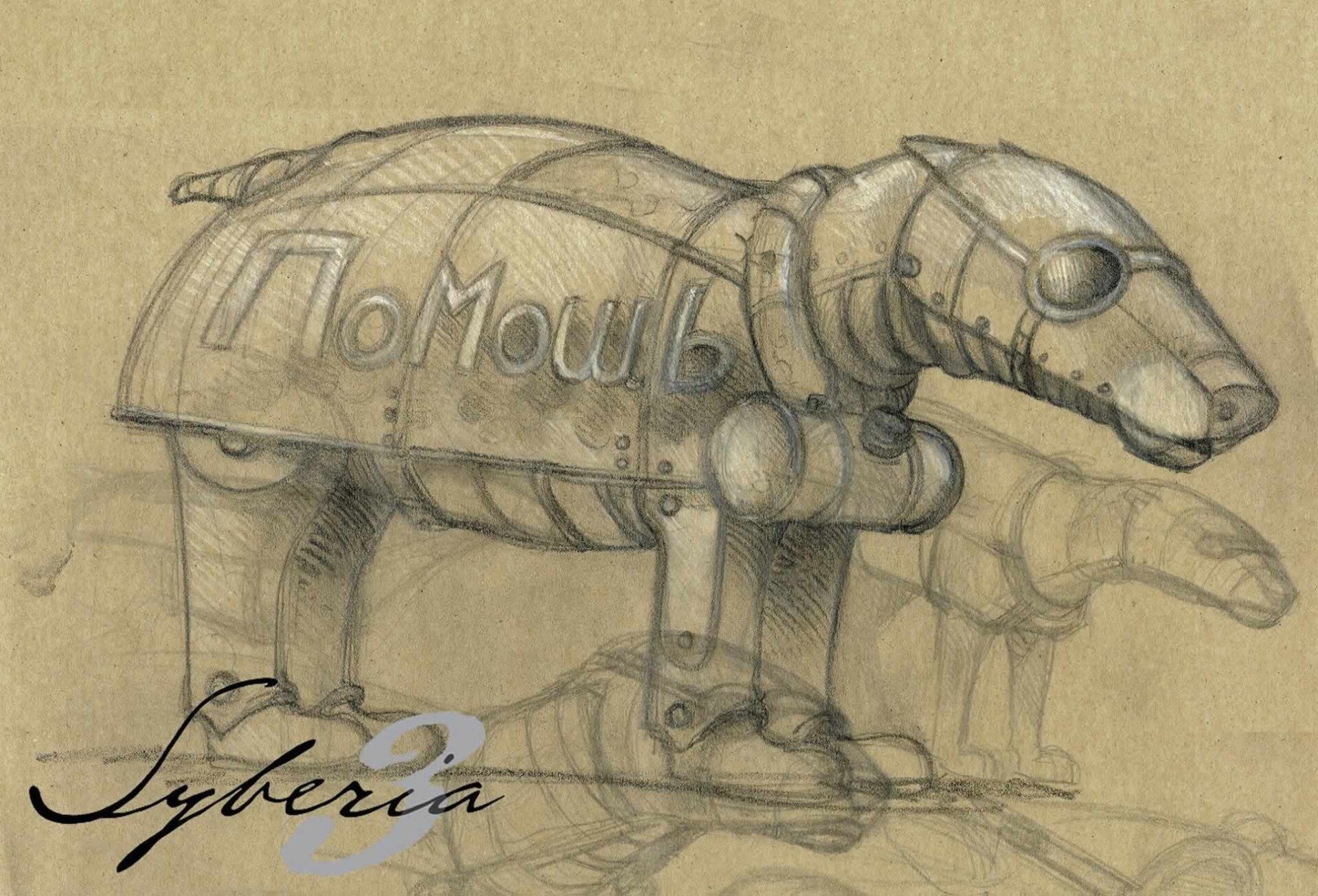
Oscar, with all his stiff mechanical logic, suddenly feels almost… grown up as an individual. He does keep himself this time around more useful, or at least tries to be, calculating the risks. And he did a pretty good job: started the fire engine, pulled it close to the rooftop with the ventilation, but alerted the automaton helpers by dropping the ventilation grilles on the ground. However, he dealt with the dogs on his own by using water from the fire engine. Glad that he was cunning enough and didn’t get afraid.
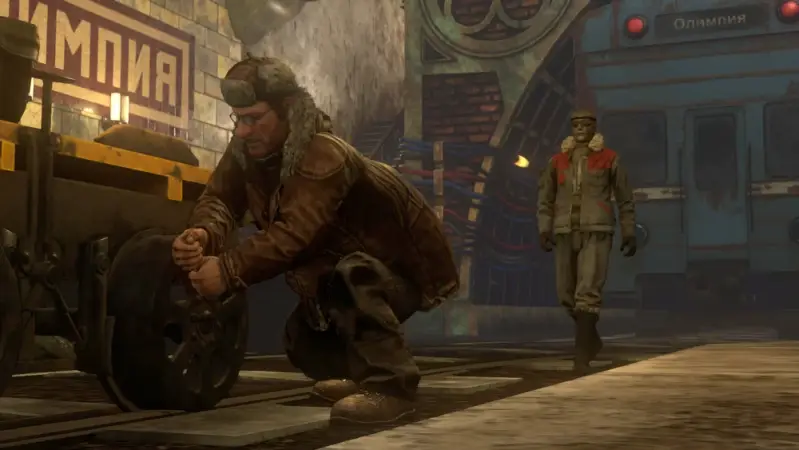
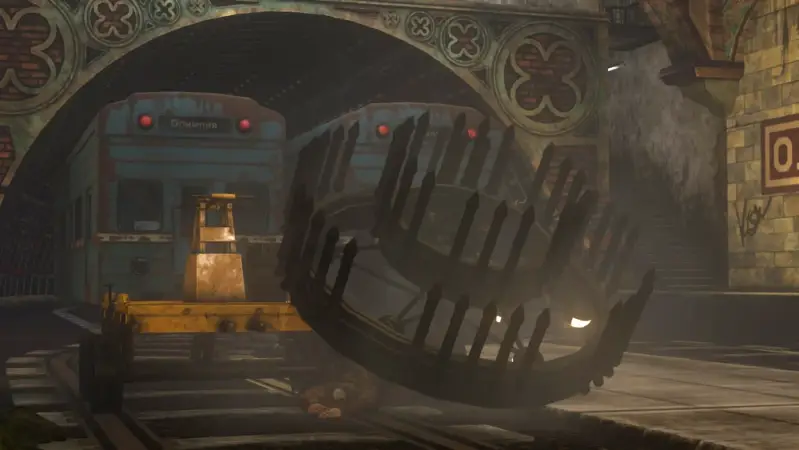
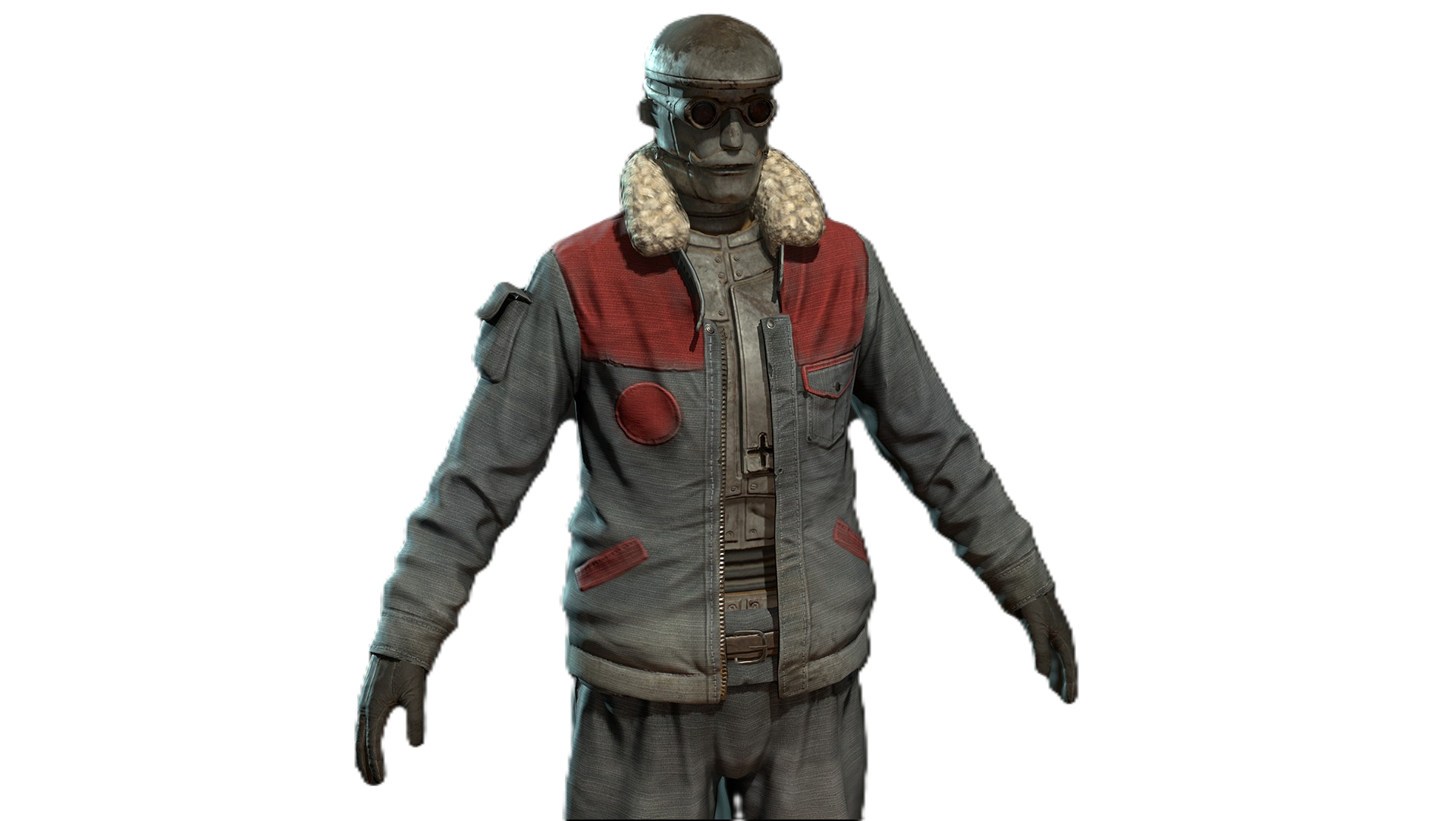
As for returning back the way he came, the camera that determines the radiation level on a person entering it obviously found Oscar in need of quarantine. He, as always, wanted to be left as is, but no, no—Oscar, Kate needs you more than any support. So Kate deals with the camera, Oscar is free, and we are on our way out. Torch lit, bats flew off, and we are back on the surface with fresh air in the wintery snow forest.
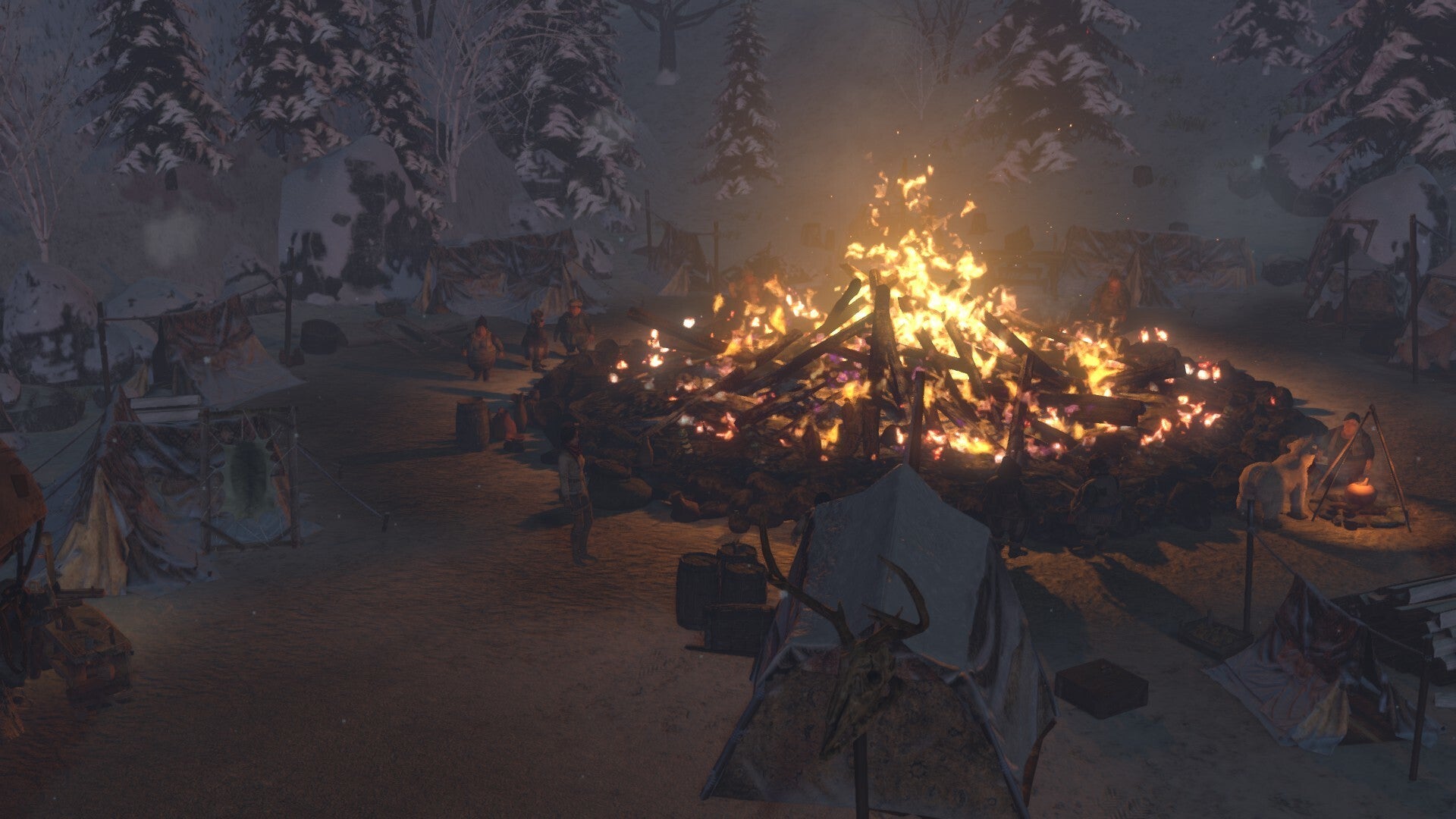
So before we can go take a sleep in the game script—but for me, while playing—we follow the trail outside the gate, finding what I presumed was an old cemetery or shrine to speak with spirits.
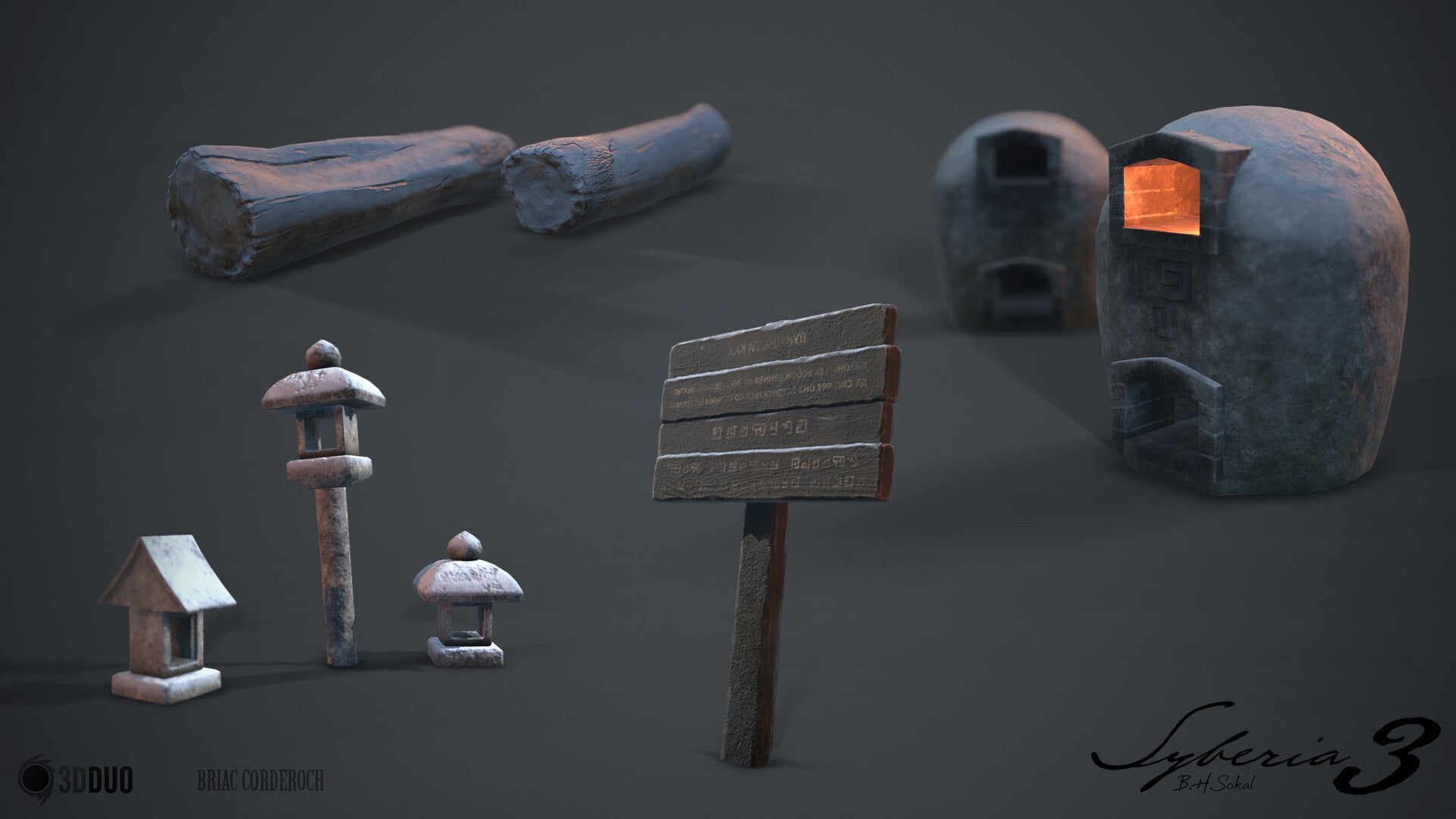
She looks as if she is from the tribesmen, well, half Yukol; her father was a Yukol. Turns out the ruined buildings were built by the Yukol.
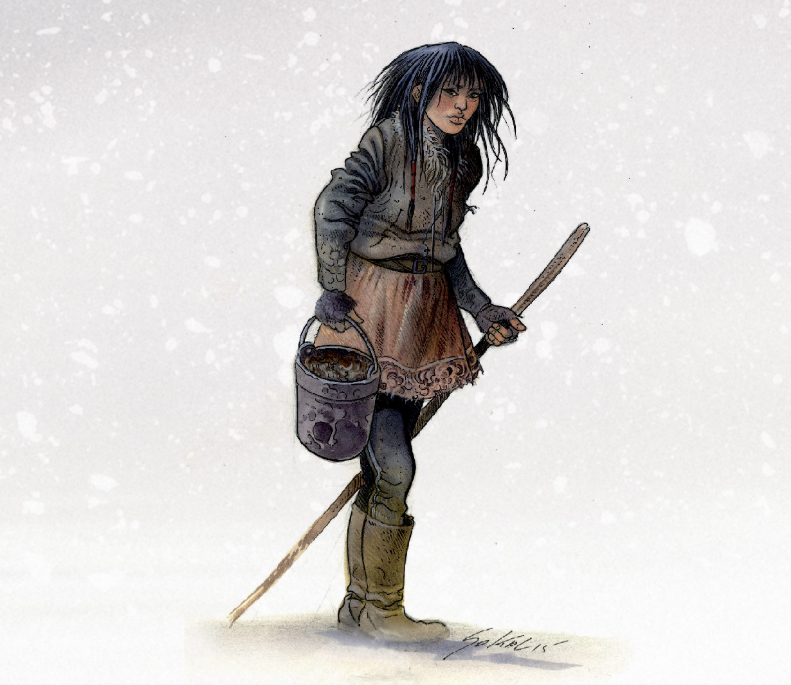
Tell him to go pay a visit to the girl. In the meantime, we enter the building.
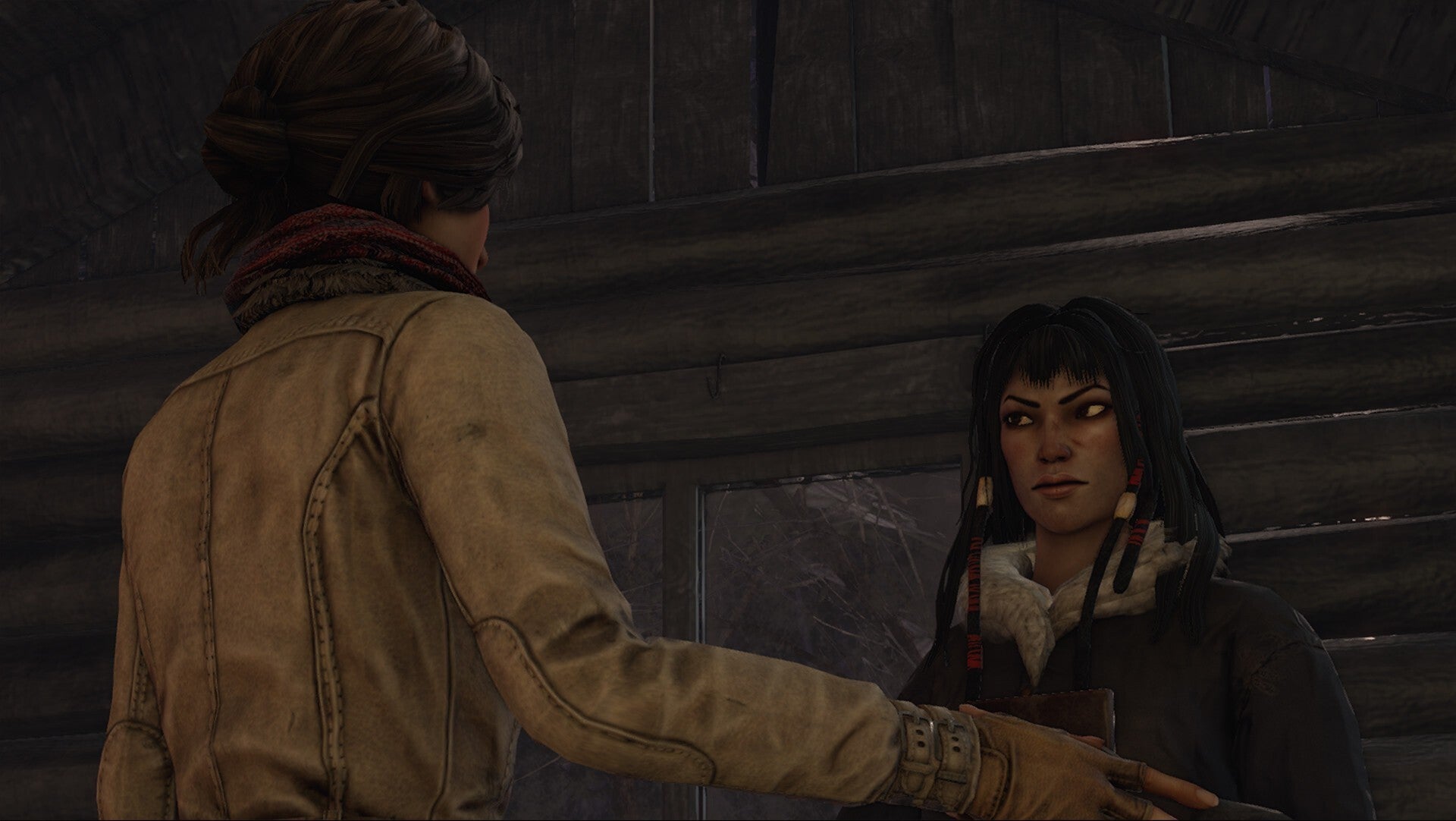
I still don’t understand how I managed to reach the basin—where, by using mirrors, you manipulate the moonlight to open the doorway passage into the temple.
Aahhh, but well, camping outside with such an immersive fire pit—I think anyone can see it from above. Anyway, this place is a Red Moon’s Night; here I fell asleep again.
One thing is odd: we camped here for a night, so who ignited all the candles? There must be someone who lives here. And there is—a strange‑looking woman
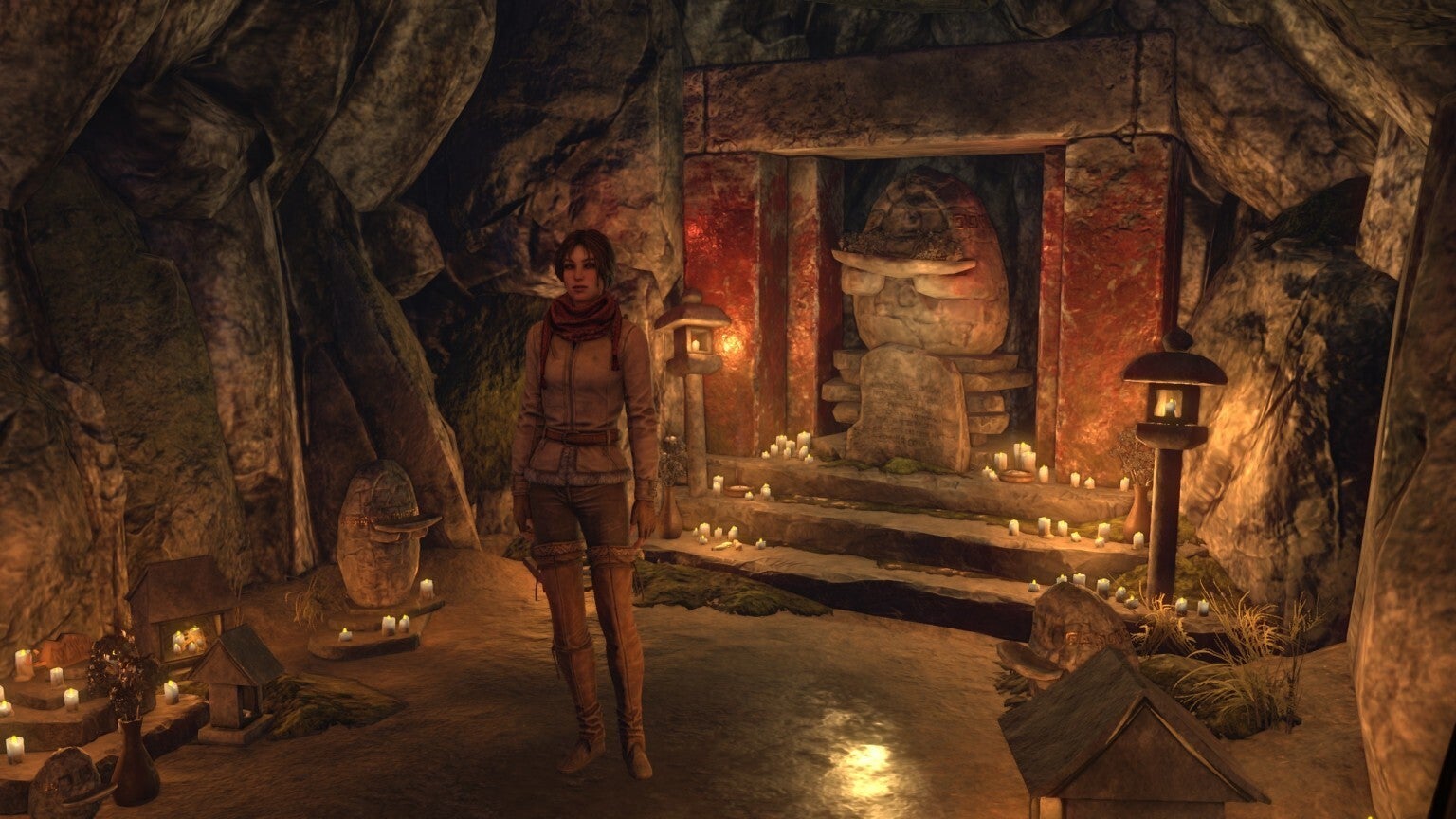
The temple, however, that we need to find is somewhere beneath the building. By the way, we retrieve a journal from the daughter of the Yukols, gone to give it to Kurk to translate it for us.
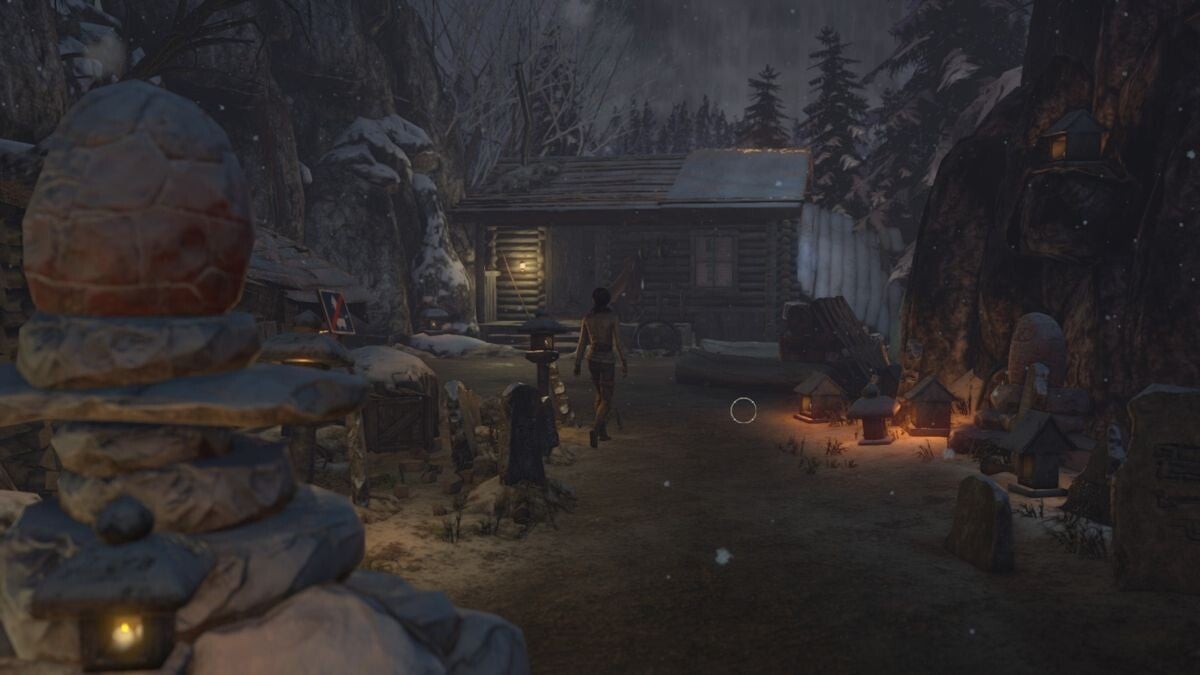
Probably the reason why I don’t know how the sacred place was found is because my fingers were guided by some spiritual entity. Since I got lost within the corridors of the building, circled around, and fell asleep with the controller in my hands.
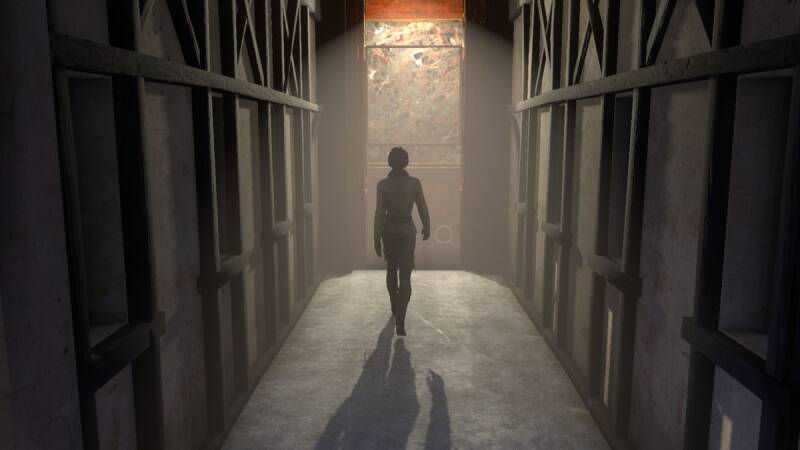

As for the wild dreams or spiritual interference in Kate’s mind, well, translation is easy: whenever we feel regret, we always drift toward self‑pity. Kate, however, stands on the edge between two worlds—acceptance on one side, moving on on the other. No one can solve this problem except ourselves. And for Kate, her past will always catch up.
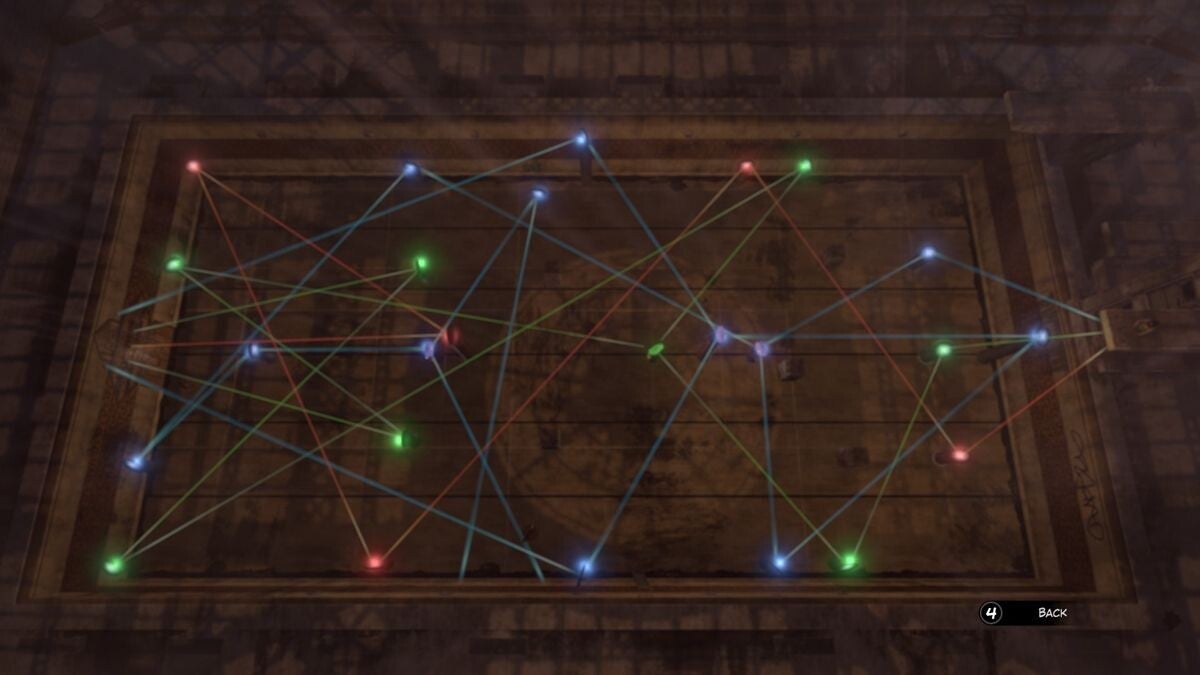
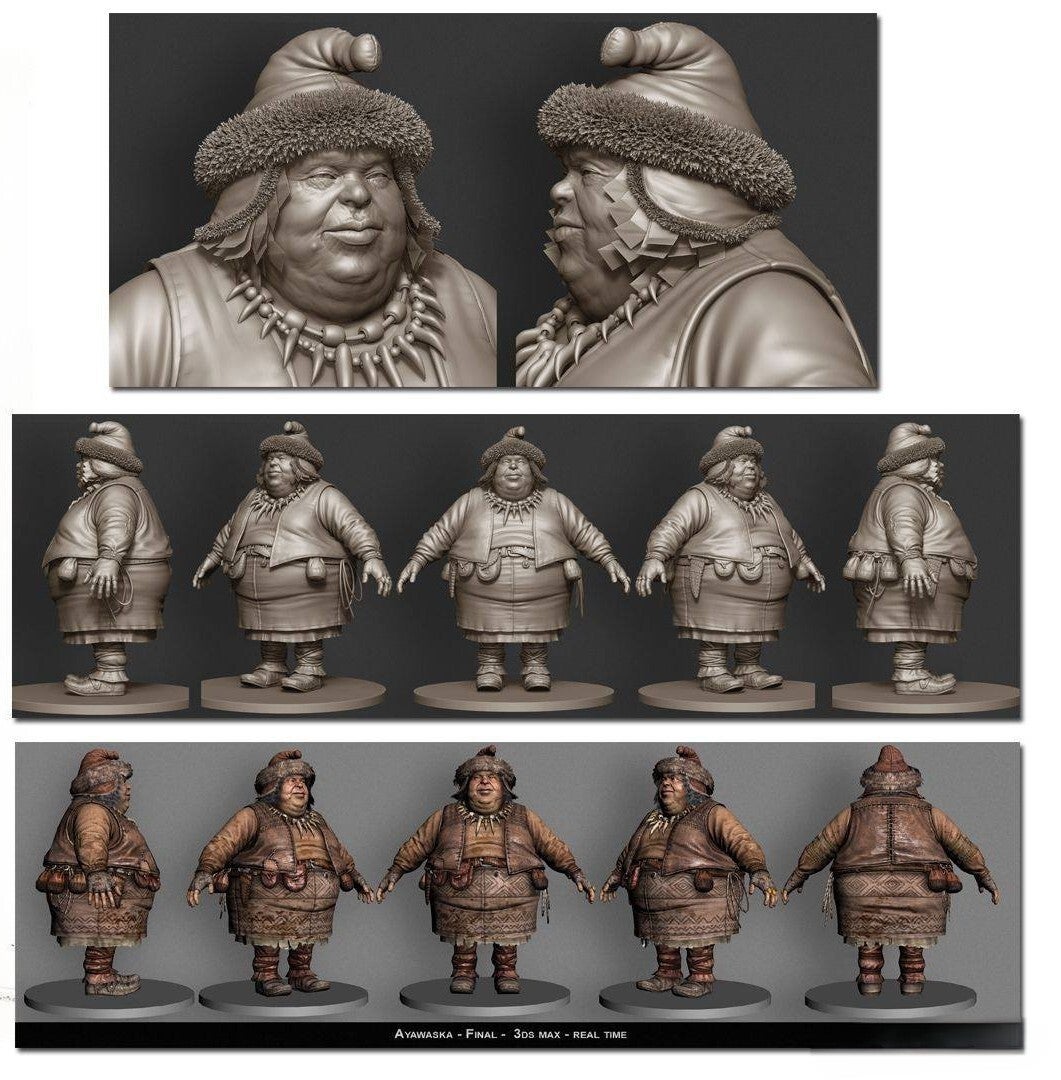
If she could cope with accepting her choices, maybe things would be easier, but there will always be someone demanding she return. That is just my own thought, my perspective on her circumstantial struggles. But since old fellow called watcher we will met just ahead said - Kate doesn’t have a goal noir a destination. Goal without a destination - the definition of past and unknown, the struggle we all face in life. In Kate’s case, I would say the destination, as well as the personal formation of one’s decisions, shouldn’t be treated the way it is for her. Her past from America, as I tend to think, overreacts on her behavior, as if she did something wrong. Or maybe some of the situational conflict is just rumors and lies about Kate’s true reasons for her journey.
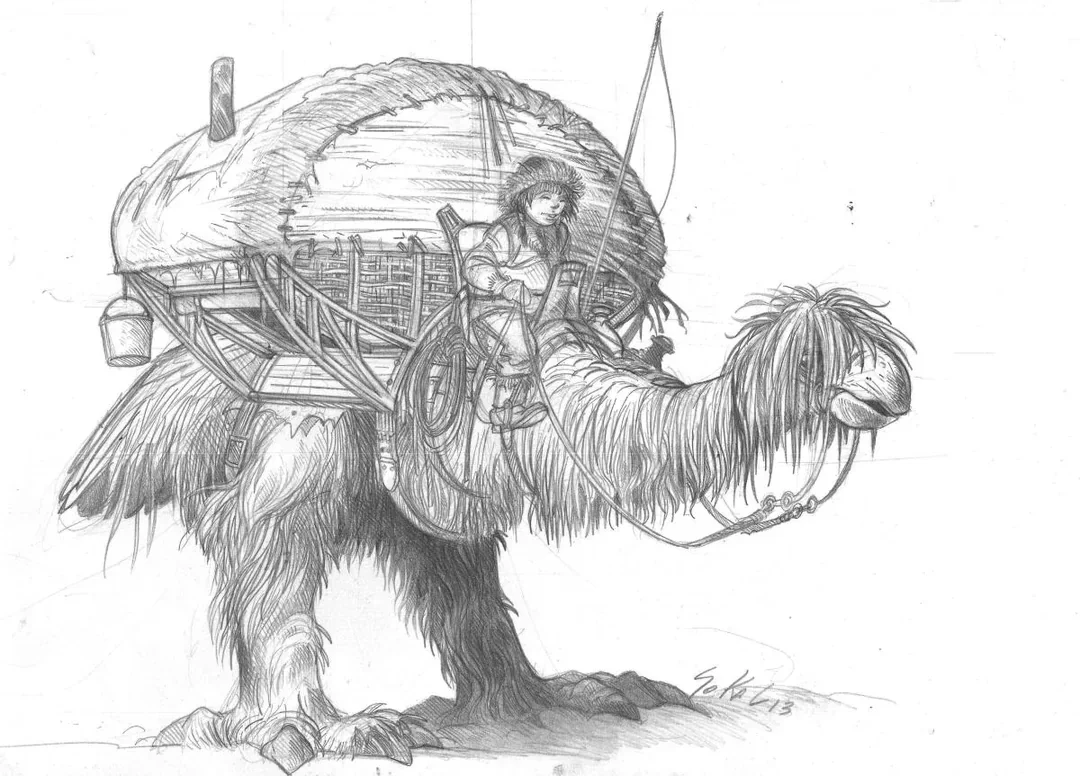
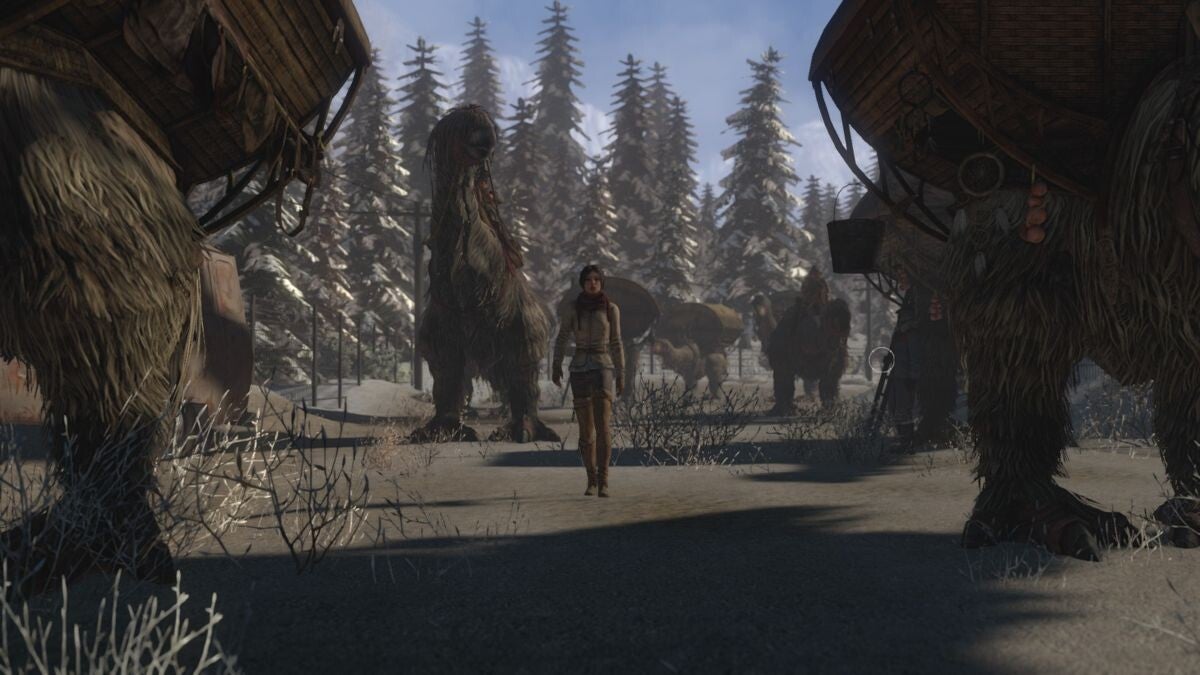
For now, we have finally reached the last stop before the third game’s ending. Kate wakes up in the yurt to the Yukols shouting about a sudden stop. We talk with Kurk about the situation regarding the bridge crossing. The old one has been destroyed; the new one, a drawbridge, is controlled by a border guard who checks documents and grants passage for anyone crossing the river.

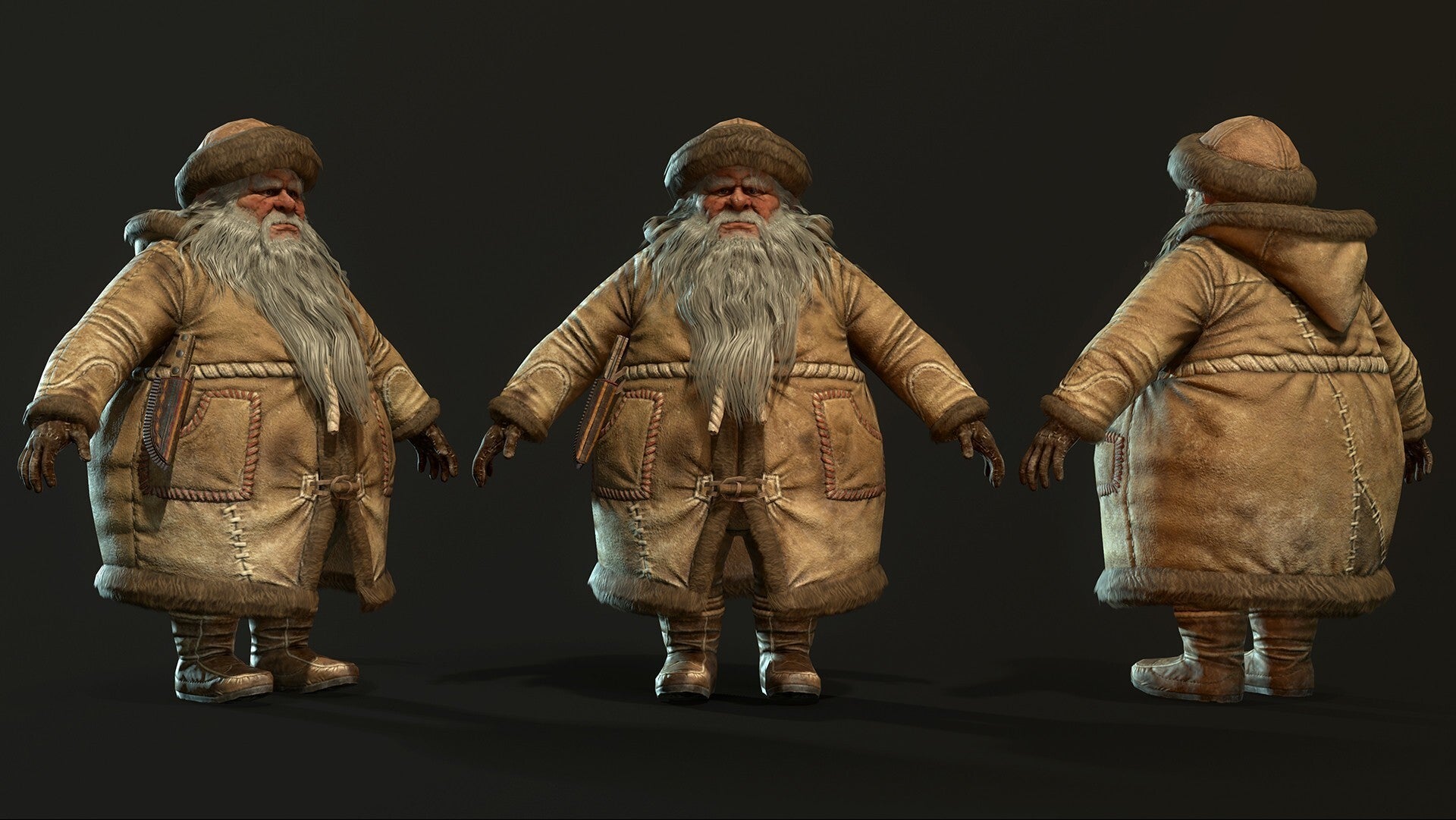
We spoke our way out, border guard does help us on first bridge crossing sequence, first bridge line is pulled down. We get to the opposite side, wait, first bridge behind us lift's, next in front lowers, pass. Anyway, the border guard leaves. We need to find vodka for the watcher on the other shore, and we also need to ignite the smoke signals for the spirits to bless the Yukols on reaching their destination.
Vodka with the zipline is delivered to the watcher. He fills the cart with the things we will need for the smoke puzzle. And honestly, I fell asleep during this part—it was so long. Maybe it would have been simple for me if I hadn’t been so tired from the previous stop, but I confess I went for a walkthrough on how to solve it. Too many moments of drifting off on this meditative journey.
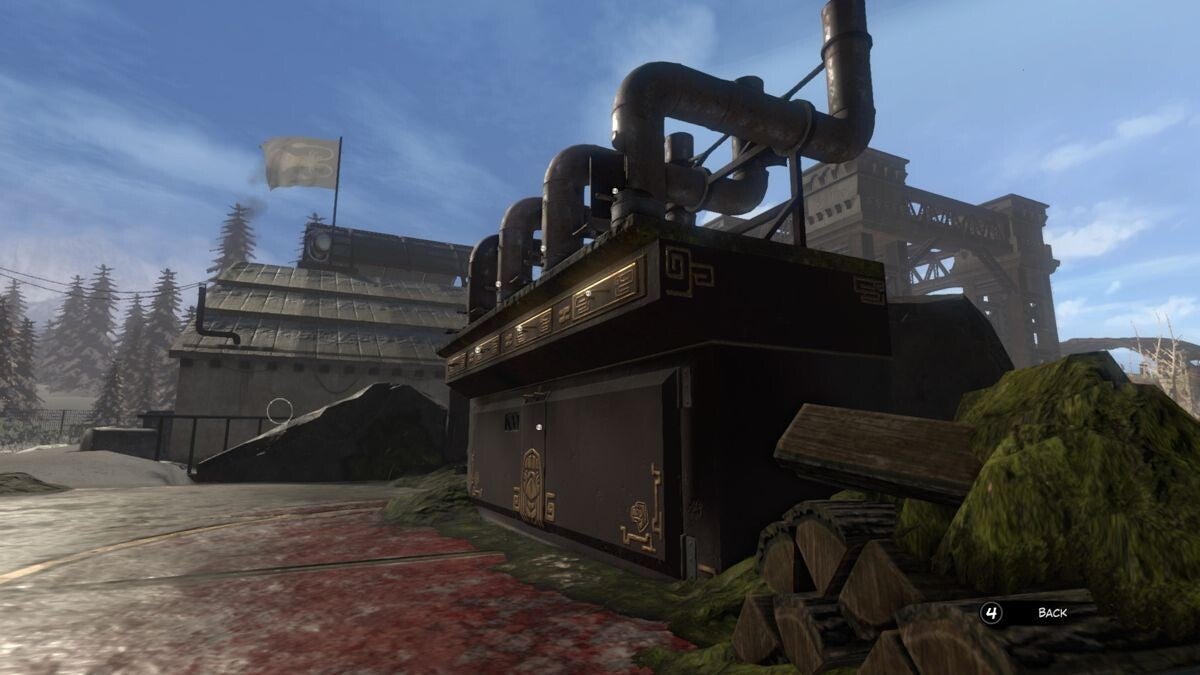
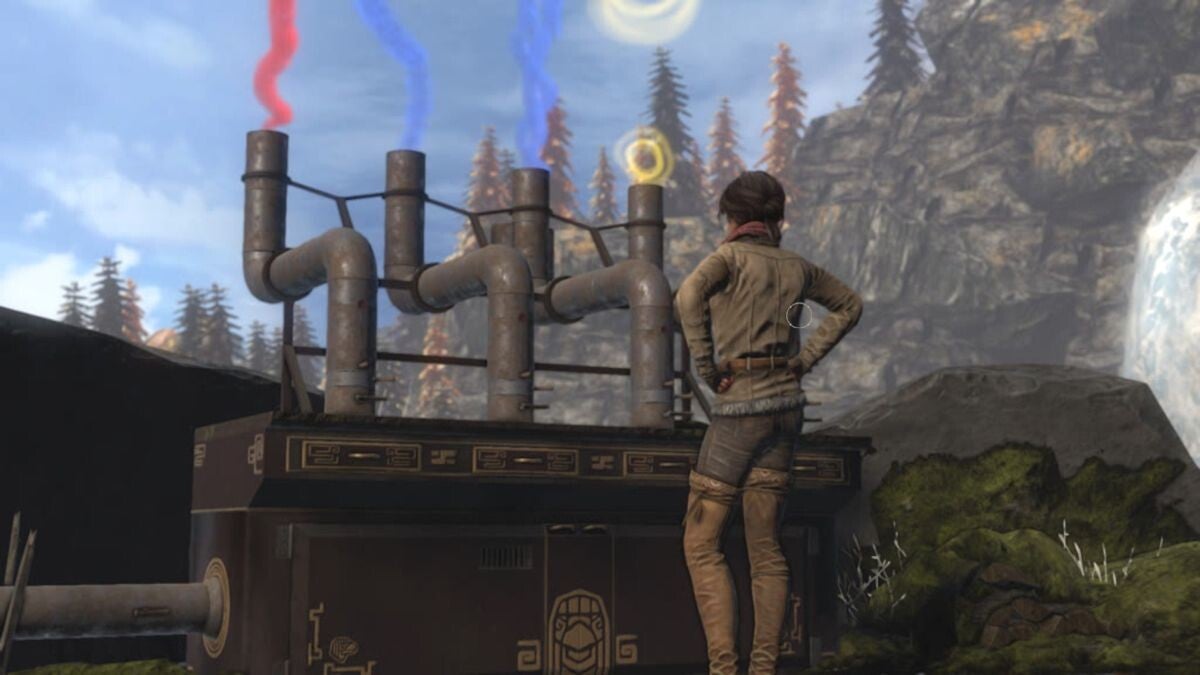
The idea of the smokes is to place specific spiral forms in the chimneys on the opposite side of each colored smoke. For the smokes to have different colors, you need resin of the matching color—just a quarter of it—since the blue one is a full circle shape and you need to cut it into the proper form. But before all that, you need to ignite the oven so the smoke can rise. Probably, if you haven’t played it yourself, it’s better to try and figure it out on your own.
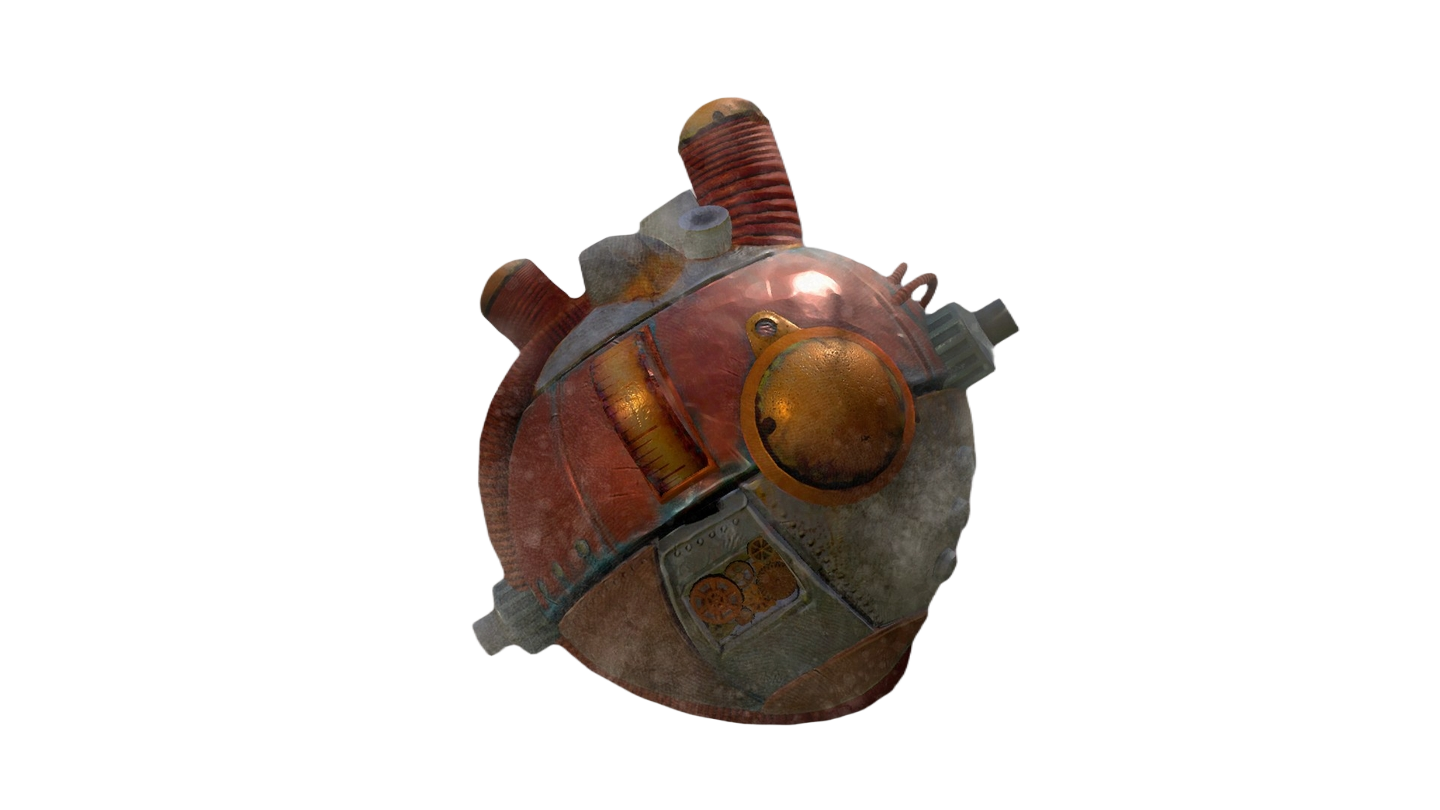
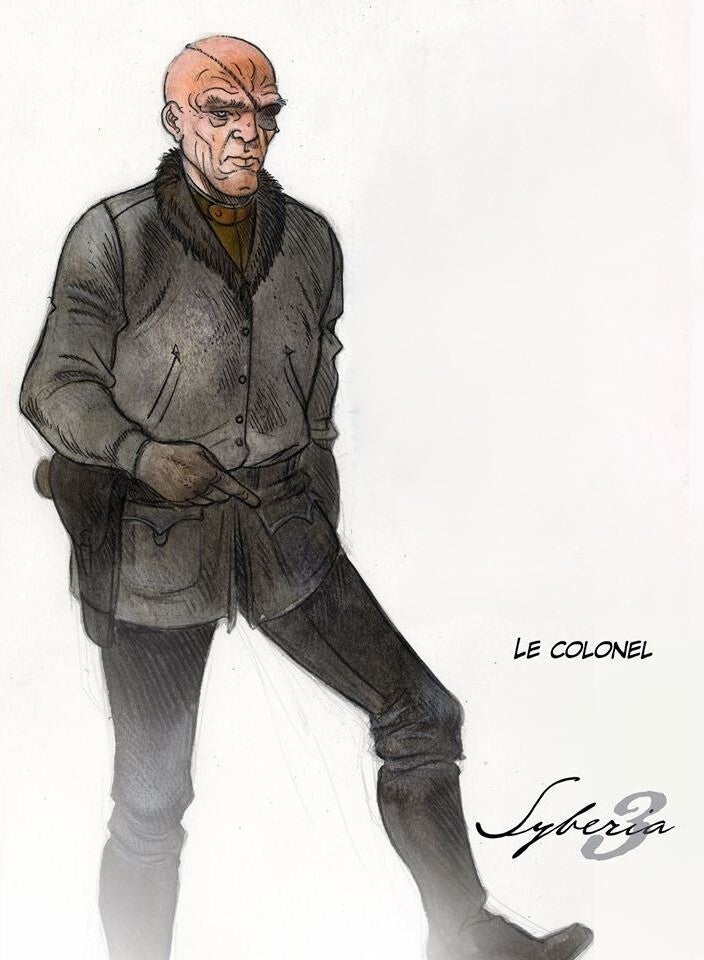
Now the smokes are floating in the sky, from both us and the yurt on the opposite side. The customs officer becomes the next missing problem. Oscar assigns himself to bridge duty, while the Yukols need to cross the bridge just in time, before the soldiers stop the tribe. To say it went smoothly would be a lie. In dire circumstances, we were… nope.
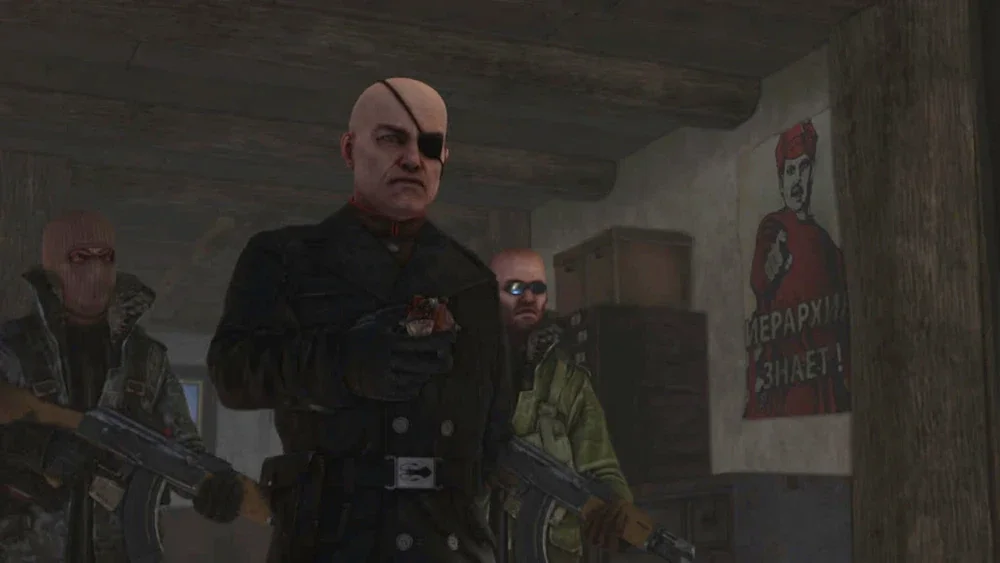
So, as we only just got Oscar back, once again we lose him. We burst through the door, since the other part of the bridge won’t be lowered down, meaning the soldiers get to Oscar first. And what do we find ? Oscar’s body lying on the floor. The bald man who kept persuading us throws Oscar’s heart onto the ground. Hopefully Kate picked it up.
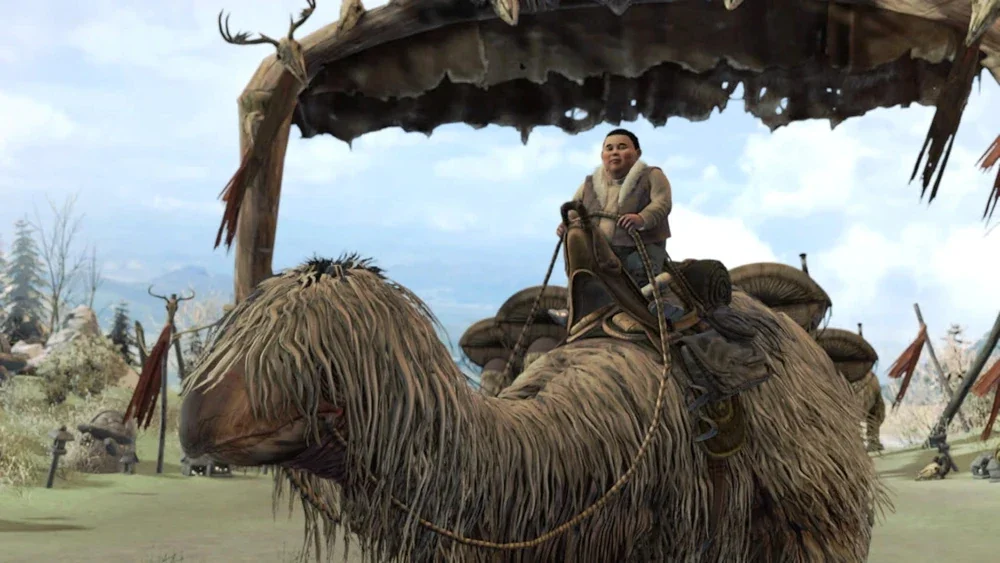
The Yukols escape just in time. Kate gets a blow from a soldier, knocking her out for a moment. We end with Kate being dragged into a helicopter and carried away, while the Yukols continue their journey forward. Another sad ending, another moment where freedom was almost within reach.
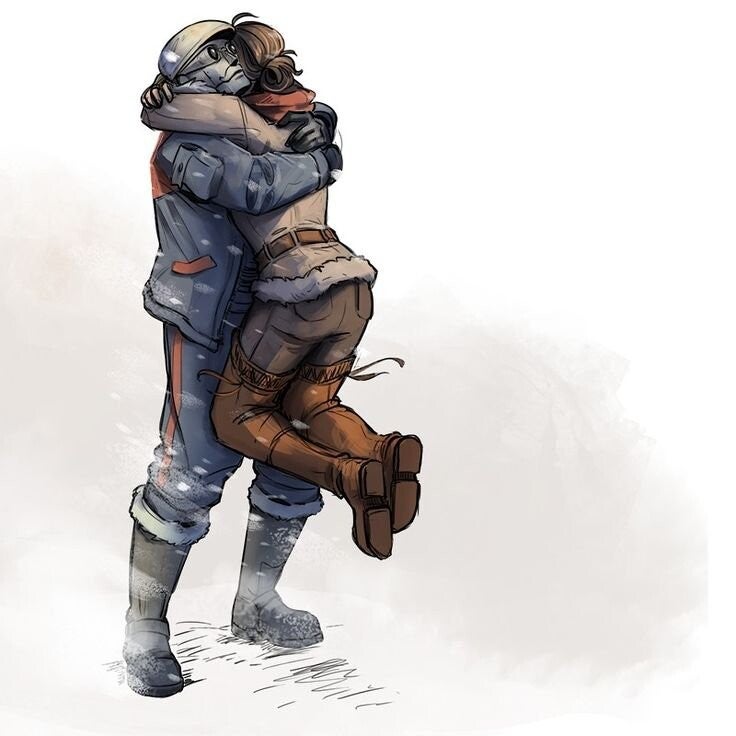
How did the Yukols manage to get to safety? Well, Oscar’s body had frozen with his finger pointing at the lever. Kate plays out a surrender to the soldiers while, leaps on side and pulls the lever down.
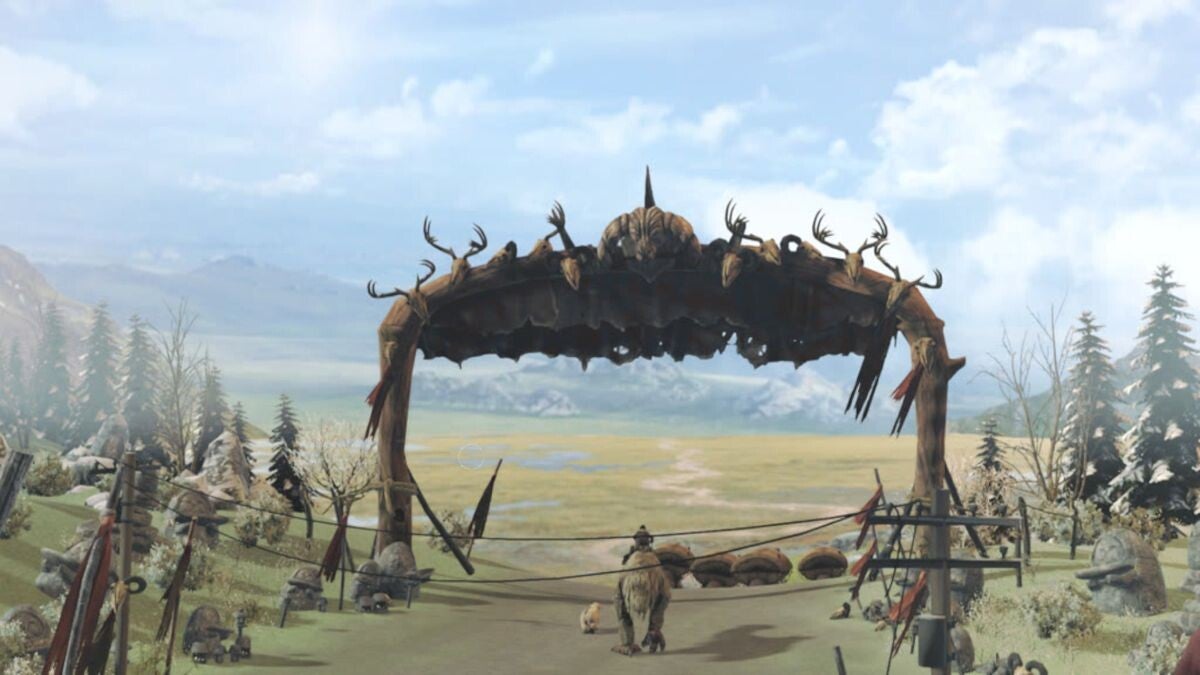
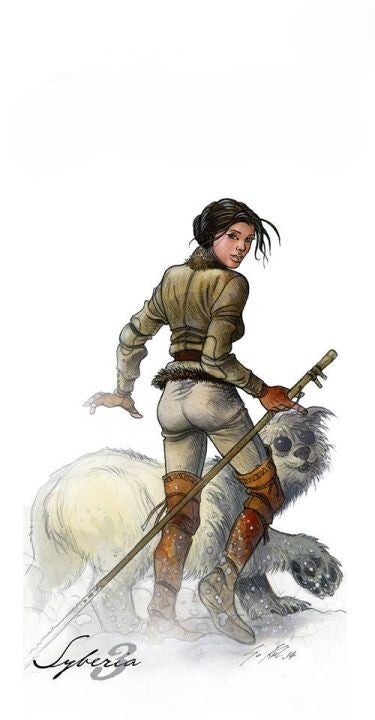



Before long, I started having a more romantic view of the world, a more poetic aspect of it. That’s why some albums of Canardo and Amerzone are more poetic. Everything constantly changes, right? However, I may now have a more poetic view of life, but I still experience some dark, pitch-black nights. At the moment, I am writing Syberia 4, and it’s a little bit dark ! Yes, Syberia 4 is darker.
I’m talking about the sexualities of Kate Walker, a little. And I’m also talking about reactions to much more violent situations. Not because of modern times and what’s happening in the world; it would be very difficult for me because both the subject and the situations change. Though, if I wanted to be honest with you, I must admit that I really don’t know yet as this is still work in progress.
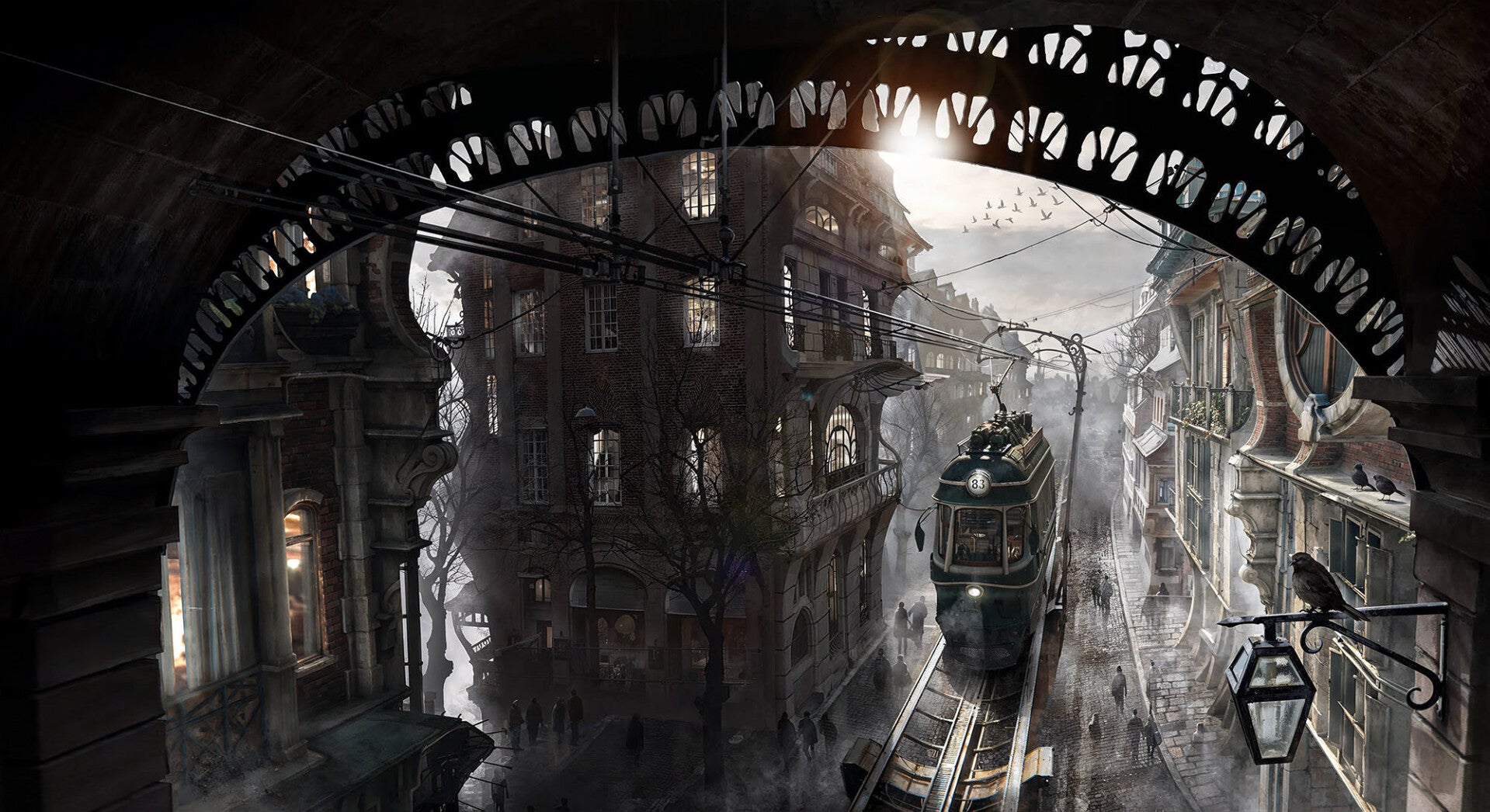
I’ll be clear: I have a graphomania problem. When I try to choose different approaches for different aspects of games created by a single author, I lose myself in words. Climbing down the rabbit hole, I keep finding new steps, turns, and curious little stops.
Speaking about seven games in a row—seven from which some would be well‑known—is a heavy task, and climbing back to the surface is even harder than descending. For the last game, I’ll probably try to describe fewer mechanics and focus more on the story. It’s a coin with two sides, after all, and Kate leaves a few questions unanswered at the end of The New Beginning.
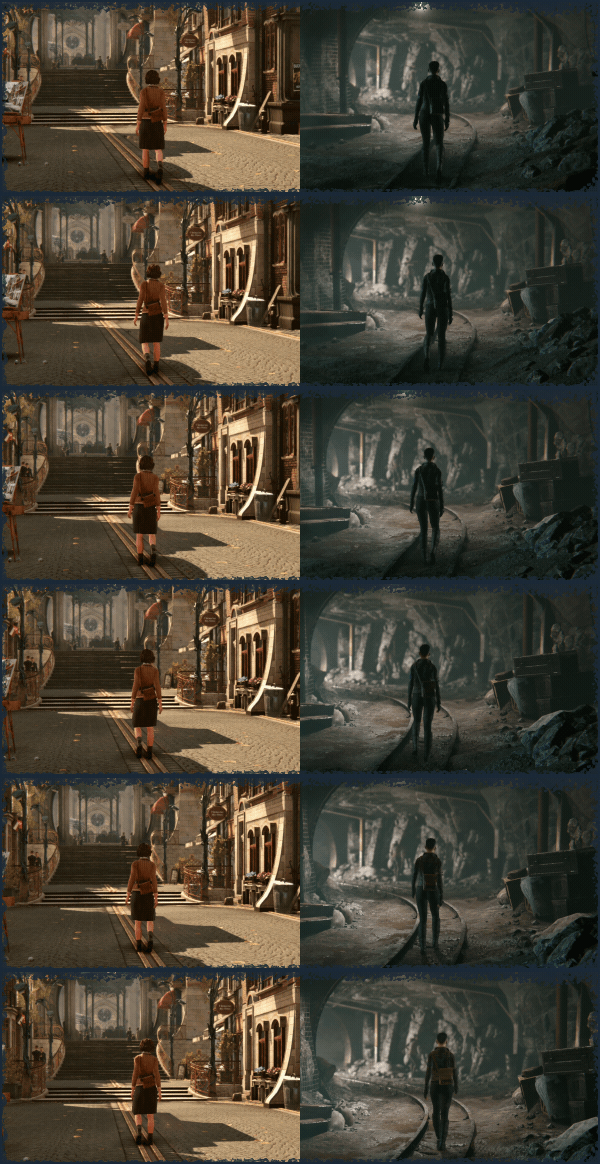
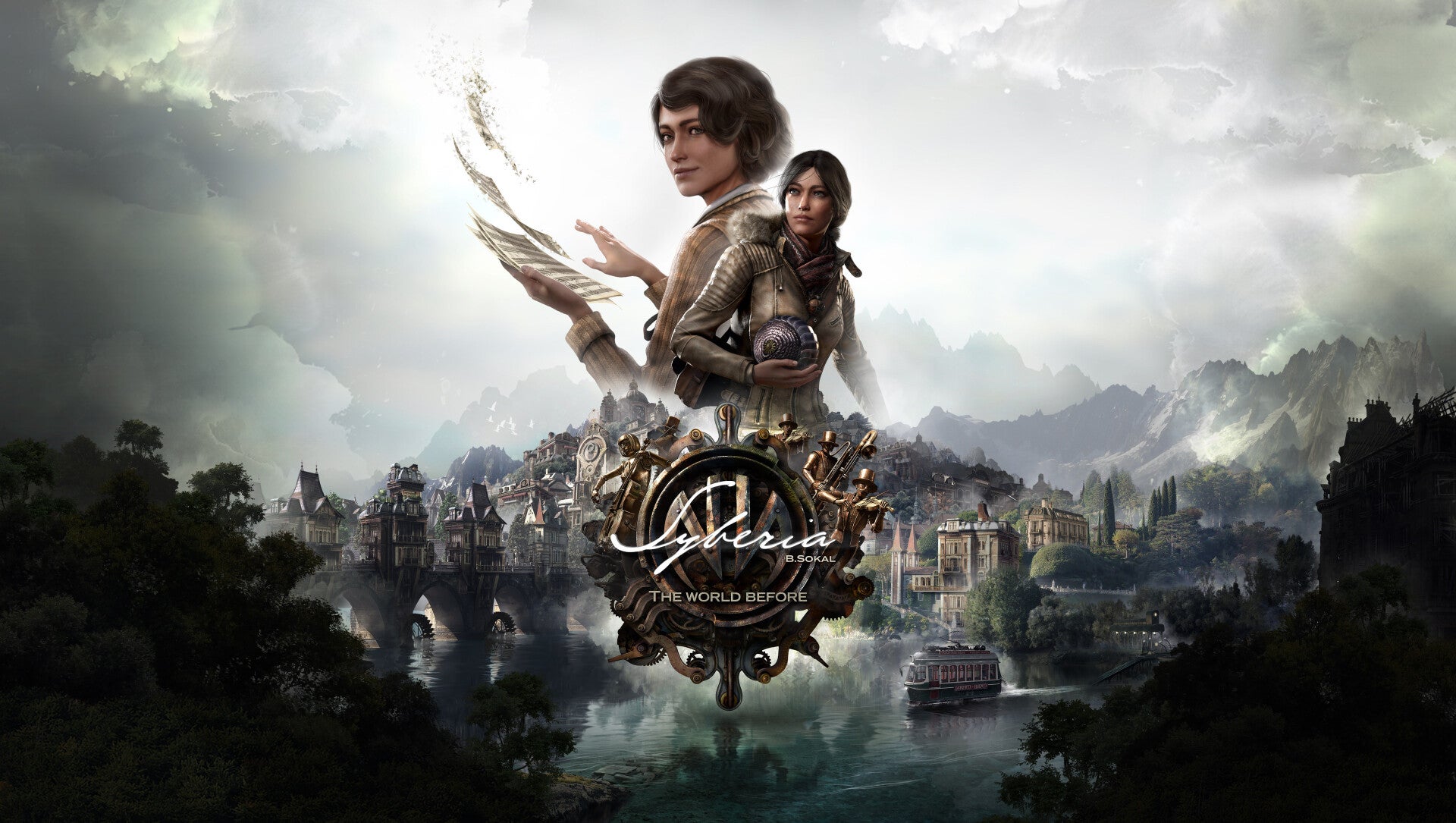
For those who haven’t played the games mentioned here—or haven’t even heard of them—I’d still recommend experiencing Syberia The World Before on your own. And if you’re wondering whether you need to know story of Syberia… well, if you’ve read this far, you probably already know more than you should.
As for spoilers and the story ahead—there’s no avoiding them. I’ve already spoiled nearly everything there is to spoil. So, without further delay, let’s press “New Game.”
We are introduced to the capital of Osterthal, Vaghen a slightly more romanticized version of Vienna. Honestly, I wouldn’t mind visiting fictional Vaghen over modern‑day Vienna. One reason is the central city square, where a dedicated concert platform stands solely for performing the Hymn of Vaghen. It’s a beautifully romantic way to begin a story, isn’t it?


We start the tale as Dana Roze, the top student of the 1937 class at the Music Academy. As the story unfolds, we gradually discover what truly connects her to Kate, since switching between past and present becomes one of the game’s key features. I’ll admit, if you enjoy history told through a creative and engaging perspective—rather than a dry classroom lesson—you’ll likely find the game hard to put down.


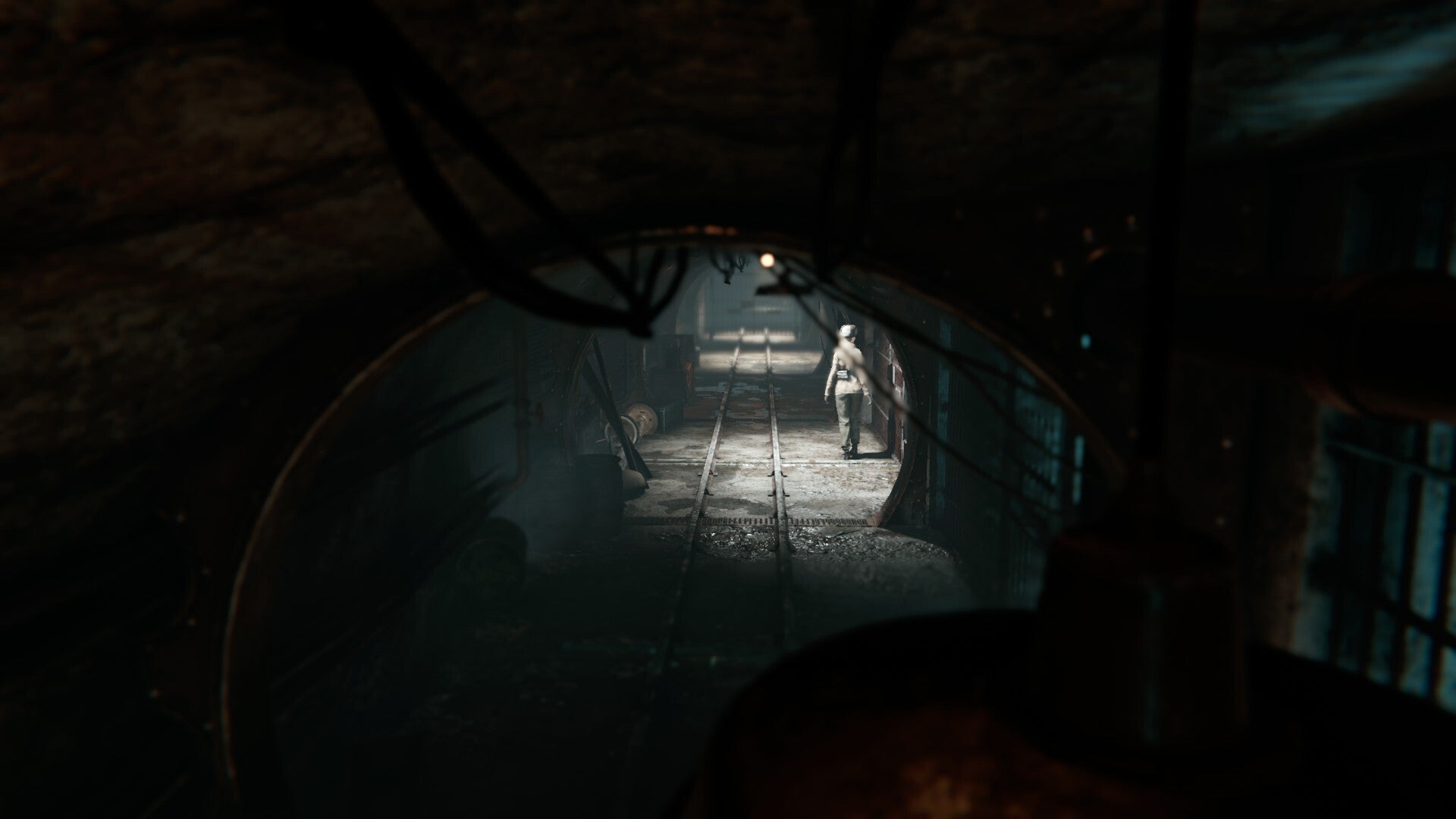
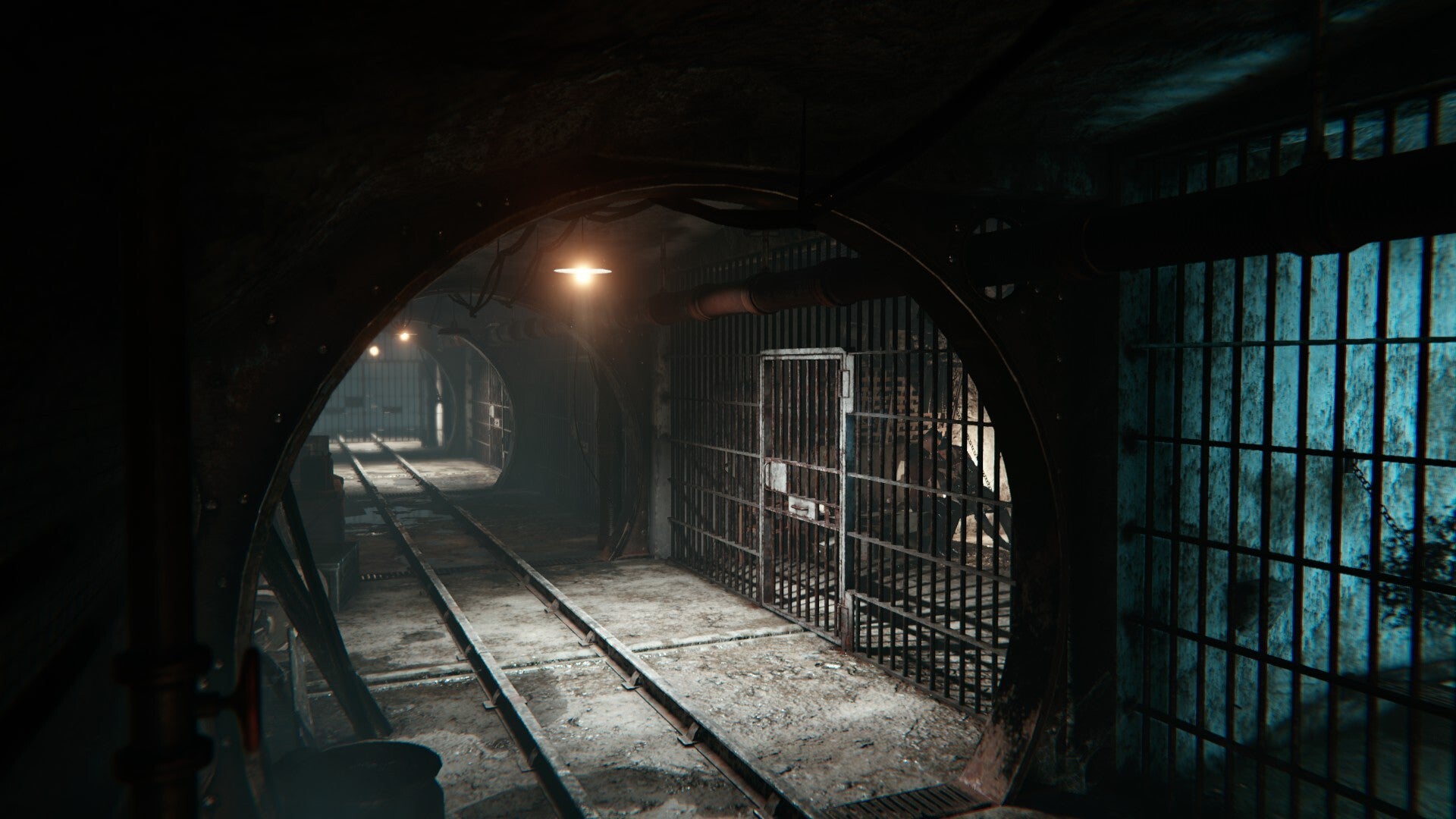
Back to in game present moment, winter of 2004, in Iron Taiga. I once said that on Russian territory no one cares where you are from, and that becomes true for Kate: she is now a prisoner in the salt mines somewhere deep in Russia.
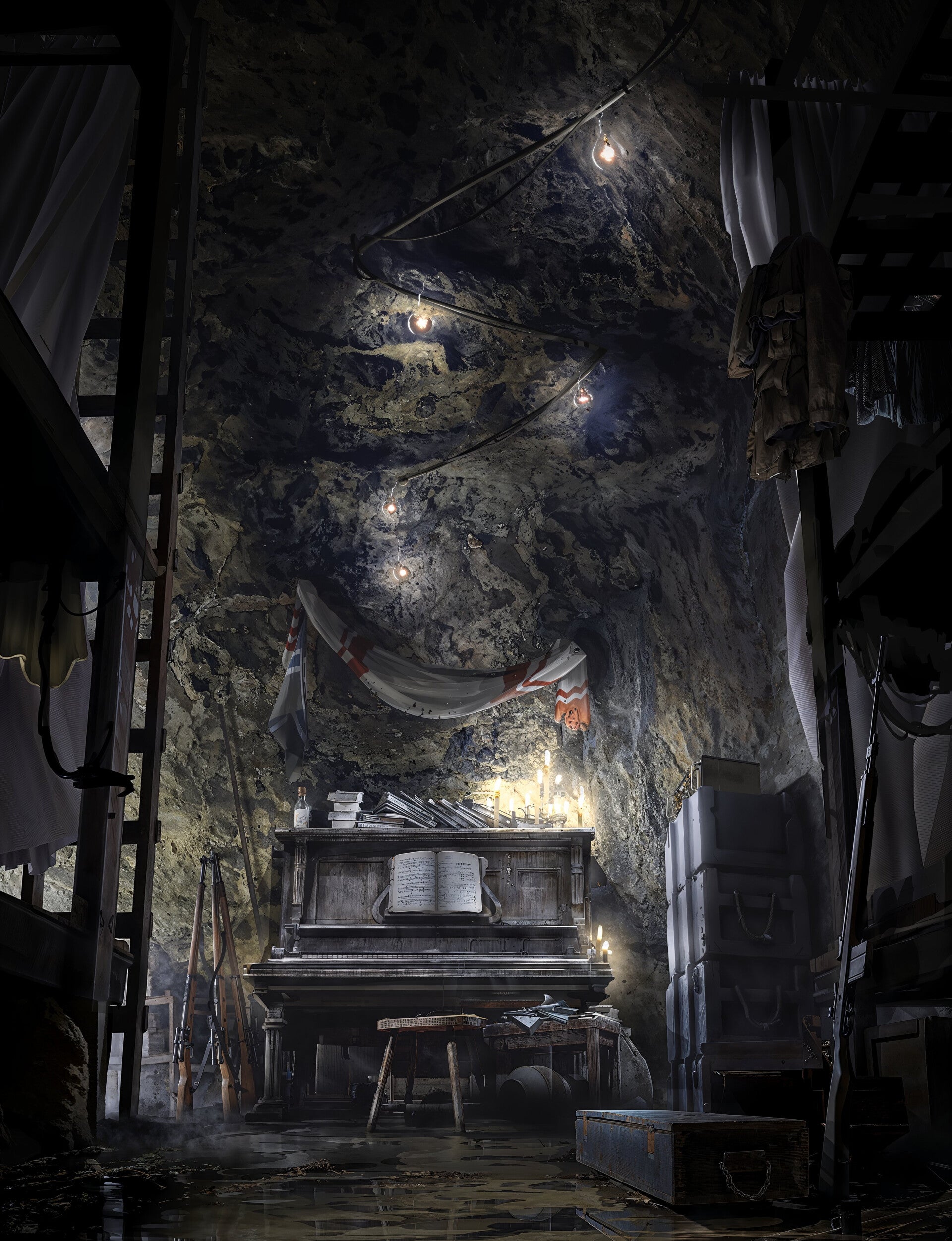
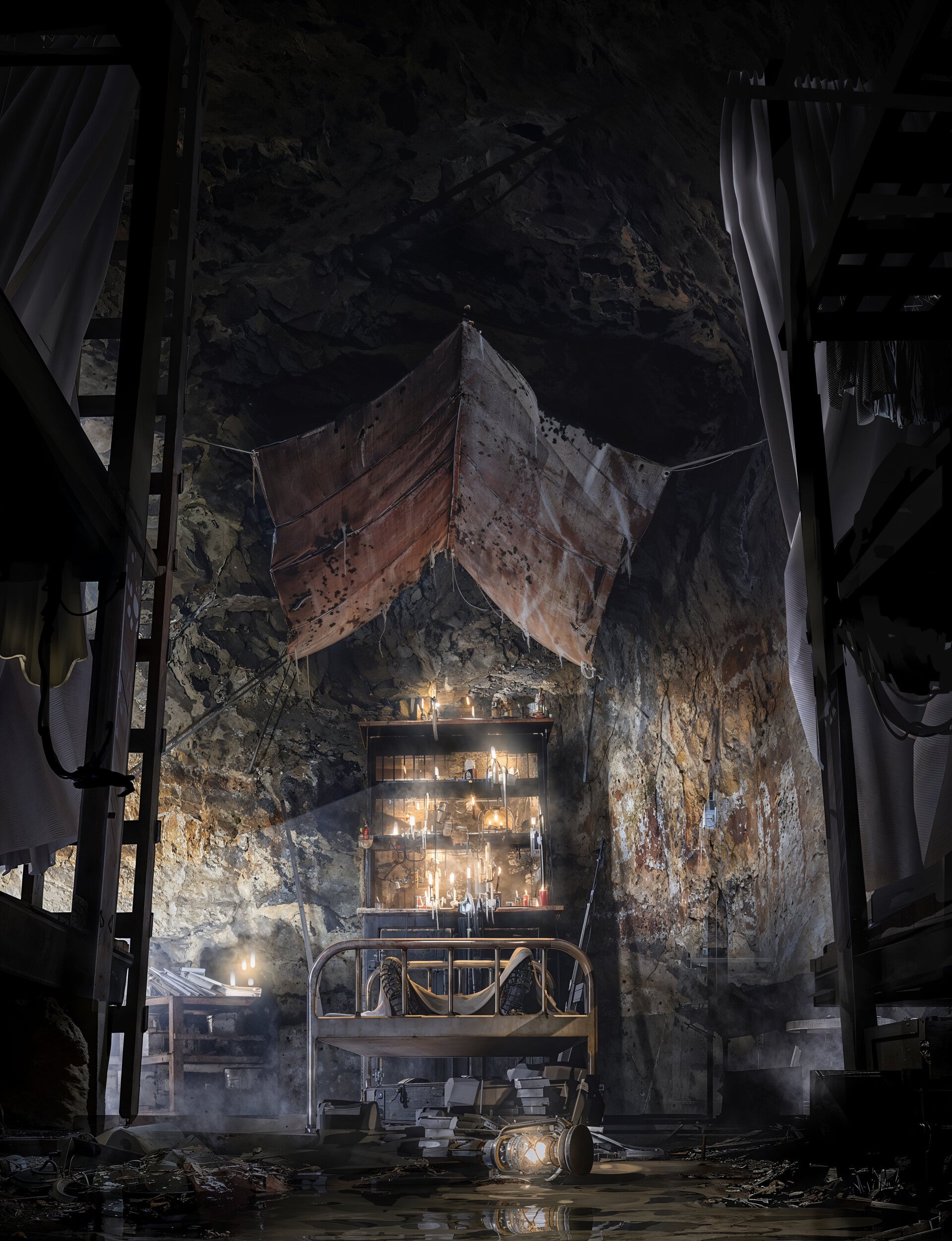
But she has found herself a friend in the face of her cell neighbor, Katyusha. I won’t point out that after a few interactions it becomes rather obvious she is more than just a girlfriend to her, but let everyone decide that for themselves. As for the Russian tongue, Kate begins to understand a few words, but it is a difficult language to learn if you haven’t lived next to it for most of your life — though the same can be said about every language in the world, no?


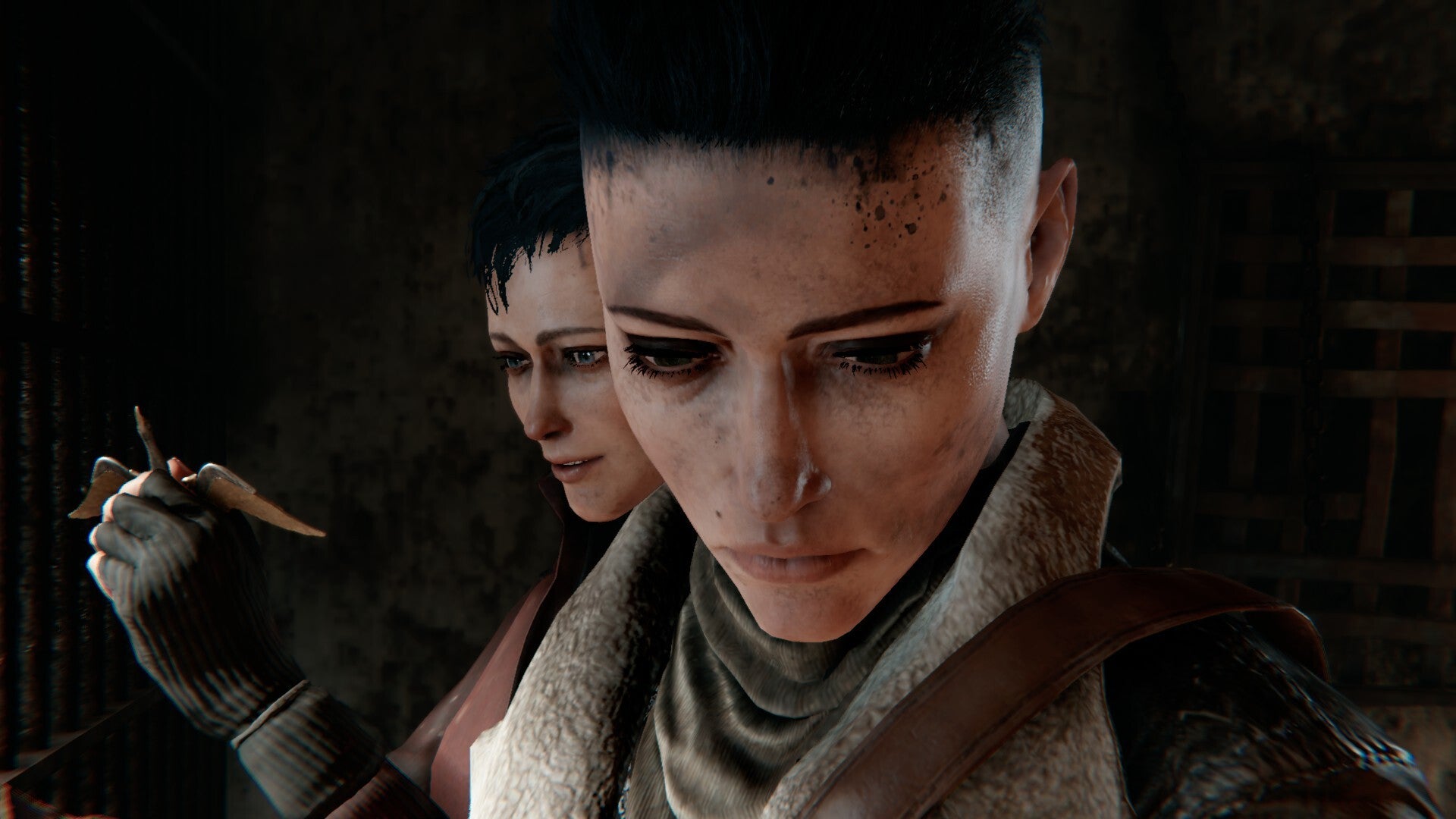
her former friend asks Kate to return to New York for the funeral, but also to be judged for the crimes she is blamed for all built on rumors and lies. As always, her past urges her to return, to face it, to accept it. Knowing now
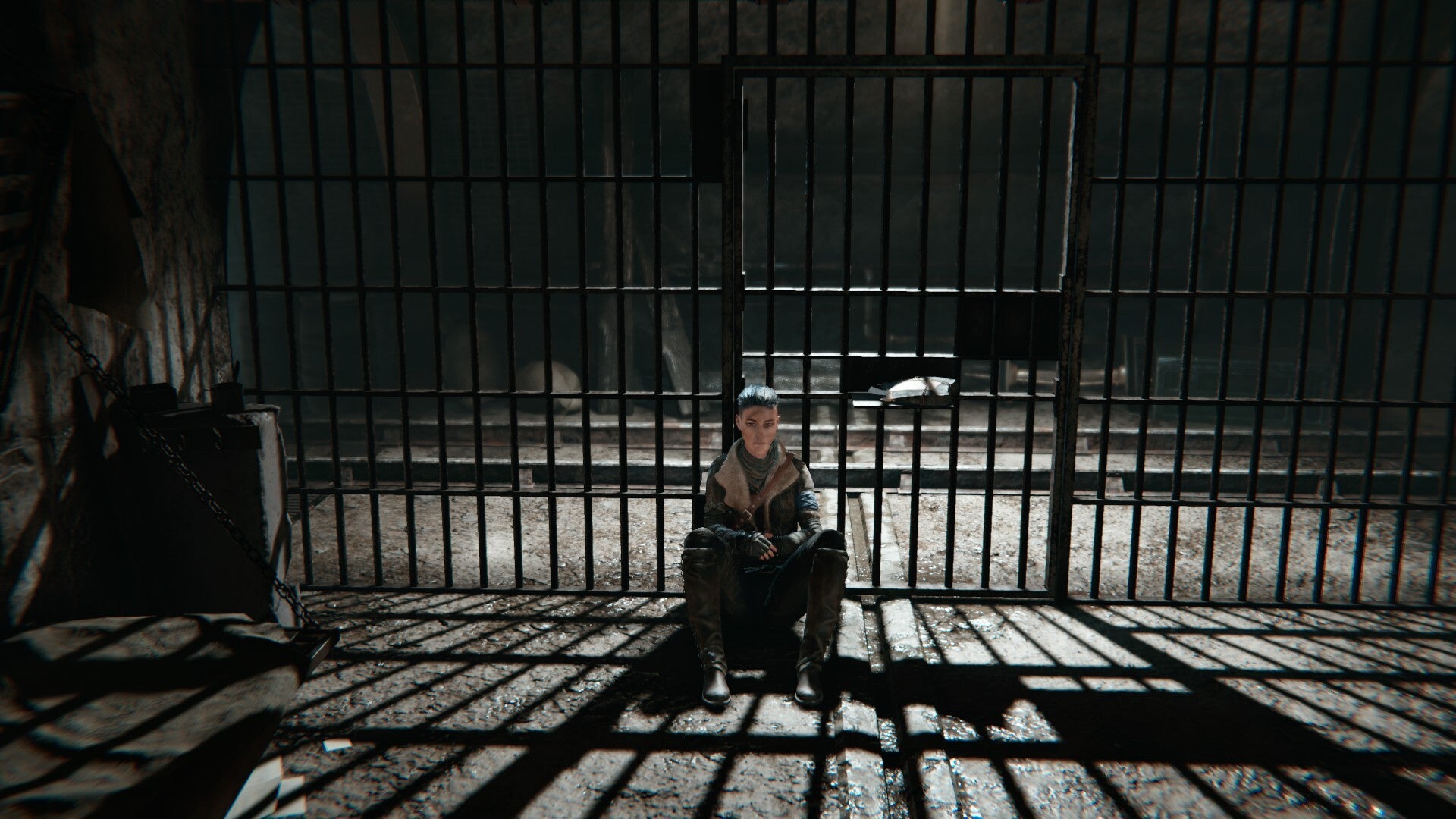
Before the daily march out of the cell, Simona, the guard watching over the prisoners, brings a parcel addressed to Kate. Surprisingly, no one has snooped inside. And what waits inside is a heavy blow to Kate’s already fragile mental state. It turns out Kate’s mother has passed away. In the letter,
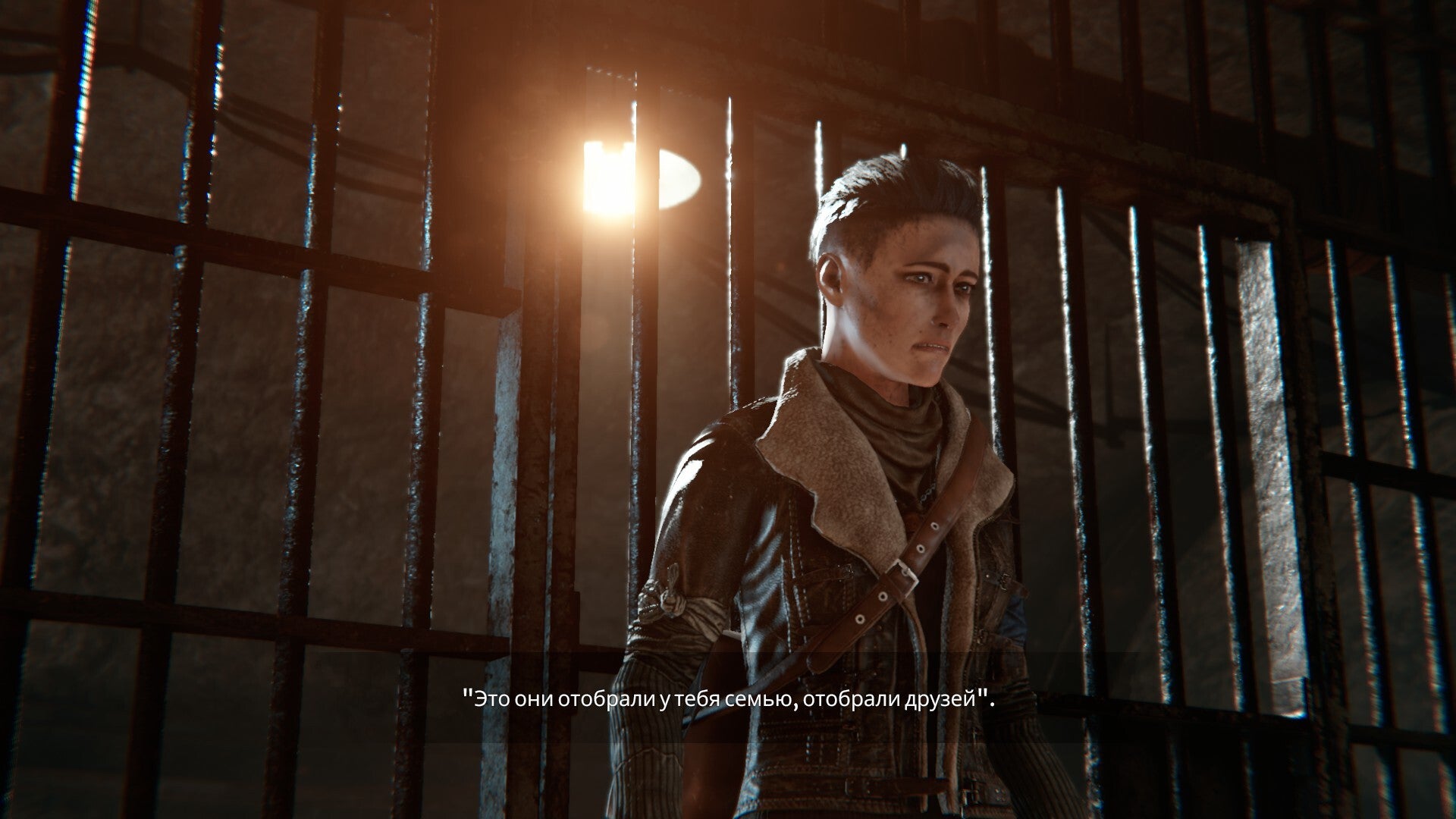
that her mother is gone pushes Kate even deeper into her mental struggles: chased by nightmares, fragments of the memories from childhood. However, one thing remains true: Kate’s mother’s health was worn down by Kate’s disappearance. No contact, no calls, no sign of whereabouts — not knowing where your child is, is it alive or dead becomes unbearable. For a parent, sometimes it is simply too much.
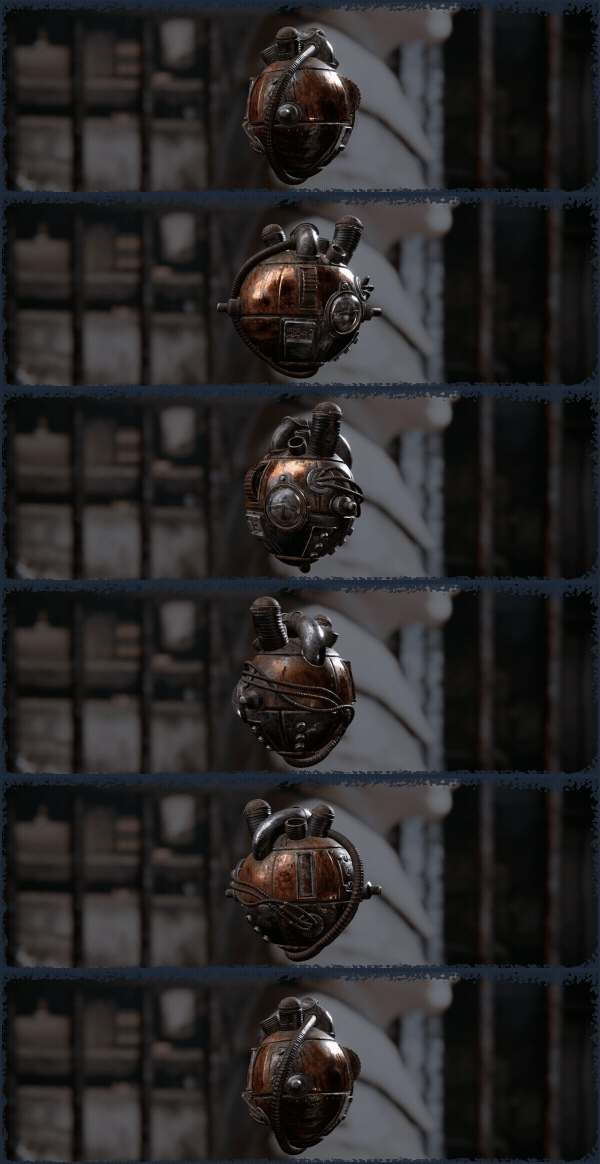


We discover a bit more about Dana: her parents work as frame crafters, making frames for paintings, photographs etc. Dana has a health issue, so she is assigned a summer job in the mountains, at a pretty mountain refuge that today we would simply call a hotel or a lodge, a very pleasant place.
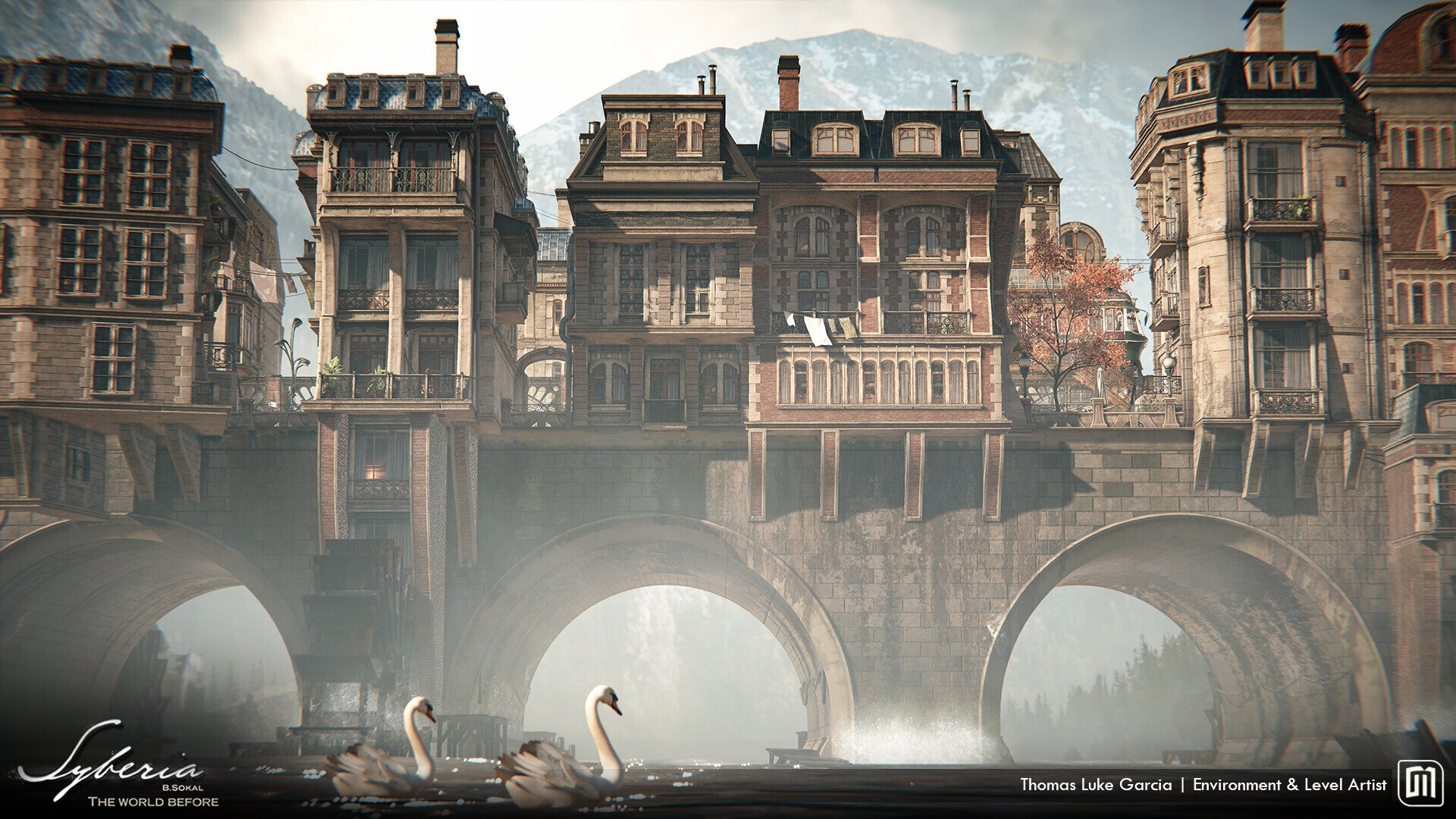
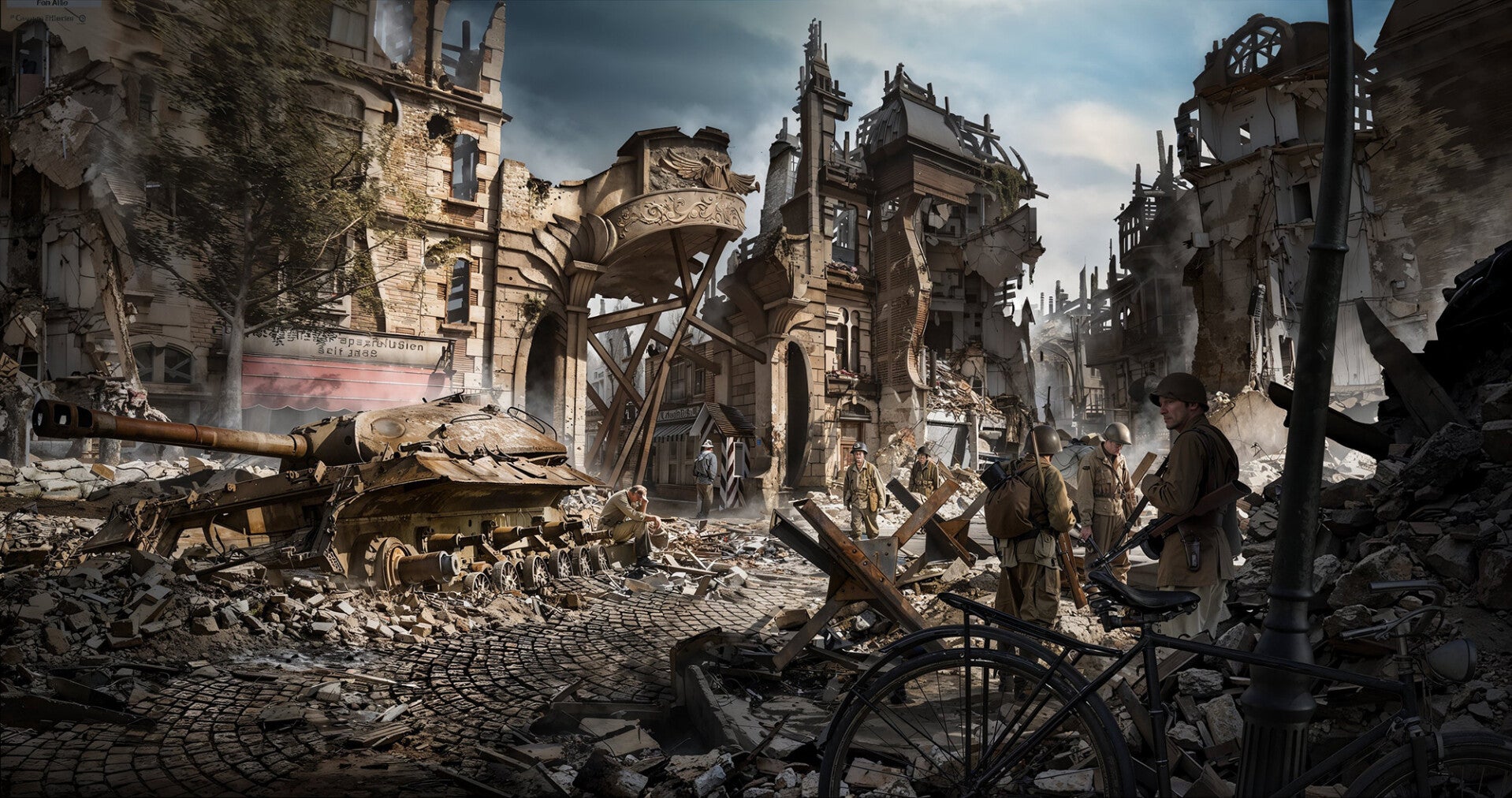
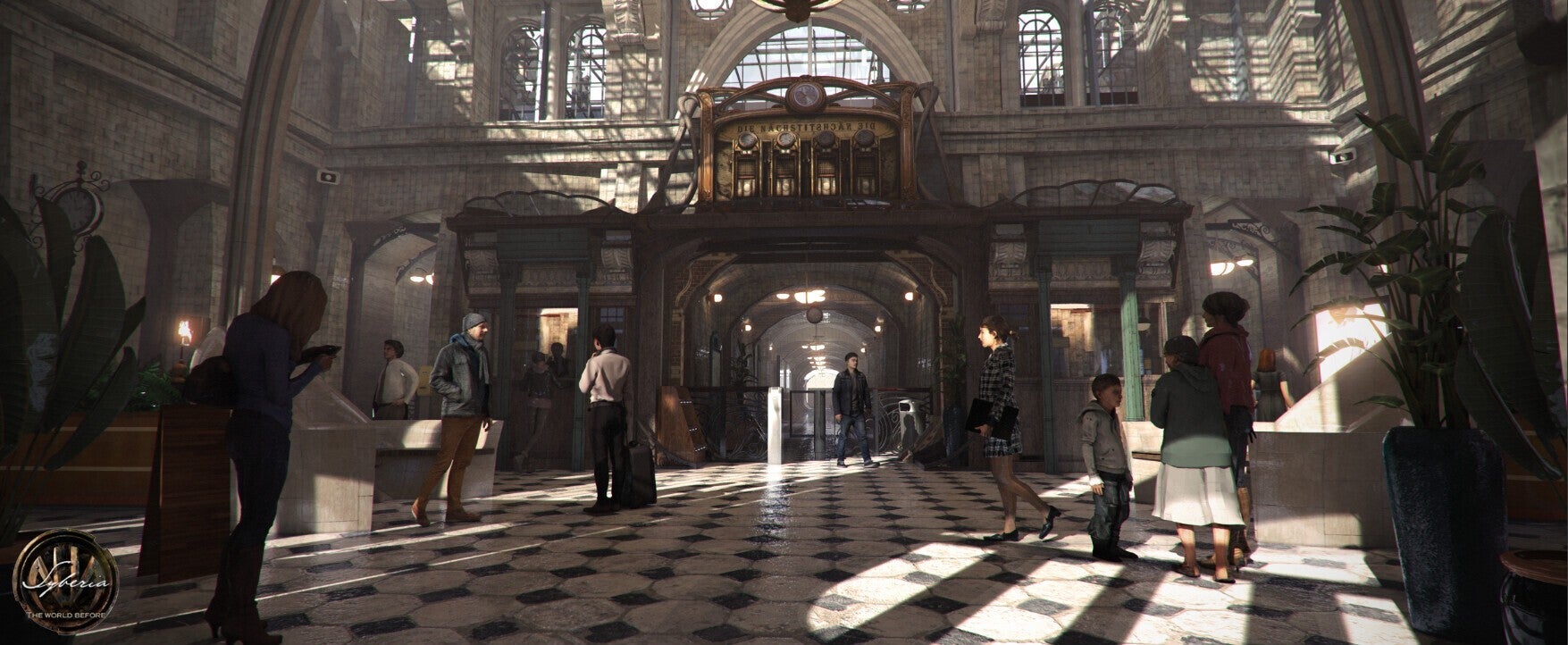
Though when Kate later visits Vaghen, she will find a picture not far from how much of Europe looks today — a city once beautiful, but clearly struck by World War II, and even after recovering, left weakened as industrialization replaced craftsmanship and former prosperity faded into abandonment.


But back in Dana’s time, she could have had a prosperous life in Paris, as her education would have taken her higher, though judging by her expression, perhaps that was not the future she truly wished for herself. What will happen in the end is shaped by global events, as the Vagerans — the citizens of Vaghen — are being abused by a fascist group. To say that this story has both bright colors and grey tones would be an understatement. The fascists make themselves known not only by throwing bricks through shopkeepers’ windows, but in many other ways as well.
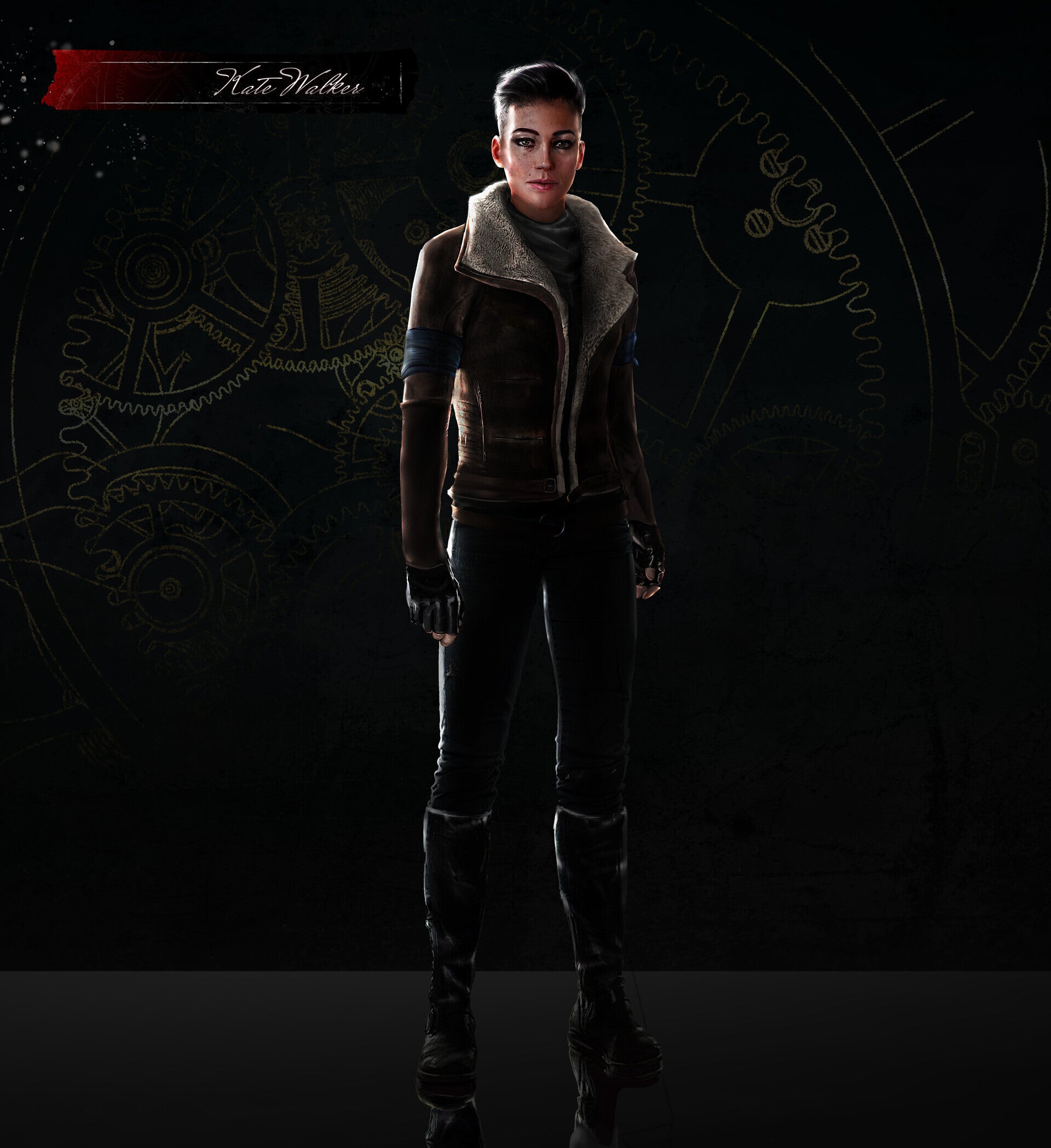


Back in the mines, while Kate and Katyusha were working on a rubble, Kate took her anger out on those stones, turned out they blocked pathway, the fascists, had build railways, train stuck here had been filled with stolen goods, for girls it was an escape route, just to get over precipice. For that motorcycle, at least it was still in condition to work.


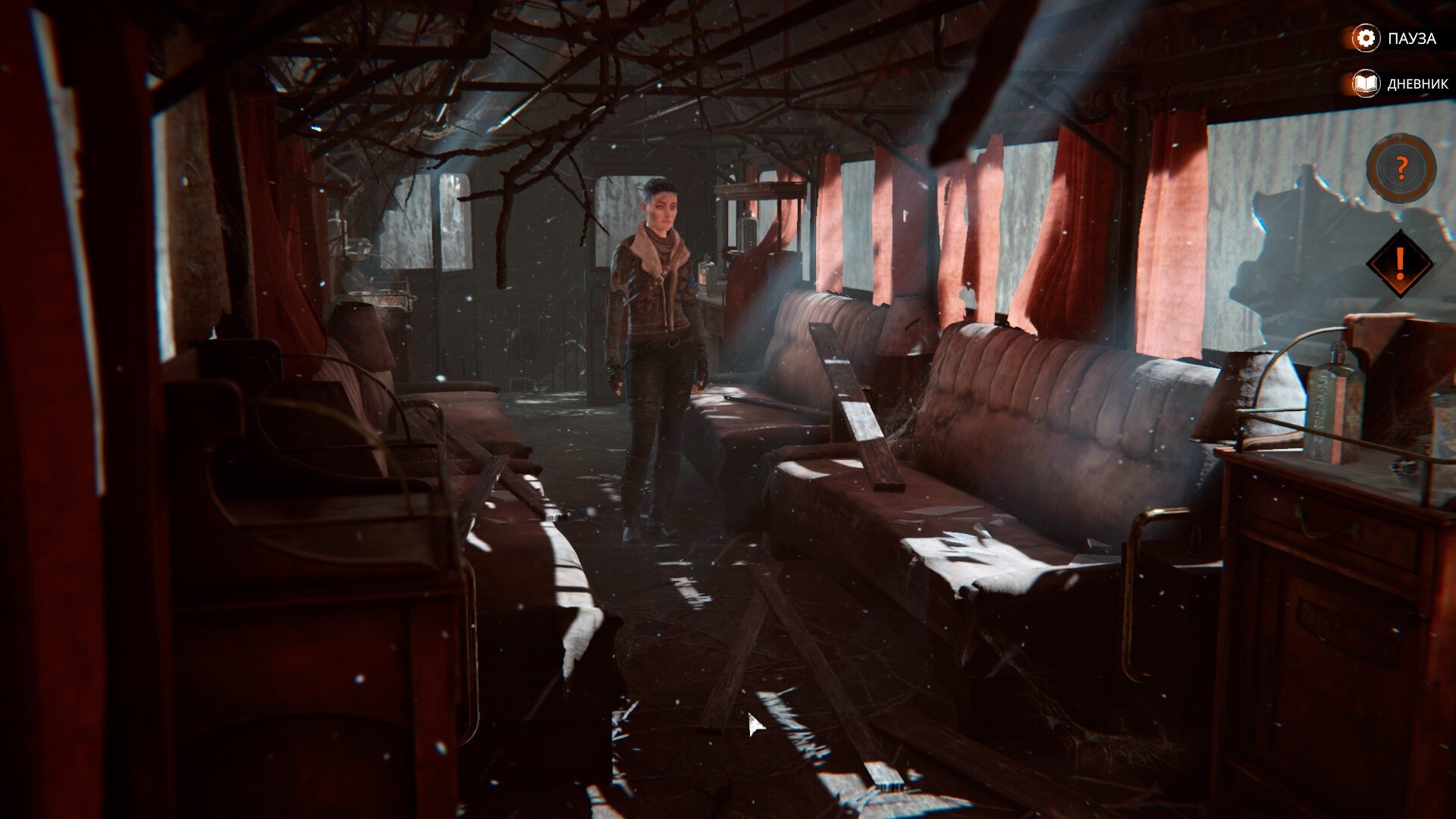
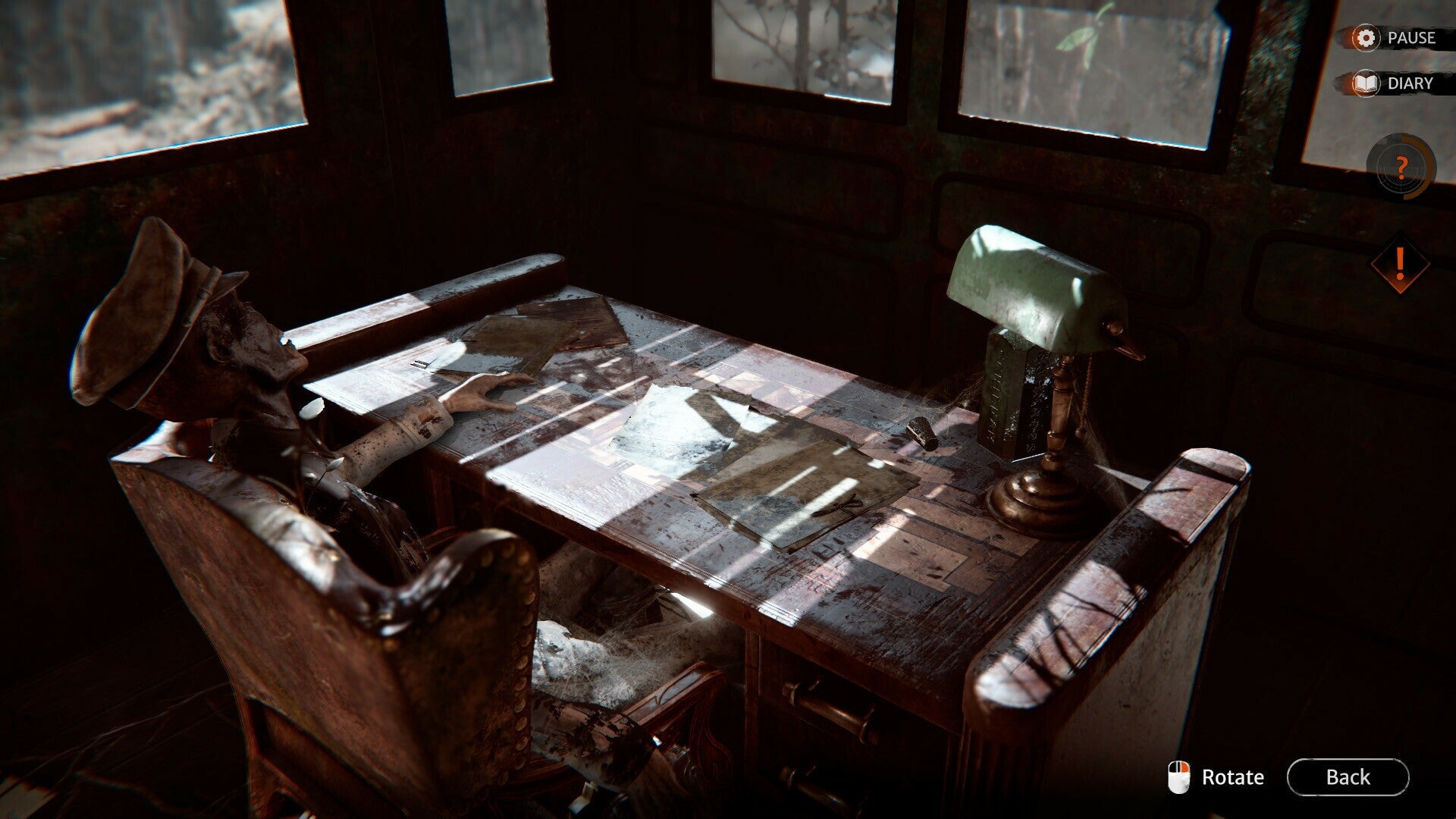
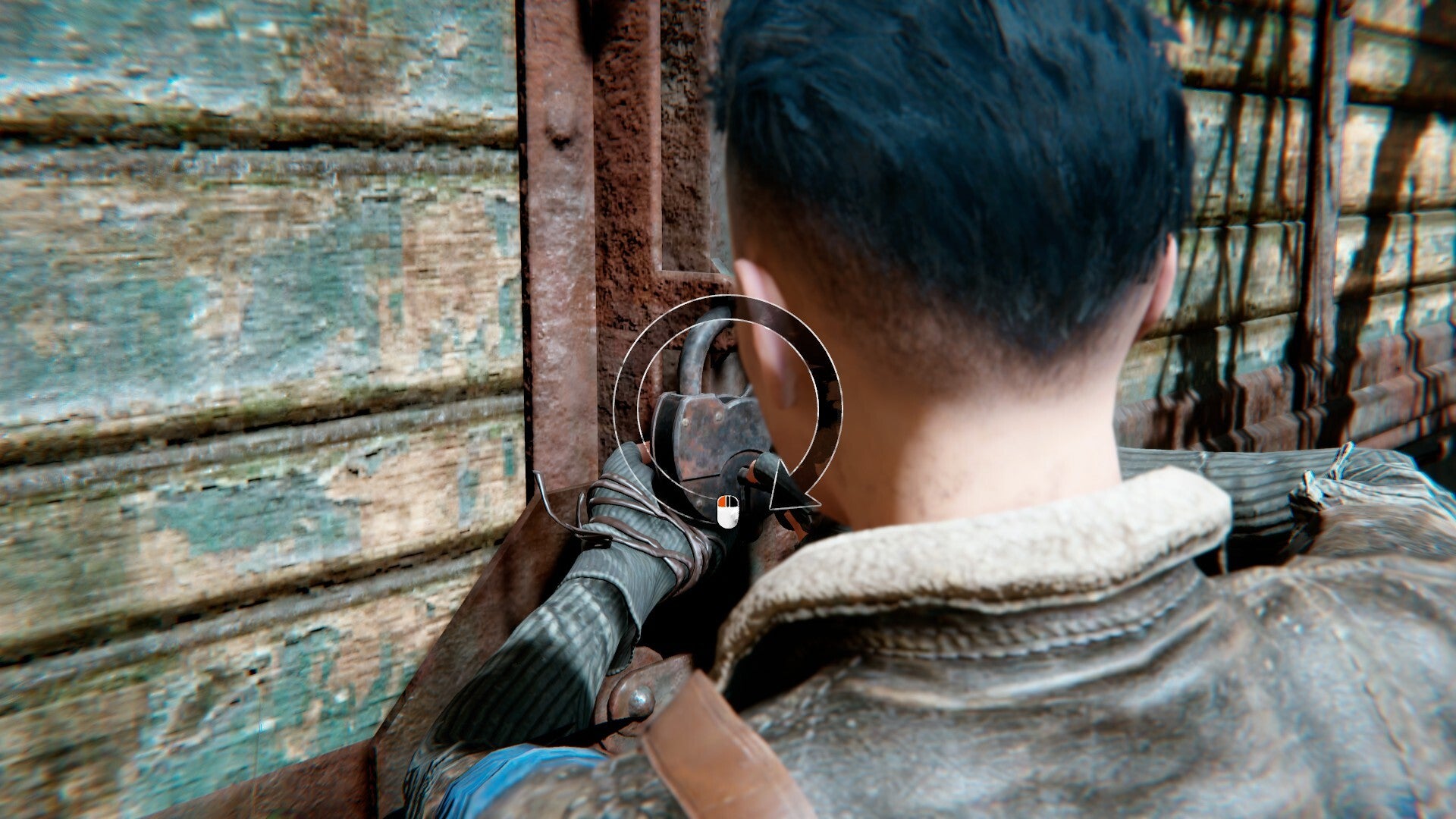
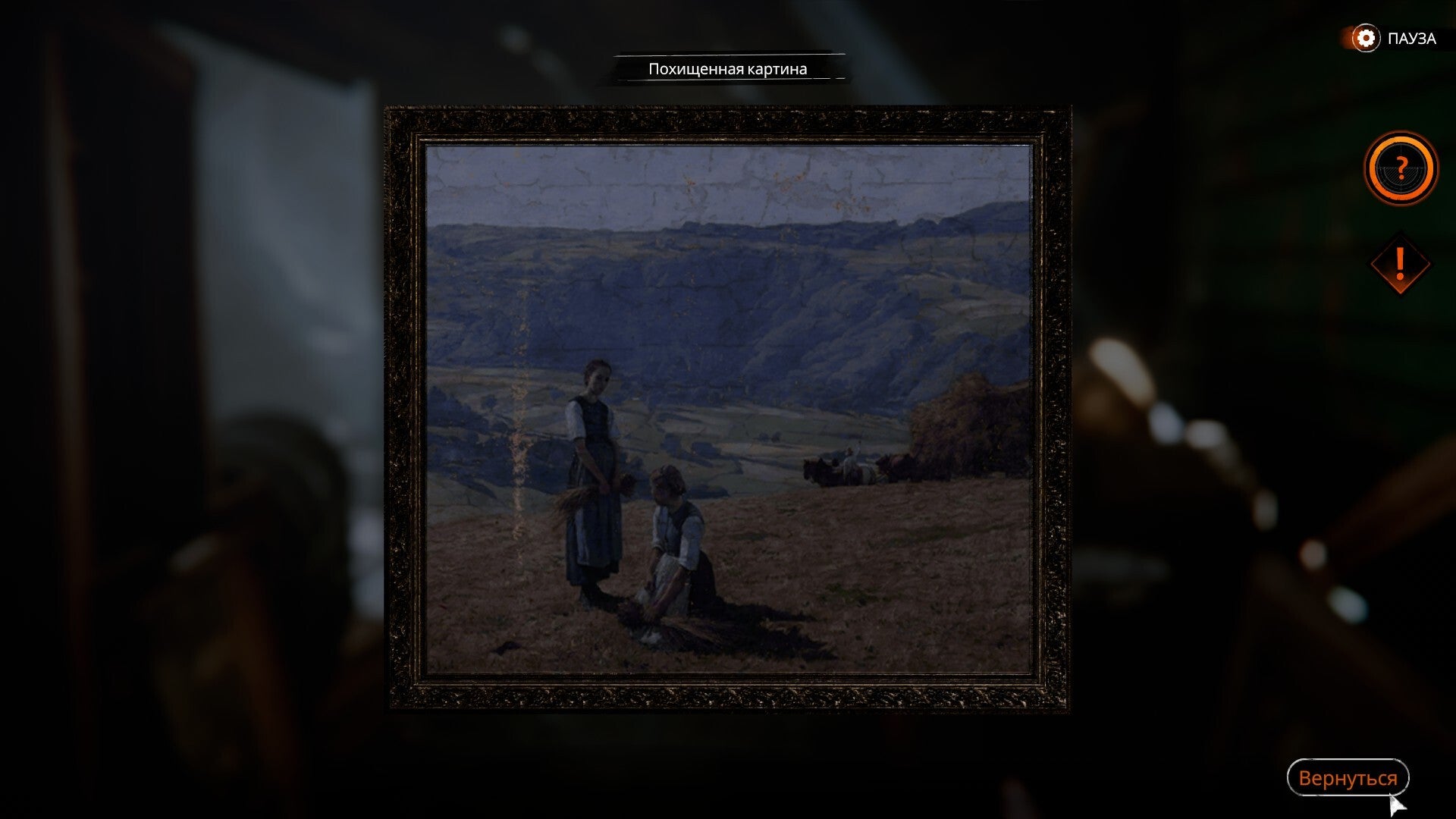
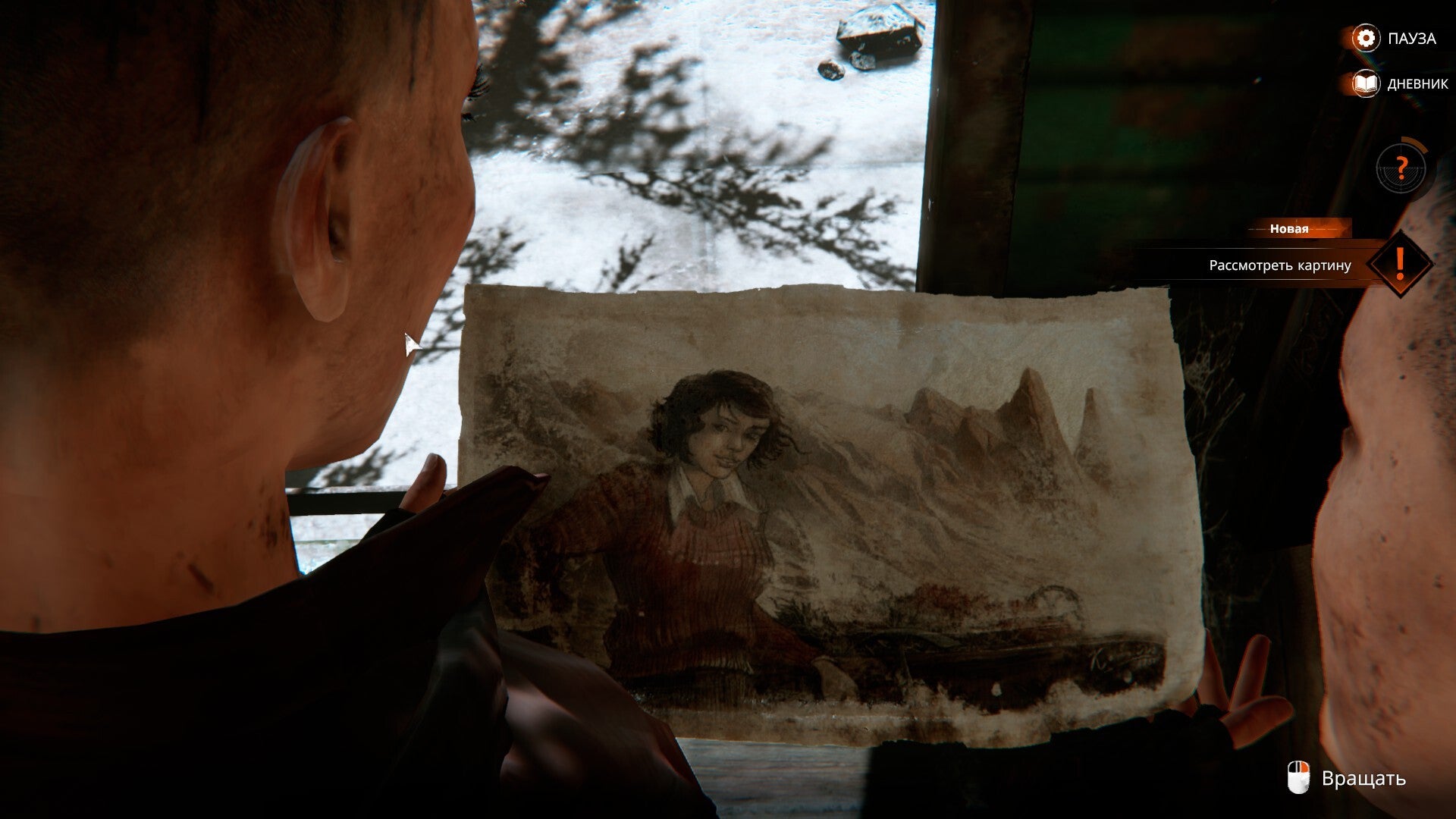
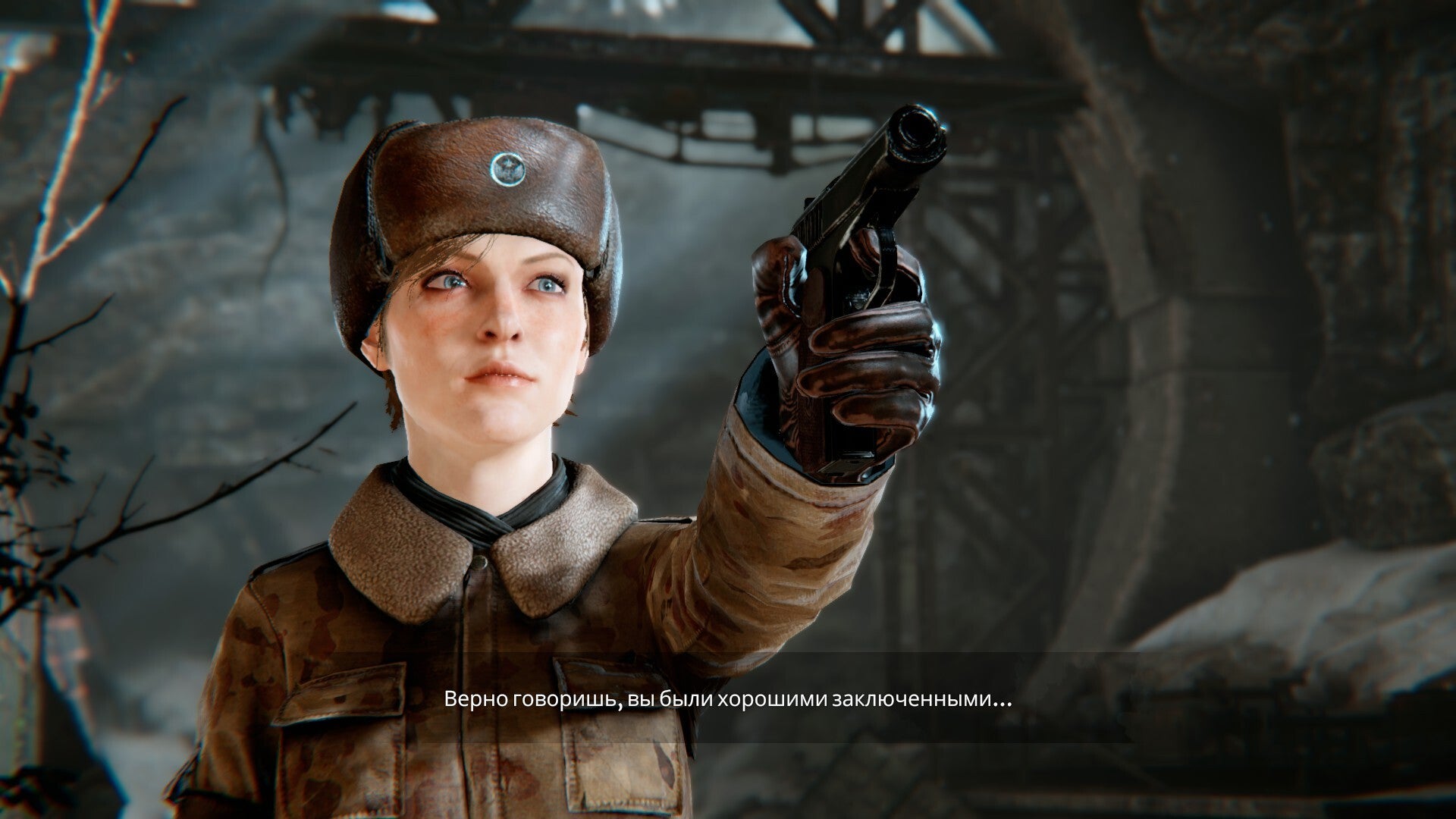
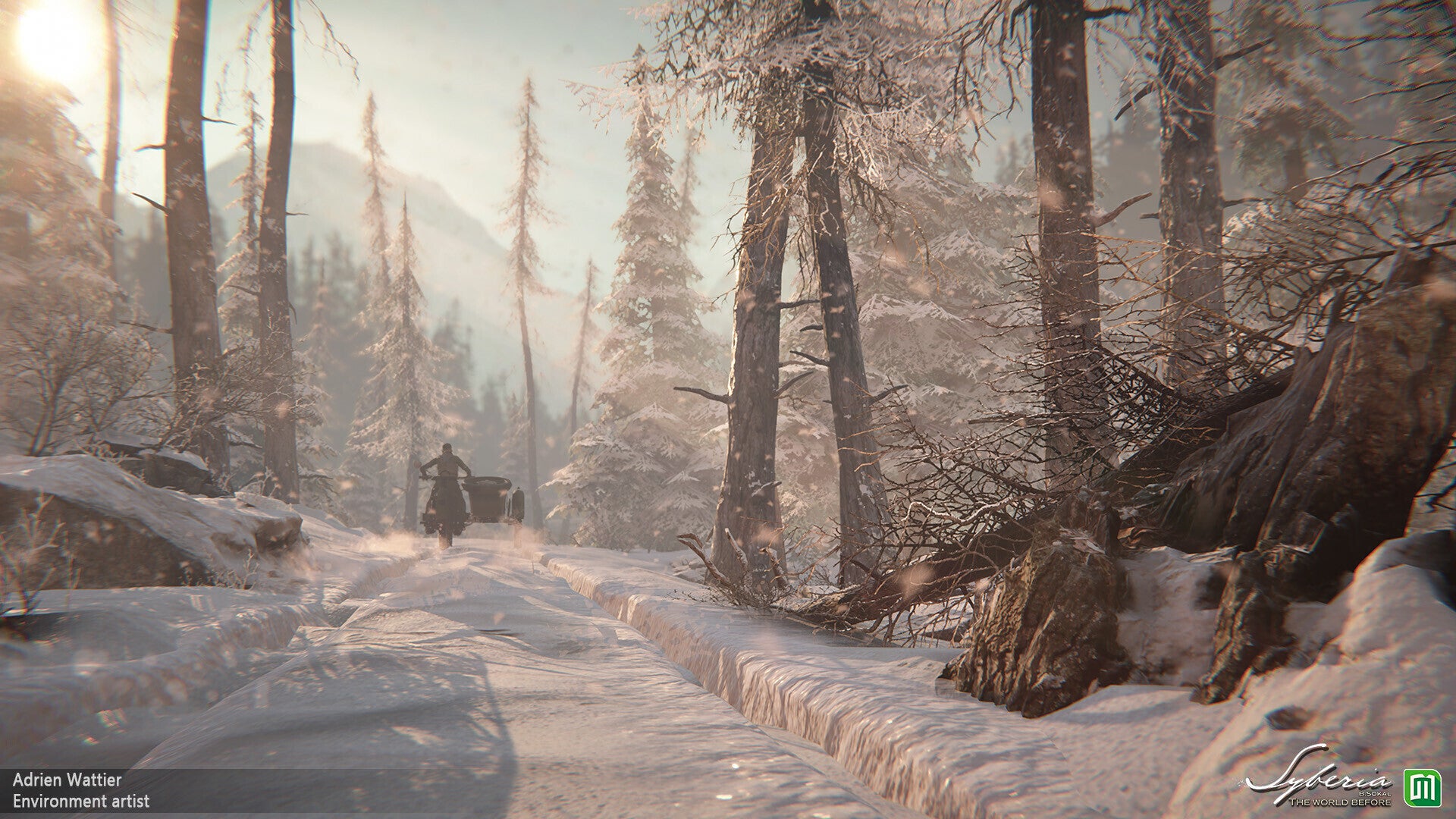
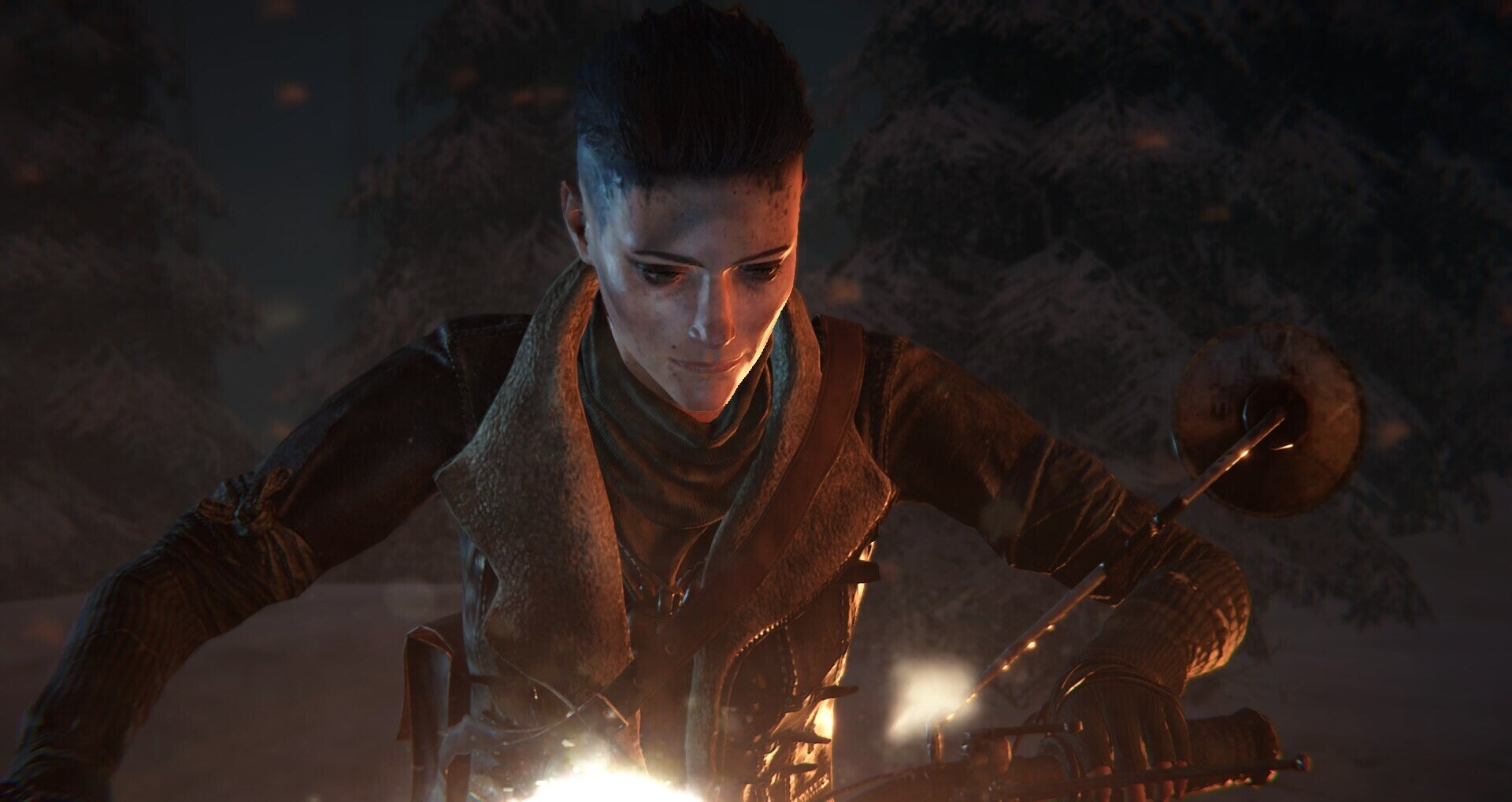
Upon investigation of the area, we can discover what happened and how it happened, if we carefully look around and find all points of interest. In one of the wagons filled with stolen treasures, we find a tube containing an aquarelle drawing of Dana. Katyusha immediately makes a connection, saying that Kate looks very similar to the girl in the picture. I myself, just like Kate, didn’t see much resemblance, but for now our escape is stopped. Since Simona doesn’t look the other way but follows them out, pointing a pistol at them. She shoots Katyusha, Kate wrestles Simona to the ground, the guard tries to strangle her, but Kate reaches a rock nearby—one hit, and Simona is no longer a threat. The guard is knocked out, but Katyusha doesn’t survive. Before her last breath, she asks Kate to find the girl from the drawing. The goal is set: find Dana Rose, now just a stranger from a drawing. The motorcycle works, and Kate takes the chance to jump over the broken railway separating her from freedom, disappearing into the winter wind once again. At least this time there are no pursuers—just true freedom, a promise to her girlfriend, and another grief she must carry. Such is life; for Kate, losses have always followed her. At least the tube containing the drawing has a trademark: Müller Vaghen.
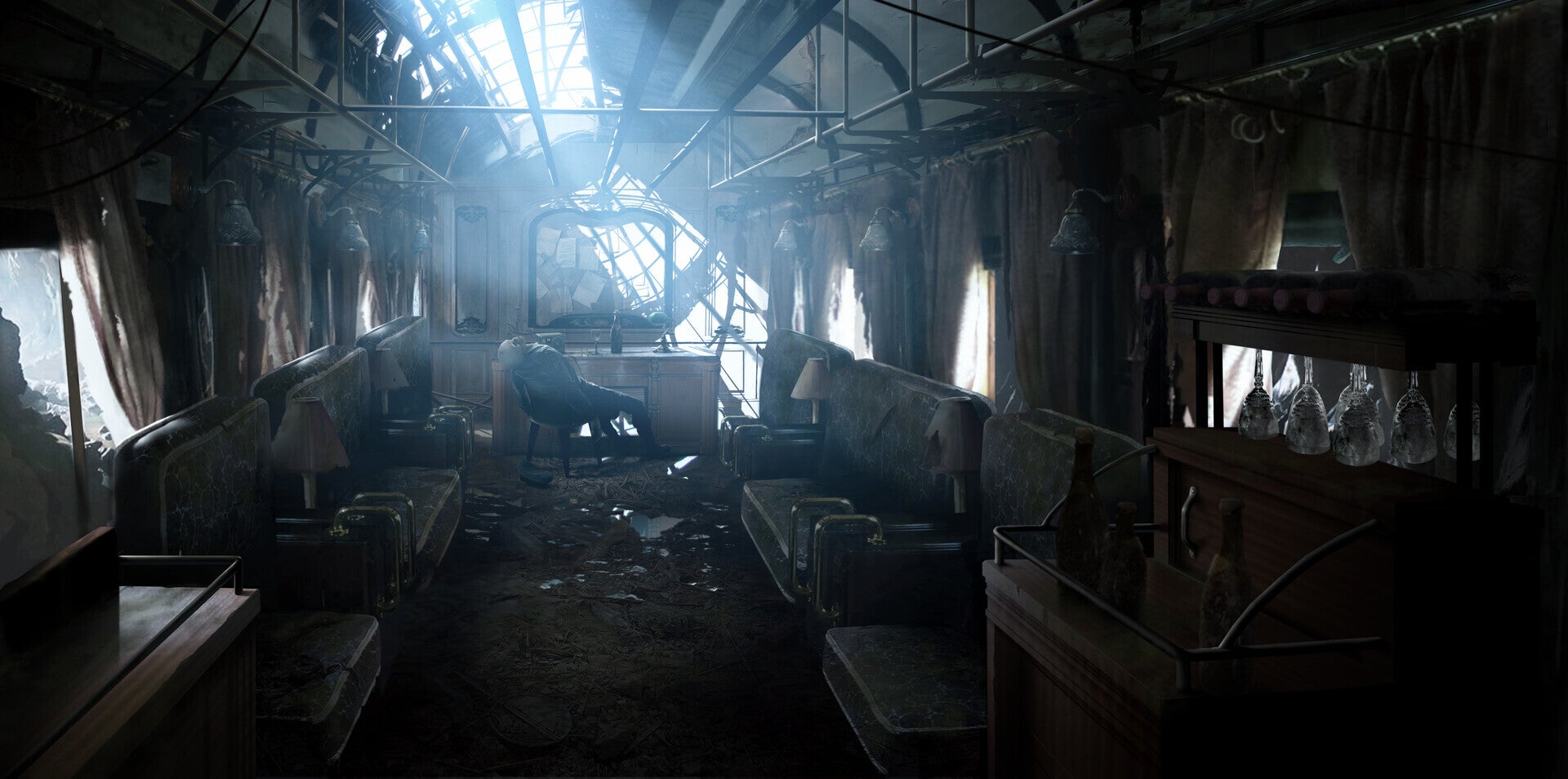
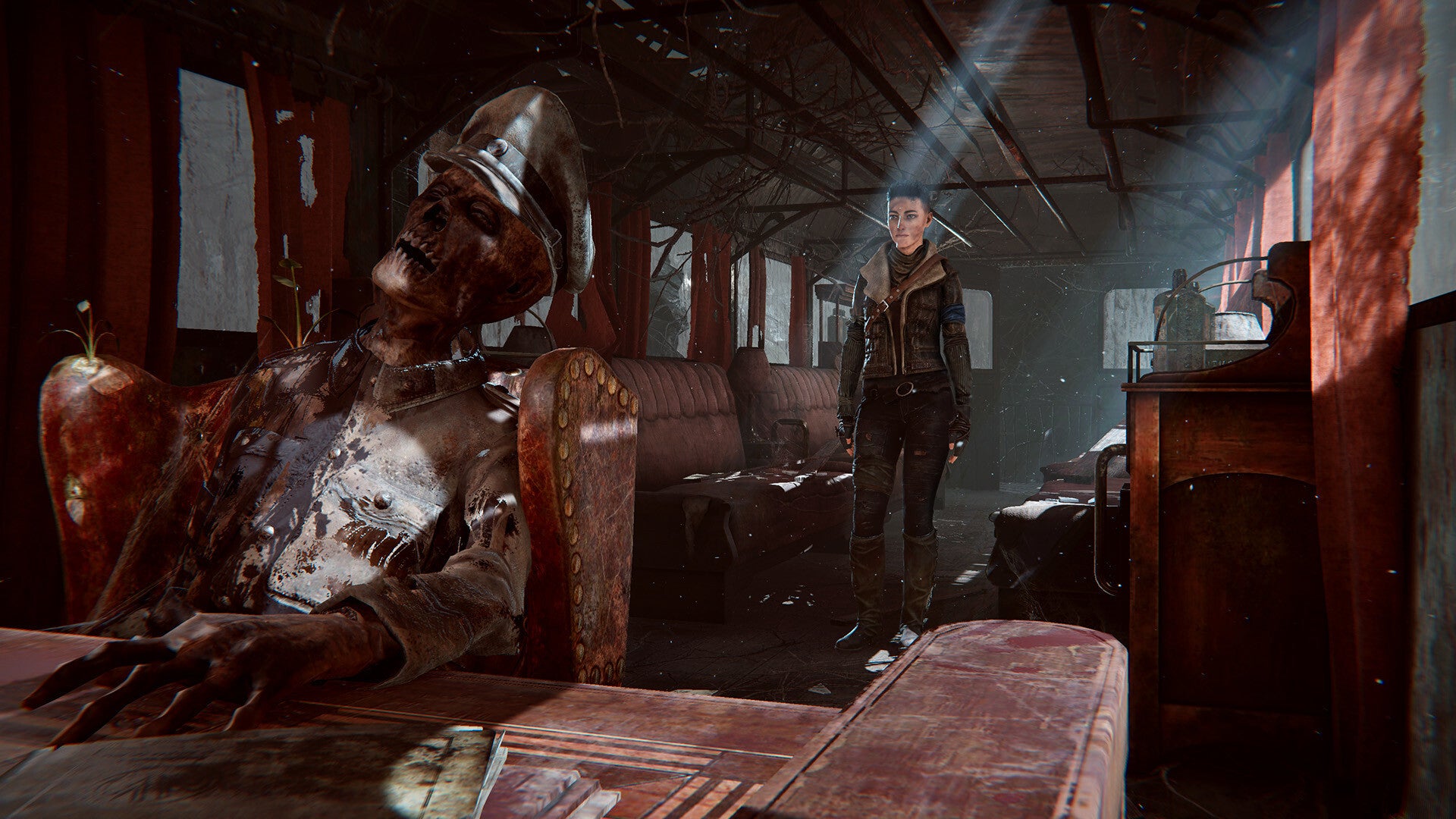
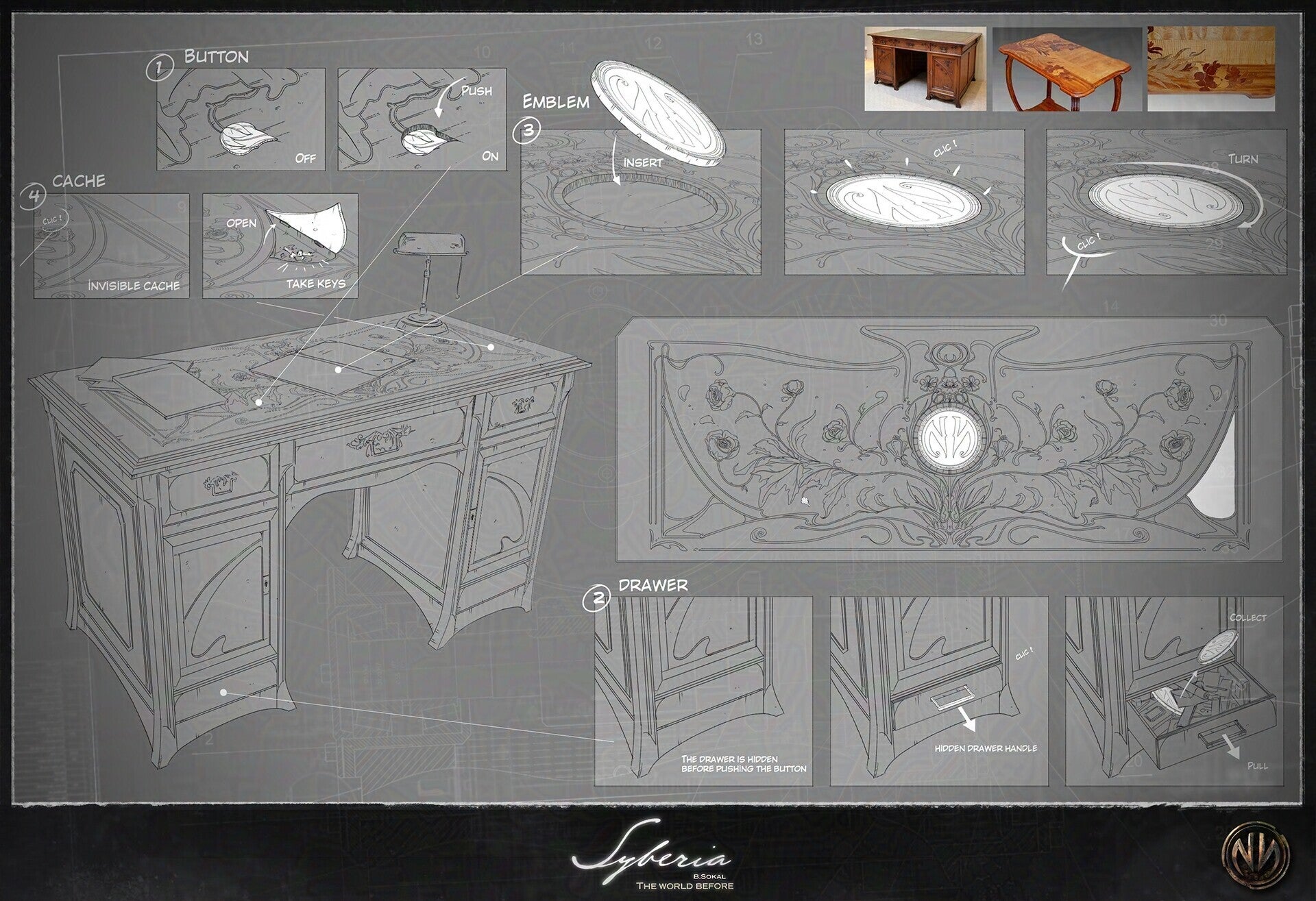
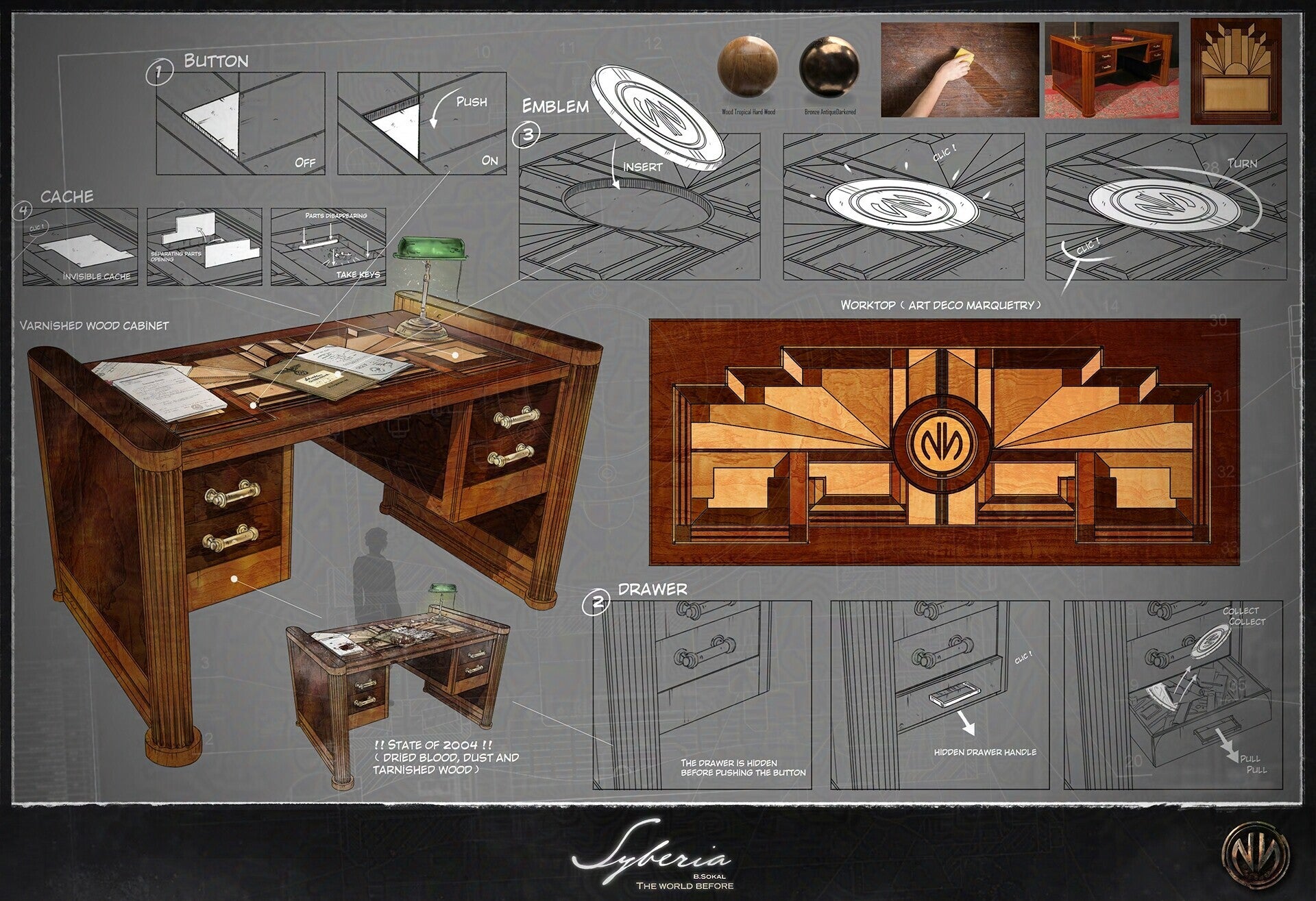
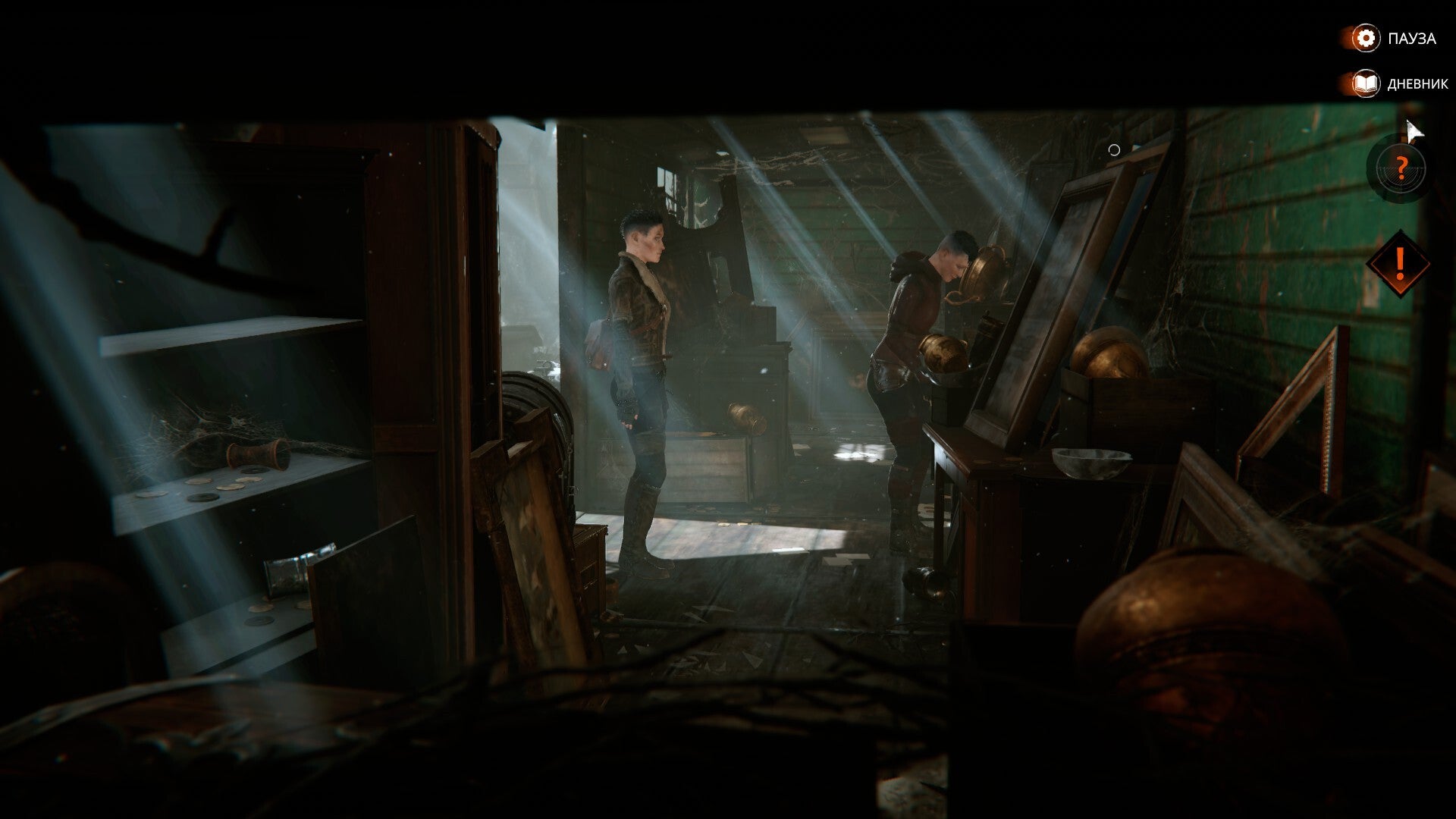
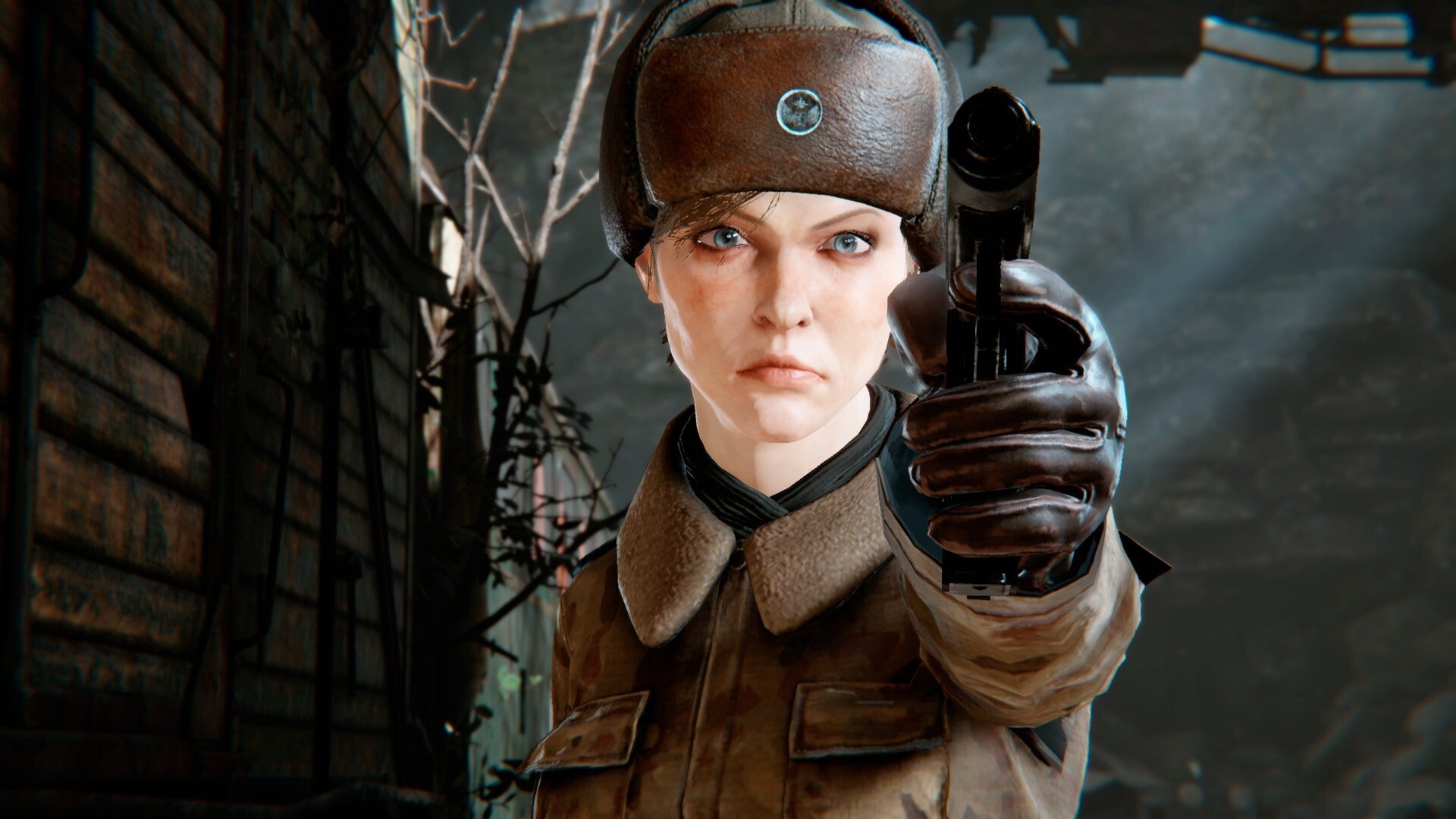
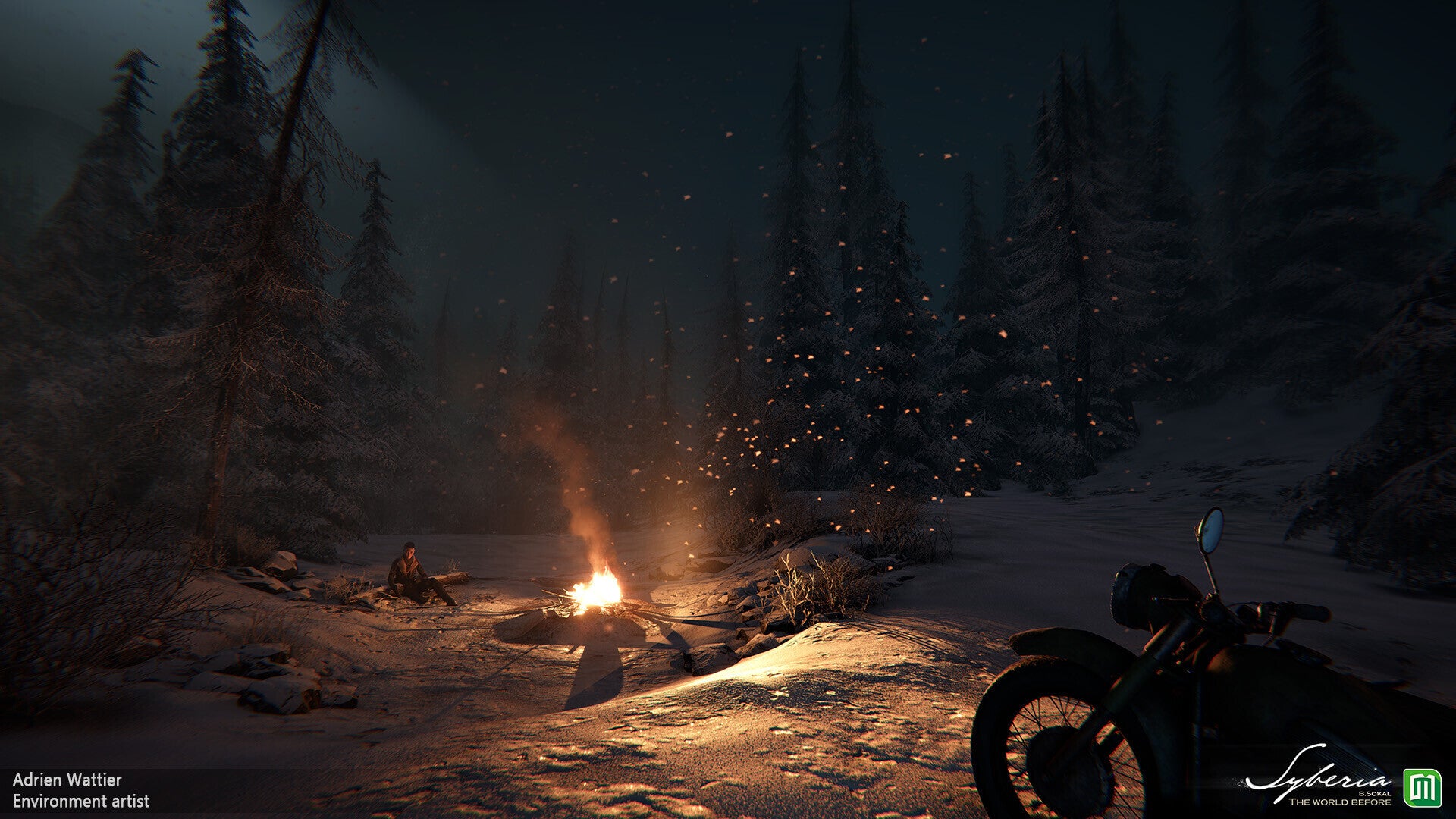
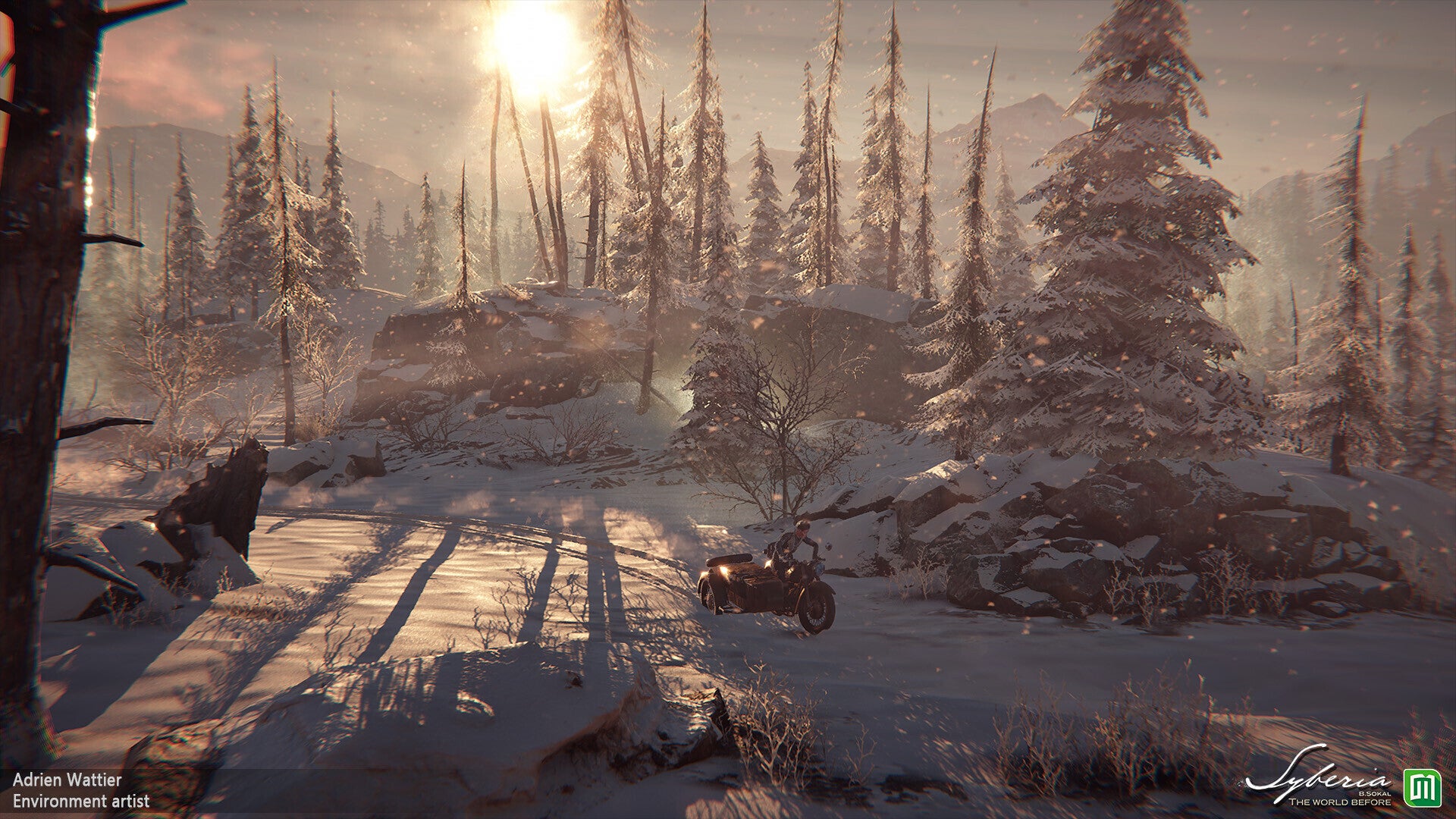
A year has passed but eventually she reach Osterthal, Vaghen. A year on the road gives her some recovery, a return to herself, even back to the clothes we are used to seeing her in.
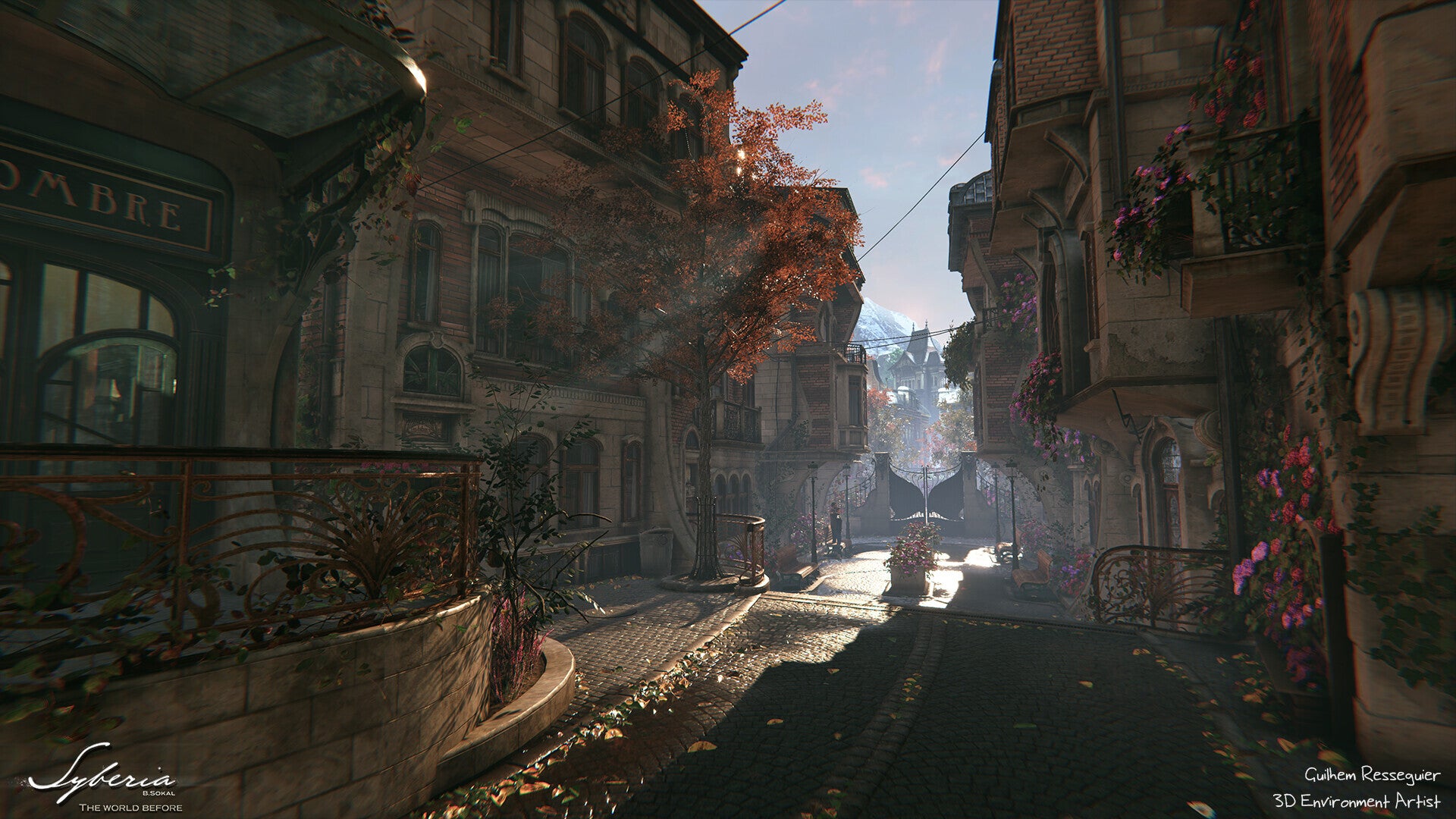
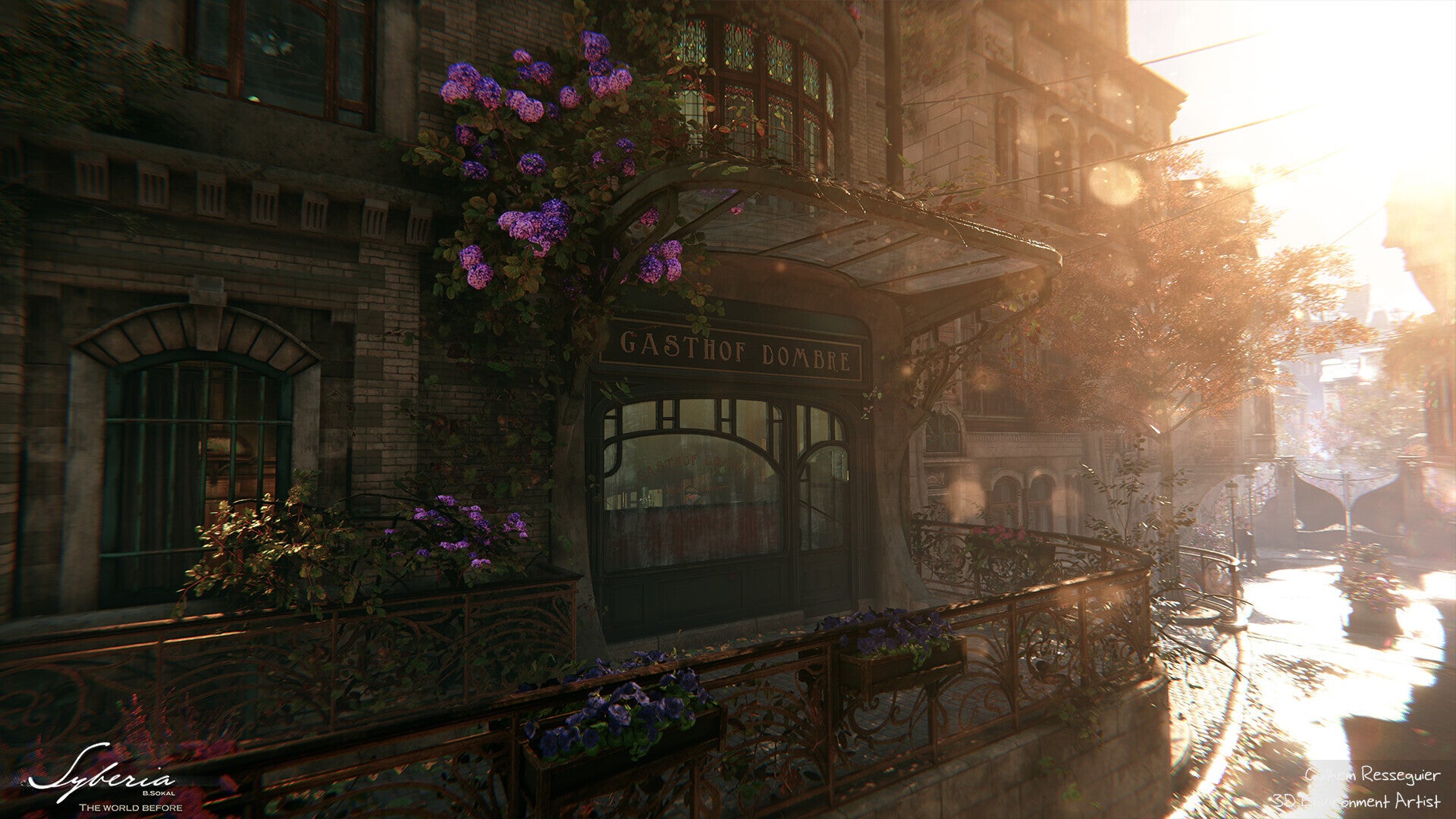
She stays at a hotel run by the lovely Frau Wagner as its receptionist and owner. Life can still offer small lights. Frau gives Kate an old phone book containing Müller addresses — obviously, today, there would be different stores on same addresses — but Kate circles the shops on her map that might be connected to Müller art supplies, and we are on our way, a bit exploration of hotel and Kate's room.


Now a bit of a history lesson. The game’s present‑day events take place in 2005, and on the map we see a QR code. In 2002 Sharp introduced the first cellphone with a built‑in QR scanner, but since QR codes were invented in Japan and Sharp is a Japanese company, I doubt many people outside Japan could afford such a cellphone — or that many tourists from Asia would be visiting Vaghen. But all right, it’s a game, and I’ll just point out some interesting facts.
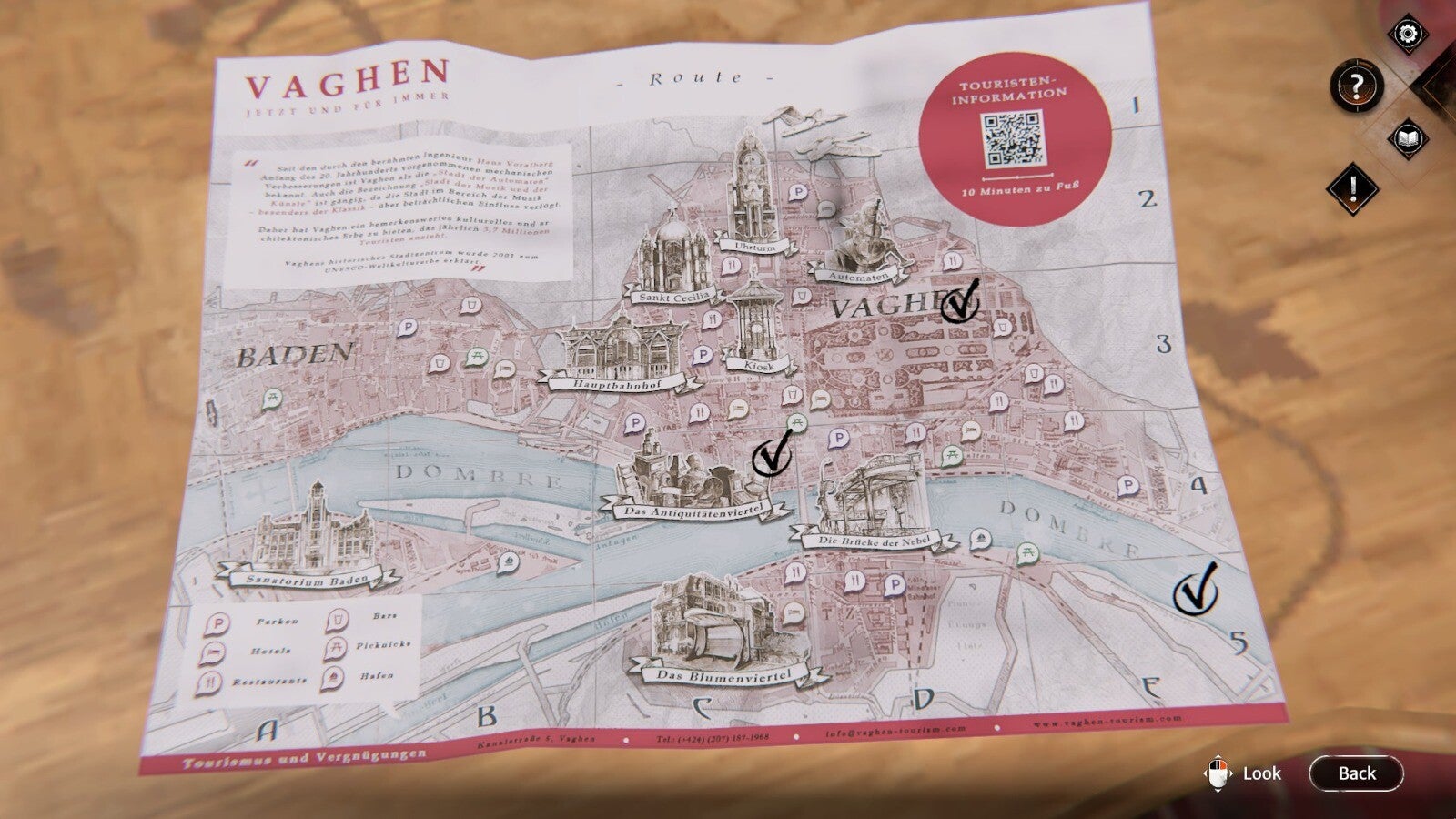
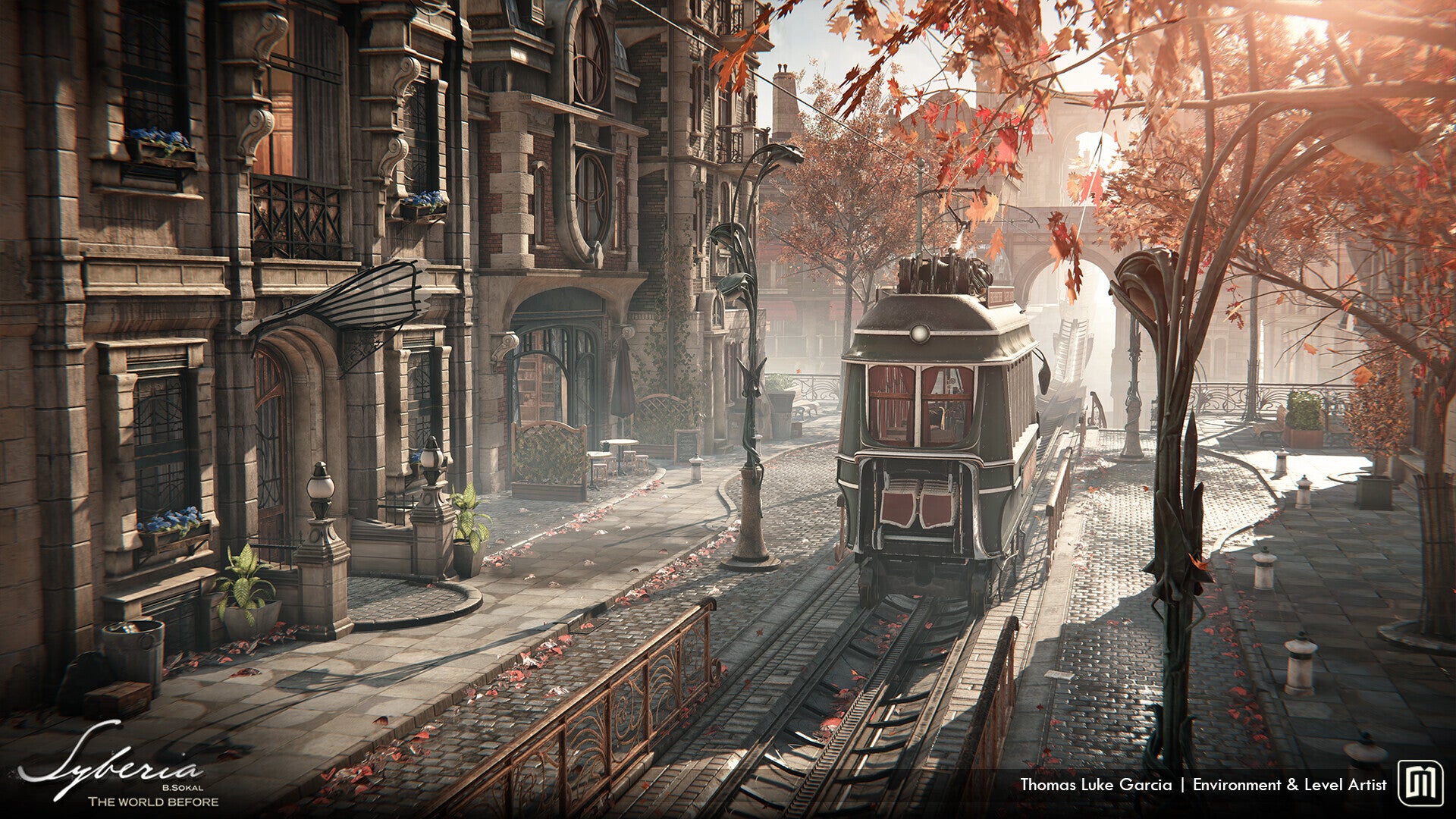
If I were to serve as an in‑game tourism guide for a fictional world, I fear I wouldn’t be able to contain myself by any means. Vaghen is a marvelous city, offering players so much to explore that my memory returns to its beauty time after time, despite everything else happening in the story.
Back to the plot: our next stop takes us to an antiquities shop, where we search for clues related to the drawing. The shopkeeper mentions that the mountains look familiar, giving us our next lead toward a former chalet.
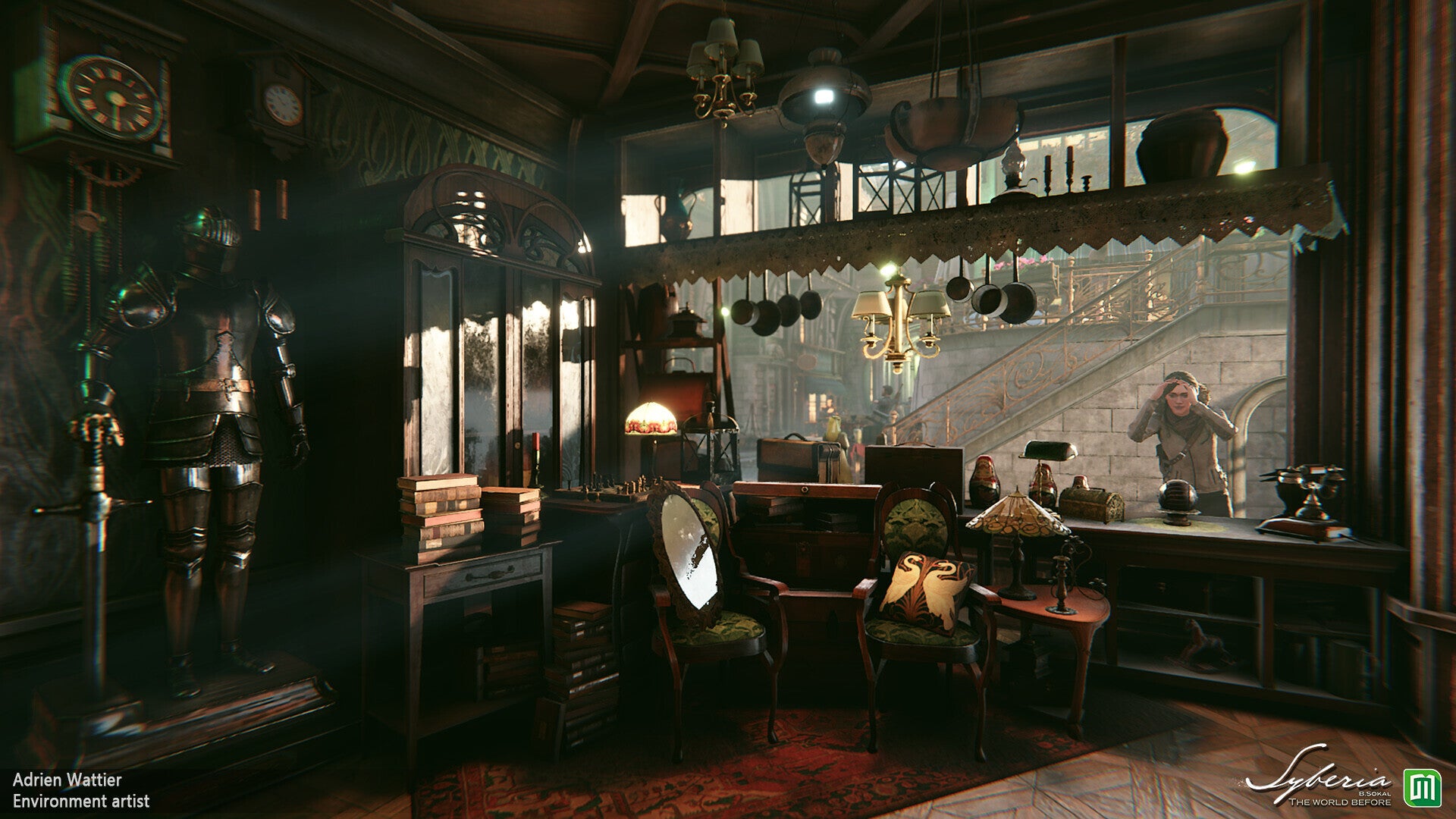
The shopkeeper gives it to her, and since Kate is well‑acquainted with working on automatons, it doesn’t take her long to open its system and place Oscar’s heart inside.
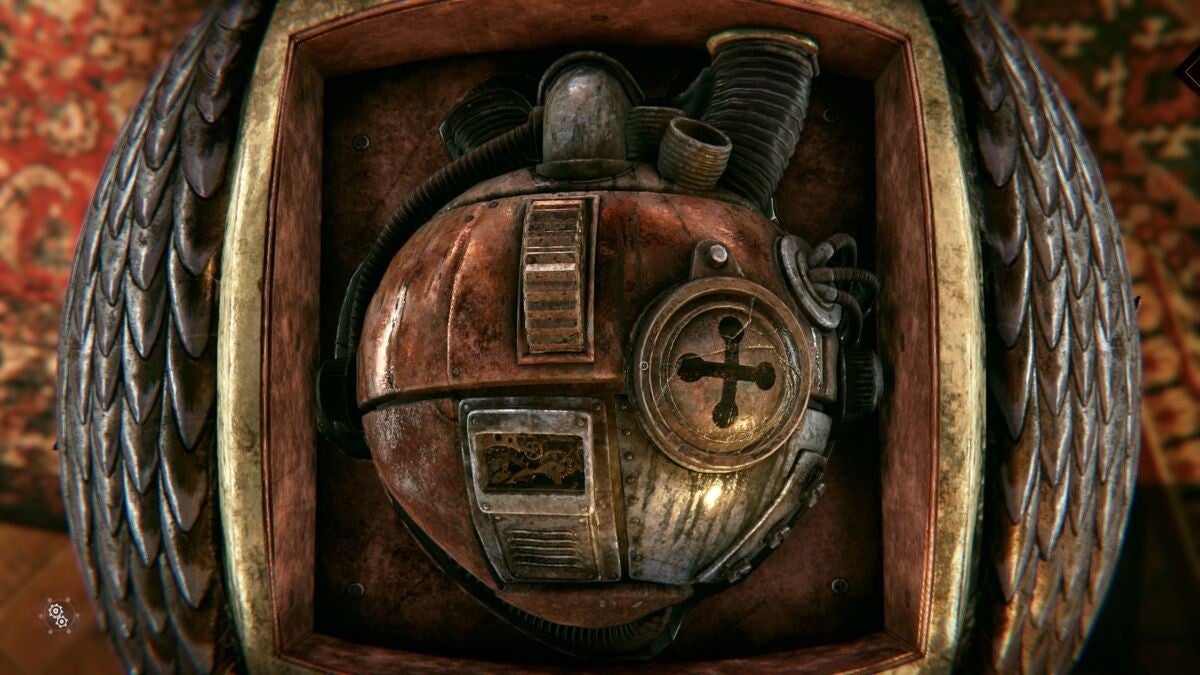
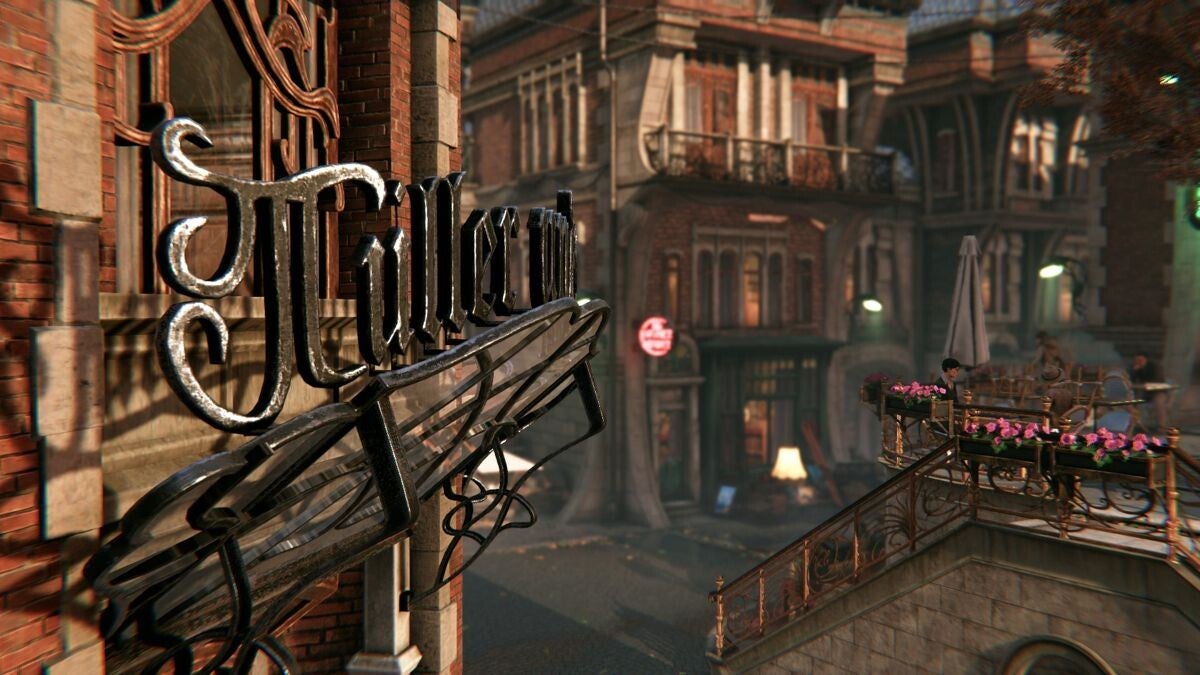
Kate comes into the store for two reasons: to gather information and because an automaton catches her attention—an automaton hedgehog.
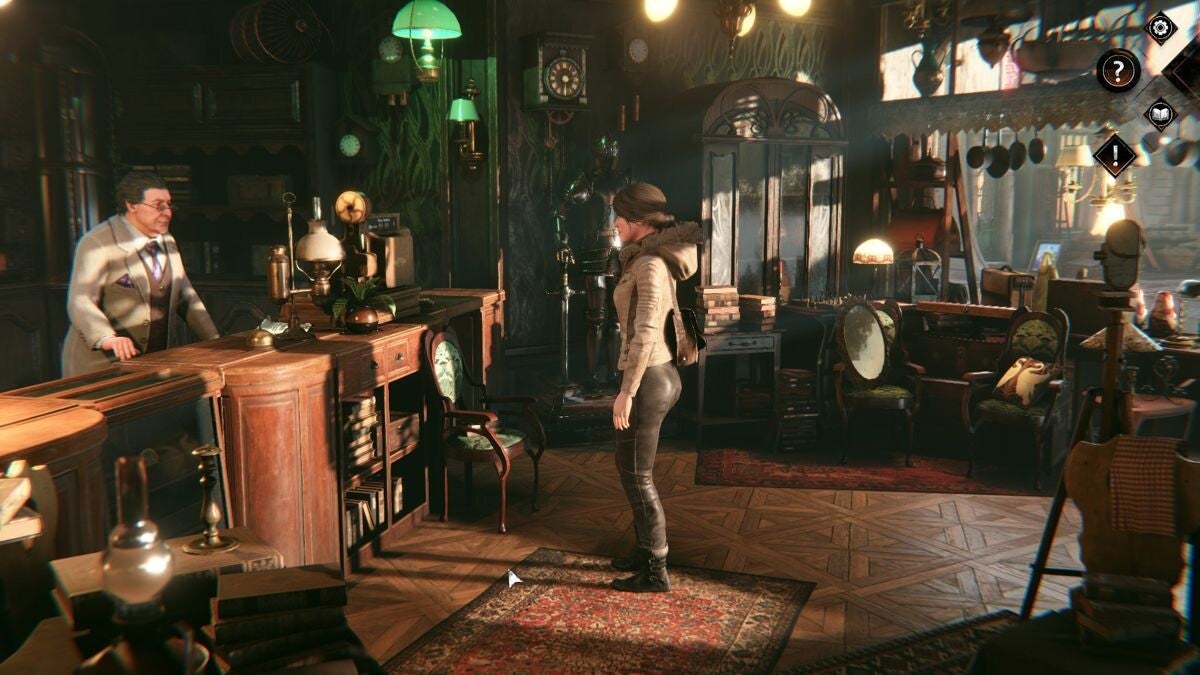
The body springs back to life thanks to the Voralberg key.
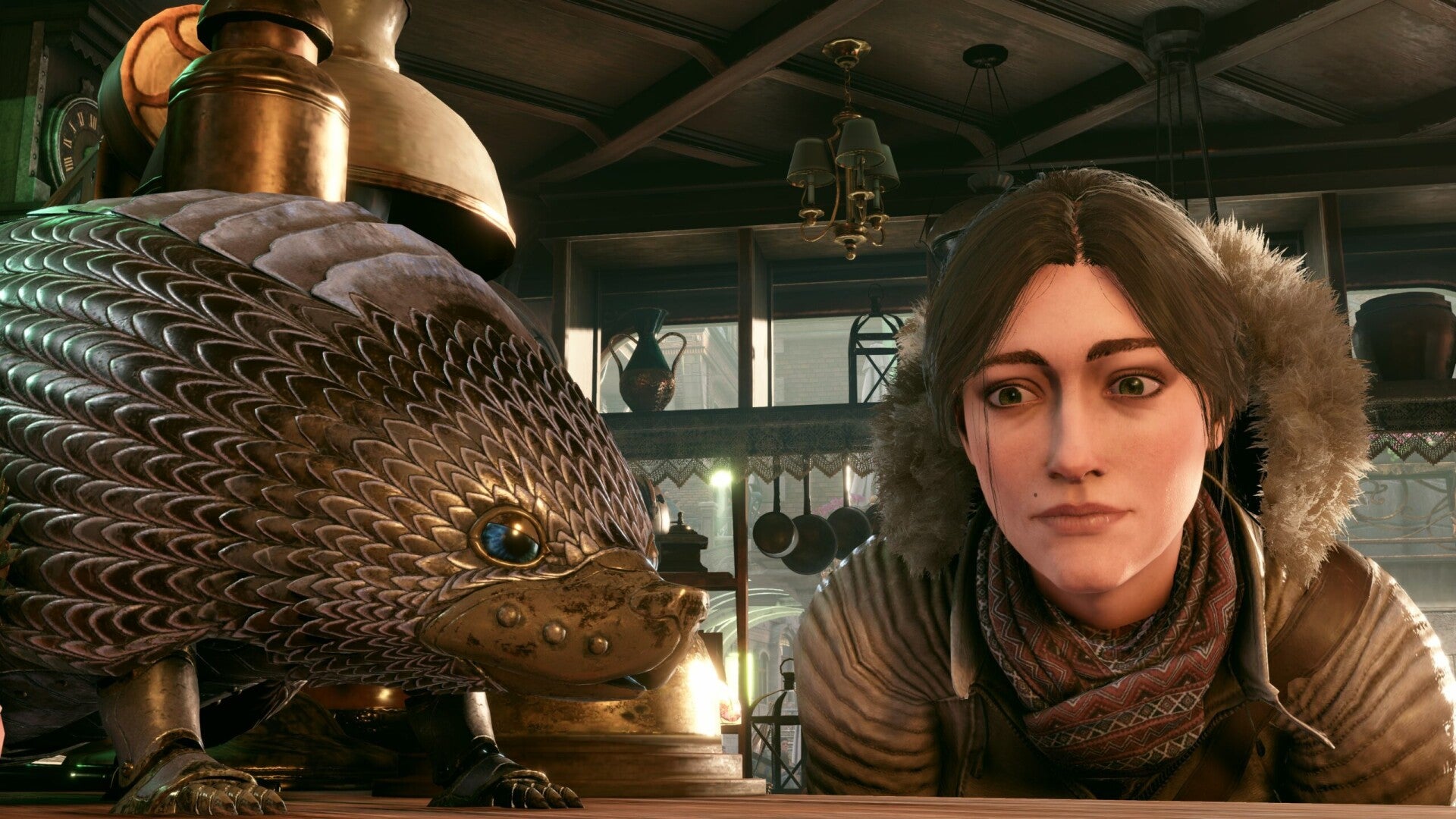


Instead of a heartfelt reunion, we end up chasing the hedgehog throughout the district. Oscar keeps saying he cannot control this animal body, as its instincts overpower his senses. The chase ends with us losing him in the sewers, where he disappears. But the story will eventually bring Oscar back to her.
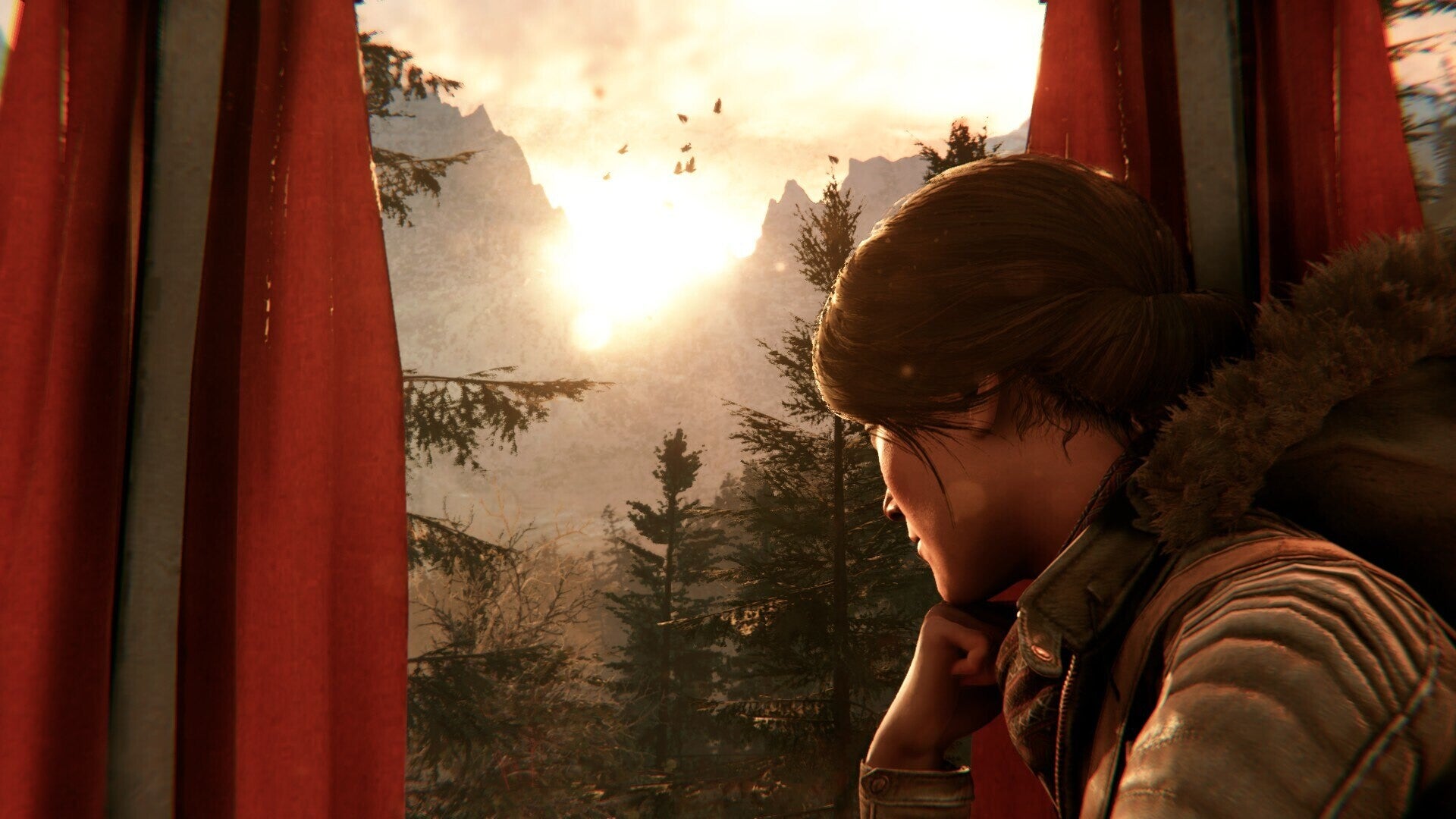
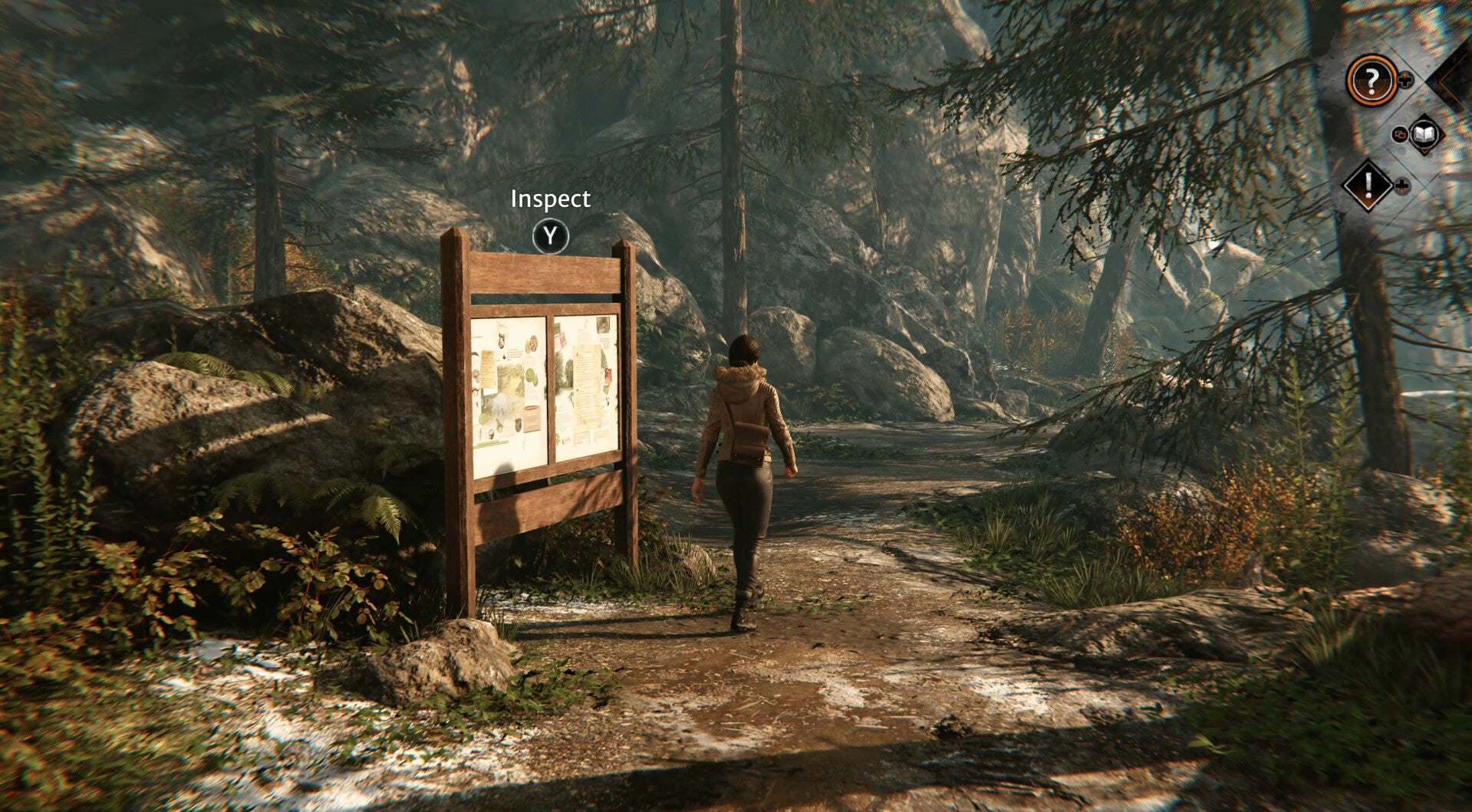
Kate has enough time to overthink her situation and remember her losses as we make our way toward the mountain refuge. So instead of lingering on her self‑pity, we turn our attention to the views around us. Take a deep breath—the mountain air is thicker and harder to breathe when you’re not used to it, but isn’t it worth it ? The thrill, the quiet joy, those fleeting moments of beauty that pass us by… and when we truly look at them, they’re breathtaking enough to make time slow down for a moment.
But as much as I would love to keep admiring the mountains, Kate is soon confronted by Leni, the daughter of the manager of the mountain chalet.
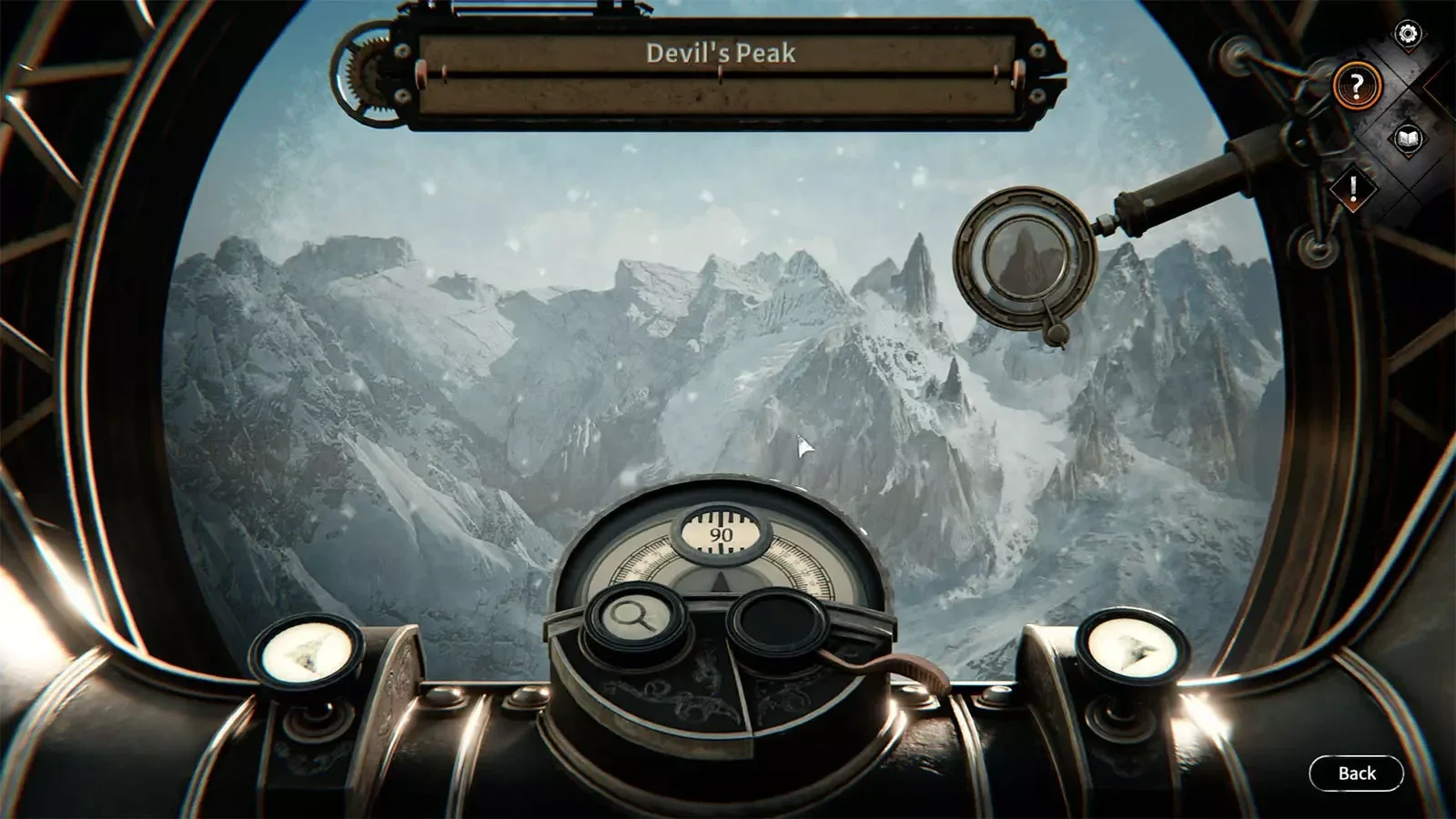
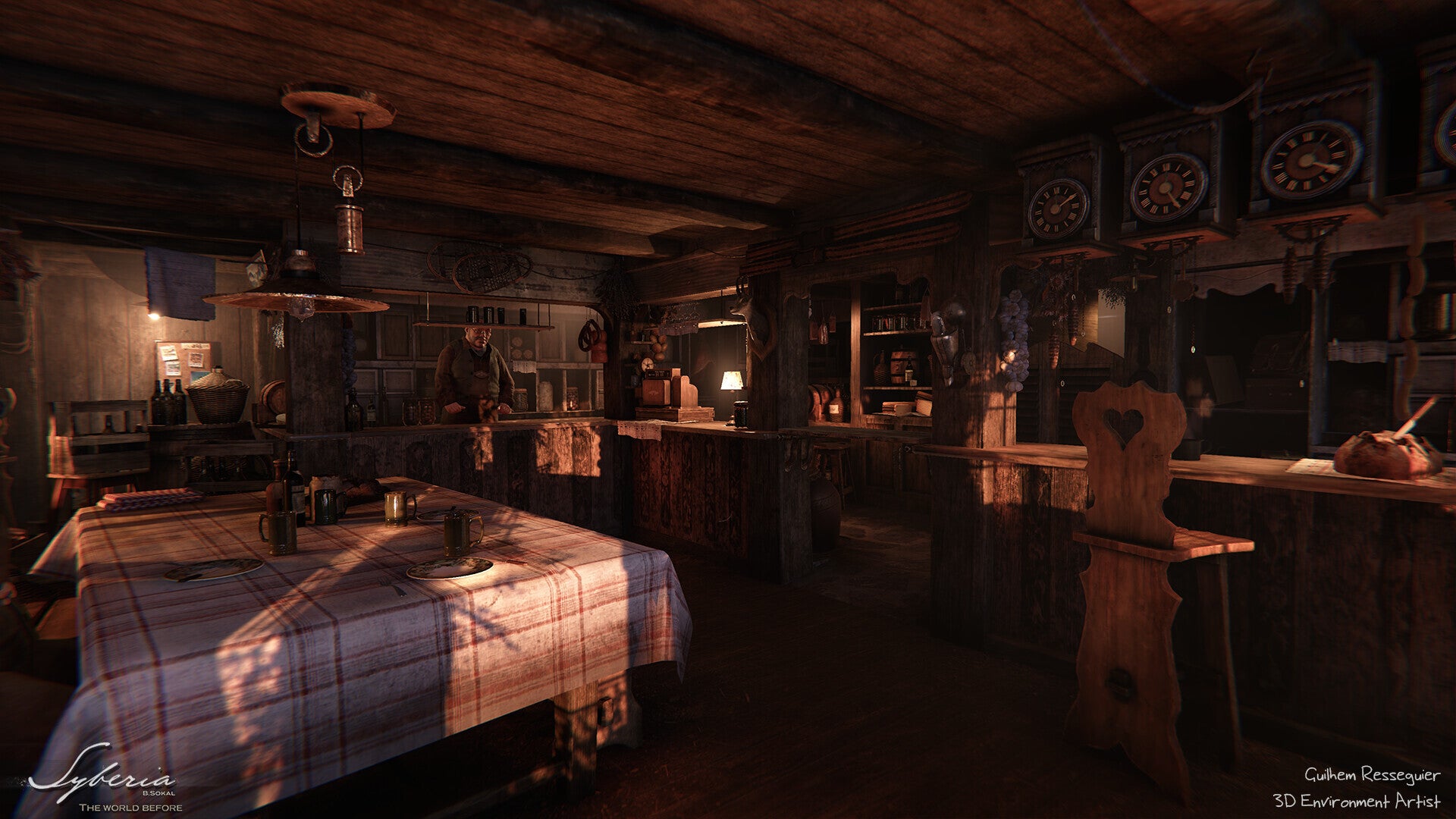
Leni shares her story from 1937, and through her memories we return once more to Dana. To put the story simply, it is a love triangle—three girls and one boy—set against a backdrop of fascists, photographers, filmmakers, artists, expedition scientists, and militia men.
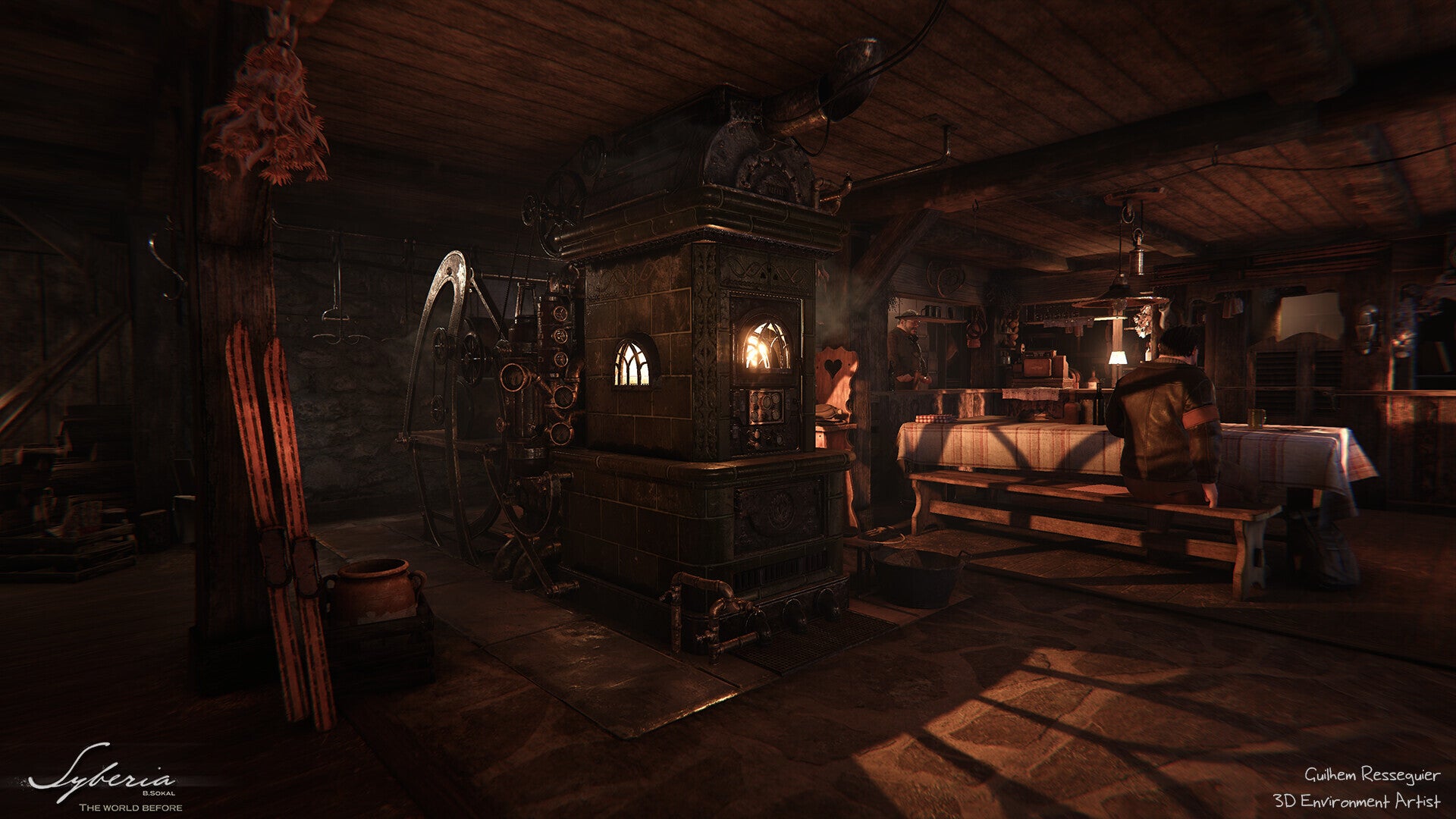
She worked as a waitress at the chatel, as assigned. And let’s be honest: girls without a bit of rivalry are hardly girls at all. Even if you are nice ( play in a way that makes you relate more ) to Leni, she still holds a grudge against Dana—pure jealousy.
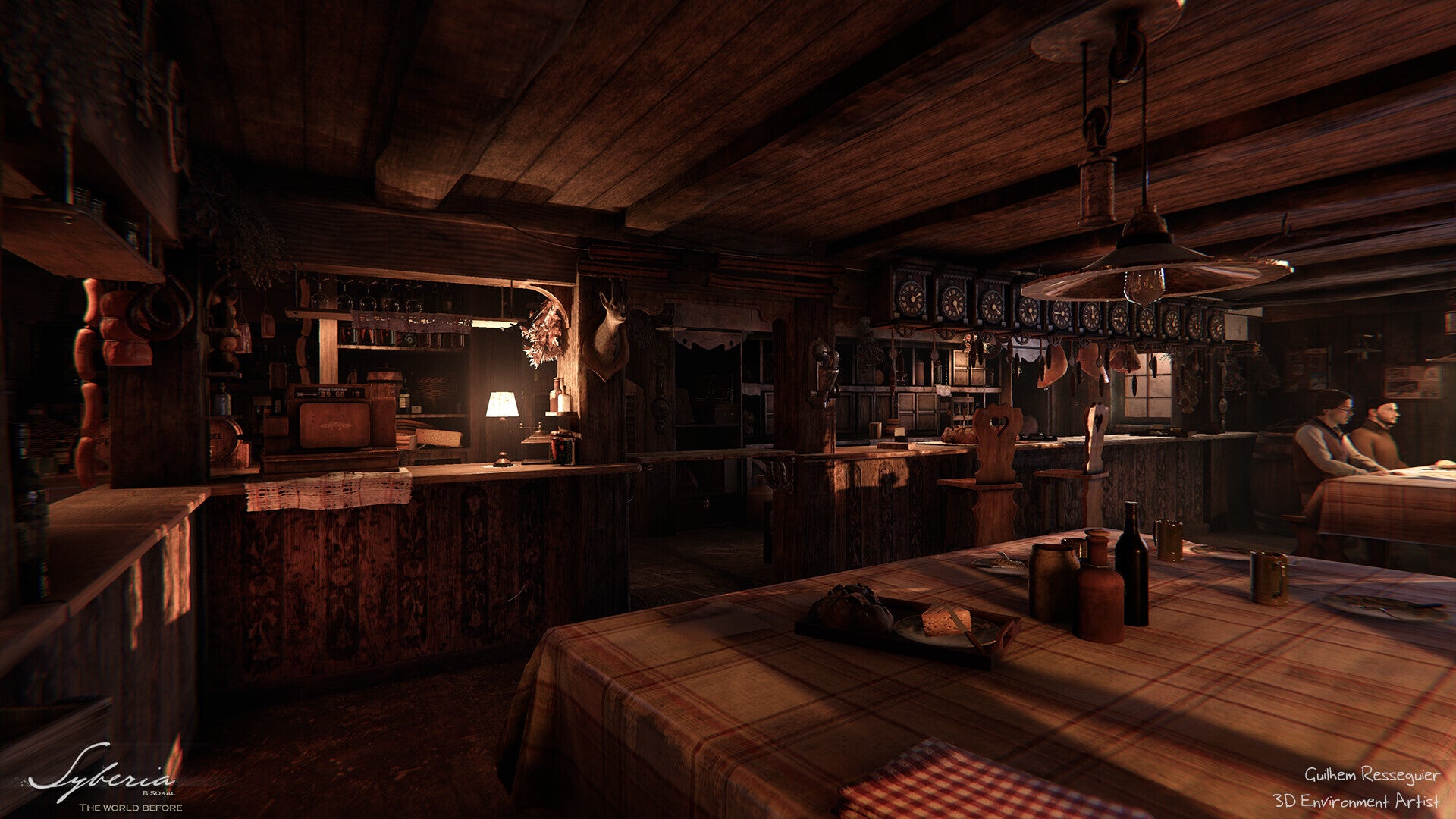
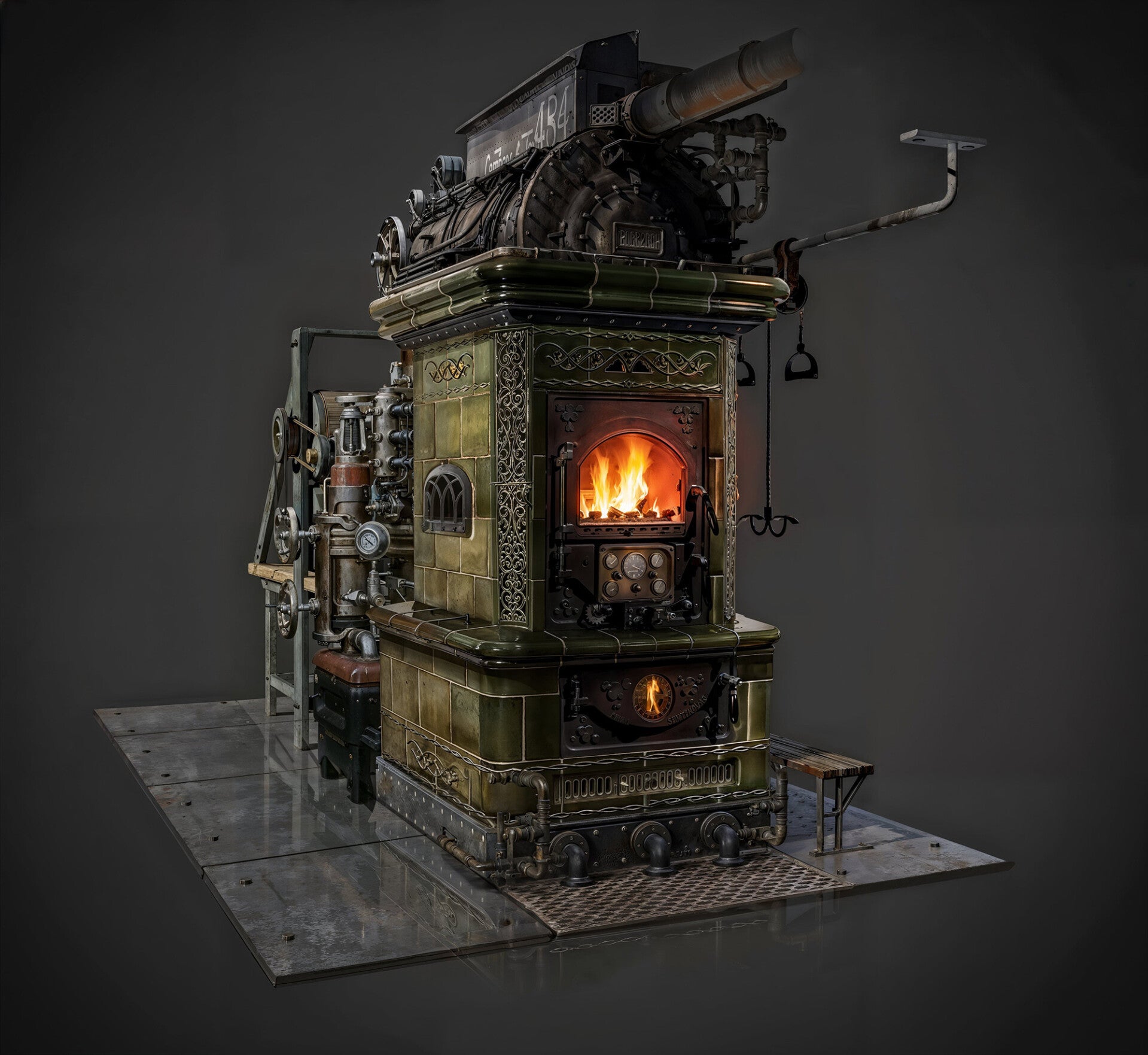
Everything unfolds within the charged atmosphere on the edge of the Second World War, as pre‑war tensions rise. As for Dana, I’ll spare the finer details for now.
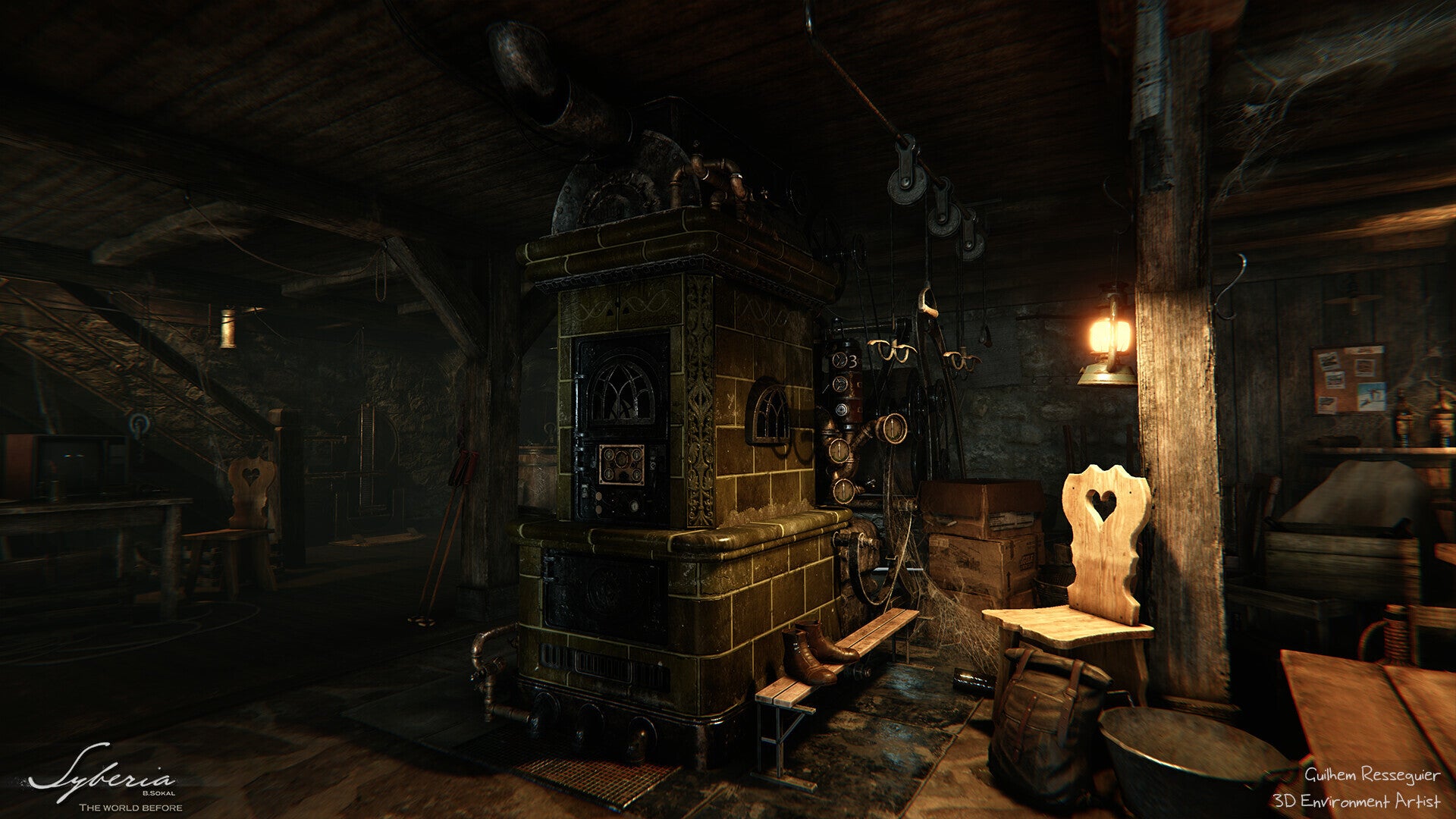
After all, the boy chose a pianist over the other girls fluttering their eyelashes at him. Doing our job well—serving drinks to the men—earns us a reward: to play the piano. It’s hard to believe today that playing a piano could capture an entire room’s attention. The inn falls silent, everyone gathering around the pianist, simply watching and listening.

But when someone plays with passion and love, giving in true feeling, pouring heart and mind into every step, they lose themselves. Amidst the gathered crowd our painter, Liam, notices Dana immediately. But not everyone can give applause and remain amused by music, for there will always be someone with harsh mouth approaching, there artist steps in guardian position for girl, as a result piano got a knuckle imprinting in wood. Abuser was favoring fascist, was the leader of the expedition group staying at the chatel, by the way.
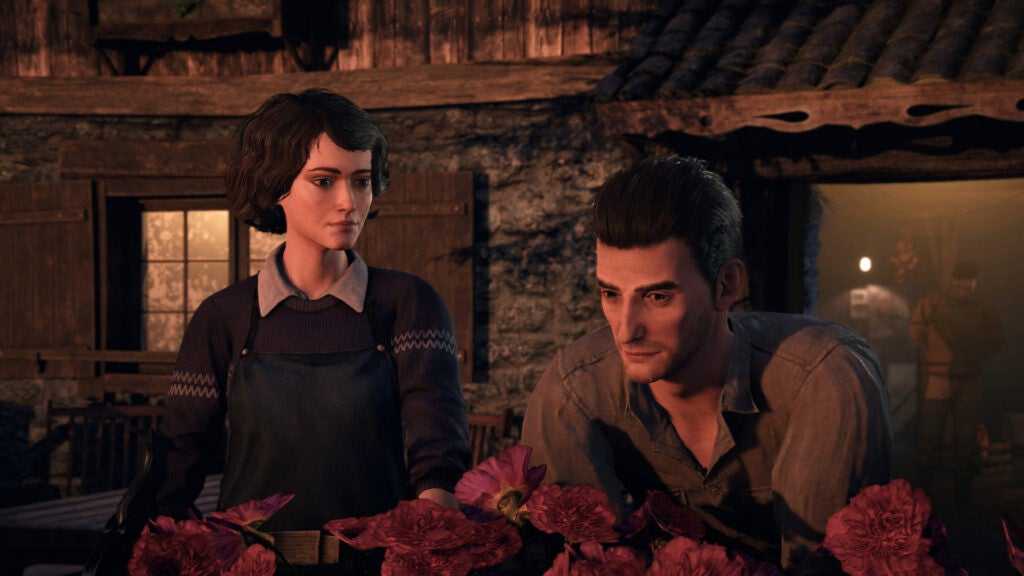
As for love… well, love is blind. Liam, our painter, was surrounded by many girls, each with her own way of trying to attract him. But an artist has only one true muse. And in those harsh times, sudden blooming love between two young people—each full of passion, expression, and youthful foolishness—was not unusual. Their time together was brief but intense. And we will return to that part of the story.
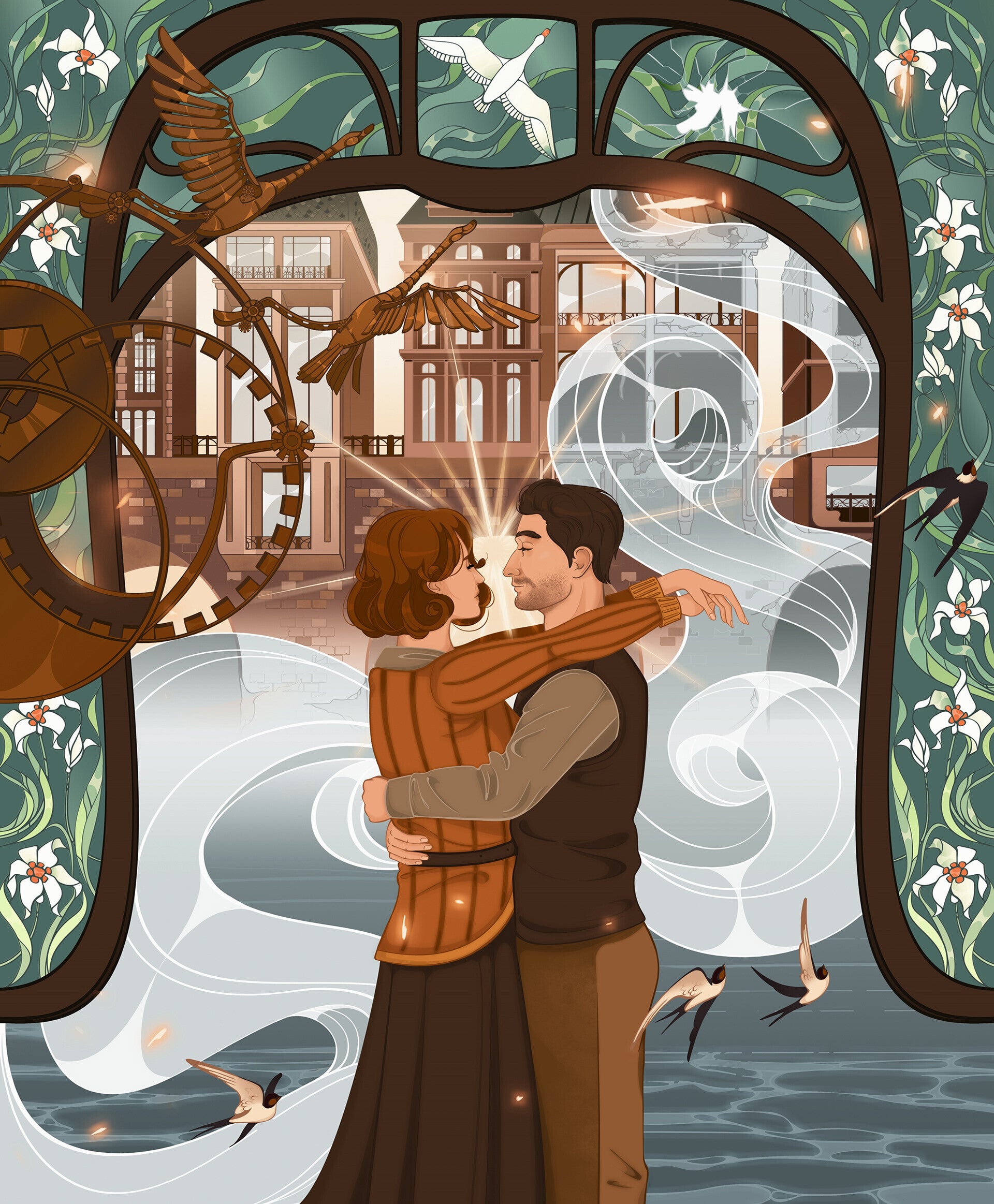
Back in Kate’s time, she finally has a chance to explore the refuge—seeing how the house has changed, exploring, she tests how well her memory holds up after all these years, and letting her state of mind settle a little. The quiet helps her thoughts become clearer, even if it’s hard to put them into words in a way that feels even slightly interesting. As for what we find, we can ask Leni for more information.
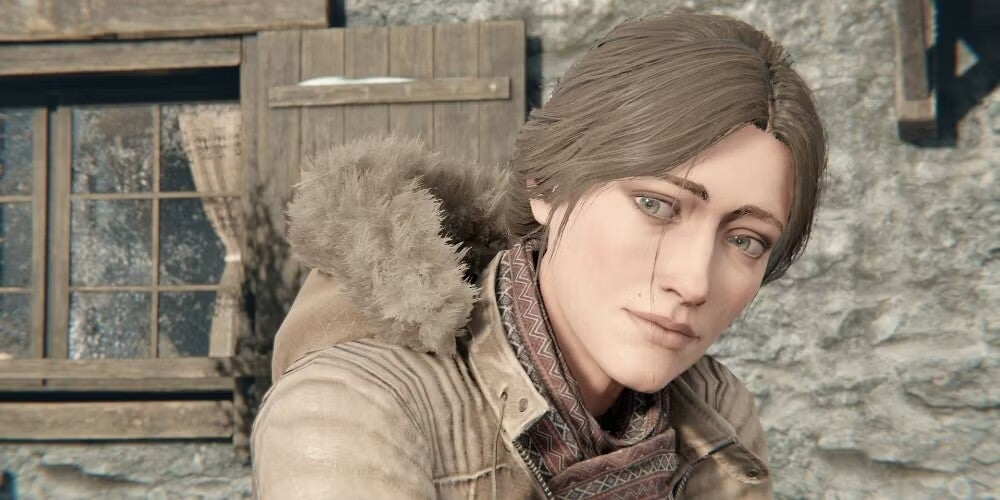
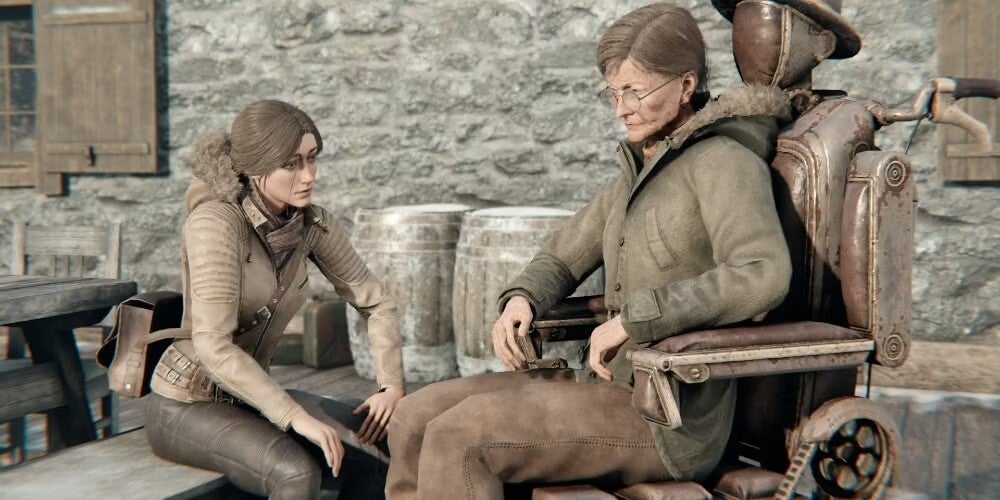
In the chalet's attic, we will find an interesting coffer, puzzle will be opening it, first part of it opens us access to glimmer in it, coffer belonged to frau Junta, a woman who had an eye on Liam, behind her camera, that was. As for what will trigger, the event' s of past, we will pick up a letter, for Kate to read.


Here we are introduced to the time‑switch mechanic. Whenever we get stuck in the present and don’t know where to look next, we can shift into the past—if Dana has been in that place before—and use her exploits to solve problems in the present. As for this event with coffer, we as Dana get to see a magic of photo development (dark room) an attic is perfect place for it.


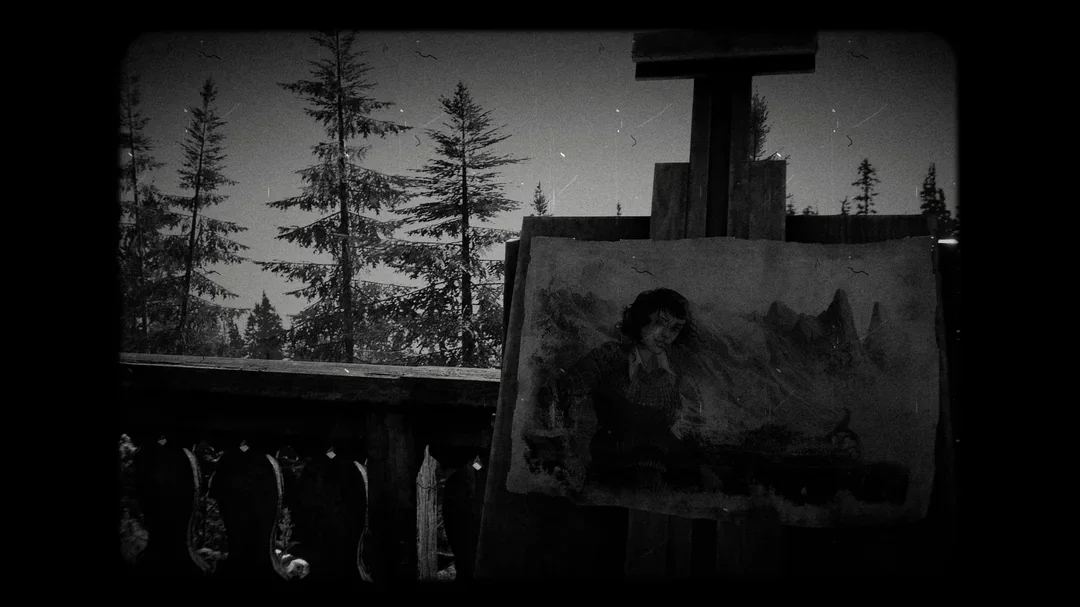
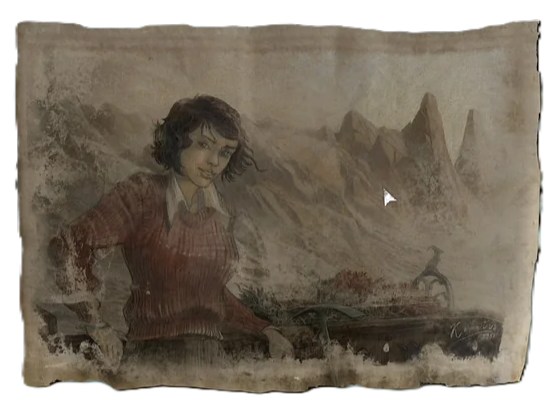

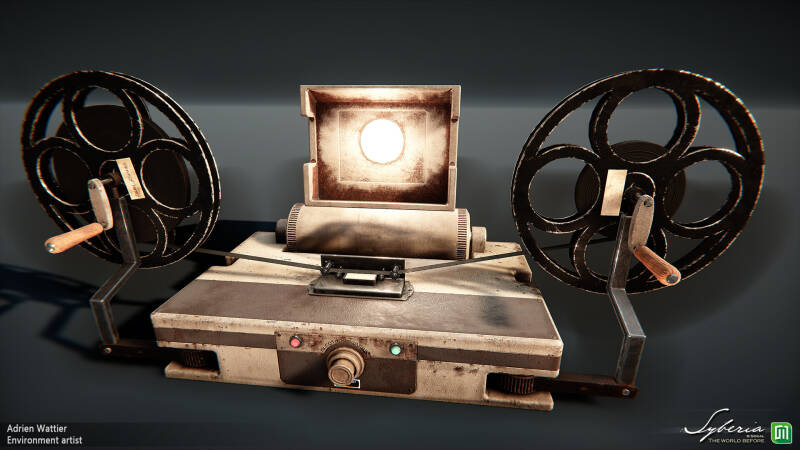
After watching the second film strip—since cameras in those days couldn’t capture sound—Kate goes to bother Leni again, urging her to dig back into her memories and explain what she remembers from the day she filmed that argument. On the recording, the couple is quarreling about Liam being sent away as a guide for the expedition.
When we do open bottom or fully aces coffer, amidst things we find a film strip's, one had captured an everyday life moments in chalet, among the day when drawing of Dana was painted, on other film strip we are looking around chalet as Leni, who did got her hands on frau Junta's camera after all. As for, film projector, it was there.
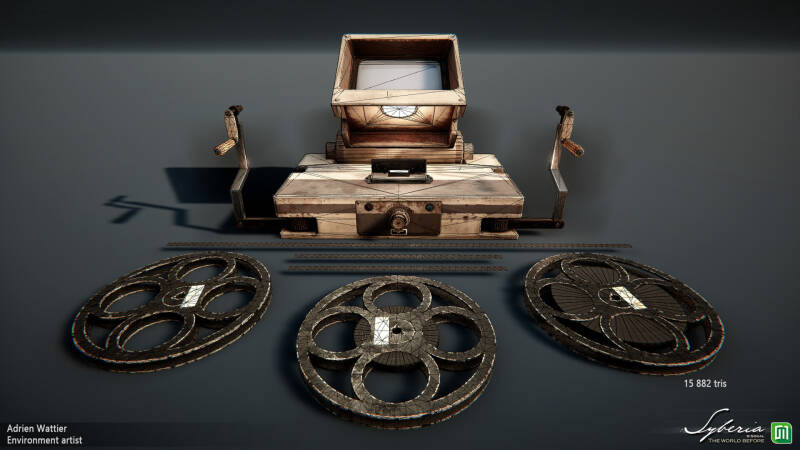
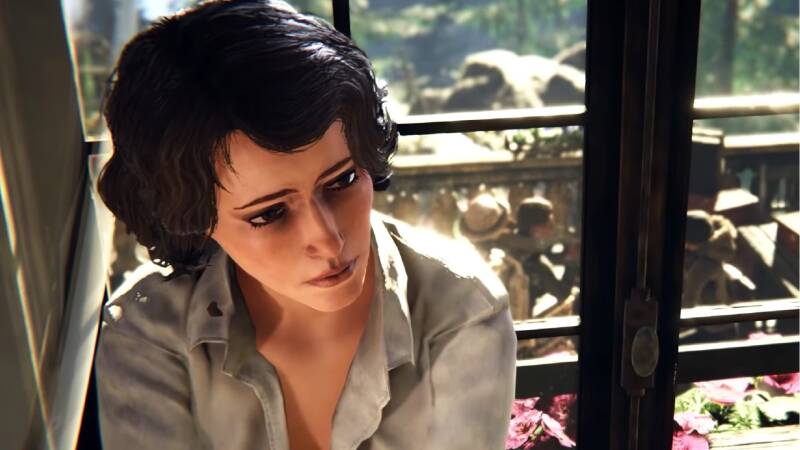
He and the other followers of fascism didn't hid their hatred toward the Vagheners, and to keep his love safe, Liam had no real choice in the matter. For our pretty Edelweiss, studying at the music academy would have been a far better path than staying in a city that had caught the interest of the fascist group. But those were harsh times, and choices were rarely kind.
Liam had been assigned to guide the origin expedition that was to be sent far away, since the guide who was assigned for them got a serious injury. The decision came from the personal dislike of a certain fascist figure—the same brute whose knuckle marks were left imprinted on the piano wood.
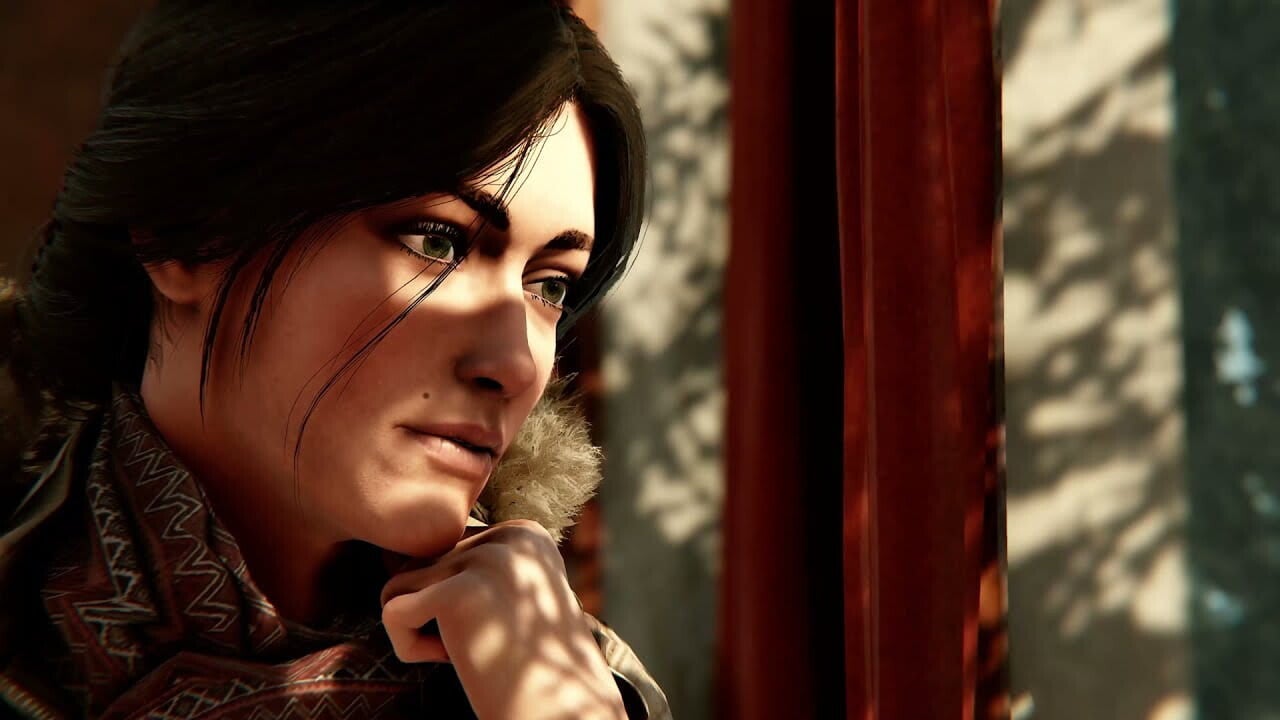
After listening to the old lady’s stories, the next place to search for traces of Dana would be the music academy. But that will have to wait until the next day. Before leaving the mountains, Kate has a quiet conversation with herself—though she addresses Katyusha, telling her she has gotten a little closer to discovering the whereabouts of the girl from the drawing. And perhaps, if she listened to the spirit more often, she might finally ease her own soul as well. Eventually, she makes her way back to the tramway and rides down toward the city.
This game doesn't forces us to rush; you can take as much time as you need. And this version of Austria… it has its own quiet charm, doesn’t it? A charm that lingers in the air and makes even the simplest moments feel worth savoring.
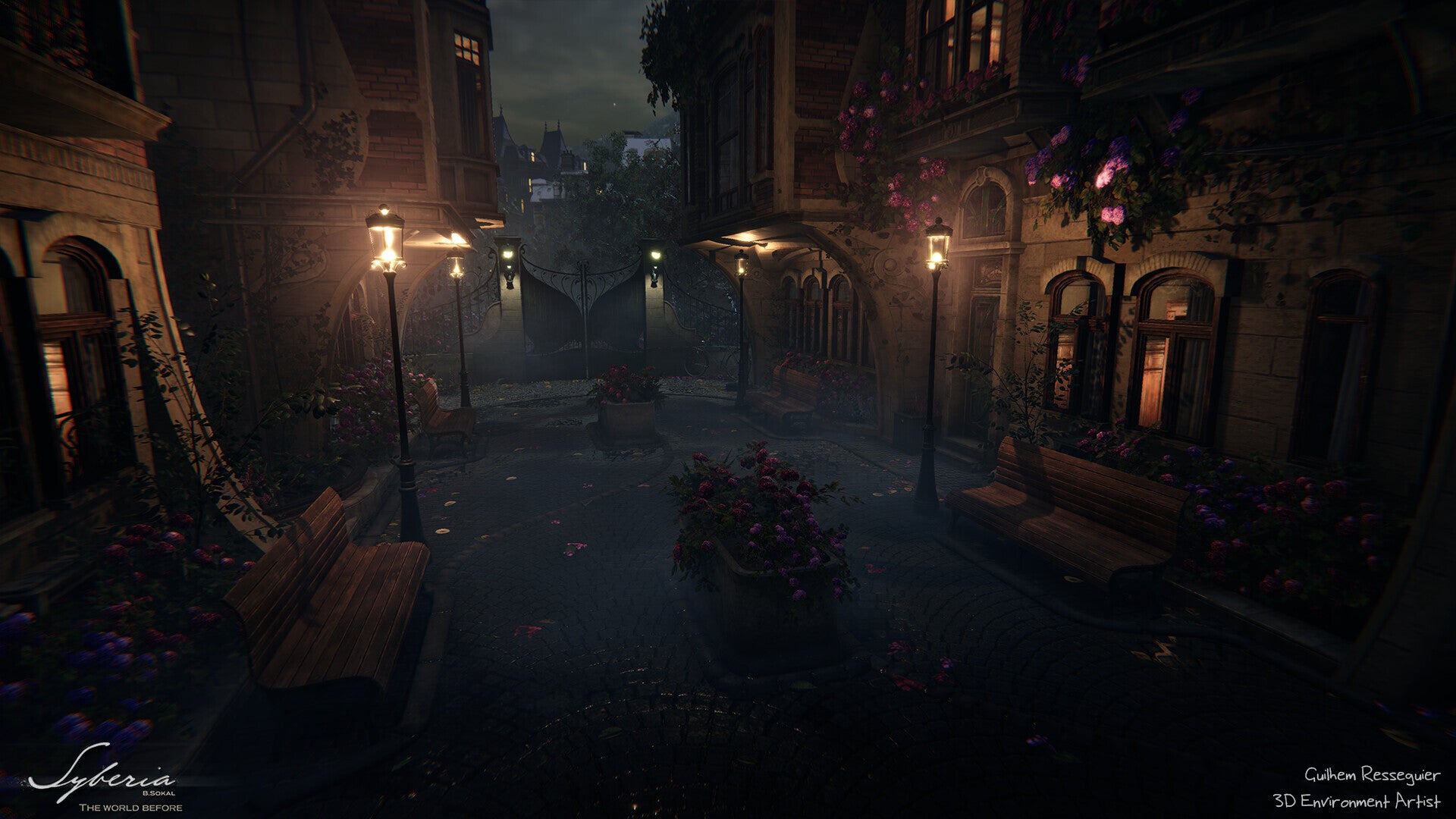
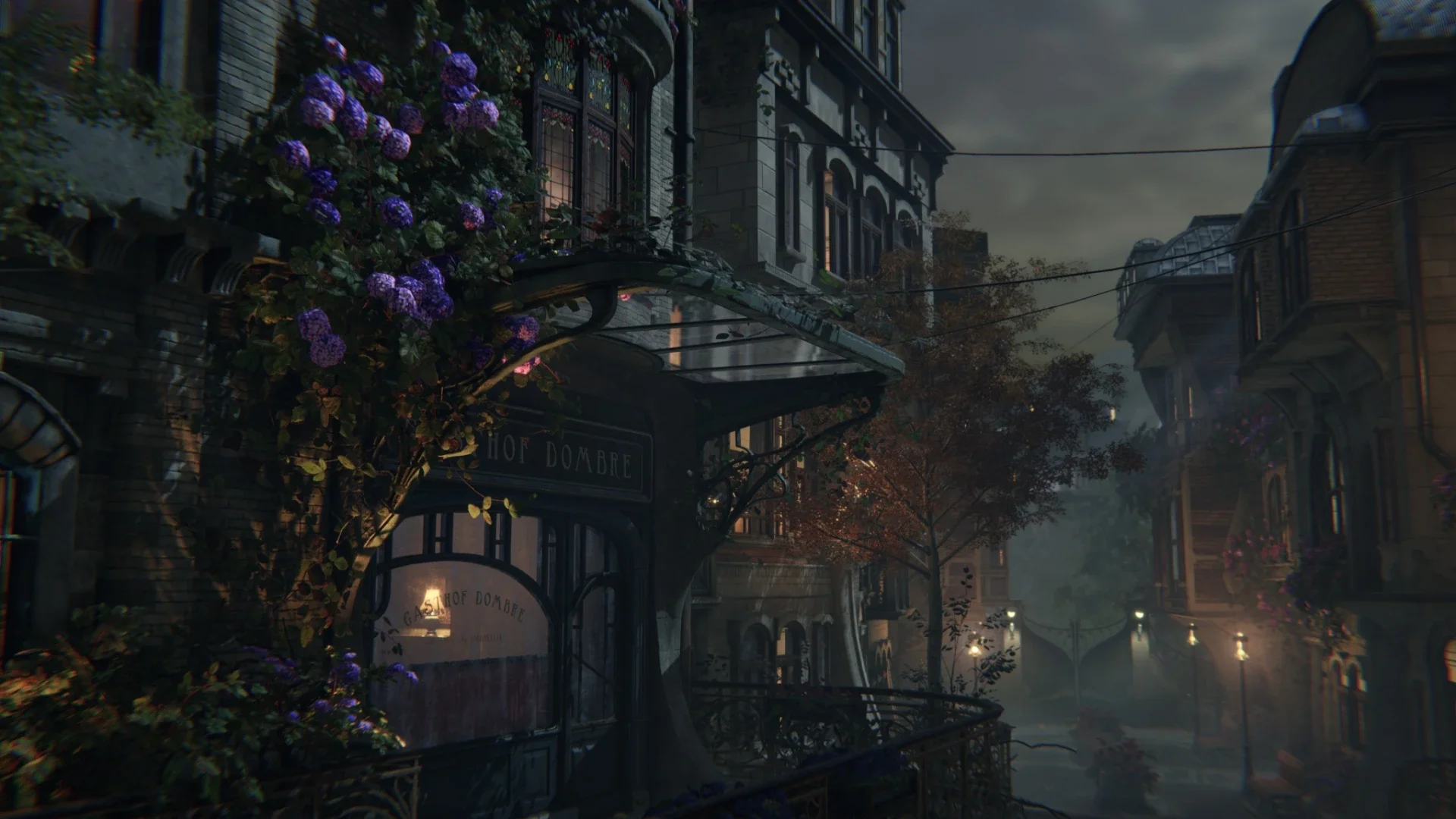
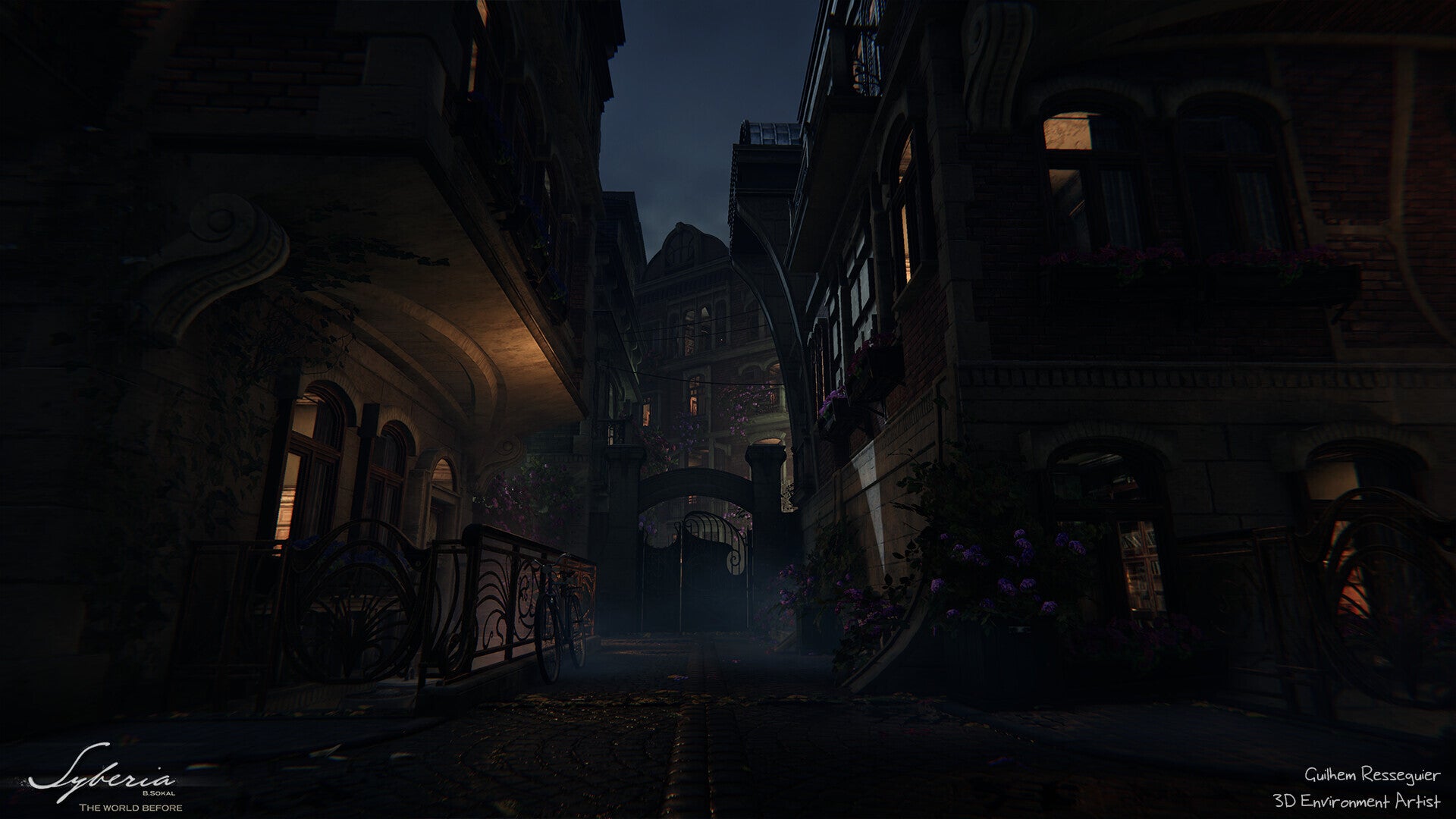
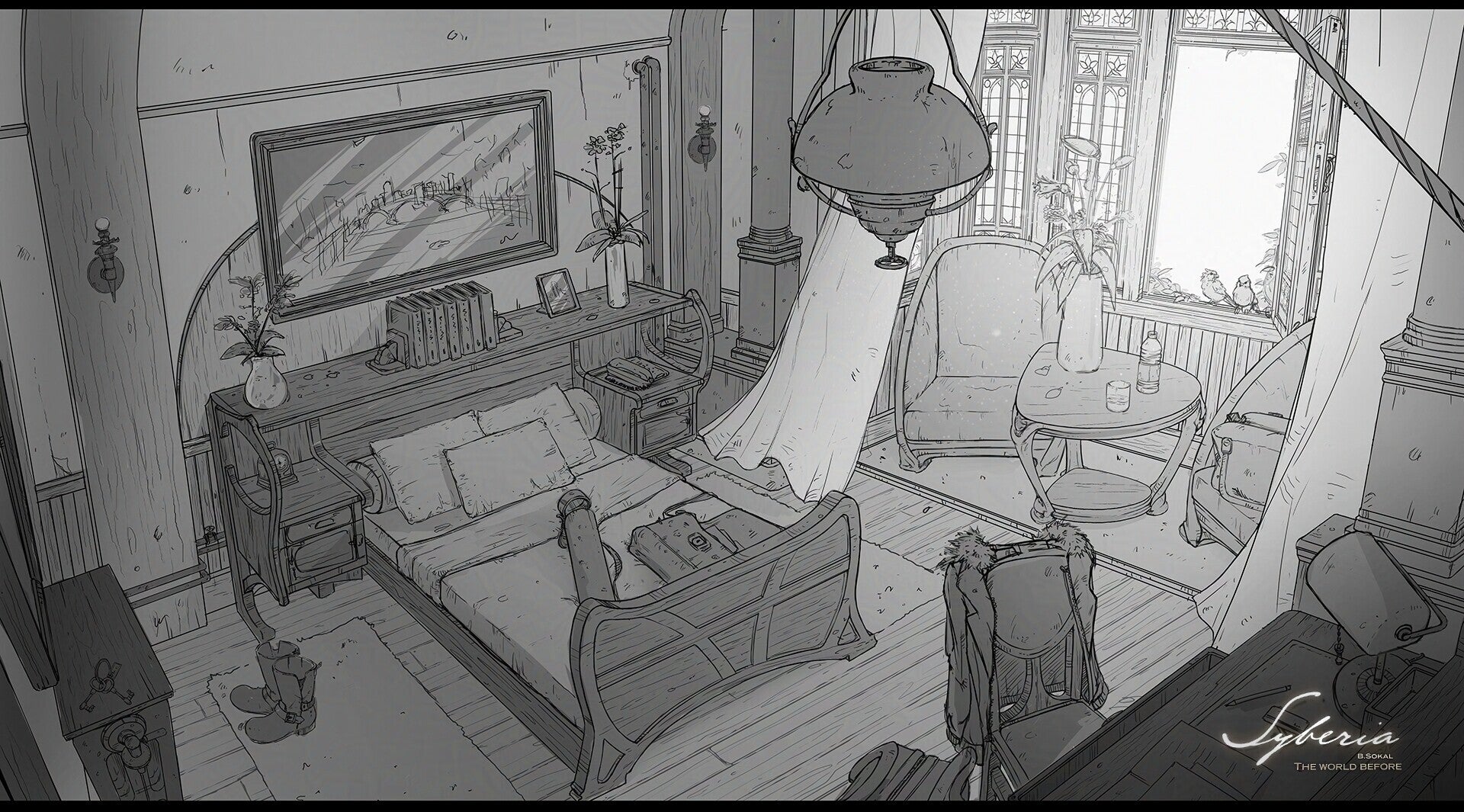
As for Kate, she falls asleep after returning to the hotel, drifting off under the soft melody of the swan music box—carrying her back to a childhood memory, a pretty house set beside the beach.
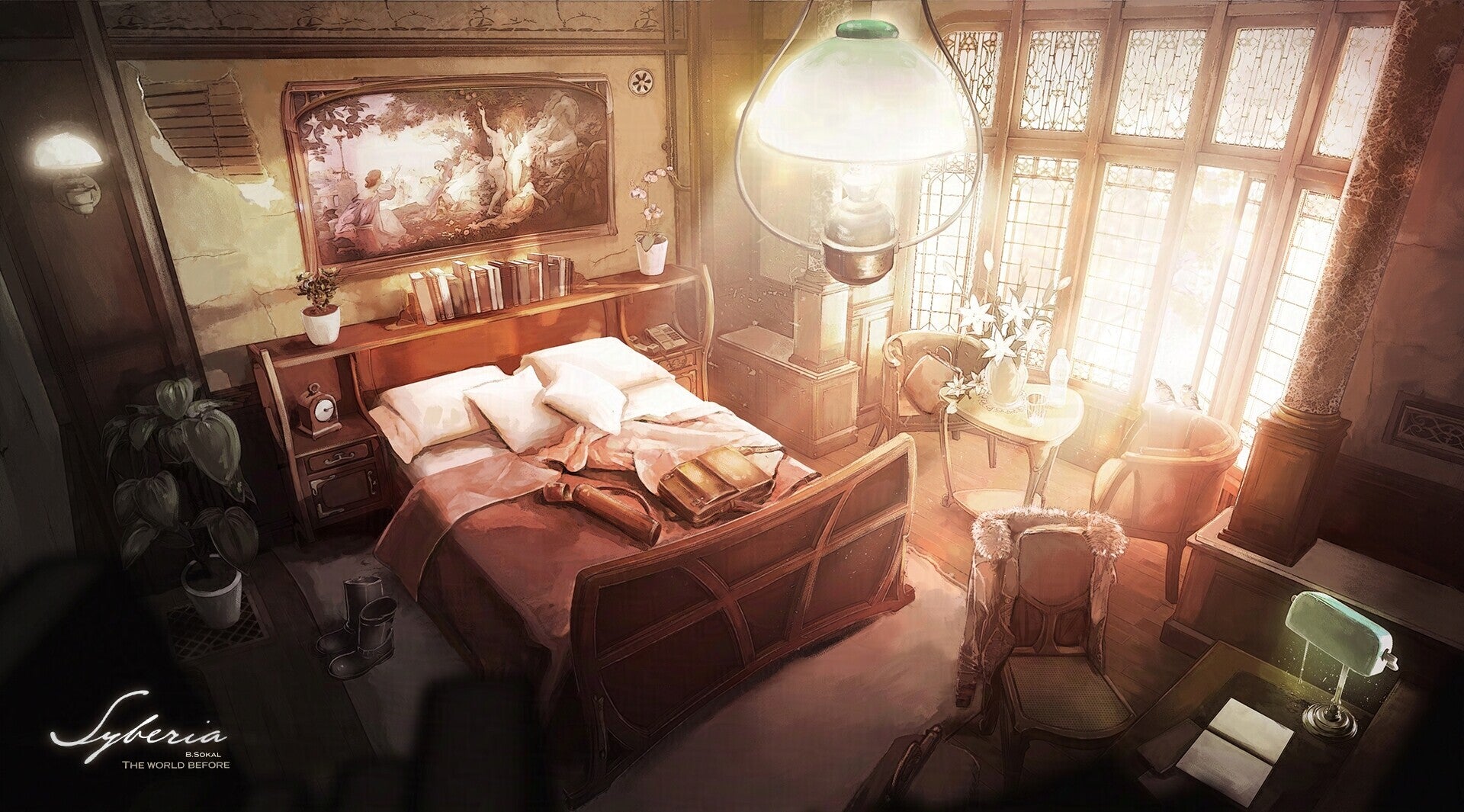

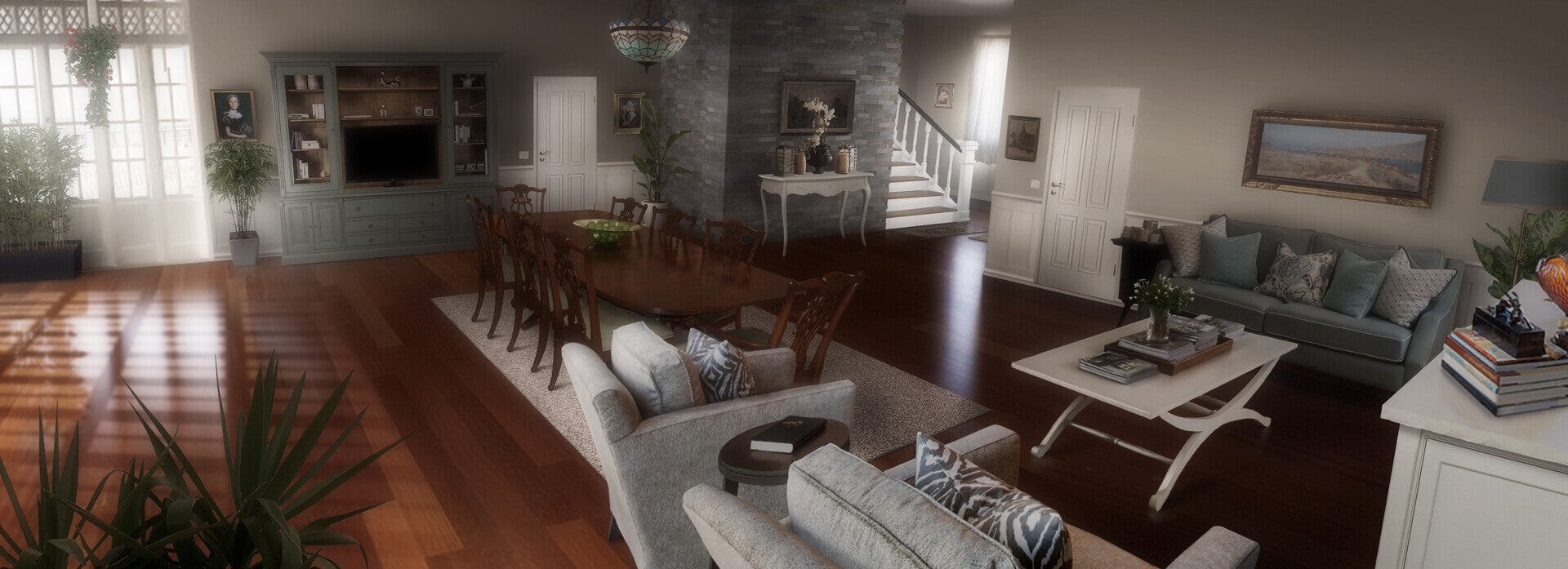

After waking up in the middle of the night, Kate rereads Olivia’s letter and decides to call her. Once again, as the player, you choose what Kate says—whether to keep things calm or let her anger slip through. What we learn for certain is that the letter was sent two years ago, long before it reached Kate, and that when she returns to America she will be judged for not sending the signed papers that would have transferred the Voralberg factory to the law firm in New York.
Everything else depends entirely on your choices. Truth be told, the ending remains the same, but the way certain relationships unfold for Kate can change—just as they did for Dana.
As we arrive in the music district, we encounter children playing with an automaton hedgehog. Kate steps in to help Oscar, she tells a story of events she has gotten herself into, while Oscar was gone, while he told, it took him an entire night to gain control over the creature’s “animal instincts,” as he called them. At least a smile appears on Kate’s face, even if Oscar has already returned to his old, grumpy self.


The district itself is the same place we visited at the beginning of the game: the central musical square with the great orchestra platform. But now the orchestra is shut down, silent. The music district feels more like a modern city center now—cafés, shops, and tourist spots clustered close together. As for the academy, with unpaid bills, and the city council decision to shut it down than support cultural growth. This district is no longer the cultural heart of the city it once was.
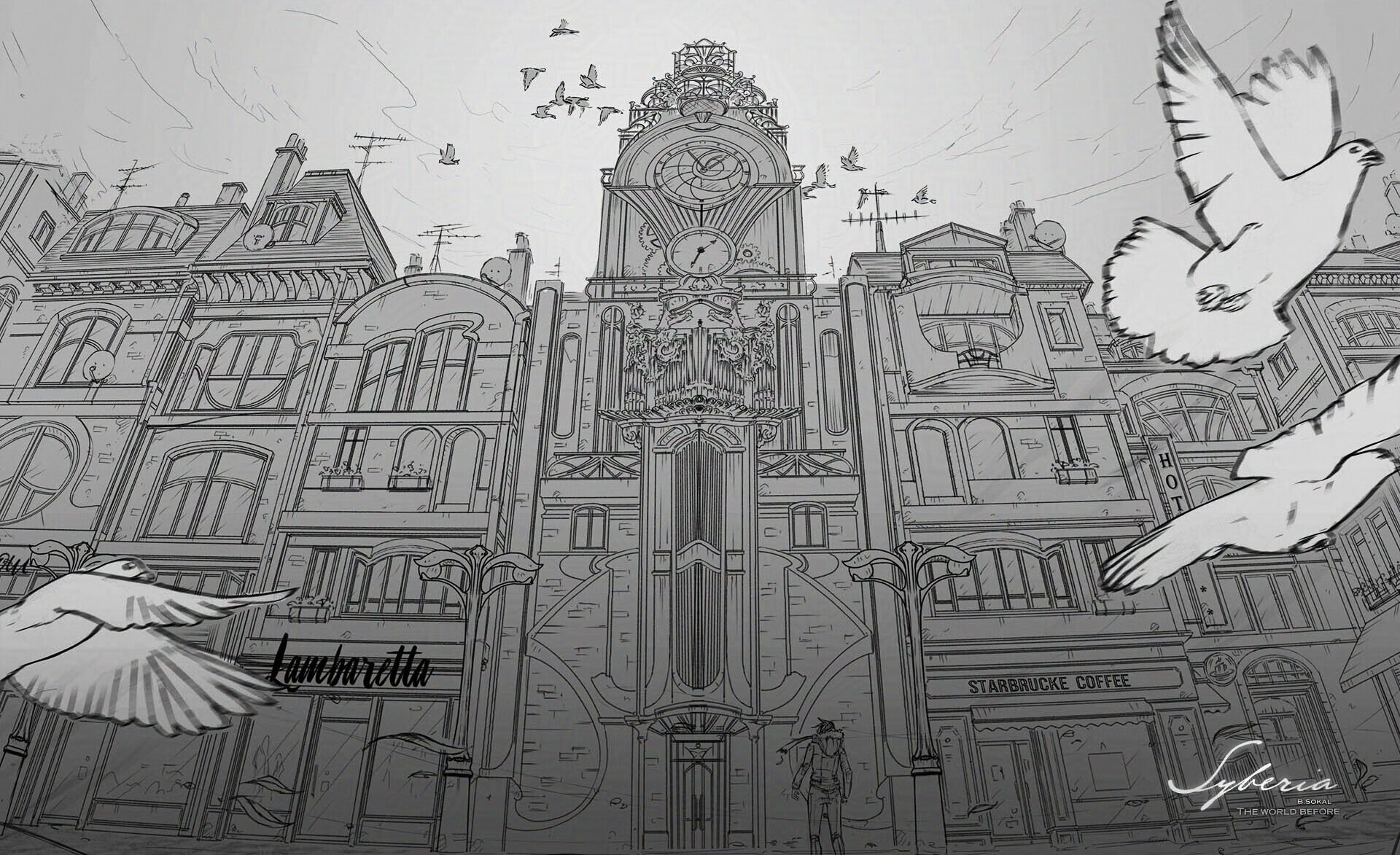
Upon entering the academy, we ring the desk bell to speak with the 'rector'. He gives us a box containing several documents: Frau Beckmann’s notes, the hymn sheet music, and a few additional papers with information related to Dana.
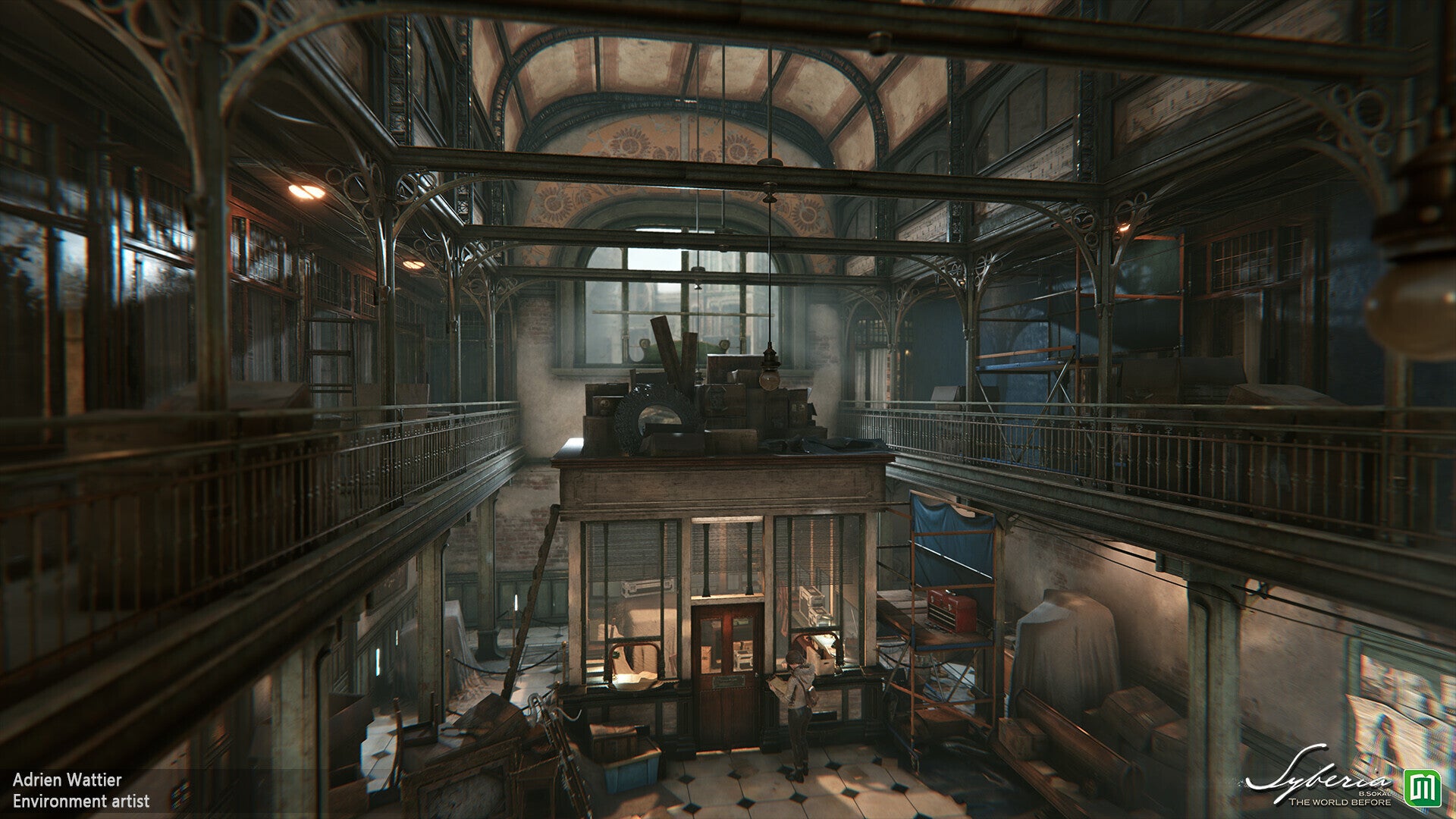
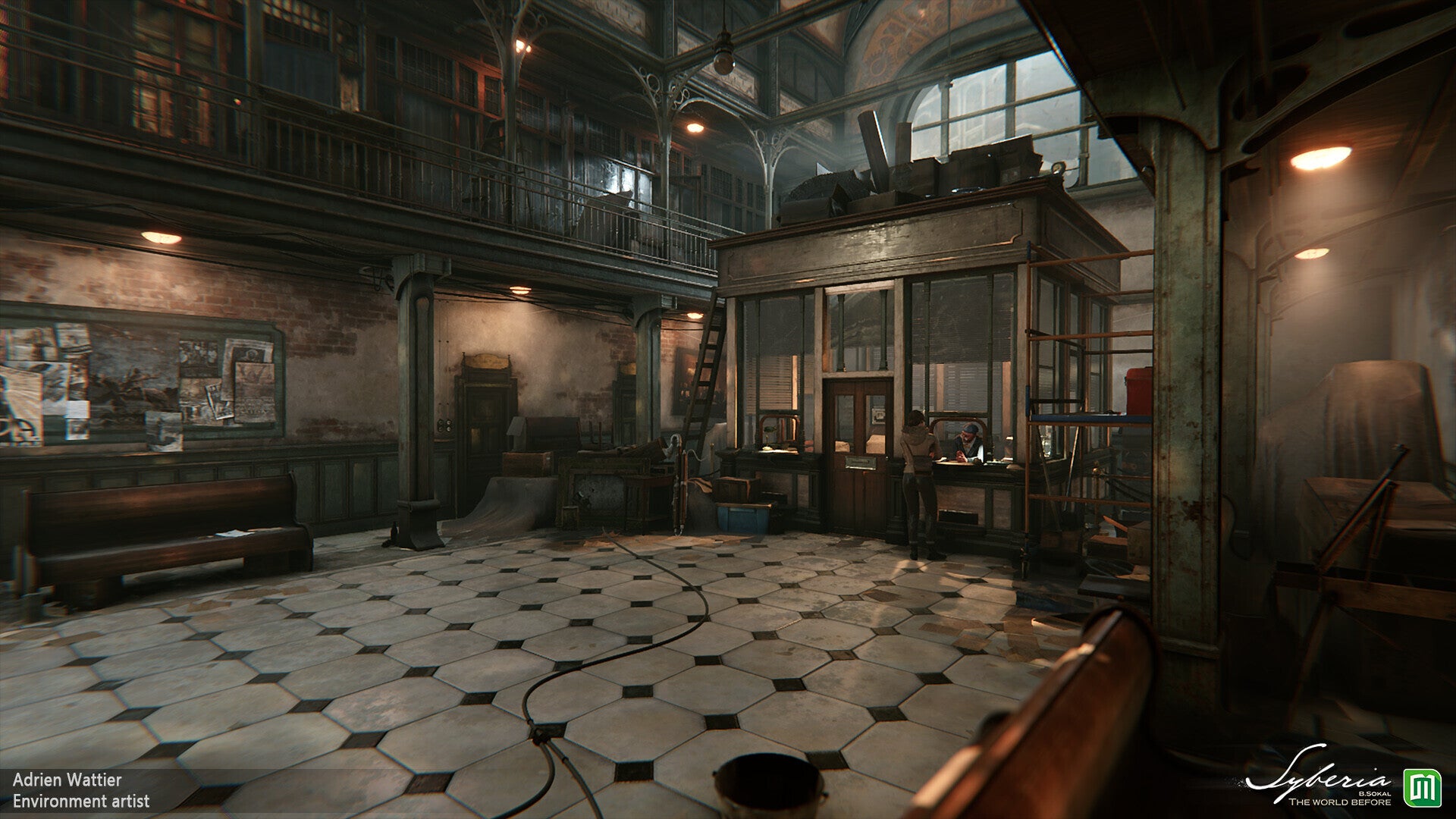
More answers will only come after Kate plays the Hymn of Vaghen on the orchestra platform, reactivating the old mechanisms hidden throughout the square. The rector warns us that the square has been rebuilt, so reaching certain mechanism points will be difficult.
To put it simply, we’re heading into a long stretch of mechanical puzzles—an hour, maybe an hour and a half—especially if you get lost switching between Kate’s present and Dana’s past to solve everything. As Kate begins to read Frau Beckmann’s notes, we shift back into Dana’s time.


We as player's discover the story behind the musical platform and it's automaton musicians in the square.
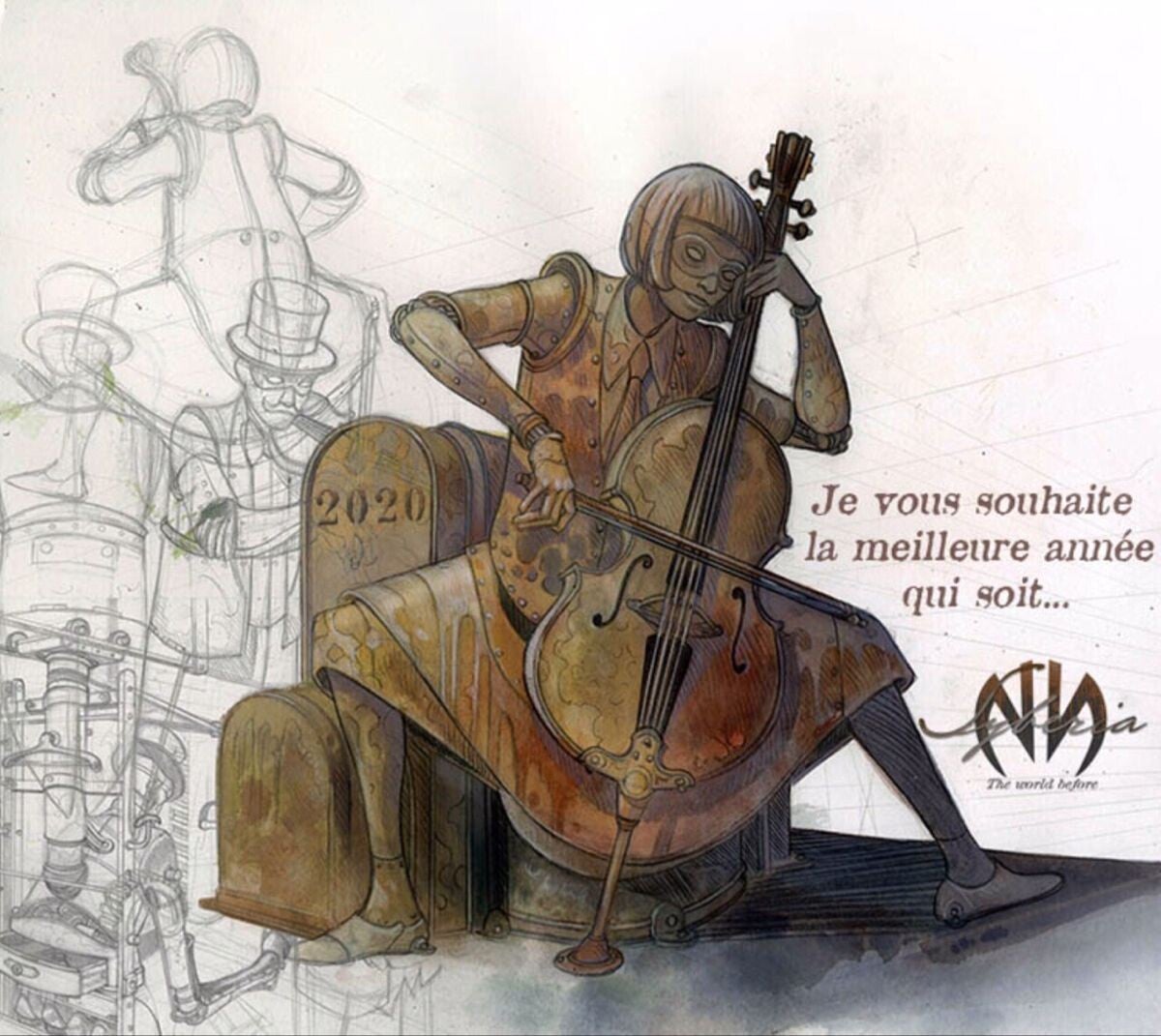
Hans offered his help to rebuild the town and constructed the mechanical orchestra as part of that effort. Vera was Vaghen’s most famous musician at the beginning of the 20th century.
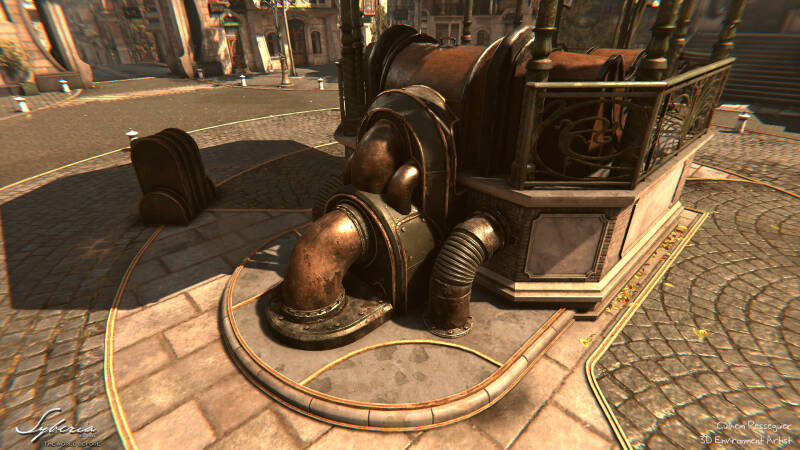
What the townspeople heard in their final moments was the Hymn of Vaghen, played until the fire consumed everything meant to ease their minds and make the farewell gentler.
To be honest, I get lost here. We know that the tragedy happened, but over time people speak of it as a legend. What we do know for certain is that Hans built the orchestral automatons inspired by that disastrous night. The most significant automaton in the square is the cellist Vera Schoenberg.
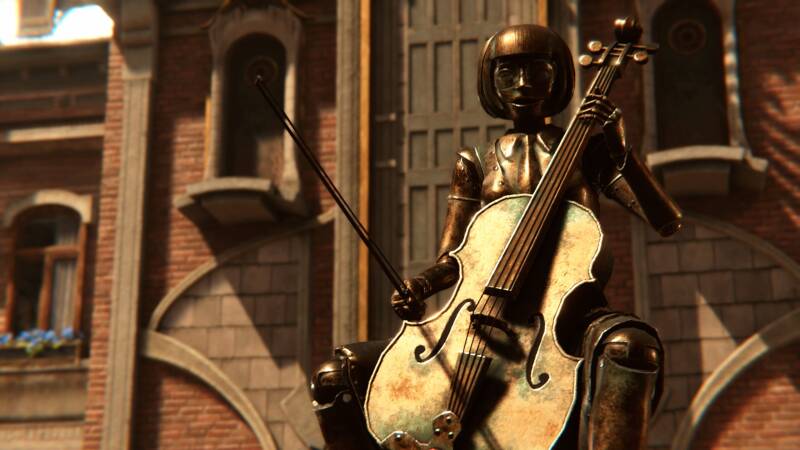
She performed a cello concerto in the square during what later became known as Vaghen’s worst fire in modern history. Surrounded by flames, with no hope of rescue, the musicians continued to play.
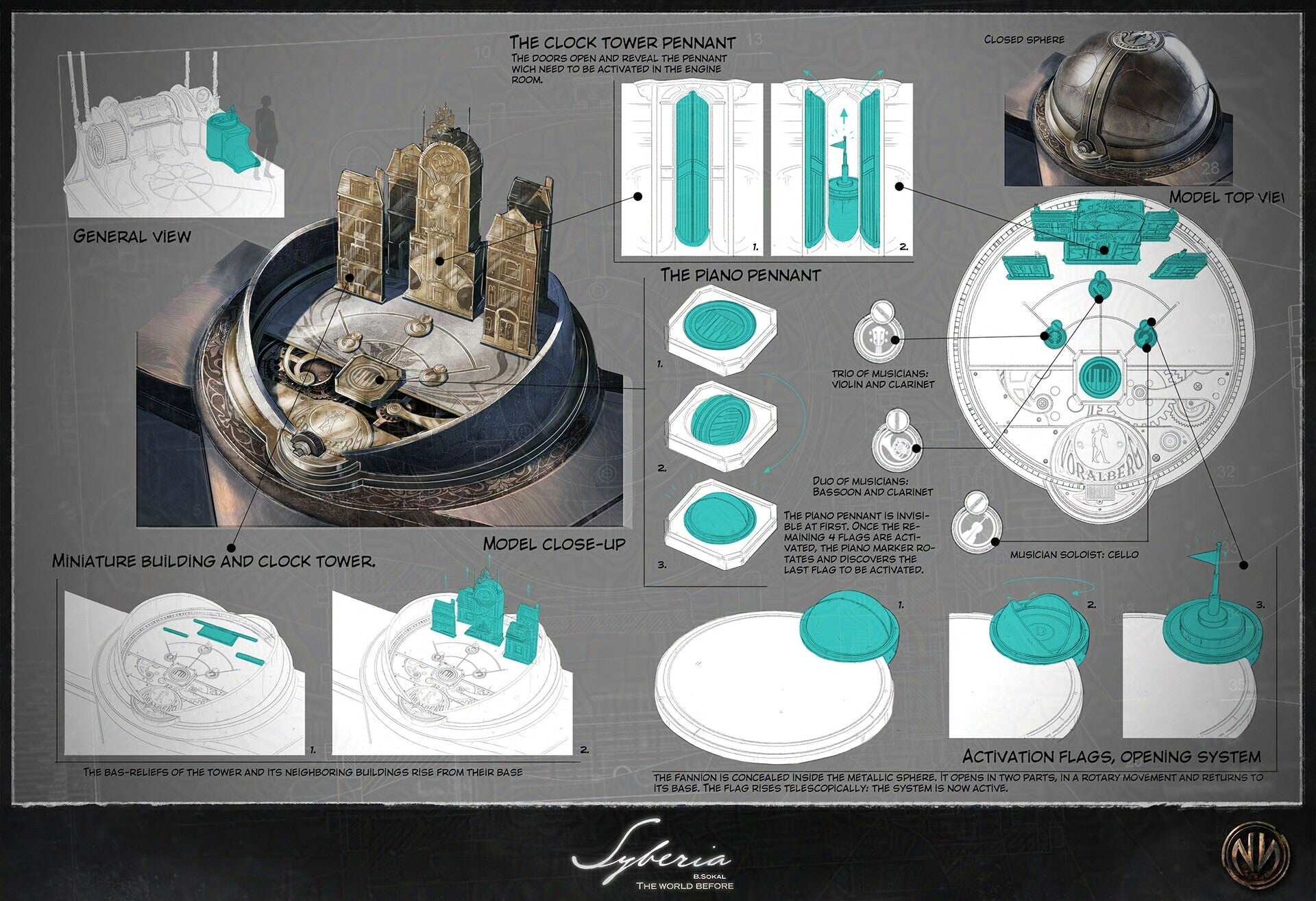


I will skip the puzzle solving maze, right to piano play.....
I like piano music—it makes me daydream—and I still have the wish to learn to play on a real acoustic instrument. The events in this game raise many thoughts and open many important discussions, such as whether the rush toward digitalization and the rebuilding of old things is truly the necessity we assume it to be. The game’s story takes place in 2005, and now, twenty‑one years later, we actually live in a world very similar to the one it portrayed. We may not have automatons, but we do have alternative machinery, and what once felt like a

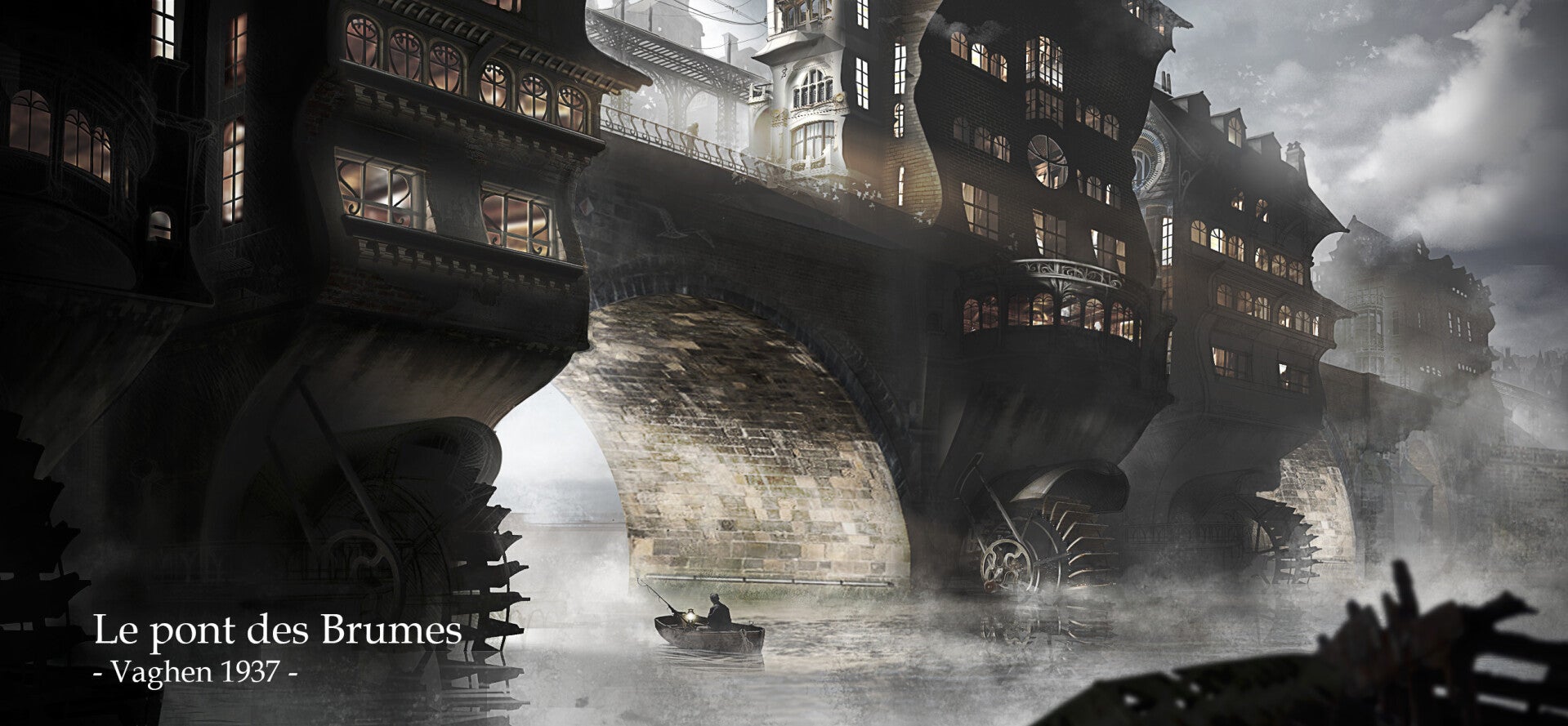
daydream at the beginning of the 21st century has quietly become our everyday reality. Even when speaking about pianos today, the mastery required to maintain an acoustic piano has become rare. Finding someone who can properly care for one is difficult, which often leaves the owner learning not only how to play but also how
to retune and maintain the instrument. And yes, it can be hard to distinguish the difference between digital or electronic pianos and the real thing, but I still prefer the acoustic instrument. Maybe that makes me one of the last idealists fussing over small things—but I’m fine with that. Kate’s search takes an interesting turn when she realizes that the Hymn of Vagen is the same melody as the swan‑shaped music box she played with as a child. This gives her a strong suspicion that the Rose family might share distant roots with her own—suggesting a possible family connection. After gaining access
to the documents we were promised for playing the piano, we decided to follow this lead and visit the place where the Rose family once lived.
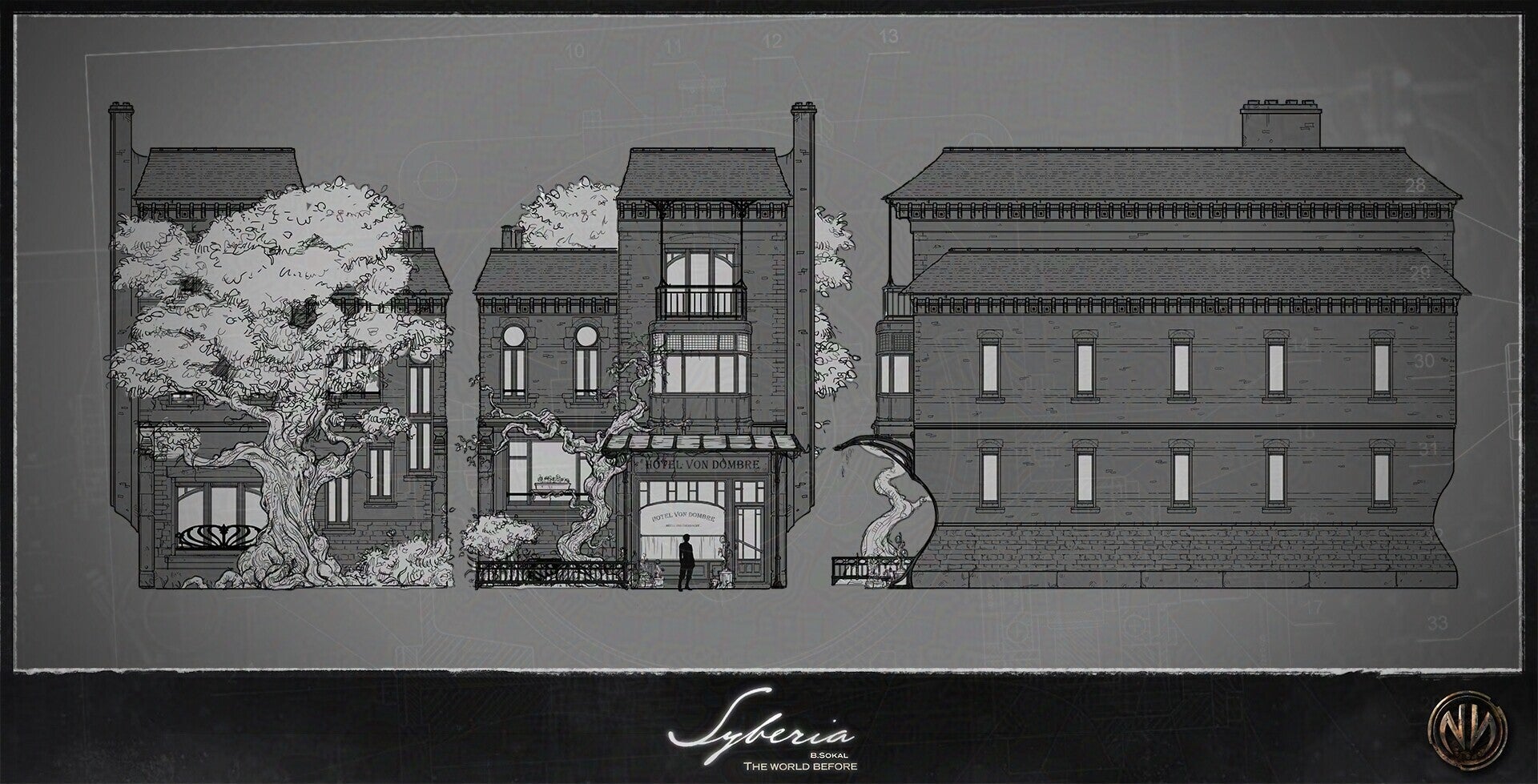

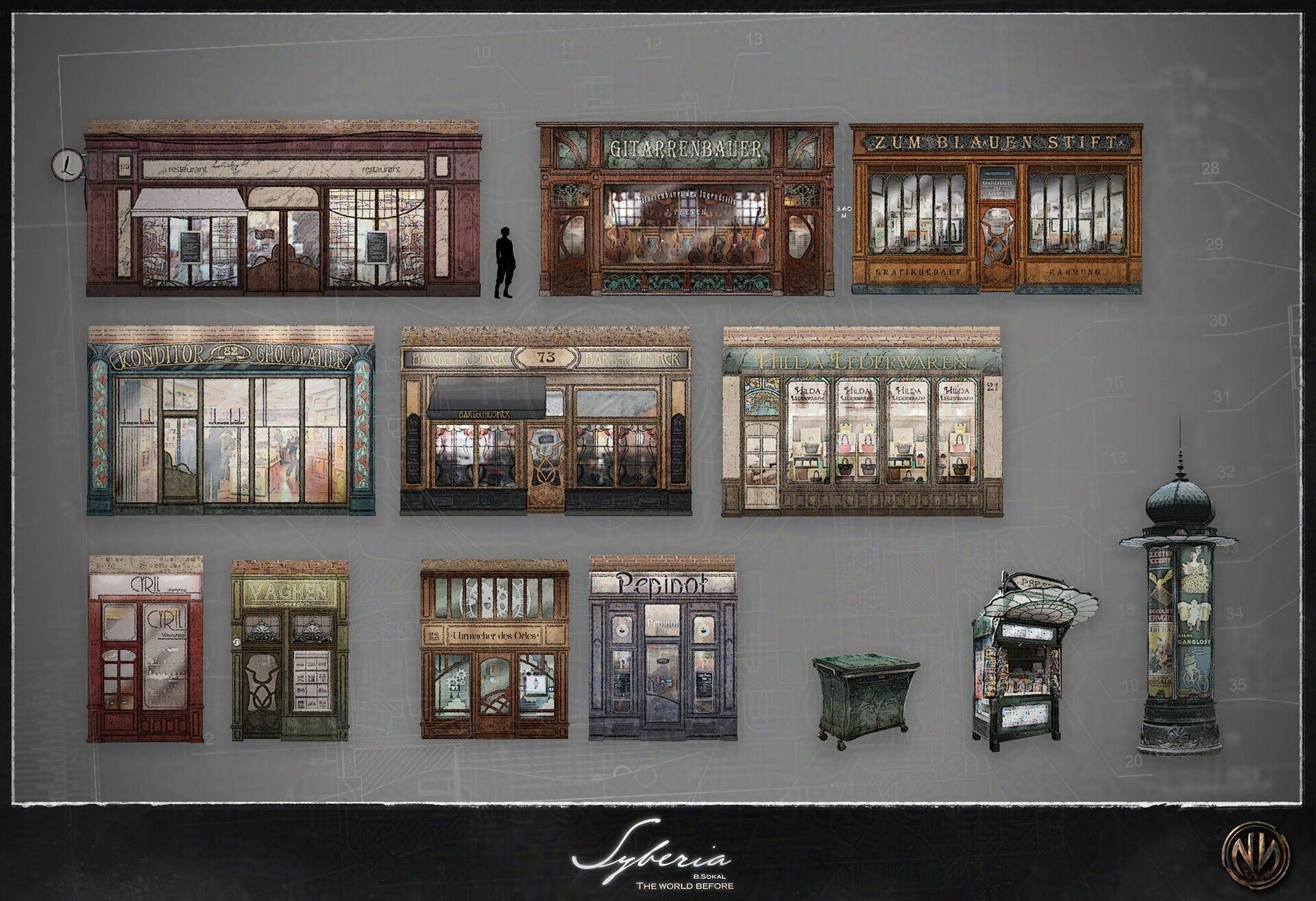


At least the souvenirs proved useful. Just before entering the shop, we had got a cheap plastic music box that played the same Hymn of Vagen. It was awful to listen to, but perfect for creating a distraction.
The building’s first floor had since been turned into a shop selling souvenirs, house décor items like glass and ceramic swans. When Kate politely asked the shopkeeper for access to the old apartment upstairs, the request was declined just as politely. That left us with no choice but to slip in unnoticed through the stairway—hardly the first time we’ve had to sneak past a distracted person.
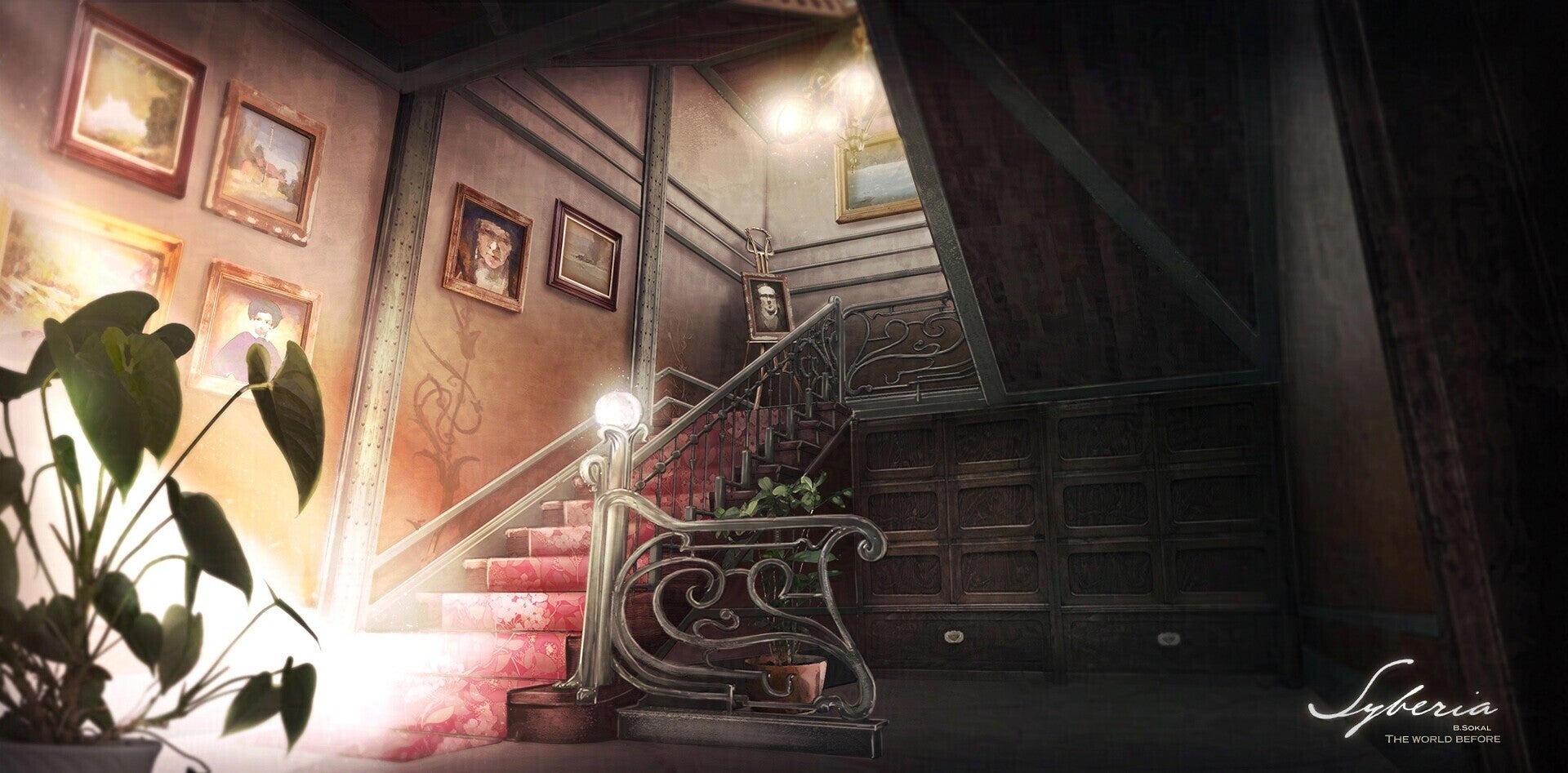
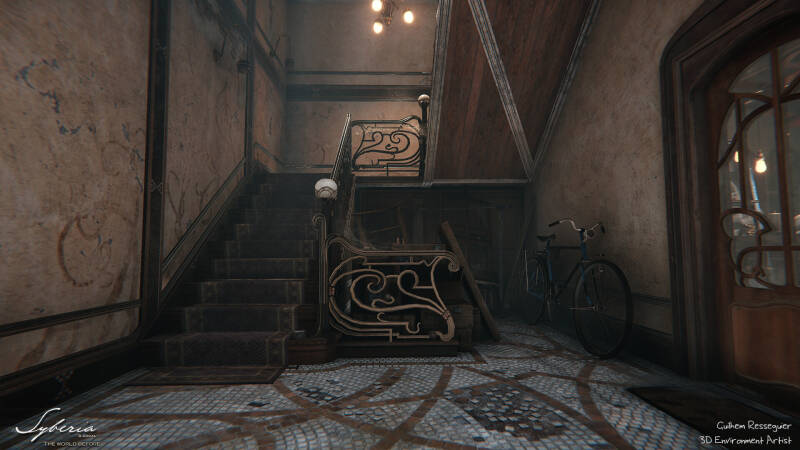
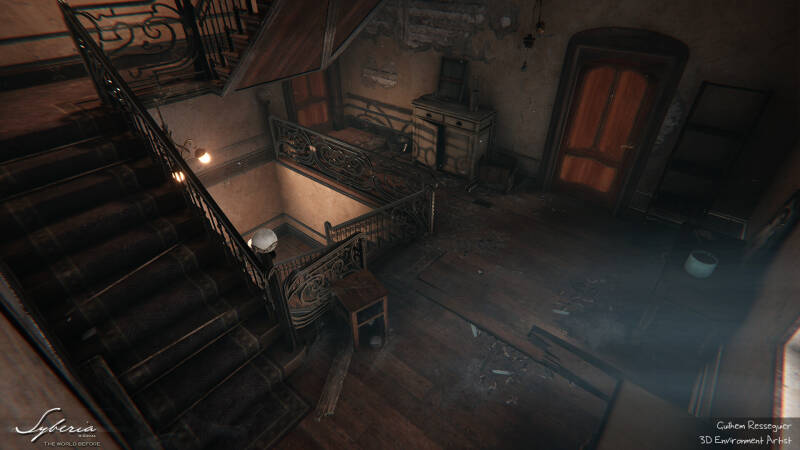
Upon searching for Dana’s room, we discovered that the house had been renovated after the war. From the photos we found and the information we already knew, it became clear that the only way to reach the third floor was by using the fire‑escape ladder on the outside of the building.
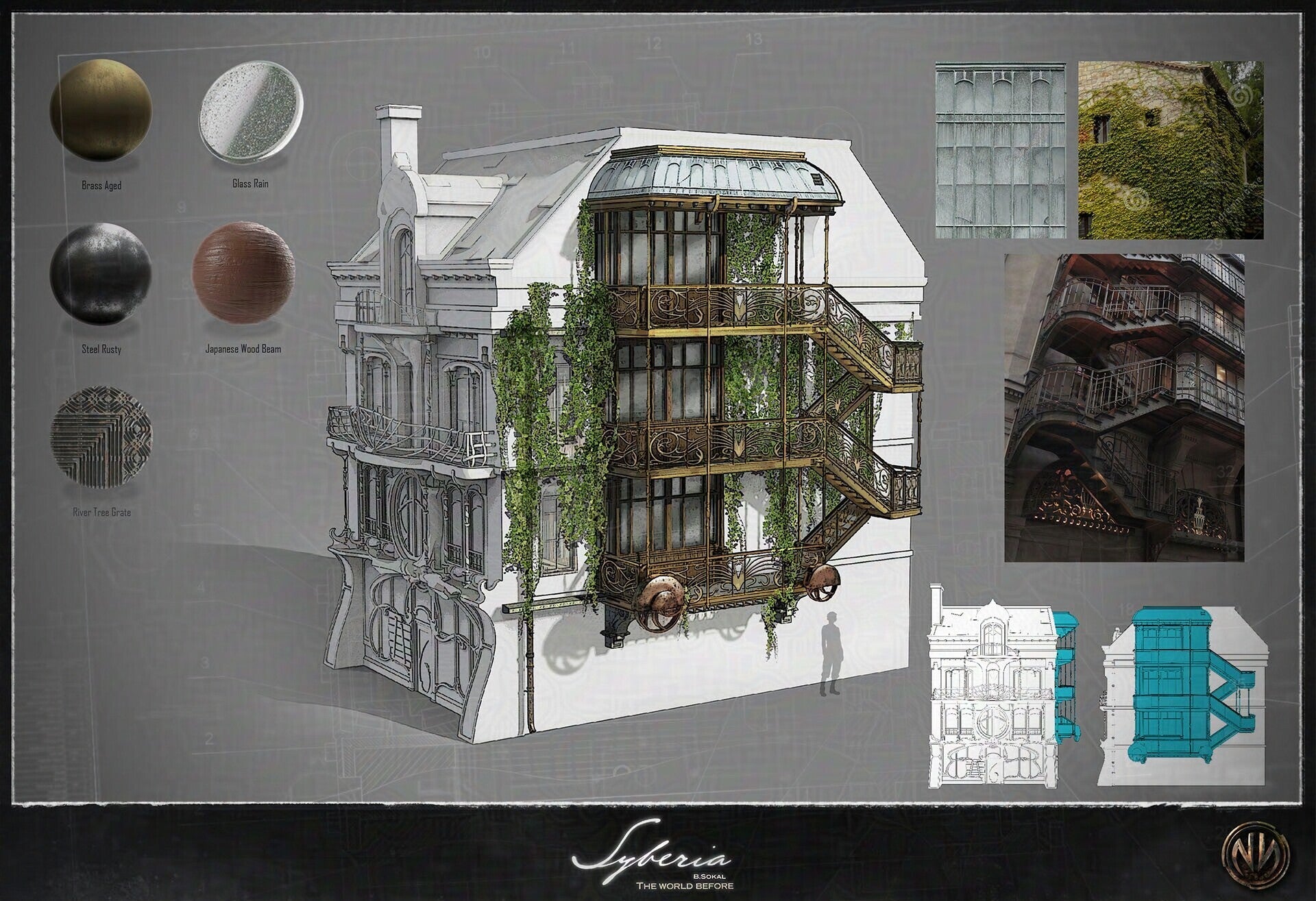
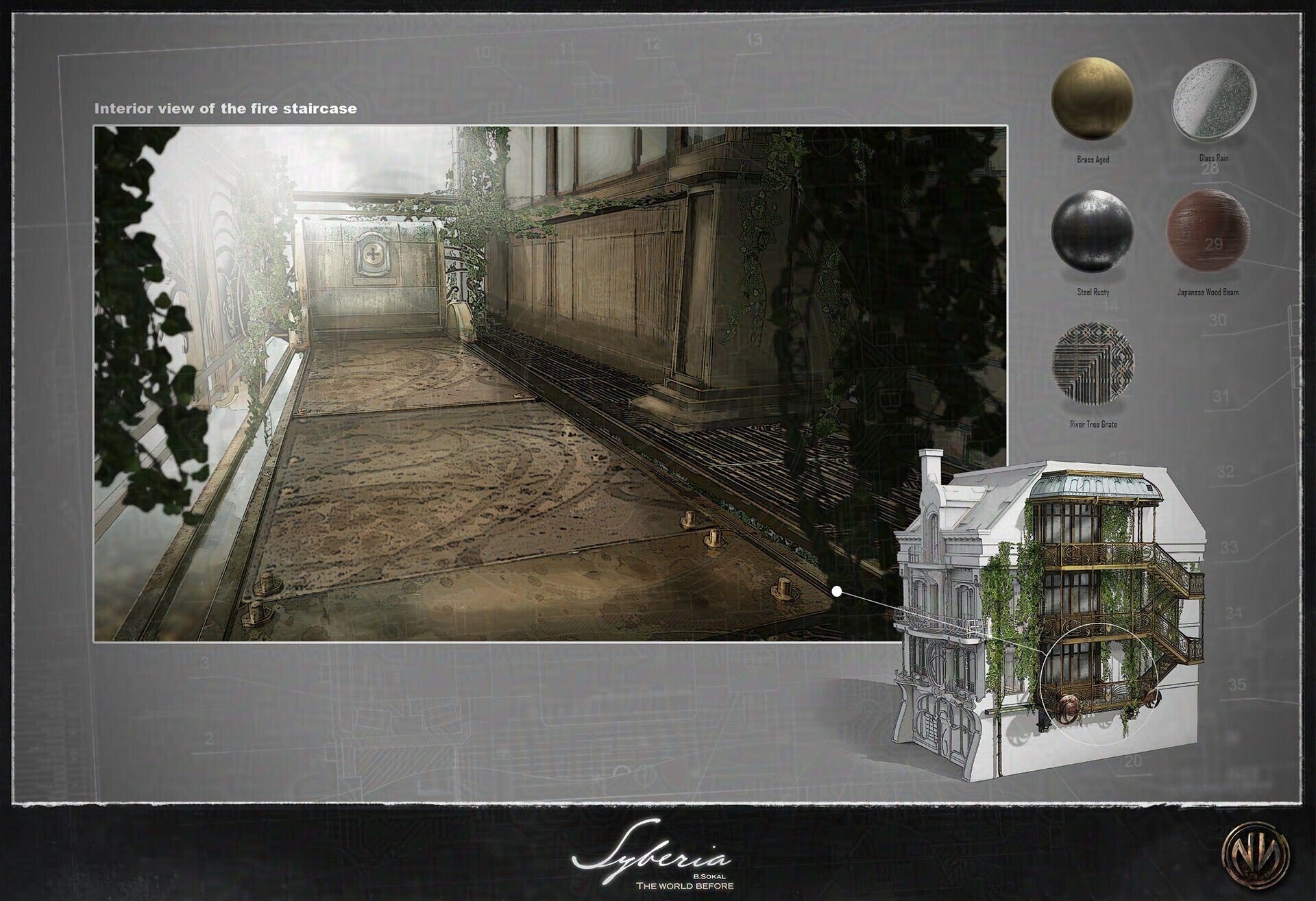
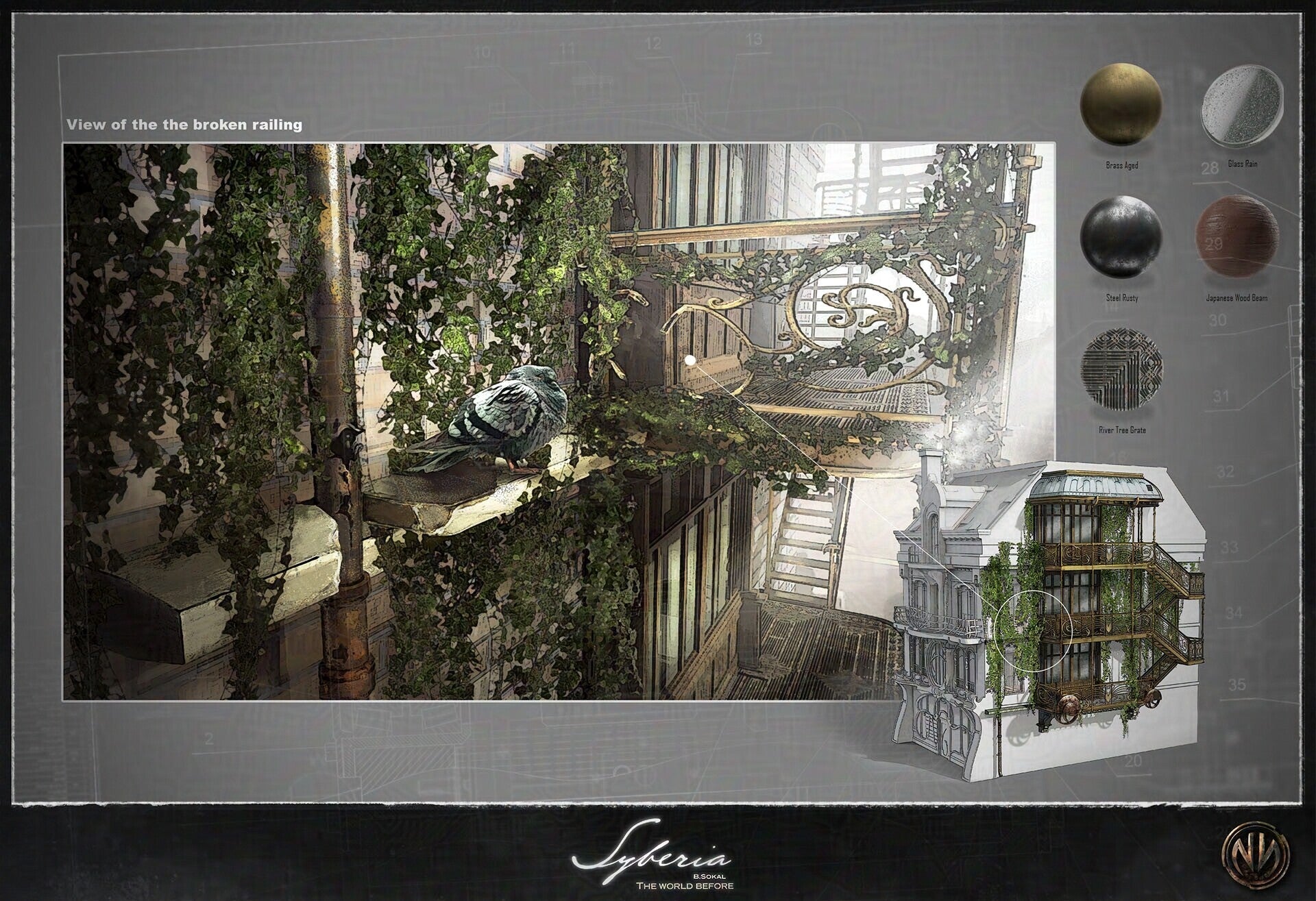
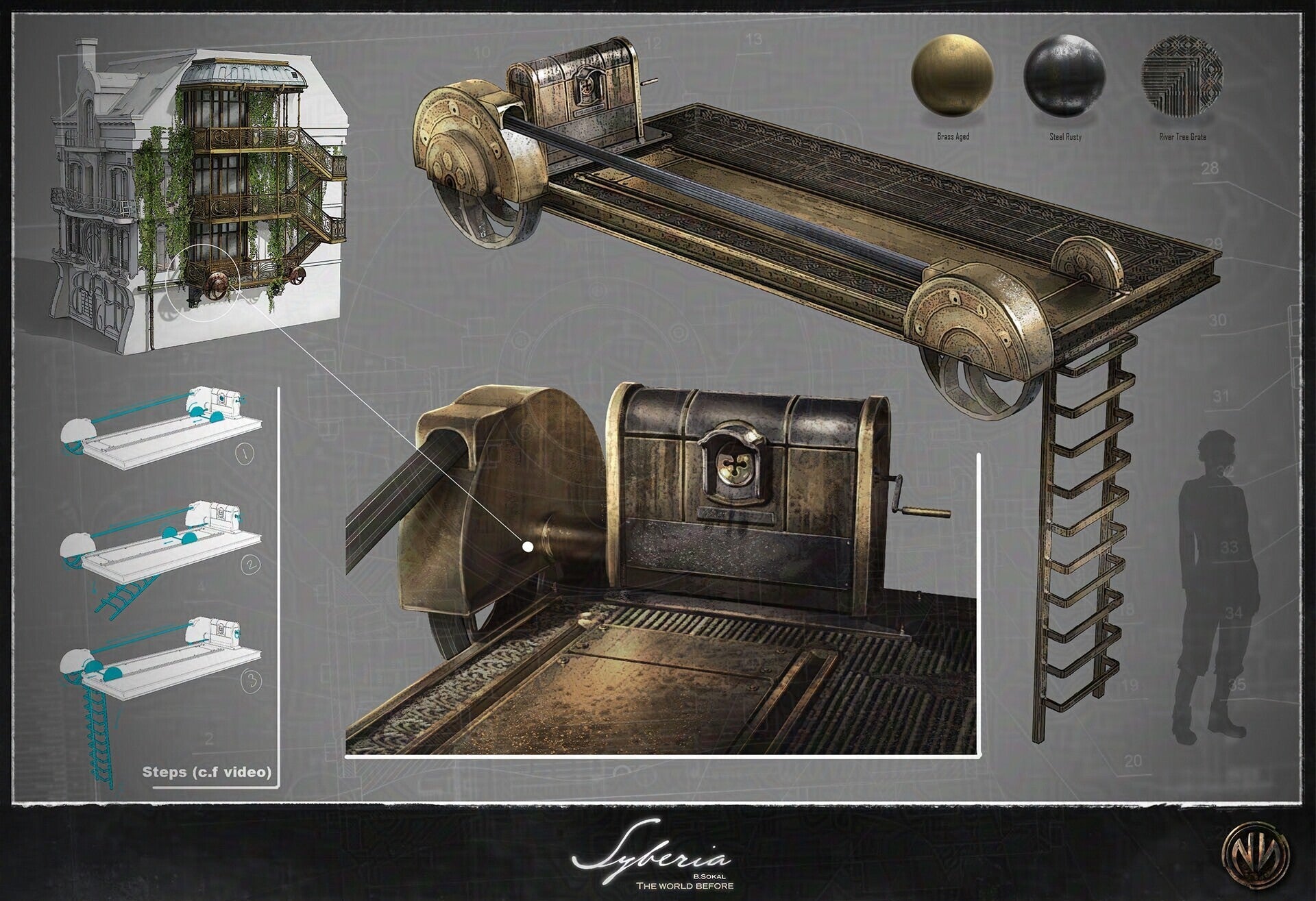
Climbing up gave us a strange new perspective seeing the world through a hedgehog’s eyes, or rather, through an automaton hedgehog. Oscar saved the day once again. Not without asking for our help, of course, but in circumstances like these, anything that works is good enough. Same for a rather questionable method of entry by tossing Oscar, curled into his “ball” form, straight through the window. The glass shattered, we opened the frame from the outside, and climbed in.
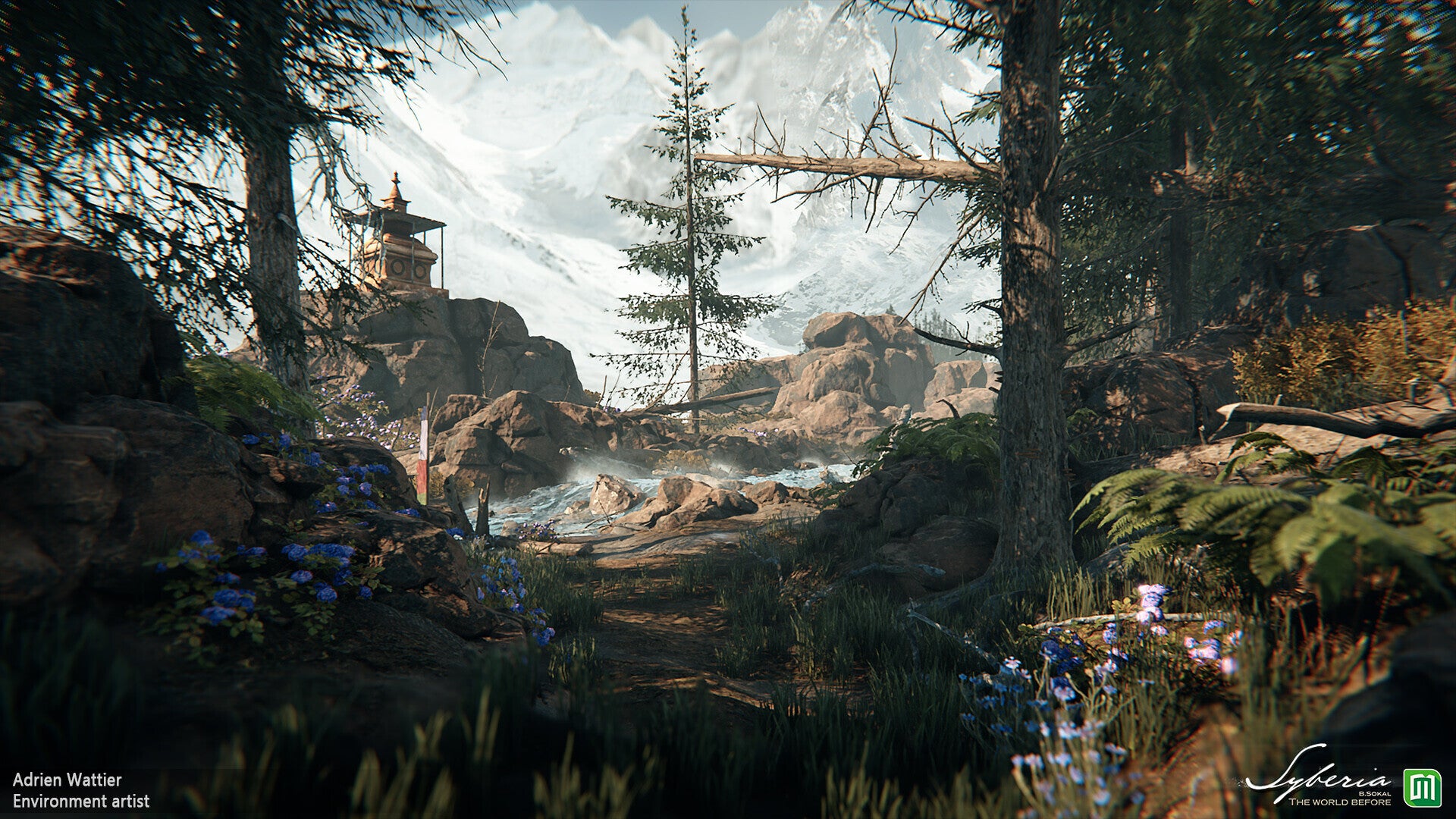
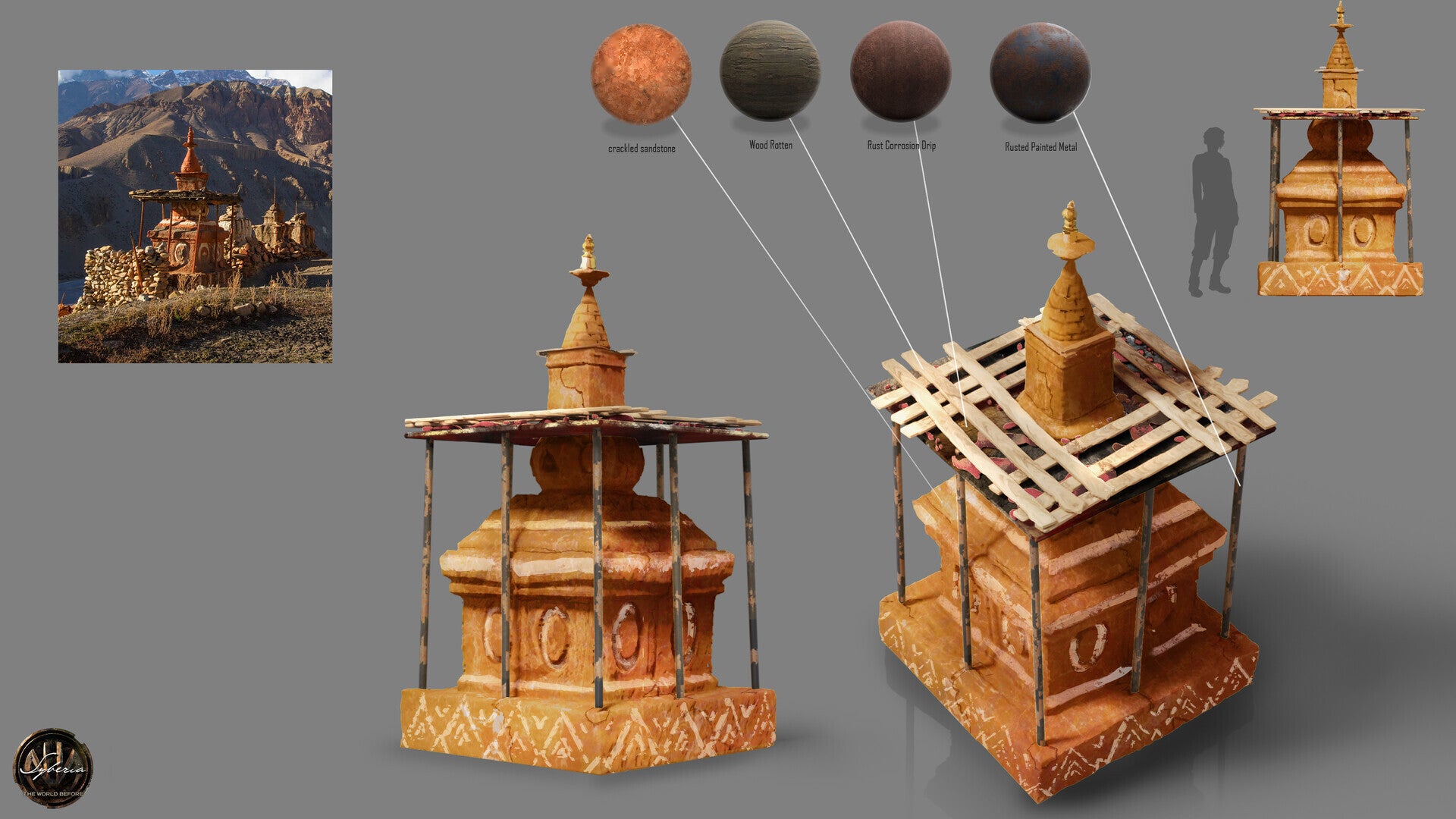
Inside Dana’s room, we unlocked a chest, and got our hands on letters, learning about Liam's expedition.
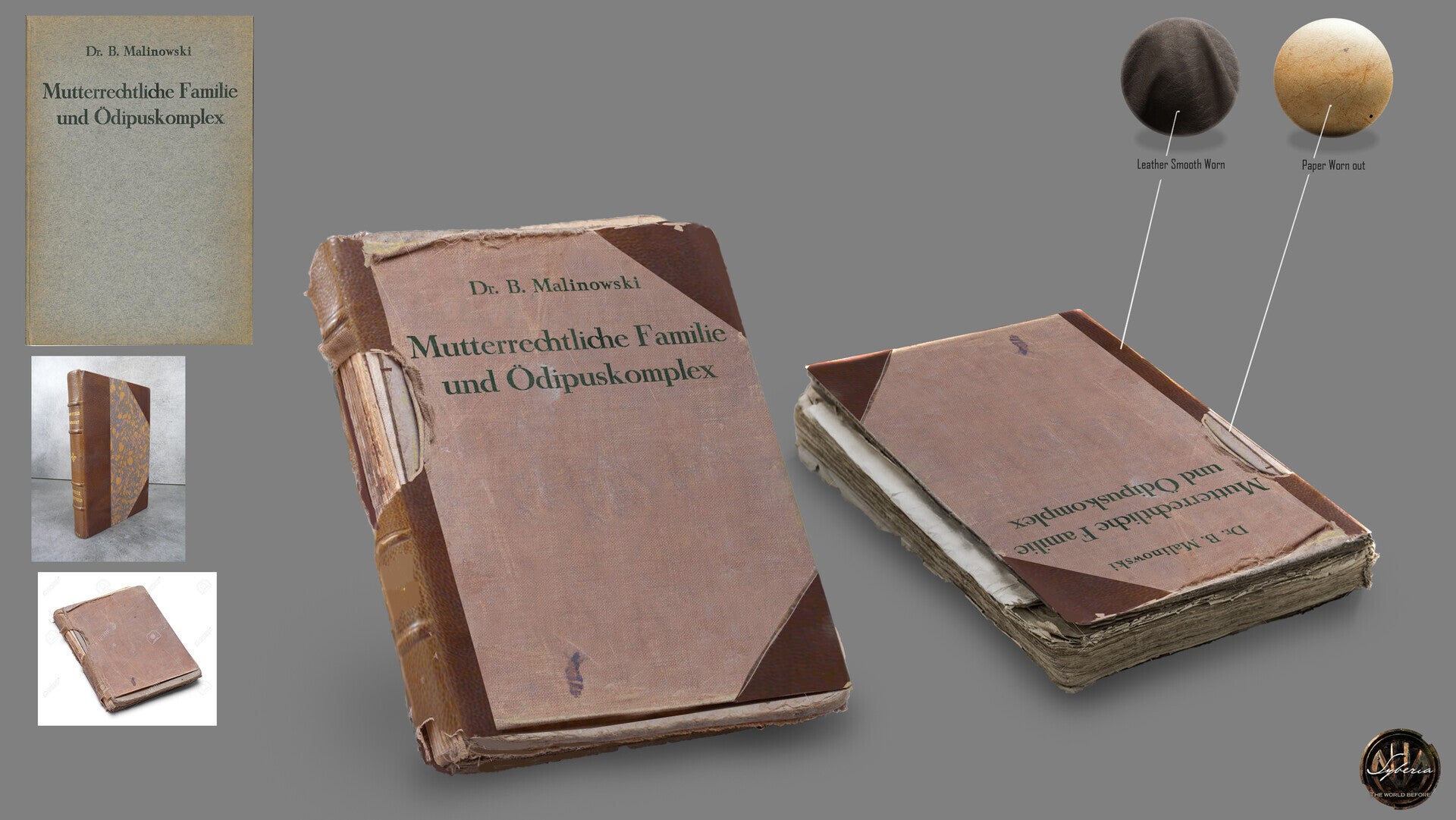
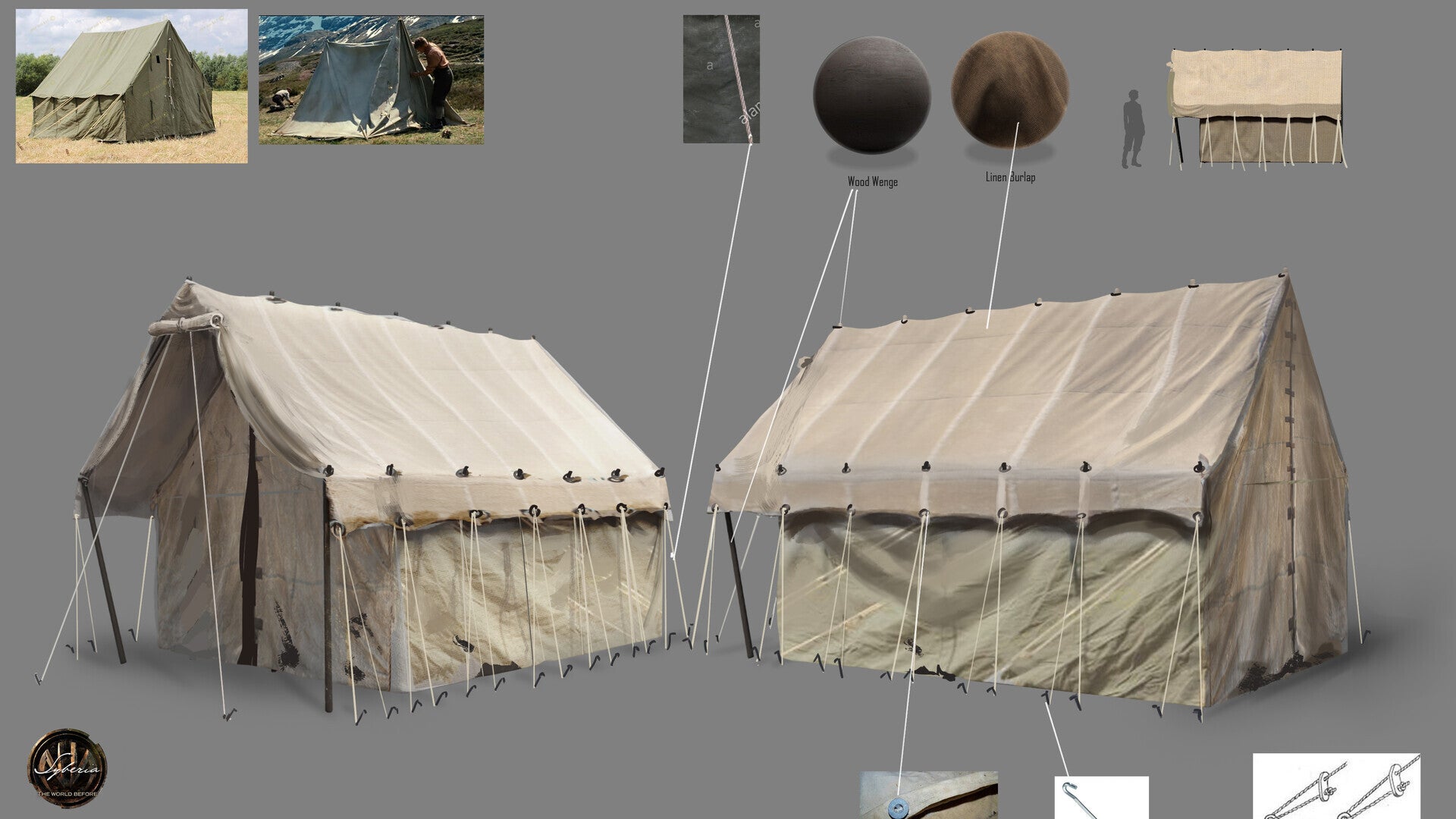
Guess, what a new character to control, Liam.
As for what they were looking for a “snowman” this Gorun will be an important figure in the story, even if it will take some time before we finally meet him face to face. The landscape here was breathtaking, accompanied by music and the natural ambience that made the whole scene feel alive.
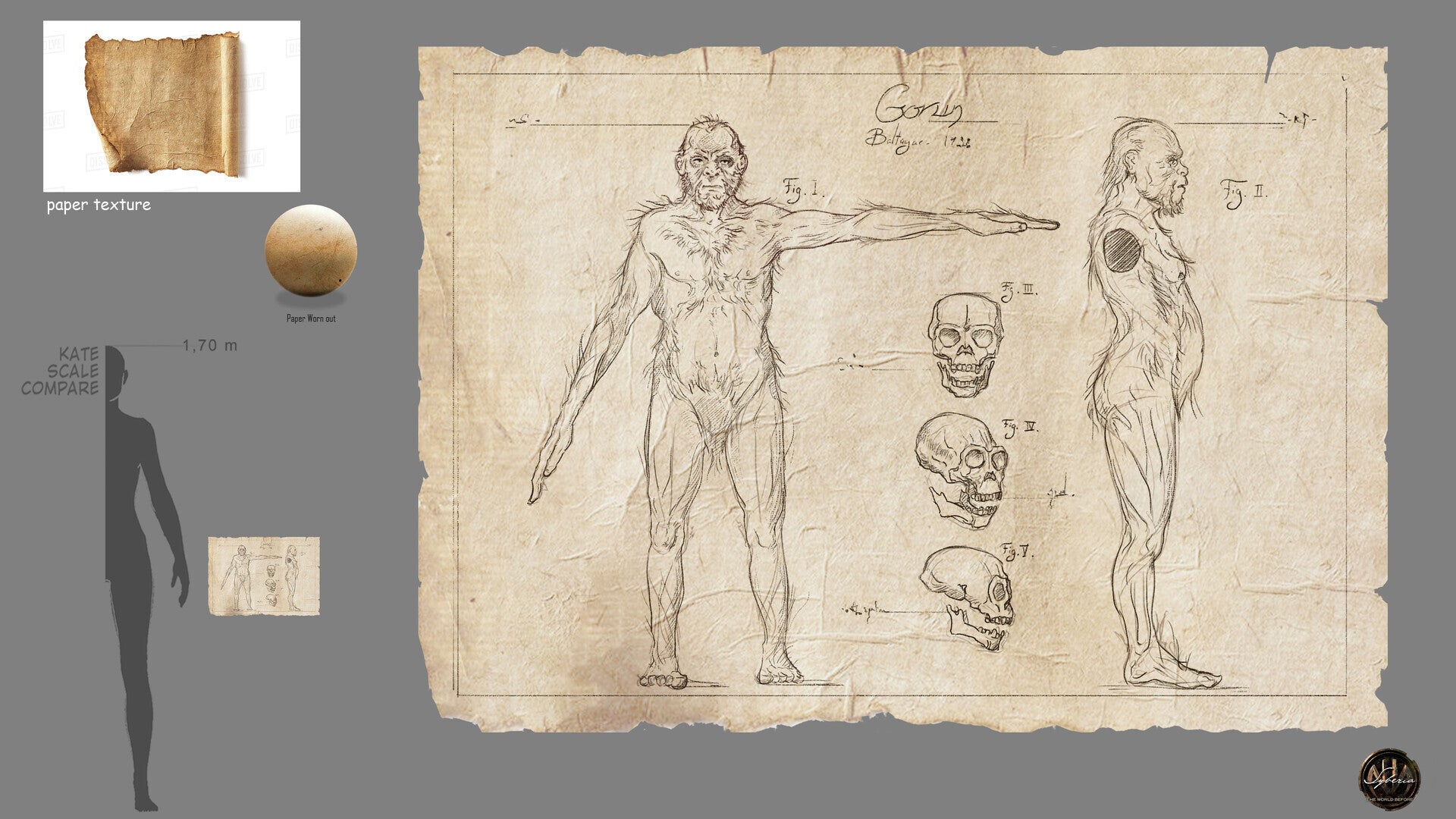
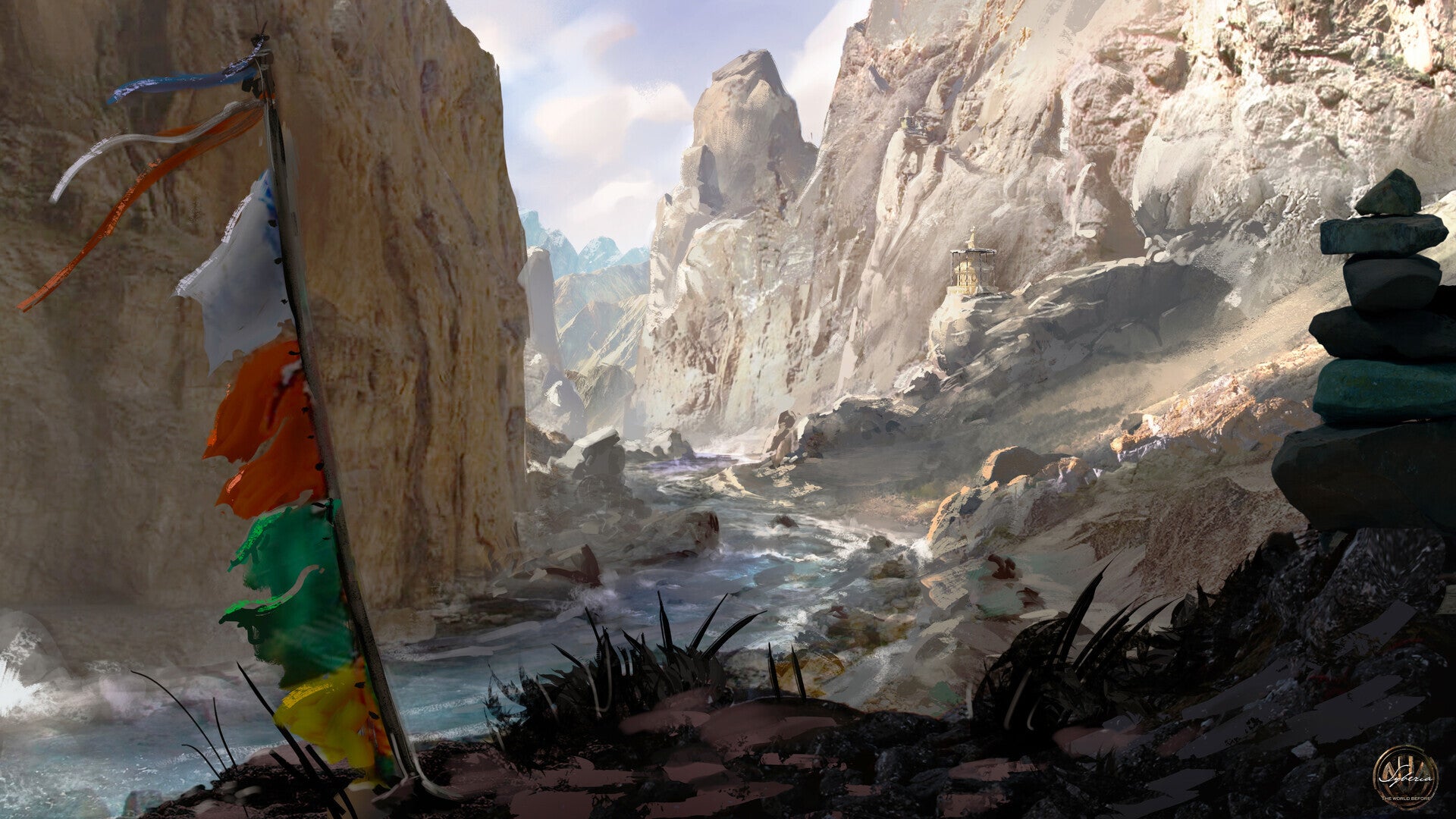
While we were searching for our group members, we overheard strange, animal‑like sounds. They caught our attention—and apparently the attention of the person we were supposed to find, 'scientist' . Our companion rushed back to camp to report his discovery, leaving us alone to figure out how to reach the 'ape' sitting in the middle of a rushing river. His leg was injured, leaving him vulnerable. We cut down a tree to create a makeshift bridge and managed to reach him. Primitive in appearance but not in nature, he behaved like a frightened child—no aggression, only fear toward the person trying to help him. Liam became the first glimpse of the good side of civilized world this creature had ever seen. He helped him cross the river after giving him food, cleaning up the wound, and bandaging up a makeshift splint around the injured leg.
What happened afterward was far less kind. The rest of the group did not share Liam’s view of the creature’s intelligence or humanity. They caged him. That same night, his mother came for her child. The confrontation turned violent, with the expedition leader being killed, for he wanted to shoot 'gorun' s' mother. As Liam shouted out it was accident from the force of the blow. What was done was done, Liam became the scapegoat. The mother tore open the cage door, took her child by the hand, and left peacefully. I still wonder what strength it would take to strike someone with the blunt side of a rifle hard enough to kill them instantly. Even when characters in stories are shot or stabbed somewhere non‑fatal, they often die within minutes—yet in reality, blood loss takes longer.
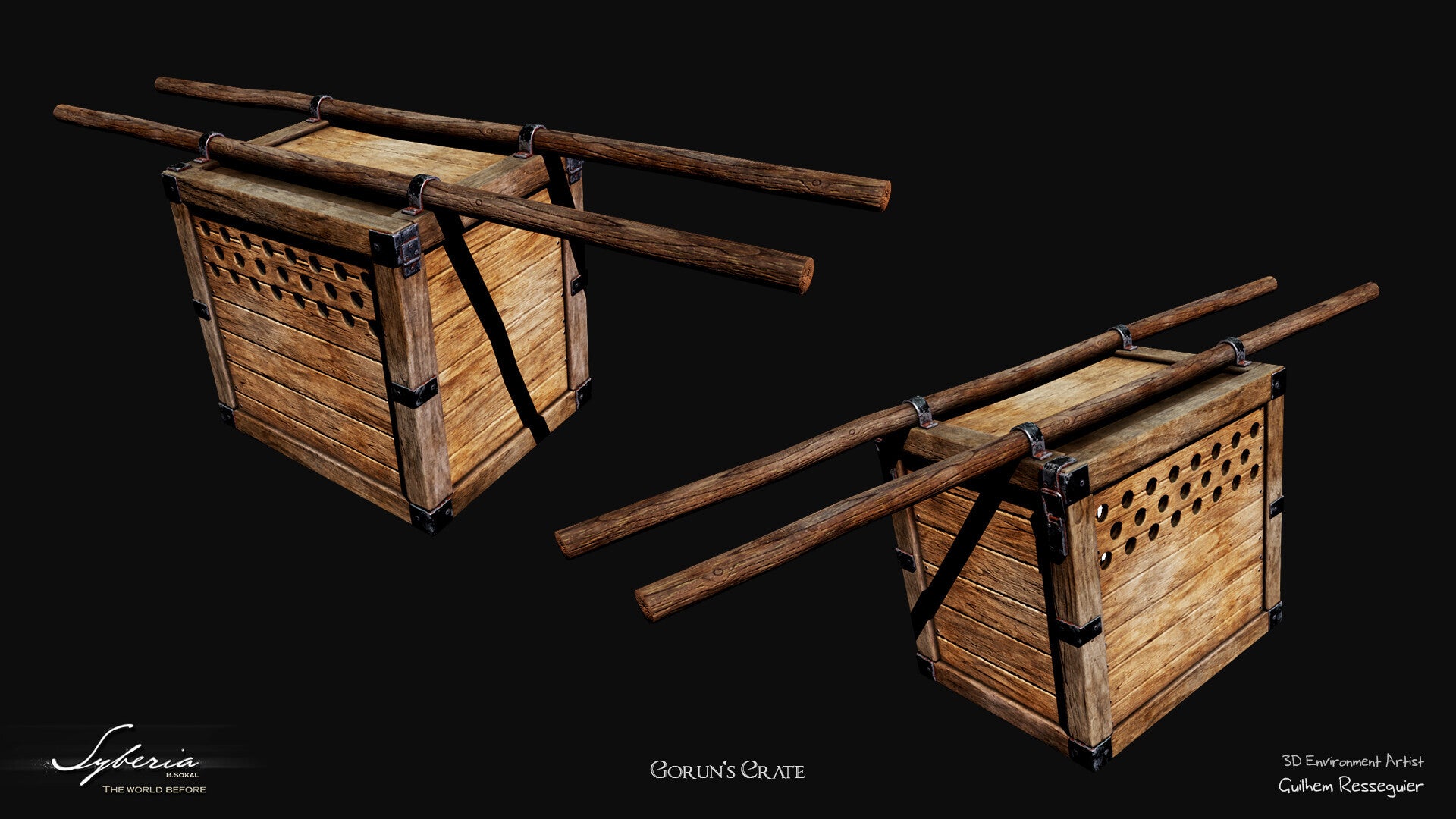
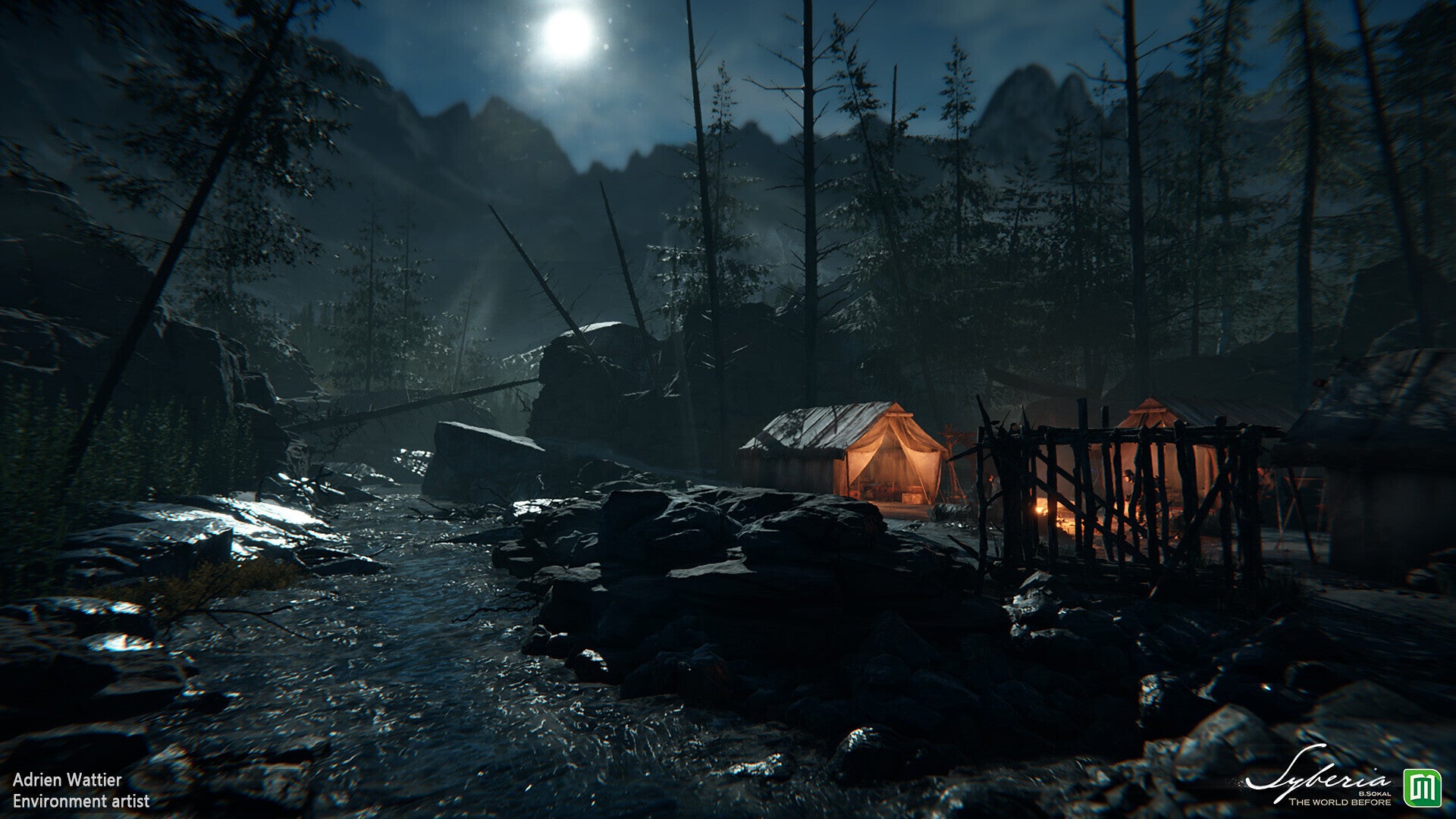
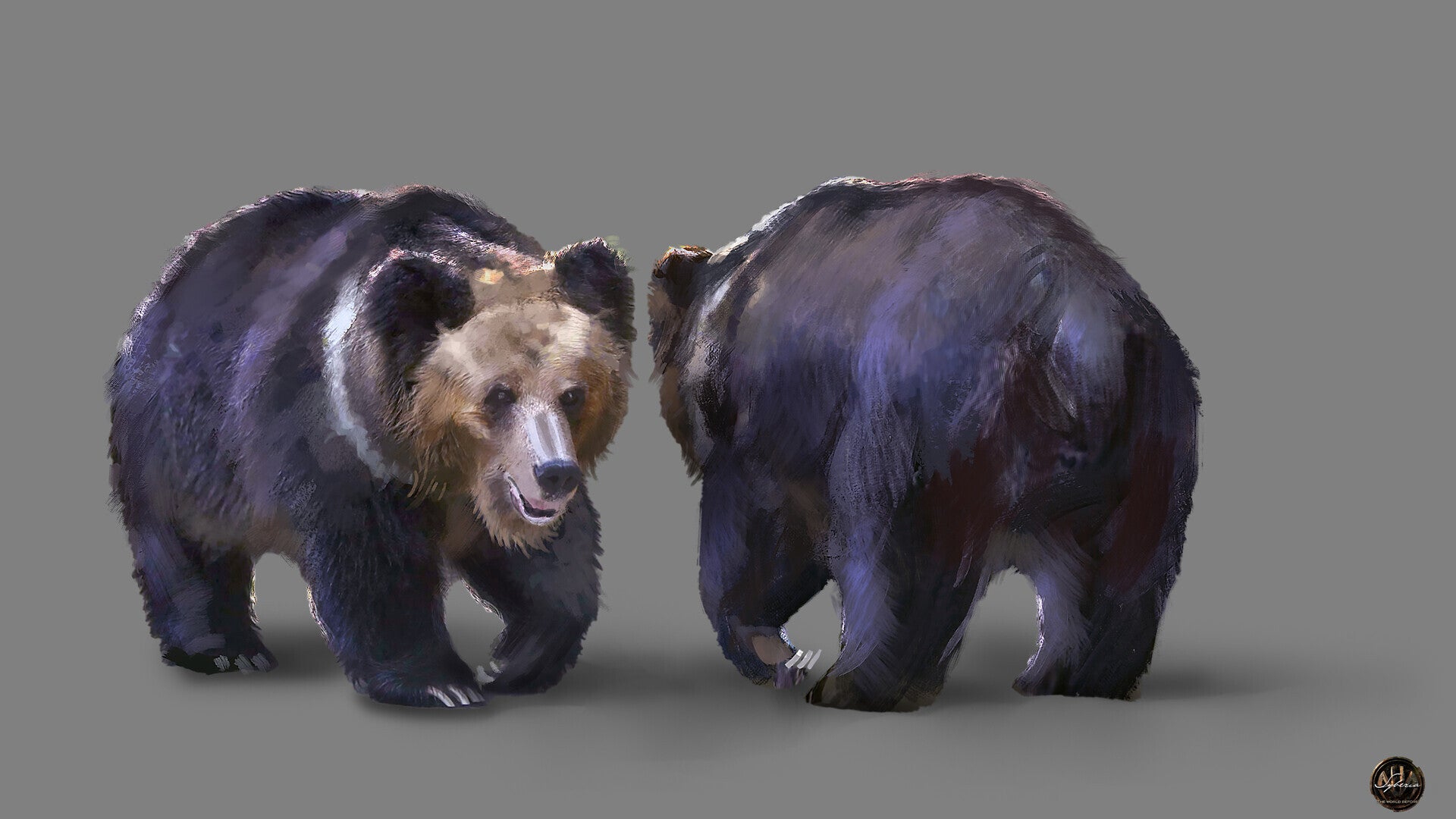
At least scientists, showed kindness. He gave Liam a bowl of soup and didn’t retie the ropes, allowing him to escape. Liam took the chance, as advised while group fall asleep.
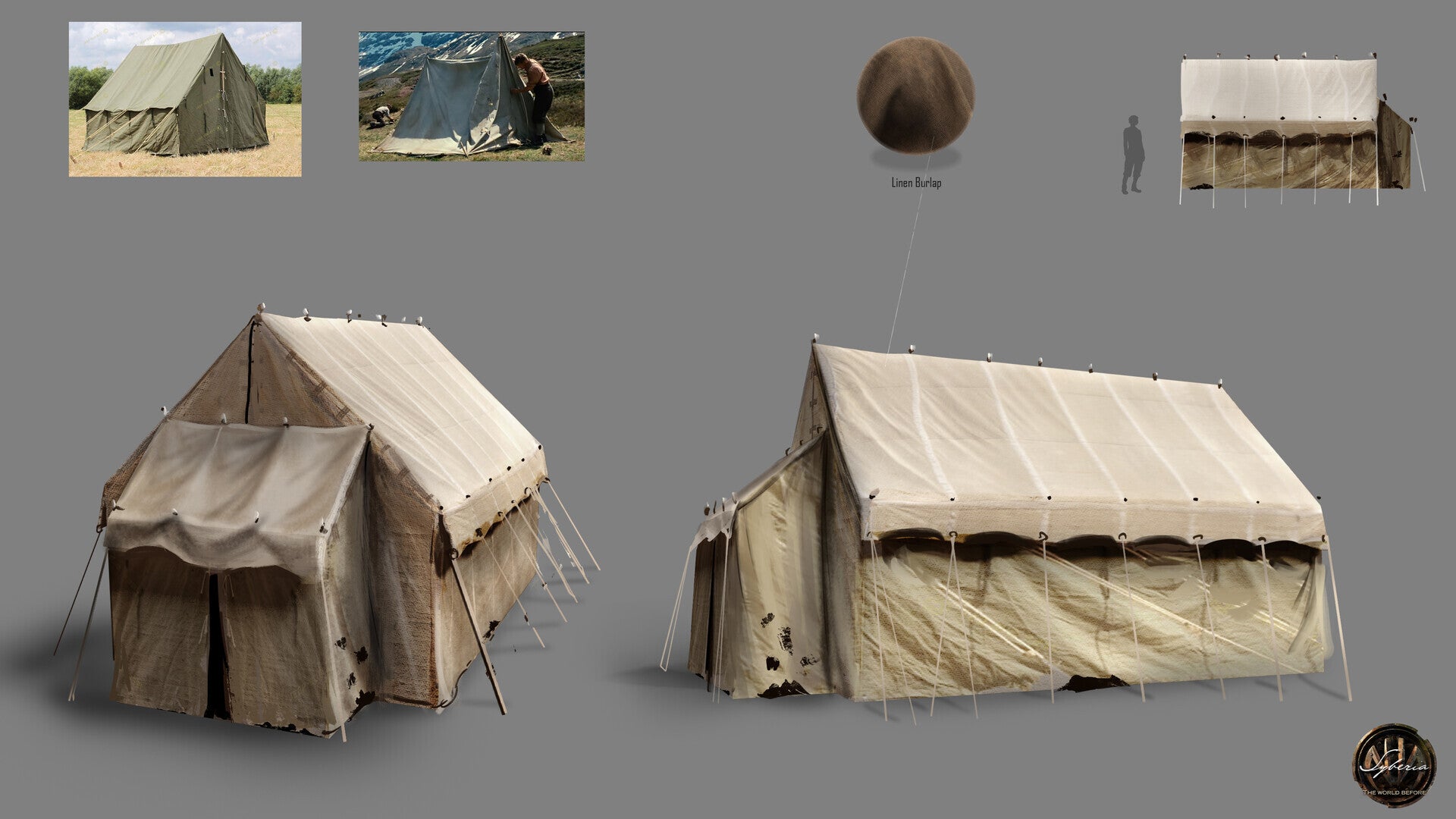
But this is one of those narrative decisions I may never fully understand. Liam, meanwhile, was struck on the back of the head with a rifle and knocked unconscious. He woke up tied to a tree trunk, with the rest of the group sitting around the fire.
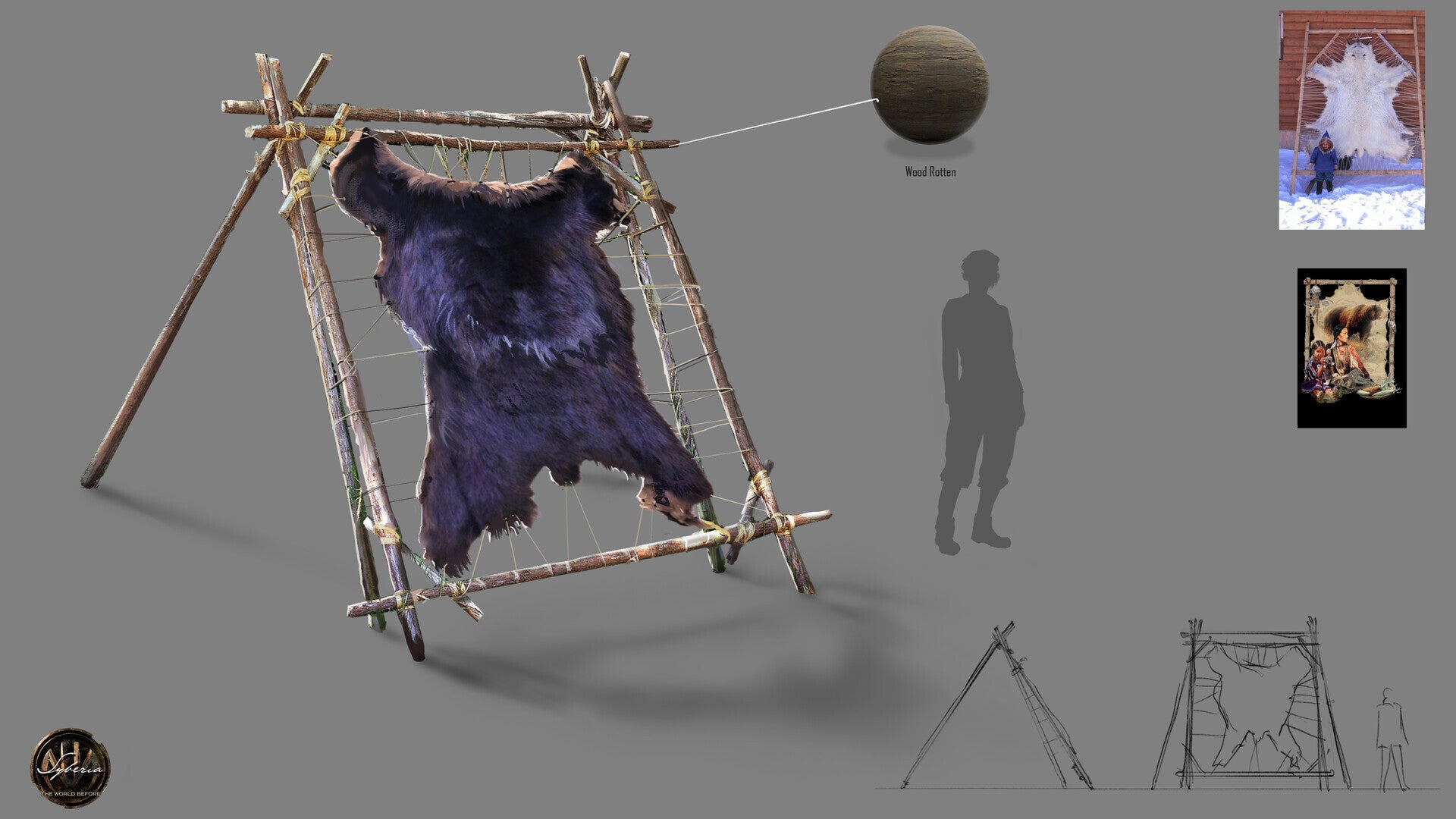
The letters he had written were later delivered to Dana by the scientist after returning from the expedition.
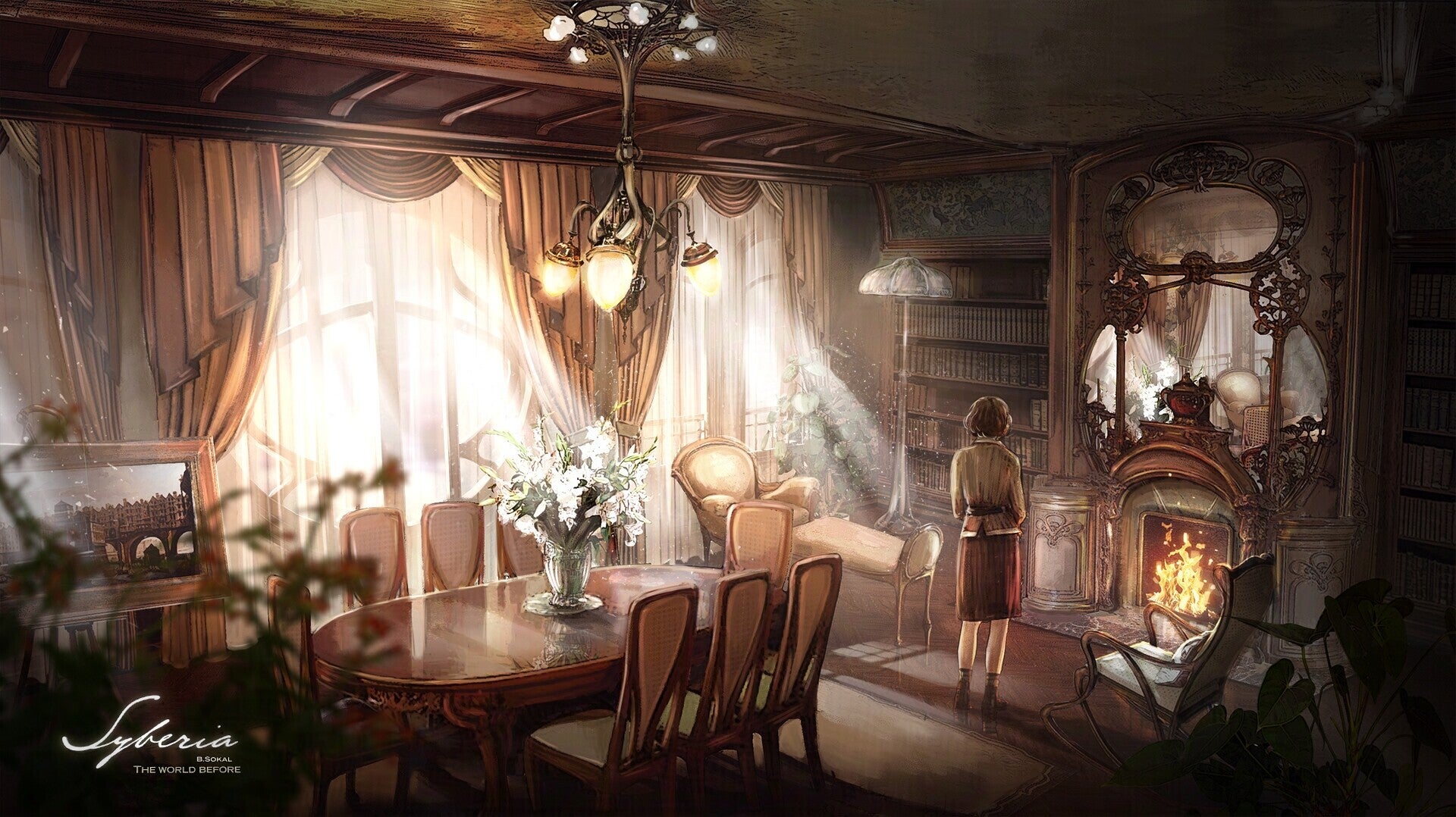
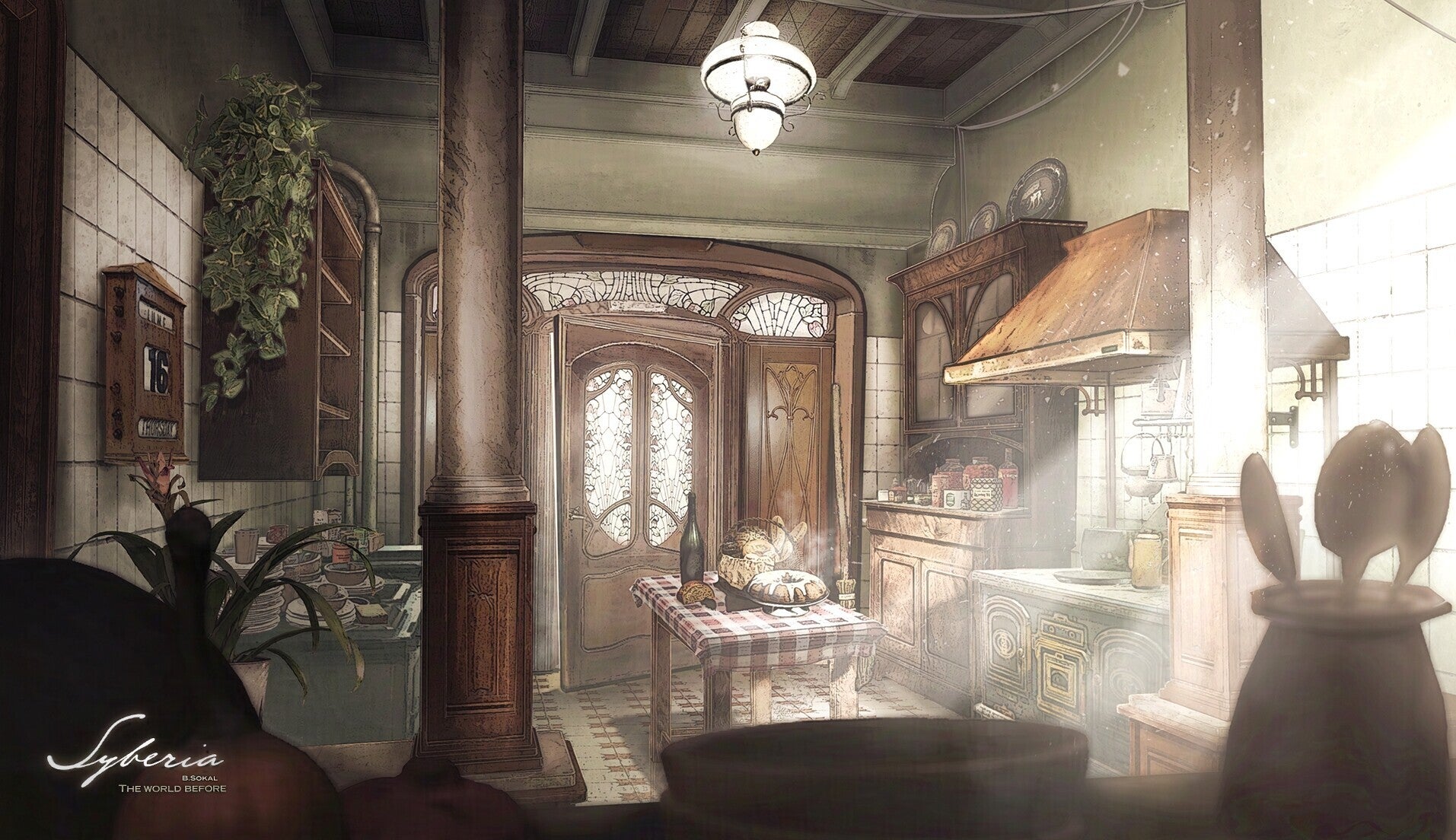
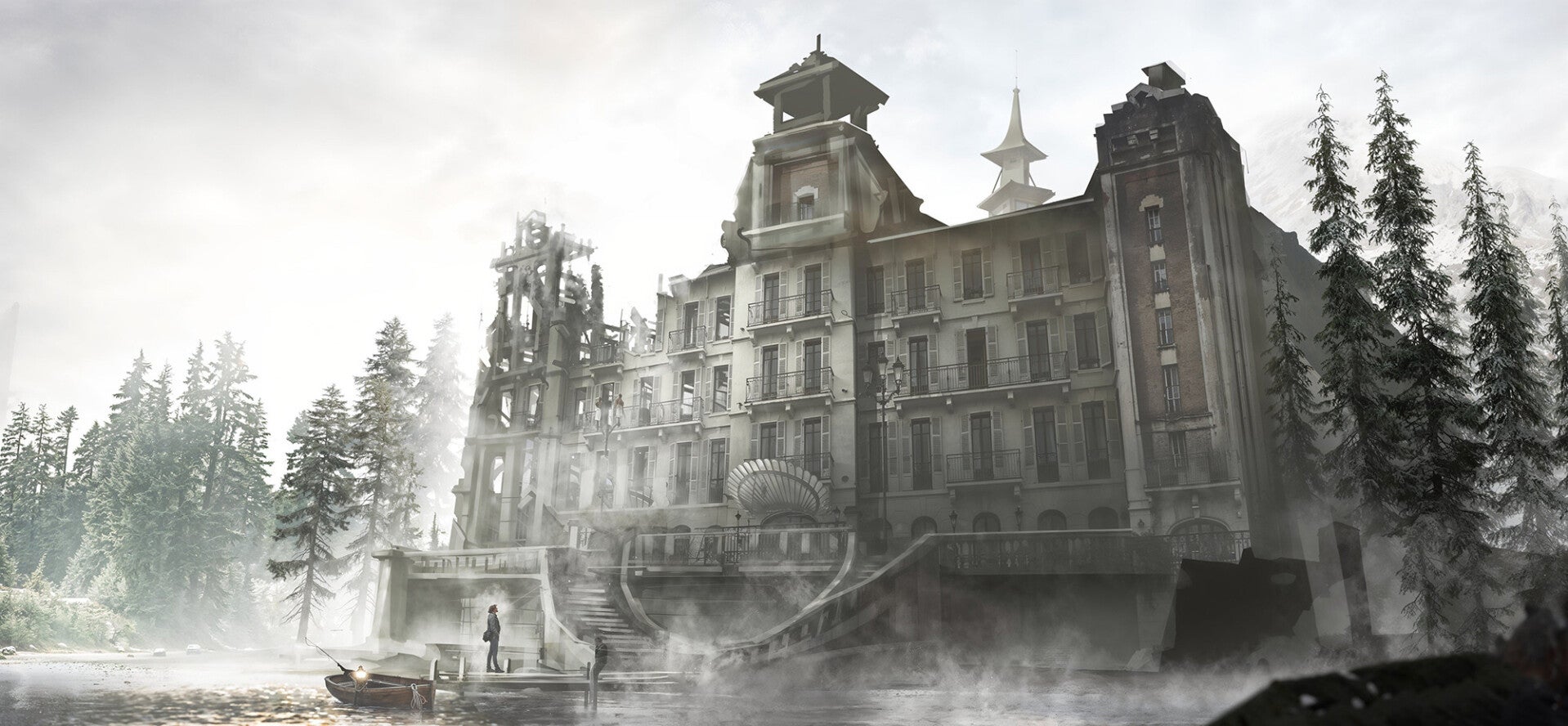
Back to Dana: sharing a room, ominously, a bed at the summer resort led to the natural conclusion of young love. After returning back to Vaghen, we may had heard a few noticing subtle signs of early pregnancy in her conversation's with teacher and photographer. For her parents, discovery become clear the moment she collapsed after reading Liam’s letters. The doctor confirmed it, and her parents were far from pleased. She was too young, and they were not ready to become grandparents. Worried for her safety and the family’s reputation, they decided to send her away from Vaghen to stay with family friends at their sanctuary for a few months. Meanwhile, we discover these news while packing the suitcase. The only person who seemed genuinely happy about the pregnancy was Rose. Dana’s parents certainly hadn’t expected such a surprise, and the shame they felt became yet another reason to send their daughter away—to hide her condition from the town.
Only time would reveal what truly happened to the baby and to Dana, making more sense in hindsight than it ever did in the moment. The tears shed later, with unpredictable conclusion would speak louder throughout explanation or exploration.
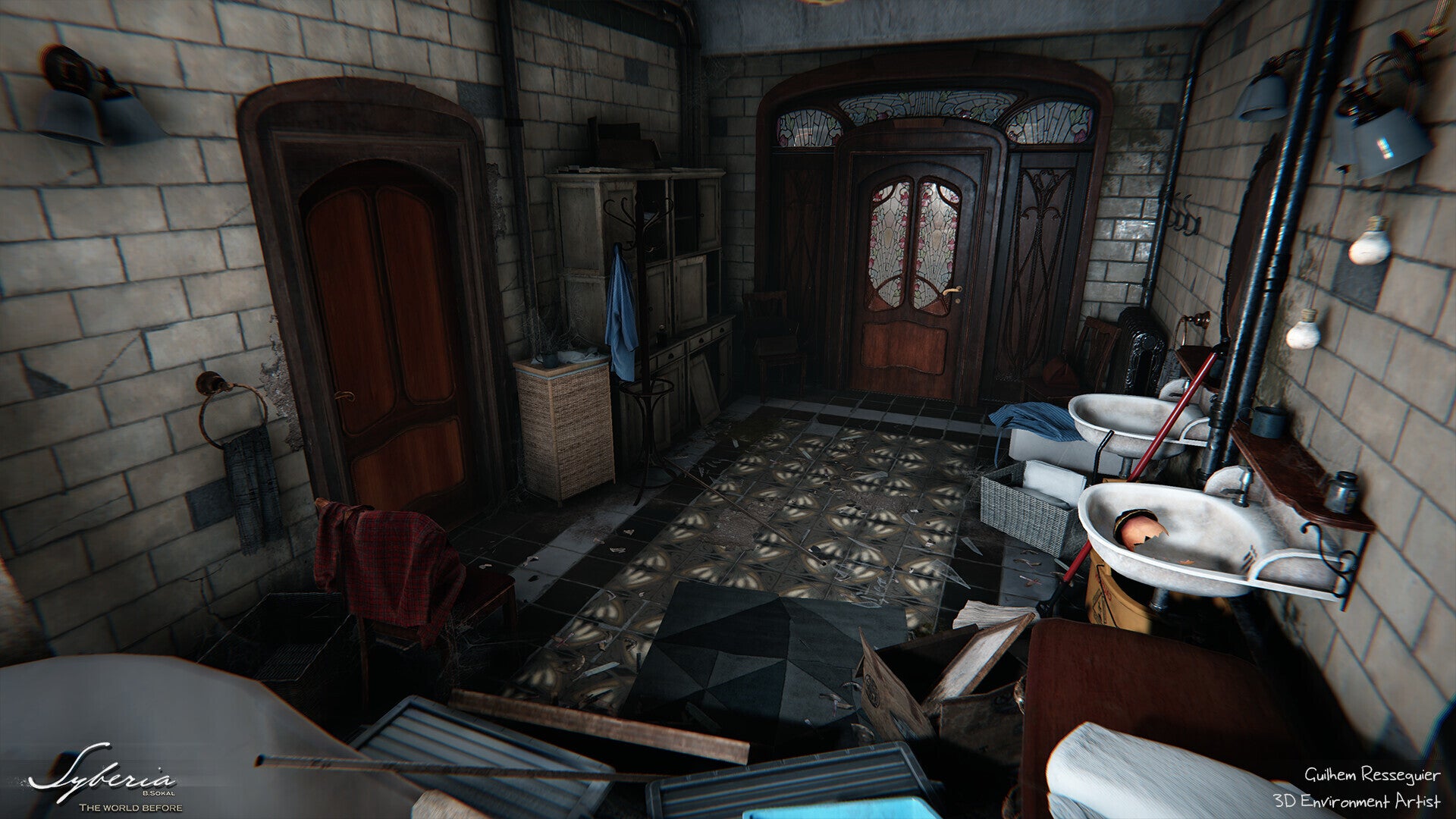
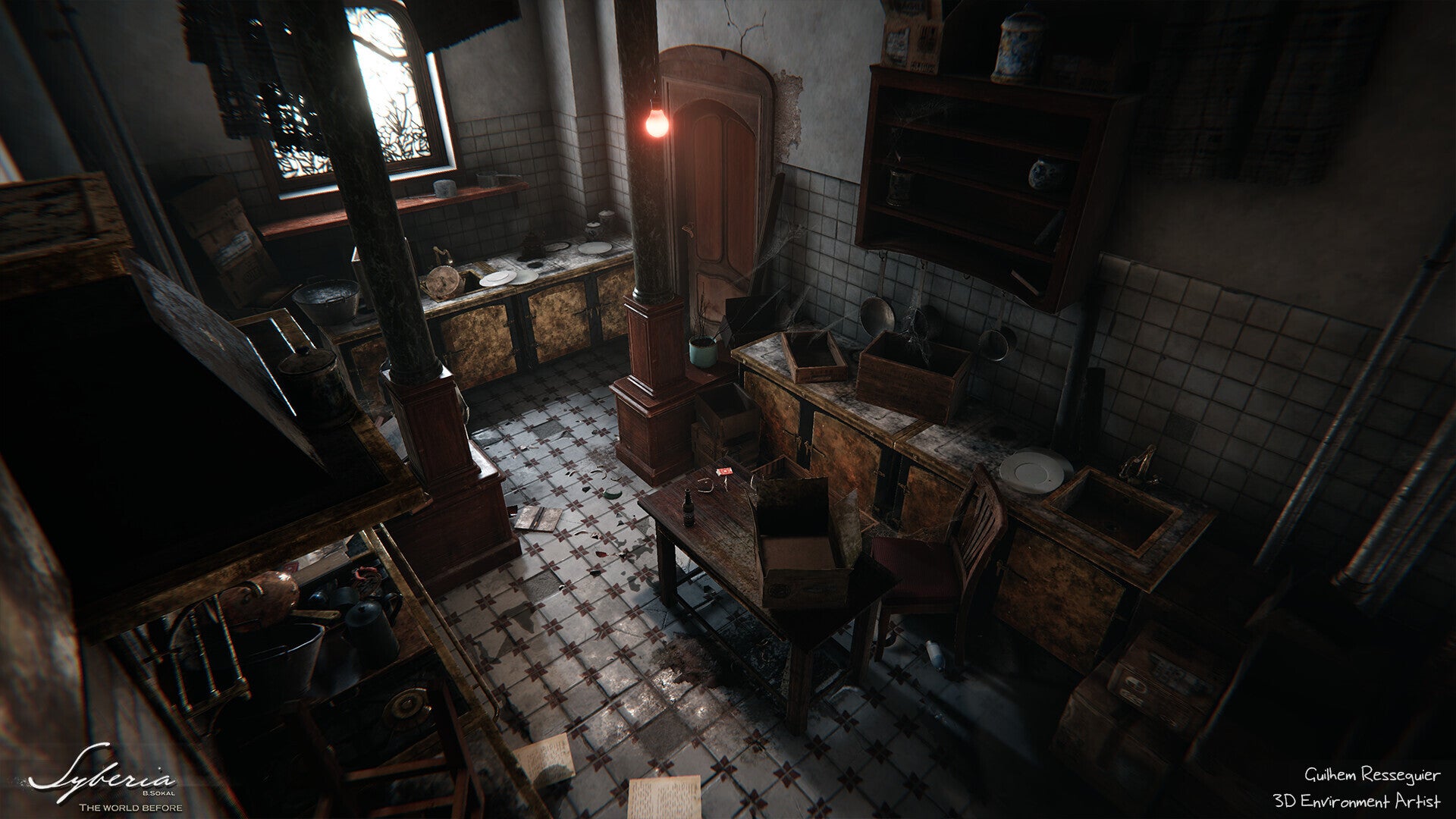
Swapping, back to Kate
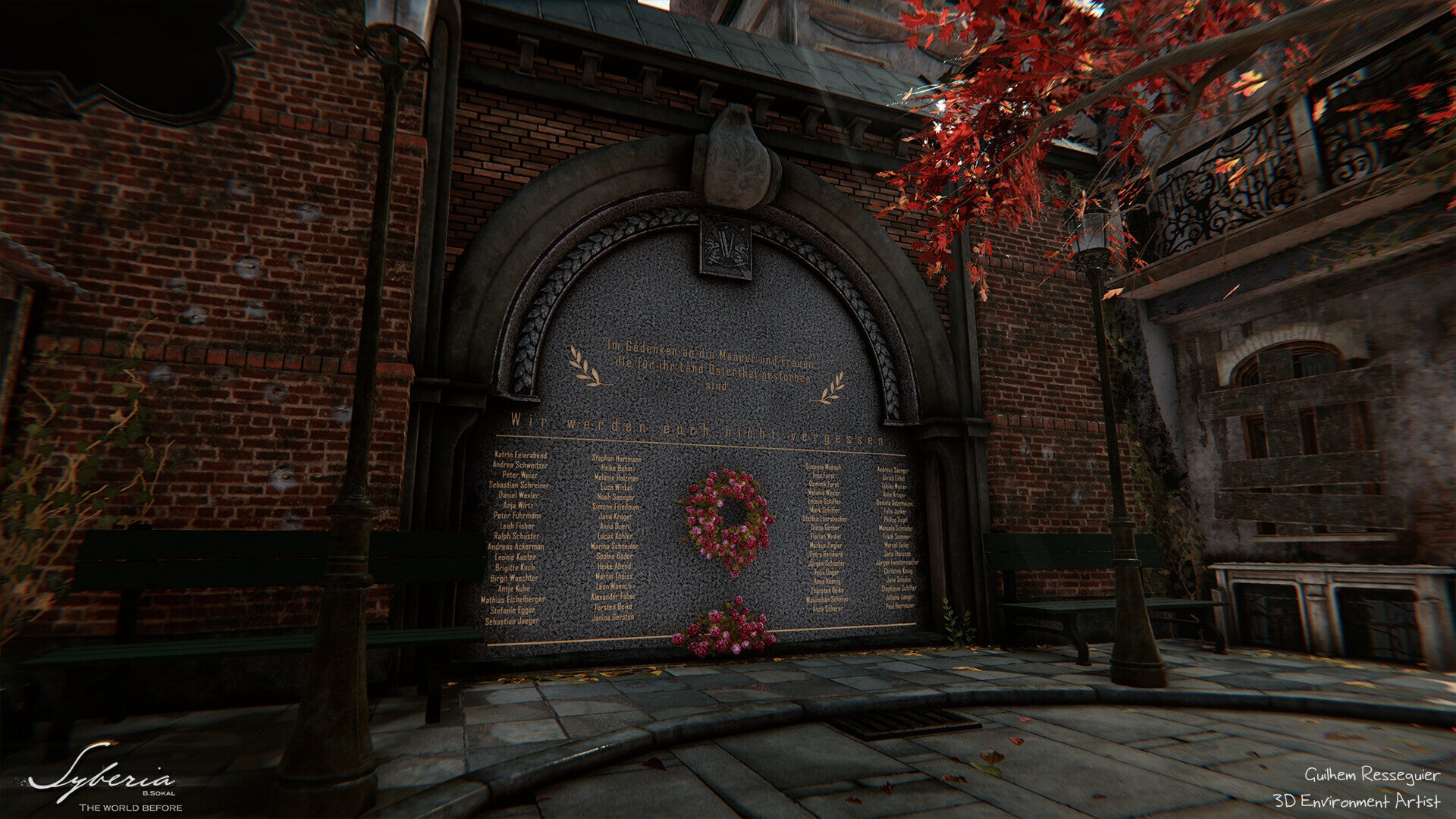
Before leaving for the sanctuary mentioned in the diary notes, Kate wants to be certain that Dana wasn’t one of the victims killed during the events of 1938. When we search for her name among the memorial obelisks, we find only her parents’ names. At least with that reassurance, we can return to the guest house—or hotel—to look up the sanctuary’s address, which will be our destination for tomorrow.
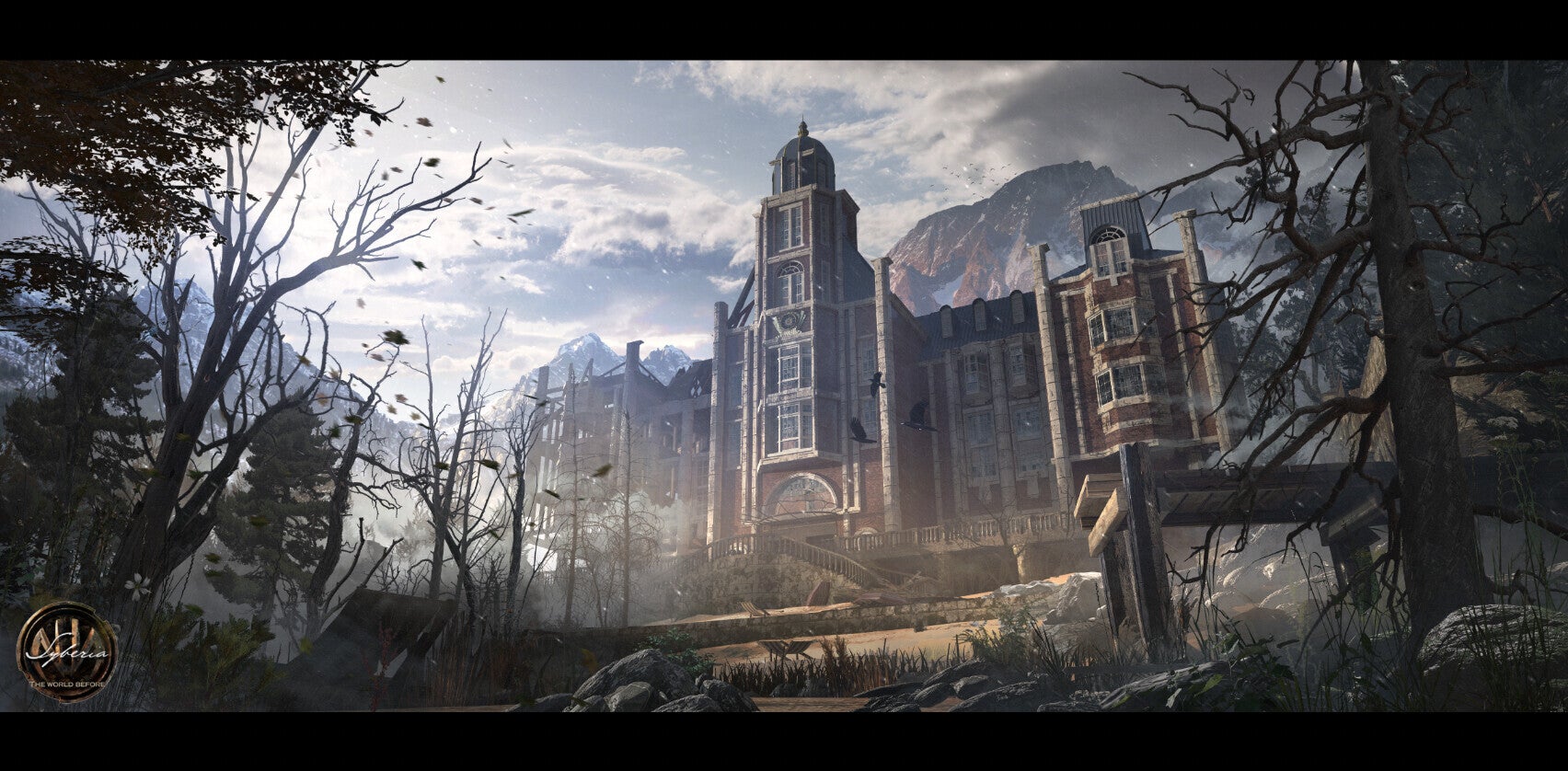
Junta is an English militia officer who worked in secrecy on behalf of London officials—essentially an English spy, and a very skilled one.
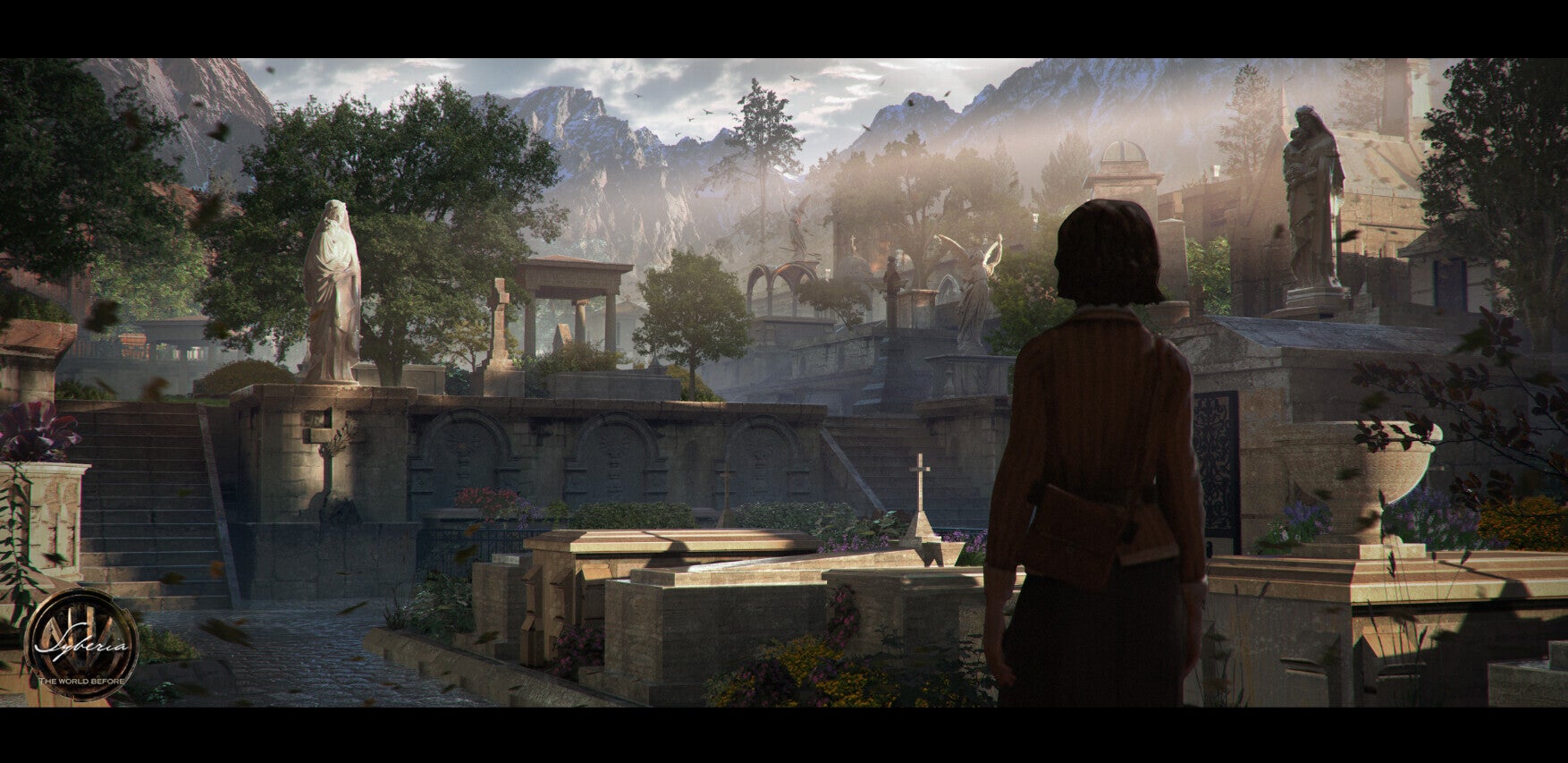
As for the change of plans for the rest of the day, thanks to our new acquaintance, the tram took us to an island that served as the local cemetery.
While waiting for the tram, we are approached by Fräulein Junta, the photographer. We share a bit of cozy conversation together on the ride back.
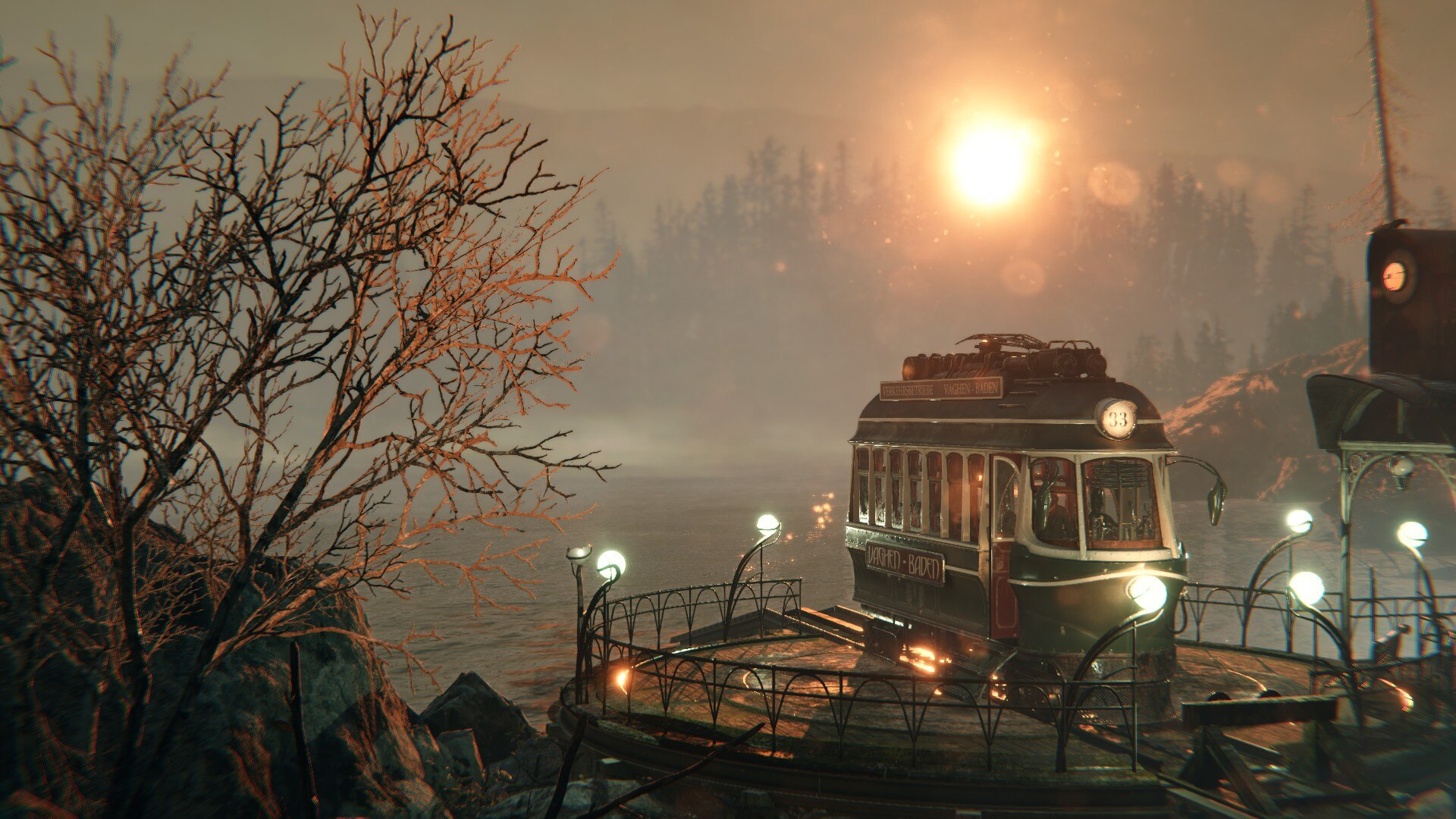
Thanks to her, Dana also ended up working with the English militia during the war, as we would be notified later in story.
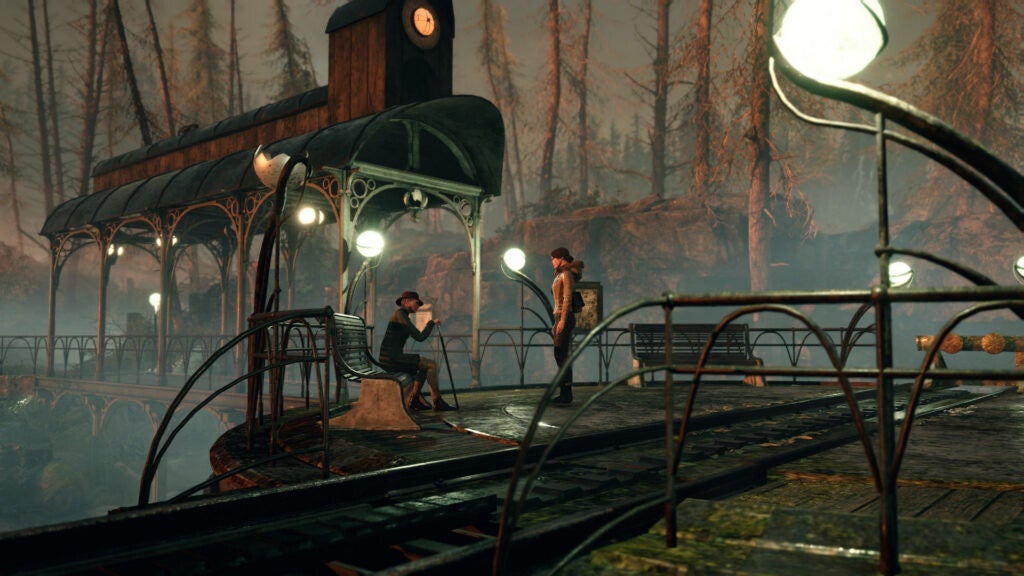


To be honest, this was one of my favorite locations. I remembered it vividly—perhaps because the first time I played, I reached the cemetery late in the evening, half‑asleep, searching for the tombstone that was our goal.
In this part of the game, you leave Oscar by the cemetery map, studying the layout, while Kate walks alone through the maze of tombstones.
The grave we find belongs to Anna Rose, Dana’s daughter. But the tears shed here are for a cruel lie, because the child actually survived. The truth will only be revealed near the end of the game. We are soon joined by the British spy, and through our conversations the story shifts back to Dana.
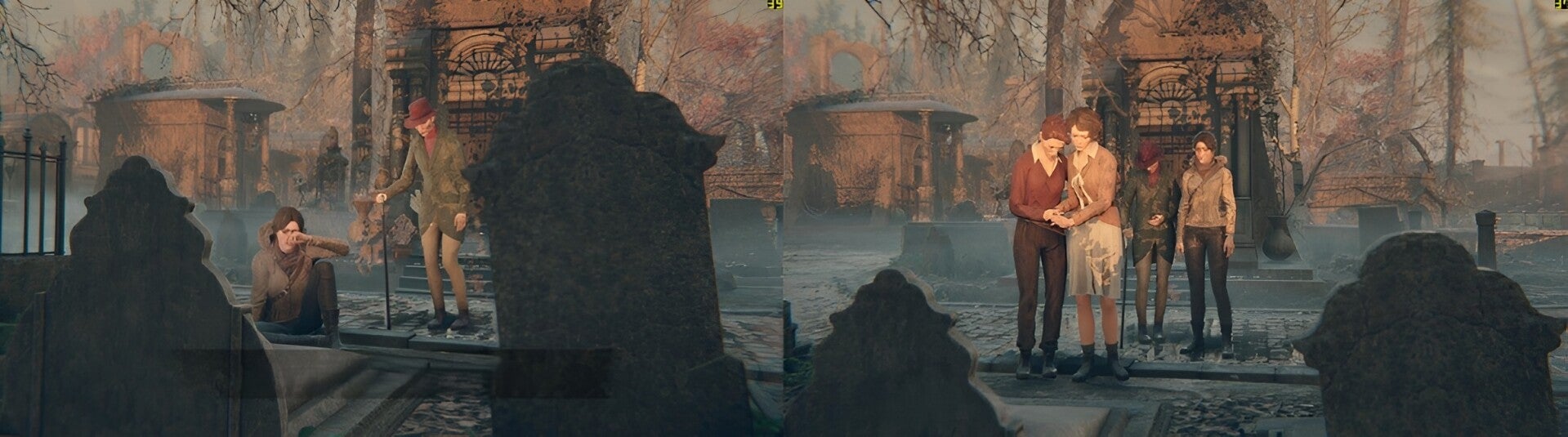
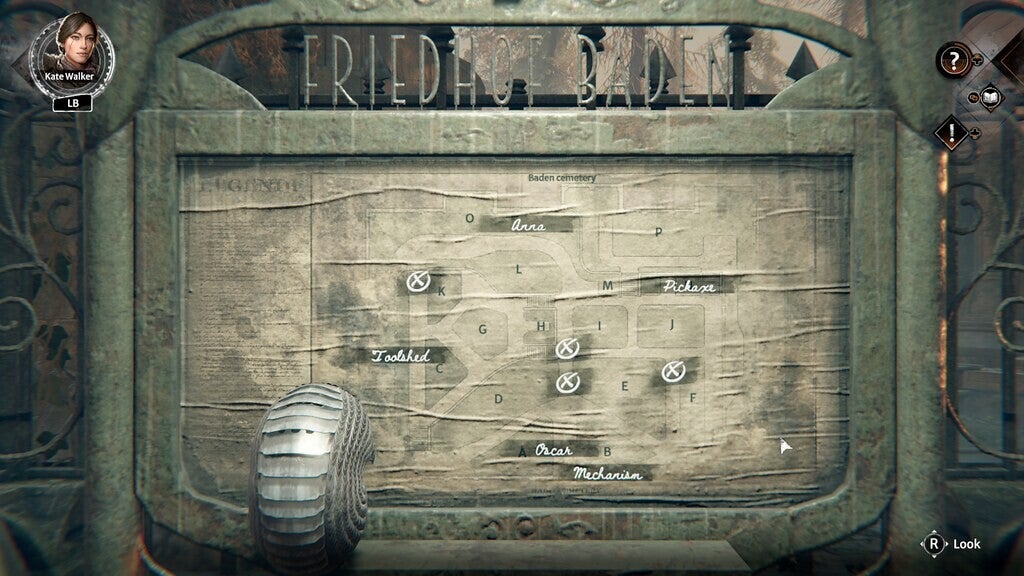
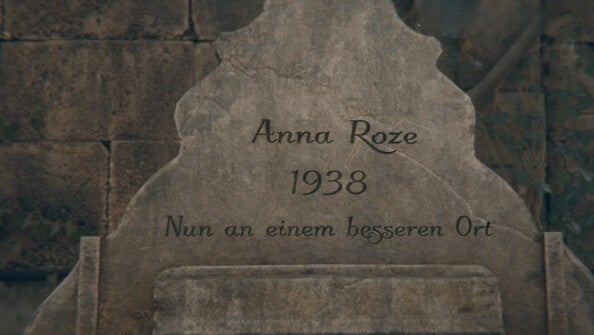


documents and deciding whether we will join forces in the fight for Vaghen. And, amusingly, all it takes is a bit of hope. Inside the secret documents, the pet names—Edelweiss and whatever you choose for Liam, Dana—jump's with excitement, ready to accept the mission.
To be honest, I got stuck on the war map puzzle—placing the soldier units, reading all the notes, figuring out which resources go where. I enjoy strategy games and CRPGs, but this one still made me pause and think for a while. After completing that task, we receive another. Janet, our spy, knocks on the door, and we discuss the recent events and the next challenge: opening the secret
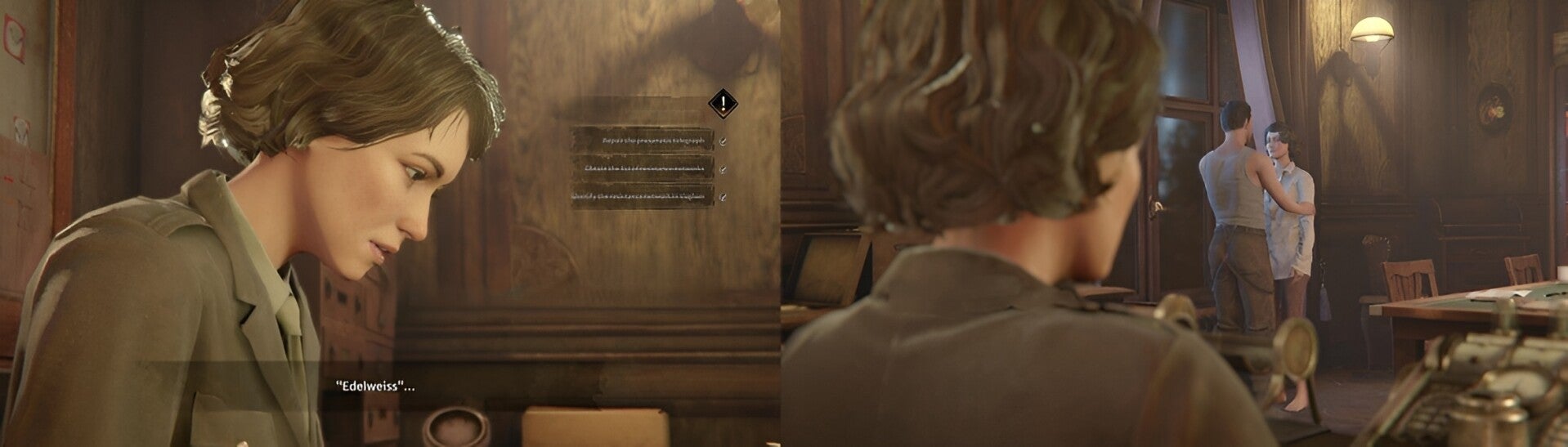
But for now, we return to Kate and her quiet grief, her acceptance of the truth she has uncovered. And then we guide her back toward the cemetery entrance, picking up Oscar on the way out. And just as we reach the exit, the gate closes right in front of us—an automatic mechanism that locks at the end of visiting hours. Sometimes there’s a notice posted about the last entry time, but of course Kate wouldn’t be Kate if she didn’t resort to a bit of vandalism to get herself out of the situation. Looking around, with Oscar's help she grabs a pickaxe and smashes the lock to open a tools cabinet.
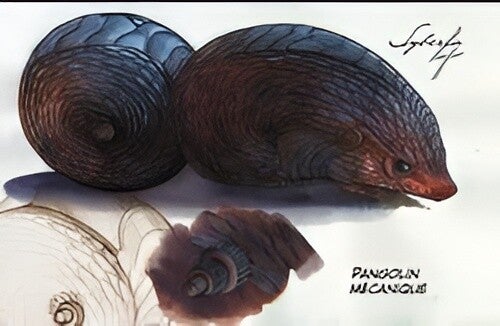
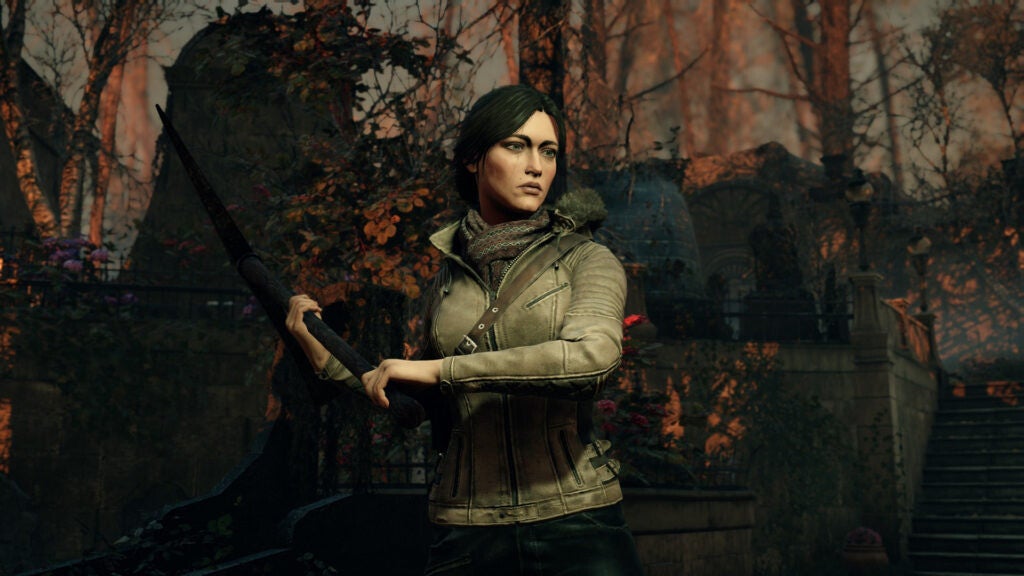
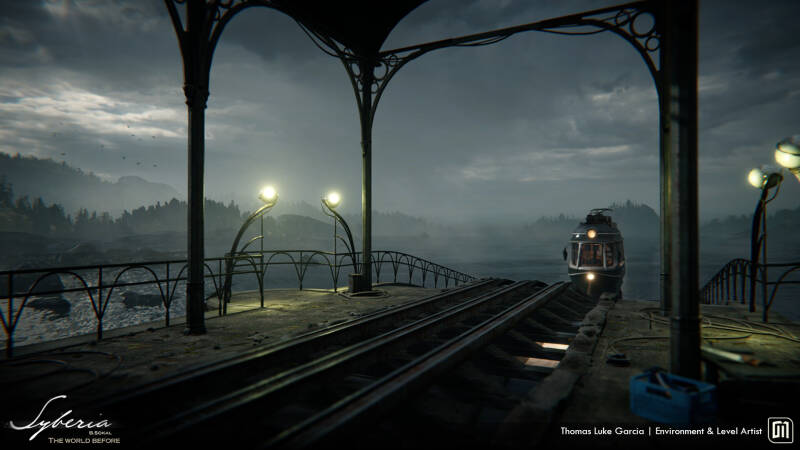
She’s no longer the young lawyer who would try to talk her way through every obstacle. Now she’s an independent woman who acts first rather than waiting for permission. And guess where the tramp takes her afterward.

No, not to the hotel, and not to wait with Janet for information about the frozen bodies of the mission members—those who were declared lost and buried under the snow.
Instead, in the middle of a blizzard, we return to the cottage where Leni is, climbing up the mountain, so we can see the truth with our own eyes. At this point, it’s fair to say that Kate’s decisions might seem questionable. She’s driven by a desperation for truth that pushes her far beyond caution. Spirits must be watching over her, because she certainly isn’t acting like someone in a stable state of mind. But she refuses to stop. Our goal now is to fix the generator to light up the tents where the bodies are stored. So put on your fluffy hood and hide your fingers from the cold—the blizzard is no joke. We find gasoline near the chopped wood logs, unlock the top of the generator with a key, pull the starter lever, and get it running. The lights flicker on. Inside the tent, we search through the victims to reassure ourselves that Dana didn’t die sixty years ago. Among the bodies lies Liam. Now we understand why Leni collapsed, after she had took a long time looking upon bodies. It’s heartbreaking to discover the fate of someone you knew personally.
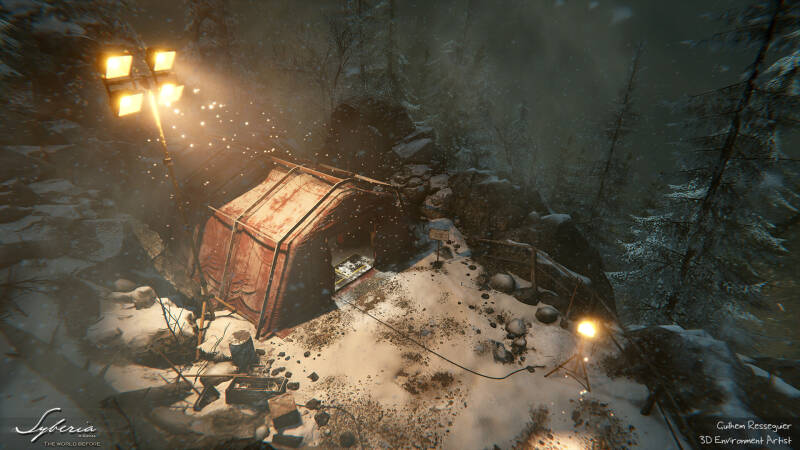
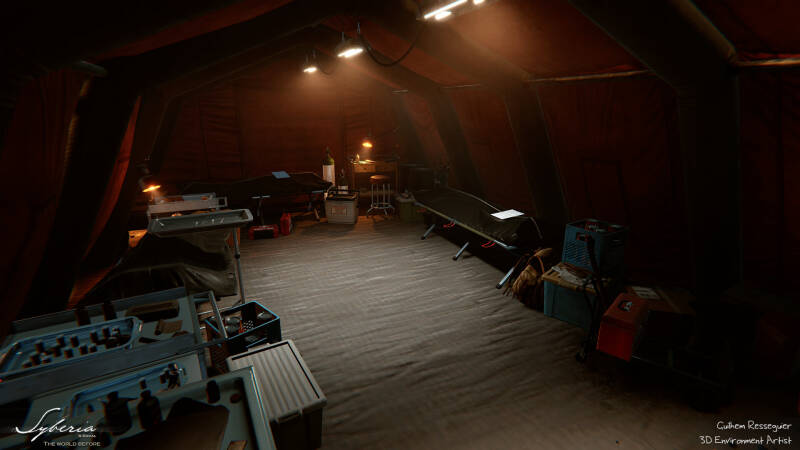
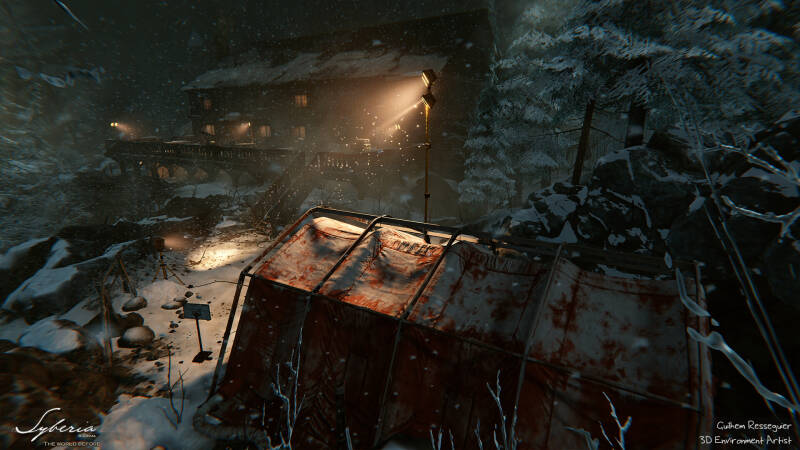
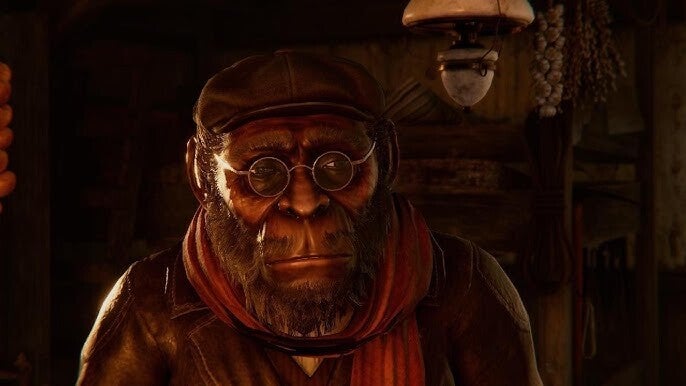
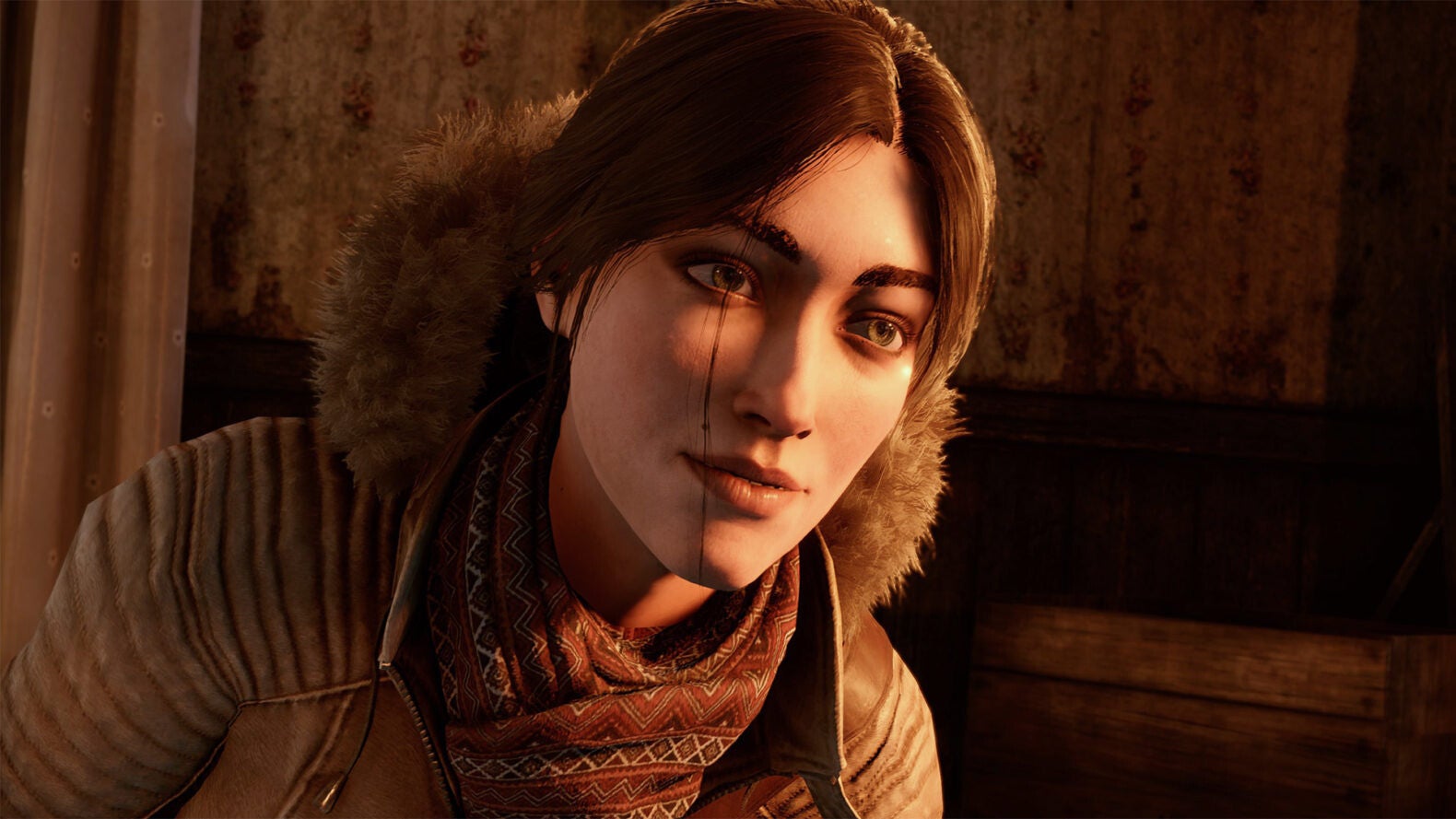
Upon entering cottage, as we head toward Leni’s room, we notice the silhouette of a man. This silhouette could be seen even earlier, when we visited cottage. We follow him to where he disappears—and finally meet Gorum face to face. Ludwig. We ask him about the events of sixty years ago. He tells us that Dana is as old as he is now, when he looks at Kate, upon recognizing a familiar features—proof that this resemblance is no coincidence. And to clarify: Dana was made sterile after Anna’s birth, so she had only one child. As for Dana’s future, we will later learn that she married and lived a life devoted to music—but that revelation comes later. For now, Ludwig smokes his cigars, giving as little words to conclude what Kate pieces together, by observing Ludwig's drawings.
To skip a bit further: when we enter Leni’s room, Kate gently—but firmly—accuses her of hiding crucial parts of her past and her involvement in the resistance. If Leni had revealed her role during the war, Kate probably wouldn’t have been forced to run from one end of the city to the outskirts beyond it. But at last, this is the moment to hear her story. And at the center of that story is the reunion of two love birds separated by war and years.


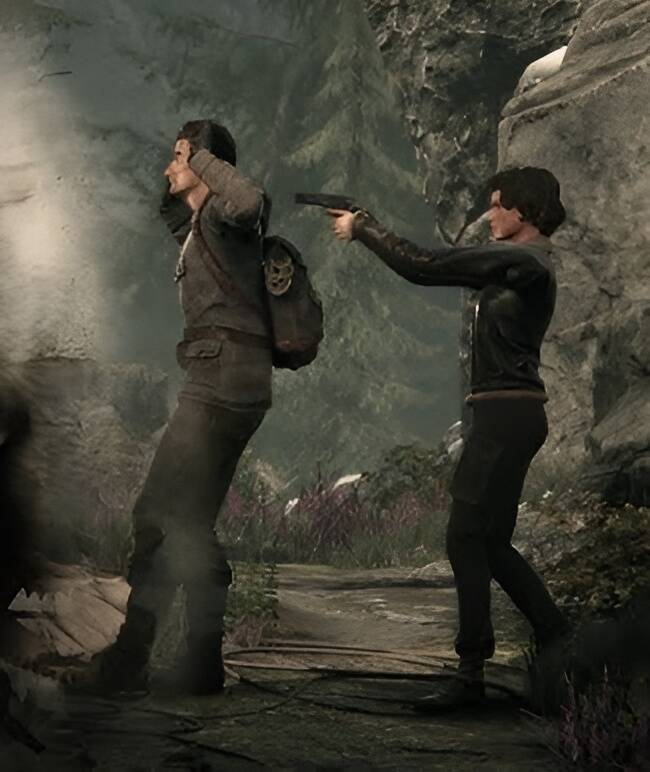
The British militia sends their operative in. As the airplane flies over the cottage, someone parachutes down from it, landing nearby. Liam, standing by the window, watches the descent and rushes outside toward the landing spot—only to feel a pistol pressed against the back of his head. Slowly, he raises his hands and turns around. And of course, it’s Dana. Approaching a resistance member like that may seem extreme, but London’s spies were trained to expect anything. For her, this was the safest way to make contact. What truly matters, though, is the joy of their reunion—brief, intense, and happening under the harshest circumstances. Life’s complexity demands sacrifices, and sometimes there is nothing we can do to change how events unfold. But people still dream, still plan for a possible future. So did they. After the war, they intended to leave for Balthayar together with Ludwig.
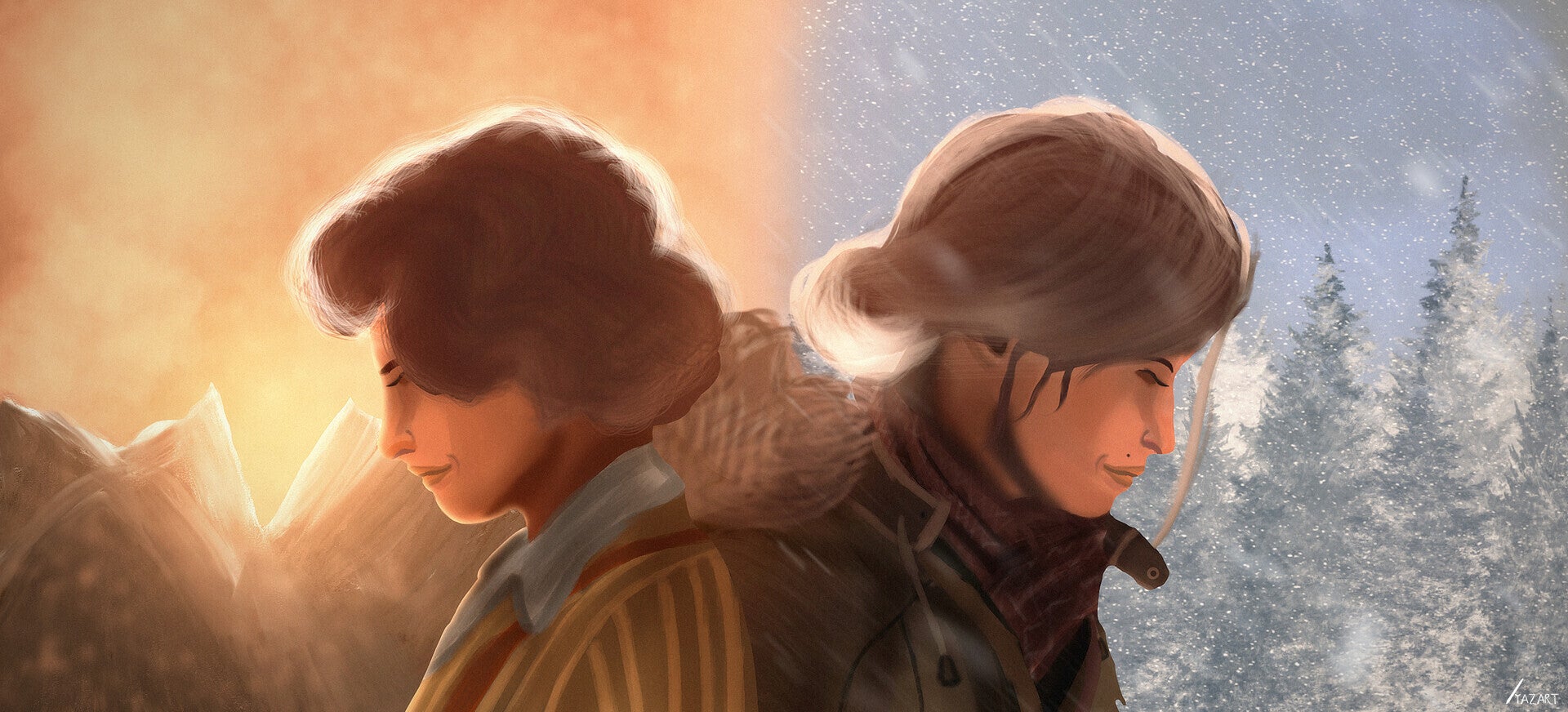
As for how that dream ended—well, Dana’s footprints eventually lead into those distant mountains, as Kate will discover at the end of the game. And if any remaining family could still be found, why not dare to change the course of one’s life?
Oh, Kate… what will even happen in a possible fifth game? Before Benoît Sokal passed away, he had worked on a draught, drafted ideas for the next Syberia. But now, who knows what the future holds.
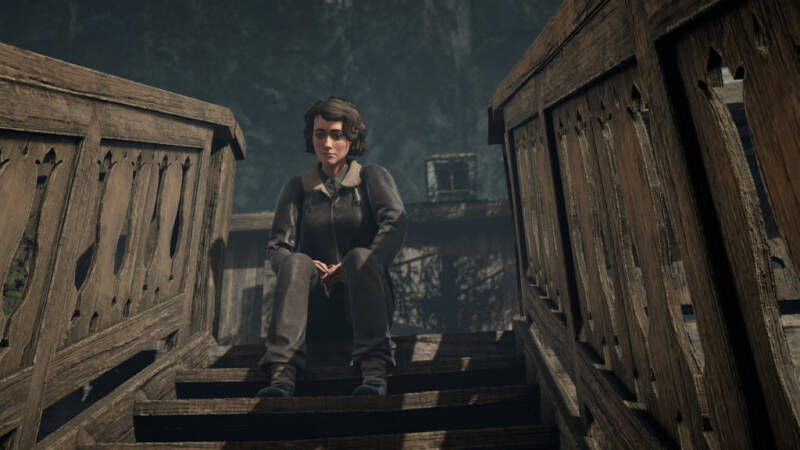
Back to Dana. Probably the next morning after her landing, before we begin working with the message‑receiver radio, we finally have a chance to talk. Ludwig is far more open when speaking with Dana, and through our conversation with Leni we learn how she has been holding up. She has turned her father’s refuge into a base for the resistance network. Among those hiding there is a scientist carrying valuable information that must be delivered. The problem is that the operation planned for the next day may be difficult to complete—he hesitates, refusing to leave without his wife. It’s sad, but in real life no one would ask what a person wants; the mission would always outweigh personal matters.
After the conversation, we return to our task: receiving the crucial updates from the radio. I forgot to mention—it’s Morse code. At least we have a note to translate the incoming signals into letters. And once again, I got completely stuck trying to adjust the dials and catch the radio waves.
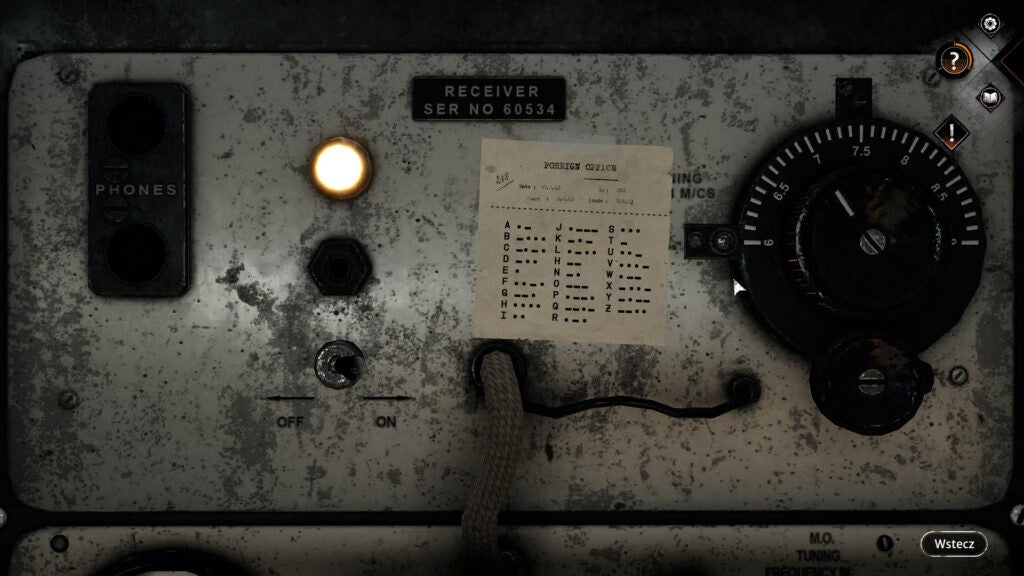

Honestly, if someone asked which Syberia game had the easiest puzzles, I would definitely say The World Before. It’s far more forgiving than the first two games or the long, complex sequences in the third. But more experienced players—those who analyze point‑and‑click design and distinguish between “quests” and classic adventure puzzles—would argue that both genres share the same challenges: obscure solutions, sometimes time‑sensitive tasks, or knowledge that not every player naturally has. For example, understanding how a darkroom works and how to develop a photograph—apparently a puzzle encountered in older adventure games.
But there are far wiser people out there to debate such things than me.
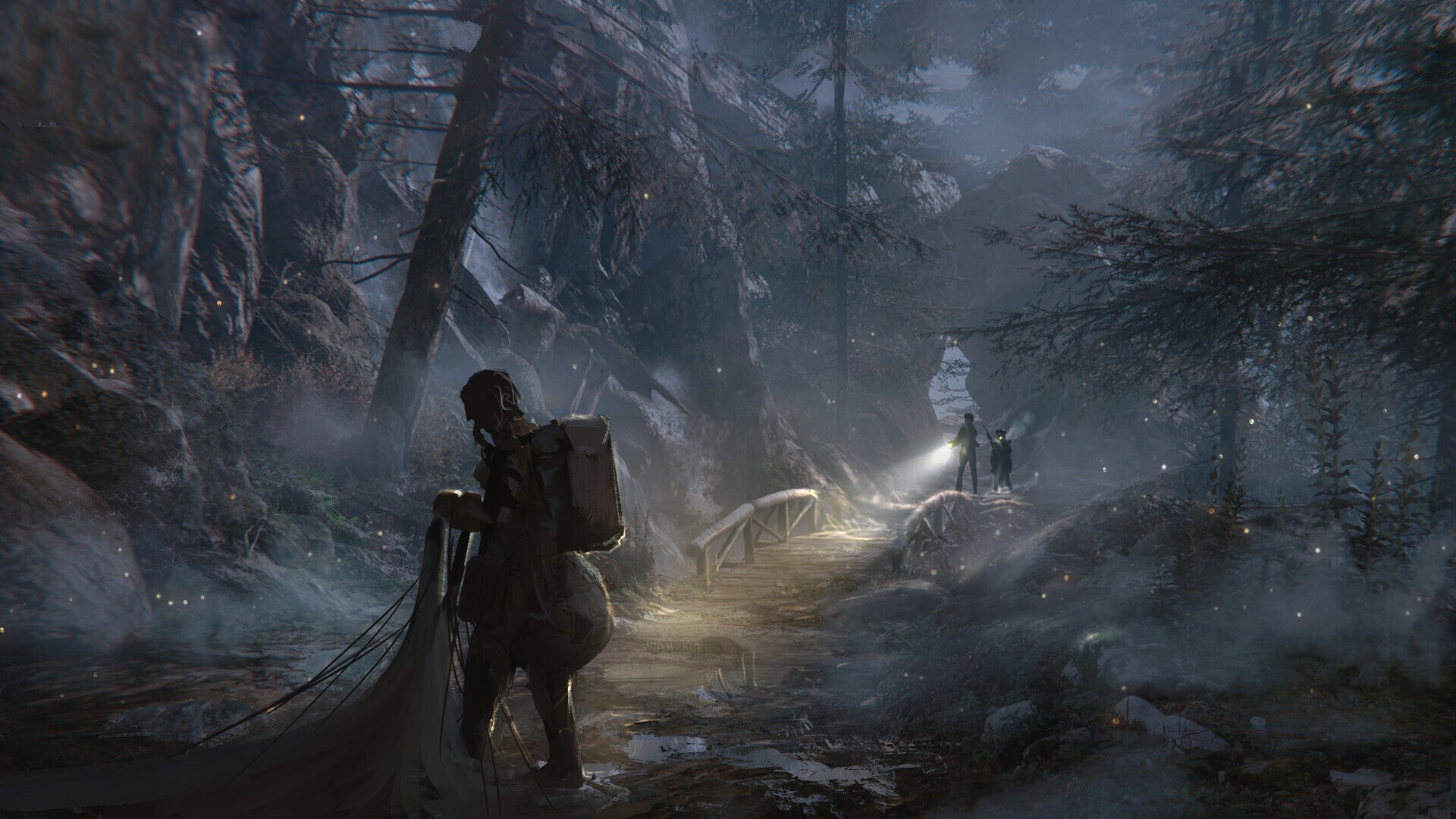
Well, it’s no surprise that the scientist became a major obstacle for the mission—he refused to move without his wife, insisting she was just as essential to the resistance as he was. But everything soon turned upside down. Leni betrayed the resistance, went to the Brown Shadows, revealed the location of their base, and then returned with the scientist’s wife…
The foolish girl she was, she stayed even afterward, excusing herself with, “I did what I did because I didn’t want Liam to leave—leave with her.” A traitor in one’s own ranks is still a traitor. And she never revealed the truth to Dana. As it turned out, after the war Dana left for America and wrote letters to Leni for forty years. What a shameful burden for Leni to carry.
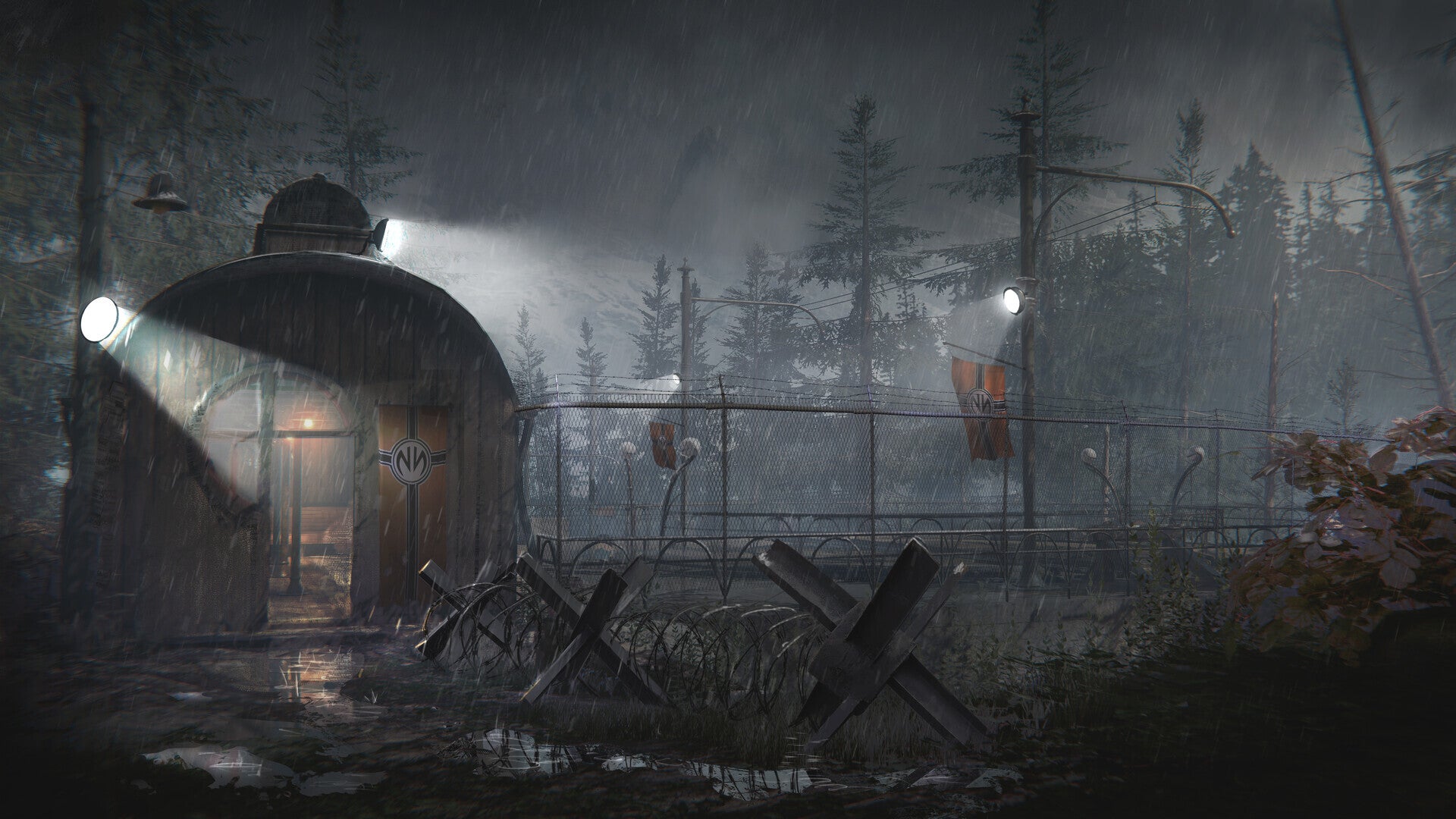
As for how she became crippled—she was shot in the back by a Brown Shadows soldier. The bullet struck her spine, paralyzing her legs. Not fatal, but enough to leave her with a lifetime of immobility and the constant acknowledgment of her betrayal. Regarding how Liam and the others died while crossing the mountains: Liam left with the scientist to meet the rest of the group, planning to use his mountaineering skills to guide them safely across to the other side.
But even though the remaining resistance members—Dana, Ludwig, and whoever else survived—bought them time to escape, it wasn’t enough. Perhaps the gunfire shot' s triggered an avalanche, or maybe it was simply a tragic accident. Either way, they never made it. They were buried beneath the snow and remained there until their bodies were finally found in 2005.
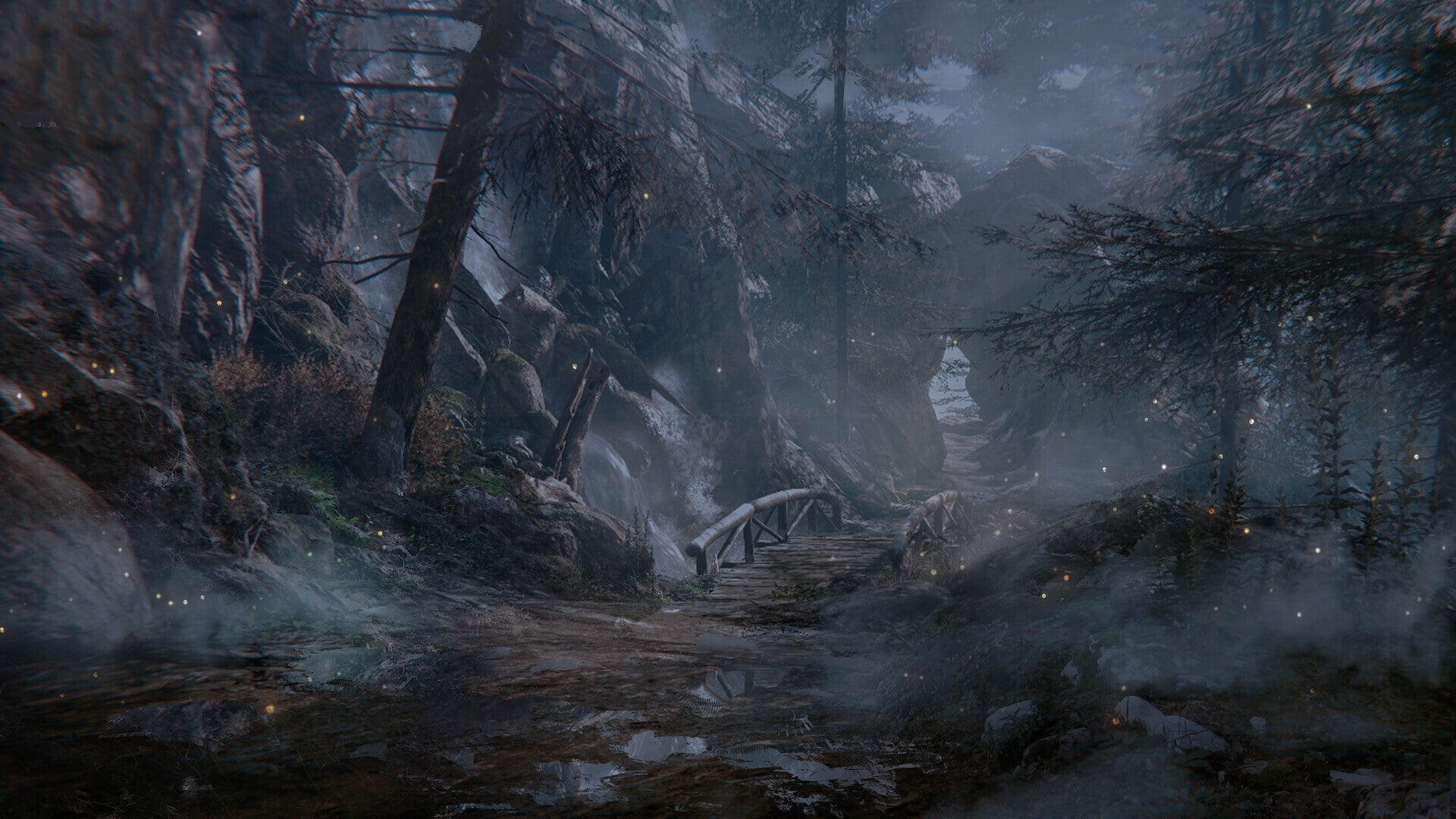
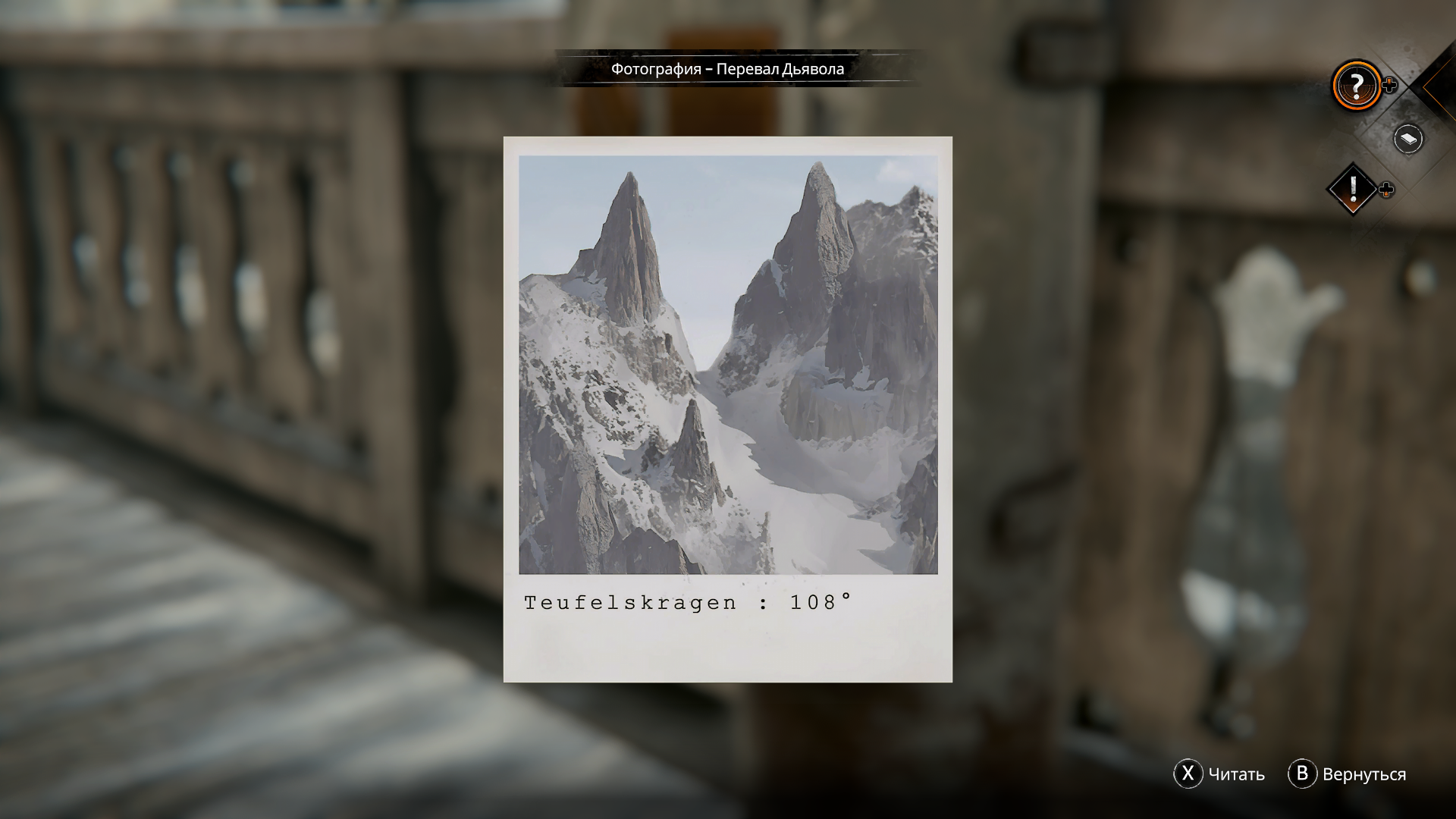
As for Ludwig—well, it turns out he had never heard the truth before. Leni had kept silent for decades, and she confessed everything only now, as we listened to her story. Ludwig, who had stayed all these years to help her, heard her betrayal for the first time. His reaction was immediate: he stormed out, leaving her alone with her guilt. Kate remains behind to hear the rest of Leni’s confession.


The last time Leni saw Dana was a year after Liam’s death, when Vaghen was finally liberated. The city was slowly clearing the rubble, coming back to its senses, and planning how to rebuild. The old music academy had been repurposed for other uses—but Dana visited it one last time, encountering familiar faces in the hallways, saying farewell to Leni, and sharing her plans for where she intended to go next. That was the last time Dana visited Vaghen.


Leni gives us permission to open her automaton, where she hid Dana’s letters. Through reading them, we finally see how Dana’s life unfolded after the war. Of course, not without solving another puzzle to open the automaton—this is Syberia, after all. Oscar comes in handy here. The mechanism isn’t as complex as the Morse code puzzle or the Vaghen orchestra, but it still takes some time: pulling levers up and down, shifting smaller parts into place, and eventually opening the automaton’s head to reach the letters inside.


Dana became a famous pianist. She married, lived in New York, and built a happy life. Her husband eventually passed away, but she wrote about him fondly in her letters—he had been her support, her anchor. And yet, her first love remained in her heart. Nothing can erase that. We can only hold a memory of a person close to our heart. Everything changed as it was written in the last letter, that dated twenty years ago. A nurse from the Sanctuary contacted Dana and revealed that her daughter was alive. She had been given to her parents’ friends. One can only imagine the shock of such a revelation—how truth can strike after decades, how overwhelming it must be to see the reality behind a lifetime of assumptions.
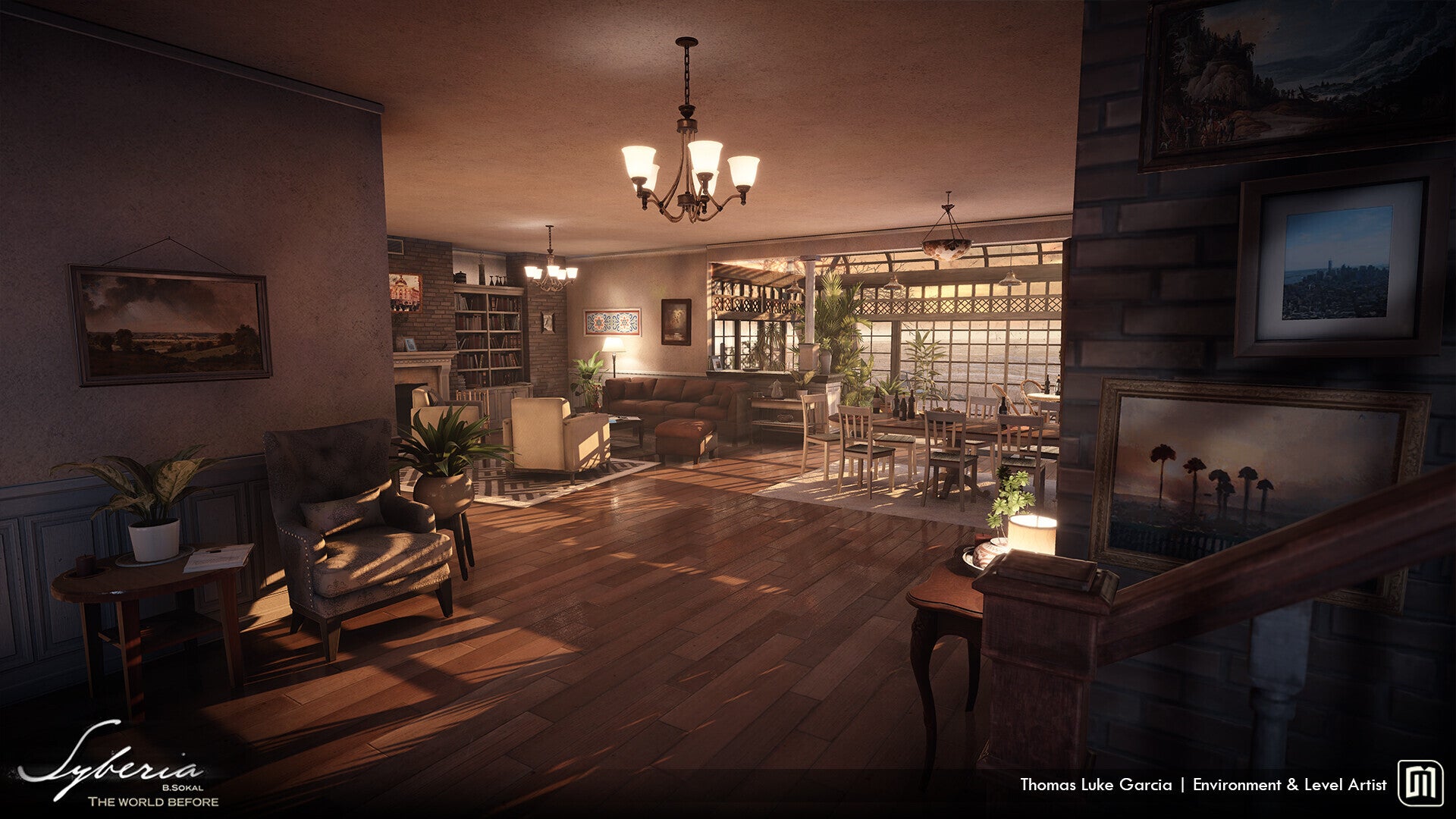
Dana visited her daughter’s home. Sarah Zimmer Walker now. She was outside, busy chatting, celebrating a small birthday gathering. But what could Dana possibly say to someone who had lived an entirely different life, with different parents, different memories? There are moments when words simply cannot bridge the distance of years. What truly caught the old woman’s attention was someone playing the piano upstairs. A familiar melody—the Hymn of Vaghen. It’s funny how childhood memories sometimes don’t surface until something unexpected brings them back. As it turns out, Kate herself had played the Hymn of Vaghen as a child—the same melody she later replayed in Vaghen without realizing the connection. Back then, she was simply repeating a tune from a swan‑shaped music box, with her grandmother joining in.
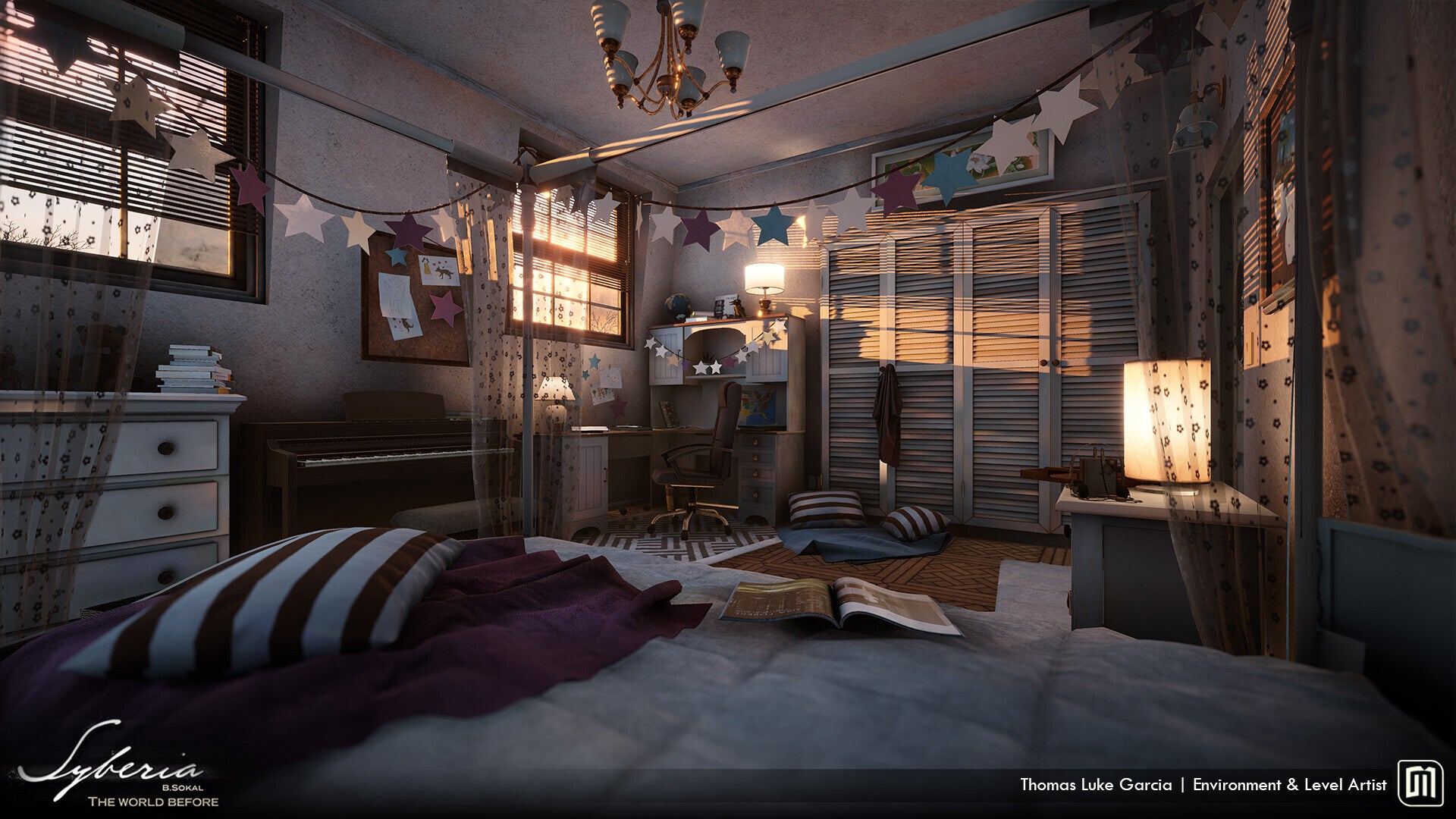

During the last tram ride, Kate allowed her thoughts to settle. She came back to her senses in her own quiet way, better than anyone else could have wrote down a feeling of accomplishment, filled with the acceptance. There was a sense of closure, an understanding that the story had reached its natural end. And in the conversation between Kate and Oscar, the idea of returning home—of doing what she had originally been asked to do—seemed like the wisest choice.
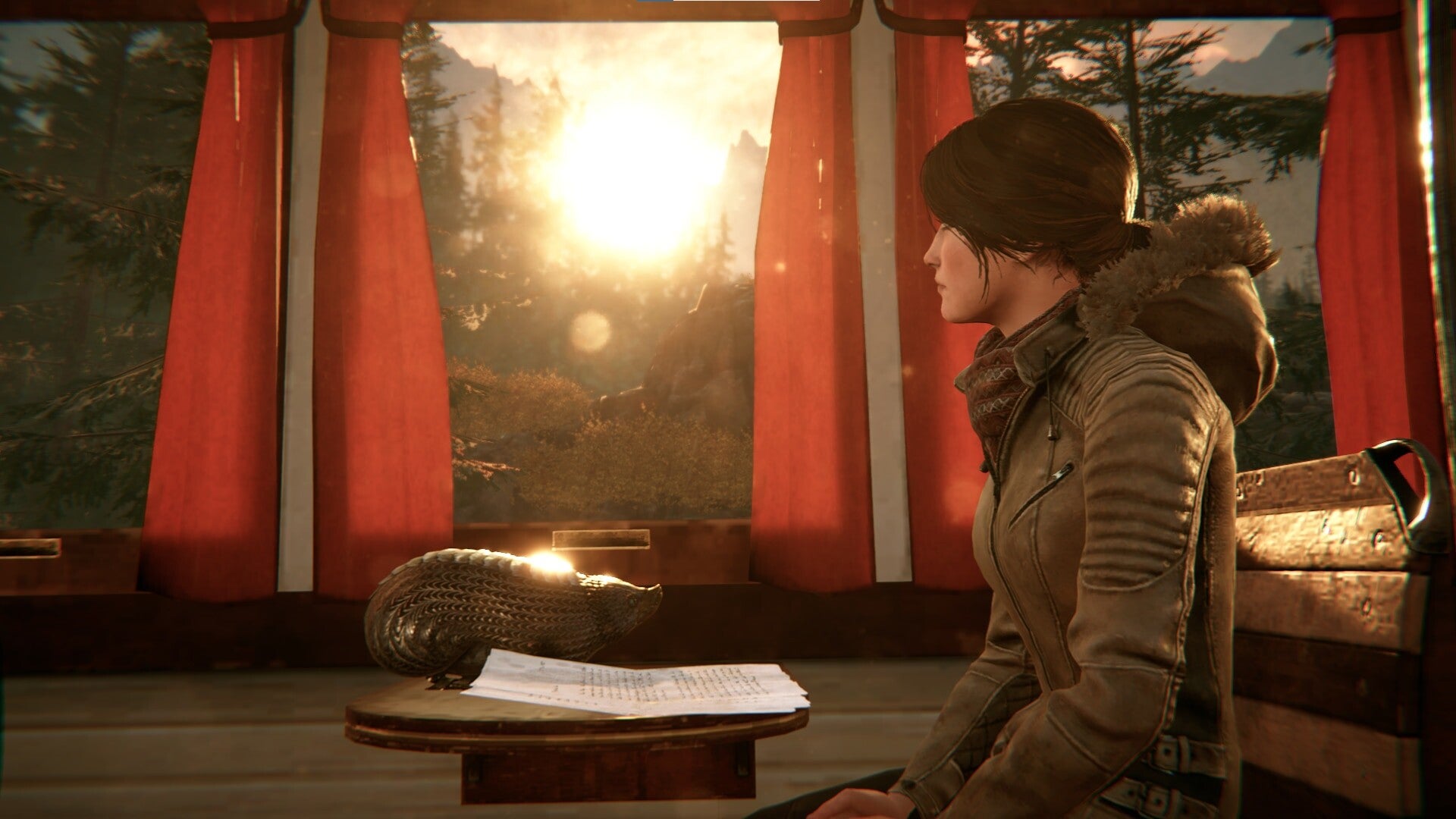
But life has too many turns, each more unpredictable than the last. And Kate Walker had never been someone who simply followed the expected path.


As for the final preparations before leaving for the airport, stamps the ticket, call Olivia after board the train. This time when Kate and Olivia speaks, Kate reassures her friend that she will be coming home, admitting that the taste of freedom has changed her and that she has hurt people along the way. It’s a moment of honesty, almost a confession—Kate acknowledging the weight of everything she has done.
And then, in true Kate Walker fashion, comes the sudden change of plans. Another train chase, another impulsive decision, and another helping hand pulling her aboard. Thank you, Ludwig—unexpected, but the perfect ending to an old chapter and the perfect beginning to a new rush of adventure.
Now that I’m free from the boundaries of the game’s narrative, I can finally speak openly. And I want to settle the matter of the white birds.
Vaghen’s symbol is the swan. What connection does it have with the white birds? I’ll share my theory. I didn’t notice it when I first played, but later, when I read the line: “I started imagining white birds in 3D. That design later became the logo of my company—those white birds. But my company is now dead,” something clicked.
It was a dream. Just as a pair of swans catches our attention, so did Amerzone's white birds cached Sokal’s.
What dream?
The dream of a studio. White Birds was Sokal’s pride—his independence, his signature. It was the embodiment of his artistic freedom. And even though the studio eventually closed, I still believe that dreams are hard to bury. Even when they fall underground, they always find a way to rise and fly above us again.
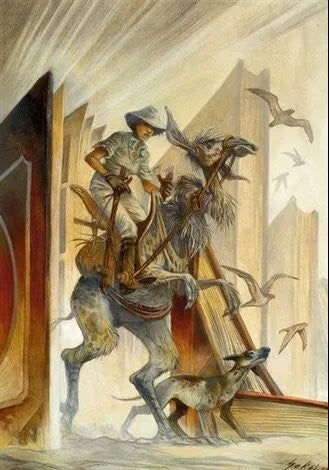
When I saw the pair of white swans soaring across the final moments of the game, I understood: dreams live beyond us, even when they outlive us. In life, we encounter people whose work shapes us. We begin to admire them, sometimes so deeply that we forget they are mere mortals, carrying their own struggles just as we do. And when someone receives early fame, it often becomes a harsh burden. I wouldn’t wish it on anyone. It may look bright from the outside, but in truth it can be suffocating—a weight that burns a person out under the expectations placed on a single pair of shoulders.
For Benoît Sokal, fame arrived while he was still a student, through his comics about Inspector Canardo. When he wanted to change his life, he found himself drawn into 3D graphics and video games. And here reality revealed itself: artistic freedom does not always lead to success. Often, we return to the question of stability—of doing what has already proven to work. But Sokal didn’t want to repeat himself. He grew tired of old characters and wanted to evolve them. That desire for change shaped Syberia, the longest‑lived video game series of his career.

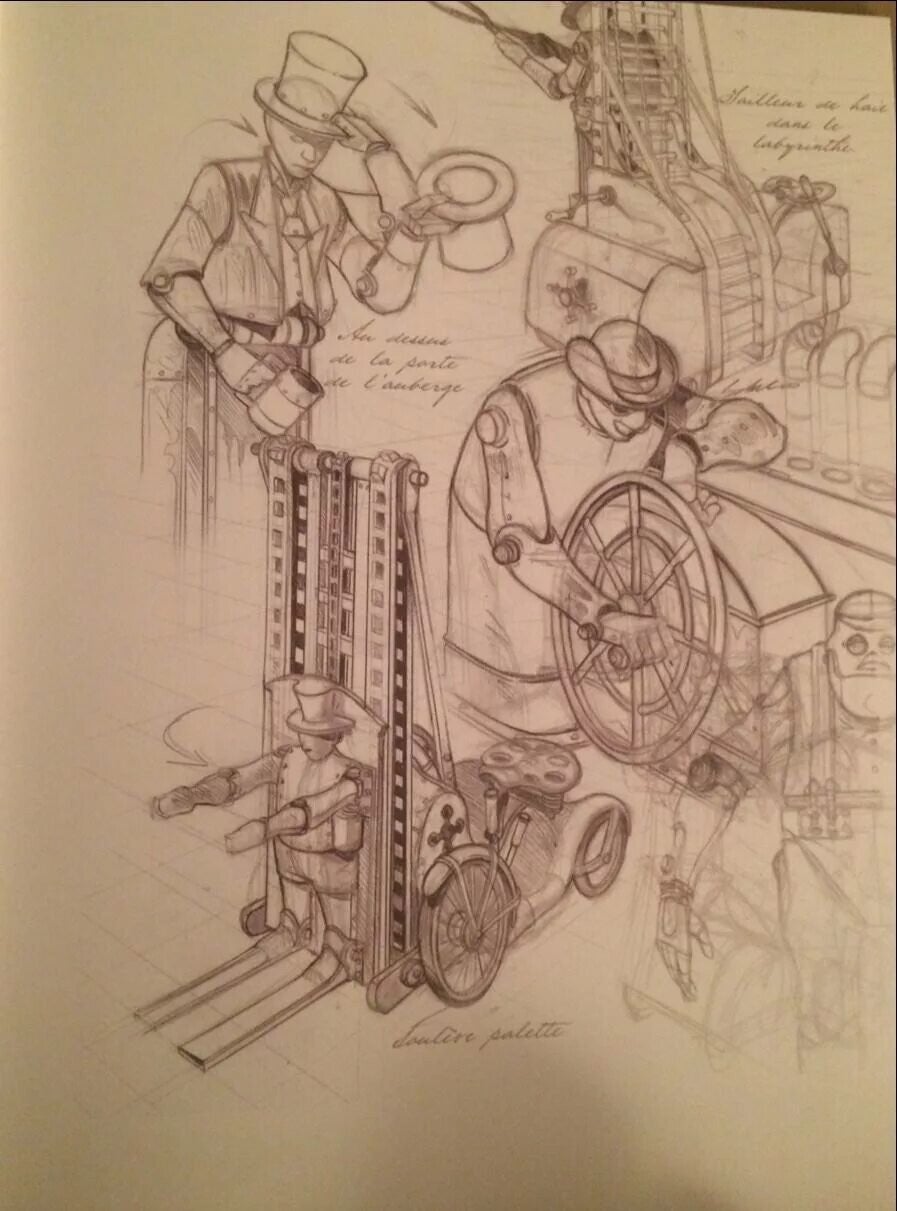
Even when he opened his own studio, White Birds, it didn’t bring him the creative freedom he hoped for. Instead, it showed him the other side of the truth: you cannot be an artist, director, and developer all at once without paying a price. He gave himself entirely to the work—heart, mind, and every waking hour. And that is what ultimately broke him. He took on too many responsibilities, when perhaps he should have remained simply the illustrator. Thought it may sound unusual in the world of video games, his drawings told stories without needing words. He created magic that lived beyond the page. I always look back at the automatons with a warm smile—admiration for their beauty, and sadness for the truth behind their creator’s final years. He burned out at the end of his journey, carrying more than a person should.
Life is unpredictable. Sometimes we rush through it, other times we slow down to avoid the obstacles ahead. But ultimately, how we live is entirely up to us. I like to believe that through the fictional worlds Sokal created, he lived countless lives and countless adventures—more than anyone could ever count. Writing all of this down took effort, but what matters is the conclusion it led me to.
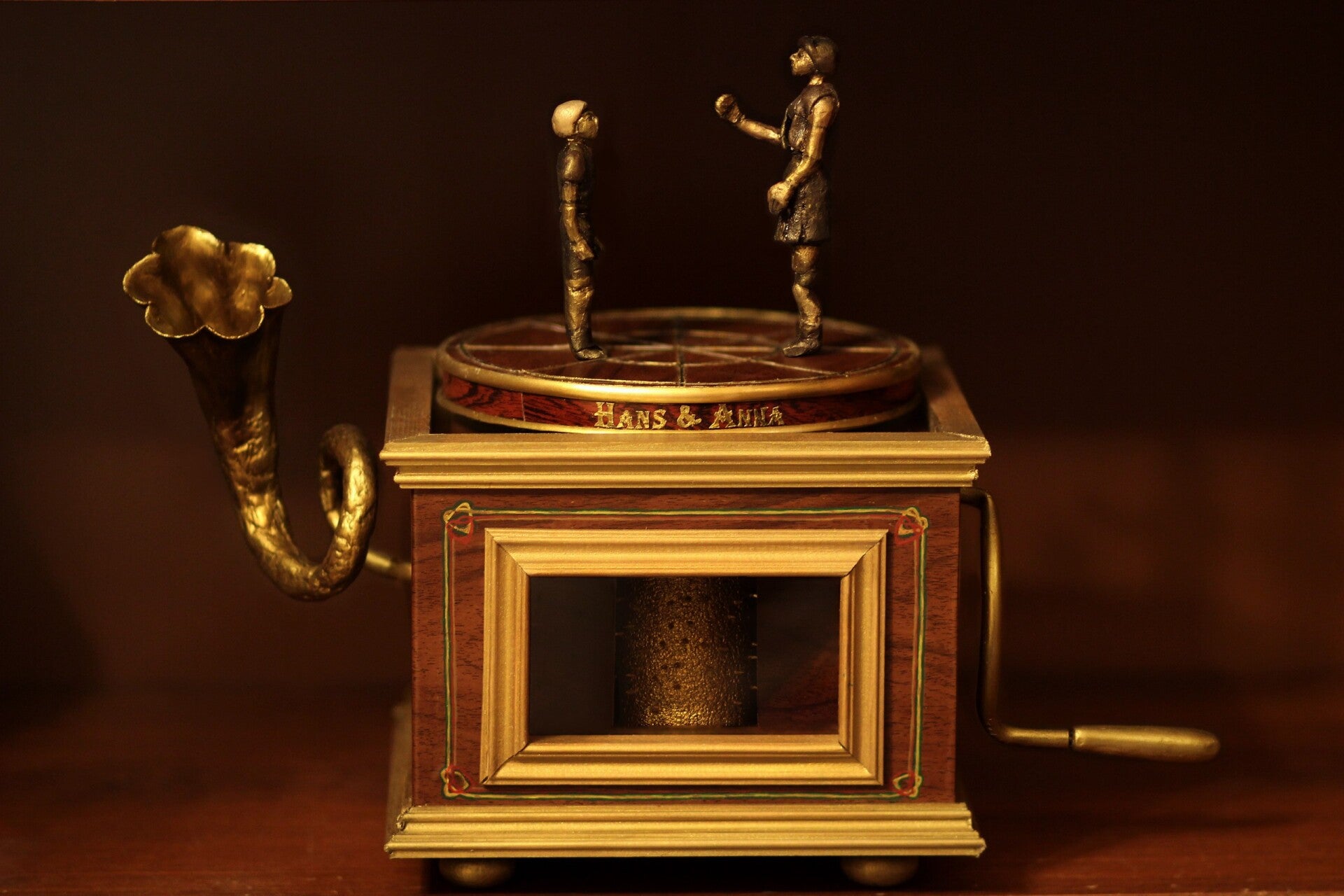
My gratitude goes out to fans around the world; their effort in sharing photos and creating fan art is what gives all of this its meaning :)
I find peace in this: whenever I see a pair of swans flying overhead or disappearing into the distance, I remember the first lines of my favorite poet’s work. It fits perfectly with the feeling of a dreamer’s freedom—those rare moments when we forget our struggles and simply move forward with our soul at ease.

When clouds are floating white as swans,
Along with them I’d like to run
To lands devoid of winter, far away
Where roses bloom and ne’er decay.
Eduard Veidenbaum