

Classic Art

Digital Art

AI Art
S.o.r.t.e.d. …. ,what exactly! We were determined to try the style of scribbling, after all, it’s a current movement in contemporary art, read about it in the section Thought, Feelings, Process / Art | Game Tattoo Art
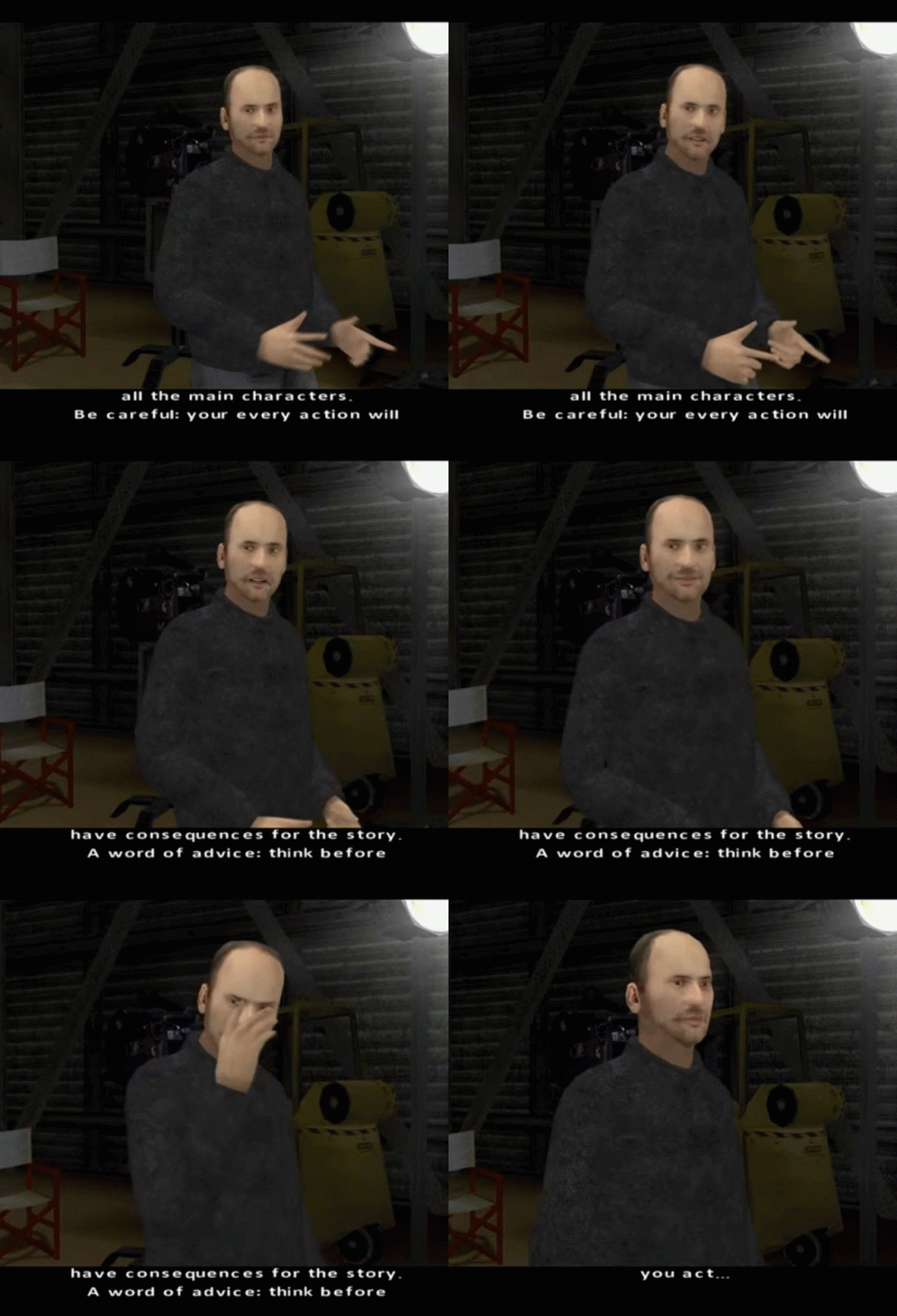
Our creative team regularly accumulates new projects and time is limited, because after all we are living people, who sometimes get sick, feel lazy, study, and, of course, actively play video games. That's our model for today and scribbling object is David Cage.
David De Grutola, known by the pseudonym David Cage, is a French video game designer, writer and musician. He is the founder of the game development studio Quantic Dream. Cage wrote and directed Fahrenheit, Heavy Rain, Beyond: Two Souls and Detroit: Become Human.
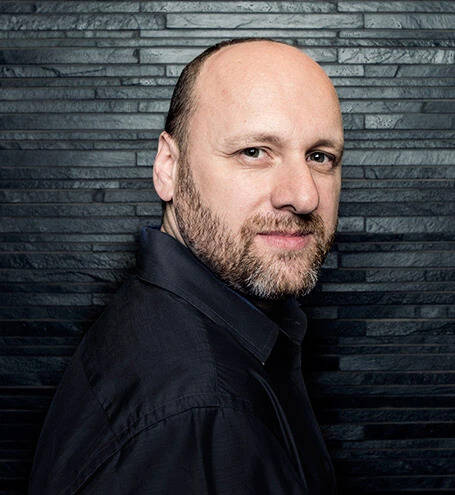
The first of the team's works was submitted and completed by Yūgen. The conditions are the same for everyone, a basic photo and then free improvisation with the condition that the technique is scribbling, which would allow the person shown in the photo to be represented as accurately as possible.
The likeness is, as the artist himself wrote, “I love working with people and rendering their visual reflection on paper, but scratching is an abrasive technique that strips away the nuances of the work that were hidden behind every facial shadow and feature.”

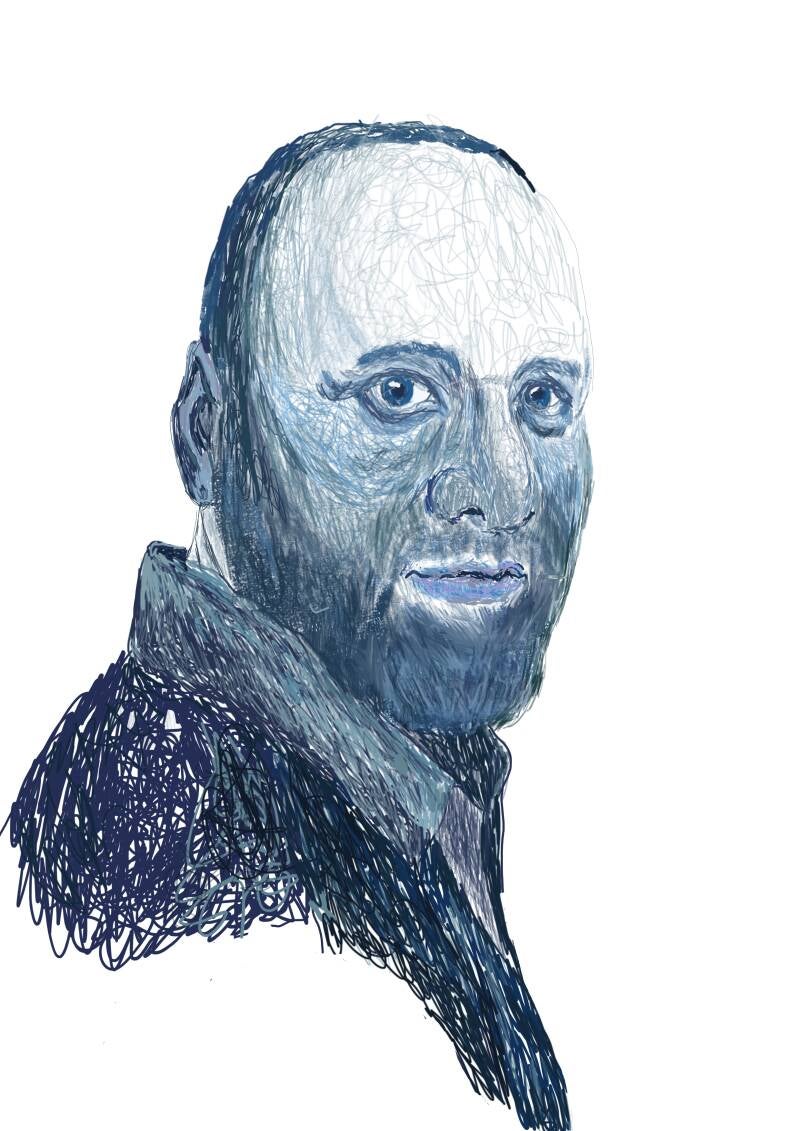
The next team member who submitted in his work Elusive Me. The process dragged on for a couple of months as our digital art guru is heavily booked with projects. “I like spending time on my digital Wacom tablet, but this technique is totally off the digital scribbling is not compatible with conventional working methods and is a real challenge even for an experienced digital art expert’’.
The question remains unanswered: what provides such a rich digital platform that saturates the online environment, and why do most downloaded scribbling look so strikingly accurate and capture your attention. We know the answer! Quite recently we slightly upgraded our work equipment to meet today’s AI requirements :)
We assigned the task to an artificial intelligence program connected to a suitable graphics card running on a dedicated core designed for maximum AI performance; such technologies are used today by most well‑known game development studios. Sounds good — here is the result we received: creating this piece took 22 seconds.
I don't know what everyone expected, but a discussion began that the AI didn't manage to portray the David Cage seen in the photograph closely enough. OK!
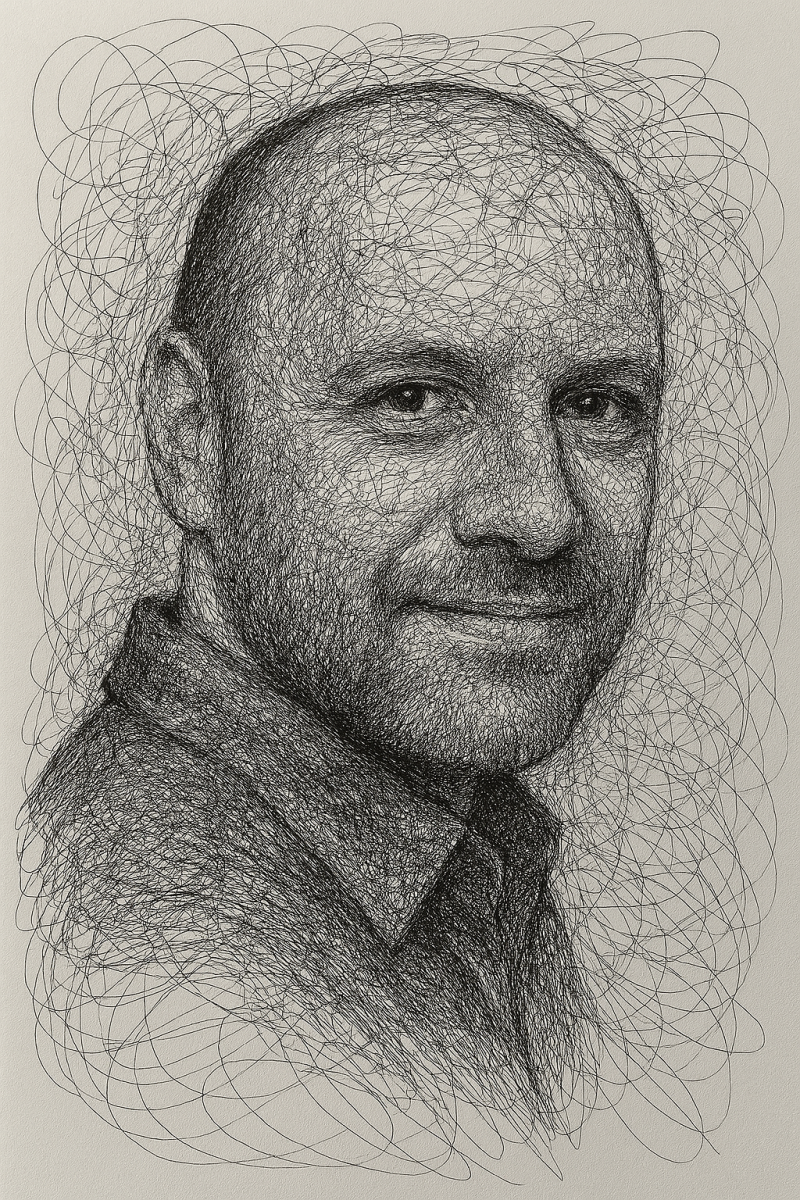
We let the AI express itself, and the next step was for the team to process its own generated David Cage scribbling to match the original photo as closely as possible. The result took no more than half a minute, and our AI produced an interpretation that, rather than bringing us closer, pushed us further away from the expected outcome :(
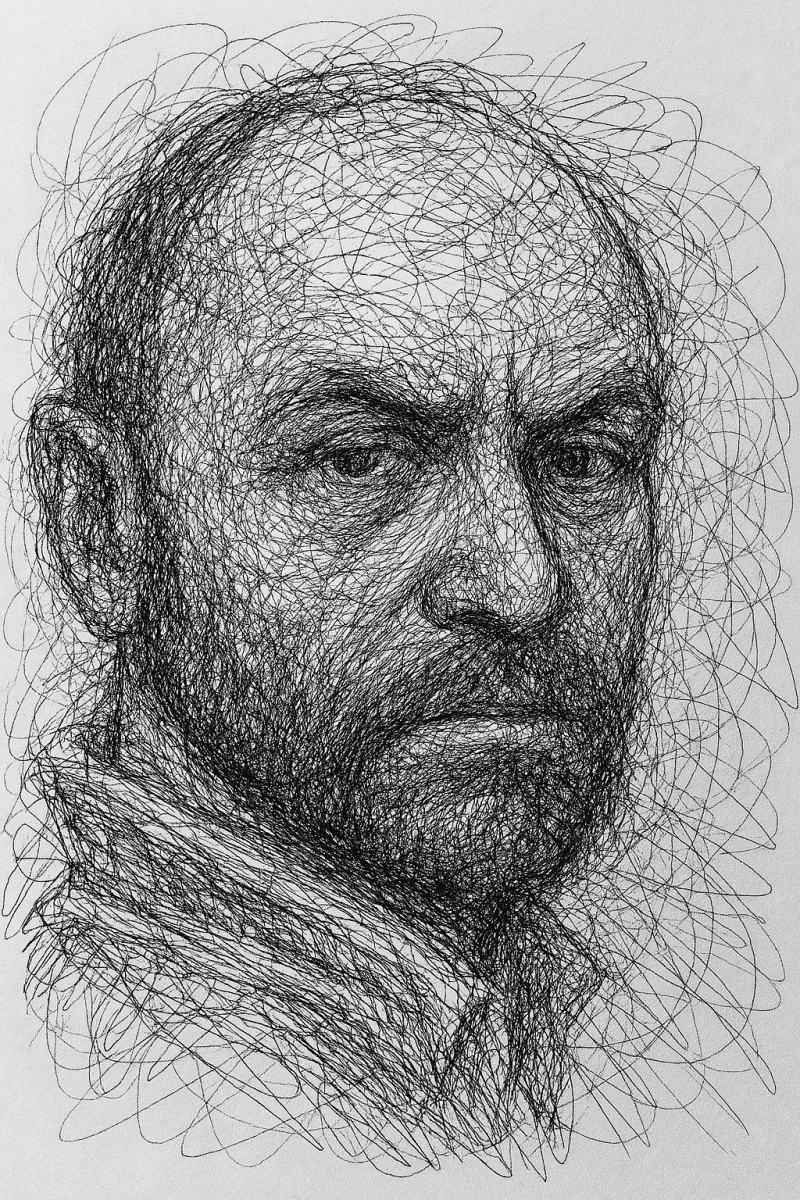
Perhaps the problem is not the AI’s understanding of art, but rather an incorrectly defined task for the artificial intelligence. We clarified the task, rewrote the code, supplemented the existing materials with the AI’s own outputs, and gave full access to David Cage’s photos on the internet - R.e.s.u.l.t :):):)
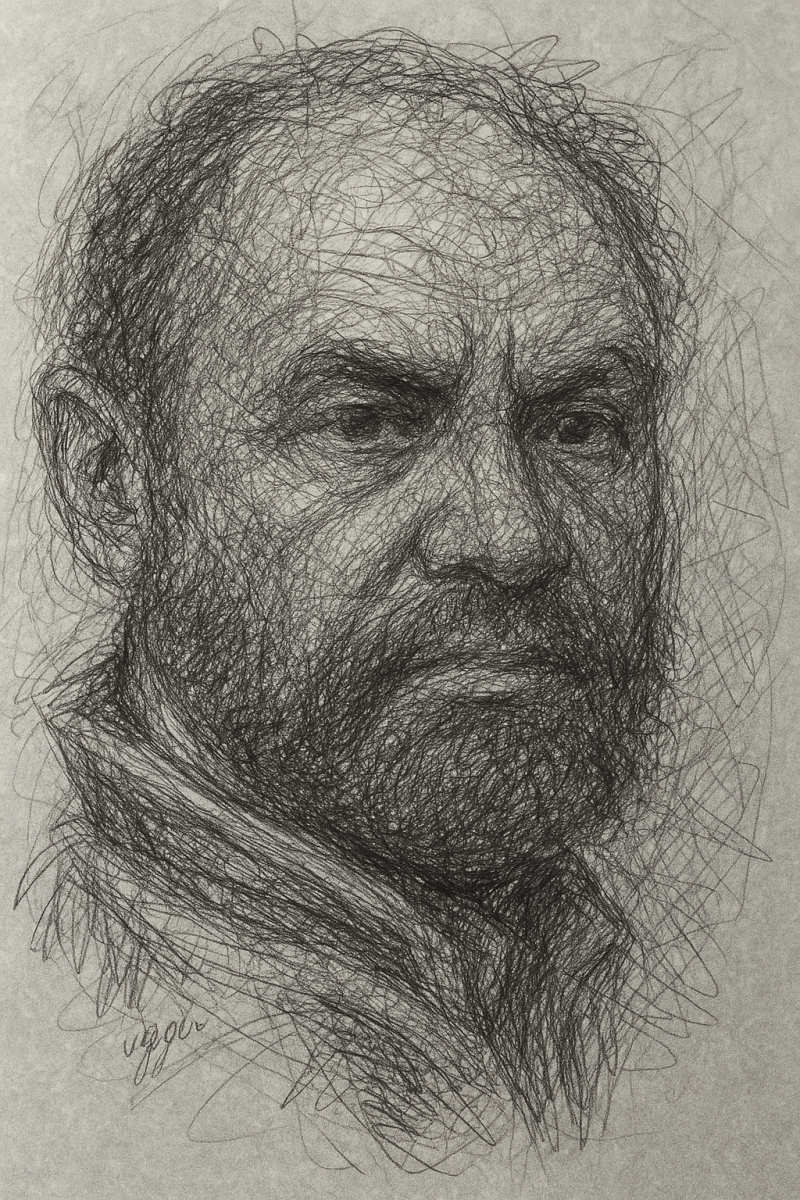
I.n.t.e.r.e.s.t.i.n.g. today’s technologies are developing at the speed of optical‑internet bandwidth, AI is now fully deployed and complements our daily life. It is an indisputable fact that AI has potential; it can evolve and learn, and at times its responses could even astonish a Professor. When we asked our AI about the created images and whether it is able to recognize the person in the original photography from the scribble it produced, the following response code was written "When creating a human portrait, the AI is based on facial points by which it models the portrait visible in the image; the requirement to scribble shifts the main facial control points, and this is a scribbling maximally approximated to the source material" Would you recognize David Cage from this scribble ? “Of course I created this person’s portrait from the original photo.”
P.S.
Imperceptibly, even after ten years we may no longer be able to distinguish the classics from AI‑created reality; we ourselves will be forced to follow facial points rather than the other way around. Let’s protect the classics and avoid chasing derivative works so that art can experience the next Renaissance.